
Table of Contents
ToggleIntroduction
Protective packaging engineering Canada has become a critical discipline for businesses that rely on safe, damage-free product delivery across increasingly complex logistics networks. As supply chains expand across provinces and shipments travel longer distances through multiple handling points, the risk of product damage has grown significantly. Companies can no longer depend on basic packaging solutions; they must design packaging systems that actively protect products under real-world shipping conditions.
In Canada, logistics environments present unique challenges. Products are often transported over long distances between cities such as Vancouver, Calgary, Toronto, and Montreal, passing through various distribution centers, carriers, and handling stages. During transit, packages are exposed to vibration, compression, drops, and environmental changes. Without proper product protection packaging, these conditions can lead to damage that affects both product integrity and customer satisfaction.
Product damage is not just a logistics issue—it is a financial and reputational risk. Damaged goods result in returns, replacements, additional shipping costs, and increased customer service workload. Over time, these issues can erode profit margins and negatively impact brand perception. Businesses that fail to address these risks often face higher operational costs than those that invest in effective damage prevention packaging strategies.
Protective packaging engineering focuses on designing packaging systems that are tailored to the specific needs of each product. This includes analyzing product characteristics, identifying potential risks during transportation, and applying packaging structural design principles to create solutions that absorb impact, distribute weight, and maintain integrity under stress.
Modern companies are increasingly adopting advanced packaging engineering methods to test and validate their packaging designs before deployment. These methods ensure that packaging performs reliably under simulated shipping conditions, reducing the likelihood of failure during actual transit.
As customer expectations for fast and reliable delivery continue to rise, businesses must prioritize packaging performance as a key component of their logistics strategy. Organizations that invest in engineering-driven packaging solutions are better positioned to reduce damage rates, improve operational efficiency, and build stronger customer trust. In today’s competitive environment, mastering protective packaging engineering Canada is essential for delivering products safely and maintaining long-term business success.
Why Protective Packaging Engineering Canada Is Critical in Logistics
Protective packaging engineering Canada plays a central role in ensuring that products move safely and efficiently through complex logistics networks. As supply chains become faster, more distributed, and more demanding, packaging must do more than simply contain a product—it must actively protect it against a wide range of physical and environmental risks throughout transit.
The Role of Packaging in Modern Canadian Supply Chains
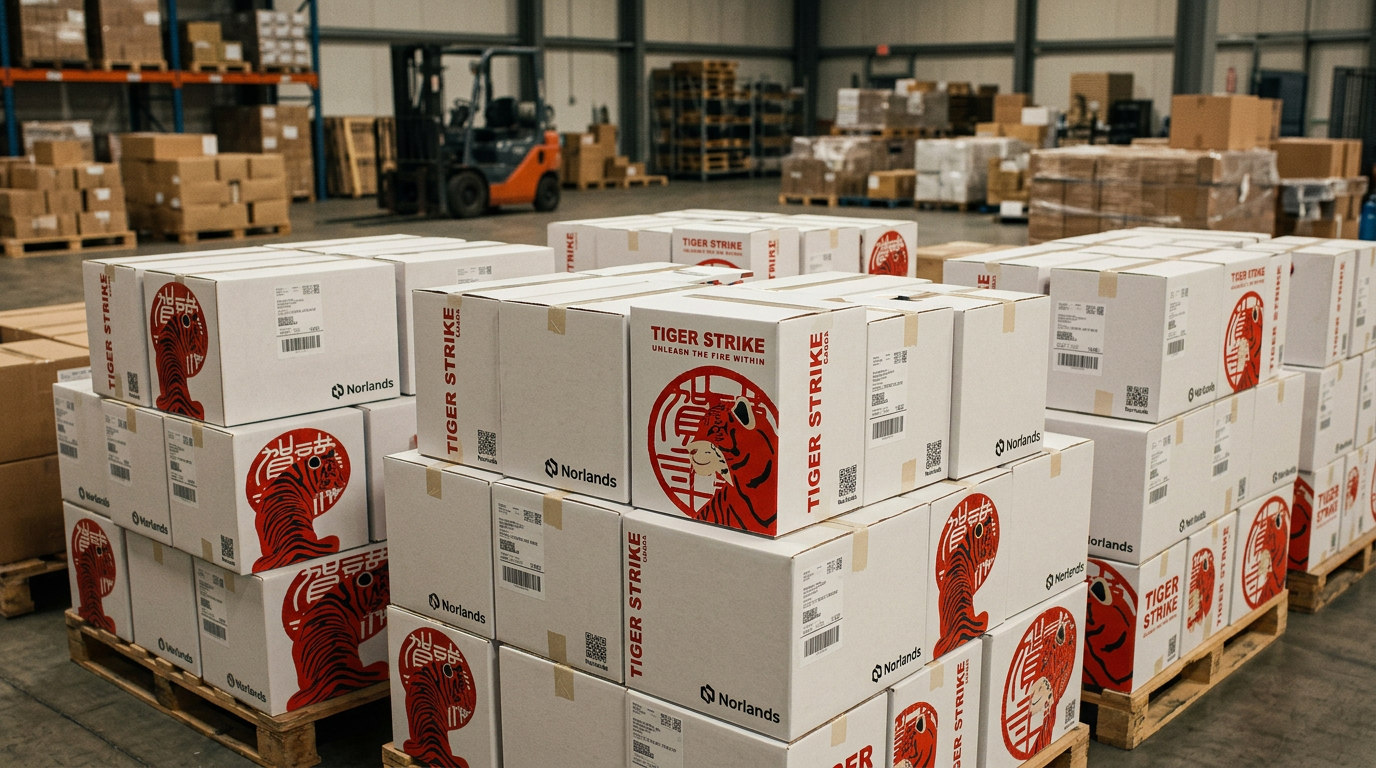
In Canada, supply chains often span vast geographic distances, requiring products to travel through multiple transportation modes, including trucking, rail, and sometimes air freight. Each stage introduces different handling conditions, from automated sorting systems to manual loading and unloading.
Packaging is the first line of defense against these variables. It must maintain structural integrity under stacking pressure, absorb shocks during handling, and protect products from environmental exposure. Effective shipping protection solutions are designed with these conditions in mind, ensuring that packaging performs consistently across all stages of the logistics process.
Businesses that rely on standard packaging without engineering considerations often underestimate the complexity of these conditions, increasing the likelihood of damage during transit.
Common Causes of Product Damage During Shipping
Product damage during shipping is rarely caused by a single event. Instead, it results from a combination of factors that accumulate throughout the delivery process. Common causes include drops during handling, compression from stacking, vibration during transportation, and exposure to temperature or humidity changes.
In Canadian logistics networks, these risks are amplified by long travel distances and varying infrastructure conditions. Packages may be handled multiple times, transferred between facilities, and exposed to different environments before reaching their destination.
Without proper damage prevention packaging, even durable products can suffer from repeated stress. Over time, these small impacts can lead to visible damage, reduced product functionality, or complete failure.
How Engineering Reduces Logistics Risk
Protective packaging engineering addresses these challenges by applying scientific and data-driven approaches to packaging design. Instead of relying on assumptions, engineers analyze how products behave under different stress conditions and design packaging systems that mitigate those risks.
This includes selecting appropriate materials, optimizing structural design, and incorporating protective features such as cushioning, reinforcement, and shock absorption. Through advanced packaging engineering methods, businesses can simulate real-world conditions and validate packaging performance before products are shipped.
Engineering-driven packaging also improves consistency. By designing solutions that perform reliably under varying conditions, businesses reduce variability in outcomes and maintain a higher level of control over product quality during delivery.
Ultimately, protective packaging engineering transforms packaging from a passive container into an active risk management tool. Companies that invest in these approaches are able to reduce damage rates, improve delivery reliability, and enhance overall logistics performance—making protective packaging engineering Canada a critical component of modern supply chain strategy.
How Protective Packaging Engineering Canada Reduces Return Rates
Protective packaging engineering Canada directly impacts one of the most costly operational challenges for businesses: product returns. Returns are not only expensive in terms of reverse logistics and replacements, but they also affect customer trust and long-term brand perception. By focusing on engineering-driven packaging solutions, companies can significantly reduce return rates by preventing damage before it occurs.
Structural Reinforcement Techniques
One of the most effective ways to reduce product damage is through advanced packaging structural design. Structural reinforcement techniques are used to strengthen packaging so it can withstand the physical stresses encountered during shipping.
This includes designing corrugated boxes with appropriate flute profiles, adding internal supports such as inserts or partitions, and reinforcing critical stress points where compression or impact is most likely. These techniques distribute weight more evenly and prevent localized failure when packages are stacked or handled roughly.
In Canada’s logistics environment—where products may travel long distances and experience multiple handling stages—structural reinforcement ensures that packaging maintains its integrity from origin to destination.
Material Selection for Impact Resistance
Material selection is another key factor in effective product protection packaging. Different products require different levels of protection, and choosing the right materials is essential for absorbing impact and preventing damage.
High-quality corrugated materials, cushioning foams, molded pulp, and protective films are commonly used to enhance impact resistance. The choice of material depends on factors such as product fragility, weight, and transportation conditions.
For example, fragile electronics may require multi-layer cushioning systems, while heavier industrial products may need reinforced corrugated structures. Selecting materials that match the specific requirements of the product ensures that packaging performs effectively without unnecessary cost.
Testing and Validation in Packaging Engineering Methods
Performance-based testing standards are essential in validating packaging reliability before real-world deployment. According to ASTM D4169, shipping containers and packaging systems should be evaluated under conditions that simulate actual distribution environments, including compression, vibration, and handling stresses. This approach allows businesses to identify weaknesses in packaging design and ensure consistent protection throughout the logistics process.A critical advantage of packaging engineering methods is the ability to test and validate packaging performance before it is used in real-world conditions. Instead of relying on assumptions, businesses can simulate shipping environments and identify potential weaknesses in packaging design.
Testing methods may include drop tests, vibration tests, compression tests, and environmental simulations. These tests replicate the stresses that packaging will experience during transportation, allowing engineers to refine designs and improve performance.
By validating packaging systems through testing, businesses reduce uncertainty and ensure that packaging solutions are capable of protecting products consistently. This proactive approach significantly lowers the likelihood of damage and, as a result, reduces return rates.
Ultimately, reducing returns is not just about improving packaging—it is about improving the entire customer experience. Products that arrive in perfect condition reinforce trust and satisfaction, while damaged goods create friction and additional costs. Companies that invest in engineering-driven packaging solutions are able to minimize returns, protect their brand, and improve operational efficiency—demonstrating the value of protective packaging engineering Canada.
Protective Packaging Engineering Canada vs Standard Packaging Design
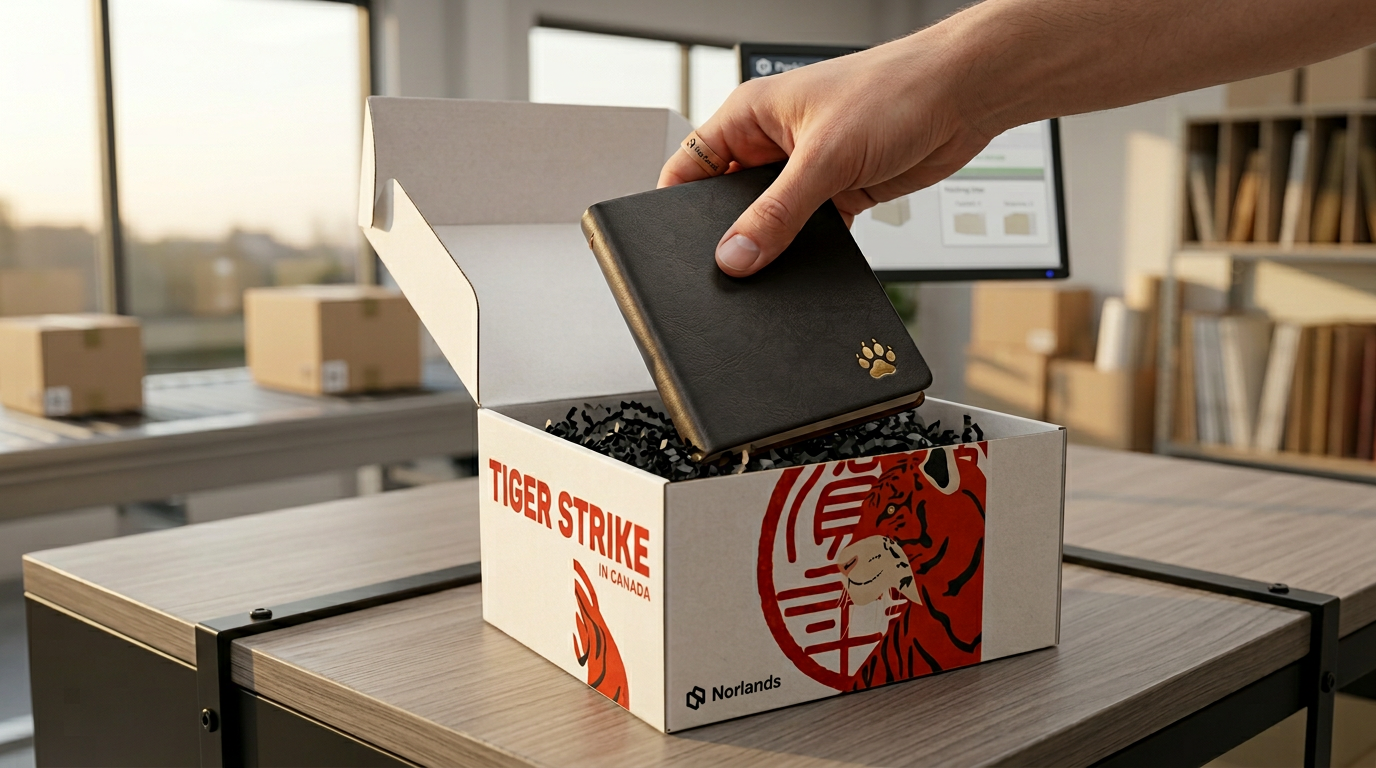
Protective packaging engineering Canada represents a significant shift from traditional packaging approaches that focus primarily on containment and basic protection. While standard packaging design may be sufficient for low-risk products or short-distance shipping, it often falls short in modern logistics environments where products face complex handling conditions and extended transit times.
Limitations of Traditional Packaging Approaches
Standard packaging design typically relies on generalized specifications rather than product-specific analysis. Businesses may choose packaging based on cost, availability, or past practices without fully considering how it will perform under real shipping conditions.
This approach creates several limitations. Packaging may be overbuilt in some areas—leading to unnecessary cost—or underbuilt in critical areas—leading to increased risk of damage. Without proper engineering, businesses often rely on trial and error, which can result in inconsistent performance and higher return rates.
In Canadian logistics networks, where products travel long distances and pass through multiple handling stages, these limitations become more pronounced. Standard packaging may not provide sufficient protection against cumulative stress factors such as vibration, compression, and repeated handling.
Performance-Based Packaging Structural Design
Protective packaging engineering takes a performance-based approach to design. Instead of relying on assumptions, engineers analyze product characteristics, shipping conditions, and risk factors to develop packaging solutions that meet specific performance requirements.
This includes optimizing packaging structural design to ensure that packaging can withstand expected stresses while using materials efficiently. Engineers consider factors such as load distribution, impact resistance, and environmental conditions to create packaging systems that perform reliably across different scenarios.
Performance-based design also allows businesses to balance protection and cost more effectively. By targeting specific risk areas, companies can avoid overengineering while still achieving the necessary level of protection.
Why Packaging Waste Reduction Strategies Canada Are Reshaping Brand Value
Quick question:
You might also like
Cost vs Protection Trade-Off Analysis
One of the key differences between engineered and standard packaging is how cost is evaluated. Standard packaging decisions often prioritize minimizing upfront expenses, which can lead to packaging cost optimization risks when performance is compromised.
Protective packaging engineering, on the other hand, considers the total cost of ownership. This includes not only the cost of materials but also the costs associated with product damage, returns, logistics disruptions, and customer dissatisfaction.
By conducting a cost vs protection trade-off analysis, businesses can identify the optimal balance between investment and performance. In many cases, slightly higher upfront packaging costs result in lower overall expenses due to reduced damage and improved operational efficiency.
Ultimately, the difference between standard packaging and engineered solutions lies in predictability and control. Engineered packaging provides consistent, validated performance, while standard packaging often introduces variability and risk.
Businesses that transition to engineering-driven approaches gain a stronger ability to protect products, reduce costs over time, and maintain consistent delivery performance. This makes protective packaging engineering Canada a critical evolution in packaging strategy for companies operating in demanding logistics environments.
Industries That Rely on Protective Packaging Engineering Canada
Protective packaging engineering Canada is essential in industries where product damage is not just an inconvenience but a direct threat to profitability, safety, and brand reputation. These sectors operate in environments where packaging must perform reliably under demanding conditions, making engineering-driven solutions a necessity rather than an option.
E-Commerce and Fragile Goods Shipping
E-commerce businesses handle a wide range of products, many of which are fragile or sensitive to impact. Items such as glassware, cosmetics, electronics, and consumer goods must survive complex shipping journeys that involve multiple handling points and varying transportation conditions.
In this sector, even a small increase in damage rates can lead to a significant rise in returns and customer dissatisfaction. Companies rely on product protection packaging and engineered cushioning systems to ensure that products arrive intact, regardless of shipping distance or handling intensity.
Electronics and High-Value Product Protection
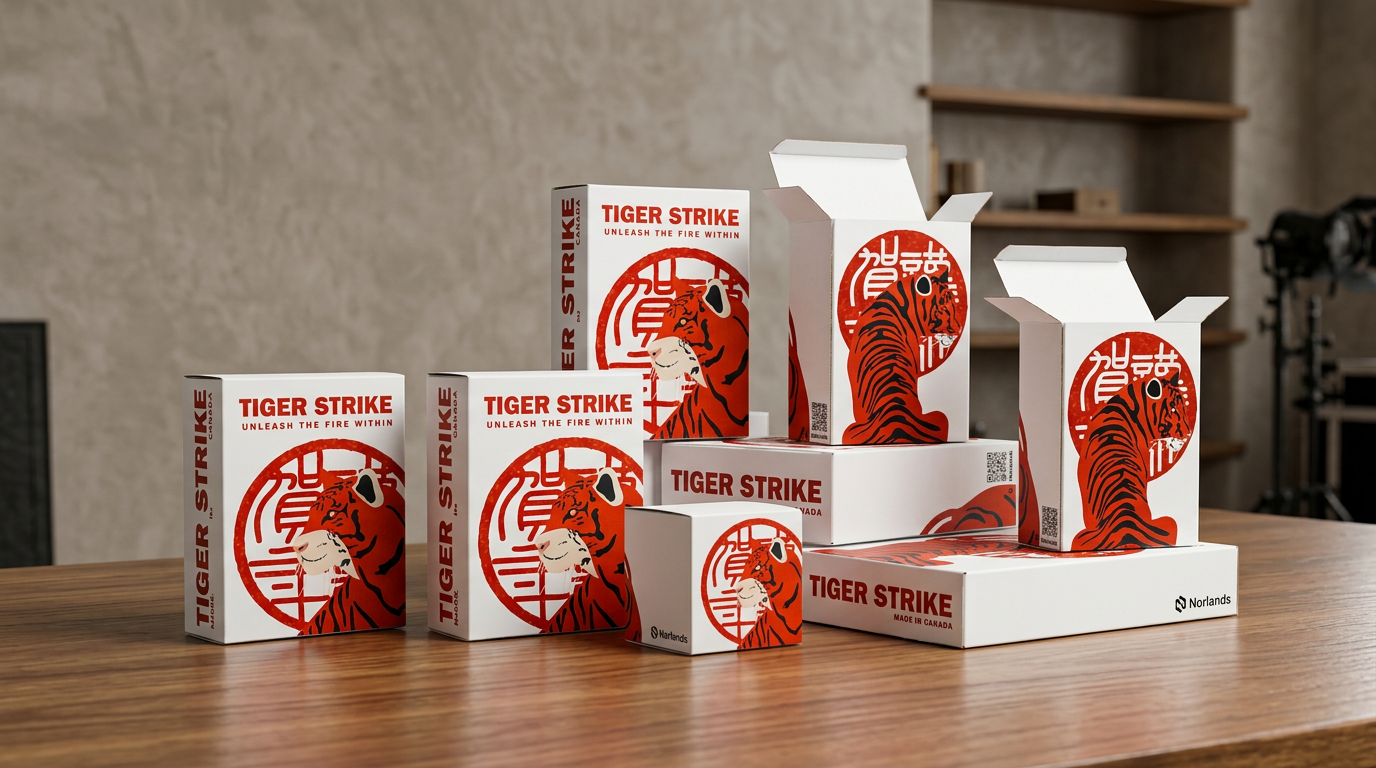
Electronics manufacturers face some of the highest risks associated with product damage. Devices such as smartphones, computers, and precision equipment are highly sensitive to shock, vibration, and environmental conditions.
Protective packaging engineering is used to design solutions that isolate products from external forces and maintain stability during transit. Advanced materials and structural designs are applied to absorb impact and prevent internal movement.
Given the high value of these products, even minor damage can result in significant financial loss. This makes damage prevention packaging a critical component of supply chain strategy in the electronics industry.
Industrial Equipment and Heavy-Duty Packaging
Industrial sectors require packaging solutions capable of handling heavy, oversized, or complex products. Equipment and machinery components must be protected against compression, vibration, and environmental exposure during long-distance transportation.
In these cases, packaging engineering focuses on structural strength and load distribution. Reinforced corrugated materials, custom crates, and specialized supports are used to ensure that packaging can withstand the stresses of industrial logistics.
The scale and weight of these products mean that failures in packaging can lead to major operational disruptions, making engineering-driven design essential.
Food and Beverage Transport Safety
The food and beverage industry also relies heavily on protective packaging engineering to maintain product quality and safety. Packaging must protect products from contamination, temperature changes, and physical damage while complying with regulatory requirements.
Fragile items such as bottled beverages or perishable goods require packaging solutions that provide both structural protection and environmental control. Companies use shipping protection solutions designed to maintain product integrity throughout the distribution process.
In Canada, where products often travel long distances and experience varying climate conditions, maintaining consistent packaging performance is especially important.
Across these industries, the need for reliable, high-performance packaging is clear. Businesses that invest in engineering-based packaging solutions are better equipped to reduce damage, maintain product quality, and ensure consistent delivery outcomes.
As supply chains continue to grow in complexity, the importance of protective packaging engineering Canada will only increase, making it a foundational element of modern logistics and product protection strategies.
Strategic Benefits of Protective Packaging Engineering in Canada
Protective packaging engineering Canada provides measurable advantages that extend beyond damage prevention. Businesses that invest in engineered packaging systems gain improvements in cost control, operational efficiency, and customer experience—all of which contribute to long-term performance.
Reducing Product Damage and Returns
The most immediate benefit is a reduction in product damage. Engineered packaging is designed to withstand real shipping conditions, which significantly lowers the likelihood of breakage, deformation, or functional failure.
Fewer damaged shipments mean fewer returns, reduced reverse logistics costs, and less operational disruption. Over time, this leads to more predictable performance and improved profitability.
Improving Customer Satisfaction and Brand Trust
Customers expect products to arrive in perfect condition. When packaging consistently protects products during transit, it reinforces trust and reliability.
On the other hand, damaged deliveries create frustration and reduce confidence in the brand. Businesses that implement strong shipping protection solutions enhance the customer experience and build long-term loyalty.
Enhancing Supply Chain Efficiency
Protective packaging engineering also improves overall supply chain efficiency. Well-designed packaging reduces variability in outcomes, allowing businesses to plan operations with greater accuracy.
Efficient packaging systems can optimize space utilization, reduce handling issues, and streamline logistics processes. These improvements contribute to faster delivery times and lower operational costs.
Frequently Asked Questions (FAQ)
What is protective packaging engineering Canada?
It is the process of designing packaging systems that protect products from damage during transportation using engineering principles.
How does packaging engineering reduce product damage?
By optimizing structure, materials, and testing methods to absorb impact and withstand shipping conditions.
What materials are best for impact-resistant packaging?
Corrugated board, foam cushioning, molded pulp, and specialized protective films are commonly used.
Which industries need protective packaging the most?
E-commerce, electronics, industrial manufacturing, and food and beverage sectors rely heavily on protective packaging.
How can businesses improve shipping protection solutions?
By using engineered designs, selecting appropriate materials, and testing packaging under real-world conditions.
Conclusion: Engineering Packaging for Reliable Delivery
Protective packaging engineering Canada has become a strategic necessity for businesses operating in modern logistics environments. As supply chains grow more complex and customer expectations continue to rise, companies must move beyond basic packaging solutions and adopt engineering-driven approaches that ensure consistent performance.
By integrating advanced packaging engineering methods, structural design principles, and material optimization strategies, businesses can protect products more effectively while improving operational efficiency. These investments not only reduce damage and returns but also strengthen brand reputation and customer trust.
In Canada, where logistics conditions can be particularly demanding due to long distances and varying environments, the importance of engineered packaging is even greater. Companies that prioritize protective packaging as part of their core strategy are better positioned to maintain reliability and scale their operations successfully.
Ultimately, packaging is no longer just a container—it is a critical component of product delivery and customer experience. Businesses that embrace protective packaging engineering Canada will be better equipped to prevent costly damage, improve efficiency, and achieve long-term success.





No comment