


How Packaging Material Decisions Impact Sustainability Goals in BC
Introduction
Packaging material decisions BC businesses make today directly shape how sustainability goals are achieved across British Columbia. In a province known for strong environmental awareness and progressive policy, packaging is no longer evaluated only by cost and performance. It is measured by carbon footprint, recyclability, and long-term environmental impact.
BC’s regulatory landscape plays a defining role. With evolving bc environmental regulations and extended producer responsibility frameworks, companies must evaluate sustainable packaging materials through both compliance and performance lenses. Eco packaging choices are no longer optional branding elements; they influence market access, retailer acceptance, and consumer trust across the province.
Geography adds complexity. Products shipped within BC often travel through varied climate zones, from coastal humidity to colder inland regions. This makes packaging lifecycle impact a practical concern. Materials must protect products effectively while supporting recyclable packaging options that align with local recovery infrastructure.
Consumers in BC also expect transparency. Green packaging strategy claims are increasingly scrutinized, and surface-level changes rarely satisfy informed buyers. Businesses are therefore reassessing how material selection supports both environmental responsibility and operational efficiency.
Balancing durability, compliance, cost, and sustainability requires structured evaluation rather than assumption. Understanding how environmental goals intersect with supply chain realities is essential. In this context, packaging material decisions BC represent more than procurement choices—they define how brands align with sustainability expectations in British Columbia.

Why Packaging Material Decisions BC Are Under Regulatory Pressure
Packaging material decisions BC are increasingly influenced by strict environmental legislation and rapidly evolving sustainability benchmarks across British Columbia. Businesses operating in Vancouver, Surrey, Kelowna, and other regional hubs must align eco packaging choices with one of the most progressive regulatory environments in Canada.
Unlike provinces where packaging policy may be gradually evolving, Packaging material decisions BC are shaped by clear mandates around waste reduction, material recovery, and circular economy performance. This regulatory pressure has transformed packaging from a simple logistics function into a compliance-driven strategic priority.
Overview of BC Environmental Regulations
British Columbia has implemented advanced provincial environmental frameworks that directly affect packaging producers, distributors, and retailers. The province prioritizes landfill diversion, recycling efficiency, and long-term material recovery performance.
The Province of British Columbia outlines its recycling and waste management framework through provincial regulations that require producers to reduce waste generation and improve material recovery performance. According to the Government of British Columbia’s official recycling policy framework, businesses must align packaging systems with provincial waste diversion goals and approved recovery programs. These requirements directly influence packaging material decisions BC, particularly in terms of recyclability, recovery compatibility, and long-term environmental accountability.
Under these frameworks, Packaging material decisions BC must demonstrate:
-
Reduced contribution to landfill streams
-
Compatibility with existing recycling systems
-
Lower lifecycle environmental impact
-
Support for circular economy objectives
Programs targeting single-use plastics and improving material recovery rates have shifted sustainable packaging materials from being a marketing preference to becoming a regulatory expectation. For local manufacturers and suppliers, compliance influences procurement eligibility, retail acceptance, and long-term distribution agreements.
As a result, Packaging material decisions BC are no longer isolated operational choices — they are embedded within provincial environmental accountability systems.
Extended Producer Responsibility (EPR) in British Columbia
A major factor behind regulatory pressure is the province’s Extended Producer Responsibility (EPR) framework. Under EPR policies, producers are financially and operationally responsible for managing post-consumer packaging waste.
This means Packaging material decisions BC must account for:
-
End-of-life recyclability
-
Recovery and sorting compatibility
-
Material contamination risks
-
Processing feasibility within municipal systems
Instead of focusing only on manufacturing costs, companies must evaluate the full packaging lifecycle impact. Materials that cannot be efficiently recycled within BC’s infrastructure may increase compliance costs and reporting obligations.
EPR has effectively shifted Packaging material decisions BC from short-term procurement thinking to long-term environmental strategy planning.
Compliance Challenges for Local Businesses
For small and mid-sized companies across Metro Vancouver and surrounding regions, regulatory compliance introduces operational complexity. Packaging material decisions BC must balance:
-
Structural performance and durability
-
Material cost efficiency
-
Transportation optimization
-
Environmental impact metrics
-
Reporting and documentation requirements
Lifecycle assessments (LCA) are becoming increasingly important to validate environmental claims and measure emissions impact. Collaboration with local packaging suppliers helps reduce transportation emissions while improving regulatory alignment.
Companies that overlook these regulatory realities risk:
-
Financial penalties
-
Reputational damage in environmentally conscious markets
-
Reduced competitiveness in procurement processes
-
Increased long-term operational costs
In sustainability-driven markets such as Metro Vancouver, proactive and well-structured Packaging material decisions BC are essential to maintaining both compliance and brand credibility.
How Packaging Material Decisions BC Affect Carbon Footprint and Waste
Packaging material decisions BC directly influence a company’s carbon footprint, waste output, and long-term sustainability performance. In British Columbia, where climate policy and consumer awareness are both strong, every material choice affects not only operational costs but also environmental credibility.
From fiber sourcing to transportation distances, packaging lifecycle impact is now measured more rigorously by regulators, retailers, and corporate procurement teams across BC.
Material Selection and Lifecycle Assessment in BC
Selecting sustainable packaging materials requires more than choosing recyclable content. Businesses in Vancouver and across BC increasingly conduct lifecycle assessments (LCA) to evaluate energy use, emissions, and end-of-life recovery rates.
For example, corrugated packaging sourced from regional BC mills may generate a lower carbon footprint compared to imported plastic alternatives due to shorter transport routes and higher local recycling rates. Recyclable packaging options such as kraft paperboard, molded pulp, and mono-material films are gaining preference because they align with BC’s recovery infrastructure.
Lifecycle thinking also helps companies assess packaging durability. A material that reduces damage during shipping can lower total environmental impact, even if its initial production footprint is slightly higher.
Trade-Offs Between Cost and Environmental Responsibility
Eco packaging choices often present financial trade-offs. Compostable films, recycled-content corrugated board, and biodegradable coatings may carry higher upfront costs than conventional materials.
However, BC’s green procurement policies and retailer sustainability requirements increasingly favor companies with a structured green packaging strategy. Over time, sustainable design can reduce waste disposal fees, enhance brand positioning, and improve compliance efficiency under BC environmental regulations.
For businesses operating in environmentally conscious markets like Victoria and Metro Vancouver, packaging material decisions BC are no longer just operational decisions—they are competitive differentiators.
Packaging Material Decisions BC vs National Sustainability Standards
Packaging material decisions BC often exceed national benchmarks, positioning British Columbia as a sustainability leader within Canada. While federal policies set baseline environmental requirements, BC environmental regulations frequently introduce stricter recovery targets and broader producer accountability.
For businesses operating across multiple provinces, understanding how BC differs from national standards is essential to maintaining compliance and optimizing eco packaging choices.
How BC Compares to Federal Canadian Regulations
At the federal level, Canada promotes waste reduction through initiatives such as plastic reduction strategies and national recycling goals. However, BC’s Extended Producer Responsibility framework is more comprehensive than many provincial equivalents.
Unlike some regions where recycling systems are municipally funded, BC requires producers to finance and manage recovery systems directly. This means packaging lifecycle impact is scrutinized at every stage—from material sourcing to post-consumer processing.
For companies distributing products nationally, packaging material decisions BC may require customized solutions. A material acceptable in another province might not meet BC’s recyclability standards or collection infrastructure capabilities.
Aligning with Global Sustainability Benchmarks
Many BC-based manufacturers and exporters align their green packaging strategy with global standards such as ESG reporting frameworks and circular economy principles. Sustainable packaging materials are evaluated not only for local compliance but also for international trade compatibility.
This alignment supports export industries in sectors like seafood, agriculture, and specialty foods. Recyclable packaging options that meet BC standards often position companies competitively in European and U.S. markets where sustainability documentation is increasingly required.
In practice, packaging material decisions BC frequently become the benchmark for national packaging redesign strategies, especially for companies seeking leadership in environmental responsibility.
Industries in BC Most Impacted by Packaging Material Decisions
Packaging material decisions BC have varying levels of impact depending on the industry. In British Columbia, sectors with high product turnover, export exposure, or environmental scrutiny face greater pressure to adopt sustainable packaging materials and structured green packaging strategy frameworks.
Understanding Corrugated Performance Standards for Canadian Shipping
Quick question:
You might like also
Food & Beverage Sector
BC’s food and beverage industry, especially in regions like the Fraser Valley and Okanagan, is heavily influenced by eco packaging choices. Products must meet food safety standards while also complying with bc environmental regulations.
Seafood exporters, wineries, and organic food producers often prioritize recyclable packaging options such as corrugated cartons, paper-based inserts, and compostable films. Because these businesses frequently export to environmentally regulated markets, packaging lifecycle impact assessments are part of procurement decisions.
Additionally, BC consumers show strong preference for visibly sustainable packaging materials, making packaging design a marketing asset as well as a compliance requirement.
E-commerce and Retail
Vancouver’s growing e-commerce ecosystem has significantly increased packaging volume. As a result, packaging material decisions BC directly influence waste generation and carbon emissions from shipping operations.
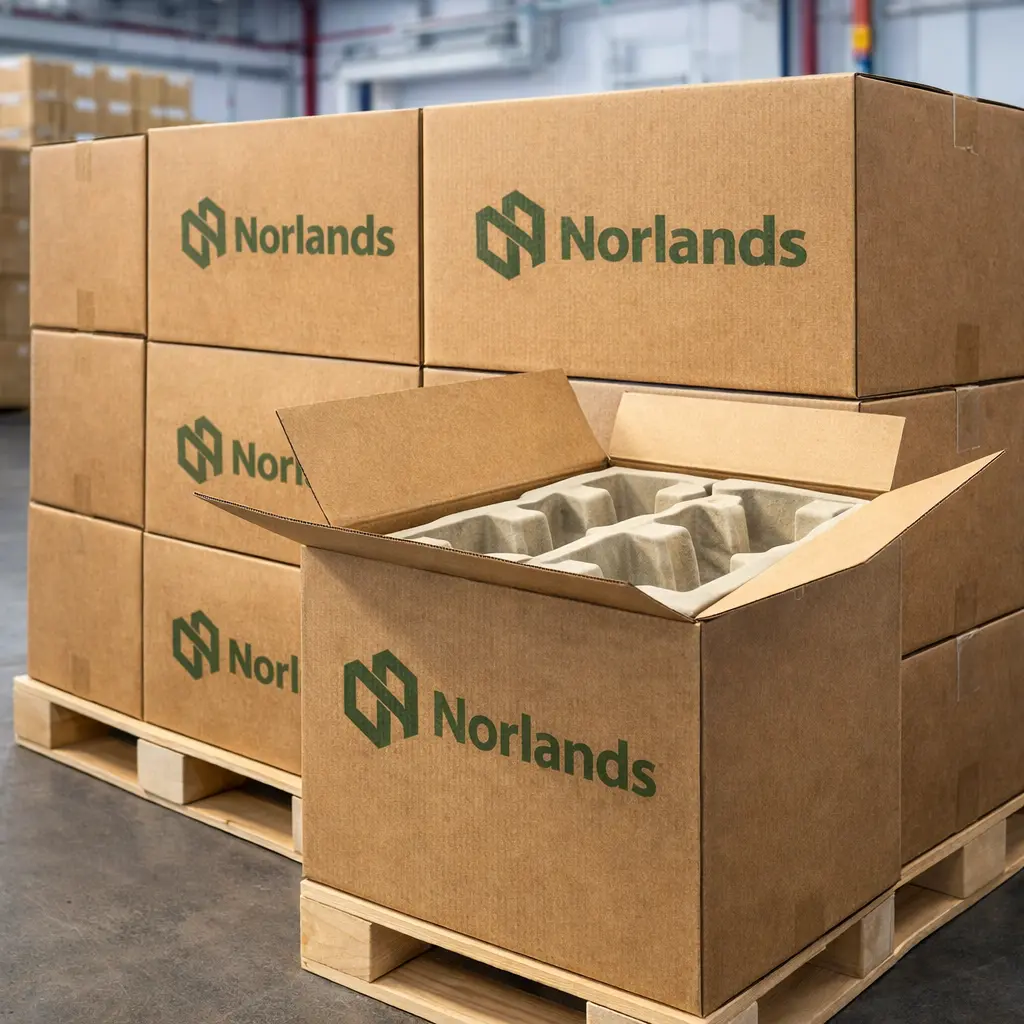
Retailers are shifting toward right-sized corrugated boxes, recycled-content mailers, and mono-material protective inserts. Sustainable packaging materials that reduce void fill and optimize pallet efficiency can lower transport emissions, supporting broader carbon reduction targets.
Brands that demonstrate transparent green packaging strategy often gain higher customer loyalty in BC’s environmentally conscious retail market.
Manufacturing and Natural Resources
Industrial and resource-based companies in BC also face scrutiny regarding eco packaging choices. Export packaging for lumber, minerals, and manufactured goods must balance durability with environmental responsibility.
Selecting recyclable packaging options that withstand long-distance transport while minimizing excess material helps reduce overall packaging lifecycle impact.
Across these sectors, packaging material decisions BC are shaping operational models and influencing supplier relationships throughout the province.
Future Trends Influencing Packaging Material Decisions BC
Packaging material decisions BC are evolving rapidly as innovation, consumer behavior, and regulatory expectations continue to shift. Businesses in Vancouver and across British Columbia are not only responding to current bc environmental regulations but also preparing for stricter sustainability benchmarks in the coming years.

Innovation in Sustainable Packaging Materials
Advances in sustainable packaging materials are transforming how companies approach eco packaging choices. Fiber-based alternatives, water-based barrier coatings, and recyclable mono-material films are replacing multi-layer plastics that are difficult to recover.
Local suppliers in BC are investing in recycled-content corrugated board, compostable protective packaging, and lighter-weight designs that reduce transport emissions. These innovations lower packaging lifecycle impact while maintaining structural performance.
Material science developments are also enabling companies to redesign packaging without sacrificing durability. Strength optimization and right-sizing reduce raw material usage and waste generation simultaneously.
Growth of Recyclable and Compostable Packaging Options
Consumer demand in British Columbia strongly favors recyclable packaging options. Clear labeling, simplified material structures, and compatibility with municipal recycling systems are becoming standard expectations.
Compostable packaging is expanding in food service and specialty retail sectors, particularly in environmentally progressive cities like Victoria and Vancouver. However, businesses must verify that materials align with BC’s processing infrastructure to avoid contamination issues.
As collection systems improve, packaging material decisions BC will increasingly prioritize materials that integrate seamlessly into local recycling streams.
Green Packaging Strategy for Competitive Advantage
A structured green packaging strategy is shifting from optional branding to core business planning. Companies that proactively assess packaging lifecycle impact and invest in sustainable packaging materials often secure partnerships with retailers that have strict sustainability criteria.
In BC’s competitive market, transparent eco packaging choices support stronger brand trust and long-term resilience. Forward-thinking packaging material decisions BC will be driven by measurable carbon reduction goals, supplier collaboration, and data-backed environmental reporting.