


Why Packaging Standardization Challenges Canada Are Growing
Table of Contents
ToggleIntroduction
Packaging standardization challenges canada are becoming more visible as businesses expand across diverse regional markets and evolving distribution channels. For many organizations, standardized packaging once appeared to offer operational simplicity—reducing production complexity, simplifying inventory management, and lowering manufacturing costs. However, as Canadian markets grow more dynamic, uniform packaging strategies are increasingly colliding with real-world operational needs.
Canada’s geographic and commercial landscape is far from uniform. Provinces such as British Columbia, Alberta, Ontario, and Quebec each present different consumer behaviors, logistics infrastructure, and distribution environments. In this context, one-size-fits-all packaging often struggles to meet the varying demands of retail, e-commerce, and industrial supply chains. Businesses attempting to scale across multiple regions frequently encounter packaging flexibility issues, where standardized designs cannot adapt efficiently to different product sizes, shipping methods, or branding strategies.
At the same time, the rise of online commerce and direct-to-consumer shipping has intensified pressure on packaging performance. Standardized cartons designed for palletized retail distribution may not function effectively for parcel-based fulfillment. These limitations can create operational packaging bottlenecks, slowing distribution and increasing handling complexity.
Companies must also balance efficiency with identity. While standardization can simplify operations, it can also weaken brand differentiation packaging strategies that help products stand out in competitive retail environments. As a result, many Canadian businesses are reevaluating how uniform packaging should be within their overall strategy.
Understanding the trade-offs between efficiency and flexibility is essential for modern supply chains navigating packaging standardization challenges canada.
Why Packaging Standardization Challenges Canada Are Increasing
The rise of packaging standardization challenges Canada reflects the changing nature of modern supply chains and the increasing complexity of product distribution across the country. For many years, standardized packaging formats helped companies simplify operations, reduce production costs, and streamline logistics processes. However, as businesses expand into new markets, adopt e-commerce models, and diversify product lines, the limitations of rigid packaging systems are becoming more visible.
Today, companies must manage distribution networks that operate across different provinces, transportation infrastructures, and consumer expectations. These realities are contributing to growing packaging standardization challenges Canada, as packaging designed for uniform environments struggles to perform consistently across diverse logistics conditions.
As businesses scale, packaging strategies must evolve to support both operational efficiency and market responsiveness.

Market Diversity Across Canadian Regions
One of the primary reasons behind rising packaging standardization challenges Canada is the diversity of Canada’s regional markets. The country’s vast geography and varied economic environments mean that distribution systems differ significantly between provinces.
Retail distribution networks in Ontario and Quebec often involve dense urban retail systems and large warehouse hubs, while logistics patterns in Western Canada may emphasize long-haul transport and regional distribution centers. In addition, urban fulfillment centers operate differently from remote distribution networks serving smaller communities.
These regional differences introduce packaging requirements that standardized systems may not accommodate effectively. For example, shipments traveling to northern regions may require stronger protective packaging due to longer transit routes and environmental exposure. Meanwhile, urban last-mile delivery in cities such as Toronto or Vancouver may prioritize compact packaging that optimizes courier transportation.
Because of these variations, packaging standardization challenges Canada often arise when companies attempt to use identical packaging formats across all regions. Instead of improving efficiency, this uniform approach can create mismatches between packaging design and regional distribution realities.
The Limits of One-Size-Fits-All Packaging
The concept of one-size-fits-all packaging was originally developed to simplify manufacturing and inventory management. When companies produce a limited number of standardized cartons, procurement and production processes become easier to manage.
However, the growing packaging standardization challenges Canada highlight the limits of this approach. Many businesses now operate with complex product portfolios that include items with different dimensions, fragility levels, and shipping requirements.
A single standardized carton may accommodate certain products efficiently but create operational inefficiencies for others. Oversized boxes may require excessive filler materials, increasing packaging waste and shipping costs. Conversely, undersized packaging can compromise product protection or stacking stability.
Across Canada’s large distribution network, these inefficiencies multiply quickly. Increased shipping weight, inefficient pallet utilization, and higher material consumption all contribute to rising logistics costs. These outcomes demonstrate how packaging standardization challenges Canada can affect both operational performance and financial efficiency.
E-Commerce Growth and Changing Packaging Needs
The expansion of e-commerce has further accelerated packaging standardization challenges Canada. Traditional packaging systems were designed primarily for palletized retail distribution, where products were shipped in bulk to stores or warehouses.
In contrast, e-commerce requires packaging capable of protecting individual items during parcel shipping. Products may pass through multiple courier facilities, automated sorting systems, and last-mile delivery stages before reaching customers.
Industry packaging research indicates that the rapid expansion of e-commerce is significantly reshaping packaging design and distribution requirements. As online retail continues to grow, packaging systems must adapt to parcel-based fulfillment, increased product diversity, and higher shipping frequencies. These changes are pushing companies to reconsider rigid standardized packaging structures in favor of more flexible packaging formats that can support multiple distribution channels.
Standardized retail packaging formats often perform poorly in these environments. Boxes designed for palletized transport may lack sufficient protective features for parcel shipping, increasing the risk of damage during transit. As businesses adopt direct-to-consumer models, the limitations of rigid packaging systems become more evident.
These shifts in fulfillment models are intensifying packaging standardization challenges Canada, particularly for companies that must simultaneously support retail distribution and online order fulfillment.
Operational Packaging Bottlenecks in Scalable Distribution
Rigid packaging systems can also create operational bottlenecks in warehouses and fulfillment centers. When packaging formats are too limited or inflexible, distribution teams may need to perform additional handling steps to adapt products to standardized boxes.
For example, warehouse staff may need to add extra protective materials, repackage items, or manually adjust packaging configurations to ensure safe shipment. These additional steps slow down packing processes and reduce overall throughput.
Over time, these inefficiencies contribute to the broader packaging standardization challenges Canada that many growing businesses face. As companies expand across multiple sales channels—including retail, wholesale, and e-commerce—the need for more adaptable packaging systems becomes increasingly clear.
Organizations that recognize these operational pressures early can redesign their packaging strategies to balance standardization with flexibility. By addressing packaging standardization challenges Canada proactively, businesses can reduce fulfillment friction, improve logistics efficiency, and better support scalable distribution across Canada’s complex market landscape.
Packaging Standardization Challenges Canada vs Customization
Packaging standardization challenges canada become most visible when businesses compare standardized packaging systems with customized solutions designed for specific products, markets, or distribution channels. While standardization offers operational simplicity, excessive uniformity can introduce limitations that restrict brand growth and operational adaptability.
Loss of Brand Differentiation
One of the most significant trade-offs of strict packaging standardization is the potential loss of brand identity. Packaging plays a major role in product visibility and customer perception, particularly in retail and e-commerce environments.
When companies rely too heavily on uniform packaging formats, they may sacrifice opportunities for brand differentiation packaging that distinguish products on store shelves or in online unboxing experiences. Standard cartons often prioritize efficiency over visual impact, making it harder for brands to communicate product quality or uniqueness.
In competitive Canadian retail markets—especially in sectors like consumer packaged goods, cosmetics, and specialty foods—distinctive packaging design is often an important marketing advantage.
Operational Rigidity in Fast-Growth Markets
Rapidly growing businesses frequently experience packaging flexibility issues when standardized systems cannot adapt quickly to new product launches, promotional packaging, or market expansion.
For example, companies entering new provinces or introducing additional product variations may discover that their standardized packaging does not accommodate different size requirements or distribution formats. Adjusting standardized packaging systems often requires redesigning entire production workflows, creating delays during periods of rapid growth.
Packaging Flexibility Issues in Multi-Channel Retail
Many Canadian companies now operate across multiple sales channels, including traditional retail, e-commerce platforms, and wholesale distribution. Each channel can require different packaging configurations.
Standardized packaging designed for palletized retail distribution may not perform efficiently in parcel shipping environments. Conversely, packaging optimized for courier delivery may not stack efficiently in retail warehouse environments.
These mismatches highlight the growing importance of flexible packaging systems.
Localized Packaging Needs Across Provinces
Regional market differences further complicate packaging strategies. Products distributed in provinces with varying regulatory requirements, climate conditions, or consumer expectations may benefit from localized packaging adjustments.
When businesses rely exclusively on standardized formats, they may struggle to adapt to these regional requirements—one of the core factors behind ongoing packaging standardization challenges canada.
When Standardization Still Makes Sense in Canada
Packaging standardization challenges canada do not mean that standardization has no value. In many situations, standardized packaging remains an effective operational strategy—particularly for high-volume distribution and stable product lines. The key is understanding where uniformity provides efficiency and where flexibility becomes necessary.
How Packaging Design Logistics Efficiency BC Impacts Transportation Costs
Quick question:
You might like also
High-Volume Distribution Efficiency
For companies shipping large volumes of identical or similar products, standardized packaging formats can significantly improve operational efficiency. Using consistent box sizes simplifies production planning, packaging line automation, and pallet configuration.
Standardized packaging also allows manufacturers and distributors to streamline material procurement. When fewer packaging variations are required, purchasing teams can order larger quantities of the same packaging format, reducing manufacturing complexity and improving supplier coordination.
Cost Reduction Through Simplified Production
Another advantage of standardized packaging is cost stability. When packaging specifications remain consistent, production processes become more predictable.
Manufacturers can optimize equipment settings, reduce changeover times, and maintain consistent output levels. This consistency often lowers operational costs while reducing the likelihood of operational packaging bottlenecks during large production runs.
Standardized packaging can also simplify quality control procedures because the same design specifications are repeatedly produced.
Inventory and Warehouse Optimization
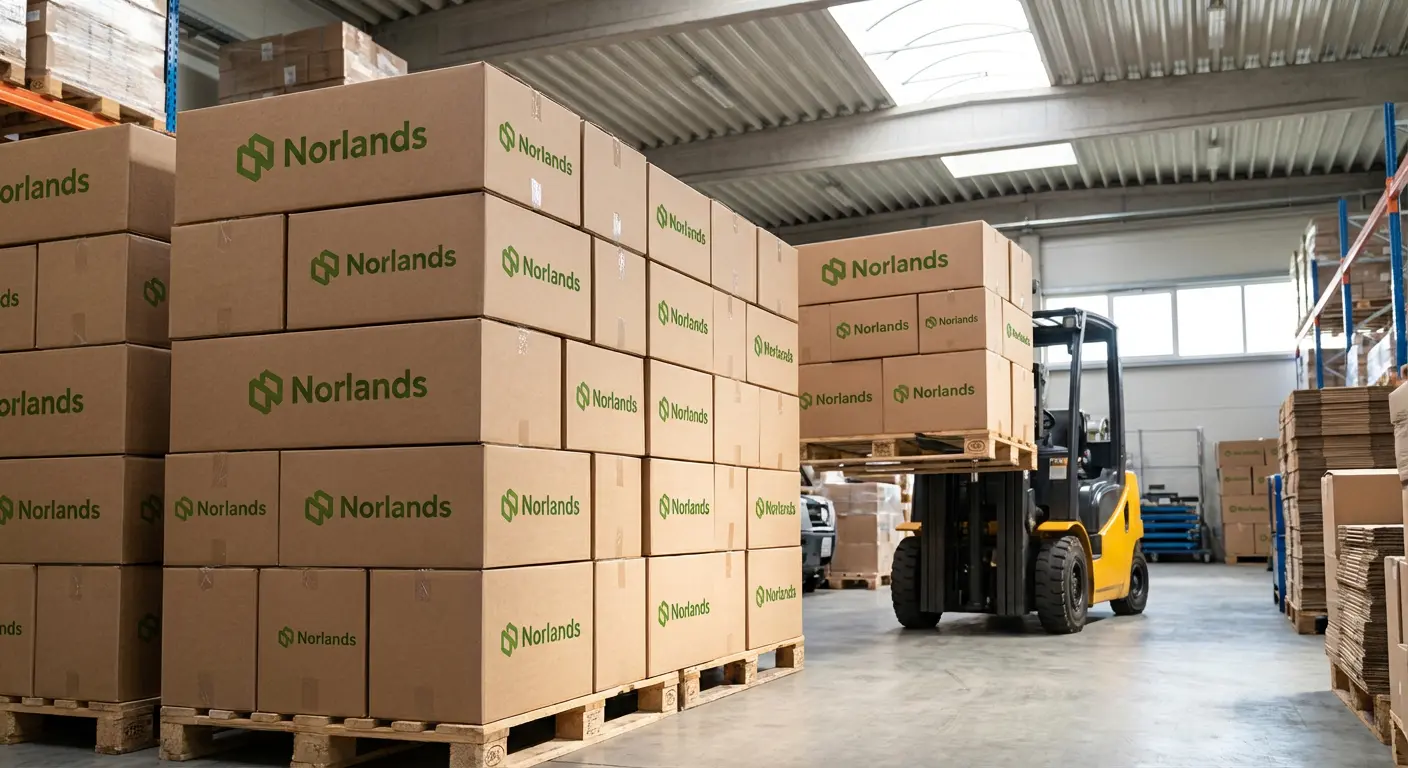
Warehousing operations benefit from consistent packaging dimensions. Standard box sizes allow distribution centers to design more efficient storage layouts, optimize pallet stacking patterns, and improve transportation planning.
For businesses shipping across long distances within Canada, consistent packaging sizes help maximize truck and container capacity while reducing unused shipping space.
Although one-size-fits-all packaging may not work for every product or distribution channel, strategic standardization still provides meaningful advantages in the right operational environments.
Balancing Standardization and Flexibility in Packaging Strategy
The growing impact of packaging standardization challenges Canada has encouraged many businesses to rethink how packaging systems are designed and managed. In the past, strict standardization helped companies simplify production, reduce costs, and streamline logistics. However, as product diversity, regional distribution patterns, and consumer expectations evolve, purely standardized systems are often no longer sufficient.
Instead of choosing between complete standardization or unlimited customization, many organizations addressing packaging standardization challenges Canada are adopting balanced strategies. These strategies combine the operational efficiency of standardized packaging structures with the flexibility needed to support product diversity, branding requirements, and regional logistics variations across Canada.
By finding the right balance between structure and adaptability, companies can overcome packaging standardization challenges Canada while maintaining cost control and operational efficiency.
Hybrid Packaging Models for Canadian Businesses
One of the most practical responses to packaging standardization challenges Canada is the adoption of hybrid packaging models. These systems allow companies to standardize key structural elements—such as base box sizes or pallet configurations—while retaining flexibility in other areas.
For example, a company may standardize outer carton dimensions to improve warehouse stacking efficiency and shipping optimization. At the same time, the same packaging system can allow customization through different print designs, protective inserts, or internal configurations tailored to specific product categories.
Hybrid models help businesses manage packaging standardization challenges Canada by reducing unnecessary complexity while still accommodating variations required by different markets and distribution channels. This approach is especially valuable for companies operating across multiple provinces where consumer expectations and logistics conditions vary.
In addition, hybrid systems improve collaboration with packaging suppliers because standardized structural formats simplify production while customization remains possible without redesigning the entire packaging system.
Strategic SKU Reduction Without Losing Identity
Another important strategy for addressing packaging standardization challenges Canada involves reducing the number of packaging SKUs while preserving key branding elements. Many companies accumulate dozens—or even hundreds—of packaging variations over time as new products are introduced. While this diversity may initially support marketing differentiation, it often creates operational complexity.
Through packaging portfolio analysis, businesses can identify opportunities to consolidate similar box sizes or packaging formats. By strategically reducing SKUs, companies minimize the operational bottlenecks that often arise from managing too many packaging variations.
Addressing packaging standardization challenges Canada through SKU consolidation allows organizations to simplify inventory management, improve supplier coordination, and reduce production costs. At the same time, companies can preserve brand differentiation through graphic design, labeling, and product-specific messaging.
This balanced approach ensures that operational efficiency improves without sacrificing the visual identity that helps products stand out in competitive markets.
Designing Modular Packaging Systems
Modular packaging design is another effective solution emerging from the need to manage packaging standardization challenges Canada. In a modular system, a consistent base packaging structure remains unchanged while interchangeable internal components allow adaptation for different products.
For example, a standard outer box can be combined with different inserts, dividers, cushioning materials, or protective layers depending on the product being shipped. This structure allows companies to maintain manufacturing consistency while accommodating variations in product size, fragility, or presentation.
Modular packaging systems are particularly useful for businesses experiencing rapid product development or seasonal product launches. They allow organizations to respond quickly to new requirements without introducing entirely new packaging formats.
In addressing packaging standardization challenges Canada, modular designs provide flexibility while keeping manufacturing processes efficient and manageable.
Building a Balanced Packaging Strategy
For businesses operating across Canada’s diverse market landscape, the ability to balance consistency with adaptability is becoming increasingly important. Regional logistics conditions, evolving retail channels, and expanding product lines all contribute to the complexity of packaging decisions.
Companies that proactively address packaging standardization challenges Canada through hybrid systems, SKU consolidation, and modular packaging design are better positioned to reduce operational inefficiencies while maintaining brand differentiation.
Ultimately, overcoming packaging standardization challenges Canada requires a strategic packaging framework that supports both operational control and market responsiveness. Businesses that achieve this balance can build packaging systems that remain efficient, adaptable, and resilient as their distribution networks continue to evolve.
FAQ – Packaging Standardization Challenges Canada
Why are packaging standardization challenges increasing in Canada?
The rise of packaging standardization challenges Canada is closely tied to the changing structure of modern distribution networks and consumer markets. Canada’s vast geography, diverse regional economies, and rapidly evolving retail landscape make it increasingly difficult for businesses to rely solely on rigid packaging systems.
E-commerce expansion is one of the most significant drivers behind packaging standardization challenges Canada. Online retailers often ship products of varying sizes and weights through multiple logistics channels. Traditional standardized packaging formats are not always able to accommodate this diversity efficiently, leading to wasted space, increased shipping costs, or inadequate product protection.
Regional logistics differences across Canada also contribute to packaging standardization challenges Canada. Transportation routes, warehouse systems, and retail distribution patterns vary widely between provinces. As a result, packaging designed for one region may not perform as effectively in another, increasing the need for more flexible packaging strategies.
Is one-size-fits-all packaging still practical?
While standardized packaging can still be effective in certain contexts, the growing packaging standardization challenges Canada reveal its limitations for many businesses. For high-volume products with predictable distribution patterns, standardized packaging remains efficient and cost-effective.
However, many companies now manage complex product portfolios that include multiple sizes, fragile goods, or products sold through different sales channels. In these situations, rigid packaging systems often struggle to support operational flexibility.
As packaging standardization challenges Canada become more visible, businesses are adopting hybrid approaches that combine standard packaging structures with adaptable design elements. This approach allows companies to maintain efficiency while still accommodating diverse product requirements and evolving distribution needs.
How does packaging affect brand differentiation?
Brand visibility is another area where packaging standardization challenges Canada influence business strategy. In competitive retail and e-commerce environments, packaging often plays a crucial role in attracting customer attention and reinforcing brand identity.
Standardized packaging formats can sometimes limit creative design opportunities, making it harder for products to stand out on crowded retail shelves or in digital marketplaces. As a result, many businesses navigating packaging standardization challenges Canada are incorporating customized visual elements, distinctive graphics, and branded structural designs to strengthen product recognition.
Effective packaging not only protects products during transport but also communicates brand values and quality to consumers. Businesses that successfully balance standardization with visual differentiation often achieve stronger market presence.
What are operational packaging bottlenecks?
Operational bottlenecks are a common consequence of unresolved packaging standardization challenges Canada. These bottlenecks occur when packaging systems are too rigid to support the realities of modern production, warehousing, and fulfillment processes.
For example, when packaging formats are limited to a small set of standardized sizes, companies may struggle to accommodate new products or seasonal variations. This can slow packing operations, increase material waste, and create inefficiencies in warehouse storage.
In distribution environments where speed and accuracy are critical, unresolved packaging standardization challenges Canada can lead to delays in order fulfillment and increased handling costs. Businesses that recognize these bottlenecks early are better positioned to implement flexible packaging systems that improve operational flow.
What is a hybrid packaging strategy?
A hybrid packaging strategy is one of the most effective solutions emerging in response to packaging standardization challenges Canada. Instead of abandoning standardization entirely, companies combine standardized structural packaging with customizable design or sizing elements.
This approach allows businesses to maintain operational efficiency while still adapting packaging to different product categories and distribution channels. For example, a company might standardize core box structures while using modular inserts, variable print designs, or adjustable dimensions for different product lines.
Hybrid systems help organizations manage packaging standardization challenges Canada by reducing complexity while preserving flexibility. By balancing consistency with adaptability, businesses can support both operational efficiency and market responsiveness.

Conclusion
The rise of packaging standardization challenges Canada reflects the growing complexity of modern supply chains and the diverse nature of Canadian consumer markets. While standardized packaging once provided clear advantages in efficiency and cost control, today’s distribution networks require greater adaptability to accommodate varied product portfolios, sales channels, and regional logistics conditions.
Businesses that successfully navigate packaging standardization challenges Canada recognize that standardization and flexibility are not mutually exclusive. By adopting hybrid packaging strategies, modular designs, and selective SKU consolidation, organizations can maintain efficient operations while still responding to changing market demands.
Ultimately, companies that address packaging standardization challenges Canada strategically will reduce operational friction, improve fulfillment efficiency, and strengthen brand differentiation. In a marketplace defined by rapid change and diverse distribution environments, the ability to balance consistency with adaptability has become a key factor in long-term packaging success.