
Introduction
Packaging supply resilience has shifted from a back-office concern to a frontline business priority, and the companies that ignore it are learning hard lessons at the worst possible moments. For years, businesses optimized packaging sourcing around a single goal — the lowest price — while assuming materials would always arrive on time. Recent years have shattered that assumption. Supplier failures, port congestion, material shortages, and sudden demand swings have shown how quickly a fragile packaging supply can bring an otherwise healthy operation to a standstill.
The cost of that fragility is steep. When packaging materials don’t show up, production stops, shipments slip, and customers go elsewhere. A single weak link in sourcing can ripple across the entire operation, turning a minor supplier hiccup into lost revenue and damaged reputation. This is why resilience — the ability to keep packaging flowing despite disruption — has become a genuine competitive advantage rather than a nice-to-have.
For businesses in Vancouver, BC, the case is especially pressing. Heavy reliance on cross-border sourcing from the U.S., currency swings between the loonie and the dollar, and seasonal congestion at the Port of Vancouver all heighten exposure to supply shocks. A delay south of the border or a backlog at the port can disrupt Lower Mainland operations within days, making local sourcing options and contingency planning more valuable than ever.
The encouraging news is that resilience can be built deliberately. Through supplier diversification, smarter procurement, predictive technology, and sound inventory strategy, businesses can absorb shocks that would cripple less-prepared competitors. This guide breaks down the threats, the hidden costs, and the proven strategies for strengthening your supply chain — because in today’s volatile market, packaging supply resilience is no longer optional, it’s essential to staying operational and competitive.
The Biggest Threats That Reduce Packaging Supply Resilience
Supplier dependency and single-source sourcing
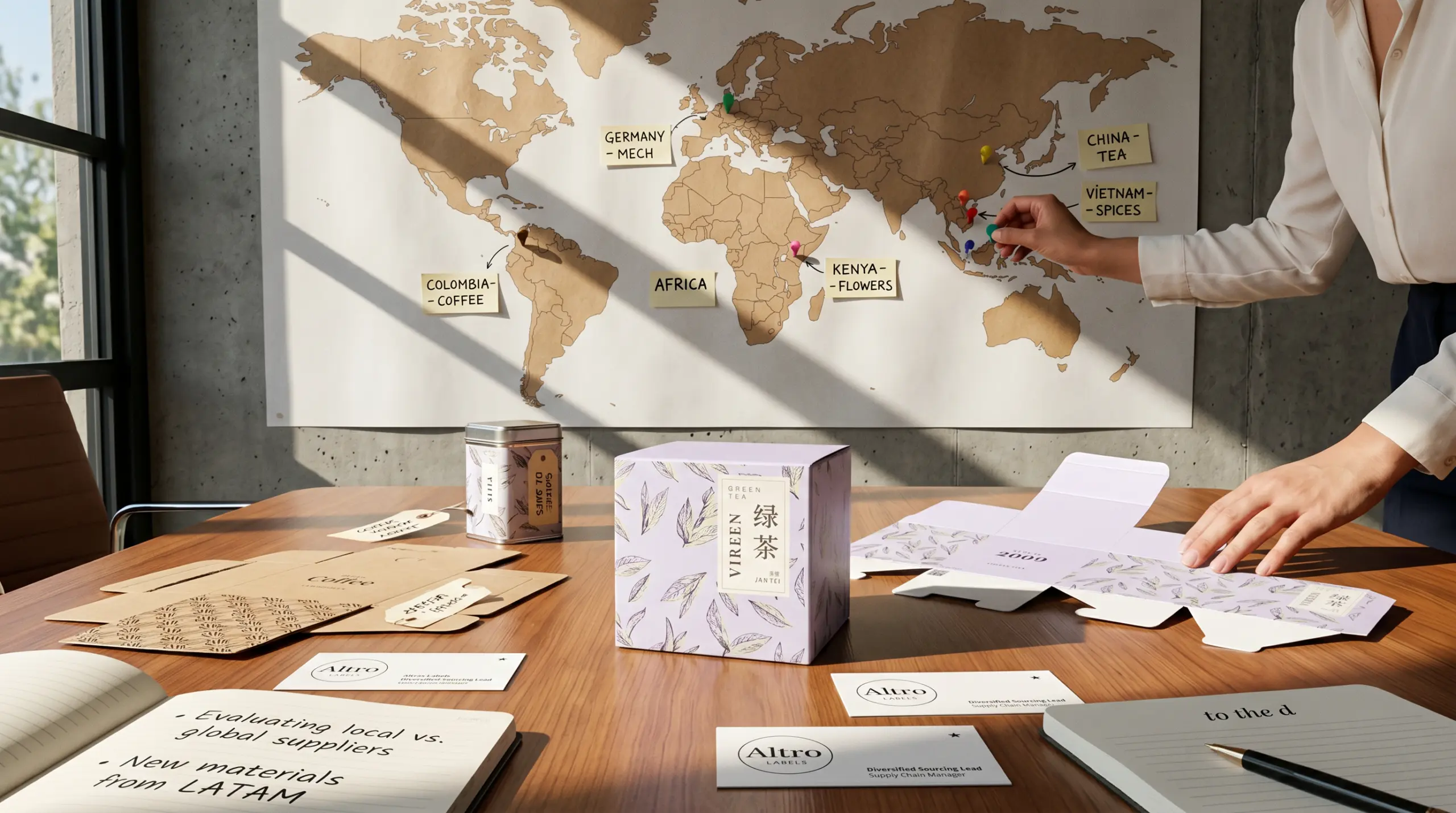
Leaning on a single supplier is the most concentrated threat to packaging supply resilience. It streamlines ordering and may lower costs, but it removes every safety net. If that one source raises prices, runs short, or fails entirely, production stops with no alternative ready. A single factory shutdown, labour dispute, or quality lapse becomes a company-wide crisis. Spreading volume across multiple qualified suppliers replaces this fragile dependency with a network that keeps materials flowing when any one source stumbles.
Broader supply chain resilience research also emphasizes the importance of identifying potential single points of failure across suppliers, processes, and critical inputs. Evaluating exposure to shortages, price volatility, and supplier concentration allows businesses to make sourcing decisions that balance operational efficiency with long-term supply resilience.
Raw material shortages and market volatility
Packaging materials ride the same market waves as any commodity. Pulp, resin, and adhesive availability shift with global demand, energy costs, and production capacity, and a shortage upstream can leave even a dependable supplier unable to deliver. These swings make availability and pricing hard to predict. For Vancouver businesses importing materials or sourcing across the border, currency fluctuations layer additional volatility onto both cost and supply.
Transportation and logistics disruptions
Even when materials exist, getting them to your facility is its own risk. Port congestion, carrier shortages, fuel price spikes, and customs delays all interrupt the flow of packaging. The Port of Vancouver’s seasonal backlogs and cross-border freight bottlenecks make this a recurring concern for Lower Mainland operations, where a stalled shipment can idle a production line for days.
Global economic uncertainty and geopolitical risks
Trade policy shifts, tariffs, sanctions, and regional instability ripple through global packaging supply chains. A policy change in one country or a dispute affecting a shipping route can abruptly cut off a source or inflate costs. Businesses dependent on distant or politically exposed suppliers carry hidden vulnerability that surfaces without warning when conditions shift.
Climate-related disruptions affecting packaging supply
Extreme weather increasingly threatens supply continuity. Floods, wildfires, and storms can shut down supplier facilities, damage materials, and sever transport routes. British Columbia has felt this directly — floods and wildfires have repeatedly disrupted regional highways and rail lines, severing supply links. Factoring climate risk into sourcing decisions is now a practical necessity, not a distant concern.
How Weak Packaging Supply Resilience Creates Hidden Business Costs
Production downtime
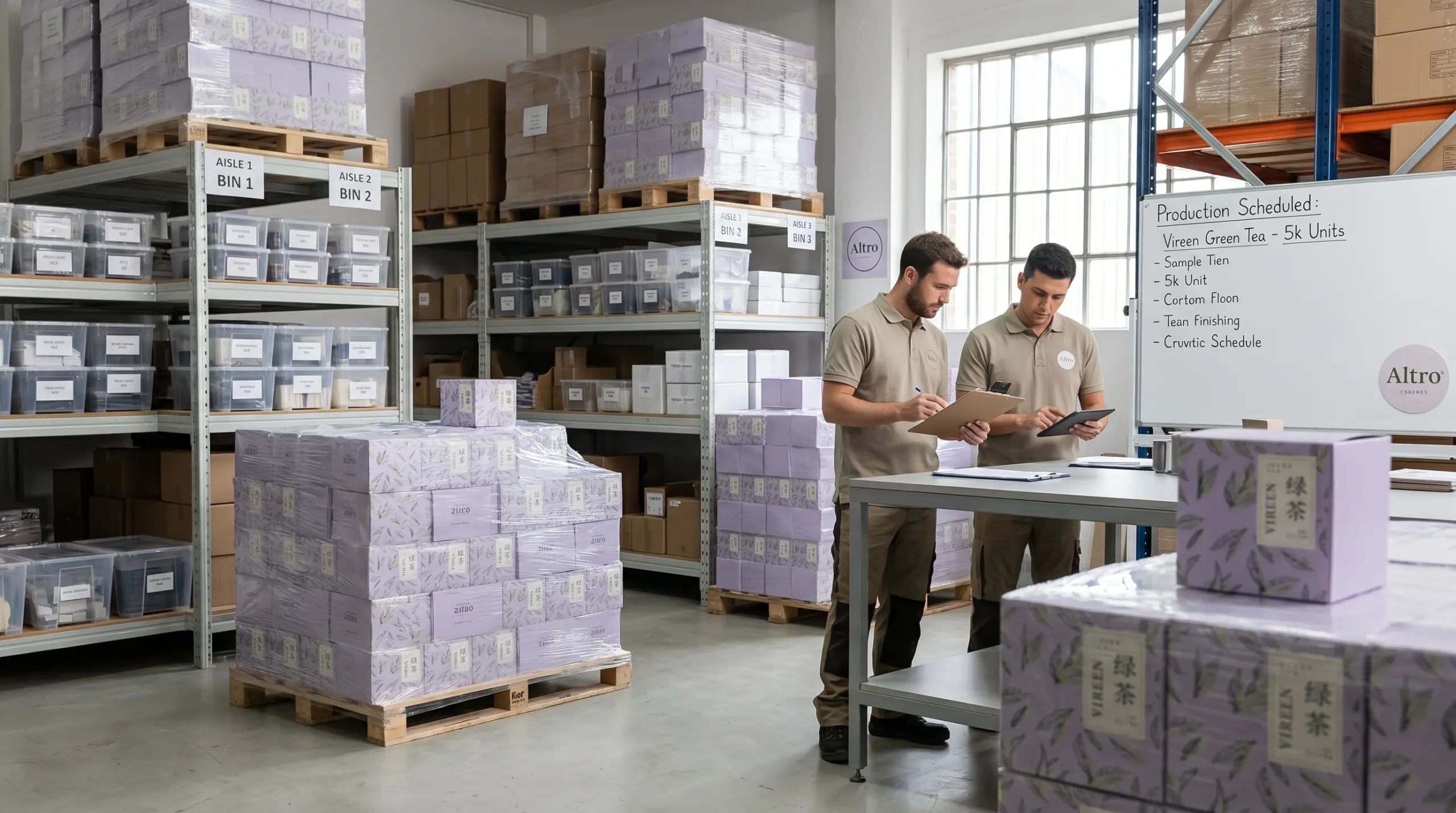
The most immediate cost of fragile packaging supply is a stopped line. When materials don’t arrive, finished goods can’t be packed or shipped, and production halts no matter how well everything upstream performs. Idle equipment and standing workers turn a profitable run into pure loss, with every hour of downtime compounding into missed orders. Because packaging sits near the end of the chain, a single sourcing gap can freeze an entire operation — making downtime one of the costliest consequences of weak resilience.
Customer delivery delays
Supply disruptions travel straight to the customer. Late packaging means late deliveries, broken commitments, and missed shipping windows. In competitive markets, even a handful of late orders can push buyers toward more reliable competitors. These delays damage relationships that took years to build, and the lost trust often costs far more than the disruption itself.
Rising procurement costs
Fragile supply forces expensive compromises. When a primary source fails, businesses pay premium prices for last-minute replacements, accept worse terms, or absorb higher-cost materials just to keep running. Without the leverage that diversified, planned sourcing provides, procurement costs creep upward with every disruption — quietly eroding margins over time.
Emergency sourcing expenses
Beyond higher unit prices, crisis sourcing carries its own steep costs. Rush freight, expedited production fees, and the labour spent scrambling for alternatives all stack up fast. For Vancouver operations, where cross-border expedited shipping and port surcharges already run high, these emergency expenses hit especially hard, turning a manageable shortfall into a significant financial blow.
Loss of customer confidence
The deepest cost is the hardest to measure. Repeated delays and inconsistent delivery erode the confidence that underpins customer loyalty. Once buyers begin to doubt reliability, they hedge by splitting orders or leaving altogether. Rebuilding that trust takes far longer than losing it, making lost confidence the most lasting damage weak packaging supply resilience inflicts.
Need packaging that fits your product, timeline, and budget?
Tell us what you’re packaging and we’ll help you find the right box style, material, and production path.

Packaging Supply Resilience vs Traditional Supply Chain Management
Stability versus cost-driven procurement
Traditional supply chain management has long been built around one dominant goal: driving down cost. Lowest-price suppliers, lean inventory, and single-source efficiency all serve that aim — and they work beautifully until something breaks. Resilience-focused management weighs stability alongside cost, accepting that a slightly higher price for diversified, reliable supply is cheaper than the downtime a disruption causes. The shift isn’t about ignoring cost; it’s about measuring the true cost, including the risk that price-only thinking conveniently overlooks.
Reactive sourcing vs proactive resilience planning
The clearest divide between the two approaches is timing. Traditional models react — they address supply problems after they appear, scrambling for alternatives mid-crisis. Resilience planning is proactive, building backup suppliers, contingency plans, and buffer inventory before disruption strikes. When a shock hits, the reactive operation loses days finding a solution while the resilient one switches to a plan it prepared in advance. Proactive planning converts potential crises into manageable events that barely interrupt the flow of operations.
Why resilience is becoming a competitive advantage
Resilience has moved from a defensive cost to a genuine source of advantage. In a volatile market, the business that keeps shipping while competitors stall wins the orders, the customers, and the reputation. Reliable delivery becomes a selling point, and the stability resilience provides supports confident growth and planning. For Lower Mainland businesses navigating cross-border and port-related risks, building resilience isn’t just protection — it’s a way to outperform less-prepared rivals precisely when conditions turn difficult and reliability matters most.
Building a More Resilient Packaging Supplier Network

Multi-supplier sourcing strategies
A resilient supplier network starts with refusing to depend on any single source. Qualifying two or more suppliers for every critical packaging material removes the single point of failure that brings operations down. The aim isn’t to scatter orders thinly across dozens of vendors, but to maintain a primary supplier backed by vetted, ready alternatives that can absorb volume on short notice. Spreading these suppliers across different regions adds another layer of protection, ensuring a localized disruption never severs your entire supply at once.
Supplier performance evaluation
A supplier network is only as strong as the suppliers in it. Regular performance evaluation — tracking on-time delivery, defect rates, lead-time consistency, and responsiveness — reveals which vendors strengthen resilience and which quietly undermine it. These metrics turn vague impressions into objective data, exposing weak links before they cause damage. Ongoing evaluation also signals to suppliers that reliability is measured and valued, encouraging the consistent performance that resilience depends on.
Regional and local sourcing opportunities
Local and regional suppliers offer powerful resilience advantages: shorter lead times, fewer transport links to break, and reduced exposure to border delays and currency swings. For Vancouver businesses, building relationships with suppliers across the Lower Mainland — Surrey, Burnaby, Richmond, and the Fraser Valley — provides a faster, more controllable alternative to distant or cross-border sources. Blending local options with broader suppliers creates a network that’s both cost-effective and shock-resistant, with nearby backups ready when long-distance supply chains falter.
Strategic supplier partnerships
The strongest networks are built on partnership, not transactions. When suppliers view your business as a valued long-term relationship, they prioritize your orders during shortages, offer more flexible terms, and collaborate on solutions when problems arise. Investing in these partnerships through fair terms, clear communication, and reliable dealings transforms suppliers from a potential weak point into active allies in maintaining supply continuity — a relationship that pays off most when conditions turn difficult.
How Smarter Procurement Improves Packaging Supply Resilience
Risk-based procurement planning
Smart procurement begins by treating risk as a core planning input, not an afterthought. Risk-based planning maps where vulnerabilities concentrate — which materials rely on a single source, which suppliers sit in exposed regions, which items carry long lead times — and prioritizes resources accordingly. Rather than treating every purchase the same, it focuses protective effort where a disruption would hurt most. This deliberate approach turns procurement from routine order-placing into a frontline defense for supply continuity.
Long-term sourcing agreements
Long-term agreements give both stability and leverage. By committing to suppliers over extended periods, businesses lock in pricing, secure priority access to capacity, and build the relationships that pay off during shortages. These agreements smooth out the volatility of spot buying, where prices and availability swing unpredictably. For operations exposed to market swings, the predictability of a long-term contract is itself a form of resilience, insulating the business from sudden cost spikes and supply gaps.
Procurement visibility and transparency
You can’t manage risk you can’t see. When procurement runs on scattered spreadsheets and informal habits, vulnerabilities stay hidden until they cause damage. Centralized visibility — clear data on what’s ordered, from whom, at what lead time, and how reliably it arrives — exposes risk while there’s still time to act. This transparency lets teams spot a supplier slipping or a material running thin early, transforming invisible threats into monitored, manageable variables.
Continuous supplier monitoring
Supplier risk isn’t static; a dependable vendor can weaken as its finances, capacity, or regional conditions change. Continuous monitoring keeps tabs on supplier health and performance, catching emerging threats before they materialize into disruptions. Tracking signals like slipping delivery times, financial instability, or rising defect rates gives early warning to shift volume or activate a backup. This ongoing vigilance keeps the procurement strategy current and the supply chain one step ahead of trouble.
Technology Driving Packaging Supply Resilience
Technology is becoming one of the strongest forces behind modern packaging supply resilience. Traditional packaging supply chains often depend on manual forecasting, periodic supplier reviews, spreadsheets, and reactive procurement decisions. These systems may perform adequately during stable market conditions, but they frequently fail when demand changes suddenly, suppliers experience capacity problems, or transportation disruptions affect material availability.
Modern digital technologies are changing this model. Artificial intelligence, predictive analytics, real-time monitoring, and connected supply chain platforms give businesses the visibility and forecasting capabilities required to strengthen packaging supply resilience before disruption occurs. Instead of waiting for a shortage or supplier failure to affect production, organizations can identify early warning signals and take corrective action.
For Canadian companies managing long transportation routes, regional supplier networks, cross-border shipments, and port-dependent logistics, technology-supported packaging supply resilience can significantly improve operational continuity. Better information allows procurement, inventory, production, and logistics teams to make faster and more coordinated decisions when conditions change.
AI-Powered Demand Forecasting
Accurate demand forecasting is one of the foundations of packaging supply resilience, and artificial intelligence is dramatically improving forecasting capabilities. Traditional forecasting methods often rely heavily on historical averages, manual calculations, or static planning models. These approaches can struggle when customer behavior changes rapidly or when seasonal demand becomes less predictable.
AI-powered forecasting strengthens packaging supply resilience by analyzing much larger and more diverse datasets. Intelligent systems can evaluate:
- Historical sales performance
- Seasonal demand patterns
- Customer purchasing behavior
- Production schedules
- Marketing campaigns
- Economic indicators
- Regional market conditions
- Previous packaging consumption
By continuously analyzing these variables, AI systems can predict packaging requirements with greater precision and update forecasts as new information becomes available.
This dynamic forecasting capability is critical for packaging supply resilience because procurement teams can secure packaging materials before demand increases rather than reacting after shortages occur. Corrugated boxes, printed packaging, inserts, pads, partitions, and other critical packaging components can be ordered based on projected operational requirements.
For Lower Mainland businesses dealing with seasonal demand peaks and tight freight schedules, AI forecasting can make packaging supply resilience significantly more manageable. Instead of responding to sudden demand increases with emergency purchasing, premium freight, or supplier pressure, businesses can plan inventory and production capacity earlier.
Better forecasting also prevents excessive inventory. Strong packaging supply resilience does not mean filling warehouses with unnecessary materials. It means understanding future requirements accurately enough to maintain appropriate inventory levels while protecting operational continuity.
Predictive Procurement Analytics
Predictive procurement analytics extends packaging supply resilience beyond demand forecasting and into supplier management and sourcing decisions.
Procurement risk often develops gradually. Supplier lead times may slowly increase, material pricing may become more volatile, or production capacity may tighten over several months. Without analytical tools, these warning signals can be difficult to recognize until a disruption has already occurred.
Predictive analytics strengthens packaging supply resilience by evaluating supplier and procurement data to identify emerging risks.
These systems may analyze:
- Supplier delivery history
- Lead-time variability
- Material price trends
- Supplier capacity
- Order fulfillment consistency
- Quality performance
- Purchasing patterns
By identifying patterns across this data, predictive tools can flag potential procurement problems before they become critical.
For example, if a supplier’s delivery performance begins declining, procurement teams can qualify an alternative source or redistribute order volume before a major shortage develops. If material pricing shows signs of increasing, businesses may adjust purchasing schedules or secure inventory earlier.
This proactive approach is central to packaging supply resilience. Instead of making procurement decisions under pressure, businesses can act based on data and anticipated risk.
Predictive procurement analytics transforms sourcing from reactive problem-solving into strategic planning, helping organizations maintain stronger packaging supply resilience during uncertain market conditions.
Industrial Packaging Planning: 7 Critical Mistakes That Create Manufacturing Bottlenecks
Quick question:
You might also like
Real-Time Supplier Monitoring
Supplier performance directly influences packaging supply resilience. A business may have strong inventory planning and accurate demand forecasting, but unreliable suppliers can still create major operational disruptions.
Traditional supplier management often depends on monthly reports, quarterly reviews, or manual spreadsheet tracking. The problem with this approach is that supplier issues may remain invisible for weeks.
Real-time supplier monitoring improves packaging supply resilience by providing continuous visibility into supplier performance.
Businesses can monitor:
- Delivery performance
- Lead-time changes
- Quality issues
- Order accuracy
- Capacity limitations
- Material availability
When supplier performance begins declining, teams can respond immediately.
For example, increasing delivery delays may indicate production capacity problems. Rising defect rates may suggest material or manufacturing issues. Sudden changes in lead times may signal supply pressure.
Real-time monitoring allows businesses to protect packaging supply resilience by identifying these risks early and implementing corrective actions.
Organizations may adjust order quantities, activate backup suppliers, increase safety stock, or modify production schedules before the supplier issue affects operations.
This continuous visibility reduces one of the biggest weaknesses in traditional packaging supply chains: delayed awareness.
Digital Supply Chain Visibility
End-to-end visibility is another critical component of packaging supply resilience.
Packaging materials often move through complex networks involving manufacturers, suppliers, carriers, warehouses, distribution facilities, and production sites. When these systems operate independently, businesses may struggle to understand where inventory is located or how a disruption will affect future operations.
Digital supply chain platforms strengthen packaging supply resilience by connecting supplier information, shipment data, inventory levels, production demand, and logistics activity into a unified view.
This visibility allows teams to answer important questions such as:
- Where are critical packaging materials?
- Which shipments are delayed?
- How much inventory is available?
- Which production runs may be affected?
- Are backup suppliers available?
When disruptions occur, digital visibility helps businesses understand the potential ripple effects immediately.
For companies managing cross-border shipments or freight moving through the Port of Vancouver, this level of visibility can be especially valuable. Delays at ports, border crossings, or transportation hubs can quickly affect packaging availability.
Strong digital visibility supports packaging supply resilience by allowing businesses to reroute shipments, adjust production schedules, or activate alternative sourcing strategies before operations are interrupted.
Data-Driven Sourcing Decisions
The combination of AI, predictive analytics, supplier monitoring, and digital visibility is transforming sourcing decisions.
Strong packaging supply resilience depends on choosing suppliers based on measurable performance rather than habit, relationships alone, or unit price.
Data-driven sourcing allows procurement teams to evaluate:
- Supplier reliability
- Delivery consistency
- Quality performance
- Lead-time stability
- Cost trends
- Risk exposure
- Operational flexibility
These insights help businesses select suppliers that contribute to packaging supply resilience rather than introducing unnecessary vulnerability.
For example, the lowest-cost supplier may not always provide the strongest operational value. A slightly higher-cost regional supplier with faster lead times and more reliable production capacity may significantly improve packaging supply resilience.
By using data to compare supplier performance and risk, businesses can create more balanced sourcing networks and make procurement decisions that support long-term operational continuity.
Packaging Supply Resilience and Inventory Optimization
Inventory management is deeply connected to packaging supply resilience. Businesses need sufficient packaging materials to maintain production during disruptions, but excessive inventory creates storage costs, ties up capital, and increases the risk of obsolete packaging.
Effective packaging supply resilience requires a balanced inventory strategy that protects operations without encouraging unnecessary stockpiling.
This balance is achieved through strategic safety stock planning, inventory optimization, accurate forecasting, and resilient warehouse management.
Safety Stock Strategies
Safety stock is one of the most important tools for strengthening packaging supply resilience.
A calculated reserve of critical packaging materials gives businesses additional time to respond when suppliers experience delays, transportation disruptions occur, or demand unexpectedly increases.
Critical packaging inventory may include:
- Corrugated boxes
- Printed packaging
- Protective inserts
- Pads and partitions
- Labels
- Specialty packaging components
However, strong packaging supply resilience does not require excessive safety stock for every packaging material.
The goal is to calculate inventory buffers based on the specific risk profile of each material.
Factors influencing safety stock levels include:
- Supplier lead time
- Lead-time variability
- Material availability
- Demand volatility
- Operational importance
- Supplier reliability
High-risk or long-lead-time materials may require larger inventory buffers. Easily available packaging materials may require significantly less safety stock.
This targeted approach strengthens packaging supply resilience while preventing unnecessary inventory costs.
Inventory Balancing
Inventory balancing is essential for sustainable packaging supply resilience.
Resilience is not about stockpiling every packaging material. It is about maintaining the right quantity of the right materials based on operational demand and supply risk.
Businesses should evaluate packaging inventory according to:
- Usage frequency
- Supply availability
- Lead time
- Operational criticality
- Replacement difficulty
Materials that are difficult to source or essential to production may require higher inventory levels. Standard packaging materials available from multiple suppliers may require smaller buffers.
This inventory balancing approach improves packaging supply resilience while releasing working capital that would otherwise remain tied up in unnecessary stock.
Poor inventory balance creates two major risks.
Too little inventory weakens packaging supply resilience by increasing exposure to shortages.
Too much inventory increases warehouse costs, reduces cash flow, and may create obsolete packaging materials.
The strongest inventory strategies protect operations while maintaining financial efficiency.
Demand Forecasting Accuracy
Demand forecasting is one of the most important factors influencing inventory-based packaging supply resilience.
Businesses cannot establish accurate reorder points, safety stock levels, or purchasing schedules without understanding future packaging requirements.
Poor forecasting forces organizations into one of two situations:
- Carry excessive inventory as protection
- Risk packaging shortages during demand increases
Accurate forecasting allows businesses to maintain leaner inventory while still protecting operational continuity.
This makes forecasting a core component of packaging supply resilience.
Modern forecasting systems analyze historical consumption, seasonal trends, customer orders, production schedules, and market conditions to predict future packaging requirements.
As forecasting accuracy improves, businesses can adjust inventory levels with greater confidence.
Packaging materials arrive closer to when they are needed, safety stock becomes more precise, and emergency procurement becomes less frequent.
This creates a packaging inventory system that actively supports packaging supply resilience rather than simply storing materials.
Warehouse Resilience Planning
Warehouse strategy also plays an important role in packaging supply resilience.
Where packaging materials are stored and how they are organized directly affect a company’s ability to respond during disruption.
Concentrating all critical packaging inventory in a single location may create a single point of failure. A warehouse disruption, transportation issue, or regional event could affect the entire packaging supply.
Businesses focused on packaging supply resilience evaluate whether inventory should be:
- Distributed across multiple facilities
- Stored closer to production
- Maintained with regional partners
- Organized according to operational priority
For Vancouver and Lower Mainland businesses, warehouse planning creates a particular challenge because industrial space is expensive.
Companies must balance packaging supply resilience with warehouse efficiency. Holding excessive inventory consumes valuable space, while carrying insufficient stock increases operational risk.
Thoughtful warehouse resilience planning uses inventory segmentation, optimized storage layouts, accurate forecasting, and supplier coordination to maintain appropriate packaging availability without wasting expensive square footage.
Critical materials should also remain easily accessible. During disruption, inventory that exists but cannot be located, counted, or moved efficiently provides limited operational protection.
Strong warehouse control therefore becomes an important component of packaging supply resilience.
Ultimately, technology and inventory optimization work together to create stronger packaging supply resilience. Artificial intelligence improves forecasting, predictive analytics identifies procurement risks, supplier monitoring provides early warnings, and digital visibility connects the entire packaging supply chain.
At the same time, strategic safety stock, balanced inventory, accurate demand planning, and resilient warehouse operations ensure businesses have the materials required to continue operating when disruptions occur.
Companies that invest in packaging supply resilience are not attempting to predict every possible disruption. They are building packaging supply systems capable of adapting when conditions change. This combination of technology, visibility, inventory intelligence, and proactive planning creates packaging operations that are more stable, responsive, and prepared for long-term growth.

Collaborative supplier reviews help businesses compare packaging options, reduce single-source dependency, and prepare alternative supply strategies.
Frequently Asked Questions
What is packaging supply resilience?
Packaging supply resilience is a business’s ability to maintain a stable, reliable packaging supply despite disruptions from supplier issues, logistics problems, market volatility, or unexpected events. It’s about absorbing shocks without halting operations.
Why is packaging supply resilience important?
Strong resilience keeps production running, protects delivery schedules, and maintains customer satisfaction through disruption. It shields revenue and margins from the downtime, emergency costs, and lost trust that supply failures otherwise inflict.
What are the biggest risks to packaging supply resilience?
Major risks include supplier dependency, raw material shortages, transportation delays, geopolitical instability, climate-related disruptions, inaccurate forecasting, and weak procurement planning. Each can interrupt the steady flow of packaging materials.
How can businesses improve packaging supply resilience?
Diversify suppliers, adopt strategic and risk-based sourcing, improve demand forecasting, invest in procurement technology, and build contingency plans. Together these replace fragile, reactive sourcing with a network that withstands disruption.
How does supplier diversification improve packaging supply resilience?
Working with multiple qualified suppliers removes the single point of failure. If one source runs short or fails, another absorbs the volume, keeping materials flowing during shortages or unexpected disruptions.
Can artificial intelligence improve packaging supply resilience?
Yes. AI sharpens demand forecasting, monitors suppliers in real time, predicts emerging risks, and supports data-driven sourcing. It shifts procurement from reacting to disruptions toward anticipating and preventing them.
Businesses focused on strengthening packaging supply resilience need more than backup inventory—they need reliable packaging partners, flexible sourcing options, and packaging solutions built around real operational demands. From custom corrugated packaging and industry-specific packaging solutions to dependable local packaging supply for Vancouver and Lower Mainland businesses, the right packaging strategy can reduce supplier dependency, improve supply continuity, and support more resilient operations. Companies looking to diversify their packaging supply, strengthen sourcing reliability, or prepare for future growth can explore Norlands’ packaging services and the industries we support, connect with the Norlands team to discuss supply requirements, or request a custom packaging quote based on their operational needs.
Conclusion: Making Packaging Supply Resilience a Lasting Advantage
Building packaging supply resilience is no longer a defensive precaution — it’s a strategic investment that separates businesses that thrive through disruption from those that stall. The volatility of recent years has made one thing clear: a packaging supply built solely around lowest cost is fragile by design, and that fragility surfaces at the worst possible moments. Resilience, by contrast, keeps materials flowing when competitors run dry, protecting production, revenue, and the customer trust that takes years to earn.
The path forward combines several reinforcing strategies. Diversify suppliers before disruptions strike, build genuine partnerships, adopt risk-based procurement, and layer in technology — AI forecasting, predictive analytics, and real-time monitoring — that turns sourcing into an anticipatory discipline. Pair these with smart inventory optimization, holding the right buffers in the right places, and resilience becomes a built-in feature of the operation rather than an afterthought.
For Vancouver businesses, the regional case is compelling. Balancing trusted Lower Mainland suppliers against cross-border sources, planning around Port of Vancouver schedules, hedging currency exposure, and accounting for climate risks like regional floods and wildfires all build the redundancy that keeps operations steady when conditions turn. Acting before disruption arrives — not after — is what makes the strategy pay off.
Strengthen these foundations early, and packaging supply stops being a hidden vulnerability that threatens your business. Instead, it becomes a dependable backbone that supports continuity, protects profitability, and gives your operation a durable competitive edge in an increasingly unpredictable market.





No comment