
Introduction
Packaging growth barriers are among the most underestimated obstacles standing between a thriving business and its next stage of expansion. Most leaders pour energy into marketing, hiring, and product development, yet the packaging line quietly becomes the choke point that caps output. When demand climbs faster than your packaging infrastructure can handle, orders stall, costs creep upward, and customers feel the difference long before your finance team spots the pattern.
For companies in Vancouver, BC, this challenge carries a regional twist. The Lower Mainland’s tight industrial real estate, cross-border shipping ties to Washington State, and a port that handles heavy seasonal swings all put extra pressure on packaging scalability. A local food brand scaling into the U.S., or an e-commerce seller chasing holiday volume through the Port of Vancouver, runs into packaging capacity planning limits sooner than businesses in regions with cheaper warehouse space.
The good news: these constraints are predictable and solvable. Packaging operational bottlenecks rarely appear overnight. They build gradually through manual workflows, rigid procurement strategy, and supplier relationships that never scaled alongside the company. Spotting the warning signs early lets you redesign systems before they fracture under load.
This guide walks through what these barriers actually are, how they ripple across packaging supply chain challenges and profitability, and the scalable packaging solutions that high-growth companies use to stay ahead. You’ll see where production limitations hide, how packaging efficiency improvements compound over time, and why packaging workflow optimization deserves a seat in every growth conversation. Whether you run a manufacturing plant in Burnaby or fulfill direct-to-consumer orders downtown, understanding and dismantling your packaging growth barriers is the difference between scaling smoothly and stalling at the worst possible moment.
What Are Packaging Growth Barriers and Why Do They Matter?
Defining packaging growth barriers in modern operations
Packaging growth barriers are the structural, procedural, and resource-based limits that stop a business from increasing output without friction. They show up as packaging production limitations that cap daily throughput, procurement systems that can’t source materials fast enough, or packaging infrastructure built for a volume the company outgrew 2 years ago. Unlike a one-off supply hiccup, these barriers are baked into how the operation runs. A line that comfortably handles 500 units a day will buckle at 2,000 if nobody redesigned the workflow, the staffing model, or the supplier agreements behind it. Recognizing them as systemic — not occasional — is the first step toward fixing them.
Why packaging becomes a growth issue before most companies realize it
Packaging tends to fail quietly. Sales and product teams celebrate rising demand while the packaging floor absorbs the strain through overtime, rushed orders, and improvised fixes. By the time delays reach customers, the root cause has been brewing for months. This lag makes packaging one of the most deceptive packaging operational bottlenecks in a growing business. In Vancouver’s Lower Mainland, where industrial space commands premium rents and skilled packaging labour is competitive, companies often patch problems with extra shifts rather than capacity planning — a stopgap that masks the barrier instead of removing it.
The relationship between packaging and business scalability
Packaging scalability sits at the heart of overall business scalability. A company can secure funding, win contracts, and expand its market reach, yet none of that translates to revenue if packaging can’t keep pace with fulfillment. Scalable packaging solutions let volume rise without a matching spike in cost or chaos. When packaging infrastructure flexes smoothly with demand, growth feels controlled; when it doesn’t, every new order amplifies existing strain across the entire packaging supply chain.
The Hidden Packaging Growth Barriers That Slow Business Expansion
Packaging systems that cannot support higher volumes
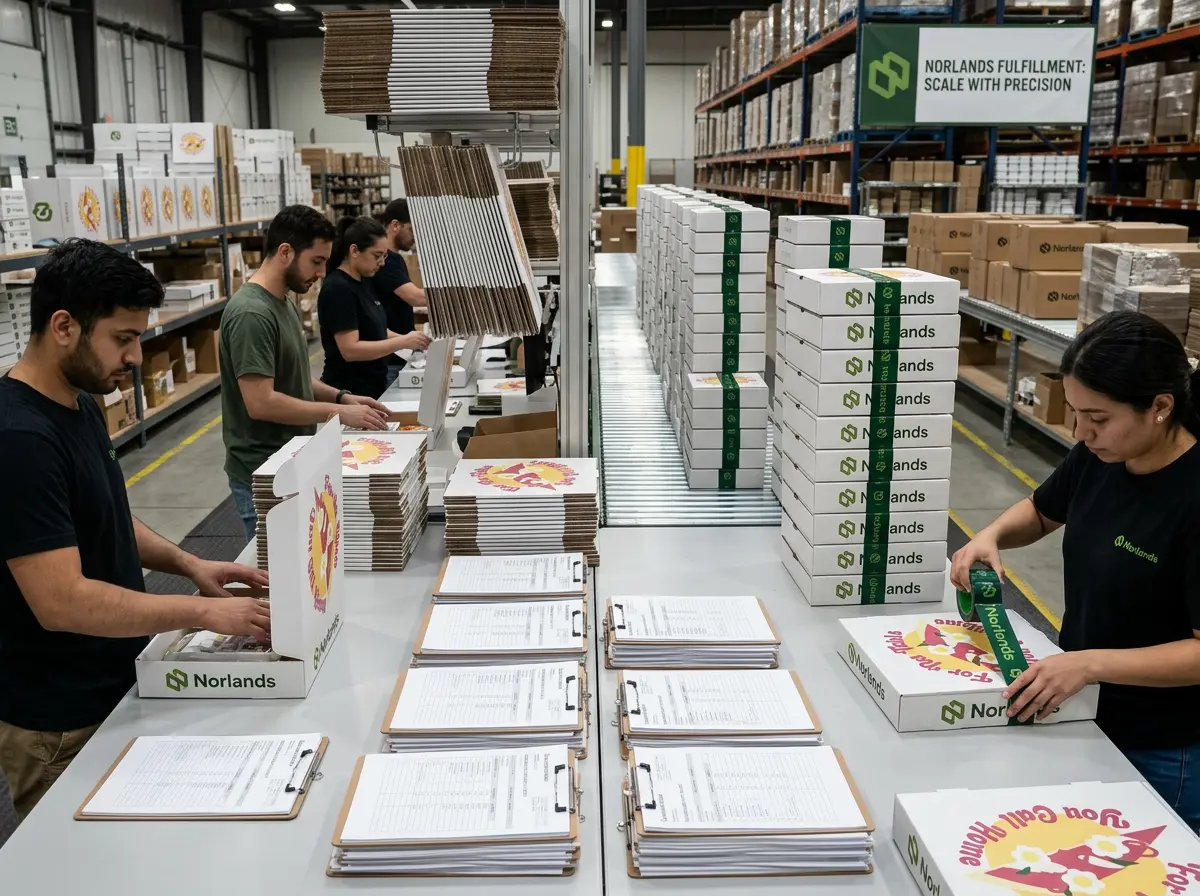
The most common hidden constraint is a packaging system designed for a smaller company that no longer exists. Equipment rated for modest runs, layouts that force workers to backtrack, and line speeds capped by aging machinery all create packaging production limitations that throttle expansion. These systems often look fine on a normal day, which is exactly why they’re dangerous — they only reveal their ceiling during a demand surge, when fixing them is hardest. Auditing throughput against projected volume, rather than current volume, exposes these limits before a peak season turns them into lost orders.
Inefficient procurement and sourcing processes
A weak packaging procurement strategy quietly caps how fast a business can grow. When buyers reorder manually, negotiate prices one PO at a time, or rely on a single material spec, sourcing can’t keep pace with rising output. Long approval chains and reactive purchasing leave teams scrambling whenever demand jumps. Streamlining procurement — through forecasted ordering, standing agreements, and clear reorder triggers — turns a fragile sourcing process into one that supports packaging resource planning at scale.
Limited supplier flexibility
Supplier relationships built around small, predictable orders rarely stretch gracefully. A vendor that delivered comfortably at low volume may impose minimum lead times, struggle with custom sizes, or run out of stock during your busiest weeks. For Vancouver businesses, this risk sharpens with cross-border dependencies: a supplier south of the border can stall on customs delays or currency swings, while local suppliers in the Fraser Valley and Surrey offer faster turnaround but sometimes narrower product ranges. Diversifying across both protects against single-source fragility.
Operational bottlenecks inside packaging workflows
Even with capable machines and reliable suppliers, packaging operational bottlenecks emerge inside daily workflows. Disconnected steps, unclear handoffs between picking and packing, and quality checks that pile up at one station all slow the whole line. These friction points compound as volume rises. Targeted packaging workflow optimization — mapping each step, removing redundant motion, and balancing workloads across stations — releases hidden capacity without new capital spend.
How Packaging Growth Barriers Impact Supply Chain Performance
Longer lead times and fulfillment delays
When packaging can’t keep pace, the delay doesn’t stay contained — it travels downstream. Orders that should ship same-day sit waiting for materials or line capacity, stretching lead times across the entire fulfillment cycle. These packaging supply chain challenges erode the promises a business makes to customers and partners. In Vancouver, where many shippers rely on tight cutoff windows at the Port of Vancouver and cross-border carriers to Washington State, a packaging slowdown can mean missing a sailing or a truck departure, pushing delivery back by days rather than hours.
Inventory management challenges
Packaging constraints distort inventory in both directions. Teams over-order certain materials to hedge against shortages while running dangerously low on others, tying up cash and warehouse space at the same time. Weak demand forecasting makes this worse, leaving stock misaligned with actual need. Effective packaging capacity planning keeps material inventory synced to production rhythm, freeing working capital and reducing the dead stock that accumulates when sourcing happens reactively.
Supplier dependency risks
Relying heavily on one supplier turns a single disruption into a company-wide crisis. A factory closure, a price hike, or a shipping delay at a sole vendor halts packaging entirely. This dependency is a quiet but serious packaging growth barrier, because it removes the buffer a scaling business needs. Spreading volume across multiple qualified suppliers — blending Lower Mainland partners with vetted backups — builds the redundancy that keeps lines running when one source falters.
Packaging growth barriers and customer satisfaction
Ultimately, every packaging weakness lands on the customer’s doorstep. Late deliveries, damaged goods from rushed handling, and inconsistent presentation chip away at trust and repeat business. In a connected market like Metro Vancouver, where reviews and word-of-mouth move fast, packaging efficiency improvements directly protect reputation. Reliable, scalable packaging keeps the customer experience steady even as order volume climbs.
Packaging Growth Barriers vs Packaging Scalability
Understanding the difference between growth and scalability
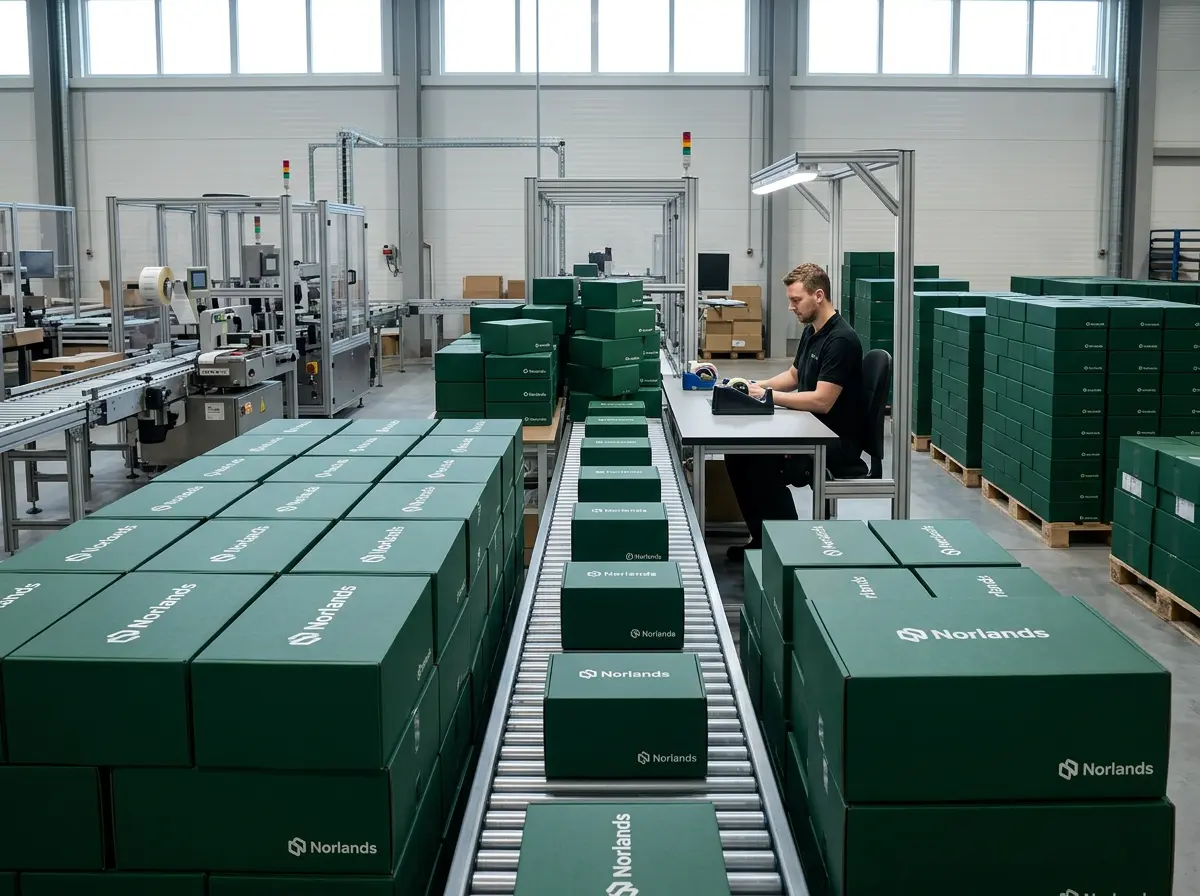
Growth and scalability sound interchangeable, but they pull in different directions. Growth simply means doing more — more orders, more volume, more output. Scalability means doing more without a proportional rise in cost, effort, or chaos. A business can grow while its packaging system strains at every seam, burning cash on overtime and emergency orders. Packaging scalability, by contrast, lets volume double while cost per unit holds steady or drops. Understanding this gap reframes the goal: the aim isn’t just to handle more, but to handle more gracefully.
Why scalable packaging systems outperform reactive solutions
Reactive packaging operations chase problems after they appear — adding shifts when orders pile up, sourcing materials in a panic when stock runs dry. This firefighting model works briefly, then collapses under sustained demand. Scalable packaging solutions flip the approach: they anticipate volume through demand forecasting, standardize processes so new staff ramp quickly, and build supplier agreements that flex on command. The difference compounds. A reactive system spends more for worse results each quarter, while a scalable one absorbs growth and improves packaging efficiency at the same time.
Signs that packaging infrastructure is reaching its limits
Several signals warn that packaging infrastructure is nearing capacity. Consistent overtime to clear daily orders, rising error and damage rates, frequent material stockouts, and lead times that creep upward month over month all point to strain. So does a team that can’t take on a large new account without dread. For Vancouver operations facing high warehouse rents, another red flag is packing space overflowing into aisles or shipping zones. Catching these signs early — before peak season exposes them — gives a business time to invest in capacity planning rather than scramble through a crisis.
The Operational Packaging Growth Barriers Most Companies Ignore
Many businesses recognize obvious packaging problems such as material shortages or rising shipping costs, but the most damaging packaging growth barriers are often hidden inside daily operations. These barriers develop gradually as order volumes increase, product lines expand, and fulfillment expectations become more demanding. At first, small inefficiencies may seem manageable. Over time, however, they turn into serious operational limitations that slow production, increase costs, and prevent sustainable growth.
The most common packaging growth barriers are not always caused by poor materials or lack of demand. In many cases, they come from outdated workflows, inconsistent packaging standards, inefficient warehouse layouts, and weak communication between departments. Businesses that fail to identify these issues early often find themselves reacting to growth instead of managing it strategically.
Manual Processes That Cannot Scale
Manual packaging processes are among the most common packaging growth barriers. At low order volumes, hand-counting products, manually applying labels, assembling boxes by hand, or tracking orders through spreadsheets may seem practical. These methods require little upfront investment and may work well for small teams.
However, as volume increases, manual processes quickly become difficult to sustain. Every additional order adds more repetitive work, more handling time, and more opportunity for error. What once felt manageable becomes a major packaging operational bottleneck.
Manual packaging growth barriers often lead to:
- Slower fulfillment speed
- Higher labor dependency
- Increased error rates
- More overtime
- Reduced production consistency
As output rises, the gap between manual capacity and actual demand becomes wider. Eventually, the packaging team can no longer keep up without adding extra shifts, temporary workers, or weekend labor.
Replacing repetitive manual tasks with semi-automated or automated tools is often one of the fastest packaging efficiency improvement opportunities. Even modest investments in label applicators, case erectors, tape machines, or void-fill systems can remove major packaging growth barriers and help businesses scale more efficiently.
Lack of Packaging Standardization
Lack of standardization is another major source of packaging growth barriers. When every order requires a different box size, filler material, packing method, or handling process, packaging teams lose valuable time making decisions at each station.
Without standard packaging formats, every shipment becomes a small custom project. This slows down fulfillment, increases training complexity, and creates unnecessary material waste.
Packaging growth barriers caused by poor standardization often include:
- Too many packaging SKUs
- Inconsistent packing methods
- Higher material waste
- Slower employee training
- More frequent packing errors
Standardization solves these issues by creating a defined set of packaging configurations matched to product types, order profiles, and shipping requirements. Instead of deciding from scratch every time, employees can follow clear packaging rules and repeatable workflows.
This type of packaging efficiency improvement may not seem dramatic, but it often removes one of the most persistent packaging growth barriers. Standardized packaging also supports better procurement strategy because businesses can purchase materials more predictably and reduce inventory complexity.
Inefficient Warehouse Packaging Operations
Warehouse layout plays a major role in packaging speed, but many companies underestimate how much it contributes to packaging growth barriers. If packing stations are far from inventory, if packaging supplies are scattered across the warehouse, or if workers must backtrack repeatedly, productivity declines quickly.
Inefficient warehouse packaging operations create hidden time losses that multiply as order volume grows. Workers may spend more time walking, searching for materials, or waiting for shared equipment than actually packing orders.
Common warehouse-related packaging growth barriers include:
- Poor packing station placement
- Disorganized packaging supply storage
- Inefficient product flow
- Bottlenecks around sealing or labeling equipment
- Cramped work areas
This issue is especially important for Vancouver and Lower Mainland businesses, where industrial space is expensive and every square metre must be used carefully. However, saving space through a cramped or poorly planned warehouse layout can create greater losses through reduced productivity.
Effective warehouse packaging operations should create a smooth, linear flow from inventory picking to packing, labeling, staging, and shipping. When storage, packing, and outbound logistics are aligned properly, businesses can remove major packaging growth barriers and increase throughput without necessarily expanding their facility.
Communication Gaps Between Departments
Packaging rarely fails in isolation. Many packaging growth barriers are caused by communication gaps between sales, procurement, operations, and warehouse teams.
For example, if sales closes a large account without informing operations, the packaging team may suddenly face demand it cannot support. If procurement is unaware of a seasonal spike, packaging materials may run out at the worst possible time. If operations does not communicate recurring packaging issues, the same problems continue without resolution.
These communication gaps turn manageable growth into operational chaos.
Packaging growth barriers caused by poor communication may result in:
- Material shortages
- Missed fulfillment deadlines
- Last-minute rush orders
- Production delays
- Increased internal pressure
Regular cross-department meetings, shared demand forecasts, and clear packaging resource planning help align packaging operations with actual business activity. When teams share information early, businesses can plan labor, materials, supplier orders, and capacity more effectively.
Strong communication is one of the simplest but most overlooked ways to reduce packaging growth barriers.
Packaging Procurement Risk: The Hidden Threats That Can Disrupt Your Supply Chain
Quick question:
You might also like
How Packaging Growth Barriers Increase Costs Over Time
Packaging growth barriers do not only slow operations; they also increase costs gradually and often invisibly. Many companies do not recognize these expenses as packaging-related because they appear across different budget lines such as labor, freight, warehousing, returns, or procurement.
Over time, unmanaged packaging growth barriers can make growth less profitable. Instead of benefiting from higher volume, businesses experience rising cost per unit, more operational stress, and lower efficiency.
Hidden Labor Expenses
One of the first cost impacts of packaging growth barriers appears in labor. When packaging systems cannot keep pace with demand, businesses often rely on overtime, temporary workers, weekend shifts, or additional manual labor.
These costs may not appear directly as a packaging problem, but they are often a clear sign that packaging operations are not scalable.
Hidden labor expenses caused by packaging growth barriers include:
- Overtime pay
- Temporary staffing costs
- Extra supervision
- Training new workers repeatedly
- Lower productivity from rushed teams
For Vancouver businesses, where labor costs are high and skilled workers can be difficult to find, these expenses become even more serious. Every extra hour spent compensating for inefficient packaging systems reduces profitability.
Scalable packaging solutions such as automation, workflow redesign, and standardization can reduce these labor pressures and help businesses control costs more effectively.
Increased Packaging Waste
Rushed and reactive packaging operations often generate unnecessary waste. When employees are under pressure, they may choose oversized boxes, use too much protective fill, mislabel materials, or damage packaging supplies during handling.
Without standardized processes, material consumption increases faster than output. This is one of the most common packaging growth barriers because waste often grows quietly until it becomes a major cost issue.
Packaging waste may include:
- Excess void fill
- Wrong box sizes
- Damaged packaging materials
- Mislabeled packaging
- Obsolete packaging inventory
In British Columbia, where sustainability expectations and extended producer responsibility considerations are increasingly important, packaging waste affects both cost and brand perception.
Reducing waste through better packaging resource planning, standard formats, and improved warehouse workflows helps businesses improve margins while supporting sustainability goals.
Transportation Inefficiencies
Poor packaging design and inconsistent packaging formats create transportation inefficiencies that significantly increase costs. Oversized boxes take up unnecessary space, trigger dimensional weight charges, and reduce how many products fit on pallets, trucks, or containers.
These transportation-related packaging growth barriers are especially costly for businesses shipping through the Port of Vancouver, across Canada, or into the United States.
Common transportation inefficiencies include:
- Poor cube utilization
- Excess package volume
- Inefficient pallet stacking
- Higher freight costs
- Reduced carrier efficiency
Right-sized packaging and standardized shipping formats help businesses reduce freight costs while improving logistics performance. When packaging is optimized for transportation, companies can ship more efficiently and reduce one of the most expensive packaging growth barriers.
Cost Escalation Caused by Poor Planning
Poor planning connects many packaging growth barriers together. Without demand forecasting, inventory planning, and capacity analysis, businesses are forced to react to every surge with emergency measures.
These emergency responses often include:
- Rush packaging orders
- Premium freight
- Overtime labor
- Temporary staffing
- Last-minute supplier changes
Over time, these costs stack on top of each other. Instead of reducing cost per unit as volume grows, businesses may see costs rise because their packaging systems are not built to scale.
Proactive packaging resource planning breaks this cycle. By forecasting demand, standardizing materials, improving workflows, and monitoring performance, companies can turn unpredictable cost spikes into controlled and manageable expenses.
Ultimately, packaging growth barriers are not just operational problems. They are financial risks that affect profitability, scalability, and customer satisfaction. Businesses that identify and remove these barriers early are better positioned to grow efficiently, control costs, and build packaging operations that support long-term success.
Technology Solutions for Packaging Growth Barriers
Industry research shows that manufacturers are increasingly adopting Supply Chain 4.0 technologies—including automation, advanced analytics, and connected production systems—to improve operational efficiency, eliminate workflow bottlenecks, and build more scalable manufacturing environments. These technologies help organizations respond faster to demand changes while maintaining consistent productivity and supply chain performance.

Packaging Automation Systems
One of the most effective ways to overcome packaging growth barriers is through packaging automation. As businesses scale, manual packaging processes often become one of the first operational bottlenecks. Higher order volumes, tighter delivery windows, labor shortages, and increasing customer expectations can quickly overwhelm packaging teams that rely primarily on manual workflows.
Modern packaging automation systems help businesses eliminate these packaging growth barriers by increasing throughput, improving consistency, and reducing dependence on repetitive manual tasks. Automated case erectors, box sealers, label applicators, palletizers, robotic pick-and-place systems, and void-fill equipment can process significantly higher volumes than manual operations while maintaining consistent quality and reducing human error.
For many Canadian businesses, particularly those operating in Vancouver and the Lower Mainland where labor costs continue to rise, automation has become one of the most practical solutions for overcoming packaging growth barriers. Instead of continuously hiring additional staff to support growth, organizations can automate repetitive processes and allow employees to focus on higher-value operational activities such as quality control, production planning, and customer service.
Another advantage of automation is scalability. Businesses do not need to automate every packaging process simultaneously. Most organizations successfully overcome packaging growth barriers by identifying their largest operational bottleneck first. They may begin by automating carton erection, labeling, or palletizing before expanding automation into other packaging operations as production volumes increase.
Automation also improves operational consistency. Every package is assembled, sealed, and labeled according to standardized specifications, reducing variability and improving packaging quality. This consistency helps businesses reduce damage rates, improve customer satisfaction, and strengthen overall supply chain reliability while removing many of the operational packaging growth barriers associated with manual production.
As technology continues advancing, packaging automation systems are becoming increasingly flexible, affordable, and easier to integrate with existing production environments. Businesses that invest in automation today are better positioned to eliminate packaging growth barriers, improve productivity, and support sustainable long-term growth.
AI-Powered Packaging Planning
Artificial intelligence is rapidly transforming how businesses overcome packaging growth barriers by replacing reactive decision-making with intelligent, data-driven planning. Traditional packaging operations often depend heavily on manual calculations, historical experience, and intuition. While these methods may work during stable periods, they become increasingly ineffective as businesses scale and operational complexity grows.
AI-powered planning allows organizations to eliminate many common packaging growth barriers by analyzing large volumes of operational data in real time. Modern AI systems evaluate order history, customer demand, packaging specifications, warehouse capacity, production schedules, supplier performance, and transportation constraints to recommend the most efficient packaging strategies.
Rather than relying on trial and error, businesses using AI can optimize:
- Packaging dimensions
- Material selection
- Production scheduling
- Packaging line balancing
- Inventory replenishment
- Transportation efficiency
This intelligent planning dramatically reduces operational inefficiencies that often become major packaging growth barriers during periods of rapid business growth.
AI also supports packaging workflow optimization by identifying hidden bottlenecks that may not be visible through manual analysis. For example, AI systems can detect recurring delays caused by specific packaging formats, identify underutilized equipment, or recommend production sequence adjustments that improve throughput.
As organizations continue expanding, AI-powered packaging planning helps remove packaging growth barriers while improving operational agility, reducing costs, and supporting faster decision-making across the packaging operation.
Predictive Demand Forecasting
One of the most common packaging growth barriers is inaccurate demand forecasting. Businesses that underestimate future packaging requirements frequently experience inventory shortages, delayed production, emergency procurement costs, and missed customer deliveries. On the other hand, excessive forecasting often creates unnecessary inventory, increased storage costs, and reduced cash flow.
Predictive demand forecasting helps businesses overcome these packaging growth barriers by using advanced analytics and machine learning to forecast future packaging requirements more accurately.
Modern forecasting systems analyze:
- Historical sales trends
- Seasonal purchasing patterns
- Customer ordering behavior
- Marketing campaigns
- Economic indicators
- Supplier lead times
- Regional market conditions
Unlike traditional forecasting models, predictive systems continuously update forecasts as new information becomes available. This allows businesses to anticipate changes before they affect operations.
For Canadian companies operating in the Lower Mainland or serving customers across multiple provinces, predictive forecasting helps reduce packaging growth barriers created by seasonal demand spikes, transportation disruptions, and cross-border shipping variability.
Accurate forecasting allows procurement teams to secure packaging materials earlier, production teams to allocate capacity more efficiently, and warehouse managers to maintain appropriate inventory levels.
Ultimately, predictive forecasting transforms packaging operations from reactive crisis management into proactive planning, significantly reducing many of the operational packaging growth barriers that limit business scalability.
Packaging Analytics and Performance Monitoring
Businesses cannot eliminate packaging growth barriers if they cannot measure them. Continuous monitoring and analytics provide the operational visibility needed to identify bottlenecks, inefficiencies, and emerging risks before they impact production or customer fulfillment.
Modern packaging analytics platforms collect real-time data from packaging equipment, warehouse operations, production lines, inventory systems, and logistics networks.
Key performance indicators often include:
- Packaging throughput
- Cost per packaged unit
- Material utilization
- Packaging waste
- Equipment utilization
- Error rates
- Downtime
- Damage frequency
- Order fulfillment speed
Tracking these metrics allows businesses to identify exactly where packaging growth barriers are developing.
For example, analytics may reveal:
- Slowing packaging line performance
- Increasing labor requirements
- Rising packaging waste
- Declining equipment efficiency
- Higher product damage rates
Rather than waiting until these issues significantly affect operations, managers can intervene immediately with targeted improvements.
Packaging analytics also support continuous improvement initiatives by measuring the effectiveness of automation investments, AI planning systems, supplier changes, and packaging process improvements. This creates a data-driven operational culture where decisions are supported by measurable performance rather than assumptions.
As businesses continue scaling, continuous monitoring ensures that improvements remain sustainable over time and that new packaging growth barriers are identified and resolved before they become major operational constraints.
Ultimately, overcoming packaging growth barriers requires more than increasing production capacity. It requires intelligent systems that combine automation, artificial intelligence, predictive forecasting, and real-time analytics to continuously improve packaging performance. Organizations that invest in these technologies create packaging operations that are faster, more efficient, more resilient, and fully prepared to support long-term business growth without being limited by traditional packaging growth barriers.
Frequently Asked Questions
What are packaging growth barriers?
Packaging growth barriers are operational, supply chain, and scalability limits that stop a business from expanding efficiently. They include capacity ceilings, weak procurement, supplier inflexibility, and manual workflows that can’t keep pace with rising demand.
How can businesses overcome packaging growth barriers?
Start by auditing throughput against future volume, then standardize packaging formats, diversify suppliers, and invest in automation. Adding demand forecasting and analytics keeps the system proactive rather than reactive as orders climb.
Can packaging automation reduce growth barriers?
Yes. Automation handles repetitive packing tasks faster than manual teams, cuts errors, and frees staff for higher-value work. In high-wage markets like Vancouver, it often delivers faster payback than relying on overtime and temporary labour.
How do packaging growth barriers affect profitability?
They raise costs through overtime, material waste, oversized shipping, and emergency orders. Left unaddressed, cost per unit climbs even as volume grows — the opposite of healthy scaling — while delays erode customer trust and repeat business.
What signs show packaging infrastructure is reaching its limits?
Watch for constant overtime to clear orders, rising error and damage rates, frequent material stockouts, and lead times creeping upward. Packing spilling into aisles or dread about large new accounts are clear warning flags.
What role does AI play in solving packaging growth barriers?
AI forecasts demand, recommends optimal box sizes, balances line workloads, and flags inefficiencies people miss. It turns packaging planning into a data-driven process, reducing waste and shipping cost while supporting confident capacity decisions.
Businesses facing packaging growth barriers need packaging systems that can scale alongside increasing production volumes, evolving fulfillment requirements, and more complex supply chain demands. From custom corrugated packaging and scalable packaging solutions to industry-specific packaging designed around real operational workflows, the right packaging strategy can help reduce production bottlenecks, improve packaging efficiency, and support long-term business growth. Companies looking to strengthen packaging scalability, optimize packaging operations, or prepare their packaging infrastructure for higher demand can explore Norlands’ packaging services and the industries we support, connect with the Norlands team to discuss operational requirements, or request a custom packaging quote tailored to their growth plans.
conclusion

Eliminating packaging growth barriers starts with treating packaging as a strategic system rather than an afterthought tacked onto the end of fulfillment. The businesses that scale smoothly are the ones that audit their packaging infrastructure against future volume, not today’s, and act before strain turns into crisis. A strong strategy weaves together every lever covered in this guide: diversified suppliers, standardized formats, automated equipment, and decisions guided by demand forecasting and live analytics.
Begin with a clear-eyed assessment. Map your current throughput, identify the operational bottlenecks that surface during your busiest weeks, and quantify the hidden costs — overtime, waste, oversized shipping — that signal a system under pressure. From there, prioritize. Most companies find the fastest wins in standardization and workflow optimization, low-cost changes that release capacity immediately, before committing capital to automation.
Suppliers deserve special attention. Blend reliable local suppliers across Surrey, Burnaby, and the Fraser Valley with vetted backups to build the redundancy that protects against single-source disruption. For Vancouver businesses balancing premium warehouse rents, cross-border freight through Washington State, and tight cutoffs at the Port of Vancouver, this regional resilience is not optional — it’s the difference between meeting demand and missing it.
Finally, make packaging a recurring conversation across sales, procurement, and operations. Shared forecasts and regular syncs keep packaging resource planning aligned with what the business actually sells, closing the communication gaps that quietly throttle growth. Scalable packaging solutions aren’t a one-time project; they’re a discipline that compounds, letting volume climb while cost per unit holds or falls.
Tackle these barriers early, and packaging stops being the constraint that caps your expansion. Instead, it becomes the dependable engine that carries your business confidently into its next stage of growth.




No comment