
introduction
Cutting dies Canada packaging manufacturers use are precision production tools that transform approved packaging designs into repeatable physical structures. They determine where packaging material is cut, creased, scored, perforated, and shaped during manufacturing.
For corrugated packaging, custom boxes, inserts, retail packaging, and other converted products, the accuracy of cutting dies Canada can directly influence panel dimensions, fold quality, tab alignment, assembly, material waste, and consistency across production runs.
A packaging dieline may define the structure digitally, but the cutting die is the physical tooling that reproduces that structure during manufacturing. This makes precision die-cutting an important connection between packaging design and commercial production.
Manufacturing Principle:
A packaging dieline defines the structure digitally. A cutting die turns that structure into a repeatable manufacturing process. Precision in cutting dies Canada therefore affects not only the finished box, but also production efficiency and consistency.
What Are Cutting Dies?
Cutting dies Canada manufacturers use are specialized tools designed to convert sheets of material into defined shapes. In packaging production, a cutting die can create the external profile of a box while also producing folds, slots, tabs, openings, perforations, and other structural features.
Rather than cutting each package individually by hand, production tooling allows the same approved structure to be reproduced consistently across repeated manufacturing runs.
How Cutting Dies Work
A cutting die contains precisely positioned rules corresponding to the structural lines in the approved packaging design. During production, the die interacts with the packaging material under controlled pressure.
Some rules cut completely through the material. Others create controlled creases, scores, or perforations. This combination allows cutting dies Canada to produce flat packaging blanks that can later be folded and assembled into finished structures.
The Basic Components of a Cutting Die
Depending on the tooling system and application, a packaging cutting die can include a die board, cutting rules, creasing rules, perforation rules, ejection components, and registration features.
Each component has a specific role. The finished tooling must coordinate these elements accurately so that cutting and folding features remain correctly positioned relative to one another.
Cutting Rules vs Creasing Rules
Cutting rules are designed to separate the packaging material along specified lines. Creasing rules perform a different function: they create controlled fold lines without cutting completely through the material.
For many cutting dies Canada used in box manufacturing, both functions are required within the same tool. Accurate coordination between cutting and creasing rules helps the finished blank fold into the intended three-dimensional structure.
Why Dies Are Essential to Packaging Manufacturing
Commercial packaging production depends on repeatability. A box structure cannot gradually change dimensions as hundreds or thousands of units are produced.
Well-designed cutting dies Canada help manufacturers maintain consistent panels, slots, folds, tabs, openings, and other structural features throughout production.

How Cutting Dies Turn Packaging Designs Into Physical Boxes
The relationship between a packaging dieline and cutting dies Canada is fundamental to custom box manufacturing. One defines the structure digitally; the other enables that structure to be reproduced physically.
Starting With a Packaging Dieline
A dieline is a technical drawing that defines the flat structure of the package. It can identify cut lines, crease lines, panels, tabs, slots, openings, and other structural features.
Before production tooling is developed, the dieline should accurately represent the approved packaging structure.
Translating Digital Dimensions Into Tooling
The dimensions and structural features within the dieline are translated into physical tooling. Precision is critical because errors introduced at this stage can be repeated across every package manufactured with that tool.
This is one reason accurate cutting dies Canada are so important for commercial packaging production.
Cutting the Packaging Material
During die cutting, cutting rules follow the required structural profile and separate the material where necessary. These cuts can form outside edges, slots, openings, locking features, handles, and other structural details.
Creating Folds and Creases
Packaging also needs controlled fold lines. Creasing rules create defined areas where corrugated board or other packaging material can fold during assembly.
The position and quality of these creases can affect whether panels align properly and whether the final box assembles as intended.
Producing Repeatable Box Structures
Once approved cutting dies Canada are integrated into the manufacturing process, the same structure can be reproduced repeatedly. This repeatability is essential for commercial packaging where dimensional consistency affects assembly, packing, inserts, printing, and product fit.
Dieline → Die → Finished Box:
The dieline defines the packaging geometry, the cutting die converts that geometry into production tooling, and the tooling repeatedly creates the blanks that become finished packaging.
Types of Cutting Dies Used in Canada
Different manufacturing environments require different types of cutting dies Canada. The appropriate tooling depends on the material being converted, packaging structure, production equipment, required speed, complexity, and expected production volume.
Flatbed Cutting Dies
Flatbed die cutting typically uses relatively flat tooling and a pressing action to cut and crease packaging material. It is widely applicable to corrugated packaging and many custom box structures.
Rotary Cutting Dies
Rotary die cutting uses cylindrical tooling and continuous rotary motion. Depending on the production environment, rotary cutting dies Canada can support efficient converting for higher-volume packaging applications.
Steel Rule Dies
Steel rule dies use shaped metal rules installed into a die board. Different rule types can perform cutting, creasing, scoring, or perforating functions within the same packaging structure.
Specialty Cutting Dies
More complex packaging applications may require tooling developed around specialized structural features, unusual materials, intricate openings, custom inserts, or specific manufacturing equipment.
Choosing a Die Based on the Production Application
The best cutting dies Canada are not selected by tooling type alone. Manufacturers should consider the packaging material, structure, machinery, required tolerances, production speed, run volume, and expected tooling life.
Flatbed vs Rotary Cutting Dies
Corrugated die-cutting can use either flatbed or rotary equipment. In rotary systems, the cutting form is mounted around a cylinder, while flatbed systems use a flat cutting form. The appropriate approach therefore depends on the packaging structure, converting equipment, material, and production requirements.
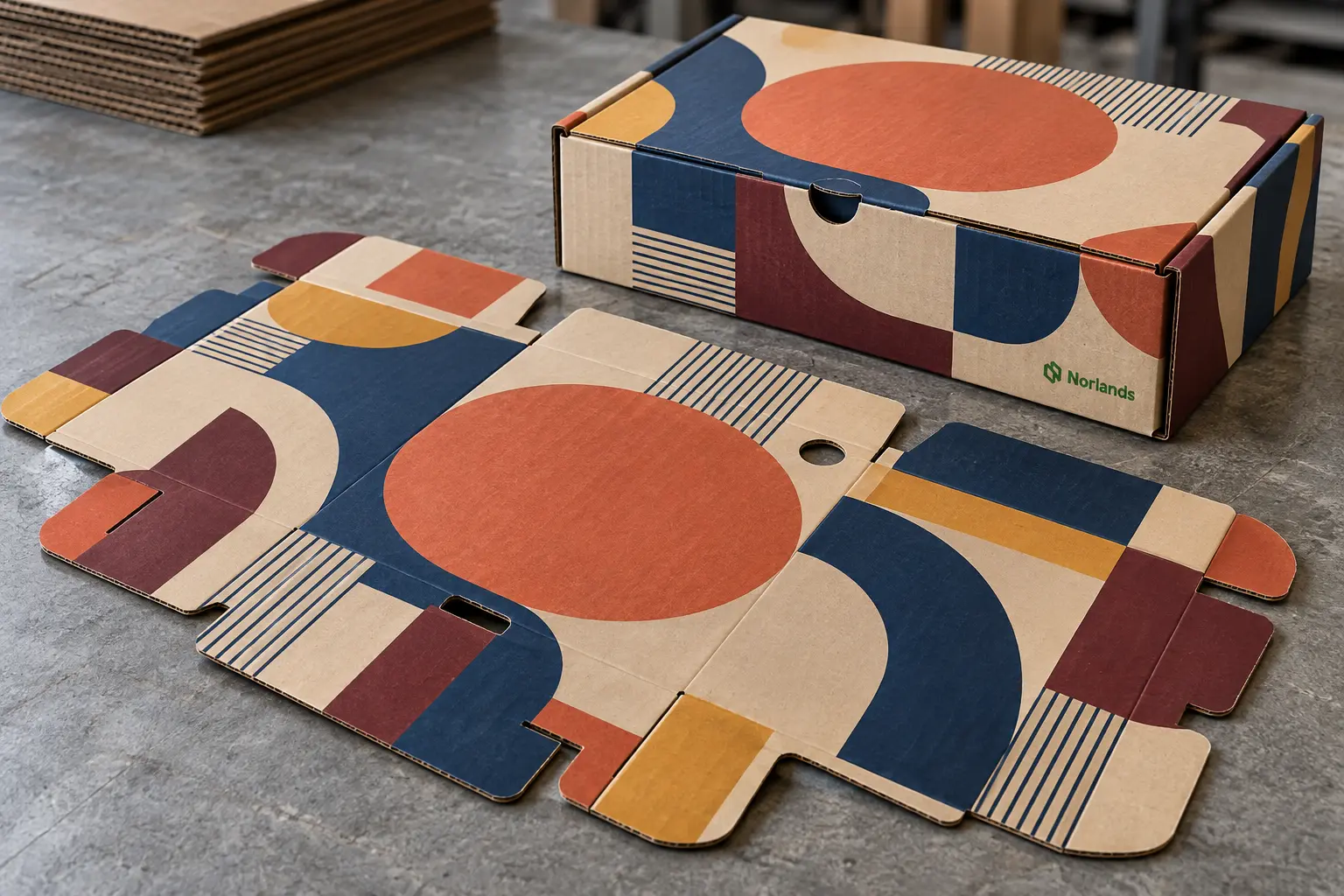
Flatbed and rotary die cutting can both be used to convert packaging materials, but their operating methods and production characteristics differ. Choosing between these cutting dies Canada should be based on the actual manufacturing application.
| Factor | Flatbed Die Cutting | Rotary Die Cutting |
|---|---|---|
| Tooling Format | Relatively flat tooling | Cylindrical tooling |
| Movement | Pressing action | Continuous rotary motion |
| Production Volume | Depends on equipment and application | Often considered for higher-volume production |
| Selection | Based on structure, material, equipment, and production needs | Based on structure, material, equipment, speed, and volume |
How Flatbed Die Cutting Works
Flatbed systems position the packaging material and tooling so pressure can be applied across the cutting surface. The rules cut and crease the sheet according to the packaging structure.
How Rotary Die Cutting Works
Rotary cutting dies Canada use cylindrical tooling that rotates as material moves through the equipment, allowing cutting and creasing to occur during continuous motion.
Production Speed
Production speed depends on more than the die itself. Equipment configuration, material, packaging geometry, feeding, stripping, and downstream operations can all influence overall throughput.
Tooling Requirements
Flatbed and rotary systems require tooling compatible with their respective production equipment. Tooling design should therefore be coordinated with the machine on which the packaging will actually be manufactured.
Material Compatibility
The converted material is another important consideration when selecting cutting dies Canada. Corrugated board characteristics, thickness, flute profile, and other material properties can influence tooling requirements.
Production Volume
Expected volume can affect which process is practical. Tooling cost should be considered alongside production speed, consistency, equipment availability, and the number of packages expected over the life of the die.
When Each Method Makes Sense
There is no universal answer. Flatbed or rotary cutting dies Canada should be selected according to the packaging structure, converted material, available equipment, required output, and overall manufacturing economics.
Custom Packaging Solutions BC: Smarter Packaging Built Around Your Products and Business
Quick question:
You might also like
Anatomy of a Packaging Cutting Die
Understanding the components of cutting dies Canada helps explain why tooling precision has such a significant impact on finished packaging quality.
Die Board
The die board provides the foundation that holds cutting, creasing, and other rules in their required positions.
Cutting Rules
Cutting rules create the edges, openings, slots, and other areas where packaging material needs to be fully separated.
Creasing Rules
Creasing rules create controlled fold lines. Their position is critical because even a relatively small deviation can affect how panels meet during assembly.
Perforation Rules
Perforation rules create controlled interrupted cuts that can support tear-away sections, opening features, or other packaging functions.
Rubber Ejection Components
Ejection components can help release converted material from cutting dies Canada after the cutting action, supporting cleaner and more consistent production.
Registration Features
Registration becomes especially important when die cutting must align with printed graphics or other production references. Accurate registration helps maintain the intended relationship between structural and visual elements.
Cutting Dies Canada for Corrugated Packaging
Corrugated packaging is one of the major applications for cutting dies Canada. Die cutting allows manufacturers to create structures that go beyond simple rectangular cartons, including mailers, displays, inserts, locking features, handles, and specialized shipping packaging.
Die-Cutting Corrugated Board
Corrugated board consists of liner materials combined with a fluted medium. Cutting tooling needs to convert this layered structure while maintaining the dimensional and structural characteristics required by the package.
Working With Different Flute Profiles
Different corrugated specifications can behave differently during cutting and creasing. Tooling should therefore reflect the material that will actually be used in commercial production.
Creating Slots, Openings, and Locking Features
Custom cutting dies Canada can create slots, tabs, handles, ventilation openings, locking elements, and other features directly within corrugated packaging blanks.
Managing Creases Without Damaging the Board
Creases need to guide folding without unnecessarily damaging the corrugated structure. Tooling, material characteristics, and production settings must work together to produce controlled fold lines.
Producing Complex Corrugated Structures
Precision die cutting enables corrugated packaging to move beyond conventional shipping cartons. More complex structures can integrate protection, presentation, product positioning, assembly features, and display functionality within one converted blank.
Precision Matters:
For corrugated packaging, high-quality cutting dies Canada need to do more than cut the outside shape. Cuts, creases, slots, tabs, and registration points must work together so the finished structure assembles consistently in production.
Cutting Dies Canada for Custom Boxes
Cutting dies Canada play an important role in producing custom boxes that require more than basic straight cuts and folds. Mailers, retail boxes, displays, shipping cartons, inserts, and specialty structures can all depend on accurately manufactured tooling to reproduce their structural features consistently.
Because custom packaging often contains tabs, slots, openings, locking mechanisms, and unusual panel arrangements, the precision of cutting dies Canada directly influences whether the finished box folds and assembles as intended.
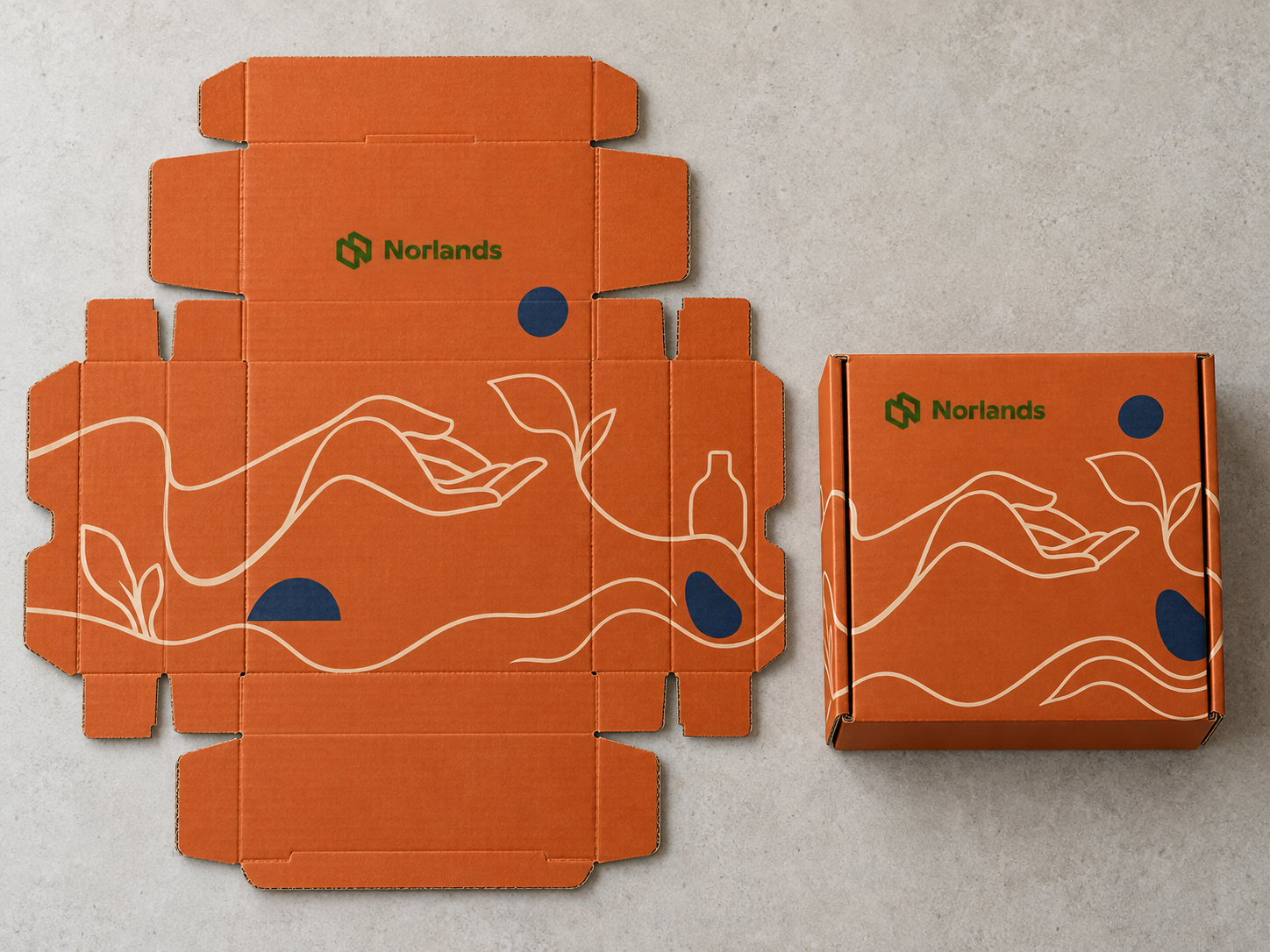
Mailer Boxes
Custom mailer boxes can include locking tabs, roll-over panels, dust flaps, openings, and other structural features. Accurate cutting dies Canada help ensure these components align when the mailer is folded and assembled.
Retail Packaging
Retail packaging may combine structural complexity with high visual expectations. Accurate cutting and creasing help maintain clean edges, predictable folds, and consistent finished dimensions across production runs.
Display Packaging
Display packaging may include removable sections, openings, perforations, tabs, or structures designed to transform from shipping packaging into a retail display. These features require accurate die-cutting to function consistently.
Shipping Boxes
Custom shipping boxes can use cutting dies Canada when the structure includes specialized closures, handles, locking features, ventilation openings, or other elements beyond conventional carton construction.
Custom Inserts
Die-cut inserts can position products, separate components, create clearance, and reduce movement inside the outer package. Their dimensions need to coordinate closely with both the product and the box.
Specialty Box Structures
More complex packaging structures may combine multiple cuts, folds, slots, and locking elements. Precision cutting dies Canada make it possible to reproduce these structures consistently rather than manually creating individual features.
Cutting Dies for Custom Packaging Inserts
Packaging inserts are another important application for cutting dies Canada. Inserts often need precise dimensions because relatively small differences can influence product fit, positioning, protection, and presentation.
Corrugated Inserts
Corrugated inserts can be die cut into structures that support or position products inside the outer packaging while remaining compatible with the overall corrugated packaging system.
Dividers and Partitions
Die-cut dividers can create defined compartments for multiple products or components. Accurate slots and intersections help partitions assemble correctly and maintain consistent spacing.
Product Cradles
Product cradles can use carefully positioned cuts and folds to hold a product in a defined location. Precision cutting dies Canada help reproduce that fit across repeated production runs.
Multi-Product Packaging Systems
When several products share one package, tooling can create separate compartments and supports that organize the complete product set.
Creating Repeatable Product Fit
One of the primary advantages of using cutting dies Canada for custom inserts is repeatability. Once the structure is validated, tooling can reproduce the required geometry across the production run.
Product Fit Matters:
For inserts and product supports, precision in cutting dies Canada affects more than appearance. Accurate dimensions help maintain consistent positioning, compartment size, assembly, and product fit.
Why Precision Matters in Cutting Dies Canada
Precision is one of the most important considerations in cutting dies Canada. Packaging structures are made from multiple interconnected panels, folds, tabs, and slots. A dimensional problem in one area can affect several other parts of the finished package.
Accurate Panel Dimensions
Panels need to remain within the intended dimensions so the assembled package provides the required internal space and external geometry.
Consistent Fold Lines
Creases determine where panels fold. Accurate cutting dies Canada help keep these fold lines consistently positioned relative to the surrounding cuts and panels.
Correct Tab and Slot Alignment
Tabs and slots often depend on one another. If their dimensions or positions do not align correctly, locking features may become difficult to assemble or may not function as intended.
Reliable Box Assembly
Accurate tooling supports predictable assembly. Panels should meet where expected, folds should occur along the correct lines, and structural features should interact correctly.
Consistent Production Across Large Runs
The value of precision becomes increasingly important when the same package is produced repeatedly. Reliable cutting dies Canada help maintain structural consistency from one production run to another while the tooling remains within suitable operating condition.
Need packaging that fits your product, timeline, and budget?
Tell us what you’re packaging and we’ll help you find the right box style, material, and production path.

How Cutting Die Accuracy Affects Packaging Quality
The accuracy of cutting dies Canada can influence the finished packaging long after the material leaves the die-cutting equipment. Structural inaccuracies can appear during folding, assembly, packing, printing alignment, or final product presentation.
Poorly Aligned Panels
Incorrect dimensions or rule positioning can cause panels to meet unevenly, changing the shape and fit of the assembled package.
Incorrect Creases
Creases positioned incorrectly can cause packaging to fold away from the intended location, creating alignment or assembly problems.
Tearing and Material Damage
Tooling condition, cutting pressure, creasing, and material characteristics can influence whether the converted material remains clean or develops unwanted damage.
Assembly Problems
Small dimensional inconsistencies in cutting dies Canada can become more noticeable when several panels, tabs, and slots must interact during assembly.
Misalignment Between Structure and Printed Artwork
When packaging is printed, structural accuracy becomes particularly important. A shift between the intended dieline and physical cut can cause graphics to appear incorrectly positioned relative to panels, edges, folds, or openings.
Inconsistent Finished Boxes
Reliable cutting dies Canada help manufacturers maintain consistent finished structures, which is particularly important when boxes need to work with products, inserts, automated processes, or standardized shipping configurations.
How Cutting Dies Affect Printed Packaging
Printed packaging requires structural production and graphics to work together. Accurate cutting dies Canada help ensure that printed artwork remains correctly positioned once the sheet is cut, creased, folded, and assembled.
Aligning Graphics With Structural Panels
Packaging artwork is usually developed around specific structural panels. Logos, product information, patterns, and other elements should remain positioned correctly after die cutting.
Registration Between Print and Cut
Registration describes the relationship between printed graphics and structural cutting. Accurate registration helps ensure that cutting dies Canada interact with the printed sheet according to the approved packaging design.
Protecting Important Artwork From Cut Lines
Important logos, text, barcodes, and other graphic elements should be positioned with the final structural cuts and folds in mind.
Managing Bleed Areas
Artwork extending to an edge may require appropriate bleed beyond the final cut line so minor production variation does not create unintended unprinted areas.
Why the Final Dieline Must Match Production Tooling
The artwork dieline and physical cutting dies Canada should correspond to the same approved structure. If the artwork is prepared using outdated or incorrect structural information, graphics may not align correctly with the finished package.
Print + Cut Alignment:
With printed packaging, cutting dies Canada and the approved production dieline need to remain coordinated. Structural precision helps keep graphics, folds, openings, and final panel positions aligned.
From Dieline to Cutting Die: The Production Process
Developing cutting dies Canada begins before the physical tool is manufactured. The packaging structure, material specification, production dieline, and equipment requirements need to be coordinated so the finished die reflects the approved package.
Finalize the Packaging Structure
The box or insert structure should first be confirmed, including dimensions, panels, folds, tabs, slots, openings, and other functional elements.
Prepare the Production Dieline
The approved structure is translated into a production dieline that defines the locations of cutting, creasing, perforation, and other tooling features.
Review Material Specifications
The material being converted can influence the design and use of cutting dies Canada. Corrugated specifications and other material characteristics should therefore be established before tooling is finalized.
Develop the Cutting Tool
The approved structural information is used to create the physical die required by the production equipment.
Install Cutting and Creasing Rules
Cutting, creasing, and any required perforation rules are positioned according to the production design.
Test the Die
Before larger production runs, cutting dies Canada can be tested to evaluate cutting, creasing, dimensional accuracy, and overall tooling performance.
Produce Initial Samples
Initial converted samples provide an opportunity to inspect the actual packaging structure and identify issues that may not have been visible in the digital design.
Validate the Finished Package
The sample can then be folded, assembled, and evaluated for product fit, panel alignment, locking features, inserts, and other structural requirements.
Begin Commercial Production
Once the tooling and finished package have been validated, cutting dies Canada can support repeatable commercial production of the approved structure.
How Cutting Dies Are Made
The manufacturing of cutting dies Canada requires the digital packaging geometry to be translated into accurately positioned physical tooling components.
Die Board Preparation
The die board forms the foundation of many steel rule die systems and holds the rules in their specified positions.
Creating Rule Channels
Channels are created according to the required cutting and creasing geometry so that the rules can be installed in their intended locations.
Forming Steel Rules
Steel rules are shaped to follow straight lines, curves, corners, openings, and other features defined by the packaging structure.
Installing Cutting and Creasing Rules
The formed rules are installed into the die board according to their required functions. Accurate positioning is essential for reliable cutting dies Canada.
Adding Ejection Components
Ejection components can be added around tooling areas to assist material release after the cutting action.
Quality and Dimensional Inspection
The completed die should be evaluated against the intended structure and production requirements before it is relied upon for commercial packaging manufacturing.
Frequently Asked Questions About Cutting Dies Canada
Understanding cutting dies Canada is important for packaging manufacturers, converters, production teams, and businesses developing custom packaging. The following questions cover cutting dies, steel rule dies, dielines, corrugated die cutting, tooling life, accuracy, and production costs.
What is a cutting die?
A cutting die is a production tool used to cut, crease, score, perforate, or otherwise convert sheet materials into specific shapes. In packaging manufacturing, cutting dies Canada can be used to repeatedly produce boxes, inserts, displays, and other packaging structures.
What is a steel rule die?
A steel rule die uses shaped metal rules installed into a die board. Different rules can perform cutting, creasing, scoring, or perforating functions. Steel rule dies are commonly associated with the production of custom packaging structures.
What is a packaging cutting die?
A packaging cutting die is physical tooling created from an approved packaging structure or dieline. Cutting dies Canada allow that structure to be reproduced during manufacturing by creating the required cuts, creases, slots, and other features.
What is the difference between a dieline and a cutting die?
A dieline is the digital structural drawing of the package, while a cutting die is the physical production tool used to cut and crease material according to that structure. In production, the approved dieline and cutting dies Canada need to correspond accurately.
What is the difference between flatbed and rotary die cutting?
Flatbed systems generally use relatively flat cutting tooling and a pressing action, while rotary systems use cylindrical tooling and continuous motion. The appropriate method depends on material, equipment, packaging structure, production requirements, and volume.
Can cutting dies be used for corrugated cardboard?
Yes. Cutting dies Canada can be used to create corrugated boxes, mailers, displays, inserts, partitions, openings, locking features, and other custom corrugated packaging structures.
Can one cutting die produce thousands of boxes?
Depending on die construction, converted material, production equipment, maintenance, and operating conditions, a cutting die can support repeated production runs. The condition of cutting dies Canada should be monitored as production volume increases.
Can an existing cutting die be reused?
Potentially. Existing cutting dies Canada may be reusable when the packaging structure, dimensions, material requirements, production equipment, and tooling condition remain compatible with the new production run.
How much does a custom cutting die cost?
The cost of cutting dies Canada depends on factors such as die dimensions, structural complexity, tooling type, rule configuration, material requirements, and production specifications. More complex packaging structures may require more complex tooling.
Why is die-cutting accuracy important for packaging?
Accurate cutting dies Canada help maintain consistent panel dimensions, folds, locking features, product fit, assembly, and alignment between structural elements and printed graphics.
Reliable cutting dies Canada manufacturers use are essential for turning approved packaging dielines into accurate, repeatable physical structures. From corrugated boxes and custom mailers to retail displays, protective inserts, shipping packaging, and specialty die-cut structures, Norlands can coordinate structural packaging design, production dielines, material specifications, and precision die-cutting to help maintain consistent dimensions, clean folds, accurate tabs and slots, and reliable assembly.
By integrating cutting dies Canada into the complete packaging development process, businesses can move more confidently from initial structural concepts and prototypes to validated tooling and repeatable commercial production. Explore Norlands’ custom packaging and structural design services, connect with the Norlands team to discuss your packaging and tooling requirements, or request a custom quote for cutting dies Canada developed around your structure, material, production equipment, and manufacturing requirements.
Conclusion: Precision Cutting Dies Canada for Consistent Packaging Production
Cutting dies Canada are a critical connection between packaging design and physical manufacturing. A dieline may define the package digitally, but the cutting die converts that design into repeatable cuts, creases, folds, slots, tabs, openings, and structural features during production.
For corrugated boxes, custom mailers, retail packaging, displays, inserts, shipping boxes, and specialty structures, the precision of cutting dies Canada can influence far more than the shape of the finished blank. Tooling accuracy can affect assembly, product fit, fold consistency, printed artwork alignment, material utilization, and production consistency.
When these elements work together, precision cutting dies Canada help turn packaging concepts into repeatable physical products—supporting accurate converting, reliable assembly, consistent packaging quality, and efficient commercial production.






No comment