
Introduction
Packaging lead time management Canada has become a critical factor in maintaining operational stability for businesses operating across complex and geographically dispersed supply chains. In today’s fast-moving market environment, companies can no longer afford delays in packaging availability, as even small timing disruptions can interrupt production, delay shipments, and impact customer satisfaction. Managing packaging lead times effectively is no longer just a logistical concern—it is a strategic necessity.
Across Canada, businesses operate within a supply chain landscape shaped by long transportation routes, regional production hubs, and seasonal logistical challenges. Packaging materials often travel significant distances between manufacturers, warehouses, and production facilities. Without proper coordination and planning, these extended supply routes can introduce delays that affect the entire production cycle. Companies that fail to account for these realities often experience bottlenecks that disrupt operational flow and increase overall costs.
Lead time in packaging refers to the total time required from placing an order to receiving materials ready for production use. This timeline includes multiple stages such as raw material sourcing, manufacturing, quality control, and transportation. When each of these stages is not carefully aligned through production scheduling packaging systems and coordinated planning, the risk of delay increases significantly. Businesses that rely on reactive ordering instead of structured lead time strategies often struggle to maintain consistent packaging availability.
Canadian industries such as retail, food production, and manufacturing depend heavily on predictable packaging timelines to maintain operational continuity. Delays in packaging supply can halt production lines, disrupt inventory cycles, and create cascading delays across distribution networks. In regions like British Columbia and Ontario, where logistics networks must handle high volumes of goods across large distances, managing packaging timelines becomes even more critical.
As supply chains continue to evolve, companies are increasingly investing in lead time optimization packaging strategies, advanced forecasting tools, and collaborative supplier relationships to reduce uncertainty and improve performance. Organizations that treat packaging timing as a core component of their operational continuity strategy gain a competitive advantage by ensuring smoother production flow, better cost control, and improved delivery reliability. For businesses aiming to strengthen their supply chain performance, mastering packaging lead time management Canada is essential.
What Packaging Lead Time Management Canada Actually Involves
Packaging lead time management Canada involves far more than simply tracking delivery dates—it is a structured approach to coordinating every stage of the packaging supply process to ensure materials arrive exactly when they are needed for production. In Canada’s complex logistics environment, where distances are long and supply chains span multiple regions, managing lead time requires careful planning, real-time coordination, and strong supplier collaboration.
At its core, lead time management includes the full timeline from order placement to final delivery. This process begins with raw material sourcing, continues through manufacturing and quality control, and ends with transportation to production facilities or warehouses. Each stage introduces potential delays, and without proper synchronization, even small disruptions can extend total lead time and impact operational performance.
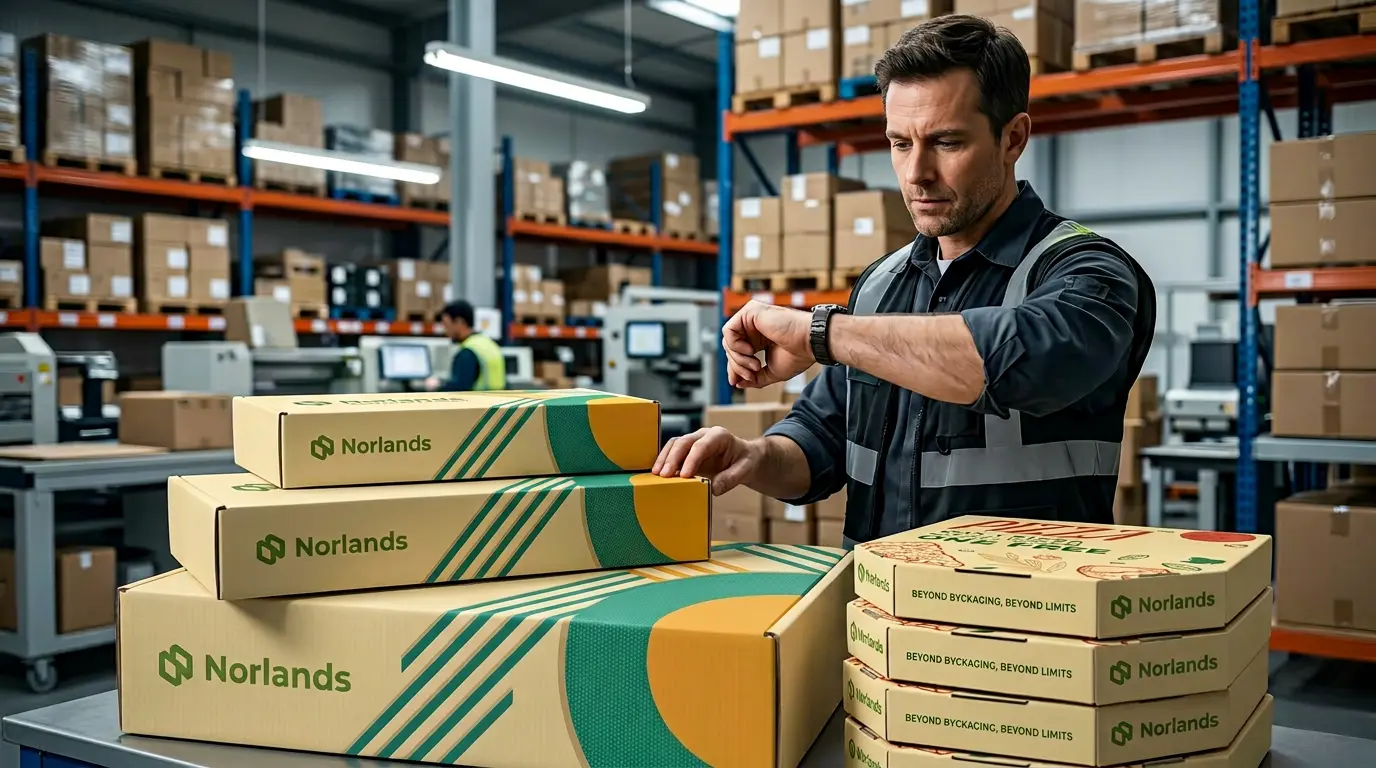
Defining Lead Time in Canadian Packaging Supply Chains
In the Canadian context, packaging lead time is influenced by several unique factors. Domestic transportation routes often cover large distances between cities such as Vancouver, Calgary, Toronto, and Montreal. Weather conditions, port congestion, and interprovincial logistics regulations can also affect delivery schedules. These variables make it essential for businesses to build realistic timelines that account for regional challenges.
Lead time is typically divided into multiple components, including production time, transit time, and buffer time. Production time depends on manufacturing capacity and order complexity, while transit time is influenced by distance and logistics infrastructure. Buffer time acts as a safeguard against unexpected disruptions, helping companies maintain supply reliability Canada even when delays occur.
Key Components of Packaging Lead Time Optimization
Effective lead time optimization packaging requires businesses to manage several interconnected elements. Production scheduling must be aligned with demand forecasts to ensure packaging is manufactured at the right time. Supplier coordination is also critical, as delays at the manufacturing stage can cascade into downstream disruptions.
Another key component is communication. Businesses that maintain transparent, real-time communication with packaging suppliers can adjust timelines more effectively when demand changes. This collaborative approach allows both parties to respond proactively rather than reactively, reducing the likelihood of last-minute delays.
Inventory strategies also play an important role in lead time optimization. Maintaining strategic stock levels of essential packaging materials can help absorb short-term disruptions while new orders are in transit. This approach supports smoother operations and reduces dependency on precise delivery timing.
How Lead Time Affects Operational Continuity in Canada
Lead time management directly impacts a company’s ability to maintain consistent production and distribution operations. When packaging materials arrive on time, production schedules remain stable, and shipments can be dispatched according to plan. However, when lead times are inconsistent or poorly managed, the entire supply chain becomes vulnerable.
In Canadian industries, where goods often move across multiple provinces before reaching end customers, delays can quickly escalate. Recent data from Statistics Canada highlights how supply chain disruptions, transportation delays, and logistics constraints continue to affect delivery timelines across the country. These challenges reinforce the importance of structured packaging lead time management Canada, as extended transit distances and infrastructure pressures can significantly impact operational continuity if not properly managed.
A late packaging delivery can halt production lines, delay finished goods, and disrupt distribution schedules across regional networks. These disruptions not only affect operational efficiency but can also damage customer relationships and brand reputation.
Companies that prioritize structured lead time management reduce exposure to packaging timeline risk and improve overall supply chain performance. By aligning procurement, production, and logistics within a coordinated framework, businesses can maintain steady operations even in the face of uncertainty.
Ultimately, packaging lead time management is about creating predictability in an unpredictable environment. Organizations that invest in planning systems, supplier collaboration, and optimized scheduling gain the stability needed to operate efficiently across Canada’s diverse and demanding supply chain landscape—reinforcing the importance of packaging lead time management Canada.
Packaging Lead Time Management Canada vs Reactive Ordering
Packaging lead time management Canada highlights a clear contrast between proactive planning and reactive ordering approaches. Many businesses still rely on reactive procurement—placing packaging orders only when inventory runs low. While this may seem flexible in the short term, it often leads to delays, higher costs, and operational instability, especially within Canada’s extended and regionally complex supply chains.
Reactive ordering typically ignores the full packaging timeline, focusing only on immediate needs rather than future demand. This approach becomes risky when production schedules are tight or when demand increases unexpectedly. In contrast, structured lead time management integrates forecasting, supplier coordination, and logistics planning to ensure packaging materials are available exactly when required.
Forecasting Demand Accurately
Accurate forecasting is the foundation of effective lead time management. Businesses that anticipate packaging needs based on historical data, seasonal trends, and market activity are better positioned to align supply with production schedules. In Canada, where demand patterns vary across industries and regions, forecasting must also account for geographic and seasonal variables.
Companies that adopt lead time optimization packaging strategies rely on data-driven forecasting models rather than assumptions. These models consider factors such as past sales cycles, promotional events, and industry-specific demand fluctuations. By predicting future packaging requirements, businesses can place orders early enough to accommodate production and transportation timelines without risking shortages.
Forecasting also enables companies to communicate more effectively with suppliers. When packaging manufacturers have visibility into upcoming demand, they can allocate production capacity accordingly, reducing delays and improving overall supply reliability.
Coordinating Production and Logistics
Successful lead time management depends on synchronizing production schedules with logistics operations. Packaging materials must be manufactured, transported, and delivered in alignment with production timelines to avoid disruptions. In Canada, where transportation routes may span thousands of kilometers, this coordination becomes even more critical.
Businesses that implement structured production scheduling packaging systems ensure that packaging availability matches manufacturing output. This requires close collaboration between procurement teams, production managers, and logistics providers. By aligning these functions, companies can maintain consistent workflow and avoid last-minute adjustments that disrupt operations.
Logistics coordination also plays a major role in reducing delays. Factors such as carrier availability, shipping routes, and weather conditions must be considered when planning delivery timelines. Companies that proactively manage these variables improve their ability to maintain consistent packaging supply across regional markets.
Risks of Reactive Packaging Ordering
Reactive packaging ordering introduces several risks that can negatively impact business stability. One of the most significant risks is delayed production. If packaging materials are not available when products are ready for shipment, production lines may slow down or stop entirely, leading to missed deadlines and increased operational costs.
Another major risk is increased procurement expense. Emergency packaging orders often come with higher production costs, expedited shipping fees, and limited supplier options. These unplanned expenses can significantly affect profit margins, especially for businesses operating at scale.
Reactive ordering also reduces supply reliability. Without a structured plan, companies become dependent on supplier availability at the moment of need, which may not always align with production requirements. In Canada’s supply chain environment—where logistics delays and regional constraints are common—this lack of predictability can create ongoing operational challenges.
By contrast, businesses that implement proactive lead time strategies reduce uncertainty and improve overall efficiency. Through forecasting, coordinated scheduling, and supplier collaboration, organizations can maintain stable operations and avoid the disruptions associated with reactive procurement. This shift from reactive to proactive planning is essential for companies seeking long-term stability within packaging lead time management Canada.
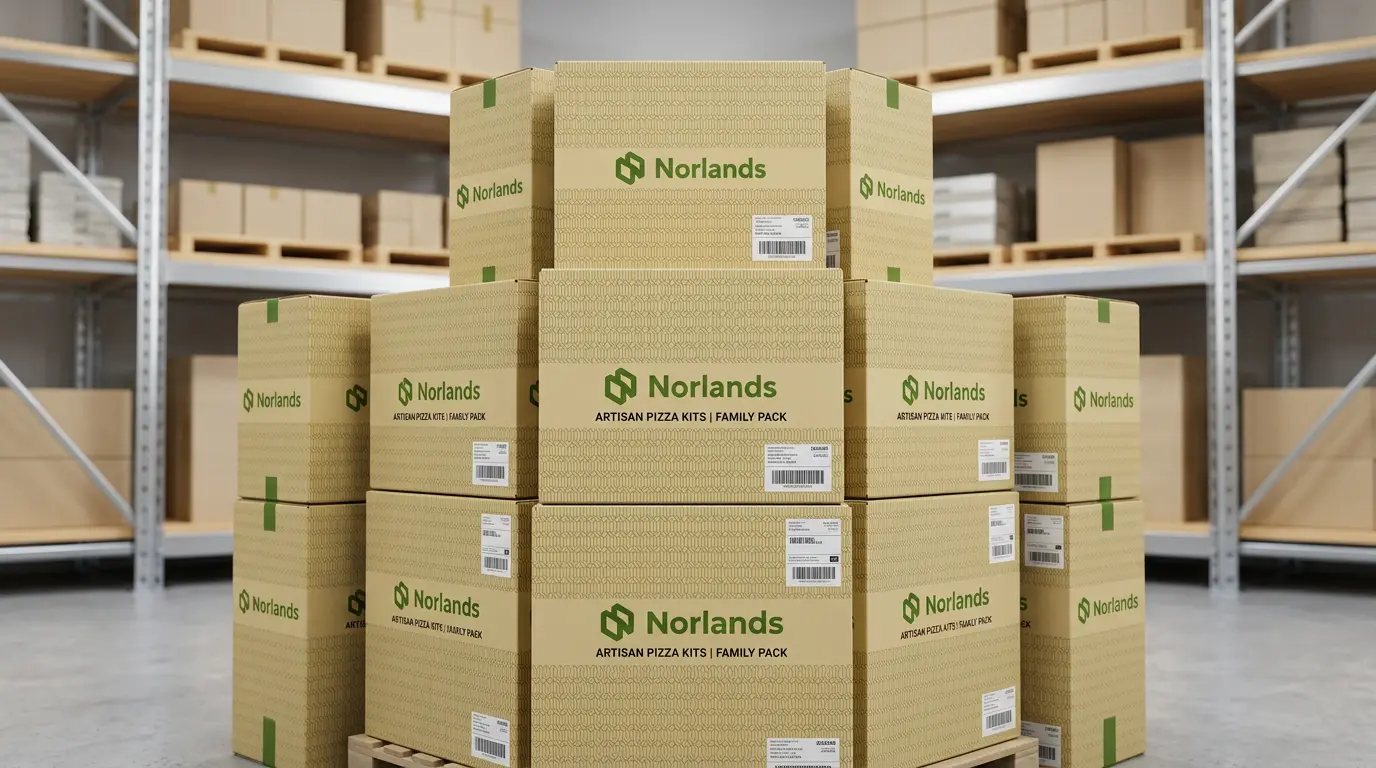
Packaging lead time management Canada has evolved significantly with the integration of advanced technologies that improve visibility, coordination, and decision-making across the supply chain. In a country where logistics networks span vast distances and operational complexity is high, technology plays a central role in reducing delays, improving accuracy, and strengthening overall supply reliability.
Modern businesses are no longer relying solely on manual planning or static spreadsheets. Instead, they are adopting digital systems that provide real-time insights into production schedules, inventory levels, and transportation timelines. These tools allow companies to proactively manage packaging lead times rather than reacting to disruptions after they occur.
Production Scheduling Packaging Systems
One of the most important technological advancements in this area is the use of production scheduling packaging systems. These systems help businesses align packaging production with actual manufacturing requirements by coordinating order timelines, production capacity, and delivery schedules.
With integrated scheduling tools, companies can plan packaging orders based on forecasted demand while maintaining the flexibility to adjust schedules when conditions change. These systems provide visibility into production timelines, allowing businesses to identify potential delays early and take corrective action before disruptions impact operations.
In Canadian supply chains, where coordination between multiple facilities is often required, production scheduling systems ensure that packaging materials arrive at the right location and at the right time to support continuous production flow.
How Regional Packaging Manufacturing Reduces Supply Chain Risk in Canada
Quick question:
You might also libe
Real-Time Supply Chain Visibility Tools
Real-time visibility tools have become essential for managing packaging lead times effectively. These platforms track shipments, monitor supplier performance, and provide live updates on the status of packaging orders throughout the supply chain.
Businesses that use these tools gain a clear understanding of where their packaging materials are at any given moment. This visibility allows companies to anticipate delays caused by transportation issues, weather conditions, or production bottlenecks—factors that are particularly relevant in Canada’s diverse and sometimes unpredictable logistics environment.
By improving transparency, real-time tracking systems help organizations reduce uncertainty and improve coordination between procurement, production, and logistics teams.
Automation and Forecasting Software
Automation and forecasting technologies also play a key role in lead time optimization packaging strategies. Advanced software solutions analyze historical data, seasonal trends, and market conditions to generate accurate demand forecasts.
These systems enable businesses to predict packaging requirements more precisely and plan orders accordingly. Automated forecasting reduces reliance on manual estimation, minimizing errors that can lead to overordering or shortages.
In addition, automation streamlines procurement processes by triggering reorder points based on inventory levels and forecasted demand. This ensures that packaging materials are ordered in a timely manner without requiring constant manual intervention.
Improving Supply Reliability Across Canadian Regions
Technology also enhances supply reliability Canada by improving coordination across geographically dispersed supply chains. Canadian businesses often operate across multiple provinces, requiring seamless communication between suppliers, manufacturers, and logistics providers.
Digital platforms enable real-time collaboration between all stakeholders, ensuring that changes in demand or production schedules are communicated quickly. This level of coordination is critical in reducing delays and maintaining consistent packaging availability across different regions.
Furthermore, data-driven insights allow companies to evaluate supplier performance, identify recurring delays, and optimize their supplier networks. By selecting reliable partners and continuously monitoring performance, businesses can strengthen their overall supply chain resilience.
Ultimately, technology transforms packaging lead time management from a reactive process into a proactive, data-driven strategy. Companies that invest in digital tools, automation systems, and real-time visibility platforms gain the ability to manage complexity more effectively and maintain operational stability. In Canada’s demanding logistics landscape, these technological capabilities are essential for achieving long-term success in packaging lead time management Canada.
Strategic Benefits of Effective Lead Time Management in Canada
Packaging lead time management Canada delivers clear strategic advantages for businesses that depend on consistent production flow and reliable distribution performance. When companies move beyond reactive ordering and implement structured lead time strategies, they gain better control over operations, reduce uncertainty, and improve overall supply chain efficiency.
In Canada’s logistics environment—where transportation distances are long and regional variables can affect delivery timelines—these benefits become even more significant. Businesses that manage packaging lead times effectively are better equipped to maintain stability in both predictable and unpredictable market conditions.
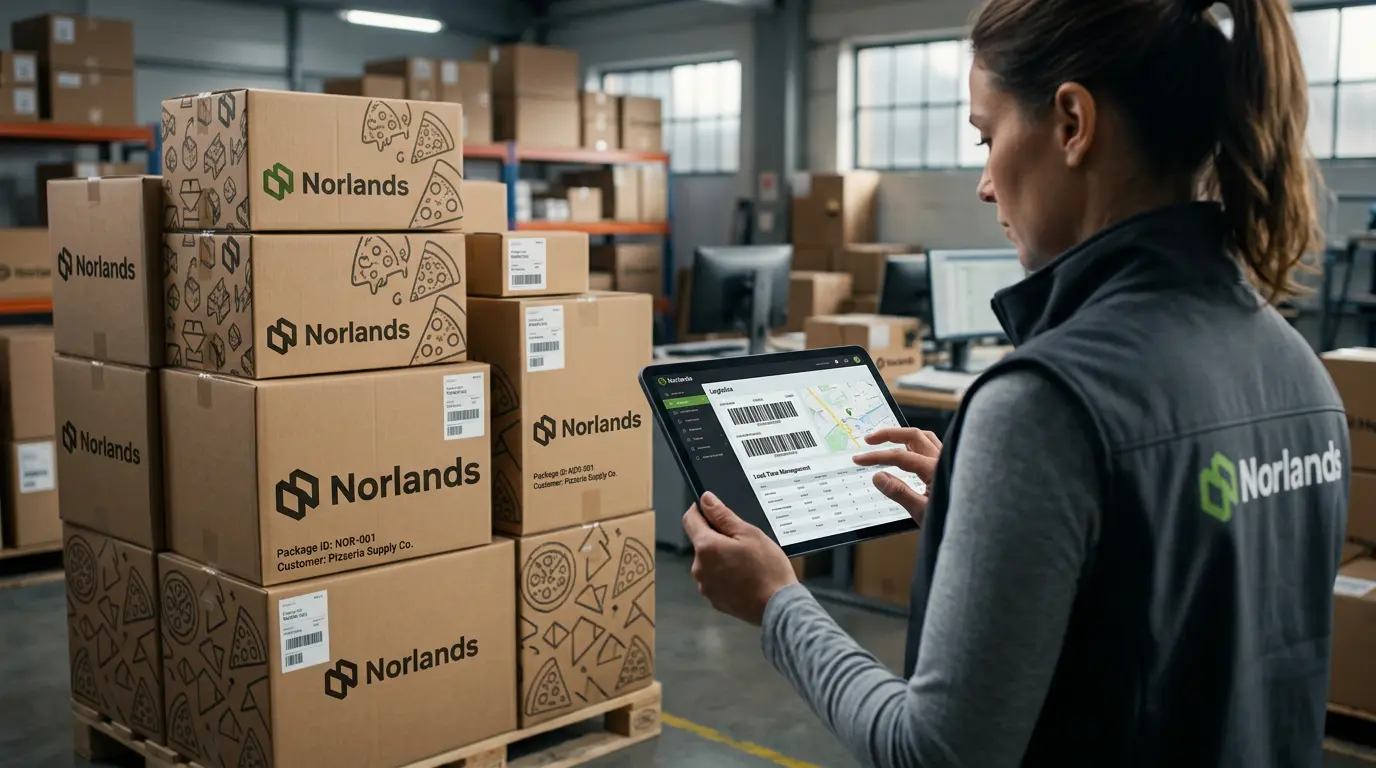
What is packaging lead time management Canada?
It is the process of planning, coordinating, and controlling the time required for packaging materials to be produced and delivered within Canadian supply chains.
Why is lead time important in packaging supply chains?
Lead time determines whether packaging materials arrive on schedule, directly impacting production continuity and delivery performance.
How can businesses reduce packaging lead time risk?
By using forecasting tools, flexible supplier agreements, and production scheduling systems to plan packaging needs in advance.
Which industries rely most on packaging lead time optimization?
Retail, e-commerce, food and beverage, manufacturing, and healthcare industries depend heavily on accurate packaging timelines.
How does technology improve packaging lead time management?
Technology provides real-time tracking, automated forecasting, and better coordination between suppliers, production teams, and logistics providers.
Conclusion: Why Timing Defines Packaging Performance in Canada

Packaging lead time management Canada is no longer just a scheduling function—it is a strategic capability that directly influences business stability, cost control, and customer satisfaction. As supply chains become more complex and demand patterns continue to shift, companies must move away from reactive procurement models and adopt structured, data-driven approaches to managing packaging timelines.
Businesses that invest in forecasting, production coordination, and technology-driven visibility gain the ability to control lead times more effectively. This control translates into smoother production cycles, reduced operational risk, and improved supply chain performance across Canada’s diverse and geographically expansive markets.
In a competitive environment where timing can determine success or failure, organizations that treat packaging lead time as a strategic priority will be better positioned to maintain operational continuity and adapt to future challenges—reinforcing the importance of packaging lead time management Canada.





No comment