
Introduction
Packaging risk management Canada has become a critical discipline for businesses that depend on reliable, uninterrupted supply chains. As operations scale and logistics networks grow more complex, packaging is no longer just a protective layer—it is a key factor in maintaining business continuity and preventing costly disruptions.
In Canada, supply chains face unique challenges. Products often travel long distances across multiple provinces, passing through various handling points and exposed to different environmental conditions. From extreme cold in winter to temperature fluctuations during transit, these variables increase the likelihood of packaging failure if not properly managed.
Packaging failures can have serious consequences. Damaged goods, delayed shipments, and compromised product integrity can disrupt operations and impact customer satisfaction. Over time, these issues lead to increased costs, reduced efficiency, and potential loss of business. This is why companies are investing in structured packaging risk analysis to identify vulnerabilities before they become problems.
Effective risk management goes beyond reacting to failures—it focuses on prevention. Businesses must evaluate materials, design, supplier reliability, and logistics conditions to ensure packaging performs consistently. This includes implementing risk mitigation strategies that address potential issues at every stage of the supply chain.
Another important factor is the growing complexity of global and domestic supply networks. Supply chain risk packaging considerations now include supplier dependencies, transportation delays, and external disruptions. Companies must be prepared to adapt quickly to changing conditions while maintaining product protection and operational efficiency.
Modern approaches to packaging failure prevention rely on data, testing, and continuous improvement. By analyzing performance and monitoring risk factors, businesses can refine their packaging systems and reduce the likelihood of disruption.
As supply chains continue to evolve, the role of packaging in risk management becomes increasingly important. Organizations that take a proactive approach are better equipped to protect their operations, maintain stability, and ensure consistent performance. In today’s environment, mastering packaging risk management Canada is essential for safeguarding business continuity and long-term success.
Why Packaging Risk Management Canada Is Becoming Critical
Packaging risk management Canada is rapidly shifting from a reactive measure to a core operational discipline that directly influences business continuity, cost control, and supply chain performance. As Canadian supply chains become more complex and geographically extended, even minor packaging failures can trigger widespread disruptions.
In today’s environment, packaging risk management Canada is not just about preventing damage—it is about creating a structured system that anticipates risks, minimizes variability, and ensures consistent performance across all stages of the supply chain. Businesses that fail to implement proactive packaging risk management Canada strategies are increasingly exposed to operational inefficiencies, financial losses, and reputational damage.

Increasing Complexity of Canadian Supply Chains
The growing complexity of Canadian logistics networks is one of the main reasons packaging risk management Canada has become essential. Modern supply chains involve multiple stakeholders and touchpoints, including manufacturers, third-party logistics providers (3PLs), cross-docking facilities, distribution centers, and last-mile carriers.
At each stage, products are exposed to different handling conditions, stacking methods, and environmental factors. This variability significantly increases operational risk packaging, making it more difficult to maintain consistent packaging performance.
Packaging risk management Canada addresses this challenge by introducing structured controls that account for:
- Handling variability across different logistics partners
- Changes in stacking and load distribution
- Exposure to moisture, vibration, and impact
- Regional differences in climate and infrastructure
By implementing packaging risk management Canada, businesses can reduce uncertainty and ensure that packaging systems perform reliably across diverse and unpredictable supply chain conditions.
Impact of Packaging Failures on Business Continuity
Packaging failures have a direct and often immediate impact on business continuity. A single incident—such as crushed cartons, moisture ingress, or temperature deviation—can disrupt operations and trigger a chain reaction of issues.
Without effective packaging risk management Canada, these failures can lead to:
- Product damage and loss
- Increased return rates
- Inventory shortages and stockouts
- Missed service level agreements (SLAs)
In industries such as food, pharmaceuticals, and e-commerce, the consequences are even more severe. Damaged or compromised products not only result in financial loss but also affect customer trust and brand reputation.
Packaging risk management Canada plays a critical role in packaging failure prevention by identifying vulnerabilities early and implementing preventive measures before issues escalate. This proactive approach ensures that packaging systems support uninterrupted operations and protect overall business stability.
Rising Costs of Operational Disruptions in Canada
Operational disruptions caused by packaging failures are becoming increasingly costly, particularly in Canada’s high-expense logistics environment. Transportation costs, labor expenses, and reverse logistics all contribute to the financial impact of packaging-related issues.
When packaging fails, businesses often face multiple layers of cost, including:
- Replacement shipments
- Reverse logistics and returns handling
- Additional labor for rework and repackaging
- Customer compensation and service recovery
In Canada, where long transportation distances amplify logistics costs, these inefficiencies can escalate quickly. Even small increases in damage rates can lead to significant financial losses over time.
Packaging risk management Canada helps businesses control these costs by focusing on prevention rather than reaction. Investing in packaging risk analysis and performance validation upfront is typically far more cost-effective than managing downstream disruptions.
Strengthening Operational Control Through Packaging Risk Management Canada
Beyond cost and continuity, packaging risk management Canada enhances overall operational control. By implementing structured risk management processes, businesses gain better visibility into packaging performance and can make more informed decisions.
This includes:
- Monitoring packaging KPIs such as damage rates and claims
- Identifying recurring issues and root causes
- Continuously improving packaging design and processes
Packaging risk management Canada transforms packaging from a passive component into an active control point within the supply chain. This level of oversight allows businesses to respond quickly to changes and maintain consistent performance.
Strategic Importance of Packaging Risk Management Canada in Modern Logistics
As supply chains continue to evolve, packaging risk management Canada is becoming a strategic requirement rather than an optional practice. Businesses must be able to manage risk proactively to remain competitive in increasingly demanding markets.
By adopting packaging risk management Canada, companies can:
- Improve supply chain resilience
- Reduce operational variability
- Protect product quality and brand reputation
- Achieve long-term cost efficiency
In Canada’s complex logistics landscape, where distance, climate, and operational diversity create ongoing challenges, packaging risk management Canada provides a critical framework for ensuring reliability and performance.
Ultimately, packaging risk management Canada is essential for businesses that want to maintain control, reduce risk, and ensure consistent supply chain performance. As disruptions become more costly and customer expectations continue to rise, relying on reactive solutions is no longer sufficient.
Companies that invest in packaging risk management Canada are better positioned to anticipate challenges, prevent failures, and optimize their operations over time. This proactive approach not only protects products but also strengthens the entire supply chain.
In today’s environment, packaging risk management Canada is not just a protective measure—it is a strategic necessity for achieving operational excellence and long-term business success.
Key Risk Factors in Packaging Risk Management Canada
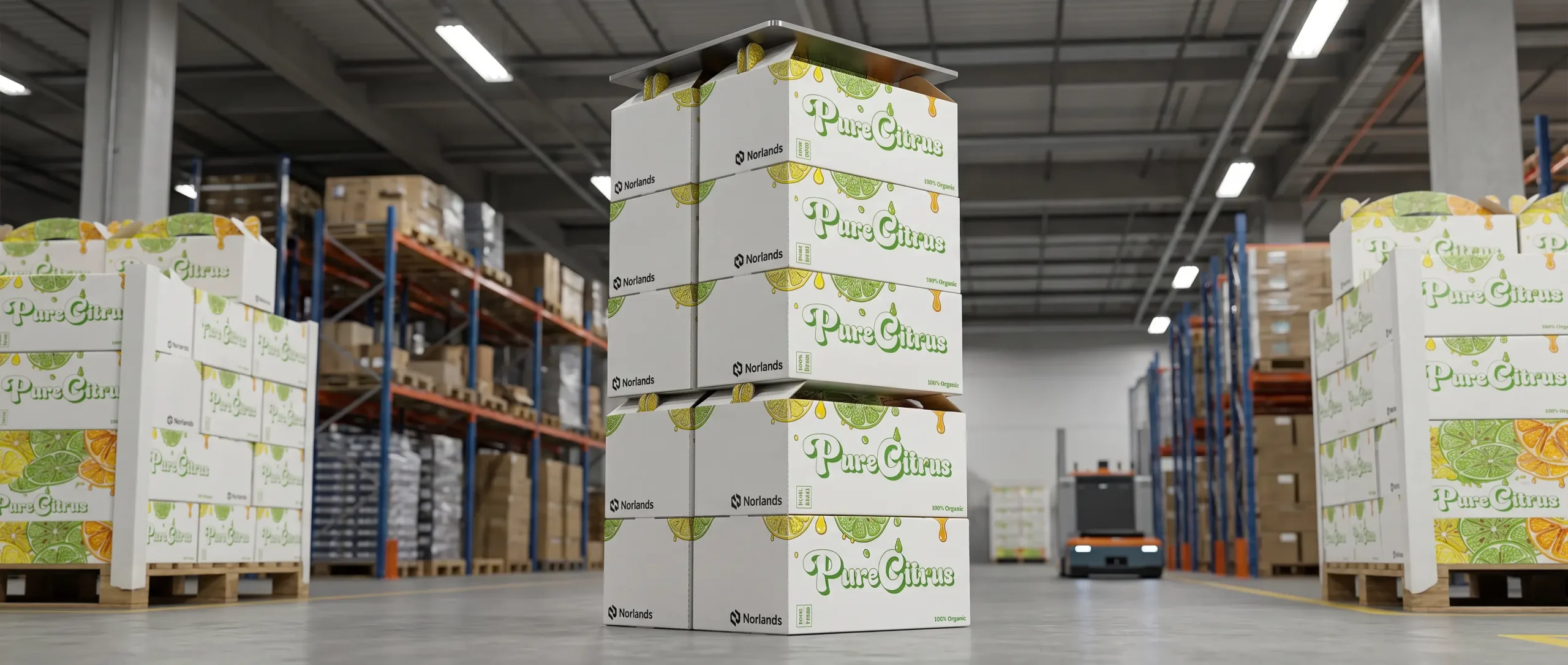
Packaging risk management Canada depends on identifying and controlling the risks that most commonly lead to failure in real-world supply chains. These risks are often interconnected—material issues can be amplified by logistics conditions, and design weaknesses can become critical under environmental stress. Understanding these factors is essential for building resilient packaging systems.
Material Failure Risks
Material performance is one of the most fundamental risk factors. If packaging materials are not suited to the product weight, handling conditions, or environmental exposure, failure becomes highly likely.
For example, low-grade corrugated board may collapse under stacking pressure, while moisture exposure can weaken structural integrity during transit. These issues are especially relevant in Canada, where shipments may encounter humidity, snow, or temperature fluctuations.
Effective packaging risk analysis includes evaluating material strength, durability, and environmental resistance to ensure consistent performance.
Supplier and Logistics Disruptions
Supply chain dependencies introduce another layer of risk. Delays in material supply, inconsistent quality from vendors, or disruptions in transportation can all impact packaging availability and performance.
In Canada’s geographically large market, logistics disruptions—such as weather delays or infrastructure challenges—can extend transit times and increase exposure to risk conditions.
Managing supply chain risk packaging requires diversification of suppliers, reliable logistics planning, and contingency strategies to maintain continuity.
Environmental and Climate-Related Risks
Environmental factors play a major role in packaging performance. Temperature extremes, humidity, and rapid climate changes can affect both materials and product integrity.
For example, extreme cold can make certain materials brittle, while heat can affect adhesives or weaken structural components. These risks are particularly significant in Canada, where climate conditions vary widely across regions.
Packaging systems must be designed to withstand these conditions, ensuring stability regardless of external factors.
Design and Structural Weaknesses
Even with strong materials, poor design can lead to failure. Packaging that does not properly distribute weight, secure the product, or account for handling conditions is vulnerable to damage.
Structural weaknesses may not be immediately visible but can become critical under stress. Issues such as insufficient reinforcement, poor fit, or inadequate cushioning can result in product damage during transit.
Addressing these risks requires a focus on packaging failure prevention, using engineering principles to optimize design and ensure reliable performance.
How Smart Packaging Integration Canada Is Changing Supply Chain Visibility
Quick question:
You might also like..
How Businesses Implement Packaging Risk Management Canada at Scale
Packaging risk management Canada becomes truly effective when it is integrated into everyday operations rather than treated as a periodic review. Leading organizations build structured systems that continuously identify risks, validate packaging performance under real-world conditions, and refine solutions based on operational data.
In modern supply chains, packaging risk management Canada is not limited to product protection—it is a strategic function that directly impacts cost control, delivery reliability, and customer satisfaction. Companies that adopt a proactive approach transform packaging from a potential liability into a controlled, measurable performance driver.
Conducting Data-Driven Packaging Risk Analysis in Canada
Performance testing is a critical part of packaging risk management because it helps businesses identify weaknesses before products enter the supply chain. By testing packaging against conditions that reflect real distribution environments—such as handling stress, compression, vibration, and impact—companies can validate whether their packaging systems are strong enough to protect products during transit. This evidence-based approach reduces uncertainty and supports stronger packaging failure prevention.
The foundation of packaging risk management Canada is a structured and data-driven risk analysis process. Businesses must evaluate the entire packaging journey—from packing line to final delivery—to identify where failures are most likely to occur.
Common risk points include:
- Drop and impact during handling
- Compression and stacking pressure
- Moisture exposure and humidity
- Temperature fluctuations across regions
- Variability in carrier handling
Effective packaging risk management Canada relies on combining historical data with physical testing. Businesses analyze damage rates, return reasons, and carrier claims to identify patterns and prioritize high-risk areas.
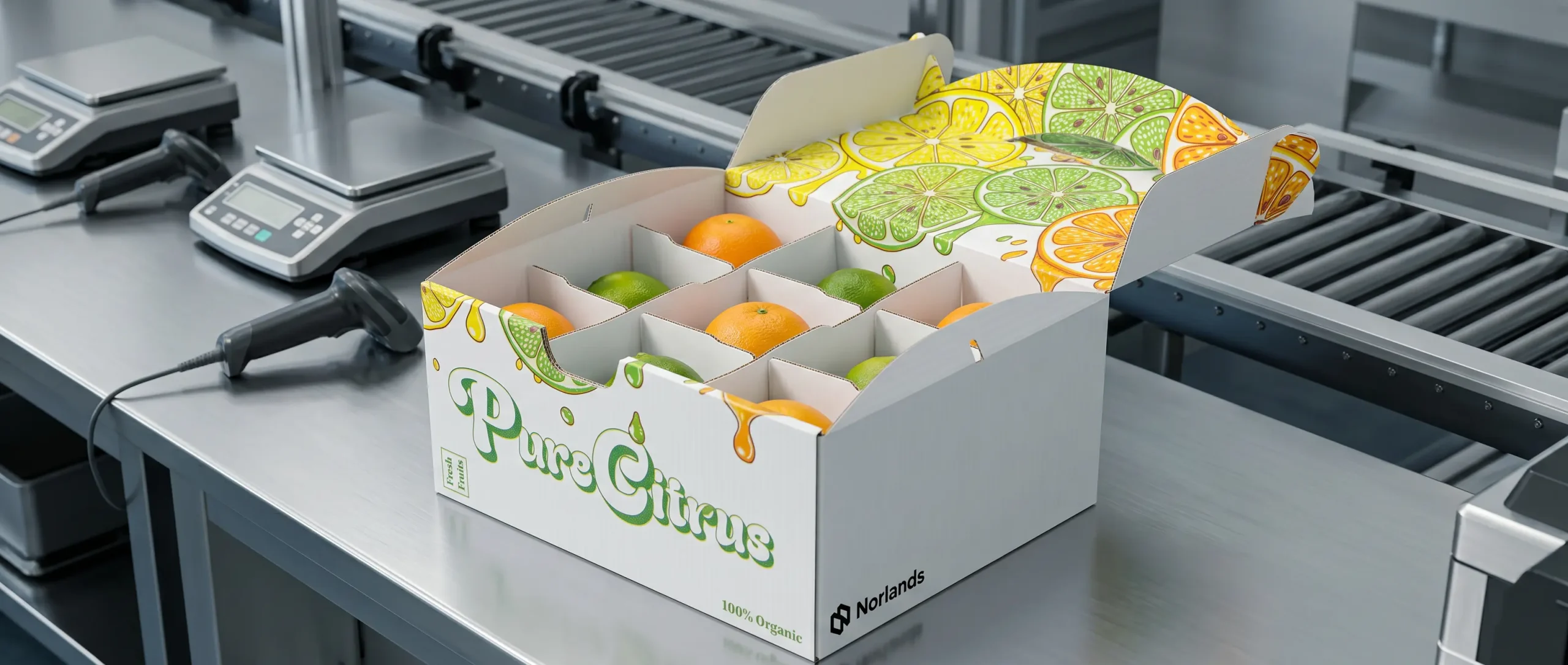
Testing plays a critical role. Simulated conditions—such as drop testing, vibration analysis, compression testing, and climate simulations—validate whether packaging designs can withstand real-world environments. This ensures that packaging risk management Canada is based on evidence rather than assumptions.
Developing Targeted Risk Mitigation Strategies
Once risks are identified, packaging risk management Canada requires clear and actionable mitigation strategies. These strategies address both design and operational factors to reduce the likelihood of failure.
On the design side, mitigation may include:
- Upgrading to stronger materials
- Reinforcing structural weak points
- Optimizing packaging dimensions
- Adding targeted cushioning instead of excess filler
On the operational side, packaging risk management Canada focuses on process control:
- Standardizing packing instructions
- Defining weight and stacking limits
- Implementing quality checks at critical stages
For high-risk shipping lanes, businesses may develop route-specific packaging solutions or dual packaging options. This reduces variability and ensures consistent performance across different logistics conditions.
By aligning design improvements with operational processes, packaging risk management Canada creates a comprehensive system that minimizes risk across the supply chain.
Monitoring Performance and Continuous Improvement
Packaging risk management Canada is an ongoing process that depends on continuous monitoring and improvement. Businesses must track performance metrics and respond quickly to emerging issues.
Key performance indicators (KPIs) include:
- Damage rate
- Cost per shipment
- Return frequency
- Carrier claims
Advanced packaging risk management Canada systems use dashboards and analytics tools to monitor these KPIs in real time. This visibility allows businesses to identify trends, detect anomalies, and implement corrective actions before problems escalate.
Continuous improvement is driven by feedback loops. Field data is collected, root causes are analyzed, and packaging designs are refined accordingly. Over time, small adjustments lead to significant reductions in failure rates and operational inefficiencies.
Building Resilient Supply Chain Packaging Systems
A critical objective of packaging risk management Canada is building resilience into packaging systems. This means designing solutions that perform reliably even when conditions change.
Resilience strategies include:
- Diversifying packaging material suppliers
- Qualifying alternative packaging formats
- Maintaining safety stock for critical components
In Canada’s geographically diverse environment, packaging must also account for regional variations. Packaging risk management Canada ensures that designs are aligned with local climate conditions, carrier requirements, and transportation methods.
Integration with WMS and TMS systems further strengthens resilience by improving visibility and coordination. This allows businesses to manage packaging performance alongside logistics operations, creating a more unified and responsive system.
Strategic Benefits of Packaging Risk Management Canada
Packaging risk management Canada is only effective when your packaging system is engineered to perform under real-world conditions—not just designed for basic protection. Even small structural weaknesses or poor internal support can lead to damage, delays, and costly disruptions.
Norlands provides risk-optimized packaging solutions, including reinforced RSC boxes and custom pads and partitions, designed to improve load stability, reduce movement, and protect products across complex supply chains. These solutions help minimize failure points and support consistent performance across long-distance Canadian logistics.
If you're looking to reduce damage rates, improve reliability, and take control of packaging performance, the right packaging structure is the first step.
Explore packaging solutions built to reduce risk and improve supply chain reliability.
Packaging risk management Canada delivers measurable benefits that extend beyond damage prevention. Businesses that adopt a proactive approach gain stronger control over their operations and improve overall supply chain performance.
Reducing Operational Risk Packaging

One of the primary advantages of packaging risk management Canada is the reduction of operational risk packaging. By identifying vulnerabilities early and implementing preventive measures, businesses minimize disruptions that can affect production and delivery.
This leads to:
- More predictable operations
- Fewer unexpected failures
- Improved efficiency across the supply chain
Improving Supply Chain Stability in Canadian Markets
Supply chain stability is essential in Canada, where logistics conditions can vary significantly due to distance, climate, and infrastructure. Packaging risk management Canada ensures that packaging systems perform consistently across these varying conditions.
Reliable packaging reduces variability and allows businesses to maintain consistent delivery performance, even in challenging environments.
Preventing Costly Packaging Failures
Packaging failures can have significant financial consequences, including product damage, returns, and additional shipping costs. Packaging risk management Canada focuses on prevention, reducing both the frequency and impact of these failures.
By implementing structured risk management practices, businesses can:
- Lower overall operational costs
- Protect profit margins
- Improve customer satisfaction
Ultimately, packaging risk management Canada is about building control, reliability, and resilience into packaging systems. It transforms packaging from a reactive function into a proactive strategy that supports business continuity and long-term growth.
Companies that invest in packaging risk management Canada gain the ability to anticipate challenges, respond quickly to changes, and continuously improve performance. In Canada’s complex logistics environment, this capability provides a significant competitive advantage.
As supply chains continue to evolve, packaging risk management Canada will remain a critical component of operational success—ensuring that products are protected, costs are controlled, and performance remains consistent across all stages of the supply chain.
Conclusion: Building Resilient Packaging Systems
Packaging risk management Canada is a critical component of modern supply chain strategy. As operations become more complex and expectations for reliability increase, businesses must ensure that their packaging systems can perform consistently under a wide range of conditions.
By combining packaging risk analysis, structured mitigation strategies, and continuous monitoring, companies can build resilient systems that protect both products and operations. These systems not only reduce risk but also improve efficiency and support long-term growth.
In Canada’s dynamic logistics environment, where distance, climate, and infrastructure introduce additional challenges, proactive risk management is essential. Businesses that invest in this approach are better positioned to maintain continuity, reduce costs, and deliver consistent performance.
Ultimately, packaging is more than a protective layer—it is a key factor in operational success. Companies that master packaging risk management Canada gain a strong foundation for stability, efficiency, and competitive advantage.






No comment