


How Packaging Capacity Planning Canada Supports Business Growth
Introduction
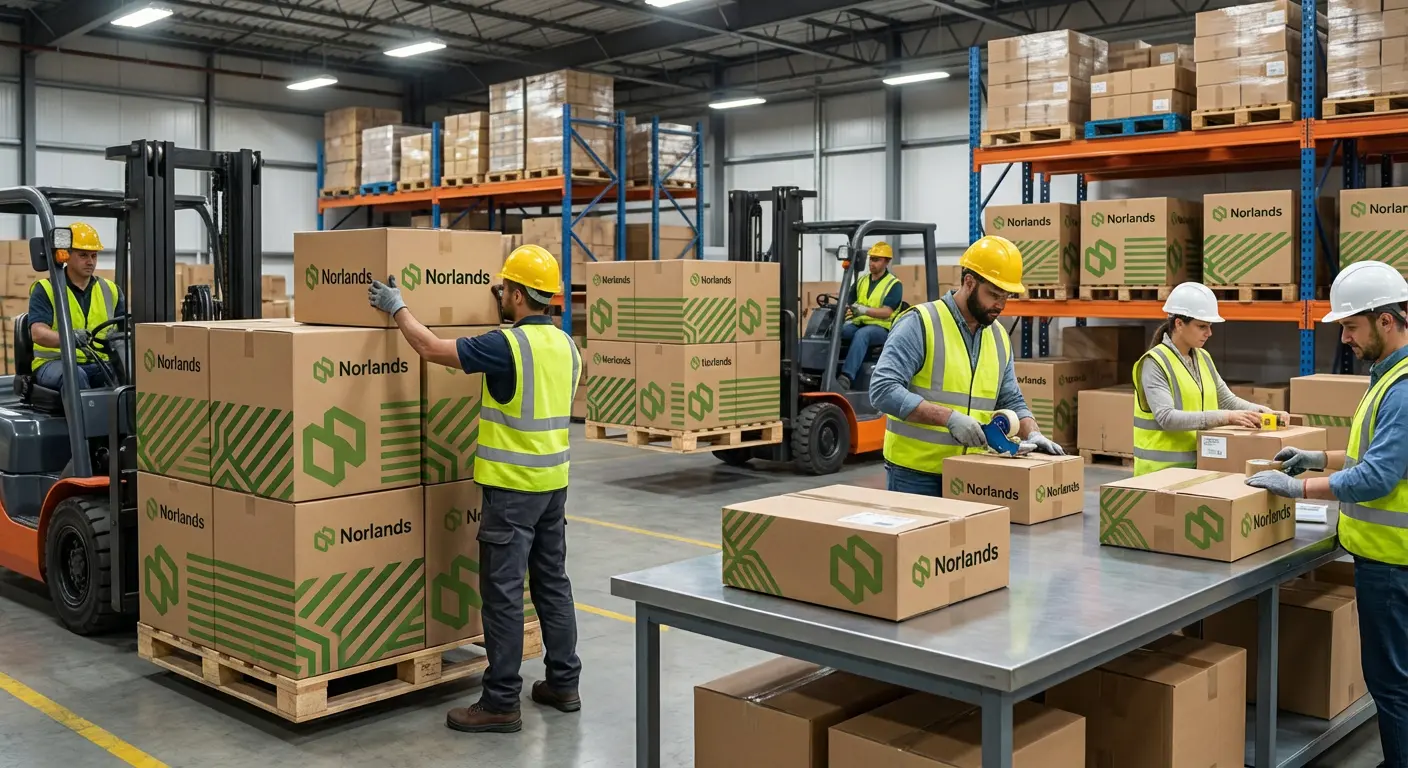
Packaging capacity planning Canada is becoming a critical strategic function for businesses aiming to scale efficiently in an increasingly competitive and unpredictable market. As companies expand their operations—whether through increased sales volume, new product lines, or entry into new regions—the ability to ensure that packaging capacity keeps pace with growth becomes essential. Without proper planning, businesses risk creating bottlenecks that slow production, delay shipments, and limit their ability to capitalize on new opportunities.
In Canada, the need for structured capacity planning is amplified by geographic and logistical complexity. Production facilities, packaging suppliers, and distribution centers are often spread across vast distances, requiring careful coordination to maintain consistent operations. Businesses operating in regions such as British Columbia, Ontario, and Quebec must account for transportation timelines, regional demand variations, and infrastructure constraints when planning packaging capacity. Without this coordination, growth can quickly outpace operational capability.
One of the biggest challenges companies face is aligning packaging capacity with real demand. Many organizations rely on outdated forecasting methods or static production plans that do not reflect current market conditions. As a result, they may encounter either capacity shortages during periods of rapid growth or excess capacity during slower cycles—both of which negatively impact efficiency and cost control.
Effective capacity planning requires a forward-looking approach that integrates production capacity forecasting, demand analysis, and supplier coordination. Businesses must evaluate not only current production needs but also future growth scenarios, ensuring that packaging systems can scale without disruption. This includes working closely with suppliers to develop flexible production arrangements and building internal processes that support expansion.
Companies that adopt structured canadian supply planning strategies are better positioned to manage growth sustainably. By aligning packaging capacity with business objectives, they can avoid operational delays, reduce waste, and maintain consistent performance across expanding markets. For organizations focused on long-term success, mastering packaging capacity planning Canada is a key step toward building scalable and resilient operations.
Why Packaging Capacity Planning Canada Is Often Reactive
Packaging capacity planning Canada is frequently approached as a reactive process rather than a proactive strategy. Many businesses only address capacity limitations when problems begin to surface—such as delayed orders, production slowdowns, or missed delivery deadlines. By the time these issues appear, the organization is already operating under strain, and corrective actions often come with higher costs and limited effectiveness.
Common Causes of Reactive Capacity Decisions
One of the primary reasons companies fall into reactive planning is the lack of accurate forecasting systems. Without reliable production capacity forecasting, businesses struggle to predict how demand will evolve over time. As a result, packaging capacity is often based on current or historical performance rather than future growth expectations.
Another common factor is the separation between sales, operations, and procurement teams. When these functions operate in silos, packaging requirements are not communicated effectively across the organization. Sales teams may drive growth initiatives without aligning with production capabilities, while procurement teams may not have visibility into upcoming demand increases. This disconnect leads to delayed decision-making and insufficient capacity planning.
In many Canadian businesses, rapid growth itself can also trigger reactive behavior. Companies experiencing sudden increases in demand—especially in e-commerce or consumer goods—may prioritize immediate fulfillment over long-term planning. While this approach can support short-term growth, it often creates structural weaknesses in packaging capacity that become more difficult to resolve over time.
Operational Risks of Late Capacity Planning
When capacity planning is delayed, the operational risks increase significantly. One of the most immediate consequences is the creation of production bottlenecks. If packaging capacity cannot keep up with product output, manufacturing lines may slow down or stop altogether, leading to missed deadlines and reduced productivity.
Late planning also increases dependency on emergency solutions, such as expedited production runs, rush orders, or temporary supplier arrangements. These solutions often come at a higher cost and may not provide the same level of reliability as well-planned capacity systems.
In Canada’s logistics environment, where transportation timelines can already be extended due to distance and regional factors, these delays can compound quickly. A delay in packaging availability at the production stage can cascade through the entire supply chain, affecting distribution schedules and customer delivery timelines.
Impact on Canadian Supply Chains and Growth
Reactive capacity planning does not only affect day-to-day operations—it also limits long-term growth potential. Businesses that cannot reliably scale their packaging capacity may hesitate to pursue new opportunities, such as entering new markets or launching additional product lines.
This limitation is particularly relevant in the context of canadian supply planning, where coordination across regions is essential for growth. Companies that fail to align packaging capacity with expansion plans may encounter repeated disruptions that undermine their ability to compete effectively.
Moreover, inconsistent capacity can damage relationships with suppliers and customers. Suppliers may struggle to accommodate unpredictable demand changes, while customers may lose confidence in a company’s ability to deliver on time.
Ultimately, reactive planning creates a cycle of inefficiency, where businesses are constantly responding to problems rather than preventing them. Organizations that shift toward proactive capacity strategies—supported by accurate forecasting, cross-functional alignment, and scalable supplier relationships—are better positioned to support sustainable growth through packaging capacity planning Canada.
Packaging Capacity Planning Canada and Growth Forecasting
Packaging capacity planning Canada becomes truly effective when it is tightly integrated with growth forecasting. Businesses that align packaging capacity with projected demand are able to scale operations smoothly, avoid costly disruptions, and maintain consistent performance as they expand. Without this alignment, growth can quickly expose capacity limitations that were not visible during earlier stages of operation.
Aligning Capacity With Sales Projections
Accurate sales projections are the foundation of effective capacity planning. Companies must analyze historical data, market trends, and future growth initiatives to estimate how demand will evolve over time. This includes considering factors such as new product launches, seasonal demand changes, and expansion into new geographic markets.
By integrating production capacity forecasting into this process, businesses can determine whether their current packaging systems can support projected growth. If capacity gaps are identified early, companies have time to adjust supplier agreements, invest in additional production capabilities, or redesign packaging workflows to improve efficiency.
In Canada, where supply chains often span multiple provinces and involve complex logistics networks, aligning capacity with demand is especially important. Companies that plan ahead can coordinate packaging production, transportation, and distribution more effectively, reducing the risk of delays and ensuring that growth does not outpace operational capability.
Avoiding Overproduction and Waste
While underestimating capacity can create shortages, overestimating demand introduces a different set of challenges. Businesses that produce or purchase more packaging than needed may face excess inventory, increased storage costs, and material waste. This is particularly problematic for companies working with customized packaging that may not be reusable across different products or campaigns.
Effective capacity planning requires a balance between preparedness and efficiency. Companies must build systems that allow for scalability without committing to unnecessary production volumes. Flexible supplier agreements and adaptive production schedules can help organizations adjust packaging output based on real-time demand changes.
This approach supports expansion planning packaging strategies by ensuring that growth is supported without creating inefficiencies. Businesses that manage this balance effectively are able to maintain lean operations while still having the flexibility to scale when demand increases.
Balancing Flexibility and Scalability
One of the key challenges in capacity planning is balancing flexibility with scalability. Companies need packaging systems that can handle sudden increases in demand without requiring constant overproduction. At the same time, they must ensure that capacity can expand sustainably as the business grows.
This balance is achieved through a combination of forecasting, supplier collaboration, and internal process optimization. Businesses that maintain close relationships with packaging suppliers can negotiate scalable production arrangements that allow capacity to increase gradually as demand grows.
In addition, companies can implement modular packaging designs and standardized materials that support easier scaling. These strategies reduce complexity and allow production systems to adapt more efficiently to changing requirements.
Ultimately, aligning capacity planning with growth forecasting transforms packaging from a reactive function into a strategic driver of expansion. Organizations that integrate forecasting, flexibility, and scalability into their planning processes are better equipped to support long-term growth and reduce exposure to operational disruptions—reinforcing the importance of packaging capacity planning Canada.
Industry-Specific Capacity Planning Challenges
Packaging capacity planning Canada must account for the fact that each industry operates under different demand patterns, production cycles, and logistical constraints. A one-size-fits-all approach to capacity planning rarely works, as the challenges faced by a retail brand differ significantly from those of a food producer or an industrial manufacturer. Businesses that understand these industry-specific dynamics are better positioned to design packaging systems that scale effectively without creating inefficiencies or bottlenecks.
Retail and E-Commerce Growth Volatility
Retail and e-commerce businesses in Canada experience some of the most unpredictable demand fluctuations. Sales volumes can shift rapidly due to promotions, seasonal campaigns, and changing consumer behavior. This volatility makes it difficult to maintain a fixed packaging capacity without either underestimating demand or overproducing packaging materials.
Companies in this sector must build highly adaptable capacity systems that can respond quickly to spikes in order volume. During peak periods such as holiday seasons or major sales events, packaging demand can increase significantly within a short timeframe. Without scalable capacity, fulfillment operations may struggle to keep up, leading to delayed shipments and reduced customer satisfaction.
To manage this volatility, businesses rely on flexible supplier agreements and real-time demand tracking to adjust packaging output as needed.
Food and Beverage Seasonal Capacity Shifts
The food and beverage industry faces capacity challenges driven by seasonal production cycles and demand variations. For example, summer months may bring increased demand for beverages and packaged foods, while holiday periods often generate spikes in specialty products and gift packaging.
These fluctuations require packaging systems that can scale up during peak production periods and scale down efficiently afterward. Overproduction can lead to waste, particularly for perishable or time-sensitive packaging materials, while underproduction can disrupt distribution schedules.
Companies must integrate production capacity forecasting with seasonal demand patterns to ensure packaging availability aligns with production output.
Manufacturing and Industrial Production Scaling
Manufacturing and industrial sectors often experience growth tied to long-term contracts, infrastructure projects, or market expansion. Unlike retail, where demand can shift quickly, industrial growth may follow a more structured but still scalable trajectory.
Capacity planning in this sector focuses on ensuring that packaging systems can support increasing production volumes over time. As output grows, packaging requirements must expand accordingly without creating delays or inefficiencies.
Businesses in this space often invest in expansion planning packaging strategies that allow for gradual scaling of capacity. This includes working with suppliers that can increase production output and implementing internal systems that support higher volumes without compromising performance.
Regional Challenges in Canadian Supply Planning
One of the unique aspects of capacity planning in Canada is the influence of geography. Supply chains often span large distances between production facilities, packaging suppliers, and distribution centers. This creates additional complexity in coordinating packaging capacity across regions.
Transportation timelines, regional infrastructure differences, and weather-related disruptions can all affect how quickly packaging materials move through the supply chain. Companies must factor these variables into their planning processes to ensure that packaging capacity is not only sufficient but also positioned correctly within the network.
Effective canadian supply planning requires coordination across multiple regions, ensuring that packaging materials are available where and when they are needed. Businesses that overlook these regional factors may encounter delays even when overall capacity appears sufficient.
Across all industries, the key to successful capacity planning lies in understanding specific operational requirements and adapting strategies accordingly. Companies that tailor their approach to industry dynamics and regional realities are better equipped to scale efficiently and maintain stability within packaging capacity planning Canada.
Technology’s Role in Packaging Capacity Planning Canada
Packaging capacity planning Canada has become increasingly dependent on technology to manage complexity, improve accuracy, and support scalable growth. In an environment where demand patterns shift quickly and supply chains span large geographic regions, manual planning methods are no longer sufficient. Businesses that adopt digital tools and data-driven systems gain the ability to forecast demand more precisely, coordinate production more effectively, and reduce capacity-related risks.
When Packaging Cost Optimization Risks Undermine Long-Term Performance
Quick question:
You might also like
Production Capacity Forecasting Tools
Modern production capacity forecasting tools allow businesses to analyze historical data, market trends, and growth projections to estimate future packaging requirements with greater accuracy. These systems use predictive analytics to identify patterns and anticipate demand fluctuations, enabling companies to plan capacity in advance rather than reacting to shortages.
By integrating forecasting tools into their planning processes, organizations can align packaging production with expected sales volumes. This proactive approach helps reduce both undercapacity and overcapacity, ensuring that resources are used efficiently while supporting business expansion.
Real-Time Data and Demand Planning Systems
According to IBM, modern supply chain management depends heavily on real-time visibility, data integration, and coordinated planning across suppliers, production teams, and distribution networks. This reinforces the importance of using digital tools in packaging capacity planning Canada, where better visibility into demand and operations helps businesses respond faster to capacity shifts and reduce planning risk.
Real-time data systems provide visibility into packaging demand, production output, and inventory levels across the supply chain. These platforms allow businesses to monitor performance continuously and make adjustments as conditions change.
In Canada, where supply chains often involve multiple regions and long transportation routes, real-time visibility is particularly valuable. Companies can track packaging availability across different locations, identify potential bottlenecks, and respond quickly to unexpected changes in demand.
This level of insight supports more accurate canadian supply planning, enabling organizations to coordinate packaging capacity across geographically dispersed operations.
Automation and Scalable Manufacturing Solutions
Automation plays a key role in improving scalability within packaging operations. Automated production systems can adjust output levels more quickly than manual processes, allowing businesses to respond to changes in demand with greater flexibility.
Scalable manufacturing solutions also enable companies to expand capacity without requiring significant increases in labor or operational complexity. By investing in automation, businesses can increase efficiency while maintaining consistent quality across higher production volumes.
These capabilities are essential for companies experiencing growth, as they allow packaging systems to scale in line with business expansion without introducing new bottlenecks.
Capacity Risk Mitigation Through Digital Integration
Technology also supports capacity risk mitigation by improving coordination between suppliers, production teams, and logistics providers. Integrated digital platforms allow all stakeholders to share information in real time, reducing communication gaps and ensuring that capacity planning decisions are based on accurate data.
By identifying potential risks early—such as supplier delays, production constraints, or logistics disruptions—businesses can take proactive measures to prevent issues from affecting operations. This reduces uncertainty and improves overall supply chain resilience.
Ultimately, technology transforms packaging capacity planning from a reactive process into a strategic, data-driven function. Companies that invest in forecasting tools, real-time visibility systems, and automated production capabilities are better equipped to manage growth, reduce risk, and maintain operational stability—making technology a critical component of packaging capacity planning Canada.

Strategic Advantages of Proactive Capacity Planning in Canada
Packaging capacity planning Canada provides significant strategic advantages for businesses that aim to scale efficiently while maintaining operational stability. Companies that move from reactive to proactive capacity planning gain better control over production, reduce uncertainty, and position themselves to take advantage of growth opportunities without disruption.
Supporting Sustainable Business Growth
One of the most important benefits of proactive capacity planning is the ability to support consistent and sustainable growth. Businesses that align packaging capacity with long-term demand projections can expand operations without encountering sudden bottlenecks or supply shortages.
This alignment allows companies to launch new products, enter new markets, and increase production volumes with confidence. Instead of reacting to capacity limitations, organizations operate with a structured plan that supports expansion while maintaining efficiency.
Reducing Capacity Bottlenecks and Delays
Capacity bottlenecks are one of the most common operational challenges in growing businesses. When packaging systems cannot keep up with production output, delays occur across the entire supply chain.
Proactive planning helps identify potential constraints before they become critical issues. By evaluating capacity requirements in advance and working with scalable suppliers, businesses can ensure that packaging availability supports production schedules at all times.
This reduces the risk of production slowdowns, missed deadlines, and costly emergency adjustments that disrupt operations.
Strengthening Supply Chain Resilience
In Canada’s complex logistics environment, supply chain resilience is essential for maintaining consistent performance. Businesses must be prepared to handle demand fluctuations, transportation delays, and regional challenges that can affect packaging availability.
Proactive capacity planning strengthens resilience by building flexibility into the system. Companies that maintain scalable production capabilities, reliable supplier partnerships, and adaptive planning processes are better equipped to respond to unexpected changes.
This resilience allows organizations to maintain operational continuity even in uncertain conditions, supporting long-term success.
Frequently Asked Questions (FAQ)
What is packaging capacity planning Canada?
It is the process of aligning packaging production capacity with current and future demand within Canadian supply chains.
Why is capacity planning important for growing businesses?
It ensures that packaging systems can support increased production without delays or bottlenecks.
How do companies align packaging capacity with demand?
By using forecasting tools, supplier collaboration, and scalable production systems.
What industries face the biggest capacity planning challenges?
Retail, e-commerce, food and beverage, and manufacturing industries often experience the most variability.
How does technology improve packaging capacity planning?
Technology provides forecasting, real-time visibility, and automation to improve planning accuracy and scalability.
Conclusion: Scaling Packaging Operations for Future Growth
Packaging capacity planning Canada is no longer a secondary operational task—it is a strategic function that directly influences a company’s ability to grow, compete, and maintain stability in an evolving market. As businesses expand across regions and increase production volumes, the need for structured and forward-looking capacity planning becomes critical.
Organizations that integrate forecasting, supplier coordination, and technology-driven planning systems gain the ability to align packaging capacity with real demand. This alignment reduces inefficiencies, prevents bottlenecks, and ensures that growth is supported by a stable operational foundation.
In Canada, where supply chains are shaped by geographic complexity and diverse market conditions, effective capacity planning is essential for maintaining performance across regions. Companies that adopt proactive strategies can navigate these challenges more effectively while positioning themselves for long-term expansion.
Ultimately, businesses that treat packaging capacity as a strategic asset—rather than a reactive necessity—are better equipped to scale sustainably and maintain competitive advantage. For organizations focused on growth, mastering packaging capacity planning Canada is a key step toward building resilient and scalable operations.