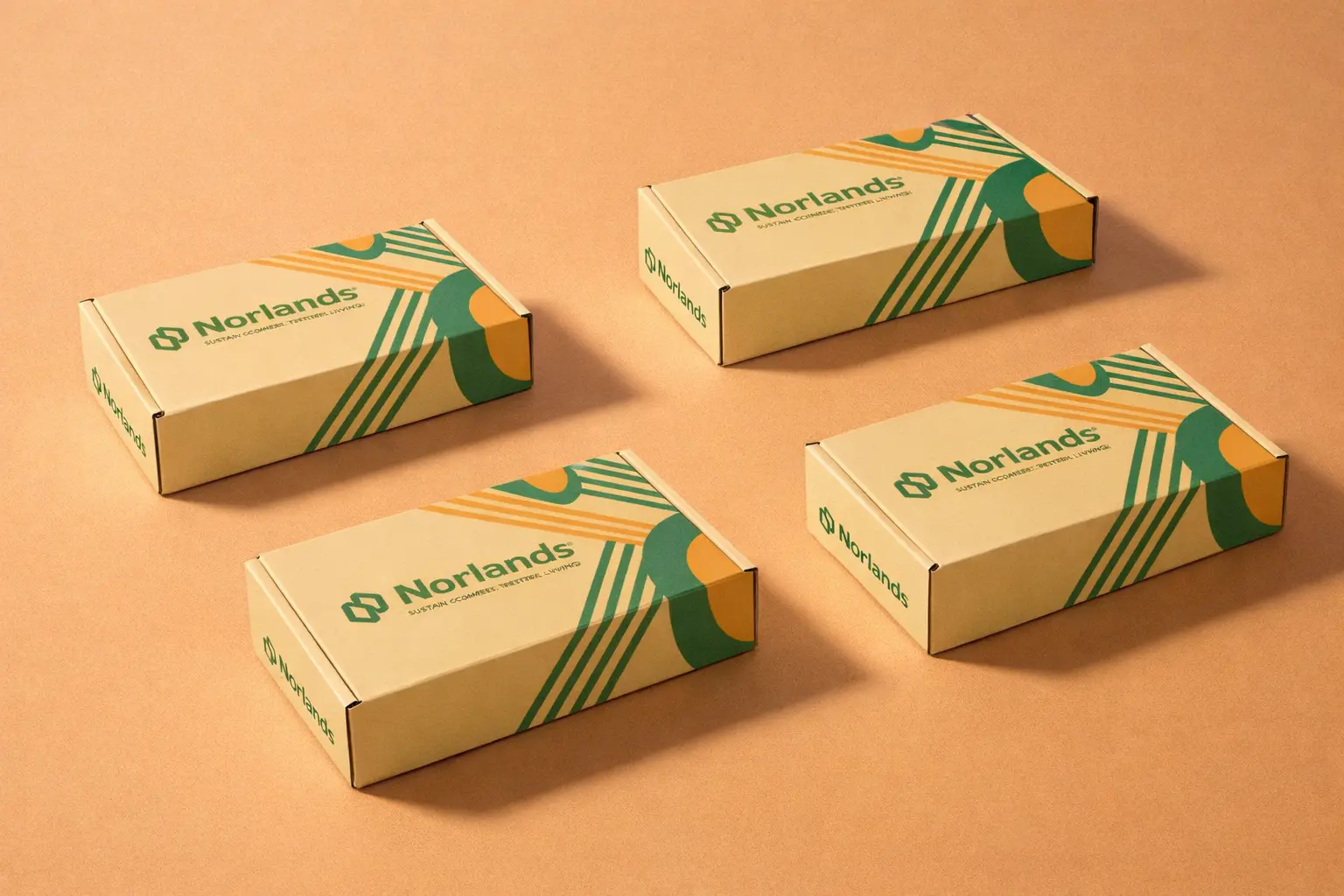
ChatGPT Image Feb 15 2026 01 18 26 PM

Introduction

Packaging scalability for growing brands is one of the most overlooked factors when buyers make early packaging decisions, especially in fast-moving markets like Canada. Many purchasing teams optimize for today’s price, lead time, or minimum order quantity, assuming they can “fix scalability later.” That assumption often holds until growth accelerates and packaging becomes a constraint instead of a support system.

In the Canadian market, growth introduces specific pressures. Brands expand across provinces, add SKUs, enter retail, or scale e-commerce volumes, all while relying on local suppliers with varying capacity and flexibility. Without deliberate packaging growth planning, solutions that worked at low volume struggle to keep up. Limited tooling options, rigid production schedules, and slow response times can delay launches and disrupt fulfillment.

The issue is not intent but timing. Buyers frequently separate packaging from long-term planning, treating it as an operational expense rather than a growth enabler. This mindset overlooks how scalable packaging solutions affect packaging capacity expansion, quality consistency, and supplier resilience as demand rises. In regions where lead times and logistics already add complexity, these gaps surface quickly.

Evaluating packaging through a growth lens requires shifting from short-term savings to a long-term packaging strategy—one that aligns suppliers, formats, and processes with realistic expansion scenarios. Brands that make this shift earlier protect momentum and avoid reactive changes later. Understanding what buyers commonly miss is the first step toward building packaging that truly supports packaging scalability for growing brands.

Why Packaging Scalability for Growing Brands Is Often Ignored

Packaging scalability for growing brands is usually ignored because early buying decisions are shaped by immediate constraints, not future scenarios. Buyers are often evaluated on short-term metrics like unit cost, quick availability, or meeting current demand, which leaves little room for packaging growth planning. As long as packaging works today, scalability feels like a problem for later.

Another factor is uncertainty. Many brands do not have clear visibility into how fast or in which direction they will grow. Without reliable forecasts, buyers default to conservative decisions and select packaging that fits present volumes. This approach delays conversations around scalable packaging solutions until growth is already underway, when options become more limited and expensive.

Supplier dynamics also contribute. Some local or regional suppliers are well-suited for low to mid volumes but lack the infrastructure for packaging capacity expansion. Buyers may assume scalability is implicit, rather than confirming production flexibility, tooling scalability, or contingency plans. When demand increases, these gaps quickly surface.

Finally, packaging decisions are often made in isolation. Procurement may not be fully aligned with sales, operations, or expansion strategy. Without a shared long-term packaging strategy, scalability considerations are deprioritized in favor of faster approvals and lower upfront costs.

In most cases, scalability is not ignored because it is unimportant, but because it is invisible—until growth exposes the limits.
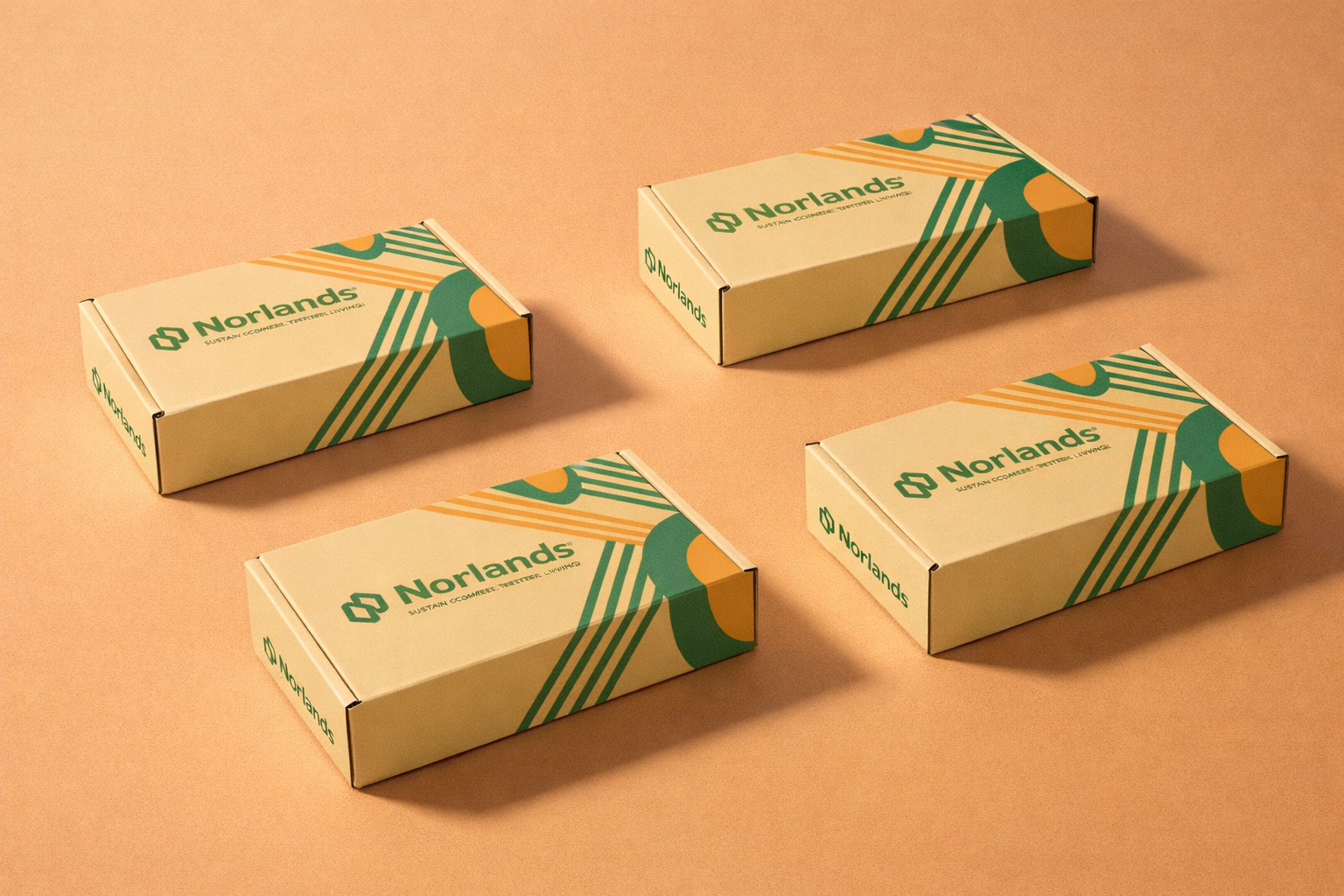
Packaging scalability for growing brands demonstrated through standardized custom mailer boxes ready for volume production

Packaging Scalability for Growing Brands vs Short-Term Cost Savings

Packaging scalability for growing brands is often traded away when short-term cost savings dominate purchasing decisions. Buyers may lock in the lowest unit price or smallest MOQ without evaluating how those choices perform as volumes rise. While the savings look attractive on paper, they frequently introduce friction when growth accelerates.

Short-term savings can hide long-term costs. Low-priced options may rely on rigid production schedules, limited tooling, or suppliers that cannot support rapid increases in demand. When brands need packaging capacity expansion, these constraints lead to longer lead times, rushed orders, or forced supplier changes—each adding cost and risk.

A long-term packaging strategy reframes the evaluation. Instead of asking, “What’s cheapest today?” it asks, “What scales without disruption?” Scalable packaging solutions prioritize flexibility, repeatability, and predictable quality across higher volumes and additional SKUs. This approach supports packaging for business growth by reducing the need for emergency changes.

In practice, the real cost difference appears during inflection points—retail onboarding, regional expansion, or promotional spikes. Brands that planned for scalability absorb growth smoothly; those that optimized only for price face delays and operational strain.

Balancing cost with scalability means considering total ownership over time, not just the first purchase order.

Operational Risks of Poor Packaging Scalability for Growing Brands

Packaging scalability for growing brands becomes a critical issue when operational stress starts to surface. Poor scalability rarely causes minor inefficiencies; it creates cascading problems once demand outpaces existing packaging systems.

The most immediate risk is constrained packaging capacity expansion. Suppliers that were sufficient at lower volumes may struggle to increase output, leading to missed production windows and delayed fulfillment. For growing brands, this can translate directly into lost revenue and damaged customer trust.

Quality inconsistency is another common consequence. When packaging demand spikes unexpectedly, brands may be forced to split orders across multiple suppliers or rush production. Without standardized processes, packaging quality can vary, increasing damage rates and returns. This undermines packaging for business growth by introducing instability at the exact moment reliability matters most.

Operational teams also absorb the impact. Procurement, warehousing, and logistics must manage unpredictable lead times and emergency sourcing. These reactive workflows increase cost, reduce efficiency, and divert focus from growth initiatives.

Industry research consistently shows that scaling without operational capacity alignment creates bottlenecks and supply chain disruption. McKinsey & Company emphasizes that growth initiatives must be supported by supplier flexibility, production scalability, and integrated planning systems to avoid operational strain . This principle directly applies to packaging scalability for growing brands, where supplier readiness and production capacity determine whether growth accelerates smoothly or creates costly constraints.

Ultimately, poor scalability shifts packaging from a support function into an operational bottleneck. Brands that overlook scalability early often discover its importance only after growth exposes these risks.

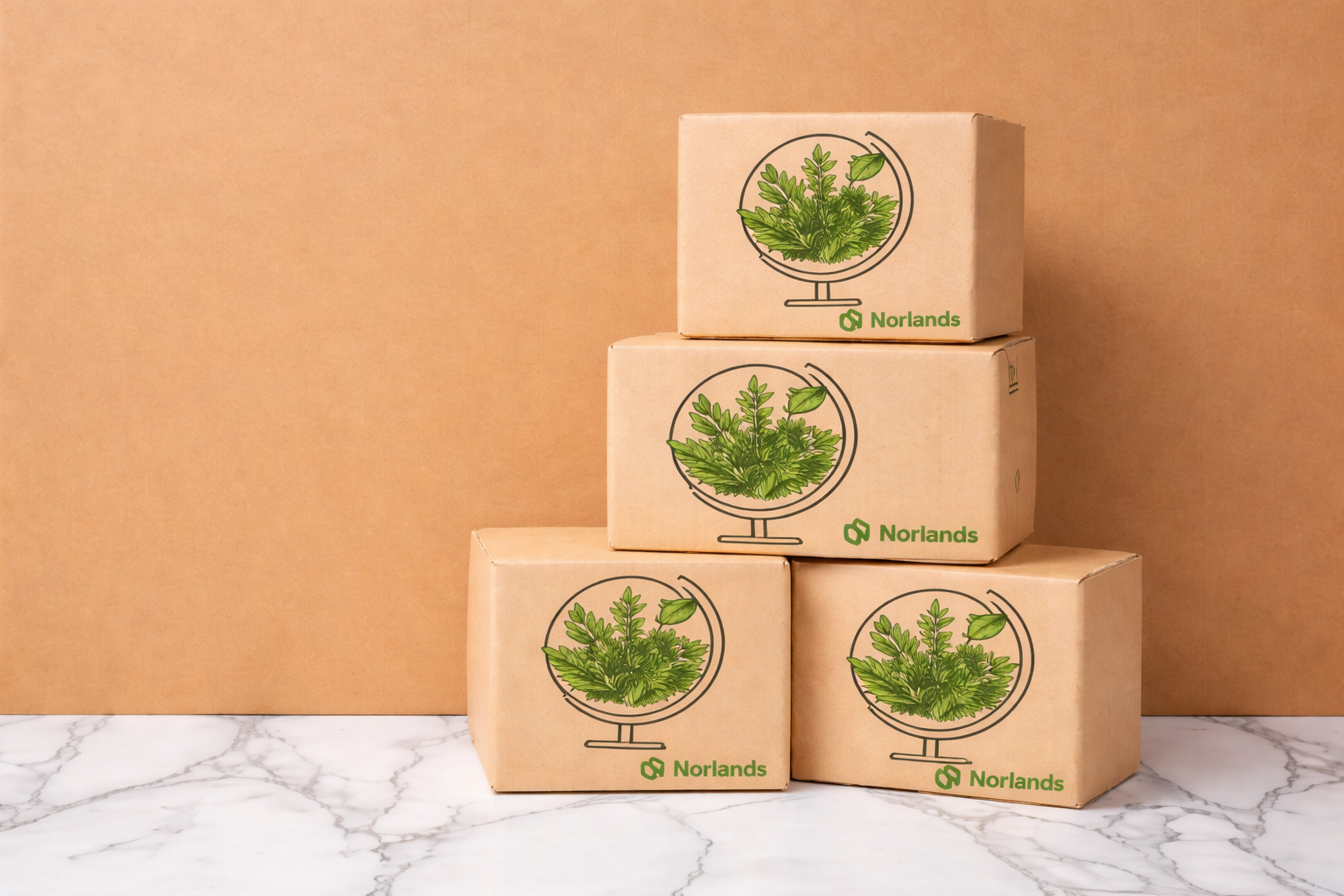
Packaging scalability for growing brands supported by sustainable corrugated box designs suitable for expanding product lines

When Brands Should Reassess Packaging Scalability for Growing Brands

Packaging scalability for growing brands should never be treated as a reactive adjustment. Instead, Packaging scalability for growing brands must be reviewed at clearly defined growth milestones. Many companies wait until operational pressure exposes limitations, but delaying evaluation of Packaging scalability for growing brands often results in rushed decisions, higher material costs, and supply instability.

One of the most important triggers for reviewing Packaging scalability for growing brands is sustained sales growth. When order volume increases steadily across multiple quarters, the packaging system that once supported the brand may begin to show strain. Packaging scalability for growing brands requires structured forecasting that aligns packaging production capacity with projected demand. Without reviewing Packaging scalability for growing brands, brands risk stock shortages, extended lead times, or inconsistent packaging quality during high-volume cycles.

Another critical moment for reassessing Packaging scalability for growing brands is channel expansion. Entering national retail chains, launching on major e-commerce platforms, or expanding into new geographic markets fundamentally changes packaging requirements. Packaging scalability for growing brands must account for new compliance standards, higher consistency expectations, and tighter replenishment timelines. If Packaging scalability for growing brands is not aligned with multi-channel growth, operational bottlenecks can slow expansion even when market demand is strong.

SKU expansion also intensifies the need for reviewing Packaging scalability for growing brands. As product lines diversify, packaging complexity increases. More sizes, more formats, and more print variations place additional strain on tooling, scheduling, and supplier coordination. Packaging scalability for growing brands ensures that packaging systems remain adaptable as assortment breadth expands. Without scalable infrastructure, product innovation may outpace packaging capability.

Supplier performance indicators provide early warning signals related to Packaging scalability for growing brands. Increasing lead times, reduced flexibility in order adjustments, or variability in print and structural consistency often suggest that packaging systems are approaching capacity limits. Addressing Packaging scalability for growing brands at this stage allows brands to realign supply partnerships before operational stress escalates.

Seasonal volatility is another factor that tests Packaging scalability for growing brands. Promotional spikes, holiday peaks, or campaign-driven demand surges require packaging systems capable of rapid ramp-up. Packaging scalability for growing brands includes contingency planning, buffer capacity evaluation, and alignment between production schedules and fulfillment cycles.

Financial planning also intersects with Packaging scalability for growing brands. As brands grow, unit economics shift. Larger volumes may justify structural redesign, material optimization, or production automation. Proactively reviewing Packaging scalability for growing brands allows businesses to capture cost efficiencies while maintaining performance standards.

Ultimately, Packaging scalability for growing brands is not a one-time assessment—it is an ongoing strategic process. Brands that integrate Packaging scalability for growing brands into their growth roadmap reduce risk, protect margins, and maintain operational stability during expansion phases. When evaluated proactively, Packaging scalability for growing brands transforms packaging from a limiting factor into a growth enabler.

Corrugated performance standards Canada article call to action encouraging readers to learn about Canadian shipping box requirements

How Buyers Can Evaluate Scalable Packaging Solutions Properly

Packaging scalability for growing brands requires a forward-looking evaluation framework. Buyers who focus only on current order volume often underestimate future operational demands. To properly assess Packaging scalability for growing brands, decision-makers must analyze packaging systems through the lens of projected growth, channel diversification, and supply chain complexity.

The first and most critical factor in evaluating Packaging scalability for growing brands is supplier capability. Buyers should ask structured questions about production capacity, redundancy planning, and ramp-up timelines. Can the supplier support a 2x or 3x volume increase without major disruption? What investments would be required to expand tooling or print capacity? True Packaging scalability for growing brands depends on suppliers that have demonstrated experience supporting growth transitions without compromising quality or lead time stability.

Beyond capacity, buyers must examine flexibility. Packaging scalability for growing brands is not just about producing more—it is about adapting quickly. Growth often introduces new SKUs, packaging size adjustments, compliance updates, or branding refreshes. Suppliers that can support structural modifications, short-run pilot tests, and phased rollouts strengthen Packaging scalability for growing brands significantly.

Operational integration is another essential layer of Packaging scalability for growing brands. Packaging formats must align with fulfillment workflows, automation systems, warehouse stacking methods, and multi-channel distribution models. If packaging does not integrate seamlessly with operational systems, friction increases as volume grows. Proper evaluation of Packaging scalability for growing brands includes reviewing case pack efficiency, pallet optimization, and compatibility with e-commerce and retail distribution requirements.

Responsiveness also plays a defining role in Packaging scalability for growing brands. Growing brands evolve rapidly—marketing shifts, promotional cycles intensify, and new markets open. Suppliers that offer fast approval cycles, collaborative design support, and proactive forecasting enhance Packaging scalability for growing brands by reducing decision bottlenecks. Slow response times, in contrast, undermine packaging growth planning.

Risk management should also be part of evaluating Packaging scalability for growing brands. Buyers should assess contingency plans, material sourcing stability, and alternative production pathways. A truly scalable packaging system anticipates volatility and incorporates backup strategies. Without this resilience, Packaging scalability for growing brands becomes fragile under pressure.

Financial alignment further supports Packaging scalability for growing brands. Buyers should analyze how pricing structures evolve with volume increases. Do economies of scale apply? Are there cost efficiencies tied to structural redesign or material optimization? Evaluating these financial factors ensures Packaging scalability for growing brands strengthens margin performance instead of eroding it.

Finally, buyers must evaluate alignment with a long-term packaging strategy. Packaging scalability for growing brands should connect directly to sales forecasts, expansion plans, automation investments, and contingency modeling. Packaging decisions made in isolation often create constraints later. When buyers assess Packaging scalability for growing brands intentionally and systematically, packaging becomes a strategic growth enabler rather than an operational limitation.

In high-growth environments, Packaging scalability for growing brands is not optional—it is foundational. The brands that evaluate scalability early build packaging systems capable of supporting sustained expansion, multi-channel agility, and long-term supply chain resilience.

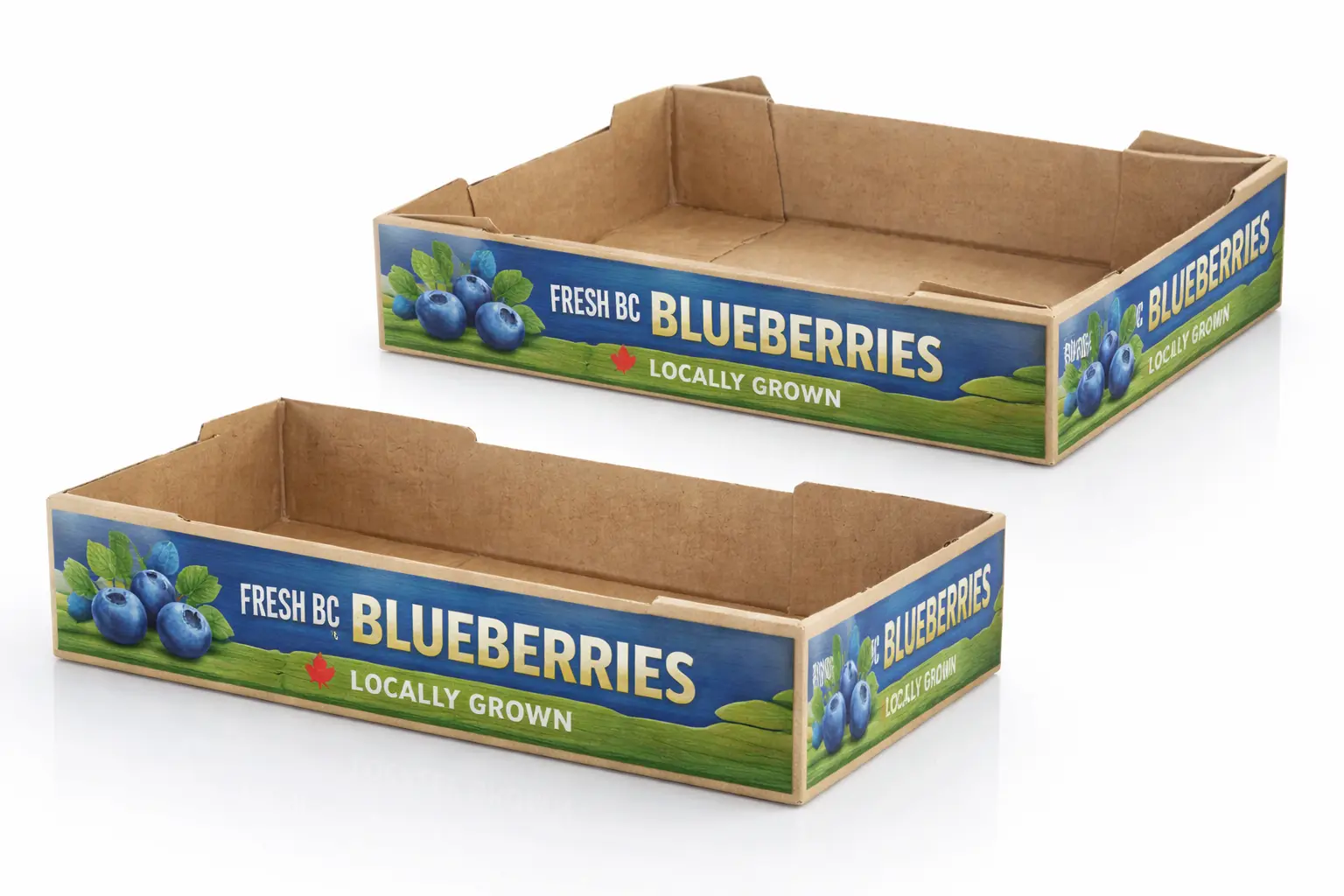
Packaging scalability for growing brands illustrated with retail-ready corrugated produce trays designed for high-volume distribution

Common Buyer Assumptions That Limit Packaging Scalability

Packaging scalability for growing brands is frequently constrained not by technical limitations, but by early-stage assumptions that go unchallenged. Many of these assumptions appear logical during the startup or early growth phase, yet they quietly weaken Packaging scalability for growing brands as demand accelerates.

One of the most common assumptions is that a packaging solution that works at current volumes will automatically support future growth. Buyers may assume that if the structure, material, and supplier relationship function adequately today, they will continue to do so at double or triple the output. This mindset delays proper review of Packaging scalability for growing brands and prevents proactive packaging growth planning. When order volumes eventually increase, scalability gaps surface under pressure rather than during controlled evaluation.

Another limiting assumption is that suppliers will naturally scale alongside the brand. Buyers often expect that long-standing packaging partners can simply expand production when required. However, true Packaging scalability for growing brands depends on verified production capacity, tooling readiness, staffing flexibility, and material sourcing stability. Without structured discussions about packaging capacity expansion, this assumption can result in sudden bottlenecks when growth accelerates.

Growth velocity is also frequently underestimated. Buyers may build packaging forecasts based on conservative projections rather than realistic upside scenarios. Yet retail onboarding, promotional campaigns, or regional expansion can dramatically increase demand within a short timeframe. Without deliberate planning for Packaging scalability for growing brands, operational strain emerges quickly. Inventory shortages, extended lead times, and rushed reorders are often symptoms of neglected scalability planning.

Another common mistake that weakens Packaging scalability for growing brands is evaluating packaging in isolation. Packaging decisions are sometimes made solely by procurement teams without input from operations, logistics, forecasting, or sales. True Packaging scalability for growing brands requires cross-functional alignment. Packaging formats must integrate with warehouse stacking systems, fulfillment automation, shipping optimization, and regional distribution strategies. When these factors are overlooked, packaging may appear sufficient structurally but fail operationally at scale.

Cost assumptions can also limit Packaging scalability for growing brands. Buyers may prioritize lowest initial unit price without evaluating long-term performance at higher volumes. In some cases, a slightly higher-spec solution provides better durability, automation compatibility, and margin protection during growth phases. Short-term savings can therefore undermine long-term Packaging scalability for growing brands.

Finally, many buyers assume growth will be linear. In reality, brand expansion is often uneven, with sudden spikes and channel shifts. Packaging scalability for growing brands must account for volatility, not just steady expansion. Building flexibility into supplier agreements, forecasting cycles, and production scheduling strengthens long-term scalability.

Challenging these assumptions early is essential for strengthening Packaging scalability for growing brands. When buyers intentionally question current limits, verify supplier capability, integrate cross-functional planning, and align packaging with business growth objectives, they transform packaging from a reactive cost center into a strategic growth platform.

Ultimately, Packaging scalability for growing brands is not constrained by packaging materials alone—it is constrained by planning assumptions. Brands that identify and correct these assumptions early build packaging systems capable of sustaining expansion without operational disruption.

FAQ About Packaging Scalability for Growing Brands

What does packaging scalability mean for growing brands?
It means packaging can support higher volumes, new products, and expanded channels without causing delays, quality issues, or frequent supplier changes.

When should brands start thinking about packaging scalability?
As soon as sales show consistent growth or expansion plans are defined. Early packaging growth planning prevents disruption later.

Are scalable packaging solutions more expensive upfront?
Sometimes slightly, but they usually lower total cost by avoiding rushed changes, emergency orders, and operational downtime.

What limits packaging scalability the most?
Rigid suppliers, fixed tooling, long lead times, and packaging formats that cannot adapt to volume or channel changes.

Can small brands benefit from planning scalability early?
Yes. Early alignment with a long-term packaging strategy helps small brands grow without painful transitions.

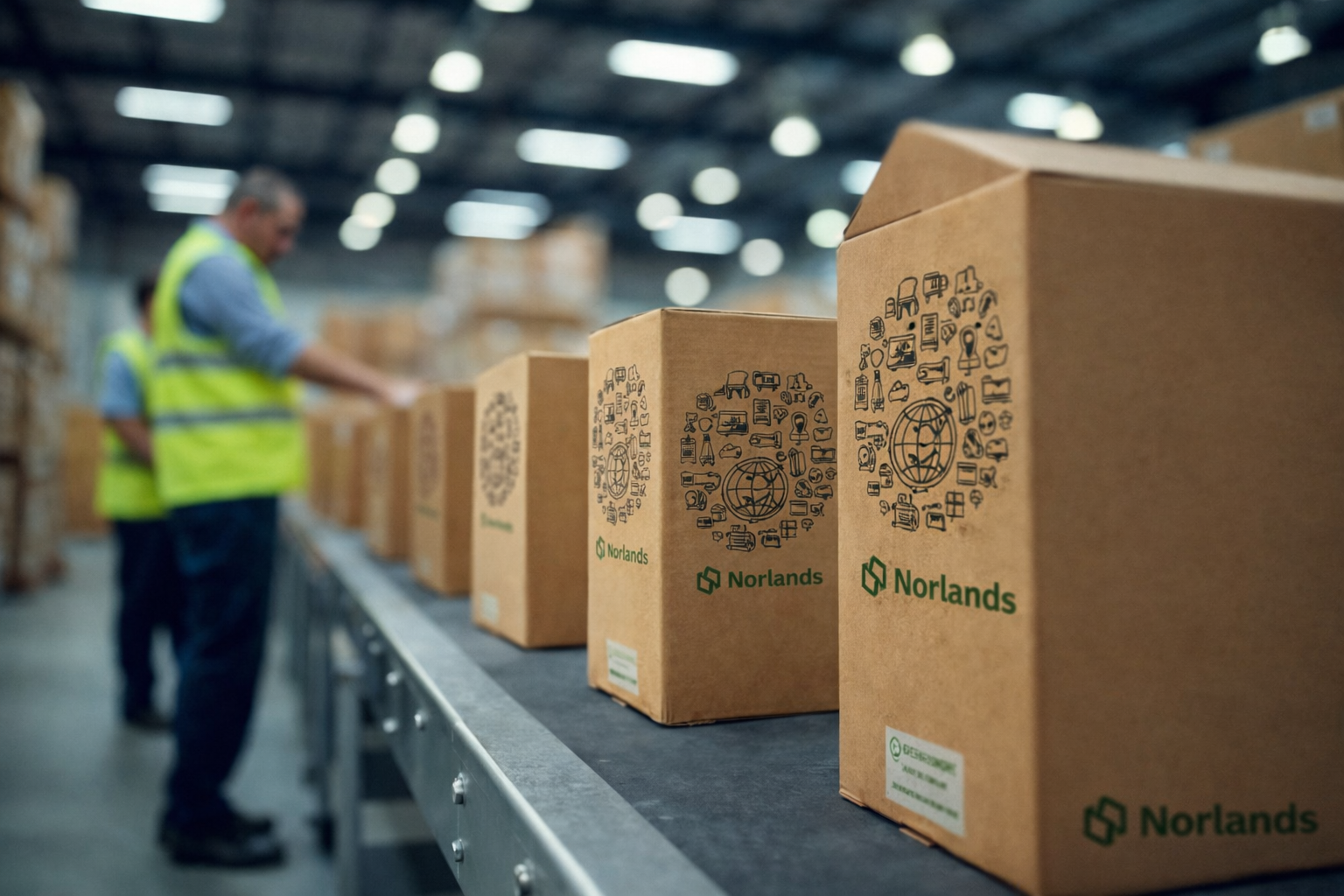
Packaging scalability for growing brands enabled by streamlined corrugated box manufacturing and fulfillment operations

Conclusion

Packaging scalability for growing brands determines whether early momentum turns into sustainable growth or operational friction. Buyers who focus only on immediate savings often overlook how packaging decisions affect capacity, flexibility, and reliability as demand increases.

Scalable packaging solutions support growth by enabling smoother packaging capacity expansion, consistent quality, and faster adaptation to new channels and SKUs. Without deliberate packaging growth planning, brands are forced into reactive decisions that increase cost and disrupt operations.

The brands that scale with confidence treat packaging as part of a long-term packaging strategy, not a one-time purchase. By evaluating packaging for business growth from the start, buyers protect future expansion instead of limiting it. In competitive markets, overlooking packaging scalability for growing brands is not just a missed detail—it is a strategic risk.

No comment

Leave a Reply

Your email address will not be published. Required fields are marked *