
Table of Contents
ToggleIntroduction
Packaging lifecycle analysis Canada has become an essential tool for businesses seeking to balance environmental responsibility with operational efficiency. As sustainability moves from a corporate initiative to a business necessity, organizations across Canada are increasingly evaluating the full environmental impact of their packaging decisions rather than focusing solely on cost, appearance, or functionality. Consumers, regulators, investors, and supply chain partners now expect companies to demonstrate measurable progress toward environmental goals, making lifecycle analysis one of the most valuable frameworks for understanding and improving packaging sustainability.
Modern packaging affects far more than product protection and transportation. Every packaging material consumes resources during extraction, manufacturing, transportation, use, and disposal. Whether a business uses corrugated boxes, flexible packaging, plastic containers, protective materials, or specialty packaging solutions, each choice contributes to a broader environmental footprint that extends throughout the supply chain. Without proper analysis, organizations often struggle to understand where the greatest environmental impacts occur or which improvements will generate the most meaningful sustainability benefits.
Across Canada, industries are adopting lifecycle assessment packaging methodologies to measure resource consumption, greenhouse gas emissions, waste generation, energy usage, and overall environmental performance. These assessments provide a comprehensive view of how packaging affects the environment at every stage of its existence. Rather than evaluating packaging based on assumptions or marketing claims, businesses can use objective data to identify opportunities for improvement and make more informed sustainability decisions.
Growing attention to environmental impact packaging is also being driven by evolving regulations, corporate ESG initiatives, and increasing customer awareness. Businesses are under pressure to reduce waste, improve recyclability, lower emissions, and minimize resource consumption while maintaining packaging performance and operational efficiency. As a result, measuring packaging carbon footprint and other sustainability metrics packaging indicators has become a critical part of strategic planning.
Organizations that embrace eco lifecycle analysis are often better positioned to achieve sustainability targets, strengthen brand credibility, and improve long-term operational resilience. By understanding the complete environmental journey of their packaging systems, businesses can make smarter decisions that support both environmental responsibility and business growth. In today’s sustainability-focused marketplace, packaging lifecycle analysis Canada is becoming an indispensable tool for measuring what truly matters.
Packaging lifecycle analysis Canada is transforming how businesses evaluate packaging performance by shifting the conversation from isolated environmental claims to measurable, data-driven sustainability outcomes. Instead of focusing only on whether a packaging material is recyclable or biodegradable, companies are examining the complete environmental profile of packaging systems from raw material extraction through end-of-life disposal or recovery.
This broader perspective allows businesses to identify environmental trade-offs that may otherwise go unnoticed. For example, a packaging material that appears environmentally friendly at first glance may require significantly more energy to manufacture, transport, or process at the end of its lifecycle. Through packaging lifecycle analysis Canada, organizations gain a clearer understanding of these complexities and can make decisions based on actual environmental performance rather than assumptions.
One of the major benefits of packaging lifecycle analysis Canada is the ability to compare different packaging options using standardized sustainability metrics packaging methodologies. Businesses can evaluate competing materials, packaging formats, and sourcing strategies based on:
- Carbon emissions
- Energy consumption
- Water usage
- Waste generation
- Resource depletion
- Transportation impact
This allows decision-makers to prioritize improvements that deliver the greatest environmental benefit while maintaining packaging functionality and cost efficiency.
As sustainability reporting becomes increasingly important, packaging lifecycle analysis Canada also provides valuable data for ESG programs, corporate sustainability reporting, and environmental certifications. Many organizations now use lifecycle assessment packaging studies to support:
- Sustainability disclosures
- Environmental product declarations
- Customer sustainability initiatives
- Regulatory compliance programs
This data-driven approach helps businesses demonstrate measurable progress toward environmental objectives while strengthening transparency and stakeholder trust.
Another reason packaging lifecycle analysis Canada is gaining momentum is the growing focus on circular economy principles. Businesses are increasingly seeking packaging systems that reduce waste and keep materials in productive use for as long as possible. Through eco lifecycle analysis, organizations can identify opportunities to:
- Increase recyclability
- Improve material recovery rates
- Reduce virgin material consumption
- Support reusable packaging initiatives
These improvements often contribute to both environmental and financial benefits, making sustainability investments more attractive from a business perspective.
Packaging lifecycle analysis Canada is also becoming an important tool for managing supply chain sustainability. Packaging decisions affect not only a company’s direct operations but also suppliers, transportation providers, distributors, retailers, and end-users. By evaluating environmental impact packaging throughout the supply chain, businesses gain greater visibility into upstream and downstream sustainability opportunities.
This holistic view enables organizations to collaborate more effectively with suppliers and logistics partners to reduce emissions, improve resource efficiency, and optimize packaging design across the entire value chain.
Technology is further accelerating the adoption of packaging lifecycle analysis Canada. Advanced software platforms, environmental databases, and packaging analytics tools now allow businesses to model environmental impacts more accurately and efficiently than ever before. Companies can evaluate multiple packaging scenarios and compare sustainability outcomes before implementing operational changes.
As a result, packaging lifecycle analysis Canada is increasingly integrated into packaging design, procurement, manufacturing, and logistics decision-making processes. Rather than treating sustainability as a separate initiative, organizations are embedding lifecycle thinking directly into business strategy.
For Canadian businesses operating in highly competitive markets, packaging lifecycle analysis Canada offers a powerful way to balance sustainability objectives with operational performance. Organizations that leverage lifecycle assessment packaging methodologies often discover opportunities to:
- Reduce material costs
- Improve transportation efficiency
- Lower emissions
- Minimize waste
- Strengthen customer perception
These benefits demonstrate that environmental responsibility and business performance are not mutually exclusive. In many cases, the most sustainable packaging solutions also deliver significant operational advantages.
As environmental expectations continue rising across Canada, packaging lifecycle analysis Canada will play an increasingly important role in helping businesses navigate regulatory changes, customer demands, and sustainability commitments. Companies that adopt lifecycle-based decision-making today will be better positioned to improve environmental performance, strengthen resilience, and maintain a competitive advantage in tomorrow’s marketplace.
Ultimately, packaging lifecycle analysis Canada provides the foundation for smarter, more responsible packaging decisions. By measuring the full environmental journey of packaging systems and focusing on objective sustainability metrics packaging indicators, businesses can create packaging strategies that support both long-term environmental stewardship and sustainable business growth.
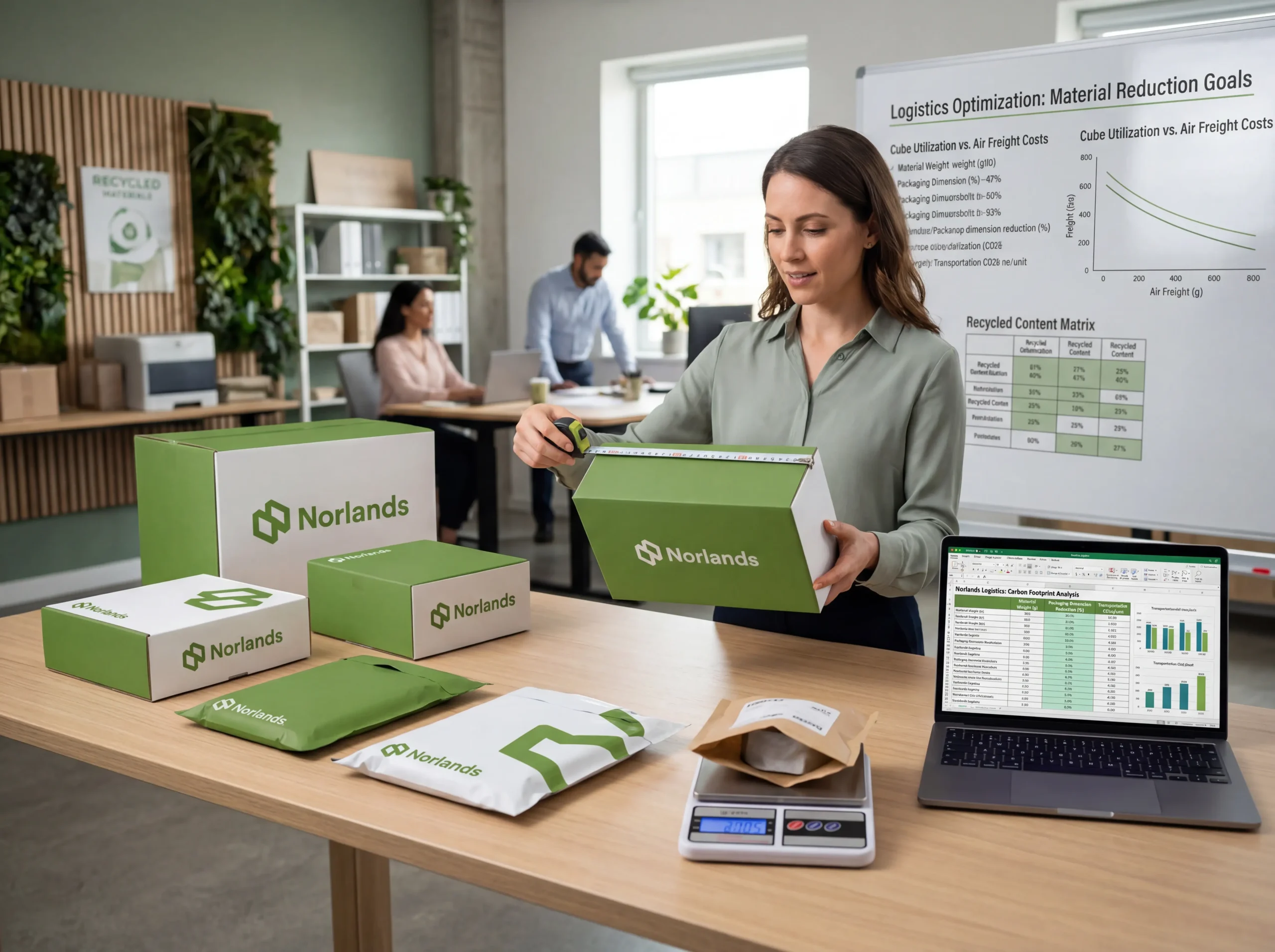
Why Packaging Lifecycle Analysis Canada Matters
Packaging lifecycle analysis Canada matters because sustainability decisions are only effective when they are based on measurable data rather than assumptions. Many businesses assume that certain packaging materials are automatically more environmentally friendly than others, but the reality is often far more complex. A packaging solution that appears sustainable on the surface may consume more energy during production, generate higher transportation emissions, or create greater waste at the end of its lifecycle. Lifecycle analysis helps businesses understand these complexities by evaluating environmental impact across every stage of a package’s existence.
As environmental regulations continue to evolve across Canada, businesses are facing increased pressure to demonstrate measurable sustainability performance. Governments, industry organizations, and corporate stakeholders are placing greater emphasis on waste reduction, carbon emissions, recycling rates, and responsible resource management. Companies that cannot accurately measure environmental performance often struggle to establish realistic sustainability goals or prove progress toward achieving them. Through comprehensive lifecycle assessment packaging, organizations gain access to reliable data that supports compliance, reporting, and long-term environmental planning.
Customer expectations are also transforming how businesses approach packaging decisions. Today’s consumers are more informed about environmental issues and increasingly evaluate brands based on sustainability commitments. However, customers are also becoming more skeptical of vague environmental claims. Businesses that use eco lifecycle analysis can support sustainability initiatives with transparent, data-driven evidence rather than relying on broad marketing statements. This strengthens trust and helps organizations differentiate themselves in competitive markets.
Another reason environmental impact packaging assessments are becoming essential is the growing focus on carbon reduction. Many Canadian businesses have established environmental targets that include lowering emissions throughout their operations and supply chains. Packaging contributes directly to these goals through material production, transportation requirements, warehousing, and disposal processes. Measuring packaging carbon footprint allows organizations to identify emission-intensive activities and prioritize improvements that generate meaningful environmental benefits.
Lifecycle analysis also supports better financial decision-making. Sustainable packaging initiatives are often viewed primarily as environmental projects, but they frequently deliver operational advantages as well. Reducing material consumption, improving transportation efficiency, increasing recyclability, and minimizing waste can lower costs while supporting sustainability objectives. By tracking sustainability metrics packaging performance, businesses can identify solutions that improve both environmental and financial outcomes simultaneously.
In Canada’s diverse business landscape, where industries range from manufacturing and food production to retail and e-commerce, packaging decisions have far-reaching consequences. Organizations that invest in lifecycle analysis gain a clearer understanding of how packaging choices affect resource consumption, emissions, waste generation, and operational efficiency. This knowledge enables smarter decision-making and supports sustainability strategies that create lasting value.
Ultimately, packaging lifecycle analysis is not simply about measuring environmental impact—it is about creating a foundation for continuous improvement. Businesses that understand the full lifecycle of their packaging systems are better equipped to reduce environmental risks, meet stakeholder expectations, strengthen sustainability performance, and build more resilient operations for the future.
How Packaging Lifecycle Analysis Canada Works
Packaging lifecycle analysis Canada works by examining every stage of a package’s journey, from the extraction of raw materials to its final disposal, recycling, or reuse. Rather than evaluating packaging based on a single environmental factor, lifecycle analysis provides a comprehensive assessment of the resources consumed, emissions generated, waste produced, and environmental impacts created throughout the entire lifecycle. This holistic approach helps businesses identify where the greatest environmental burdens occur and where improvement efforts can have the most meaningful effect.
The process typically begins with defining the scope of the assessment. Organizations determine which packaging materials, products, processes, and environmental indicators will be measured. Depending on business objectives, an analysis may focus on a single packaging component or evaluate an entire packaging system across multiple supply chain stages. Once the scope is established, data is collected regarding material sourcing, manufacturing processes, transportation activities, product usage, recycling pathways, and end-of-life disposal methods.
Through lifecycle assessment packaging, businesses can quantify factors such as energy consumption, water usage, greenhouse gas emissions, resource depletion, waste generation, and transportation impacts. These measurements provide a detailed picture of environmental performance and allow organizations to compare different packaging options using objective criteria rather than assumptions.
How Returnable Packaging Systems Canada Reduce Long-Term Costs
Quick question:
You might also like
Material Lifecycle
The material lifecycle is one of the most important components of eco lifecycle analysis. This stage evaluates how packaging materials are sourced, processed, manufactured, and transported before they reach the end user. Every material—whether corrugated cardboard, plastic, metal, paper, glass, or biodegradable alternatives—has its own environmental profile based on resource requirements and production methods.
For example, a material may offer excellent recyclability but require significant energy during manufacturing. Another option may have lower production emissions but create challenges during disposal. Lifecycle analysis helps businesses understand these trade-offs and make informed decisions that align with sustainability goals.
In Canada, where transportation distances can be substantial, material sourcing location also plays an important role. Locally sourced packaging materials may reduce transportation emissions compared to imported alternatives, even when the materials themselves appear similar. By examining the complete material lifecycle, businesses gain a more accurate understanding of overall environmental impact packaging performance.
Material lifecycle assessments also support innovation efforts. Companies can evaluate alternative materials, lightweight packaging designs, renewable resources, and recycled-content solutions to determine which options provide the greatest environmental benefits without compromising packaging functionality.
Waste Impact
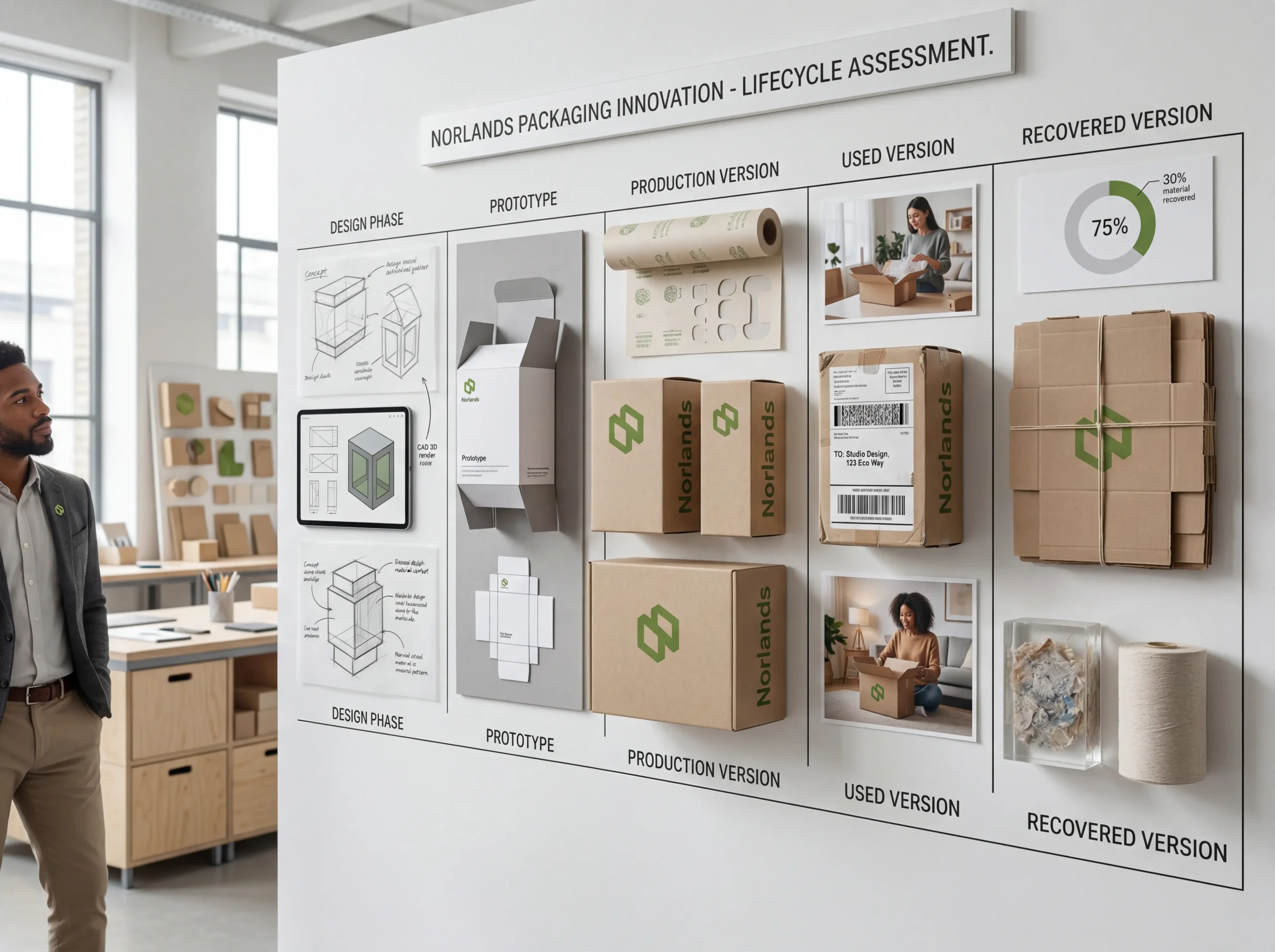
How Businesses Use Packaging Lifecycle Analysis Canada
Businesses across Canada are increasingly using packaging lifecycle analysis Canada as a strategic decision-making tool rather than simply an environmental reporting exercise. While sustainability remains one of the primary motivations, lifecycle analysis is now influencing packaging design, procurement strategies, transportation planning, supply chain optimization, product development, inventory management, and corporate ESG initiatives. Organizations that understand the full environmental impact of their packaging systems are better positioned to make informed decisions that balance sustainability objectives with operational efficiency and long-term profitability. As environmental expectations continue to rise across Canadian industries, packaging lifecycle analysis Canada provides businesses with a structured framework for evaluating packaging performance throughout its entire lifecycle. Rather than focusing on isolated sustainability metrics, organizations can assess the complete environmental journey of packaging materials and identify opportunities for meaningful improvement.Packaging Design Optimization Through Lifecycle Analysis
One of the most common applications of packaging lifecycle analysis Canada is packaging design optimization. Businesses use lifecycle assessment packaging methodologies to compare materials, packaging structures, and design alternatives before implementing operational changes. Instead of assuming that a particular material is more sustainable, companies can evaluate actual environmental performance based on:- Energy consumption
- Resource utilization
- Greenhouse gas emissions
- Transportation impact
- Waste generation
- End-of-life recovery potential
- Reduce packaging weight
- Improve material efficiency
- Increase recyclability
- Lower transportation emissions
- Simplify packaging structures
Supporting Sustainability Reporting and ESG Initiatives
Another major application of packaging lifecycle analysis Canada is sustainability reporting. Investors, regulators, customers, and supply chain partners increasingly expect businesses to provide measurable evidence of environmental progress. As a result, organizations are using lifecycle assessment packaging data to support:- ESG reporting programs
- Corporate sustainability disclosures
- Environmental product declarations
- Sustainability benchmarking initiatives
- Customer sustainability requirements
- Emission reductions
- Resource efficiency improvements
- Waste reduction achievements
- Circular economy progress
Reducing Packaging Carbon Footprint
Reducing packaging carbon footprint is one of the most significant objectives driving packaging lifecycle analysis Canada adoption. Packaging-related emissions can originate from:- Raw material extraction
- Manufacturing processes
- Transportation activities
- Warehousing operations
- Disposal and waste management systems
- Lightweight packaging designs
- Regional sourcing strategies
- Improved transportation efficiency
- Increased recycled material content
- Reusable packaging systems
Evaluating Alternative Materials and Packaging Innovations
Canadian manufacturers frequently use packaging lifecycle analysis Canada when evaluating new materials and packaging technologies. As sustainability initiatives continue driving innovation, businesses are considering alternatives such as:- Recycled-content materials
- Renewable resource packaging
- Lightweight corrugated structures
- Reusable packaging systems
- Compostable materials
Improving Procurement and Supplier Evaluation
Procurement teams are increasingly integrating packaging lifecycle analysis Canada into sourcing and supplier evaluation processes. Modern procurement decisions often extend beyond traditional considerations such as:- Cost
- Quality
- Lead times
- Production capacity
- Material sourcing practices
- Carbon footprint performance
- Resource efficiency
- Waste reduction initiatives
- Sustainability certifications
Supporting Waste Reduction and Circular Economy Goals
Waste reduction is another important area where packaging lifecycle analysis Canada delivers value. Businesses use lifecycle analysis to identify packaging components that contribute disproportionately to:- Landfill waste
- Material loss
- Recycling challenges
- Resource inefficiencies
- Improve recyclability
- Increase reuse rates
- Simplify packaging composition
- Reduce material complexity
Continuous Improvement Through Data-Driven Sustainability
Perhaps the most valuable benefit of packaging lifecycle analysis Canada is its ability to support continuous improvement. Rather than treating sustainability as a one-time initiative, businesses can use lifecycle analysis to establish measurable baselines and monitor performance over time. Organizations implementing packaging lifecycle analysis Canada often:- Track environmental performance annually
- Compare packaging alternatives continuously
- Evaluate sustainability initiatives objectively
- Identify new improvement opportunities
Building Long-Term Competitive Advantage
Ultimately, packaging lifecycle analysis Canada provides businesses with a significant competitive advantage. Organizations that understand the environmental impact of their packaging systems are better positioned to:- Reduce environmental risk
- Improve operational efficiency
- Strengthen sustainability performance
- Enhance stakeholder trust
- Support long-term business growth
Industry innovations in advanced plastic recycling technologies are helping improve material recovery rates and reduce landfill dependency. New recycling systems are being developed to process difficult packaging materials more efficiently, supporting broader circular economy objectives and improving end-of-life outcomes for packaging systems.
Frequently Asked Questions (FAQ)

What is lifecycle analysis in packaging?
Lifecycle analysis in packaging evaluates the environmental impact of packaging throughout its entire lifecycle, from raw material extraction and manufacturing to transportation, usage, recycling, and final disposal.
Why is packaging lifecycle analysis important?
It helps businesses understand the true environmental effects of their packaging decisions, identify improvement opportunities, reduce waste, and support sustainability objectives with measurable data.
What does a lifecycle assessment packaging study measure?
A typical assessment measures energy consumption, greenhouse gas emissions, water usage, resource depletion, waste generation, transportation impacts, and overall environmental performance.
How does packaging carbon footprint analysis work?
Packaging carbon footprint analysis calculates the total greenhouse gas emissions associated with producing, transporting, using, and disposing of packaging materials throughout their lifecycle.
Can lifecycle analysis help reduce packaging costs?
Yes. Many sustainability improvements identified through lifecycle analysis also reduce material consumption, transportation expenses, waste management costs, and operational inefficiencies.
How do businesses use sustainability metrics packaging data?
Businesses use sustainability metrics to improve packaging design, evaluate suppliers, support ESG reporting, reduce environmental impact, and track progress toward sustainability goals.
Businesses using packaging lifecycle analysis Canada gain a clearer understanding of how packaging decisions affect sustainability performance, operational efficiency, and long-term environmental impact. By applying lifecycle assessment packaging methodologies and measuring sustainability metrics throughout the packaging lifecycle, organizations can identify opportunities to reduce waste, improve resource utilization, lower emissions, and optimize packaging design without compromising performance. From recyclable corrugated packaging and sustainable material sourcing to packaging carbon footprint reduction strategies, modern businesses are increasingly using lifecycle data to build more responsible and future-ready packaging systems. Companies looking to improve environmental impact packaging performance, evaluate sustainable packaging solutions, or develop packaging strategies aligned with long-term sustainability goals can connect with the Norlands team, request a customized packaging assessment, or explore packaging solutions designed for the evolving needs of Canadian industries.
Conclusion
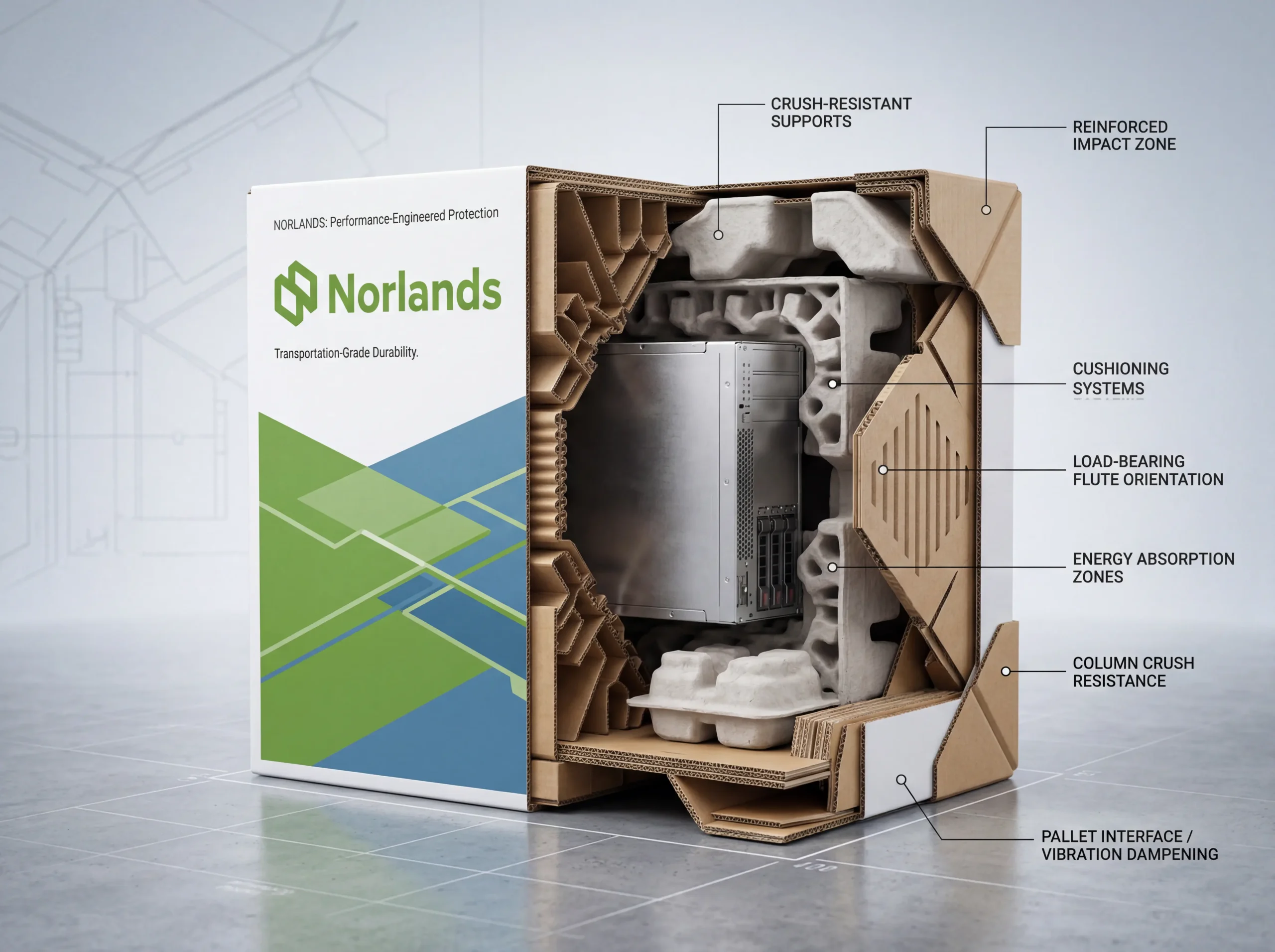
Packaging lifecycle analysis Canada is becoming one of the most valuable tools available to organizations seeking to improve sustainability performance while maintaining operational efficiency. As environmental expectations continue to evolve, businesses can no longer rely on assumptions when evaluating packaging decisions. They need measurable data that reveals how packaging materials, manufacturing processes, transportation activities, and disposal methods contribute to overall environmental impact.
Through comprehensive lifecycle assessment packaging, organizations gain a deeper understanding of the factors that influence sustainability performance. This insight allows businesses to identify opportunities for improvement, compare alternative packaging solutions, reduce waste generation, and make more informed strategic decisions. Rather than focusing on isolated environmental indicators, lifecycle analysis provides a complete picture of packaging performance across every stage of its existence.
The growing emphasis on environmental impact packaging and packaging carbon footprint reduction is driving businesses across Canada to adopt more data-driven sustainability practices. Whether the goal is reducing emissions, improving recyclability, optimizing resource consumption, or meeting regulatory requirements, lifecycle analysis provides the information needed to support meaningful progress.
Companies that actively monitor sustainability metrics packaging performance are often better positioned to balance environmental responsibility with operational objectives. By understanding where environmental impacts occur and which improvements generate the greatest benefits, organizations can allocate resources more effectively and achieve stronger long-term results.
As sustainability becomes increasingly integrated into procurement, manufacturing, logistics, and corporate strategy, eco lifecycle analysis will continue to play a central role in packaging decision-making. Businesses that embrace this approach gain greater transparency, stronger stakeholder confidence, improved environmental performance, and a clearer path toward sustainable growth.
In an increasingly sustainability-focused marketplace, packaging lifecycle analysis Canada is no longer simply an environmental assessment tool—it is a strategic advantage that helps organizations build smarter, more responsible, and more resilient packaging systems for the future.



No comment