
Introduction
Custom food packaging Canada solutions help growing food businesses protect products, communicate brand value, improve production efficiency, and prepare packaging for retail, delivery, and distribution. Effective packaging is not simply a printed box added at the end of product development. It is a business system that connects food safety, structural performance, visual identity, fulfillment, and customer experience.
Canadian food brands operate across very different environments. A bakery may need lightweight packaging that protects presentation during local pickup. A frozen food manufacturer must consider temperature conditions, moisture, storage, and transportation. Restaurants need reliable takeaway food packaging, while retail brands require packaging that performs on shelves and supports clear product recognition.
These differences make generic packaging difficult to scale. Standard boxes may work for early production, but growing businesses often encounter poor product fit, inconsistent branding, excessive material use, inefficient assembly, or packaging that performs well in retail but fails during shipping.
| Packaging Requirement | Standard Packaging Approach | Custom Food Packaging Approach |
|---|---|---|
| Product fit | Product adapts to available box dimensions | Packaging is developed around product size and shape |
| Food protection | General structural protection | Material and structure match handling conditions |
| Brand presentation | Limited print and structural customization | Printing, colour, and structure reinforce brand identity |
| Business growth | May become inefficient as product volume increases | Can be planned around production scale and future demand |
This is why working with a capable food packaging manufacturer Canada businesses can rely on requires more than comparing box prices. The packaging partner should understand structural design, food-safe materials, printing, prototyping, production, and the operational conditions surrounding the product.
Food Packaging Insight:
The best food packaging solution is not defined only by how attractive it looks. It must protect the product, support food safety requirements, perform during packing and transportation, and remain practical as production volume grows.
Material selection is also product-specific. Corrugated food packaging can provide stronger secondary protection for shipping and distribution. Paperboard may support lightweight retail food packaging. Bakery, restaurant, beverage, and frozen food packaging each require different performance considerations related to moisture, grease, temperature, stacking, and product weight.
Branding remains important, but successful custom printed food packaging connects visual design with packaging performance. Print quality, logo placement, colour accuracy, and shelf impact should support the product without compromising structure, assembly, or production efficiency.
Sustainability adds another layer to the decision. Sustainable food packaging should not be evaluated only by material claims. Businesses also need to consider right-sizing, unnecessary packaging layers, production waste, recyclability, transportation efficiency, and whether the packaging can be manufactured consistently at the required volume.
This guide explains the main types of custom food packaging, material and food-safety considerations, structural design, printing, sustainability, prototyping, production, common packaging challenges, and how to choose a long-term food packaging supplier Canada businesses can grow with. The goal is to show how custom food packaging Canada solutions can support product protection, brand recognition, operational performance, and scalable business growth.
Why Custom Food Packaging Matters More Than Ever
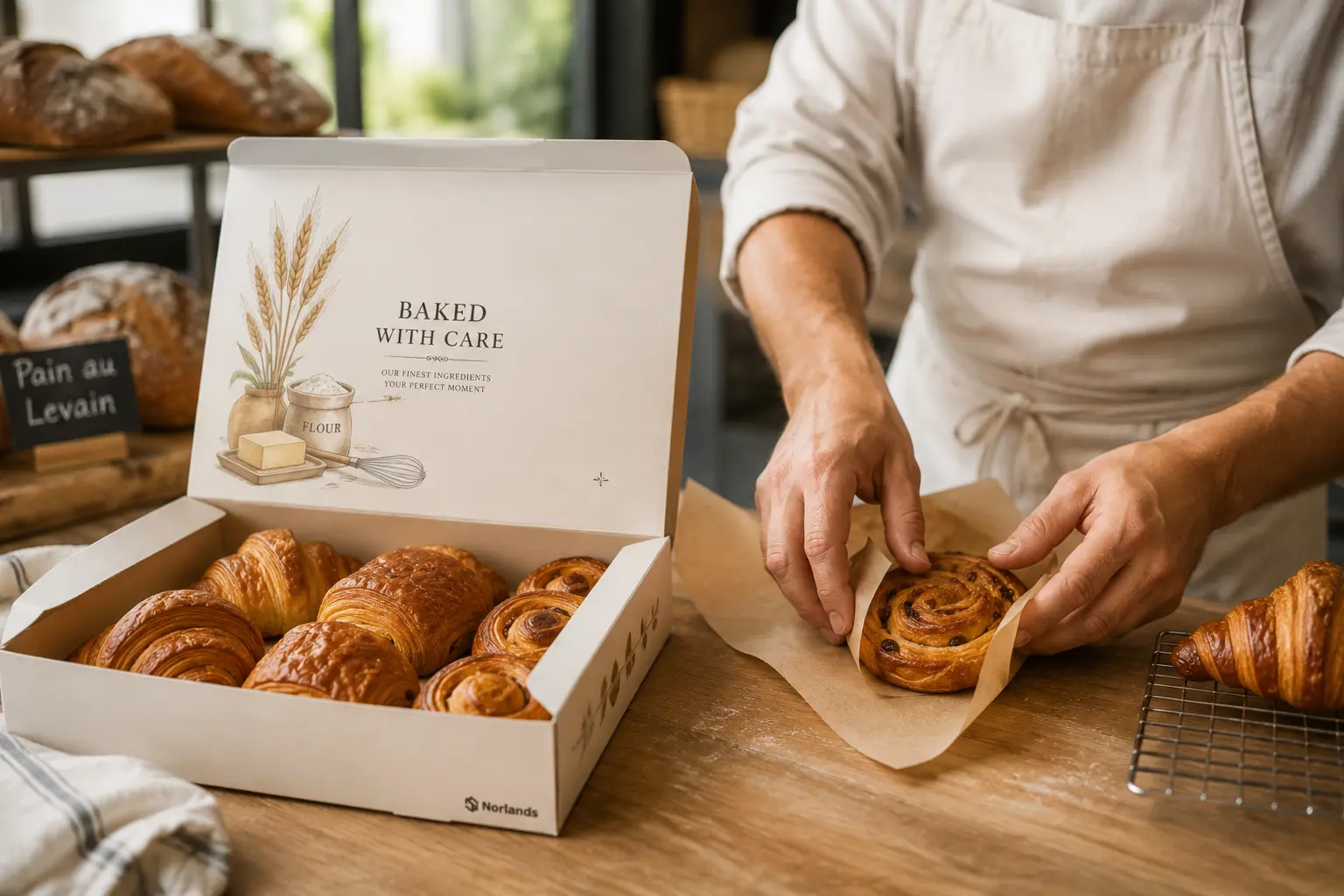
Custom food packaging Canada has become increasingly important as food brands compete across retail shelves, e-commerce platforms, restaurant delivery, wholesale distribution, and direct-to-consumer markets. Modern custom food packaging Canada must do more than simply contain a product. It needs to protect food, communicate quality, support efficient operations, and create a recognizable customer experience.
For growing food businesses, decisions related to custom food packaging Canada can influence how customers perceive a product before they taste it. Packaging can also affect packing speed, shipping performance, storage requirements, product damage, and the ability to scale production consistently.
This makes custom food packaging Canada a strategic business investment rather than a decorative upgrade. Well-developed custom food packaging Canada connects product requirements, operational needs, customer expectations, and long-term business goals.
Consumer Expectations for Custom Food Packaging Canada Continue to Evolve
Consumers increasingly expect custom food packaging Canada to feel convenient, clear, responsible, and consistent with the food product being sold. Effective custom food packaging Canada should help customers understand what the product is, how it should be handled, and why the brand is worth choosing.
Canadian food labelling guidance emphasizes that packaging plays an important role in communicating product information clearly to consumers. Alongside structural performance and branding, food packaging should help customers identify products, understand handling information, and access required labelling in a clear and consistent format.
Visual appearance remains important, but customer expectations for custom food packaging Canada extend beyond graphics. Buyers may notice whether the packaging is easy to carry, simple to open, appropriately sized, and capable of keeping the product protected and in good condition.
In retail environments, custom food packaging Canada may need to communicate product value within only a few seconds. In takeaway and delivery settings, custom food packaging Canada must protect product quality and presentation throughout transportation. For online orders, custom food packaging Canada may become the customer’s first physical interaction with the brand.
For this reason, effective custom food packaging Canada should combine visual identity, structural performance, convenience, product protection, and operational practicality. When these elements work together, custom food packaging Canada can strengthen customer confidence and create a more consistent brand experience across every sales channel.
Consumer Experience Insight:
Customers may not analyze packaging engineering, but they experience its results through product condition, opening convenience, presentation, portion handling, and brand consistency.
Custom Food Packaging Canada Is Part of the Customer Experience
Custom food packaging Canada creates an important transition between the business and the customer. It carries the product through production, storage, distribution, retail display, delivery, and final use. At every stage, custom food packaging Canada can strengthen or weaken the overall customer experience.
For a bakery, custom food packaging Canada may need to preserve product shape, freshness, and presentation while remaining easy to carry. For restaurant delivery, custom food packaging Canada may need to reduce movement, separate different items, and help maintain an organized presentation during transport.
For retail food products, custom food packaging Canada may need to support shelf visibility, communicate product information, and make stocking or display more efficient. The packaging should help customers identify the product quickly while also supporting practical retail requirements.
Branded custom food packaging Canada also helps businesses create greater consistency across different product formats and sales channels. When colour, typography, structure, logo placement, and print quality are aligned, custom food packaging Canada becomes easier for customers to recognize.
Consistent custom food packaging Canada can connect the customer experience across retail stores, restaurant delivery, e-commerce orders, and direct-to-consumer sales. This consistency helps reinforce brand identity and makes each packaging format feel like part of the same business.
When custom food packaging Canada combines product protection, usability, presentation, and brand recognition, it becomes more than a container. It becomes a practical part of the customer experience and an important physical expression of the brand.
Before Purchase
Packaging helps attract attention, communicate product value, and establish trust through professional presentation.
During Transport
Structure and material performance help protect the product during handling, delivery, and distribution.
After Purchase
Opening, carrying, storing, and disposing of the package shape the customer’s final impression of the brand.
This customer journey is one reason food packaging design should include both structural and visual planning. Graphics may attract the customer, but the structure determines how the packaging performs in real use.
Food Packaging Influences Product Protection
Food products can be sensitive to pressure, movement, moisture, grease, temperature, and handling conditions. Packaging must be selected and designed around these risks.
A package that looks attractive but lacks sufficient structural strength may crush during stacking or distribution. A poorly fitted carton may allow products to move. Materials that do not match the product environment may weaken or lose performance.
Custom packaging allows the business to evaluate these conditions before production. The structure can be developed around product dimensions, weight, fragility, packing method, storage, and shipping requirements.
| Product Condition | Packaging Risk | Design Consideration |
|---|---|---|
| Fragile baked goods | Crushing and movement | Internal support and appropriate clearance |
| Greasy or oily foods | Material staining and weakening | Suitable barrier performance |
| Frozen products | Moisture and temperature exposure | Materials evaluated for cold-chain conditions |
| Heavy packaged food | Bottom failure or compression | Structural strength and secure closure design |
Custom Food Packaging Canada Supports Brand Recognition
Food markets are often highly competitive, particularly when customers compare several similar products on the same shelf or digital marketplace. Custom food packaging Canada gives food brands a physical platform for differentiation and helps products become easier to recognize in crowded markets.
Consistent custom food packaging Canada can strengthen brand recognition through colour, typography, logo placement, imagery, and clear messaging. When these visual elements are applied consistently, custom food packaging Canada can help customers identify a product more quickly and connect it with previous brand experiences.
Structural design can add another level of recognition to custom food packaging Canada. A distinctive box shape, opening method, carrying feature, display format, or product presentation style can make the packaging more memorable without relying only on printed graphics.
The goal of custom food packaging Canada is not to add complexity without a practical purpose. Effective custom printed food packaging should make the product easier to identify, understand, handle, and use while remaining practical for manufacturing, packing, storage, and distribution.
For businesses selling through multiple channels, consistency in custom food packaging Canada can be especially valuable. A customer may first discover a product online, later see it in a retail store, and eventually receive it through a delivery service. Coordinated custom food packaging Canada helps maintain a unified brand identity across all these customer touchpoints.
Custom Food Packaging Canada Affects Production Efficiency
Custom food packaging Canada must work efficiently for employees as well as customers. A packaging design that is slow to assemble, difficult to fill, unstable during handling, or inconsistent to close can reduce production efficiency and create avoidable operational delays.
Many growing food businesses begin with manual packing processes. As production volume increases, small inefficiencies in custom food packaging Canada become more noticeable. An unnecessary fold, unclear assembly sequence, difficult closure, or unstable package can add extra time to every unit.
Well-planned custom food packaging Canada allows structural decisions to reflect the actual packing process. Designers can consider how the packaging is stored, erected, filled, closed, labelled, packed into shipping cases, and transferred to retail or distribution.
By connecting structure with real production requirements, custom food packaging Canada can support faster assembly, more consistent packing, reduced material handling, and smoother production workflows. Effective custom food packaging Canada therefore supports both strong brand presentation and reliable operational efficiency.
Operational Insight:
A package that saves only a few seconds during assembly or filling can create meaningful labour savings when repeated across thousands of units.
Custom Food Packaging Canada Must Be Ready to Scale
A custom food packaging Canada solution that works well for a small product launch may become inefficient as order volumes increase. Growing businesses need to evaluate whether their custom food packaging Canada materials, printing processes, assembly requirements, storage needs, and production methods can support future demand.
Poorly planned custom food packaging Canada can create supply inconsistencies, excessive manual work, longer lead times, and expensive redesigns. Businesses may also discover that custom food packaging Canada developed mainly for visual appearance is not practical for higher-volume manufacturing, packing, storage, or distribution.
Scalable custom food packaging Canada should be designed around realistic production quantities, available equipment, shipping methods, fulfillment processes, and long-term growth plans. The structure and print specifications should support current operations while providing a practical path for future expansion.
This does not mean every new food brand must immediately commit to the highest possible production volume. Instead, custom food packaging Canada should have a clear development path. Prototypes, initial production runs, material changes, structural improvements, and future print adjustments can be planned as the business grows.
Well-designed custom food packaging Canada matters more than ever because it influences several business outcomes at the same time. Custom food packaging Canada protects the product, shapes customer perception, supports efficient production, strengthens brand identity, and creates a more reliable foundation for sustainable business growth.
What Is Custom Food Packaging?
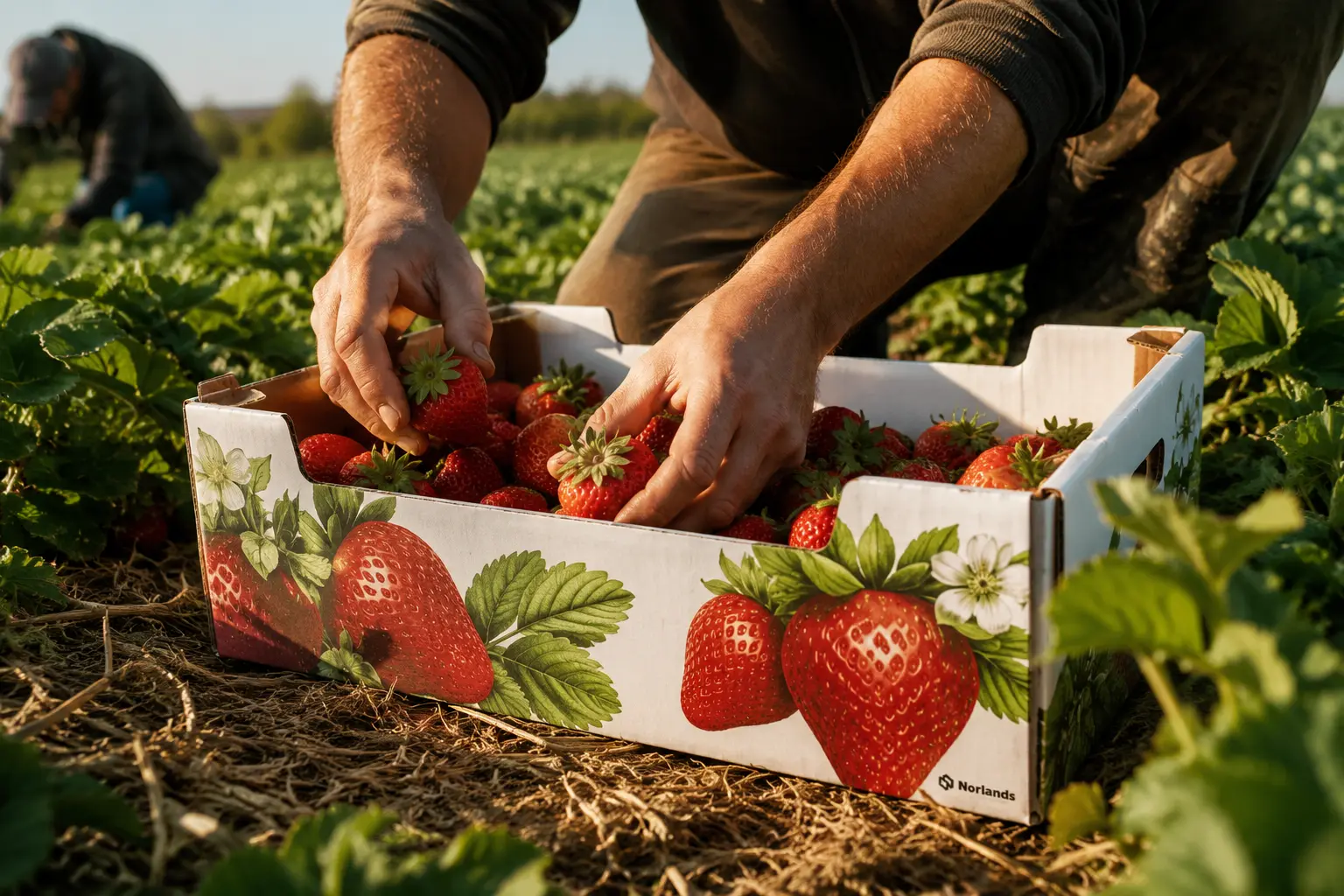
Custom food packaging is the process of designing and manufacturing packaging around the specific needs of a food product instead of selecting the closest available standard box or container. The objective is to create packaging that supports product protection, food safety, branding, production efficiency, transportation, retail presentation, and future business growth.
For many growing businesses, packaging becomes part of the product itself. Customers often experience the package before they experience the food inside. Whether the product is displayed on a grocery shelf, delivered to a customer’s door, or served through a restaurant, packaging influences first impressions, perceived quality, convenience, and brand recognition.
This is why custom food packaging Canada solutions typically involve more than artwork or printing. Packaging development often includes structural engineering, material selection, food-safe requirements, production planning, prototype testing, and manufacturing optimization.
Key Concept:
Custom food packaging is developed around the product—not the other way around. Every structural and visual decision should support product performance, operational efficiency, and customer experience.
Beyond Standard Boxes
Standard packaging offers a fast solution for many businesses launching new products. Stock cartons are readily available, require little development time, and can reduce initial purchasing complexity.
However, as production grows, businesses often discover limitations. Standard boxes may leave excessive empty space, require additional protective materials, provide limited branding opportunities, or fail to match product dimensions efficiently. These issues can influence storage requirements, shipping performance, labour, and overall packaging consistency.
Custom packaging addresses these challenges by designing the structure around the product rather than adapting the product to an existing package.
| Comparison | Standard Packaging | Custom Food Packaging |
|---|---|---|
| Package dimensions | Selected from existing inventory | Designed around the product |
| Brand identity | Limited customization | Integrated graphics, colour, and structure |
| Operational efficiency | May require process adjustments | Designed around production workflow |
| Shipping performance | May create excess package volume | Optimized for product fit and logistics |
| Business scalability | Can become restrictive as production grows | Built for future manufacturing and expansion |
The objective is not simply to create a unique-looking package. Effective food packaging design improves how the package performs throughout manufacturing, warehousing, transportation, merchandising, and customer use.
Designing Packaging Around Your Product
Every food product has different physical and operational requirements. Fresh bakery products, frozen meals, beverages, dry foods, snacks, confectionery, and restaurant takeaway items all experience different handling conditions throughout the supply chain.
Designing packaging around the product begins by understanding these conditions before structural concepts are developed. Factors commonly evaluated include product dimensions, weight, fragility, moisture exposure, grease resistance, temperature conditions, shelf presentation, transportation method, stacking requirements, and expected production volume.
This information allows packaging engineers to recommend structures and materials that match real operating conditions instead of relying on generic packaging formats.
Product Analysis
Dimensions, weight, fragility, moisture, grease, temperature, shelf life, and handling conditions are evaluated before structural development begins.
Structural Engineering
Packaging geometry, opening style, closures, stacking performance, and production efficiency are developed around operational requirements.
Production Planning
Packaging is refined to support consistent manufacturing, printing quality, assembly speed, logistics performance, and future production growth.
Rather than viewing packaging as a separate purchasing decision, many businesses now treat it as part of product development. Packaging engineering, branding, manufacturing, and logistics are considered together because decisions made during early design stages often influence production efficiency long after the package enters commercial use.
This integrated approach also supports better custom printed food packaging. Graphics, branding, and structural design are developed simultaneously so visual appearance complements the packaging structure instead of competing with it.
For companies looking for a long-term food packaging supplier Canada businesses can rely on, this collaborative process provides greater flexibility. As product lines expand or customer expectations evolve, packaging can be refined without redesigning the entire production system.
Business Perspective:
The strongest custom food packaging solutions are created when structural engineering, food-safe material selection, branding, manufacturing, and logistics planning are developed together—not as separate projects.
Ultimately, custom food packaging Canada solutions provide businesses with packaging designed specifically for their products, production methods, and growth objectives. Instead of asking products to fit existing packaging, the packaging is engineered to support the product throughout its complete journey—from manufacturing to the customer’s hands.
Types of Custom Food Packaging
Need packaging that fits your product, timeline, and budget?
Tell us what you’re packaging and we’ll help you find the right box style, material, and production path.
The right packaging format depends on the product, sales channel, storage environment, handling conditions, and customer expectations. A food product sold through retail may require a very different structure from one delivered by a restaurant or shipped through an e-commerce network.
This is why custom food packaging Canada solutions should be selected according to operational needs rather than appearance alone. Structure, material, dimensions, printing, assembly, and transportation performance all need to work together.
Some businesses require primary packaging that comes into direct contact with food, while others need secondary or tertiary packaging for retail presentation, shipping, storage, or distribution. In many cases, several packaging layers work together as one complete system.
Packaging System Insight:
Food packaging is rarely a single component. A complete solution may include a food-contact container, printed retail sleeve, corrugated case, shipping box, insert, divider, label, and pallet configuration.
Corrugated Shipping Boxes
Corrugated food packaging is commonly used to protect packaged food products during storage, palletization, shipping, and distribution. It can serve as a secondary or tertiary layer around individual retail units, trays, pouches, jars, bottles, or other primary packages.
Corrugated boxes are available in different board grades, flute profiles, and structural formats. The correct specification depends on product weight, stacking conditions, humidity exposure, shipping distance, pallet arrangement, and handling risk.
Custom dimensions can improve product fit and reduce unnecessary empty space. Inserts and dividers may be added to control movement, separate products, or provide additional structural support.
For brands shipping nationally across Canada, the external dimensions of corrugated cases may also influence pallet density, warehouse use, and transportation efficiency. This makes structural design important for both product protection and logistics performance.
Product Protection
Board grade, flute structure, dividers, and closures can be selected around product weight and distribution risk.
Shipping Efficiency
Right-sized case dimensions can support better pallet utilization and reduce unnecessary transport volume.
Brand Communication
Printed shipping cases can carry product identifiers, handling information, and brand graphics throughout distribution.
Retail Display Packaging
Custom food packaging Canada must protect food products while also helping them compete for attention in busy retail environments. Effective retail packaging needs to balance structural performance with visual presentation so the product remains protected during transportation, stocking, and display while still communicating a clear and recognizable brand identity.
For brands using custom food packaging Canada, structure, print quality, colour selection, product visibility, and shelf orientation can all influence customer perception. Packaging should make the product easy to identify, support strong shelf presence, and remain consistent with the broader visual identity of the brand.
Retail custom food packaging Canada may include:
- Folding cartons
- Printed corrugated trays
- Shelf-ready displays
- Branded sleeves
- Product carriers
- Multipack structures
- Printed secondary packaging
The right custom food packaging Canada format should support efficient stocking while helping customers understand the product quickly. Packaging dimensions, panel orientation, printed messaging, and display visibility should all be planned according to how the product will appear on the shelf.
Shelf-ready custom food packaging Canada can be especially useful for businesses selling through grocery stores, specialty retailers, convenience stores, and club-store channels. A well-designed shipping case can protect products throughout distribution and then convert into a retail display with minimal store labour.
This type of custom food packaging Canada can help reduce unpacking time, simplify shelf replenishment, and maintain a more consistent brand presentation across retail locations. Tear-away panels, perforated openings, printed display sections, and controlled product positioning can all help the case transition efficiently from shipping packaging to shelf-ready display.
However, retail presentation should remain connected to manufacturing, warehousing, and distribution requirements. Custom food packaging Canada should not be developed only for visual impact. A package that looks impressive but is slow to assemble, difficult to stack, or unstable during transportation may create avoidable operational problems.
The strongest custom food packaging Canada solutions balance:
When these elements work together, custom food packaging Canada can support both retail performance and supply chain efficiency. The result is packaging that protects the product, strengthens brand recognition, simplifies store handling, and presents food products more effectively in competitive retail environments.
| Packaging Type | Primary Purpose | Key Design Priority |
|---|---|---|
| Retail carton | Individual product presentation | Brand visibility and product information |
| Shelf-ready tray | Shipping and store display | Fast stocking and structural stability |
| Multipack | Grouping several products | Secure handling and value communication |
| Display case | Retail merchandising | Product accessibility and shelf impact |
Bakery Packaging
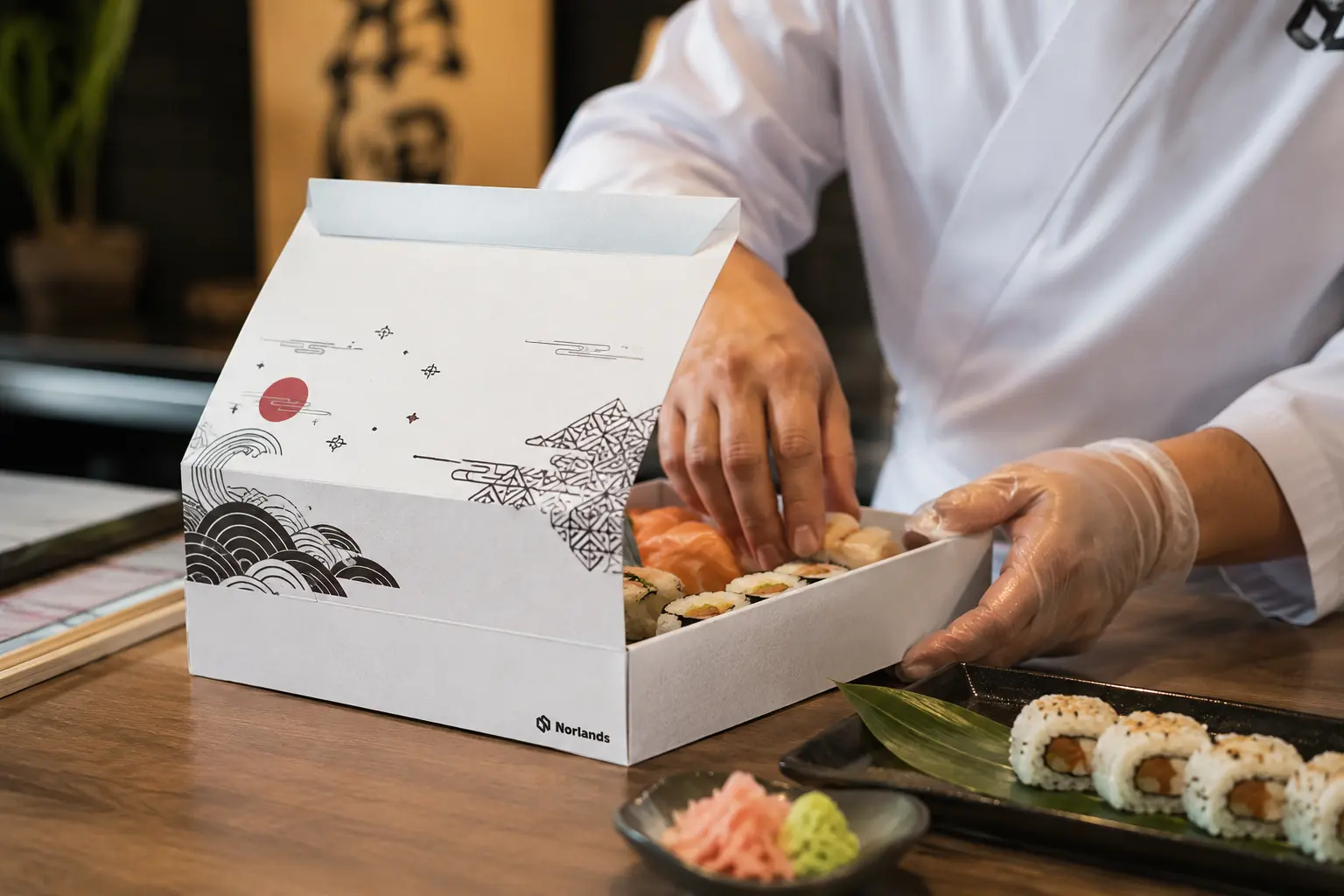
Bakery packaging must protect products that are often fragile, visually sensitive, and vulnerable to movement or compression. Cakes, pastries, cookies, bread, doughnuts, and specialty desserts may each require different structural solutions.
Clearance inside the package must be carefully managed. Too little space can damage toppings or decoration, while too much space may allow products to slide during transport. Inserts, trays, windows, locking corners, and reinforced bases can improve stability.
Bakery packaging also needs to support presentation. Customers often evaluate bakery products visually before purchase, so the structure should help preserve shape and appearance.
For local pickup or delivery, handles and secure closures may improve convenience. For wholesale distribution, stronger outer cases and stacking performance may be more important.
Bakery Packaging Insight:
A bakery box must protect more than the product’s physical structure. It must also preserve visual presentation, because appearance is often part of the product’s value.
Restaurant and Takeout Packaging
Restaurant packaging and takeaway food packaging must support speed, handling, transport, and customer convenience. The packaging should be easy for staff to assemble and close during busy service periods while remaining secure during pickup or delivery.
Different menu items create different requirements. Pizza, burgers, sandwiches, fried foods, salads, desserts, and meal combinations may need ventilation, grease resistance, compartment separation, or structural support.
Why Custom Branding Through Packaging Canada Drives Customer Retention
Quick question:
You might also like
Packaging can also improve order organization. Printed identifiers, labels, colour coding, or different structural formats may help staff distinguish products and reduce packing errors.
For delivery-focused businesses, package stability is especially important. Containers may be stacked, carried in bags, placed in vehicles, and handled several times before reaching the customer.
Service Speed
Packaging should be quick to assemble, fill, close, label, and hand over during high-volume periods.
Delivery Stability
Structures should control movement and maintain closure during carrying, stacking, and vehicle transport.
Customer Experience
Opening, serving, portion access, cleanliness, and disposal all influence the final brand experience.
| Food Category | Typical Packaging Need | Main Performance Concern |
|---|---|---|
| Bakery | Boxes, trays, inserts, and carry formats | Shape and presentation protection |
| Restaurant and takeout | Fast-assembly takeaway formats | Closure, handling, and delivery performance |
| Frozen food | Cold-chain cartons and shipping cases | Temperature, moisture, and stacking |
| Beverage | Carriers, dividers, trays, and multipacks | Weight, movement control, and impact protection |
The most effective packaging type is the one that matches the full product journey. Businesses should evaluate where the food is packed, how it is stored, whether it is displayed in retail, how far it travels, and how the customer will carry, open, use, and dispose of the package.
A capable food packaging manufacturer Canada businesses work with should be able to recommend structures across multiple food categories while adapting each solution to the product, channel, and expected production volume.
By treating each format as part of a wider packaging system, businesses can improve product protection, brand consistency, operational efficiency, and scalability across retail, delivery, and distribution.
Frequently Asked Questions About Custom Food Packaging in Canada
Businesses evaluating custom food packaging Canada solutions often have questions about materials, minimum quantities, production timelines, sustainability, costs, and supplier capabilities. The following answers cover the most common considerations for food manufacturers, restaurants, bakeries, retailers, and growing consumer brands.
What is custom food packaging?
Custom food packaging is packaging developed around the specific size, weight, handling conditions, branding, food-safety requirements, and distribution needs of a food product. It may include structural design, custom dimensions, printing, inserts, coatings, dividers, and production planning.
How much does custom food packaging cost in Canada?
The cost depends on packaging dimensions, material grade, structural complexity, printing method, coatings, tooling, prototype requirements, order quantity, and production frequency. A complete quotation should separate one-time development costs from recurring production costs.
What materials are commonly used for food packaging?
Common options include corrugated board, paperboard, coated paper materials, moulded fibre, films, rigid plastics, glass, metal, and combined packaging systems. The right material depends on whether the package has direct food contact and the level of moisture, grease, temperature, and structural performance required.
What packaging is considered food safe?
Food-safe packaging uses materials, inks, coatings, adhesives, and production processes suitable for the intended food-contact application. Requirements can vary depending on whether the packaging directly touches the food, the product type, and the expected storage or temperature conditions.
Can custom food packaging be recyclable?
Yes. Many paperboard and corrugated food packaging formats can be designed with recyclability in mind. Recyclability depends on the material combination, coatings, laminations, food residue, local collection systems, and how easily different packaging components can be separated.
What is the difference between retail and shipping food packaging?
Retail food packaging focuses on presentation, product information, shelf recognition, and customer use. Shipping packaging focuses on compression strength, movement control, stacking, palletization, and protection during transportation. Many products require both layers.
How long does custom food packaging take to produce?
Timelines depend on discovery, structural design, artwork approval, prototyping, testing, tooling, material availability, production scheduling, and order quantity. New packaging projects generally take longer than repeat production orders because the design and approval stages must be completed first.
How do I choose the right food packaging supplier in Canada?
Review the supplier’s structural design expertise, manufacturing capabilities, material knowledge, printing quality, prototype process, lead times, quality-control procedures, communication, and ability to support future volume growth.
What industries use custom food packaging?
Custom food packaging is used by bakeries, restaurants, meal-preparation companies, beverage producers, frozen food manufacturers, snack brands, confectionery companies, grocery suppliers, specialty food businesses, agricultural producers, and direct-to-consumer brands.
Can custom packaging reduce shipping costs?
It can. Right-sized packaging may reduce empty space, secondary materials, parcel volume, pallet requirements, and dimensional shipping inefficiencies. However, packaging should not be reduced in a way that compromises product protection.
Why is packaging prototyping important?
A packaging prototype allows the business to review product fit, assembly, closure, presentation, handling, and structural performance before committing to full production. It can reveal problems that are difficult to identify from digital artwork alone.
Growing food businesses need packaging that does more than protect products—it should support food safety, strengthen brand recognition, improve production efficiency, and scale with future demand. From custom food packaging and corrugated food packaging solutions to retail-ready packaging, restaurant takeaway packaging, and packaging systems designed for specific food products, the right packaging strategy helps businesses deliver a consistent customer experience while improving operational performance. Companies looking to develop packaging for bakeries, restaurants, beverage brands, frozen foods, or other food products can explore Norlands’ custom packaging services and industry-specific packaging solutions, connect with the Norlands team to discuss their packaging requirements, or request a custom packaging quote tailored to their products, production process, and distribution needs.
Conclusion: Building Custom Food Packaging That Supports Long-Term Growth
Custom food packaging Canada solutions provide growing food businesses with more than an attractive printed package. They connect product protection, food-safety considerations, structural engineering, branding, manufacturing, fulfillment, and distribution within one coordinated packaging system.
The strongest packaging projects begin with the product itself. Dimensions, weight, fragility, moisture, grease, temperature, handling, storage, and transportation conditions should be understood before structural and visual decisions are finalized.
| Packaging Area | Important Question | Business Outcome |
|---|---|---|
| Product protection | Will the package protect the food throughout handling and distribution? | Lower risk of damage, waste, returns, and customer dissatisfaction |
| Food-safe materials | Are materials suitable for the intended contact and storage conditions? | Greater confidence in product suitability and performance |
| Structural design | Does the package fit the product and support efficient assembly? | Improved packing speed, stability, and material efficiency |
| Printing and branding | Does the design communicate brand value clearly across sales channels? | Stronger recognition, shelf impact, and customer experience |
| Shipping performance | Are dimensions and strength appropriate for distribution? | Better pallet utilization and more reliable transportation |
| Scalability | Can the packaging system support higher production volumes? | A smoother transition from launch quantities to ongoing production |
The appropriate packaging format depends on how the food product reaches the customer. Bakery packaging may prioritize presentation and protection from crushing. Restaurant packaging needs fast assembly and dependable delivery performance. Frozen food formats must account for cold-chain conditions, while beverage packaging needs movement control and strength.
Retail and shipping packaging also serve different purposes. Retail packaging communicates the product’s value and identity, while corrugated shipping cases protect products during warehousing, palletization, and transportation. These layers should be designed as parts of one packaging system rather than unrelated components.
Material selection is equally important. The lowest-cost material may not provide the moisture resistance, grease performance, compression strength, or temperature suitability required by the product. At the same time, adding materials or coatings without a clear functional need can increase cost and packaging complexity.
Final Packaging Insight:
Effective food packaging does not maximize material, graphics, or structural complexity. It uses the right combination of each element to protect the product, support the brand, and perform efficiently throughout production and distribution.
Sustainability should also be approached as a complete design objective. Recyclable materials are valuable, but businesses should also consider right-sizing, material optimization, production waste, unnecessary components, storage efficiency, and transportation performance.
A recyclable package that uses excessive material or creates inefficient shipping dimensions may still offer opportunities for improvement. Strong sustainable food packaging strategies connect material selection with operational efficiency and realistic end-of-life conditions.
This is why choosing the right food packaging supplier Canada businesses can work with over the long term is important. The supplier should offer more than production capacity. It should also provide structural expertise, material knowledge, printing support, prototyping, quality control, and practical guidance as packaging needs evolve.
Lead times, communication, scalability, and manufacturing consistency should be evaluated alongside price. A low initial quotation may not create the best long-term value if the packaging produces operational delays, quality variation, excessive material use, or recurring redesign requirements.
Ultimately, successful custom food packaging Canada projects are built through careful planning. When food-safety requirements, product protection, structural packaging, brand identity, manufacturing, shipping, and sustainability are considered together, packaging becomes a practical driver of business growth.
The result is packaging that does more than contain food. It helps protect quality, improve operations, strengthen recognition, support customer experience, and create a reliable foundation for future production and distribution.

No comment