
introduction
Businesses searching for truck box manufacturers Canada often need more than a standard shipping carton. Heavy components, oversized products, automotive parts, machinery, equipment, and palletized shipments can place greater demands on packaging during warehouse handling, truck freight, stacking, loading, unloading, and commercial distribution.
In this guide, truck box manufacturers Canada refers specifically to manufacturers and packaging solutions for custom corrugated and industrial boxes used to transport products through truck freight and commercial distribution. It does not refer to metal storage or toolboxes installed on pickup trucks.
Effective industrial packaging must be developed around the actual product. Weight, dimensions, fragility, corrugated construction, internal supports, stacking requirements, pallet configuration, warehouse handling, and transportation conditions can all influence the final box.
Industrial Packaging Principle:
The right truck box manufacturers Canada solution should be engineered around the product and its distribution journey—not simply around finding a larger box. Product weight, dimensions, protection, internal restraint, stacking, palletization, and freight conditions should work together as one packaging system.
What Do Truck Box Manufacturers Canada Provide?
Truck box manufacturers Canada can develop corrugated packaging for products that require more specialized transportation and commercial distribution solutions. Depending on the application, this can include heavy-duty corrugated shipping boxes, large custom containers, industrial packaging, automotive parts packaging, palletized systems, and internal protective structures.
Heavy-Duty Corrugated Shipping Boxes
Heavy-duty corrugated shipping boxes can be developed for products whose weight, dimensions, handling, stacking, or transportation conditions place greater demands on standard packaging.
Large Custom Shipping Containers
Large or oversized products may not fit efficiently into standard cartons. In these situations, truck box manufacturers Canada can develop packaging dimensions and structures around the actual product.
Industrial Product Packaging
Industrial packaging can support machinery parts, equipment, components, tools, hardware, and other products moving through B2B distribution environments.
Automotive and Parts Packaging
Automotive components can vary considerably in weight, shape, size, and vulnerability. Custom packaging can be developed around individual components or multiple parts packed within one system.
Palletized Packaging Systems
For palletized freight, box dimensions can be considered alongside pallet footprint, stacking, load stability, warehouse movement, and transportation requirements.
Custom Inserts and Internal Protection
Truck box manufacturers Canada may also develop corrugated dividers, partitions, cradles, supports, and other structural components that help position products and control movement inside the outer package.
What Is a Truck Shipping Box?
Within industrial packaging, a truck shipping box is a packaging container designed to protect products transported through freight and commercial distribution. The exact requirements depend on product weight, dimensions, fragility, handling, stacking, and the distribution environment.
Packaging Designed for Freight Distribution
Truck freight packaging needs to account for more than the initial packing process. Products may move through warehouses, loading areas, pallets, trailers, distribution centres, and multiple handling stages before reaching their destination.
Parcel Shipping vs Truck Freight Packaging
Parcel packages commonly move individually through carrier networks. Freight shipments may instead be palletized and exposed to different stacking, forklift, warehouse, vibration, and load-management conditions.
For this reason, businesses comparing truck box manufacturers Canada should evaluate packaging in relation to the actual freight environment rather than assuming a conventional parcel carton will automatically be suitable.
Why Large Products Require Different Packaging
Large products create additional structural considerations. Increasing the dimensions of a box changes how panels, corners, folds, internal supports, and the complete structure respond to weight and handling.
When Standard Shipping Boxes Are Not Enough
Standard boxes may become unsuitable when product dimensions, weight, fragility, stacking, internal support, or pallet requirements cannot be accommodated effectively. This is where custom industrial packaging can become more appropriate.
Important:
When this article discusses truck box manufacturers Canada, it means corrugated and industrial packaging for products transported by truck freight—not pickup-truck storage or metal toolboxes.
Who Needs Heavy-Duty Truck Shipping Boxes?
Heavy-duty packaging is relevant to businesses whose products face demanding handling, stacking, transportation, or distribution requirements. Companies researching truck box manufacturers Canada may include manufacturers, automotive suppliers, equipment companies, distributors, warehouses, and B2B e-commerce operations.
Manufacturers
Manufacturers shipping finished products, assemblies, components, or replacement parts may require packaging designed around repeat commercial distribution.
Automotive Suppliers
Automotive suppliers may need packaging for mechanical components, replacement parts, body components, accessories, or multiple parts shipped together.
Industrial Equipment Companies
Equipment and machinery-related products may require stronger corrugated construction and engineered internal support according to their dimensions, weight, and handling conditions.
Parts Distributors
Parts distributors can use custom industrial boxes to organize and protect individual or multi-component shipments moving through warehouses and freight networks.
Warehouses and Distribution Centres
Warehouses need packaging that can function during storage, pallet movement, stacking, identification, and distribution. These operational requirements should be considered when evaluating truck box manufacturers Canada.
B2B E-Commerce Operations
B2B e-commerce companies shipping larger, heavier, or industrial products may also require packaging that goes beyond conventional parcel boxes.
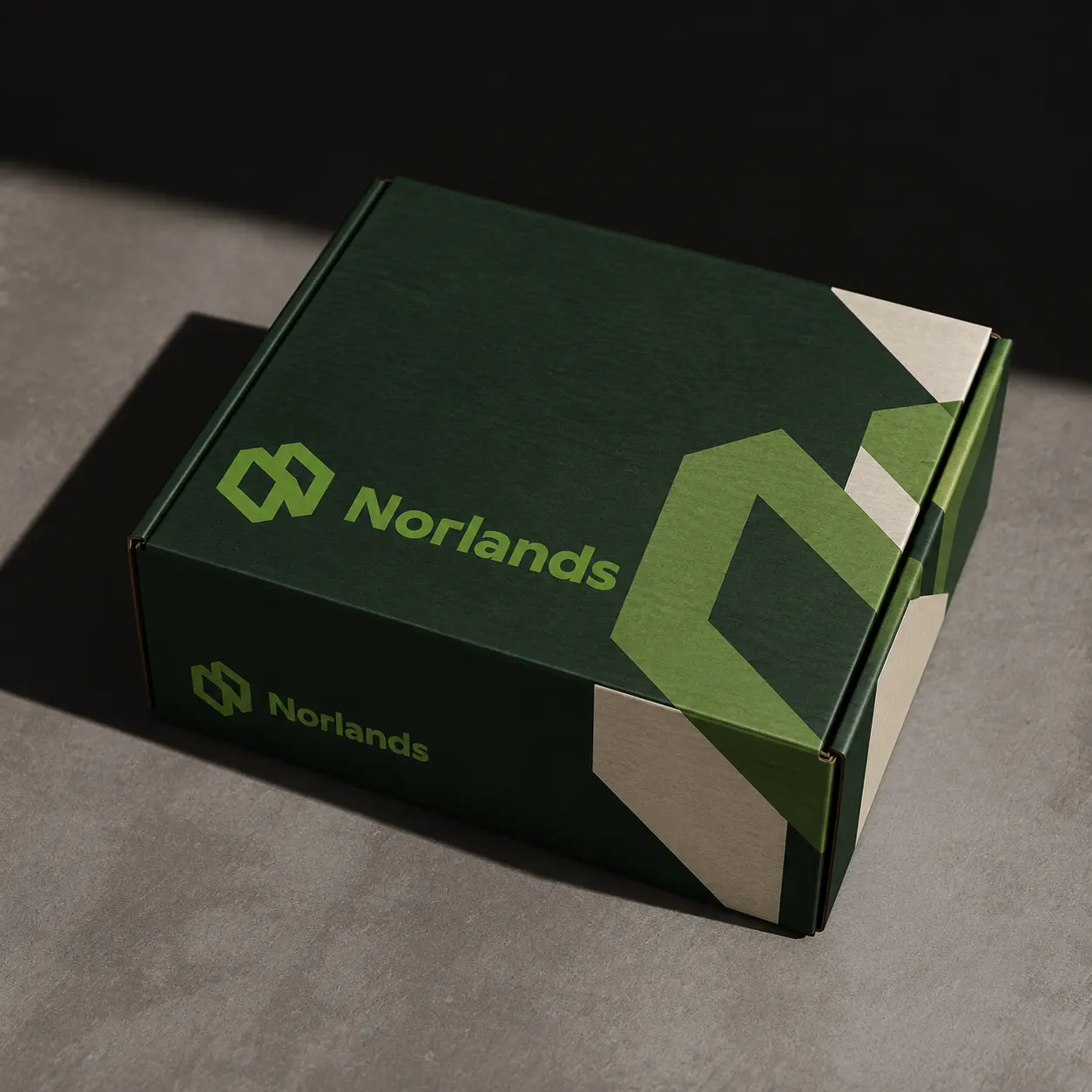
Truck Box Manufacturers Canada for Industrial Products
Industrial products can create complex packaging challenges because they may be heavy, irregularly shaped, multi-component, difficult to restrain, or unsuitable for standard carton dimensions. Truck box manufacturers Canada can address these requirements through custom dimensions, structural design, corrugated specifications, and internal packaging.
Heavy Components
Heavy components require packaging selected according to their actual weight, dimensions, stacking requirements, handling conditions, and distribution route.
Machinery Parts
Machinery parts may contain irregular profiles or concentrated areas of weight. The packaging structure and internal supports should reflect these characteristics.
Equipment
Equipment packaging can require a combination of external structural performance and internal product restraint to maintain positioning during distribution.
Tools and Hardware
Dense tools and hardware can place substantial loads on the packaging despite having relatively compact dimensions. Box construction should therefore be selected according to the packed load rather than dimensions alone.
Irregularly Shaped Products
Products that are long, wide, projecting, or irregularly shaped may leave excessive empty space in standard cartons. Custom packaging can be developed around these dimensions.
Multi-Part Shipments
When multiple components travel together, truck box manufacturers Canada can incorporate partitions, dividers, cradles, or supports to separate parts and control their position inside the package.
Truck Box Manufacturers Canada for Automotive Packaging
Automotive packaging can involve products with very different dimensions, weights, surfaces, and structural requirements. Truck box manufacturers Canada serving this type of application need to consider both the individual component and the supply-chain conditions through which it will move.
Replacement Parts
Replacement parts may require product-specific boxes that protect the component while supporting efficient storage, identification, and distribution.
Mechanical Components
Mechanical components may be dense or heavy relative to their size. Packaging construction and internal support should be developed around the actual load.
Body Components
Larger body components can require custom dimensions because standard cartons may not efficiently accommodate long, wide, or irregular shapes.
Accessories
Automotive accessories vary considerably in dimensions and fragility. Appropriate packaging should therefore reflect the individual product rather than relying on one standard format.
Multiple Parts in One Package
Dividers and partitions can help separate multiple components, reduce product-to-product contact, and organize parts inside the outer box.
Returnable Supply-Chain Requirements
Where a supply-chain application includes returnable requirements, those operational conditions should be considered when defining the overall packaging system.
Why Heavy Products Need Stronger Corrugated Packaging
Heavy products place different stresses on packaging than lightweight goods. Businesses searching for truck box manufacturers Canada should consider not only product weight but also compression, stacking, warehouse handling, vibration, and repeated loading and unloading.
Product Weight
Product weight directly affects the demands placed on the bottom, sides, corners, closures, and internal supports of a box.
Compression Forces
Packaging can experience compression when boxes are stacked or loaded within storage and transportation environments.
Stacking Loads
Boxes positioned lower in a stack may need to support loads from packaging above them. Expected stacking should therefore form part of structural planning.
Warehouse Handling
Warehouse operations can introduce additional handling through pallet movement, storage, loading, and redistribution.
Vibration During Transportation
Truck transportation can expose products to vibration. Without appropriate restraint, products may move repeatedly within the package.
Repeated Loading and Unloading
Industrial shipments may pass through several handling stages. Packaging should therefore be developed around the complete distribution route rather than only the first loading point.
Corrugated Materials Used for Heavy-Duty Truck Boxes
Corrugated construction is a central consideration for truck box manufacturers Canada. The appropriate board should be selected according to product weight, box dimensions, stacking, handling, transportation, storage, and the overall structural requirements of the packaging system.
Single-Wall Corrugated Board
Single-wall corrugated board can be appropriate for applications where its structural performance matches the product and distribution requirements.
Double-Wall Corrugated Board
Double-wall construction can provide additional structural performance for more demanding packaging applications involving heavier loads or challenging handling conditions.
Multi-Wall Construction
More demanding industrial applications may require multi-wall corrugated construction depending on the product and expected distribution conditions.
Selecting Board Based on Product Requirements
The appropriate corrugated specification should be selected after considering the product and its journey. Truck box manufacturers Canada should not treat board strength as an isolated decision.
Why More Material Is Not Automatically Better
Adding more material does not automatically create the most appropriate packaging solution. Corrugated construction should provide the required structural performance without unnecessary overengineering.
Strength ≠ Simply More Material:
Effective truck box manufacturers Canada solutions match corrugated construction to product weight, dimensions, stacking, handling, storage, and transportation conditions. The goal is appropriate structural performance—not simply the heaviest possible board.
How Box Strength Is Determined
Box strength for industrial freight cannot be determined from one factor alone. Truck box manufacturers Canada should consider product weight, box dimensions, stacking height, distribution environment, board construction, storage conditions, and the required safety margin together.
Product Weight
The weight of the packed product establishes one of the fundamental structural demands on the packaging.
Box Dimensions
Large box dimensions can change how panels and the complete structure respond to loads. An oversized industrial carton therefore needs to be evaluated as a complete structure.
Stacking Height
The number and weight of boxes stacked above a package can influence the compression demands placed on cartons lower in the stack.
Corrugated packaging performance can be evaluated through standardized compression and stacking tests. These methods help assess how a box responds to vertical loads, making compression performance particularly relevant when industrial cartons will be stacked during warehousing, palletization, or freight transportation.
Distribution Environment
The packaging should reflect whether products will move through warehouses, pallets, freight terminals, trucks, or other distribution environments.
Board Construction
Corrugated construction should be matched to the structural requirements identified for the application.
Storage Conditions
Storage duration and environmental conditions can also influence the demands placed on corrugated packaging.
Required Safety Margin
The complete packaging specification should include an appropriate safety margin for the intended application rather than being designed only around ideal conditions.
Custom Truck Boxes for Oversized Products
Oversized products are one of the strongest reasons businesses may need custom truck box manufacturers Canada. Standard cartons may create poor fit, excessive empty space, inadequate support, or impractical handling when the product is unusually long, wide, heavy, or irregular.
Designing Around Large Product Dimensions
Custom box dimensions can be developed around the actual product and the internal protection required during freight transportation.
Managing Long or Wide Products
Long and wide products may require structures that distribute loads and provide support across larger packaging surfaces.
Preventing Structural Collapse
Large dimensions and heavy contents can create demanding structural conditions. Corrugated construction, panel design, internal support, stacking, and handling should therefore be evaluated together.
Reinforcing Critical Areas
Areas exposed to concentrated loads or greater structural demands can be considered during development of the packaging system.
Designing for Practical Handling
Even strong packaging must remain compatible with the way products will actually be packed, moved, stored, palletized, loaded, and unloaded.
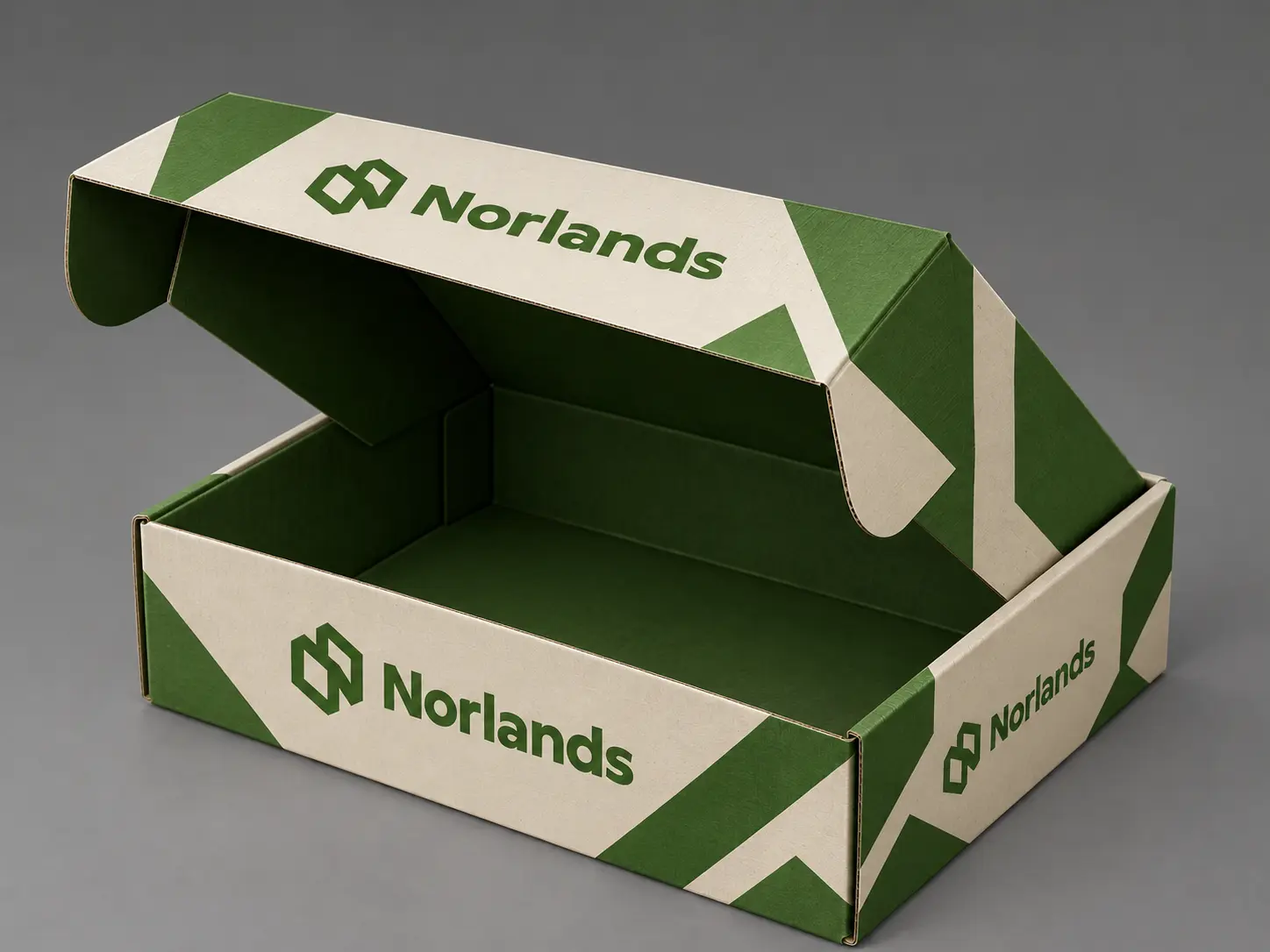
Custom Inserts for Industrial Truck Boxes
The outer box alone may not provide sufficient control for heavy, irregular, or multi-component products. Truck box manufacturers Canada can incorporate internal corrugated components that help position products and reduce unwanted movement.
Corrugated Dividers
Corrugated dividers can separate individual products or components inside a larger industrial shipping box.
Partitions
Partitions can create defined spaces for multiple components and reduce direct product-to-product contact.
Product Cradles
Product cradles can help hold a component in a specific position inside the package.
Internal Supports
Internal supports can provide additional structural positioning for products with unusual shapes, concentrated weight, or vulnerable areas.
Multi-Component Packaging
When multiple products or parts travel in the same carton, the internal system can organize individual components and maintain separation.
Preventing Product Movement
One of the primary goals of internal packaging is to prevent uncontrolled movement during handling and transportation. Effective truck box manufacturers Canada solutions should therefore consider the outer box and internal protection as one integrated packaging system.
Why Product Movement Is Dangerous During Truck Transportation
Product movement can create repeated stresses during freight transportation. Even when the outer box remains intact, uncontrolled movement inside the carton can allow products to contact each other or impact the walls of the package.
Vibration
Truck transportation can expose packaged products to ongoing vibration, making internal positioning an important part of industrial packaging design.
Sudden Braking and Acceleration
Changes in vehicle movement can create forces that cause inadequately restrained products to shift inside their packaging.
Repeated Handling
Products may be handled multiple times as they move through warehouses, pallets, loading areas, and distribution points.
Product-to-Product Contact
When several components are packed together, movement can cause them to contact one another unless suitable separation is provided.
Impact Against the Box Walls
Excessive internal space may allow a product to move and impact the inside surfaces of the carton.
How Internal Packaging Helps Control Movement
Dividers, partitions, cradles, supports, and other internal components can help truck box manufacturers Canada create a more controlled relationship between the product and the outer shipping box.
Control the Product, Not Just the Box:
For heavy-duty freight packaging, a strong outer carton is only part of the solution. Effective truck box manufacturers Canada packaging should also control product movement through appropriate fit, partitions, dividers, cradles, or internal supports.
Truck Box Manufacturers Canada and Palletized Shipping
Palletized distribution adds another layer of requirements to industrial packaging. Effective truck box manufacturers Canada should consider not only the individual box, but also how multiple boxes interact with the pallet, warehouse environment, stacking configuration, and truck freight system.
For businesses shipping industrial products in volume, box dimensions can influence pallet utilization, load stability, stacking, warehouse compatibility, and overall freight efficiency.
Designing Boxes Around Pallet Dimensions
When products will be palletized, truck box manufacturers Canada can consider box dimensions in relation to the intended pallet configuration. Packaging dimensions that work well individually may not always create an efficient pallet layout.
Improving Pallet Utilization
Better alignment between box dimensions and pallet configuration can improve the use of available pallet space. This is particularly relevant when multiple boxes are shipped together as part of repeat commercial distribution.
Reducing Overhang
Packaging that extends beyond the intended pallet footprint can create an inefficient load configuration. Box dimensions should therefore be considered alongside the pallet rather than developed independently.
Improving Load Stability
Stable palletized loads depend on more than the strength of individual cartons. Box dimensions, stacking arrangement, product weight, and the overall configuration can all influence load stability.
Stacking Multiple Boxes
When several industrial cartons are stacked, truck box manufacturers Canada should consider the loads placed on boxes lower in the stack and the structural requirements created by the complete configuration.
Warehouse Compatibility
Palletized packaging also needs to function within the intended warehouse environment, including storage, pallet movement, loading, unloading, and other handling operations.
Need packaging that fits your product, timeline, and budget?
Tell us what you’re packaging and we’ll help you find the right box style, material, and production path.

How Box Dimensions Affect Truck and Pallet Efficiency
Box dimensions are not only a product-fit decision. For industrial freight, the dimensions selected by truck box manufacturers Canada can influence pallet footprint, trailer space, empty space between packages, and overall logistics efficiency.
Cube Utilization
Industrial packaging should use available space efficiently while still providing the structural performance and internal protection required by the product.
Pallet Footprint
The relationship between box dimensions and pallet footprint can influence how many packages fit within a palletized load and how efficiently the available surface is used.
Trailer Space
Packaging dimensions can also affect how palletized or individual loads use available trailer space during truck freight transportation.
Empty Space Between Packages
Inefficient dimensions may create unused space between packages or within a pallet configuration. For repeat shipments, these dimensional relationships can become an important consideration for truck box manufacturers Canada.
Shipping Fewer Partially Filled Loads
Packaging and pallet configurations that make better use of available space may help businesses avoid inefficient load layouts. Actual freight performance depends on the complete shipment and distribution system.
Why Packaging Dimensions Affect Logistics Costs
The physical footprint of industrial packaging influences more than the cost of the box itself. Dimensions can affect pallet density, storage space, trailer utilization, protective material requirements, and the overall distribution configuration.
Think Beyond the Individual Box:
For industrial freight, truck box manufacturers Canada should consider how box dimensions interact with pallets, stacking, warehouse storage, and trailer space. A box can fit the product well while still creating an inefficient logistics configuration.
How Right-Sized Industrial Boxes Can Reduce Freight Costs
Right-sizing is particularly important when evaluating truck box manufacturers Canada because industrial packaging costs extend beyond the unit price of the carton. Packaging volume, pallet density, trailer utilization, protective materials, and product damage can all influence total distribution costs.
Reducing Unnecessary Packaging Volume
Boxes that are significantly larger than required can create unnecessary packaging volume. Custom dimensions can be developed around the product and the internal protection it actually needs.
Improving Pallet Density
Right-sized industrial boxes may allow products to use pallet space more efficiently when the box dimensions and pallet configuration are considered together.
Using Trailer Space More Efficiently
Packaging dimensions can influence how freight occupies available trailer space. For repeat industrial shipments, this can become an important design consideration.
Reducing Excess Protective Materials
Oversized boxes may require additional internal materials simply to control empty space. Better-fitting packaging can reduce unnecessary void space while still maintaining the protection required by the product.
Reducing Product Damage
Appropriate product fit, structural strength, and internal protection can help control product movement and support the product throughout the distribution journey.
Evaluating Total Packaging Cost
Businesses comparing truck box manufacturers Canada should therefore look beyond box unit cost. The complete packaging system can influence materials, packing, storage, palletization, freight utilization, and product protection.
Truck Box Manufacturers Canada for LTL Freight
LTL freight can create demanding packaging conditions because a shipment may encounter multiple handling points and share transportation space with other freight. Truck box manufacturers Canada designing packaging for these environments should consider handling, stacking, compression, internal restraint, and the complete distribution journey.
What Is LTL Shipping?
LTL shipping involves freight moving within a transportation environment where shipments may share capacity rather than occupying an entire truckload.
Multiple Handling Points
LTL freight can involve multiple handling stages as products move through the distribution process. Packaging should therefore be designed for more than the initial loading event.
Mixed Freight Environments
Industrial boxes may move alongside other freight with different dimensions, weights, and configurations. The packaging should be appropriate for the expected transportation environment.
Stacking and Compression Risks
Stacking and compression should be considered when truck box manufacturers Canada develop packaging for products travelling through freight networks.
Protecting Products Throughout the Distribution Journey
The package needs to protect the product from the point of packing through handling, warehousing, transportation, and delivery. Structural design and internal protection should reflect this complete journey.
Packaging for Full Truckload Distribution
Full truckload distribution creates its own packaging and load-planning considerations. Even when freight occupies a dedicated truckload, box dimensions, pallet configuration, stacking, product restraint, and packaging consistency remain important.
Load Planning
Packaging dimensions and shipment configuration can be considered as part of the overall load plan.
Pallet Configuration
When products are palletized, truck box manufacturers Canada can develop dimensions with the intended pallet arrangement in mind.
Stacking
The planned stacking arrangement should be considered when determining packaging structure and corrugated requirements.
Product Restraint
Products should not be left free to move unnecessarily inside industrial shipping boxes. Internal supports, partitions, dividers, or other structural elements can help maintain positioning.
Packaging Consistency Across Large Shipments
For larger commercial shipments, consistent packaging dimensions and structures can support more predictable pallet and load configurations.
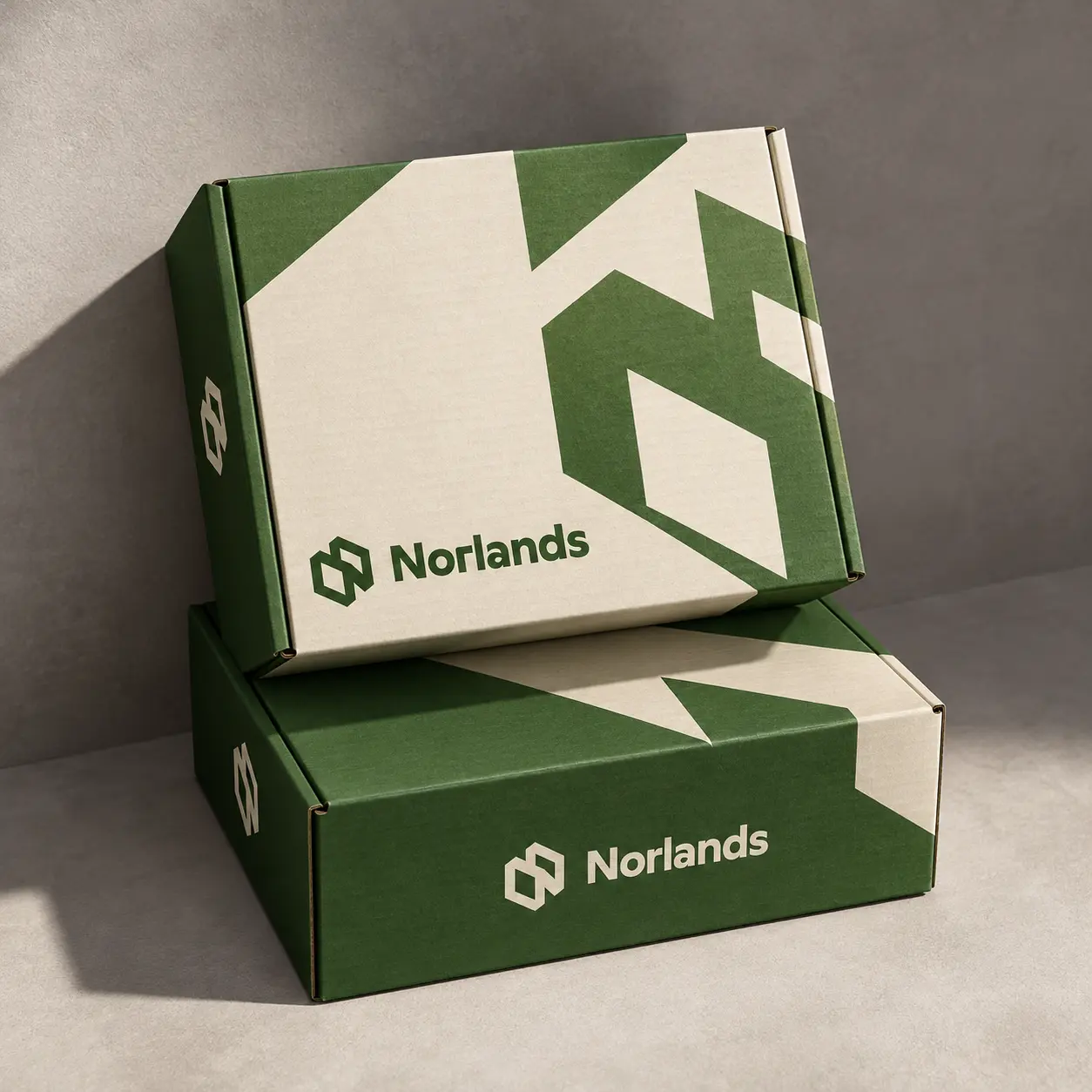
Designing Truck Boxes for Warehouse Handling
Industrial packaging often spends significant time within warehouses before, during, or after transportation. For this reason, truck box manufacturers Canada should consider how packaging will interact with warehouse operations as well as truck freight.
Forklift Operations
Palletized freight may be moved using forklifts during warehouse and distribution operations. The packaging system should be compatible with the intended palletized handling process.
Pallet Movement
Industrial boxes may experience repeated pallet movement between storage, staging, loading, and unloading areas.
Conveyor Compatibility
Where conveyors form part of the actual handling process, packaging dimensions and structure should be considered in relation to that system.
Stacking
Warehouse storage may require boxes or palletized loads to remain stacked for a period of time. Expected stacking requirements should therefore be considered during packaging development.
Storage Duration
How long products remain packaged and stored can influence the conditions the corrugated packaging is expected to withstand.
Easy Product Identification
Industrial packaging can also support warehouse organization through printed product identification, handling information, barcodes, or other relevant markings.
Warehouse + Freight:
The right truck box manufacturers Canada solution should not be designed only for the truck. Industrial packaging may also need to function through pallet movement, warehousing, stacking, storage, identification, loading, and unloading.
Moisture and Environmental Conditions During Freight Transportation
Environmental conditions are another factor businesses should consider when evaluating truck box manufacturers Canada. Corrugated packaging may encounter temperature changes, humidity, warehouse conditions, and potential condensation during storage and long-distance distribution.
Temperature Changes
Products moving through different locations and transportation stages may encounter changes in temperature during their distribution journey.
Humidity
Humidity can be relevant because environmental conditions can affect corrugated packaging performance.
Warehouse Conditions
The environment in which packaged products are stored before or after transportation should form part of the overall packaging assessment.
Condensation Risk
Where transportation and storage conditions create a risk of condensation, that exposure should be considered when defining packaging requirements.
Maintaining Corrugated Performance
Truck box manufacturers Canada should evaluate corrugated packaging in relation to the actual storage and distribution conditions expected for the product rather than assuming ideal conditions throughout the supply chain.
Custom Printed Truck and Industrial Boxes
Printing on industrial packaging is not limited to branding. Custom printed boxes can also communicate information needed throughout warehouses, transportation, inventory management, and distribution. Truck box manufacturers Canada can consider printing as part of the complete logistics and packaging system.
Product Identification
Printed information can help identify products or packaged components throughout storage and distribution.
Handling Instructions
Handling information can be incorporated into printed industrial packaging according to the requirements of the shipment.
Orientation Symbols
Orientation information can help communicate how a package is intended to be positioned during handling and distribution.
Barcodes and Tracking Information
Where required, printed boxes can incorporate barcodes, tracking information, or other identification elements used within the logistics process.
Branding
Truck box manufacturers Canada can also incorporate brand graphics into industrial packaging when branding is part of the project requirements.
Warehouse Identification
Clear printed identification can support the organization and recognition of packaged products within warehouse and distribution environments.
Custom Box Packaging Canada: Packaging Designed Around Your Products
Quick question:
You might also like
From Product to Industrial Shipping Box: The Design Process
A strong industrial packaging project should follow a structured process. Rather than beginning with a generic box, truck box manufacturers Canada can work from the product outward—considering weight, dimensions, distribution, handling, corrugated construction, internal protection, prototyping, and production.
1. Measure the Product
Begin with accurate product dimensions and the orientation in which the product is expected to be packed.
2. Determine Product Weight
Product weight is a fundamental input when determining structural and internal support requirements.
3. Understand the Distribution Route
Identify how the package will move through truck freight, warehouses, pallets, distribution centres, or other handling environments.
4. Evaluate Handling and Stacking
Consider how the package will be lifted, moved, stored, palletized, and stacked throughout its journey.
5. Select Corrugated Construction
Select corrugated construction according to the product and expected structural demands rather than simply choosing the strongest available material.
6. Develop the Structural Design
Truck box manufacturers Canada can then develop the box dimensions, panels, folds, closures, and other structural features around the product requirements.
7. Engineer Internal Protection
Dividers, partitions, cradles, supports, or other internal structures can be developed when the product requires additional positioning or separation.
8. Build a Prototype
A prototype allows the physical packaging concept to be reviewed before commercial production.
9. Test Product Fit and Handling
The prototype can be evaluated for product fit, assembly, internal support, handling, and other structural requirements.
10. Prepare for Commercial Production
After the structure has been reviewed and refined, the packaging can move toward repeat commercial production according to the approved requirements.
Industrial Box Development:
Effective truck box manufacturers Canada should work from the product outward:
Product Dimensions → Weight → Distribution Route → Handling → Corrugated Construction → Structure → Internal Protection → Prototype → Validation → Production.
Why Prototype Testing Matters for Heavy-Duty Packaging
Prototyping is especially valuable when truck box manufacturers Canada are developing packaging for heavy, large, irregular, or industrial products. A prototype allows the packaging system to be evaluated physically before moving into commercial production.
Product Fit
The actual product can be placed into the prototype to evaluate dimensions, orientation, clearances, and overall fit.
Box Assembly
The prototype can show how the industrial box folds, assembles, closes, and prepares for loading.
Internal Support
Dividers, partitions, cradles, and other internal components can be evaluated together with the product and outer box.
Handling
The packaging can be reviewed in relation to the intended handling process and practical movement requirements.
Stacking
Expected stacking requirements can be considered as part of the structural validation process.
Identifying Structural Weak Points Before Production
The purpose of prototype validation is to identify potential problems before they become part of repeat commercial production. For truck box manufacturers Canada, this is particularly important when packaging dimensions, weight, internal supports, and freight requirements create a more demanding structural application.
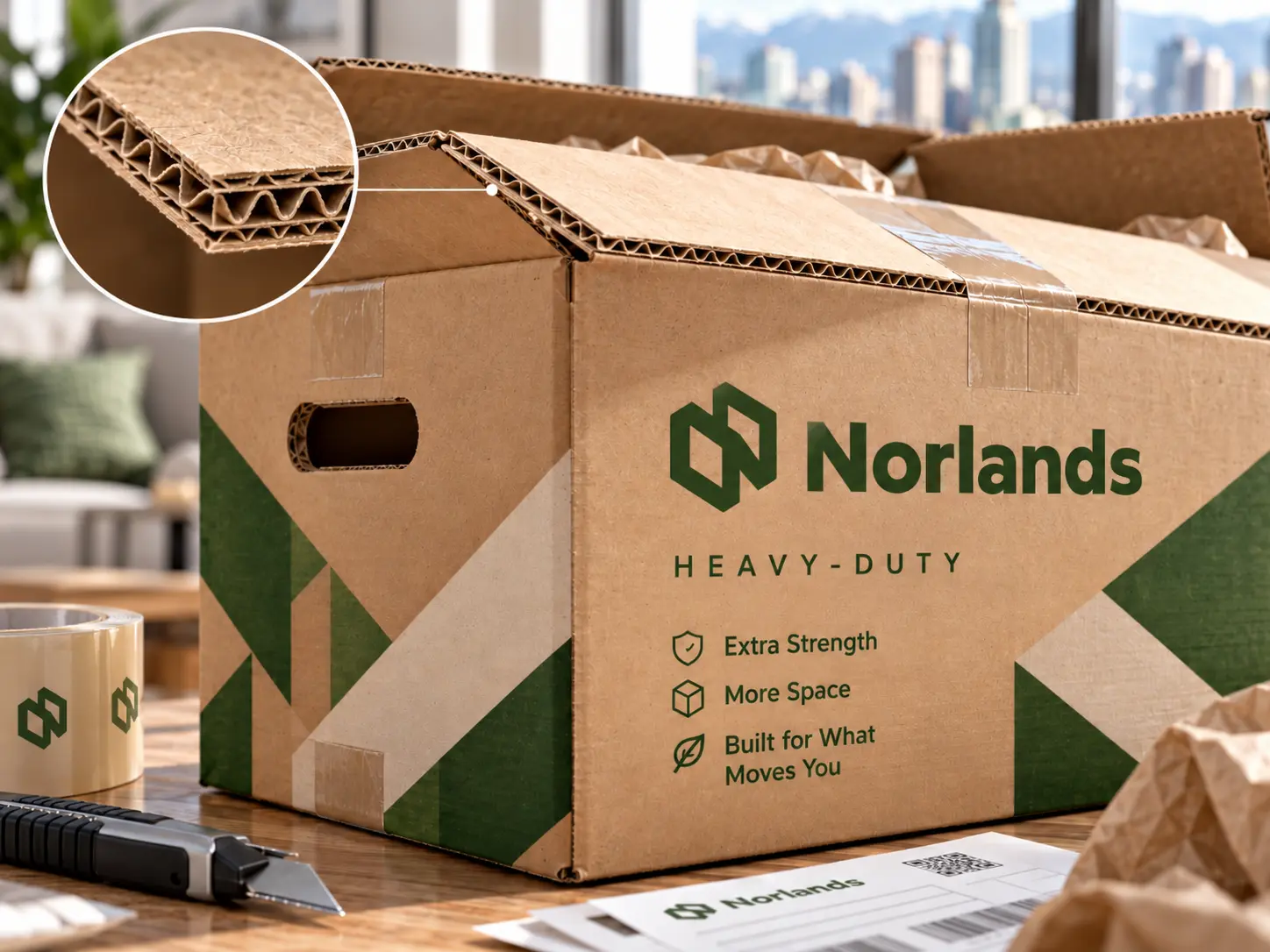
Frequently Asked Questions About Truck Box Manufacturers Canada
Businesses comparing truck box manufacturers Canada often need answers about heavy-duty corrugated construction, oversized packaging, freight distribution, custom inserts, pallet efficiency, printing, and industrial box design. The answers below cover the key considerations when sourcing packaging for heavy, large, automotive, and industrial products.
What are truck shipping boxes?
Truck shipping boxes are packaging containers designed to protect products transported through freight and commercial distribution. When evaluating truck box manufacturers Canada, requirements should be considered according to product weight, dimensions, fragility, handling, stacking, and distribution conditions.
What type of box is best for heavy products?
There is no single box construction that is best for every heavy product. The appropriate packaging depends on product weight, dimensions, stacking requirements, handling, and transportation conditions. Heavy products may require stronger corrugated structures and engineered internal supports, which is why experienced truck box manufacturers Canada should evaluate the complete application.
Can corrugated boxes be used for industrial products?
Yes. Corrugated packaging can be engineered for many industrial applications using appropriate board construction, dimensions, structural features, partitions, and internal supports. Truck box manufacturers Canada can develop corrugated packaging around the requirements of specific industrial products and distribution environments.
Can manufacturers make boxes for oversized products?
Yes. Custom corrugated packaging can be developed around large or irregular product dimensions when standard cartons are unsuitable. Custom truck box manufacturers Canada can consider the product dimensions, weight, internal support, handling, and freight requirements when developing an oversized box.
What is the difference between parcel and freight packaging?
Parcel packages often move individually through carrier networks. Freight shipments may be palletized and exposed to different stacking, forklift, warehouse, vibration, and load-management conditions. This distinction is important when selecting truck box manufacturers Canada for industrial freight applications.
Can truck shipping boxes include custom inserts?
Yes. Corrugated dividers, partitions, supports, and other structural components can help control product movement and separate multiple components. Truck box manufacturers Canada can integrate these elements with the outer box to create a more complete industrial packaging system.
Can custom boxes improve pallet efficiency?
Yes. Designing packaging dimensions around products and pallet configurations can improve space utilization and reduce inefficient pallet layouts. For repeat industrial shipments, truck box manufacturers Canada can consider box dimensions and pallet configuration together rather than treating them as separate decisions.
Can custom packaging reduce freight costs?
It can in some applications. Right-sizing, improved pallet density, reduced product damage, and better trailer utilization can influence total distribution costs. Actual results depend on the product, packaging configuration, shipment, and distribution requirements, so truck box manufacturers Canada should evaluate total packaging and logistics requirements rather than box price alone.
Can heavy-duty shipping boxes be custom printed?
Yes. Printing can be used for branding, product identification, barcodes, orientation instructions, handling information, and other logistics requirements. Custom printing can therefore support both branding and operational requirements for packaging developed by truck box manufacturers Canada.
How do I request a custom industrial box?
When contacting truck box manufacturers Canada, useful information includes product dimensions, weight, fragility, quantity, shipping method, pallet requirements, storage conditions, and any internal protection or printing requirements. Providing these details helps define the industrial packaging application more clearly.
Choosing the right truck box manufacturers Canada means finding a packaging partner that understands the product, the pallet, the warehouse, and the freight journey as one connected system.
Norlands develops heavy-duty corrugated packaging for manufacturers, automotive suppliers, equipment companies, parts distributors, warehouses, and other B2B operations, combining custom box dimensions, corrugated specifications, structural design, dividers, partitions, product cradles, and internal supports around the actual load. Working with experienced truck box manufacturers Canada can also help businesses right-size oversized packaging, improve pallet utilization, control product movement, support stacking and warehouse handling, and create packaging better suited to LTL and full-truckload distribution.
Explore Norlands’ industrial and custom corrugated packaging solutions, connect with the Norlands team to discuss your product dimensions, weight, pallet configuration, and freight requirements, or request a custom quote from truck box manufacturers Canada for packaging engineered around your complete distribution journey.
Conclusion: Choose Truck Box Manufacturers Canada Around the Complete Distribution Journey
Choosing truck box manufacturers Canada is not simply about finding a supplier capable of producing a large corrugated box. Heavy, oversized, automotive, machinery, equipment, and industrial products can require packaging designed around the complete distribution journey.
Product dimensions and weight are only the beginning. Corrugated construction, structural design, internal protection, product movement, stacking, pallet configuration, warehouse handling, truck transportation, storage conditions, and commercial production requirements can all influence the final packaging system.
For that reason, effective truck box manufacturers Canada should approach industrial packaging from the product outward rather than beginning with a generic carton and attempting to make the product fit.
Industrial Packaging Should Start With the Product
A useful way to approach truck box manufacturers Canada is to begin with the physical product. Measure its dimensions, determine its weight, identify vulnerable areas, understand how it needs to be positioned, and establish whether multiple components will travel together.
From there, the packaging requirements can expand outward to include corrugated construction, structural design, internal supports, pallet configuration, stacking, handling, and freight transportation.
This product-first approach is particularly important for large and heavy items because increasing the size or strength of a box without understanding the load does not automatically create a suitable industrial packaging system.
Strength Should Match the Application
Businesses searching for truck box manufacturers Canada should not assume that more corrugated material automatically means better packaging. The appropriate structure depends on the actual application.
Product weight, dimensions, stacking height, distribution environment, board construction, storage conditions, and the required safety margin should be considered together. This allows the packaging specification to respond to the product rather than simply increasing material without a defined structural reason.
Control Product Movement Inside the Truck Shipping Box
Internal protection is an important part of heavy-duty packaging. Truck transportation can expose products to vibration, changes in vehicle movement, repeated handling, and other conditions that may cause inadequately restrained products to shift inside the carton.
For this reason, truck box manufacturers Canada can use corrugated dividers, partitions, product cradles, supports, and other structural components to help maintain positioning and reduce unnecessary product-to-product or product-to-box contact.
The outer box and internal packaging should therefore be considered together rather than treated as two unrelated components.
Consider Pallets, Warehouses, and Trucks as One System
Industrial packaging does not exist independently from the logistics system around it. Box dimensions can influence pallet footprint, stacking configuration, load stability, warehouse compatibility, and trailer utilization.
When comparing truck box manufacturers Canada, businesses should consider whether packaging development accounts for these relationships. A box can fit an individual product correctly while still producing an inefficient pallet or freight configuration.
For repeat B2B distribution, evaluating packaging dimensions in relation to the complete logistics environment can therefore be as important as evaluating the individual carton.
Prototype Before Commercial Production
For heavy, oversized, or structurally demanding products, prototype development provides an opportunity to evaluate the packaging before moving into repeat commercial production.
A prototype developed by truck box manufacturers Canada can help review product fit, box assembly, internal support, practical handling, stacking requirements, and potential structural weak points.
Where the packaging includes custom inserts or multiple components, the prototype can also help determine whether the complete system positions the products as intended.
What to Prepare Before Contacting Truck Box Manufacturers Canada
Businesses can make the initial packaging discussion more useful by preparing the key information that defines the application. Before requesting a custom industrial box, gather details such as:
Product Dimensions
Provide the physical dimensions of the product that needs to be packaged.
Product Weight
Identify the weight that the packaging system will need to accommodate.
Fragility
Explain whether the product has vulnerable components or specific protection requirements.
Quantity
Provide the expected packaging quantity for the industrial application.
Shipping Method
Identify how the packaged product is expected to move through distribution.
Pallet Requirements
Include relevant palletization requirements when the shipment will be palletized.
Storage Conditions
Describe relevant storage conditions that may affect the packaging application.
Protection & Printing
Identify required internal protection and any printing or identification requirements.
Final Industrial Packaging Principle:
The goal when selecting truck box manufacturers Canada is not simply to manufacture a bigger or heavier box. It is to develop a packaging system in which product dimensions, weight, corrugated construction, internal protection, palletization, warehouse handling, and freight distribution work together.
For manufacturers, automotive suppliers, equipment companies, parts distributors, warehouses, and other B2B operations, this systems-based approach can help ensure that industrial packaging is developed around the real requirements of the product and its distribution environment.
The most useful conversation with truck box manufacturers Canada therefore begins with the product and continues through every stage of its journey—from packing and internal protection to palletization, warehousing, truck freight, and final delivery.




No comment