
introduction
Choosing the right packing boxes Vancouver starts with understanding what is going inside the box. A carton that works well for clothing may not be appropriate for books, dishes, electronics, tools, or fragile household items. Box size, strength, weight distribution, protective material, and destination all affect how well the contents remain protected.
Whether you are moving across Vancouver, placing belongings into storage, preparing products for shipping, or packing an office, the best packing boxes Vancouver should be matched to the contents rather than selected by size alone.
A practical way to choose packing boxes Vancouver is to work through four questions: What are you packing? How heavy is it? How much protection does it need? Where is the box going?
Packing Box Selection Framework:
When comparing packing boxes Vancouver, follow this simple sequence:
Contents → Weight → Protection → Destination.
The right box is the one that matches what is actually being packed and how it will be handled.
What Are the Best Packing Boxes Vancouver Buyers Should Choose?
There is no single box that is best for every packing job. The most appropriate packing boxes Vancouver depend on the contents, packed weight, fragility, transportation distance, storage conditions, and stacking requirements.
Start With What You Are Packing
Begin by identifying the contents. Books, kitchen items, clothing, electronics, decorations, office documents, and fragile products place very different demands on a box.
Choosing packing boxes Vancouver around the contents makes it easier to select an appropriate size and avoid placing items into cartons that are unnecessarily large or structurally unsuitable.
Consider the Weight
Weight matters because a large box filled with dense items can quickly become difficult to lift and place greater demands on the box structure. Smaller boxes can often be more manageable for heavier contents.
Consider Fragility
Glassware, dishes, electronics, artwork, and other fragile items may require additional protective material, dividers, inserts, or more careful internal positioning.
The selected packing boxes Vancouver should leave enough room for required protection without creating excessive empty space.
Think About How Far the Box Will Travel
A box being moved between rooms has different requirements from one travelling through a longer transportation or shipping journey. Handling and destination should therefore influence box selection.
Consider Storage and Stacking
If packed boxes will remain in storage or be stacked, the weight of the contents, box condition, structural strength, and stacking requirements should all be considered.
Types of Packing Boxes Vancouver Buyers Can Use
Different sizes and structures of packing boxes Vancouver can be used for moving, storage, shipping, household packing, office relocation, and light commercial applications.
Small Packing Boxes
Useful for dense and heavier items that need to remain manageable when lifted.
Medium Packing Boxes
Versatile boxes for many general household and office packing applications.
Large Packing Boxes
Better suited to lightweight and bulky contents rather than dense heavy items.
Heavy-Duty Boxes
For applications where weight, stacking, handling, or transportation creates greater structural demands.
Small Packing Boxes
Small packing boxes Vancouver can be useful for books, canned goods, tools, documents, and other dense items. Keeping heavier contents in smaller cartons can make individual boxes easier to manage.
Medium Packing Boxes
Medium boxes can accommodate a broad range of household goods, including kitchen items, small appliances, decorations, toys, and other general belongings.
Large Packing Boxes
Large packing boxes Vancouver are generally more appropriate for lightweight bulky items such as bedding, pillows, and clothing. Large dimensions do not mean a box should be filled with the heaviest items available.
Heavy-Duty Packing Boxes
Heavier, fragile, stacked, or long-distance loads may require stronger corrugated construction depending on the specific contents and transportation conditions.
Specialty Packing Boxes
Some items may benefit from specialized boxes such as wardrobe boxes, dish boxes, archive boxes, or other structures developed for particular packing requirements.
Custom Packing Boxes
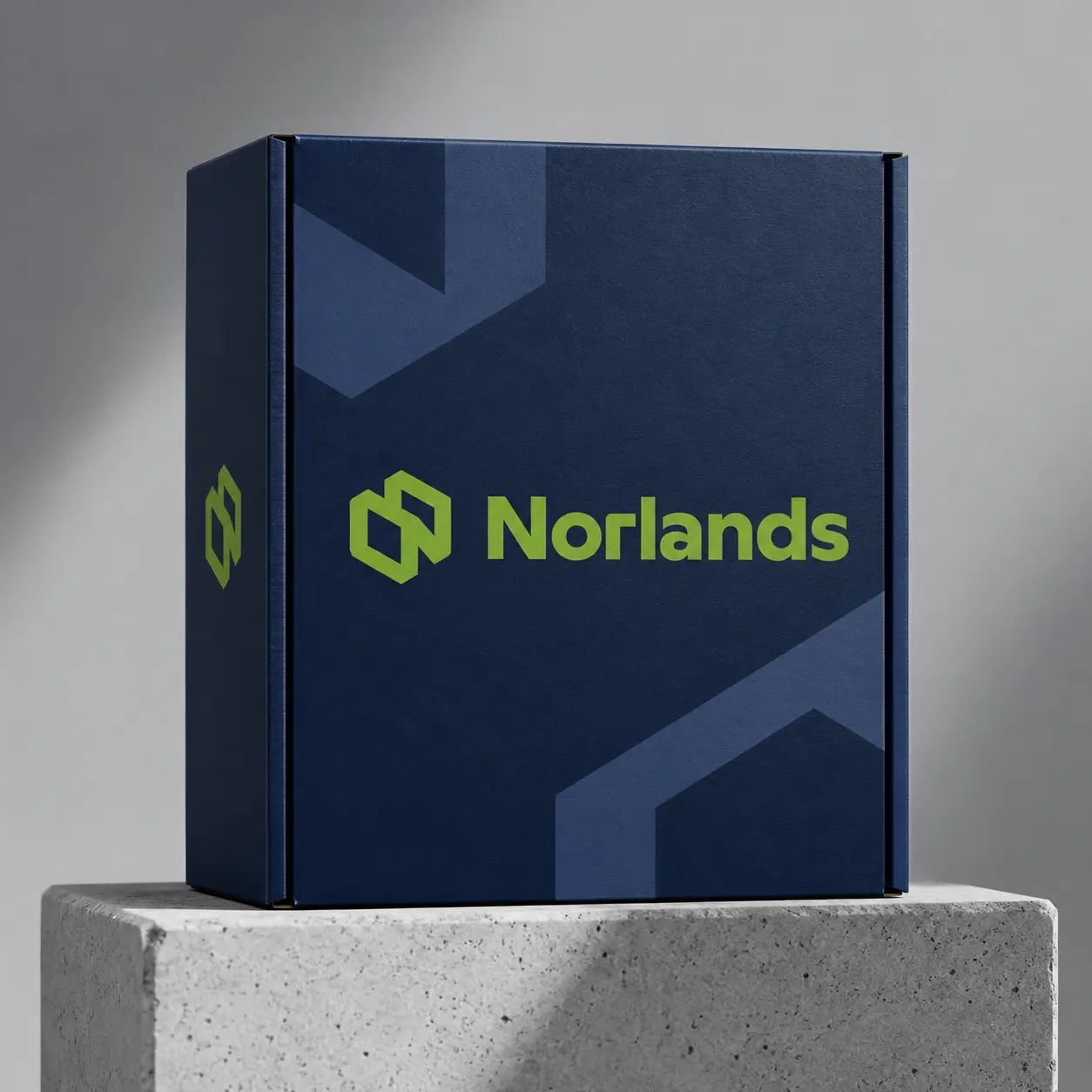
For repeat commercial applications, custom packing boxes Vancouver can be developed with specific dimensions, structures, corrugated specifications, inserts, and printing.
Corrugated vs Cardboard Packing Boxes
People searching for packing boxes Vancouver often use “cardboard boxes” and “corrugated boxes” interchangeably. Understanding the difference can help when comparing boxes for moving, storage, or shipping.
What People Usually Mean by Cardboard Boxes
“Cardboard box” is commonly used as a general term for paper-based boxes. Many boxes used for moving and shipping, however, are constructed from corrugated board.
How Corrugated Boxes Are Constructed
Corrugated construction uses liner material with a fluted layer. This construction creates the familiar board used for many moving, shipping, and storage cartons.
Corrugated board is constructed by combining flat liner papers with a fluted inner medium. This layered structure creates greater rigidity and resistance than the individual paper layers alone, which is one reason corrugated packaging is widely used when boxes need to withstand handling, stacking, and transportation.
Why Fluting Adds Strength
The fluted structure contributes to the physical performance of corrugated packing boxes Vancouver, making corrugated construction useful for applications where stacking, handling, or transportation places greater demands on the package.
When Corrugated Boxes Are the Better Choice
Corrugated boxes can be appropriate when belongings or products need structural protection during moving, shipping, stacking, or storage. The required construction still depends on the contents, weight, and handling conditions.
How to Choose the Right Packing Box Size
Size is one of the most important decisions when choosing packing boxes Vancouver. The goal is not to fit as much as possible into each box. The goal is to keep the packed carton manageable while providing enough space for appropriate protection.
Small Boxes for Heavy Items
Dense items can quickly make a large carton excessively heavy. Smaller boxes can keep books, canned goods, tools, documents, and other heavy contents easier to handle.
Medium Boxes for General Household Items
Medium packing boxes Vancouver are useful for many everyday belongings because they balance internal capacity with manageable packed size.
Large Boxes for Lightweight Products
Large boxes are better suited to lightweight, bulky contents. Bedding, pillows, clothing, and similar items can occupy significant volume without making the finished carton unnecessarily heavy.
Avoiding Overloaded Boxes
A box should not be loaded simply until no more items fit. Contents, total weight, box construction, condition, and handling requirements should all be considered.
Avoiding Excessive Empty Space
At the opposite extreme, oversized packing boxes Vancouver can leave too much empty space. This can allow contents to move and increase the amount of protective material or void fill required.
Simple Size Rule:
Use smaller packing boxes Vancouver for dense and heavy contents, medium boxes for general household items, and larger boxes primarily for lightweight bulky belongings.
Small Packing Boxes Vancouver
Small packing boxes Vancouver are especially useful when the contents are compact but relatively heavy. Smaller cartons can help prevent a packed box from becoming unnecessarily difficult to lift or transport.
Books
Books are dense and can create substantial packed weight quickly. Smaller boxes allow the load to be distributed across several manageable cartons.
Canned Goods
Canned goods are another example of dense contents that can make oversized boxes difficult to handle. Smaller packing boxes Vancouver can provide a more practical packing format.
Small Tools
Tools can be compact but heavy, so box size and structural condition should reflect the total packed weight.
Documents
Paper and files become heavy when packed in quantity. Smaller boxes or appropriate archive-style cartons can make document packing easier to organize and handle.
Dense and Heavy Items
As a general principle, dense items should be distributed among appropriately sized packing boxes Vancouver instead of concentrating too much weight inside one oversized carton.
Medium Packing Boxes Vancouver
Medium packing boxes Vancouver provide a versatile option for household moves, storage, office packing, and general belongings that do not require a specialized box.
Kitchen Items
Many kitchen items can be packed in medium boxes, with fragile pieces receiving appropriate individual protection where necessary.
Small Appliances
Small appliances may fit well into medium cartons depending on their dimensions, weight, fragility, and the protective materials required around them.
Decorations
Decorative items vary considerably in shape and fragility. Medium packing boxes Vancouver can work when the box provides enough room for suitable protection without excessive internal movement.
Toys
Medium boxes can accommodate many toys and household items while remaining easier to handle than unnecessarily large cartons.
General Household Goods
For many everyday belongings, medium boxes provide a useful balance between capacity and manageable packed weight.
Need packaging that fits your product, timeline, and budget?
Tell us what you’re packaging and we’ll help you find the right box style, material, and production path.

Large Packing Boxes Vancouver
Large packing boxes Vancouver provide additional volume, but that volume should be reserved primarily for lightweight items. Filling large boxes with dense products can make them difficult to lift and place greater demands on the carton.
Bedding
Blankets, sheets, duvets, and other bedding can occupy significant space without creating the same concentrated weight as books or tools.
Pillows
Pillows are lightweight but bulky, making them suitable candidates for larger packing cartons.
Clothing
Depending on the packing method, clothing can also be placed in larger packing boxes Vancouver when the final packed weight remains manageable.
Lightweight Household Items
Other bulky but lightweight household items may also benefit from larger boxes, provided they do not require a more specialized structure.
Why Heavy Items Should Not Go in Oversized Boxes
Large dimensions can encourage overpacking. When dense items are loaded into oversized boxes, the finished carton may become difficult to lift and place greater demands on the box during handling and transportation.
Heavy-Duty Packing Boxes for Heavier or Fragile Items
Some applications place greater structural demands on packing boxes Vancouver. Heavy products, fragile belongings, stacking, or long-distance transportation may require stronger corrugated construction.
When Standard Corrugated Boxes May Not Be Enough
Standard corrugated boxes may not suit every load. Product weight, fragility, stacking, handling, and transportation conditions should be considered when deciding whether stronger construction is necessary.
Double-Wall Corrugated Construction
Double-wall corrugated construction can provide additional structural performance for more demanding packing boxes Vancouver applications.
Stacking Requirements
If packed cartons will be stacked during storage, moving, warehousing, or transportation, the expected load and box construction should be considered.
Long-Distance Transportation
Boxes travelling longer distances may encounter additional handling stages. The selected packaging should reflect the actual journey and the protection required by the contents.
Reducing Box Failure
Choosing a box with appropriate construction, keeping packed weight manageable, sealing the carton properly, and avoiding unsuitable or damaged boxes can all contribute to better packing performance.
Packing Boxes Vancouver for Fragile Items
Fragile products require more than simply stronger packing boxes Vancouver. Appropriate box size, individual protection, separation, internal cushioning, and control of product movement all contribute to safer packing.
Glassware
Glassware should be protected individually where appropriate and positioned so fragile surfaces are not left to move freely or strike one another inside the carton.
Dishes and Ceramics
Dishes and ceramics require appropriate protection and separation. Dividers or other protective materials may be useful depending on the items being packed.
Electronics
Electronics vary in size, weight, shape, and fragility. Packing boxes Vancouver for electronics should provide enough space for required protection without creating excessive movement.
Artwork and Decorative Items
Artwork and decorative objects can have irregular shapes or vulnerable surfaces. The box and protective materials should be selected around the individual item.
Using Dividers and Inserts
Dividers and inserts can help separate fragile products, organize multiple items, and limit direct contact between individual pieces.
Reducing Movement Inside the Box
Excessive internal movement can increase the risk of fragile items contacting each other or the walls of the box. Correctly sized packing boxes Vancouver combined with appropriate protective materials can help control that movement.
Fragile Packing Principle:
For fragile contents, the best packing boxes Vancouver combine appropriate size and structural strength with individual protection, separation, and reduced movement inside the carton.
Packing Boxes Vancouver for Moving
Choosing the right packing boxes Vancouver before a move can make packing, lifting, stacking, transportation, and unpacking more manageable. Instead of buying one box size for everything, it is usually better to plan a combination of small, medium, large, and stronger boxes according to what will actually be packed.
The best packing boxes Vancouver for moving should reflect the weight and fragility of the contents as well as how the boxes will be handled during transportation.
Planning Box Sizes Before Packing
Before packing begins, separate belongings into general groups. Dense items such as books and documents may require smaller cartons, general household goods can often use medium boxes, and lightweight bulky items may be better suited to larger boxes.
Planning the size mix in advance can make it easier to use packing boxes Vancouver efficiently instead of trying to adapt every item to the same carton.
Keeping Individual Boxes Manageable
A box should remain practical to lift and move once packed. Large cartons can become difficult to handle when filled with dense belongings, even if there is technically enough room inside.
Packing Room by Room
Packing room by room can help keep related belongings together and make the destination of each box easier to identify during unloading.
Labelling Moving Boxes
Labels can identify the contents and intended destination of packing boxes Vancouver. This can be particularly useful when many boxes are being moved at the same time.
Preparing Boxes for Transportation
Before transportation, boxes should be appropriately packed, closed, sealed, and labelled. The condition of each carton should also be suitable for the weight and protection requirements of its contents.
Packing Boxes Vancouver for Storage
Storage places different demands on packing boxes Vancouver than a short move. Boxes may remain packed for longer periods, may be stacked, and may need to protect contents while they remain in a storage environment.
Short-Term Storage
For short-term storage, choose boxes according to the contents, weight, handling requirements, and how the cartons will be organized or stacked.
Long-Term Storage
For longer storage periods, box condition becomes especially important. Packing boxes Vancouver intended for long-term storage should be clean, dry, structurally sound, and appropriately sized for their contents.
Stackable Boxes
If cartons will be stacked, consider the weight of individual boxes and the demands placed on boxes lower in the stack.
Archive and Document Storage
Documents and paper can become surprisingly heavy when packed in quantity. Smaller or appropriately sized archive boxes can make records easier to organize, lift, and store.
Protecting Boxes From Moisture
Moisture can affect the condition of corrugated packaging. Storage conditions should therefore be considered when deciding where and how packed cartons will be kept.
Avoiding Overloaded Storage Cartons
Do not use the available internal volume as the only guide to how much should go inside a box. The total weight, construction, condition, stacking, and handling requirements of packing boxes Vancouver also matter.
Packing Boxes Vancouver for Shipping
Shipping packing boxes Vancouver requires thinking beyond the initial packing process. The carton may be handled, stacked, transported, and transferred before reaching its destination, so product fit, protection, corrugated strength, sealing, and empty space all need consideration.
Choosing a Box Around the Product
Start with the dimensions, weight, and fragility of the product. The box should provide enough space for the product and required protection without being unnecessarily oversized.
Allowing Room for Protective Materials
Fragile or vulnerable products may require protective materials around them. When selecting packing boxes Vancouver for shipping, this space should be considered before the final box size is chosen.
Reducing Empty Space
Too much empty space can allow products to move inside the carton and may require additional void fill. A more appropriate box size can help create a more controlled internal packing environment.
Choosing Appropriate Corrugated Strength
The appropriate corrugated construction depends on product weight, fragility, stacking, handling, and transportation requirements. Stronger construction is not automatically required for every shipment.
Sealing Boxes for Transportation
Once packed, packing boxes Vancouver should be properly closed and sealed for the intended transportation process.
Long-Distance Shipping Considerations
Longer shipping journeys may involve additional handling and transportation stages. Box strength, product protection, internal movement, and packed weight should therefore be considered in relation to the complete journey.
Shipping Box Principle:
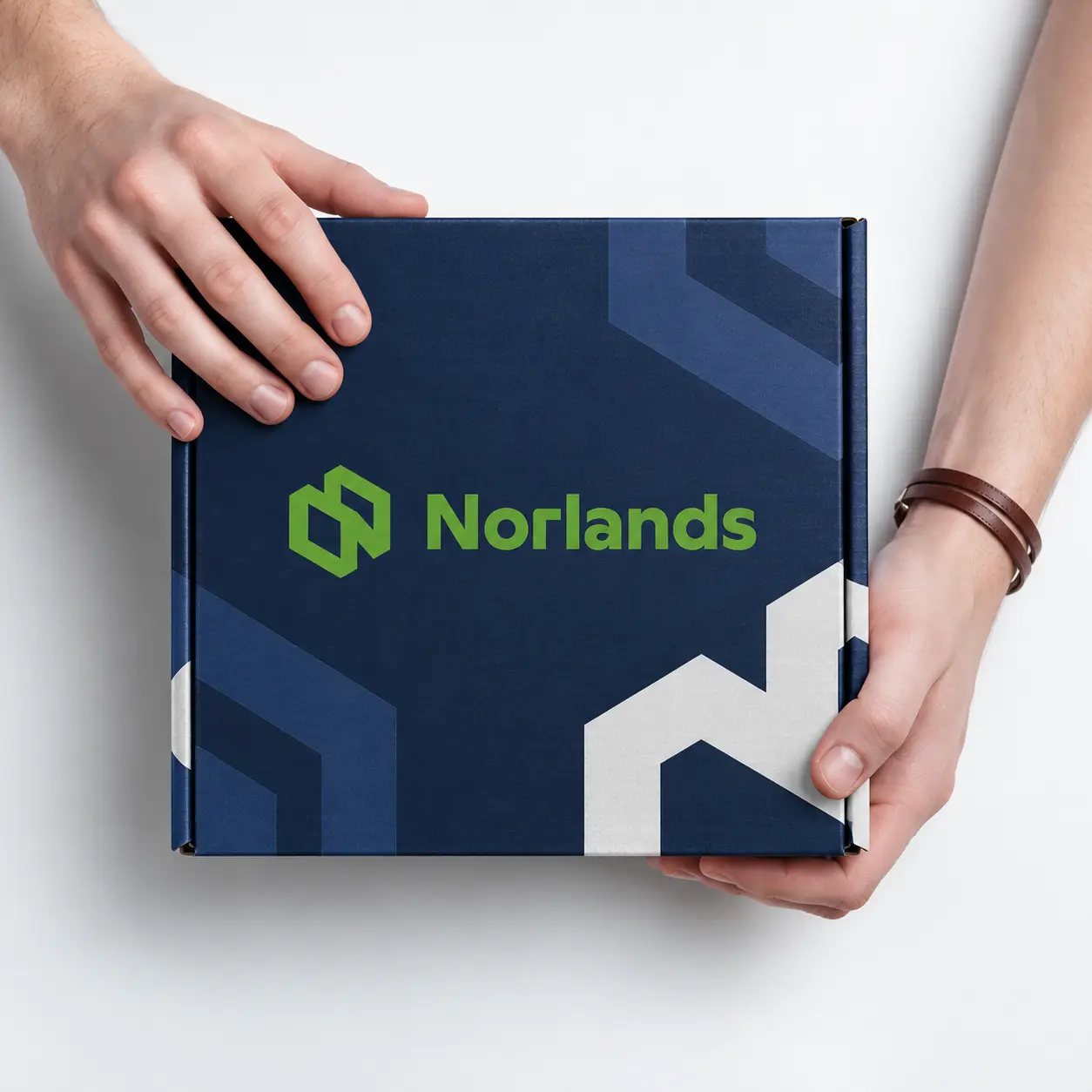
When choosing packing boxes Vancouver for shipping, match the box to the product first. Allow enough room for necessary protection, reduce excessive empty space, select appropriate corrugated strength, and prepare the package for the actual transportation journey.
Packing Boxes Vancouver for Business Relocations
Business moves can involve office equipment, documents, electronics, inventory, and other items with very different packing requirements. A planned range of packing boxes Vancouver can help keep these items separated, labelled, and easier to organize throughout the relocation.
Office Equipment
Office equipment should be packed according to its dimensions, weight, fragility, and transportation requirements rather than simply placed into whichever box is available.
Documents and Archives
Files, records, and documents can become heavy quickly. Smaller cartons or archive-style boxes may be easier to manage than oversized boxes.
Computers and Electronics
Computers and electronics may require additional protection and careful control of movement inside the box. Appropriate packing boxes Vancouver should provide enough space for protection without creating unnecessary internal movement.
Inventory
Business inventory can be organized according to product type, department, destination, or other operational requirements during a relocation.
Labelling Boxes by Department or Location
Clearly identifying the destination of each carton can make unpacking and redistribution more organized when boxes arrive at the new business location.
How to Pack a Box Properly
Even well-selected packing boxes Vancouver need to be packed correctly. Box size, internal protection, weight distribution, sealing, and labelling all contribute to the final packed carton.
Truck Box Manufacturers Canada: Custom Corrugated Packaging for Heavy, Large, and Industrial Products
Quick question:
You might also like
Step 1: Choose the Correct Box
Select the box according to the contents, weight, fragility, protection requirements, and destination. Avoid choosing a carton simply because it is the largest available.
Step 2: Reinforce the Bottom When Necessary
Prepare the bottom of the carton appropriately for the contents and packed weight when additional reinforcement is necessary.
Step 3: Add Appropriate Protective Material
Use protective material according to the needs of the contents. Fragile items may require more individual protection than durable household goods.
Step 4: Place Heavier Items at the Bottom
When compatible items are packed together, placing heavier contents lower in the box can help create a more stable arrangement.
Step 5: Fill Unnecessary Empty Space
Use appropriate material where necessary to control excessive movement inside packing boxes Vancouver.
Step 6: Avoid Overpacking
Do not continue adding contents until a box becomes difficult to close, unsafe to handle, or unsuitable for its intended journey.
Step 7: Close and Seal the Box
Once packing is complete, close and seal the carton appropriately for moving, storage, or transportation.
Step 8: Label the Contents and Destination
Identify what the box contains and where it needs to go. For a move or business relocation, destination labels can make sorting and unpacking considerably easier.
A Better Packing Sequence:
The performance of packing boxes Vancouver depends on more than the carton itself. Choose the correct box, protect the contents, manage weight distribution, control empty space, avoid overpacking, seal the carton, and label it clearly.
How to Pack Fragile Items Safely
Fragile belongings require a more controlled packing approach. Appropriate packing boxes Vancouver, individual protection, separation, cushioning, and reduced internal movement can all contribute to safer packing.
Wrap Items Individually
Where appropriate, fragile pieces should receive individual protection rather than relying only on cushioning around the outside of a group of items.
Prevent Direct Contact Between Fragile Products
Glassware, ceramics, and other fragile surfaces should be packed so that unnecessary direct contact is reduced.
Use Dividers Where Appropriate
Dividers can separate multiple fragile items and help maintain their position inside packing boxes Vancouver.
Fill Empty Space
Excessive empty space can allow contents to shift. Appropriate protective material can be used to reduce unnecessary movement where needed.
Avoid Excessive Box Weight
A fragile-item box should remain manageable. Adding too many items can increase weight and make the carton more difficult to handle safely.
Clearly Identify Fragile Contents
Clearly identifying boxes containing fragile items can help distinguish them from general household or office cartons during a move.
How Much Weight Should You Put in a Packing Box?
There is no single weight limit that applies to all packing boxes Vancouver. Capacity depends on material strength, box construction, condition, dimensions, contents, and how the carton will be handled.
Why Box Size Alone Does Not Determine Capacity
A large box is not automatically suitable for a heavy load. Larger cartons filled with dense items can become difficult to lift and may place greater demands on the packaging structure.
Material Strength
The material specification influences how the box performs under the expected load and handling conditions.
Box Construction
Different corrugated constructions provide different levels of structural performance. The appropriate packing boxes Vancouver should be matched to the application rather than selected by dimensions alone.
Condition of the Box
Moisture, crushing, tears, creases, and previous use can affect box condition and should be considered before a carton is loaded.
Handling Requirements
A box that needs to be manually carried should remain manageable for the intended handling process.
Keeping Boxes Safe to Lift
Distributing dense belongings among several smaller cartons can be more practical than concentrating them in one oversized box.
New vs Used Packing Boxes Vancouver
Used packing boxes Vancouver can sometimes be suitable for moving or storage, but their condition matters. Previous use, moisture exposure, crushing, tears, and damaged corners can reduce the reliability of a carton.
When Used Boxes May Be Suitable
Used boxes may be suitable when they remain clean, dry, structurally sound, and appropriate for the weight and type of contents being packed.
Loss of Structural Strength
Repeated handling, previous loading, folding, and crushing can affect the condition of corrugated boxes.
Moisture Damage
Boxes that have been exposed to moisture may not provide the same condition expected from clean, dry cartons.
Crushed Corners and Creases
Crushed corners, damaged panels, significant creasing, or tears are signs that used packing boxes Vancouver should be evaluated carefully before reuse.
Contamination and Cleanliness
Previous contents and storage conditions should also be considered. A box that is dirty or contaminated may not be suitable for another packing application.
When New Boxes Are the Better Choice
New boxes may be more appropriate when consistent condition, structural reliability, cleanliness, presentation, or protection of valuable contents is important.
Packing Materials to Use With Packing Boxes
The box is only one part of the packing system. Depending on the contents, packing boxes Vancouver may be used with paper, corrugated inserts, dividers, protective wrap, void fill, tape, and labels.
Packing Paper
Packing paper can be used where appropriate to wrap items, separate surfaces, or contribute to internal protection.
Corrugated Inserts
Corrugated inserts can support or position products inside a box and may be particularly useful for more structured packing requirements.
Dividers
Dividers can separate multiple items inside packing boxes Vancouver and reduce direct contact between individual products.
Protective Wrap
Protective wrap can provide additional cushioning for items that require individual surface or impact protection.
Void Fill
Void fill can be used to control unnecessary movement when some empty space remains after the product and required protection are placed inside the carton.
Packing Tape
Tape is used to close and seal packing boxes Vancouver for their intended moving, storage, or transportation application.
Labels
Labels can identify contents, destination, room, department, or other information that makes packed cartons easier to organize and handle.
Frequently Asked Questions About Packing Boxes Vancouver
If you are comparing packing boxes Vancouver for moving, storage, shipping, or business use, the right choice depends on what you are packing, how heavy it is, how much protection it needs, and where the box is going. These frequently asked questions cover some of the most important considerations when selecting and using packing boxes Vancouver.
Where can I buy packing boxes in Vancouver?
Packing boxes Vancouver are available through packaging suppliers, moving-supply businesses, storage companies, retailers, and commercial packaging manufacturers. The right source depends on the sizes, corrugated strength, quantity, and intended application you require.
What size packing boxes should I use for moving?
Use smaller packing boxes Vancouver for dense or heavy items, medium boxes for general household goods, and larger boxes primarily for lightweight and bulky belongings. Using several box sizes is generally more practical than trying to pack everything into one format.
What are the best boxes for packing heavy items?
Smaller corrugated boxes are often easier to manage when packing heavy contents. The appropriate construction and board strength of packing boxes Vancouver depend on the weight of the contents and the transportation and handling conditions.
Are cardboard boxes strong enough for moving?
Appropriate corrugated boxes are widely used for moving. Whether specific packing boxes Vancouver are suitable depends on their construction, condition, contents, packed weight, stacking requirements, and handling.
Can I use old boxes for moving?
Used packing boxes Vancouver may be suitable when they remain clean, dry, structurally sound, and undamaged. Boxes weakened by moisture, crushing, tears, damaged corners, or repeated use may provide less protection.
How many packing boxes do I need when moving?
There is no single number that works for every move. The number of packing boxes Vancouver you need depends on home size, number of occupants, amount of belongings, packing habits, and the mix of box sizes being used. A combination of different sizes generally works better than relying on one large box format.
How do I pack fragile items in boxes?
Choose appropriately sized packing boxes Vancouver, protect fragile items individually, separate vulnerable surfaces, use suitable cushioning or dividers, reduce movement inside the carton, and avoid overloading the box.
Should packing boxes have empty space inside?
Some internal space may be necessary for protective materials, but excessive empty space inside packing boxes Vancouver can allow contents to move and increase the amount of void fill required. The box should provide enough room for protection without being unnecessarily oversized.
Are packing boxes recyclable?
Many clean corrugated packing boxes Vancouver can enter appropriate recycling streams. Local recycling requirements and contamination can affect whether a particular box is accepted.
Can businesses order custom packing boxes?
Yes. For repeat commercial applications, custom packing boxes Vancouver can be developed with specific dimensions, structures, corrugated specifications, inserts, and printing according to the requirements of the packaging application.
The right packing boxes Vancouver should be selected around what you are packing, how heavy and fragile the contents are, and where the packed box needs to go.
Norlands provides packing boxes Vancouver for moving, storage, shipping, business relocations, and commercial applications, with options including corrugated boxes, heavy-duty cartons, custom-sized boxes, protective inserts, dividers, and other packaging solutions designed to improve fit and protection.
For businesses with repeat packaging requirements, custom dimensions and corrugated specifications can also help reduce unnecessary empty space, control product movement, and create a more efficient packing and shipping system.
Explore Norlands’ corrugated and custom packaging solutions, connect with the Norlands team to discuss your box sizes, quantities, and protection requirements, or request a custom quote for packing boxes Vancouver matched to your contents, handling conditions, and destination.
Conclusion: Choose Packing Boxes Vancouver Around What You Are Packing
The best packing boxes Vancouver are not necessarily the largest, strongest, or most expensive boxes available. The right choice begins with understanding the contents and then matching box size, structural strength, protective material, and packing technique to the actual job.
Whether you are moving a household, placing belongings into storage, shipping products, packing fragile items, or relocating a business, the same fundamental framework applies to packing boxes Vancouver: Contents → Weight → Protection → Destination.
Small, Medium, or Large Packing Boxes Vancouver?
Choosing between small, medium, and large packing boxes Vancouver should be based primarily on the characteristics of the contents. Dense belongings such as books, documents, canned goods, and tools can make oversized boxes difficult to handle, making smaller cartons more practical.
Medium packing boxes Vancouver can handle many general household goods, while larger boxes are better suited to lightweight and bulky belongings such as bedding, pillows, clothing, and similar items.
This approach also explains why using only one box size is rarely the most practical packing strategy. A mix of sizes allows the box to follow the contents rather than forcing every item into the same format.
Protection Matters as Much as Box Size
Box dimensions alone do not determine how well packing boxes Vancouver protect their contents. Fragility, packed weight, corrugated construction, internal protection, box condition, sealing, and handling conditions also influence the complete packing system.
For fragile items, appropriately sized packing boxes Vancouver should be combined with suitable protection. Items can be protected individually, separated where appropriate, and packed in a way that reduces unnecessary movement inside the carton.
Think About the Destination Before You Pack
The destination can change what you need from packing boxes Vancouver. A box intended for short-term storage may face different conditions from one being transported during a household move or shipped over a longer distance.
Storage can introduce stacking and environmental considerations, while transportation can involve repeated handling. For this reason, selecting packing boxes Vancouver should include consideration of the complete journey rather than only the moment when items are first placed into the box.
Where Should You Buy Packing Boxes Vancouver?
Packing boxes Vancouver can be sourced through packaging suppliers, moving-supply businesses, storage suppliers, retailers, and commercial packaging manufacturers. The appropriate supplier depends on whether you need a few standard cartons, multiple box sizes, stronger corrugated options, packing materials, bulk quantities, or custom packaging for repeat commercial use.
When comparing suppliers for packing boxes Vancouver, consider the available box-size range, corrugated strength options, packing materials, bulk quantities, custom box capabilities, and local supply and support.
Final Packing Principle:
Good packing does not begin with finding the biggest box. It begins by understanding the contents. Choose packing boxes Vancouver based on what is going inside, how heavy it will be, how much protection it requires, and where the packed box needs to go.
When size, strength, protection, weight distribution, and destination are considered together, packing boxes Vancouver become more than simple containers. They become part of a complete packing system designed to make moving, storage, shipping, and commercial packing more organized and appropriate for the contents.


No comment