
introduction
Corrugated boxes Canada businesses use every day play an essential role in product protection, shipping, warehouse storage, retail distribution, and e-commerce fulfillment. From small shipping cartons to heavy-duty industrial packaging, the right corrugated box helps products move through the supply chain with appropriate protection and efficient handling.
For Canadian manufacturers, retailers, e-commerce brands, wholesalers, and logistics operations, choosing corrugated boxes Canada is not simply about finding a cardboard container. It involves selecting the right box style, dimensions, board construction, strength, protective components, and production quantity for a specific application.
A lightweight consumer product shipped directly to a customer may require a different corrugated packaging solution from a heavy industrial component transported on a pallet. Similarly, packaging designed for retail presentation may have different requirements from cartons used primarily for warehouse storage or freight distribution.
This guide explains how to evaluate corrugated boxes Canada, compare common box types, understand corrugated strength, select appropriate dimensions, and make better packaging decisions for Canadian business operations.
What Are Corrugated Boxes?
Corrugated boxes are packaging containers made from corrugated fibreboard, which typically combines flat linerboards with a fluted paper medium. This construction provides structural strength and cushioning, making corrugated boxes suitable for shipping, storage, product protection, and commercial distribution.
When businesses search for corrugated boxes Canada, they are usually looking for packaging that can support the practical requirements of transporting and storing products while remaining efficient to handle and manufacture.
How Corrugated Cardboard Is Constructed
Corrugated cardboard uses a layered construction rather than a single flat sheet of paperboard. Its distinctive fluted medium is positioned between flat liner materials, creating a structure that contributes to the board’s rigidity and protective performance.
The construction can vary depending on the application. Some corrugated boxes use single-wall board, while others use double-wall or triple-wall configurations for more demanding requirements.
Linerboard and Fluted Medium
Linerboard forms the flat surfaces of corrugated board. The fluted medium is the wave-shaped paper layer that separates and supports the liners.
Together, these components create the structure used in many corrugated boxes Canada manufacturers and suppliers provide for commercial packaging.
The selected materials, flute profile, board grade, and number of walls influence how the finished packaging performs.
Corrugated Boxes vs Regular Cardboard Boxes
The word cardboard is often used as a general description for paper-based packaging materials. However, corrugated board has a specific layered structure that distinguishes it from flat paperboard.
Paperboard is commonly used for certain folding cartons and lighter retail packaging applications. Corrugated fibreboard is widely used where shipping, handling, stacking, and product protection are important considerations.
For businesses comparing cardboard boxes and corrugated boxes Canada, understanding the actual material construction is more useful than relying only on the word cardboard.
Why Corrugated Packaging Is Widely Used
Corrugated packaging offers a practical combination of structural performance, relatively lightweight construction, available box styles, customizable dimensions, printing options, and potential recyclability.
These characteristics make corrugated boxes relevant across e-commerce, retail, manufacturing, food and beverage distribution, warehousing, and industrial packaging.
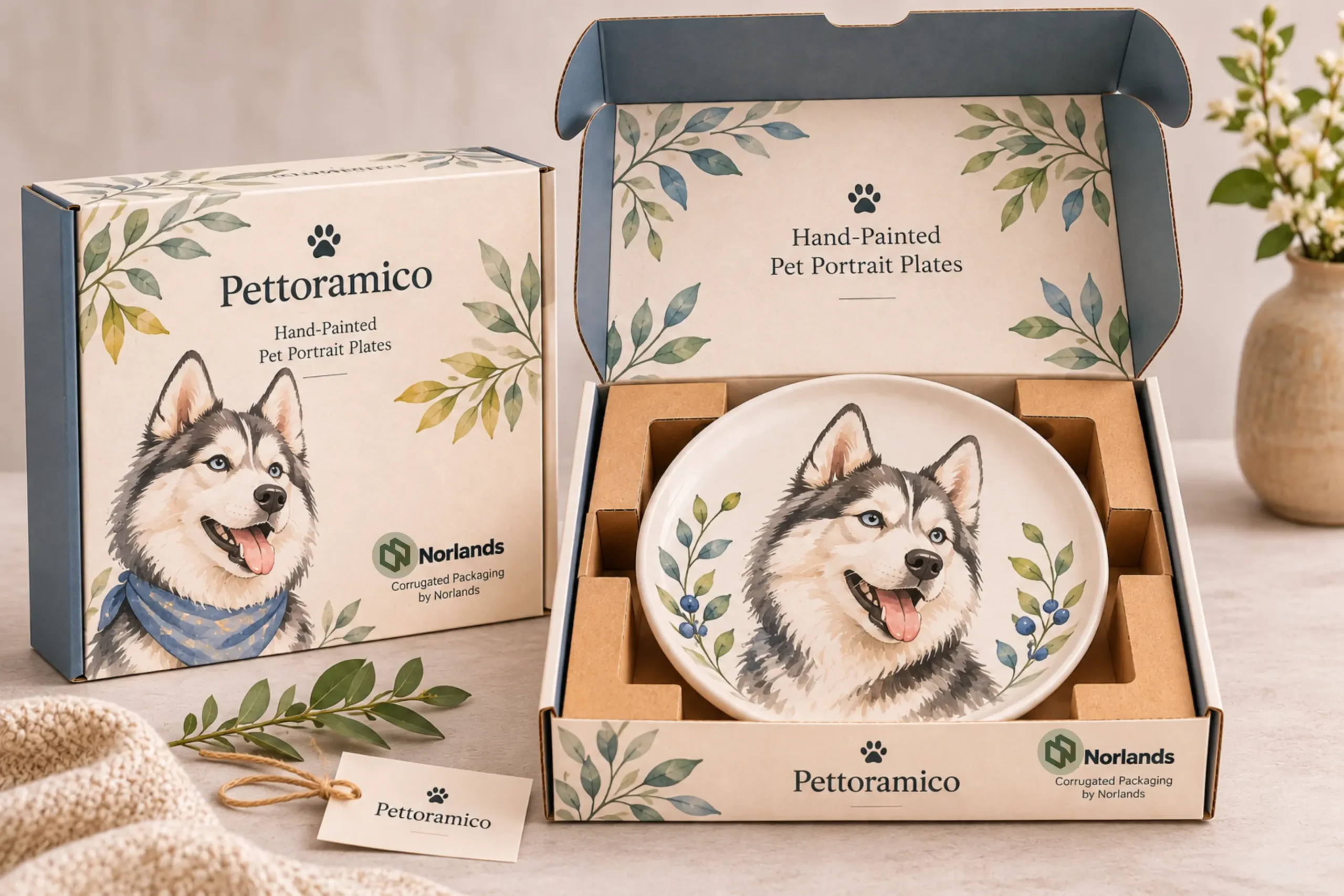
Why Canadian Businesses Use Corrugated Boxes
Businesses across Canada use corrugated packaging because it can be adapted to many different products and distribution requirements. The value of corrugated boxes Canada comes from matching the packaging construction to the application rather than assuming that one box design will work for every shipment.
Product Protection
Corrugated boxes help contain and protect products during storage, handling, and transportation. Their performance depends on the selected board construction, box dimensions, product weight, internal protection, and distribution conditions.
Lightweight Construction
Corrugated fibreboard can provide useful structural performance without the weight associated with many rigid packaging alternatives. This can be valuable for applications where packaging weight and handling efficiency matter.
Efficient Handling and Storage
Many corrugated cartons can be supplied flat and assembled when needed. Depending on the box style, this can simplify storage of empty packaging and support organized packing operations.
Customizable Dimensions
Corrugated boxes Canada can be produced in dimensions suited to the product, helping businesses avoid excessive empty space and select packaging that better matches their requirements.
Printing and Branding Options
Corrugated packaging can carry company logos, product information, handling instructions, graphics, and other printed elements where suitable printing methods are used.
Recyclability Considerations
Many clean corrugated boxes can enter appropriate recycling systems. Actual acceptance depends on local recovery requirements, coatings, contamination, and additional packaging materials.
Types of Corrugated Boxes Available in Canada
There are several common styles of corrugated boxes Canada businesses can consider. Each structure is designed around different requirements for packing, protection, assembly, product presentation, and transportation.
Regular Slotted Containers (RSC)
Regular slotted containers, commonly called RSC boxes, are among the most familiar corrugated shipping carton styles.
They typically have four top flaps and four bottom flaps, with the major flaps meeting near the centre when closed. Their practical construction makes them suitable for many general shipping, storage, and distribution applications.
RSC cartons are frequently considered when purchasing corrugated boxes Canada for routine business packaging requirements.
Half Slotted Containers (HSC)
Half slotted containers resemble RSC boxes but have flaps on only one end, leaving the opposite end open.
They can be useful for certain storage, handling, display, or specialized packaging applications, sometimes in combination with a separate cover.
Die-Cut Corrugated Boxes
Die-cut boxes use specifically shaped cutting and creasing patterns to create packaging structures beyond conventional slotted cartons.
These structures can incorporate locking tabs, specialized openings, product-support features, and other elements designed around a particular packaging application.
Corrugated Mailer Boxes
Corrugated mailer boxes are often used for e-commerce, subscription products, promotional kits, and direct-to-consumer shipments.
Depending on the design, mailers may incorporate folding panels, locking features, and presentation-oriented openings.
Corrugated Trays
Corrugated trays are commonly used to contain, organize, transport, or present products where an open-top structure is appropriate.
Applications can include retail display, product grouping, and selected food and beverage distribution requirements.
Telescoping Corrugated Boxes
Telescoping boxes use separate components that fit over or within one another, commonly involving a base and cover.
This style can be useful when packaging dimensions, product access, or structural requirements make a two-piece configuration appropriate.
Heavy-Duty Industrial Boxes
Heavy-duty corrugated boxes are designed for applications involving heavier products or more demanding handling and distribution requirements.
Depending on the application, these may use stronger board grades, multiple corrugated walls, reinforced structures, or protective inserts.
Custom Corrugated Packaging
Custom corrugated packaging can be developed around a specific product’s dimensions, weight, fragility, handling requirements, and presentation needs.
For businesses comparing corrugated boxes Canada, custom packaging may be appropriate when standard cartons create excessive empty space or cannot meet the required structural or functional specifications.
Single-Wall vs Double-Wall vs Triple-Wall Corrugated Boxes
Understanding corrugated wall construction is an important part of selecting corrugated boxes Canada. Single-wall, double-wall, and triple-wall boards use different numbers of fluted mediums and liner layers.
However, wall count alone does not determine whether a box is suitable for a product. Board grade, box dimensions, design, stacking conditions, handling, and product weight must also be considered.
Single-Wall Corrugated Boxes
Single-wall corrugated board contains one fluted medium between two linerboards.
It is commonly used for general shipping, retail distribution, e-commerce fulfillment, and other applications where its selected grade provides adequate performance.
Double-Wall Corrugated Boxes
Double-wall corrugated board uses two fluted mediums and three liner layers.
This construction can provide additional structural performance for heavier products, demanding distribution conditions, or stacking requirements, depending on the board specification and box design.
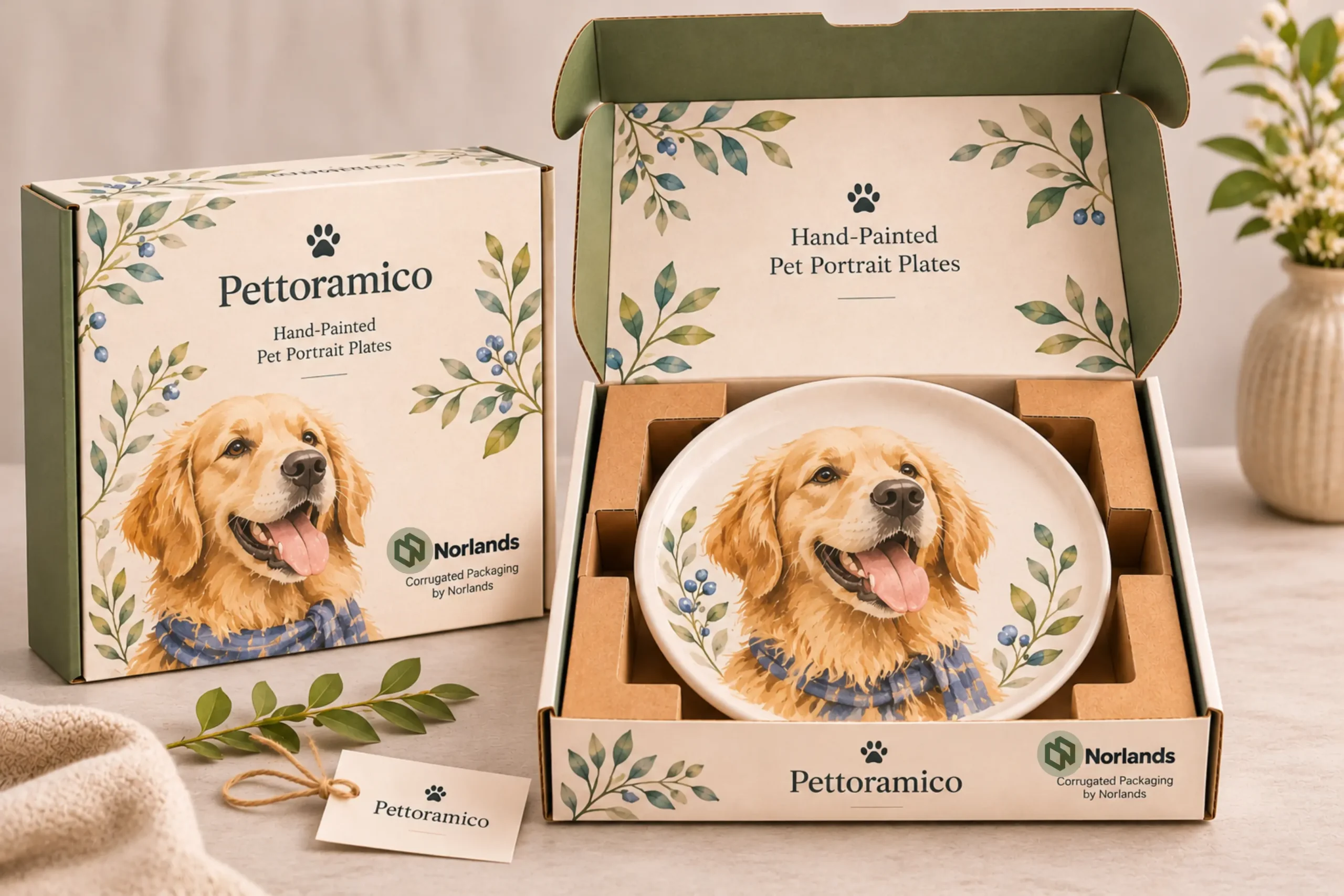
Triple-Wall Corrugated Boxes
Triple-wall corrugated board uses three fluted mediums separated and enclosed by liner materials.
It is used in selected heavy-duty and industrial packaging applications where more demanding structural performance may be required.
Corrugated Wall Construction Comparison
| Construction | General Characteristics | Typical Applications |
|---|---|---|
| Single-Wall | One fluted medium between liners | General shipping, retail distribution, e-commerce |
| Double-Wall | Two fluted mediums | Heavier products, demanding distribution, stacking |
| Triple-Wall | Three fluted mediums | Selected heavy-duty and industrial applications |
How to Choose the Right Construction
When evaluating corrugated boxes Canada, start with the product’s weight, dimensions, fragility, shipping method, and expected handling conditions.
Then determine which board construction and grade can provide the necessary performance without introducing unnecessary packaging material.
When Additional Strength Is Necessary
Additional strength may be relevant for heavier products, demanding freight transportation, palletized loads, extended stacking, or other conditions that place greater structural demands on the packaging.
More Walls Do Not Automatically Mean the Right Box
The best corrugated boxes Canada solution is not always the thickest construction. Actual performance depends on board grade, structural design, dimensions, product requirements, and handling conditions.
Corrugated packaging performance is influenced by the interaction between board construction, flute configuration, and the demands of the distribution environment. Different corrugated structures can provide different protective characteristics, making it important to select packaging according to the actual product and handling requirements rather than board thickness alone.
Understanding Corrugated Flute Types
The flute profile is another important consideration when selecting corrugated boxes Canada. Different flute configurations can influence board thickness, cushioning characteristics, stacking performance, and printing suitability.
A Flute
A flute is a relatively large flute profile that can be relevant where cushioning and board thickness are important considerations.
B Flute
B flute is a smaller flute profile used in a variety of packaging applications where structural performance and a more compact board profile are useful.
C Flute
C flute is commonly used in shipping cartons and general-purpose corrugated packaging.
E Flute
E flute is a thinner flute profile often considered for compact packaging structures and applications where a relatively smooth printing surface is useful.
BC and Other Combined Flutes
Double-wall corrugated board can combine different flute profiles, such as B and C flute, to create a structure suited to particular packaging requirements.
How Flute Selection Affects Packaging Performance
Flute selection should be evaluated together with board grade, box style, dimensions, product protection, printing requirements, and the distribution environment.
When comparing corrugated boxes Canada, flute type is one design variable—not a complete measure of box strength.
How Strong Are Corrugated Boxes?
The strength of corrugated boxes Canada depends on multiple factors, including the board specification, box structure, dimensions, product weight, stacking arrangement, and handling conditions.
Two corrugated boxes that look similar may perform differently because their board grades or structural specifications are not the same.
Edge Crush Test (ECT)
ECT stands for Edge Crush Test. It measures the edgewise compression resistance of corrugated board.
ECT is one factor used when evaluating the stacking-related performance of corrugated packaging, although it does not independently determine the strength of a finished box.
Burst Strength
Burst strength measures the resistance of a material to rupture under a specified testing method.
It provides another way of evaluating corrugated board performance, but it should not be treated as interchangeable with ECT or finished-box compression performance.
Compression and Stacking Strength
Compression performance is particularly relevant when boxes are stacked during storage, palletization, or transportation.
The finished box’s dimensions, board construction, loading arrangement, environmental conditions, and duration of stacking can influence performance.
Product Weight and Box Dimensions
Product weight is an essential consideration when selecting corrugated boxes Canada, but weight alone is not sufficient.
The dimensions of the box, how the contents are positioned, and how the load is supported also matter.
Storage and Handling Conditions
Warehouse storage, repeated handling, pallet stacking, freight transportation, and exposure to changing environmental conditions can affect the demands placed on corrugated packaging.
Why Box Strength Must Match the Application
The correct strength specification should be determined by the real application rather than selecting the strongest available board by default.
For corrugated boxes Canada, the objective is to achieve appropriate protection and structural performance without unnecessary material use or packaging cost.
Corrugated Box Sizes: Standard vs Custom
Box dimensions directly influence product fit, protective packaging requirements, packing efficiency, warehouse storage, and transportation space.
When purchasing corrugated boxes Canada, businesses should compare standard stock dimensions with custom sizing based on the actual product and distribution requirements.
Small Corrugated Boxes
Small corrugated boxes can be useful for compact products, accessories, smaller retail goods, and other applications where limited internal volume is appropriate.
Medium Corrugated Boxes
Medium-sized corrugated cartons provide flexible options for a range of products, including general consumer goods and e-commerce shipments.
Large Corrugated Boxes
Large corrugated boxes can accommodate bulkier products or multiple items, provided the construction is suitable for the final packed weight and handling conditions.
Oversized Corrugated Boxes
Oversized packaging may be required for large or irregularly shaped products. These applications can require additional consideration of structural support, handling, and transportation.
Custom Box Dimensions
Custom dimensions allow corrugated boxes Canada to be developed more closely around the product and its required protective components.
Custom sizing may be particularly useful when available standard boxes create excessive empty space or do not support the required packaging configuration.
How Right-Sizing Affects Packaging Efficiency
Right-sizing aims to reduce unnecessary package volume while preserving sufficient room for product protection and structural performance.
For businesses evaluating corrugated boxes Canada, right-sized packaging can potentially reduce material use, void fill, warehouse-space requirements, and shipping inefficiencies.
How to Choose the Right Corrugated Box
Selecting corrugated boxes Canada should begin with a clear understanding of the product and its actual packaging journey.
The following eight-step process provides a practical starting point for manufacturers, retailers, procurement teams, and e-commerce businesses.
Step 1: Identify the Product
Determine what is being packaged, including its shape, components, surface characteristics, and any requirements that affect handling or protection.
Step 2: Measure Its Dimensions
Record accurate product dimensions and account for any necessary clearance, inserts, protective materials, or assembly requirements.
Step 3: Determine Product Weight
Establish the expected packed weight so the box construction can be evaluated against the actual load.
Step 4: Assess Fragility
Identify whether the product requires cushioning, separation, movement control, or specialized protective packaging.
Step 5: Understand Shipping Conditions
Consider whether the package will move through parcel shipping, e-commerce fulfillment, local delivery, palletized freight, warehouse storage, or other distribution channels.
Step 6: Select Box Construction
Choose an appropriate corrugated box style, board grade, and wall construction based on the product and distribution requirements.
Step 7: Consider Inserts and Protection
Determine whether corrugated dividers, partitions, structural inserts, or other protective components are needed.
Step 8: Determine Order Quantity
Estimate the number of boxes required, taking into account current demand, expected repeat orders, storage capacity, and whether standard or custom production is appropriate.
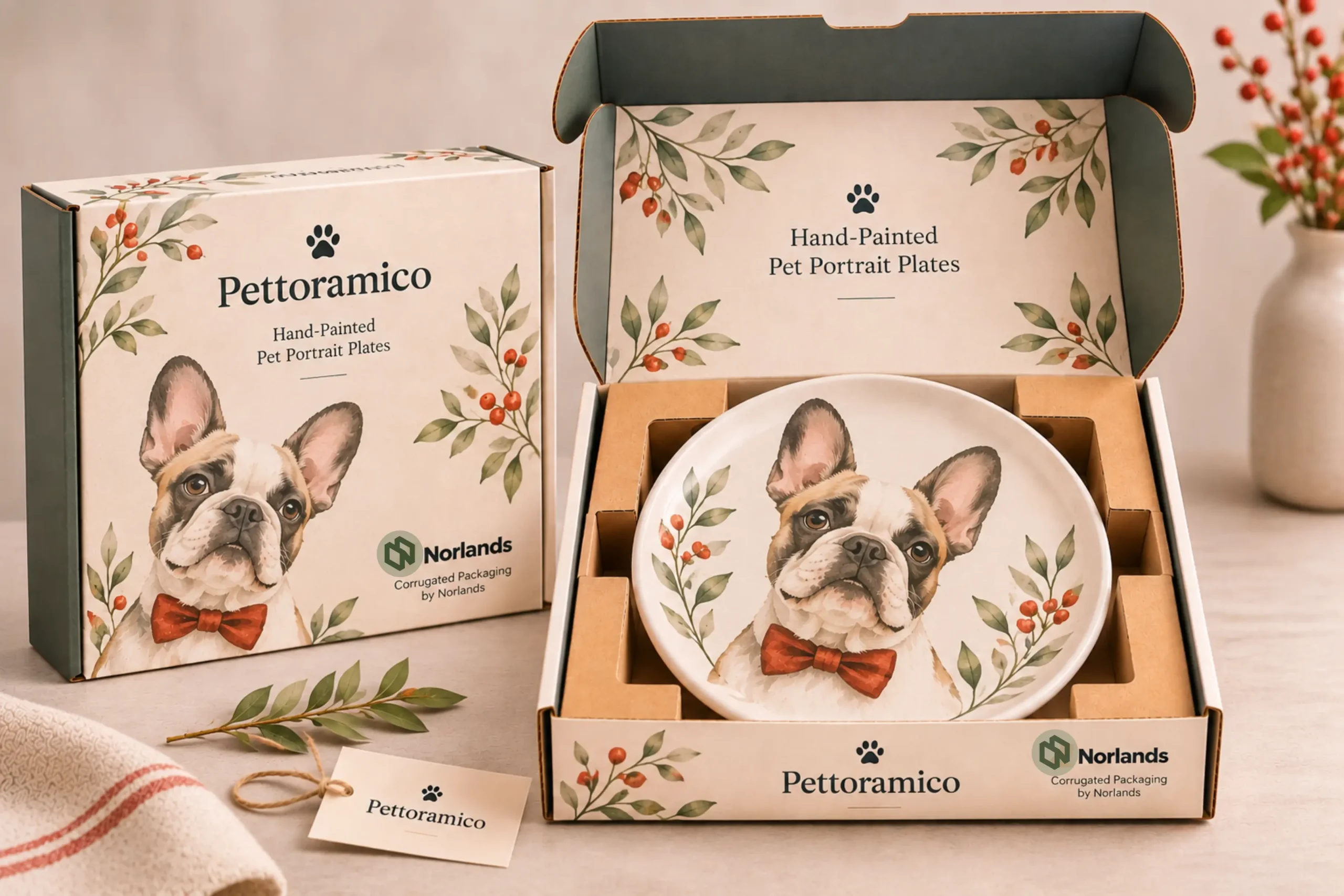
Corrugated Shipping Boxes Canada
Corrugated boxes Canada businesses use for shipping must be selected according to the products they carry and the conditions they will encounter during transportation. A shipping carton may pass through several handling points, be stacked alongside other packages, and experience movement before reaching its destination.
For Canadian companies, corrugated shipping boxes are an important part of product protection and distribution efficiency. Choosing the correct box requires evaluating its dimensions, board strength, structure, internal protection, and intended shipping method.
Domestic Parcel Shipping
Domestic parcel shipping can involve multiple handling and sorting stages. Businesses purchasing corrugated boxes Canada for parcel distribution should consider how the package will protect its contents throughout the delivery process.
The appropriate box should provide sufficient structural performance while avoiding unnecessary internal space. Product movement can be controlled through suitable inserts, cushioning, or other protective components where required.
E-Commerce Fulfillment
E-commerce fulfillment requires packaging that can be assembled, packed, sealed, and handled efficiently.
For businesses ordering corrugated boxes Canada for online sales, consistency is particularly important. Packaging dimensions should align with the products being shipped, and box styles should work with the company’s packing procedures.
Standardized packaging specifications can also help fulfillment teams select appropriate cartons more consistently.
B2B Distribution
Business-to-business distribution may involve shipping products between manufacturers, warehouses, distributors, retailers, and commercial customers.
In these applications, corrugated cartons may need to accommodate multiple units, support stacking, or integrate with palletized distribution.
Corrugated boxes Canada used for B2B distribution should therefore be evaluated as part of the broader logistics process rather than only as individual product containers.
Freight Transportation
Freight transportation can create different requirements from individual parcel shipping. Cartons may be grouped, palletized, stacked, or transported alongside other freight.
Box compression performance, load distribution, pallet configuration, and protective components can become especially important.
Preventing Shipping Damage
Shipping damage can result from several factors, including unsuitable box dimensions, inadequate board strength, insufficient internal protection, excessive product movement, and handling conditions that exceed the packaging’s capabilities.
Businesses evaluating corrugated boxes Canada should identify the actual risks associated with their distribution process and select packaging accordingly.
Choosing Boxes for Canadian Distribution
Shipping conditions can vary depending on whether products move locally, regionally, or across Canada.
The appropriate corrugated packaging solution should account for the distribution route, expected handling, storage conditions, and product characteristics.
Shipping Boxes Must Match the Distribution Journey
The best corrugated boxes Canada solution is not determined by product weight alone. Consider the complete journey: Product → Packing → Handling → Storage → Transportation → Delivery.
Corrugated Boxes Canada for E-Commerce Businesses
E-commerce businesses require packaging that protects products while supporting efficient fulfillment and a positive customer experience. Corrugated boxes Canada used for online orders may also serve as the first physical interaction a customer has with the brand.
The right packaging should balance protection, dimensions, packing efficiency, presentation, and transportation requirements.
Mailer Boxes
Corrugated mailer boxes are commonly considered for direct-to-consumer products, subscription shipments, promotional kits, and other e-commerce applications.
Depending on their structure, mailers can incorporate folding panels, locking features, and a presentation-oriented opening experience.
Shipping Cartons
Traditional corrugated shipping cartons remain practical for many online businesses, especially when products require straightforward protective packaging.
RSC cartons and other suitable box styles can be selected according to the product’s dimensions, weight, and protection requirements.
Branded Unboxing
Printed corrugated boxes Canada can support brand recognition through logos, graphics, colours, and other visual elements.
Branding should be developed alongside the structural design so that the finished package remains functional and appropriate for shipping.
Protective Inserts
Corrugated inserts, partitions, and dividers can help position products within the box and reduce unnecessary movement.
These components may be particularly useful for products with multiple parts or items requiring separation.
Reducing Empty Space
Oversized e-commerce boxes can create unnecessary package volume and increase the amount of filler required.
Right-sized corrugated boxes Canada can potentially reduce these inefficiencies while preserving the necessary protection around the product.
Returns-Friendly Packaging
For businesses where returns are common, packaging design can consider whether the carton may need to be opened, handled, and potentially used again.
Any returns-oriented features should be evaluated against the actual product and fulfillment requirements.
Corrugated Boxes Canada for Retail and Consumer Products
Retail and consumer-product businesses may require corrugated packaging for product presentation, shipping, storage, and distribution.
When selecting corrugated boxes Canada for retail applications, businesses should consider both how the package performs before reaching the store and how it functions once the product is presented to customers.
Product Packaging
Corrugated product packaging can be developed around the dimensions, shape, weight, and presentation requirements of a specific item.
Depending on the product, packaging may combine structural protection with printed information and branding.
Retail-Ready Packaging
Retail-ready packaging can help organize products for distribution and presentation within a retail environment.
The design may consider how products are unpacked, displayed, replenished, and handled by retail staff.
Printed Corrugated Boxes
Printed corrugated boxes Canada can communicate brand identity, product information, handling instructions, and other relevant details.
Printing requirements should be coordinated with the selected material, box structure, and artwork specifications.
Multi-Product Packaging
Some retail applications require multiple products to be packed together.
Corrugated dividers, partitions, and custom inserts can help organize the contents and reduce movement between individual products.
Packaging for Product Launches
New product launches often require packaging decisions before full commercial production begins.
Businesses can evaluate dimensions, structures, protective requirements, printing, and prototypes to develop packaging that aligns with the product’s intended market and distribution channel.
Corrugated Boxes Canada for Food and Beverage Businesses
Food and beverage businesses use corrugated packaging for a variety of applications, including secondary product packaging, transportation, retail distribution, and selected food packaging formats.
Corrugated boxes Canada for food and beverage applications should be selected according to the product, required protection, handling conditions, and any applicable material or food-contact requirements.
Secondary Food Packaging
Secondary corrugated packaging can help group and protect packaged food products during storage, handling, and distribution.
These cartons may contain individual retail packages, multiple units, or products prepared for commercial transportation.
Bakery and Pizza Box Applications
Corrugated and other suitable paper-based box constructions may be used in bakery and pizza packaging applications, depending on the product and packaging specification.
For businesses evaluating corrugated boxes Canada in these categories, structural design, product fit, handling, and applicable food-contact requirements should all be considered.
Beverage Distribution
Beverage packaging can require structures designed around product weight, container shape, separation, and transportation conditions.
Corrugated cartons, partitions, and other protective components may be used to organize packaged beverage products during distribution.
Product Separation and Protection
Multi-product food and beverage cartons may require internal partitions or dividers to reduce direct contact between containers.
The protective structure should reflect the product’s actual requirements rather than introducing unnecessary components.
Food-Contact Requirements Where Applicable
Packaging intended for direct food contact may require specific material and performance considerations.
Businesses should confirm applicable requirements for the intended use rather than assuming that every corrugated board specification is suitable for direct food contact.
Need packaging that fits your product, timeline, and budget?
Tell us what you’re packaging and we’ll help you find the right box style, material, and production path.

Heavy-Duty Corrugated Boxes Canada for Industrial Products
Industrial products can place substantial demands on packaging. Heavy components, irregular shapes, concentrated loads, and demanding freight conditions may require stronger corrugated structures or additional internal support.
For these applications, corrugated boxes Canada should be specified around the actual product and transportation requirements.
Automotive Components
Automotive components can vary significantly in weight, shape, and surface sensitivity.
Packaging may require structural support, product separation, or protective inserts depending on the component and distribution process.
Machinery Parts
Machinery parts may require heavy-duty corrugated packaging designed to manage concentrated weight or prevent movement during transportation.
The selected structure should account for the part’s dimensions, weight distribution, and handling requirements.
Industrial Equipment
Industrial equipment can require specialized packaging configurations, particularly when products are heavy, irregularly shaped, or sensitive to movement.
Appropriate board construction and internal supports should be evaluated as part of the complete packaging system.
Oversized Products
Large products may require oversized corrugated cartons or custom structures that cannot be accommodated efficiently by standard box dimensions.
Oversized corrugated boxes Canada should be assessed for handling, stacking, structural support, and transportation compatibility.
Palletized Distribution
Industrial cartons are often transported as part of palletized loads.
Package dimensions, stacking arrangements, load distribution, and pallet configuration can all influence the packaging requirements.
Reinforced Structures and Inserts
Heavy-duty corrugated packaging may incorporate additional structural elements, partitions, or product-specific supports.
These features should be developed according to the protection required rather than added without evaluating their function.
Industrial Packaging Requires More Than a Strong Box
For heavy-duty corrugated boxes Canada, evaluate the complete system: Board Strength + Box Structure + Product Weight Distribution + Internal Supports + Pallet Configuration + Handling Conditions.
Custom Corrugated Boxes Canada
Custom corrugated boxes Canada provide an option for businesses whose products, distribution conditions, or branding requirements cannot be addressed efficiently with standard stock cartons.
Customization can involve dimensions, box style, structural design, protective components, printing, and other specifications developed around the intended application.
Custom Dimensions
Custom dimensions allow the packaging to more closely match the product and its required protection.
This may help reduce excessive empty space and unnecessary packaging volume where standard boxes are poorly suited to the application.
Custom Box Styles
Different products may benefit from different corrugated structures.
Custom box styles can be evaluated according to assembly requirements, opening experience, handling, storage, and distribution.
Die-Cut Structures
Die-cutting allows corrugated packaging to incorporate shaped panels, locking tabs, openings, and other structural features.
These features can help adapt the packaging to a specific product or functional requirement.
Corrugated Inserts and Dividers
Custom inserts and dividers can be designed to position products, separate components, and reduce movement within the carton.
For businesses sourcing corrugated boxes Canada, internal packaging should be considered alongside the outer box rather than as an unrelated component.
Custom Printing
Custom printing can incorporate logos, brand graphics, product information, and other visual elements.
The appropriate printing method depends on the packaging material, artwork, quantities, and required presentation.
Product-Specific Packaging
Product-specific corrugated packaging begins with the characteristics of the item being packed.
Dimensions, weight, fragility, orientation, and distribution conditions can influence the final structure.
When Custom Boxes Make More Sense Than Stock Boxes
Custom corrugated boxes Canada may be worth considering when standard cartons create excessive empty space, require substantial filler, do not adequately protect the product, or cannot accommodate the required presentation or structure.
However, standard boxes can remain an efficient choice when their dimensions and performance already meet the application.
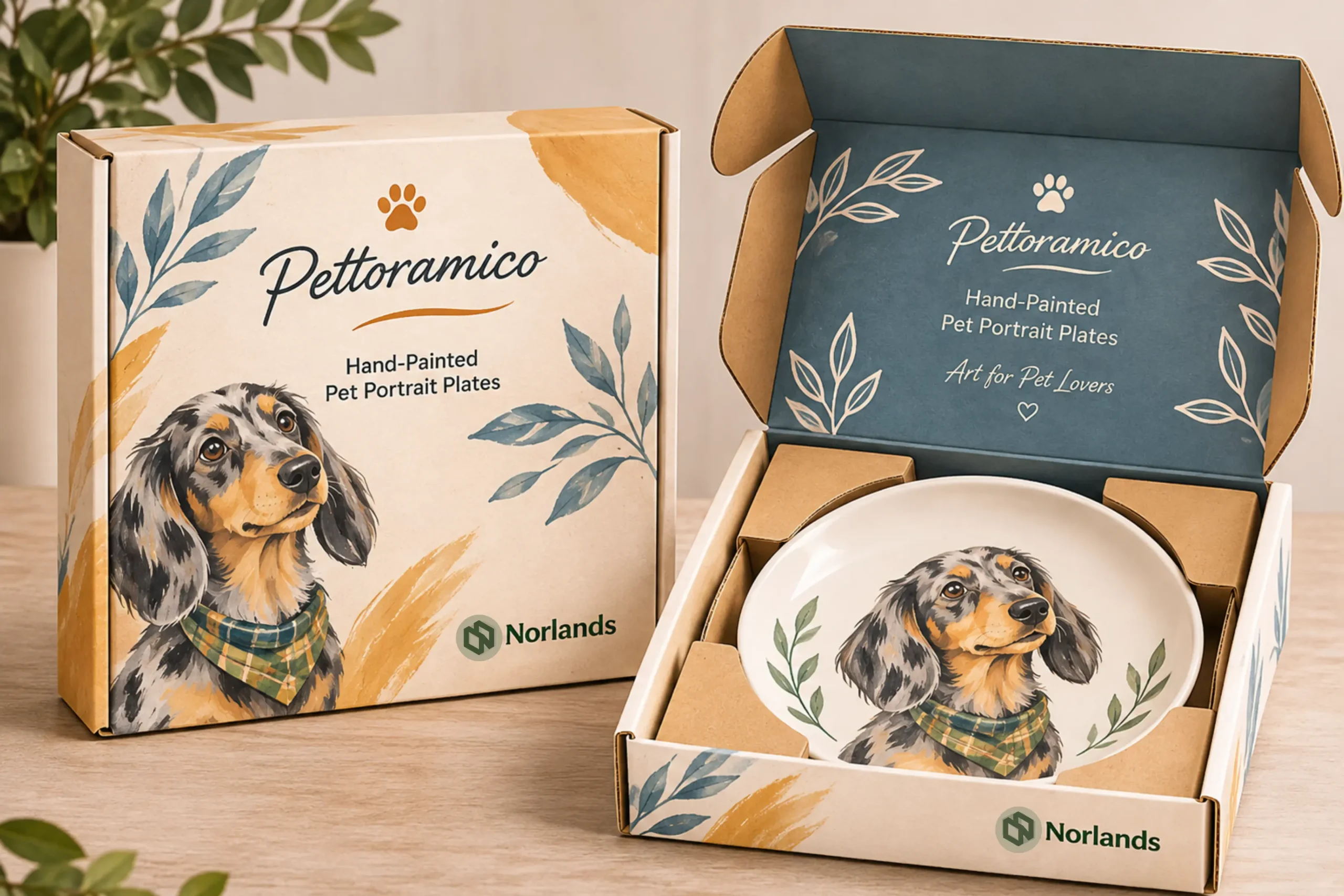
Printed Corrugated Boxes Canada for Branding
Printed corrugated packaging can help businesses communicate their identity while maintaining the practical benefits of corrugated construction.
Corrugated boxes Canada with custom printing can be used for e-commerce shipments, retail packaging, product distribution, promotional applications, and other branded packaging requirements.
Logo Printing
Company logos can be printed on suitable corrugated packaging surfaces to support brand identification.
Logo placement should be coordinated with the box structure, folding panels, and printing specifications.
Exterior Graphics
Exterior printing can include brand colours, patterns, product information, handling instructions, and other graphics.
The design should consider how the artwork appears once the box has been assembled.
Interior Printing
Some packaging projects may benefit from printing on interior panels, particularly where the opening experience is part of the brand presentation.
Interior printing requirements should be confirmed against the intended box structure and production method.
Flexographic Printing
Flexographic printing is one method used for printing corrugated packaging.
It can be suitable for various packaging graphics depending on the production requirements, artwork, and specifications.
Digital Printing
Digital printing is another option for selected corrugated packaging applications.
Its suitability depends on the desired print result, production quantity, material, and available manufacturing process.
Artwork and Dieline Preparation
Printed corrugated boxes Canada require artwork that aligns with the box’s structural layout.
A packaging dieline identifies the panels, folds, cuts, and other structural elements that influence artwork placement.
Preparing artwork according to the correct dieline helps ensure that logos, text, and graphics are positioned appropriately on the finished package.
Corrugated Inserts, Dividers, and Protective Packaging
The outer carton is only one part of many packaging systems. Some products require internal components to manage movement, organize multiple items, or provide additional protection.
For corrugated boxes Canada, protective inserts and dividers can be developed around the product’s dimensions and handling requirements.
Corrugated Partitions
Corrugated partitions create separate spaces within a box.
They can be useful for products that need to be organized or kept apart during handling and transportation.
Product-Specific Inserts
Product-specific inserts can support or position an item within the outer carton.
The structure should reflect the product’s dimensions, shape, fragility, and required orientation.
Multi-Item Packaging
Packaging containing several products may benefit from internal divisions that organize individual items and reduce contact between them.
Reducing Movement Inside Boxes
Excessive product movement can create packaging problems during transportation.
Properly designed inserts and dividers can help control movement while avoiding unnecessary filler.
Improving Product Presentation
Internal corrugated structures can also help organize products for presentation when the package is opened.
This can be useful for product kits, retail packaging, and selected e-commerce applications.
Sustainable Corrugated Boxes Canada
Sustainability is an important consideration for many businesses purchasing corrugated boxes Canada. However, the environmental performance of packaging should not be evaluated only by its colour, appearance, or material category.
A more useful approach considers product protection, material efficiency, right-sizing, distribution performance, and realistic recovery conditions.
Fibre-Based Materials
Corrugated packaging uses fibre-based materials, making it relevant to businesses evaluating paper-based packaging solutions.
Recyclability
Many clean corrugated boxes can be recycled through appropriate collection programs.
Acceptance depends on local recovery requirements and factors such as contamination, coatings, and additional materials.
Recycled Content
Corrugated board may incorporate recycled fibre depending on the material specification.
Recycled content and recyclability are different characteristics and should not be treated as interchangeable.
Right-Sized Boxes
Right-sized corrugated boxes Canada can potentially reduce unnecessary material and package volume while maintaining required product protection.
Material Efficiency
Packaging design can examine whether excess board, unnecessary components, or inefficient structures can be reduced.
Reducing Packaging Waste
Waste reduction can involve better product fit, fewer unnecessary components, appropriate protective structures, and more efficient packaging configurations.
Product Protection and Sustainability
Material reduction should not compromise the packaging’s ability to protect the product.
A package that uses less material but allows more product damage may create additional waste elsewhere in the supply chain.
Frequently Asked Questions About Corrugated Boxes Canada
Businesses researching corrugated boxes Canada often need clear answers about box construction, strength, dimensions, printing, recyclability, and purchasing options. Whether you are ordering shipping cartons, custom corrugated packaging, or heavy-duty industrial boxes, understanding these fundamentals can help you select the appropriate packaging.
The following answers address common questions about corrugated boxes Canada manufacturers and suppliers provide for commercial applications.
What are corrugated boxes?
Corrugated boxes are packaging containers made from corrugated fibreboard, typically consisting of fluted paper between flat linerboards. This construction provides strength and cushioning for shipping, storage, and product protection. Corrugated boxes Canada businesses use are available in different structures, dimensions, and board specifications.
What is the difference between cardboard and corrugated boxes?
Cardboard is a broad term for paper-based board materials. Corrugated board specifically includes a fluted medium combined with linerboards, creating a layered structure suited to many protective packaging applications. When comparing cardboard boxes and corrugated boxes Canada, the actual board construction is an important distinction.
What types of corrugated boxes are available in Canada?
Common corrugated boxes Canada businesses can source include regular slotted containers (RSC), half slotted containers (HSC), die-cut boxes, corrugated mailers, trays, telescoping boxes, and heavy-duty industrial cartons. The appropriate style depends on product dimensions, protection, assembly, and distribution requirements.
Are corrugated boxes strong enough for heavy products?
Yes, corrugated boxes can be suitable for heavy products when the board grade, structure, dimensions, protective components, and handling conditions are appropriate. Heavy-duty corrugated boxes Canada applications may require stronger board specifications, reinforced structures, or additional internal protection.
What is the difference between single-wall and double-wall corrugated boxes?
Single-wall corrugated board contains one fluted medium between two liners. Double-wall board contains two fluted mediums and three liner layers, often providing additional strength for demanding applications. When choosing corrugated boxes Canada, actual performance should be evaluated using board grade, box design, dimensions, and handling conditions—not wall count alone.
What does ECT mean on a corrugated box?
ECT stands for Edge Crush Test. It measures the edgewise compression resistance of corrugated board and is one factor used when evaluating stacking-related performance. ECT does not independently determine the total strength of finished corrugated boxes Canada businesses use.
Can corrugated boxes be custom sized?
Yes. Custom corrugated boxes Canada can be manufactured in dimensions suited to specific products, subject to structural, material, manufacturing, and production requirements. Custom sizing may reduce unnecessary empty space and improve product fit when standard cartons are unsuitable.
Can corrugated boxes be printed with a company logo?
Yes. Printed corrugated boxes Canada can include company logos, graphics, brand colours, and product information using suitable printing methods. Artwork should be developed around the packaging dieline and selected production specifications.
Are corrugated boxes recyclable in Canada?
Many clean corrugated boxes can be recycled through appropriate collection programs. However, acceptance may depend on local requirements, contamination, coatings, and additional materials. Businesses selecting recyclable corrugated boxes Canada should consider the complete packaging construction and its end-of-life conditions.
Can corrugated boxes reduce shipping costs?
Right-sized corrugated boxes Canada may reduce unnecessary package volume, void fill, and some shipping inefficiencies. Actual savings depend on shipping rates, handling, packaging configuration, and product requirements. Businesses should evaluate total packaging and distribution costs rather than only the price of each carton.
What is the best corrugated box for shipping?
The best shipping box depends on product weight, dimensions, fragility, shipping method, stacking conditions, and protective packaging requirements. No single type of corrugated boxes Canada is ideal for every shipment. Appropriate board construction and box design should be selected for the actual distribution journey.
Where can businesses order corrugated boxes in Canada?
Businesses can source corrugated boxes Canada through packaging manufacturers, suppliers, and distributors. Custom manufacturing may be appropriate when specific dimensions, board strengths, inserts, or printing are required. When comparing suppliers, consider manufacturing capabilities, specifications, production quantities, and the quotation process.
Get Corrugated Packaging That Fits Your Product and Distribution Needs
Finding the right corrugated boxes Canada businesses need starts with more than selecting a standard carton. Norlands helps Canadian manufacturers, retailers, e-commerce brands, and industrial businesses evaluate packaging requirements through custom box dimensions, corrugated board specifications, structural packaging design, heavy-duty shipping cartons, protective inserts, dividers, and custom printing.
Whether your products move through parcel delivery, warehouse storage, retail distribution, or palletized freight, choosing corrugated boxes Canada based on product weight, stacking conditions, handling requirements, and packaging efficiency can help reduce unnecessary material, control product movement, and support more reliable shipping.
Explore Norlands’ custom corrugated packaging solutions, discuss your box style, dimensions, board strength, order quantities, and printing requirements with the Norlands team, or request a custom quote for corrugated boxes Canada designed around your products, operations, and distribution requirements.
Conclusion: Choose Corrugated Boxes Canada Based on Performance, Not Just Price
Choosing the right corrugated boxes Canada is an important decision for manufacturers, e-commerce businesses, retailers, wholesalers, and distribution operations.
Corrugated packaging should not be selected only by appearance, price, or box dimensions. A reliable packaging decision considers the product, required protection, box style, board construction, shipping conditions, internal components, printing, and production quantity.
For Canadian businesses, the most effective approach is to evaluate the complete packaging system rather than treating the outer carton as an isolated purchase.
Start With the Product When Choosing Corrugated Boxes Canada
The first step in selecting corrugated boxes Canada is understanding what the package must contain and protect.
Product dimensions, weight, shape, fragility, and handling requirements influence the appropriate box style and board specification. A small lightweight consumer product may require a different structure from a heavy industrial component or a multi-product retail shipment.
Identifying these requirements early helps businesses avoid choosing packaging based on assumptions rather than actual product needs.
Match Corrugated Box Strength to Real Distribution Conditions
Not every shipment requires the same corrugated board construction. Single-wall, double-wall, and triple-wall structures serve different packaging requirements.
When selecting corrugated boxes Canada, consider whether the cartons will be handled individually, transported through parcel networks, stacked in warehouses, or shipped as part of palletized freight.
Board grade, structural design, product weight distribution, box dimensions, and stacking conditions should be considered together.
The objective is to achieve sufficient structural performance without unnecessary packaging material.
Use Right-Sized Corrugated Boxes Canada to Improve Efficiency
Oversized boxes can create unnecessary internal space, increase protective filler requirements, and occupy additional warehouse or transportation volume.
Right-sized corrugated boxes Canada can potentially improve product fit and reduce these inefficiencies while maintaining the necessary protective clearance.
Better Product Fit
Match box dimensions to the product and its protection requirements.
Less Empty Space
Reduce unnecessary internal volume.
Less Void Fill
Reduce filler requirements where better fit allows.
Efficient Storage
Consider how carton dimensions affect warehouse utilization.
Distribution Efficiency
Evaluate shipping volume, pallet configurations, and handling.
Material Efficiency
Avoid corrugated material that does not contribute necessary performance.
Consider Custom Corrugated Boxes Canada When Standard Cartons Are Not Enough
Standard corrugated cartons can be an efficient solution when their dimensions and construction already match the product.
However, custom corrugated boxes Canada may be more appropriate when businesses need product-specific dimensions, die-cut structures, internal supports, specialized opening features, or printed packaging.
Customization should solve a practical packaging requirement rather than simply introduce complexity.
A custom solution may combine structural design, appropriate corrugated board, protective inserts, and branding into a single coordinated packaging system.
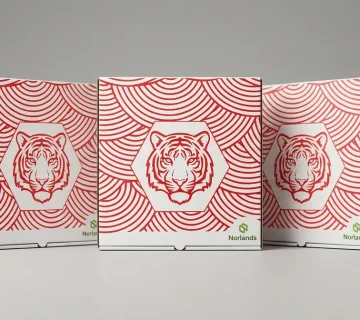
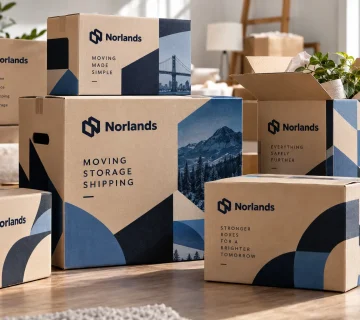
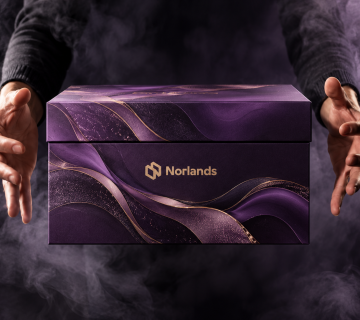
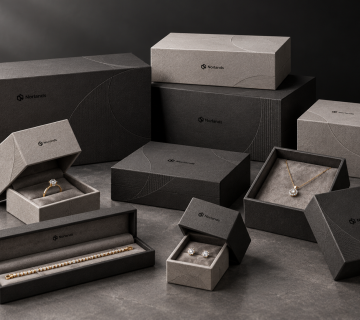
Custom Box Printing Canada: Turn Every Package Into a Powerful Brand Experience
Quick question:
You might also like
Evaluate the Total Cost of Corrugated Boxes Canada
The unit price of a box is only one part of its overall cost. Businesses purchasing corrugated boxes Canada should also consider material consumption, protective filler, packing labour, warehouse storage, transportation efficiency, and product damage.
A lower-priced carton is not necessarily the more economical choice if it creates additional packing work, requires excessive filler, or fails to protect the product adequately.
Likewise, purchasing a stronger or more complex structure than the application requires can introduce unnecessary costs.
The goal is to identify a packaging specification that balances performance, efficiency, and total cost.
Buying Corrugated Boxes Canada in Bulk
Businesses ordering corrugated boxes Canada in larger quantities should evaluate the relationship between order volume, packaging specifications, inventory requirements, and repeat purchasing.
Bulk purchasing may offer unit-cost advantages in some situations, but the quantity should match actual business demand and available storage space.
For repeat orders, consistent box dimensions, board specifications, printing requirements, and quality expectations can help maintain packaging consistency across production cycles.
How to Choose a Corrugated Box Manufacturer in Canada
Selecting a supplier for corrugated boxes Canada involves more than comparing quotations.
Businesses should evaluate whether the supplier can support the required box styles, material specifications, structural requirements, printing, production quantities, and quality expectations.
Where custom packaging is required, experience with structural design, die-cutting, protective inserts, and packaging specifications may also be important.
What Information Do You Need for a Corrugated Boxes Canada Quote?
Before requesting pricing for corrugated boxes Canada, prepare the key specifications that describe your packaging requirements.
Accurate information helps a packaging supplier understand the application and determine which structural, material, printing, and production options should be evaluated.
Product Dimensions
Length, width, height, and required protective clearance.
Product Weight
Expected weight of the packed contents.
Box Style
RSC, mailer, die-cut, tray, or another required structure.
Required Strength
Board grade or performance requirements, where known.
Printing
Logo, artwork, graphics, colours, and printing specifications.
Order Quantity
Estimated initial volume and repeat-order requirements.
Shipping Conditions
Parcel, freight, palletized distribution, or other handling needs.
Delivery Location
The intended delivery destination for the packaging order.
Target Timeline
When the finished packaging is required.
Ready to Discuss Corrugated Boxes Canada for Your Business?
Whether your business needs standard shipping cartons, custom corrugated boxes, printed packaging, protective inserts, or heavy-duty industrial packaging, the starting point is understanding your product and distribution requirements.
For companies researching corrugated boxes Canada, NORLANDS can be a point of contact to discuss packaging requirements and request a quotation based on the specifications of your project.
Share your product dimensions, expected weight, desired box style, order quantity, printing requirements, and shipping conditions so the appropriate packaging options can be reviewed.
Final Thoughts on Corrugated Boxes Canada
The right corrugated boxes Canada solution should provide appropriate protection while supporting efficient packing, storage, transportation, and commercial operations.
Choosing the correct box means considering the full combination of application, structure, dimensions, board strength, internal protection, printing, quantity, and manufacturing requirements.
For Canadian businesses, better corrugated packaging decisions can begin with a straightforward principle:
Choose the box according to what it must protect, how it will be handled, and where it needs to go.
From standard shipping cartons to custom corrugated packaging systems, that principle provides a practical foundation for selecting corrugated boxes Canada that fit the product, distribution process, and business requirements.


No comment