
Table of Contents
ToggleIntroduction
Returnable packaging systems Canada are reshaping how businesses think about packaging—from a one-time expense to a reusable asset that delivers long-term value. Instead of relying on single-use boxes, pallets, or containers, companies are adopting systems designed for multiple cycles of use, return, and redistribution. This shift is driven by rising material costs, sustainability expectations, and the need for more efficient supply chains.
In Canada, where logistics often involve long distances and repeated shipments between fixed points—such as manufacturers, distribution centers, and retailers—returnable systems offer clear advantages. Durable containers can move back and forth within closed-loop networks, reducing the need for constant repurchasing of disposable packaging. Over time, this creates a strong case for cost reduction packaging, especially in high-volume operations.
The concept is closely tied to circular packaging systems, where materials are kept in use for as long as possible. Instead of being discarded after a single trip, packaging assets are tracked, returned, inspected, and reused. This not only reduces waste but also improves resource efficiency across the supply chain.
From an operational perspective, adopting reusable packaging solutions requires more than just switching materials. Businesses must design packaging that can withstand repeated handling, integrate tracking systems, and establish reliable return logistics. When implemented correctly, these systems reduce dependency on raw materials and improve overall supply chain stability.
Another key factor is the growing importance of sustainability in Canadian markets. Companies are under increasing pressure—from both regulators and customers—to reduce packaging waste and environmental impact. Returnable systems support these goals by minimizing single-use materials and lowering overall carbon footprint.
As supply chains evolve, businesses are recognizing that packaging can be more than a cost—it can be an asset that delivers ongoing value. Organizations that adopt structured reuse models are better positioned to reduce expenses, improve efficiency, and align with sustainability goals. In today’s environment, embracing returnable packaging systems Canada is a strategic step toward building smarter, more sustainable operations.
Why Returnable Packaging Systems Canada Are Growing
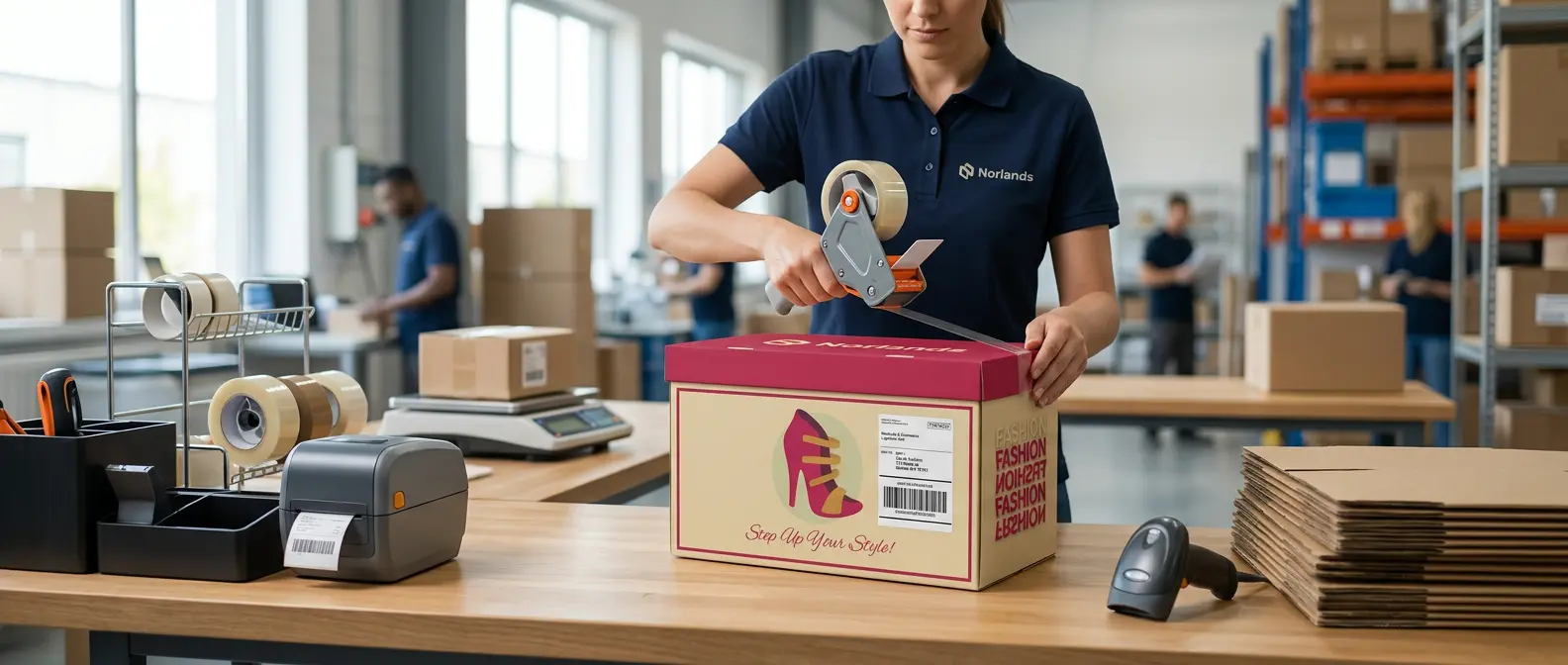
Circular packaging models are gaining momentum as businesses shift away from single-use systems toward reusable solutions. In Canada, reuse initiatives are being developed to keep packaging materials in circulation for longer periods, reducing waste and improving resource efficiency across supply chains. This approach supports the transition to more sustainable packaging systems while maintaining operational performance.
Returnable packaging systems Canada are expanding rapidly as businesses look for smarter ways to manage costs, reduce waste, and improve supply chain efficiency. What was once a niche solution used in specific industries is now becoming a mainstream strategy across manufacturing, retail, and distribution networks.
Shift Toward Circular Packaging Systems
A major driver behind this growth is the shift toward circular packaging systems. Instead of following a linear model—produce, use, dispose—businesses are adopting circular approaches that keep packaging in continuous use.
Returnable containers, pallets, and bins are designed to move through multiple cycles, reducing the need for constant material production. This approach aligns with sustainability goals and supports long-term resource efficiency.
In Canada, where environmental awareness and regulatory pressure are increasing, circular models are gaining strong momentum across industries.
Rising Cost Pressure and Long-Term Efficiency
Cost is another critical factor driving adoption. Disposable packaging may appear cheaper upfront, but repeated purchases, waste handling, and disposal costs add up over time.
By implementing cost reduction packaging strategies through reusable systems, businesses can significantly lower long-term expenses. Once the initial investment is made, returnable packaging continues to generate value across multiple use cycles.
For high-volume operations—such as manufacturing or distribution—these savings can be substantial, making returnable systems an attractive financial decision.
Environmental Drivers in Canadian Markets
Sustainability expectations are shaping business decisions across Canada. Companies are under pressure to reduce packaging waste, lower carbon emissions, and demonstrate environmental responsibility.
Returnable packaging directly supports these goals by minimizing single-use materials and reducing overall waste. This aligns with both regulatory requirements and consumer expectations.
Businesses that adopt reusable packaging solutions are better positioned to meet environmental targets while also improving operational efficiency.
Ultimately, the growth of returnable packaging systems is driven by a combination of economic and environmental factors. Companies that recognize the long-term value of reuse are shifting away from disposable models and building more sustainable supply chains.
As these trends continue, returnable packaging systems Canada are becoming a key component of modern logistics strategy, supporting both cost efficiency and environmental responsibility.
Returnable Packaging Systems Canada vs Disposable Packaging
Returnable packaging systems Canada offer a fundamentally different value proposition compared to disposable packaging. While single-use packaging focuses on convenience and low upfront cost, returnable systems are designed for durability, repeat use, and long-term efficiency. Understanding the trade-offs between these models is essential for businesses evaluating their packaging strategy.
Cost Efficiency Over Time
At first glance, disposable packaging appears more cost-effective because it requires minimal initial investment. However, this perspective changes when costs are evaluated over time. Single-use packaging must be purchased repeatedly, creating a continuous expense that increases with shipment volume.
Returnable systems, on the other hand, involve higher upfront costs due to the need for durable materials and system setup. But over multiple usage cycles, these costs are distributed, leading to significant savings. This is the foundation of cost reduction packaging, where long-term efficiency outweighs initial investment.
For businesses with predictable, recurring shipping routes—such as manufacturer-to-distributor networks—the cost advantages of returnable systems become even more pronounced.
Operational Complexity of Returns
While returnable systems offer cost benefits, they introduce additional operational complexity. Businesses must manage the return flow of packaging assets, track inventory, and ensure that containers are collected, inspected, and redistributed efficiently.
This requires a structured return logistics packaging framework, including reverse logistics processes, tracking systems, and coordination between supply chain partners. Without proper management, returnable packaging can lead to delays, asset loss, or inefficiencies.
In contrast, disposable packaging eliminates the need for return logistics, making it simpler to manage. However, this simplicity comes at the cost of higher material usage and ongoing expenses.
Durability and Lifecycle Performance
A key advantage of returnable packaging is its durability. Designed for multiple cycles, these systems use stronger materials and reinforced structures that can withstand repeated handling and transportation.
This durability supports consistent performance and reduces the risk of packaging failure. Over time, businesses benefit from reliable packaging that maintains its integrity across multiple shipments.
Disposable packaging, while suitable for one-time use, often lacks the strength and longevity required for repeated handling. This can lead to higher damage rates and increased waste.
Ultimately, the choice between returnable and disposable packaging depends on business needs, supply chain structure, and operational capabilities. Companies that prioritize long-term efficiency, sustainability, and stability often find that returnable systems provide greater value.
As businesses continue to optimize their operations, the shift toward reusable models highlights the growing importance of returnable packaging systems Canada in modern supply chains.
Industries Using Returnable Packaging Systems Canada
Returnable packaging systems Canada are most effective in industries with repeat shipping lanes, predictable volumes, and established partner networks. In these environments, reusable assets can circulate continuously, unlocking cost savings and reducing waste without disrupting operations.
Manufacturing and Automotive Supply Chains
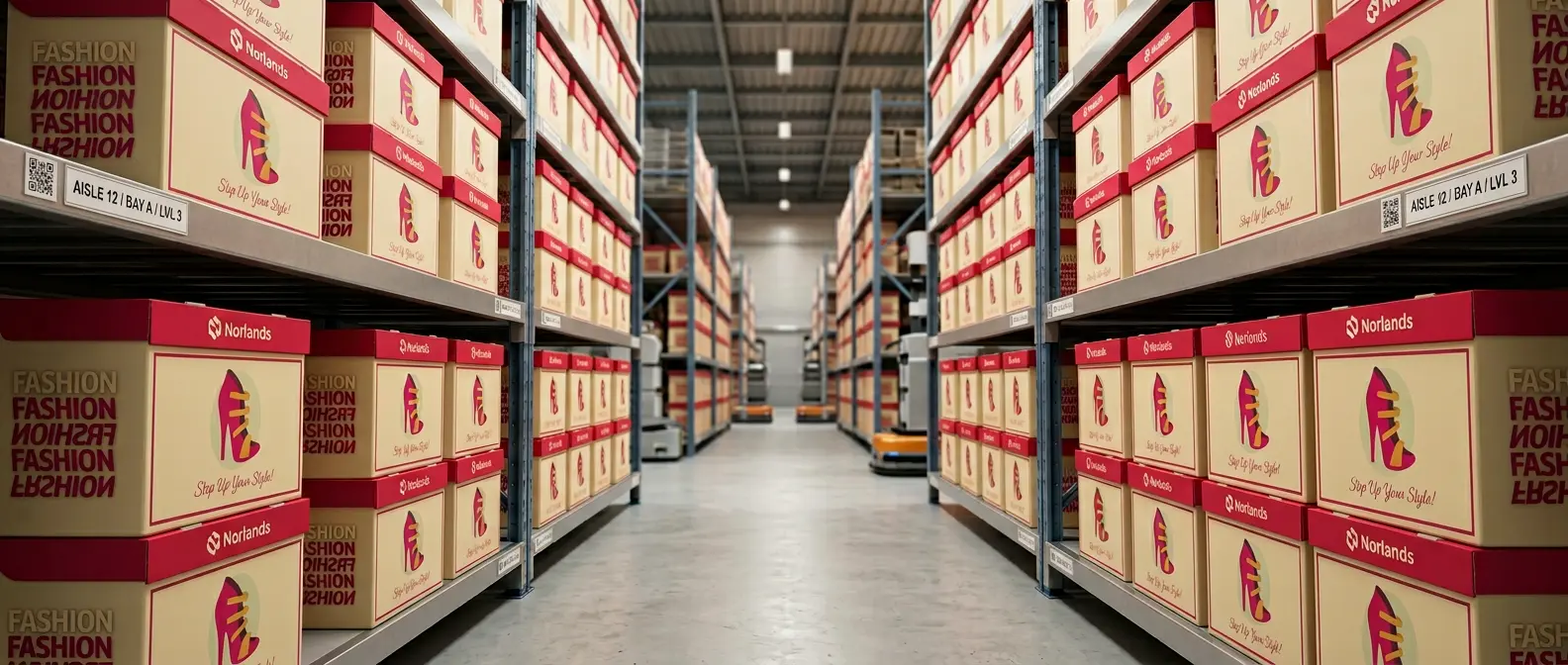
Manufacturing and automotive sectors are among the earliest adopters of reusable packaging solutions. Components move regularly between suppliers, plants, and assembly lines, making closed-loop logistics practical.
Returnable totes, racks, and pallets protect parts, standardize handling, and reduce damage. Because routes are fixed and frequent, assets can be recovered efficiently, supporting a consistent packaging reuse strategy that lowers long-term costs.
Retail Distribution and Closed-Loop Logistics
Retail distribution networks—especially those supplying large chains—benefit from circular packaging systems. Reusable crates and pallets move from distribution centers to stores and back, minimizing single-use materials.
These systems improve store handling, reduce waste at the retail level, and simplify reverse logistics. With established return paths, retailers can maintain high asset utilization while improving sustainability metrics.
Food and Beverage Reusable Systems
In food and beverage, returnable packaging is widely used for items like beverages, fresh produce, and dairy distribution. Durable crates and containers support hygiene, stacking, and efficient transport.
By integrating return logistics packaging, companies can collect and sanitize assets for reuse, reducing packaging waste while maintaining food safety standards—an important consideration in Canadian markets with strict regulations.
Industrial and B2B Transport Networks
Industrial and B2B logistics often involve high-value goods moving between fixed locations. These networks are ideal for returnable systems because shipments are frequent and partners are consistent.
Reusable bins, pallets, and containers reduce reliance on disposable packaging and improve handling efficiency. Over time, businesses benefit from lower material costs and more predictable operations.
Across these industries, the success of returnable packaging depends on structured systems, reliable partners, and consistent shipping patterns. Organizations that operate within these conditions are best positioned to capture the full value of returnable packaging systems Canada.
How to Implement Returnable Packaging Systems Canada
Returnable packaging systems Canada deliver the best results when they’re rolled out as a structured program—not a one-off switch from disposable to reusable. Implementation should align packaging design, reverse logistics, tracking, and partner coordination to ensure assets circulate efficiently and generate long-term value.
Understanding Temperature-Sensitive Packaging Canada for Food and Pharma
Quick question:
You might also like …
Designing Reusable Packaging Solutions
Start with packaging engineered for multiple cycles. Reusable packaging solutions should be durable, easy to clean, and compatible with your handling equipment (pallets, conveyors, racking).
Standardize sizes and formats to simplify stacking, transport, and storage. Use reinforced materials that maintain integrity over repeated trips while avoiding unnecessary weight. Design for quick inspection and repair to extend lifecycle and maintain performance.
Building Return Logistics Packaging Infrastructure
A reliable return logistics packaging flow is essential. Define how assets move back from customers, distributors, or retail locations—whether through backhauls, dedicated pickup routes, or third-party logistics partners.
Establish clear processes for collection, consolidation, inspection, cleaning, and redistribution. In Canada’s large geography, route planning and consolidation points are critical to keep return costs under control.
Developing a Packaging Reuse Strategy
Create a formal packaging reuse strategy with measurable targets—cycle count, loss rate, turnaround time, and cost per use. Map your highest-volume lanes first (e.g., plant ↔ DC ↔ store) to maximize early ROI.
Pilot the system on a controlled route, validate performance, and scale gradually. Align contracts and SLAs with partners to ensure timely returns and proper handling of assets.
Tracking and Managing Packaging Assets
Visibility is key to preventing loss and optimizing utilization. Implement tracking using barcodes, RFID, or IoT-enabled connected packaging solutions to monitor asset location, status, and cycle counts.
Integrate tracking data with your WMS/TMS for packaging data integration and reporting. This enables better forecasting, faster recovery, and continuous improvement across the network.
Strategic Benefits of Returnable Packaging Systems
Returnable packaging systems Canada provide long-term advantages that extend beyond cost savings, influencing sustainability, operational efficiency, and supply chain stability. Businesses that successfully implement reusable systems transform packaging into a strategic asset rather than a recurring expense.
Long-Term Cost Reduction Packaging
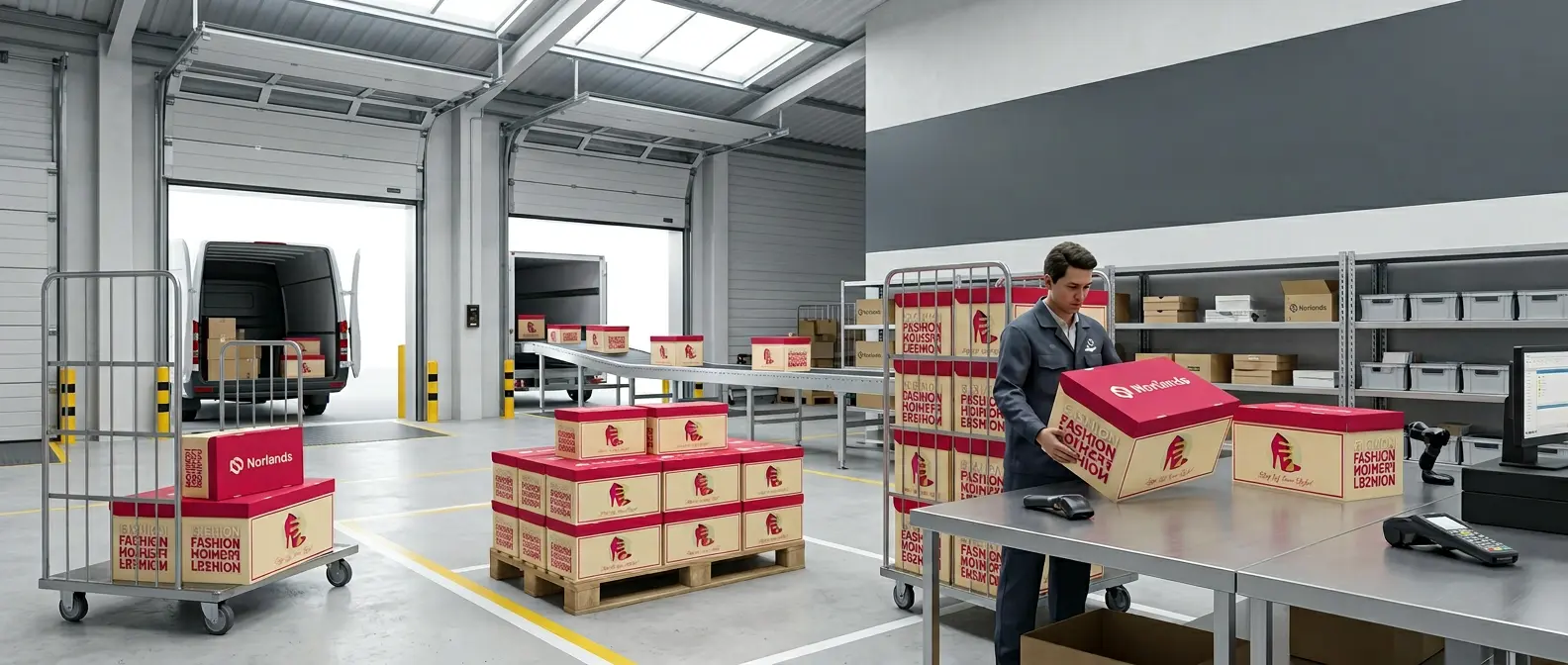
One of the most significant benefits is cost reduction packaging over time. While initial investment in durable packaging may be higher, the ability to reuse assets across multiple cycles significantly lowers the cost per shipment.
Businesses reduce ongoing procurement expenses, minimize waste disposal costs, and improve overall resource efficiency. For high-volume operations, these savings can be substantial and continue to grow as the system scales.
Reducing Waste and Environmental Impact
Returnable systems directly support sustainability goals by reducing reliance on single-use materials. By implementing circular packaging systems, businesses minimize waste generation and lower their environmental footprint.
This approach aligns with Canadian regulatory trends and consumer expectations around sustainability. Companies that adopt reusable packaging demonstrate environmental responsibility while improving operational performance.
Improving Supply Chain Efficiency
Reusable packaging improves efficiency by standardizing handling processes and reducing variability. Consistent packaging formats simplify loading, storage, and transportation, leading to smoother operations.
Additionally, structured return logistics packaging systems create predictable flows, allowing businesses to manage inventory and packaging assets more effectively. This improves coordination across the supply chain and reduces operational uncertainty.
Frequently Asked Questions About Returnable Packaging Systems Canada
What are returnable packaging systems Canada?
Returnable packaging systems Canada are reusable packaging solutions designed to move through multiple shipping and handling cycles instead of being discarded after a single use. Unlike traditional disposable packaging, returnable packaging systems Canada are built for durability, repeatability, and long-term operational efficiency.
These systems commonly include:
- Reusable containers
- Durable corrugated boxes
- Plastic totes and bins
- Returnable pallets and crates
The goal of returnable packaging systems Canada is to reduce dependence on single-use materials while improving supply chain consistency and lowering long-term operational costs.
As Canadian businesses continue focusing on sustainability and cost efficiency, returnable packaging systems Canada are becoming an increasingly important part of modern logistics strategies.
How do reusable packaging solutions reduce costs?
One of the biggest advantages of returnable packaging systems Canada is long-term cost reduction. While reusable packaging often requires a higher initial investment, the packaging assets are used repeatedly across multiple shipping cycles.
Over time, returnable packaging systems Canada help businesses:
- Reduce recurring packaging purchases
- Lower disposal and waste management costs
- Minimize product damage and replacement expenses
- Improve operational efficiency across logistics networks
In high-volume operations, even small savings per shipment can compound significantly. Businesses that implement returnable packaging systems Canada strategically often achieve lower total packaging costs over the long term compared to disposable packaging models.
What is a circular packaging system?
A circular packaging system is a model where packaging materials remain in continuous use instead of being discarded after one shipment. Returnable packaging systems Canada are a key part of this circular approach.
Instead of following a linear process:
produce → use → dispose
Returnable packaging systems Canada support a cycle where packaging is:
used → returned → inspected → reused → redistributed
This system reduces material waste, lowers environmental impact, and improves resource efficiency across the supply chain.
In Canada, where sustainability expectations are increasing across industries, circular models supported by returnable packaging systems Canada are becoming a preferred operational strategy.
Which industries use returnable packaging systems Canada the most?
Returnable packaging systems Canada are most commonly used in industries with:
- Predictable shipping routes
- High shipment frequency
- Closed-loop logistics networks
Industries that rely heavily on returnable packaging systems Canada include:
- Manufacturing
- Automotive supply chains
- Retail distribution
- Food and beverage logistics
- Industrial and B2B transportation
These sectors benefit from reusable systems because packaging assets can circulate efficiently between fixed locations such as suppliers, warehouses, and retail facilities.
In many Canadian operations, returnable packaging systems Canada improve handling consistency, reduce packaging waste, and support more reliable transportation processes.
How can businesses implement packaging reuse strategies?
Successful implementation of returnable packaging systems Canada requires more than simply replacing disposable packaging with reusable containers. Businesses need a structured system that supports long-term circulation and operational efficiency.
This typically includes:
- Designing durable reusable packaging
- Establishing reverse logistics processes
- Tracking packaging assets across the supply chain
- Coordinating with logistics and distribution partners
Businesses implementing returnable packaging systems Canada should also analyze:
- Shipping frequency
- Return lane efficiency
- Packaging lifecycle performance
- Asset recovery rates
Technology such as RFID tracking and barcode systems is often integrated into returnable packaging systems Canada to improve visibility and reduce asset loss.
When implemented strategically, these systems create a more resilient and cost-efficient supply chain.
Why Design Matters in Returnable Packaging Systems Canada
Returnable packaging systems Canada are most effective when durability, structure, and consistency are built into the packaging design from the beginning. Moving away from disposable packaging requires solutions specifically engineered for repeated use under real-world logistics conditions.
Packaging used in returnable packaging systems Canada must withstand:
- Repeated handling
- Long-distance transportation
- Stacking pressure
- Environmental exposure
Poorly designed reusable packaging can lead to:
- Faster asset degradation
- Increased maintenance costs
- Product damage
- Reduced operational efficiency
This is why successful returnable packaging systems Canada rely heavily on performance-based engineering and structural optimization.
Businesses often use reinforced corrugated structures, reusable plastic systems, or custom-designed packaging formats that maintain integrity over multiple cycles while remaining operationally efficient.
Long-Term Strategic Value of Returnable Packaging Systems Canada
Beyond sustainability, returnable packaging systems Canada create long-term operational and financial advantages. Businesses that adopt reusable packaging models gain better control over packaging performance and reduce dependency on volatile raw material markets.
Returnable packaging systems Canada help organizations:
- Improve supply chain predictability
- Reduce packaging procurement frequency
- Lower environmental impact
- Support corporate sustainability goals
- Build more resilient logistics systems
As supply chains continue evolving, returnable packaging systems Canada are becoming more than just an environmental initiative—they are a strategic business investment focused on efficiency, resilience, and long-term profitability.
Ultimately, companies that integrate returnable packaging systems Canada into their operations position themselves for stronger performance, lower operational risk, and more sustainable growth in competitive Canadian markets.
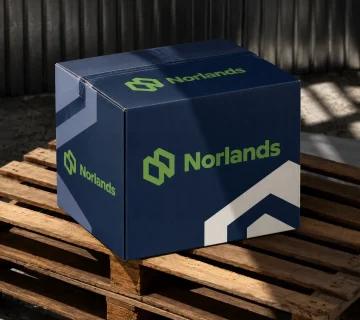
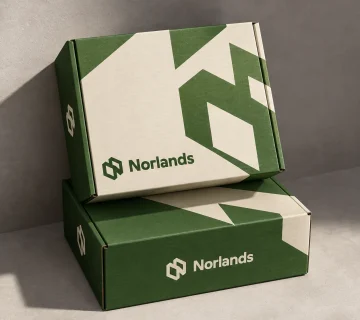
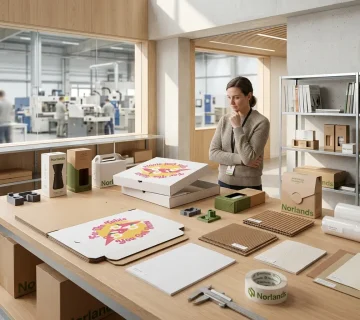
Norlands develops durable packaging solutions, including specialty boxes and reinforced structures, designed to support multi-cycle use, reduce material waste, and improve long-term cost efficiency. These systems are built to handle repeated handling, transport, and return logistics without compromising performance.
If you're looking to reduce dependency on disposable packaging and build a more efficient, circular packaging system, the right structure makes all the difference.
Explore durable packaging solutions designed for reusable and returnable systems.
Conclusion: Moving Toward Circular Packaging Models
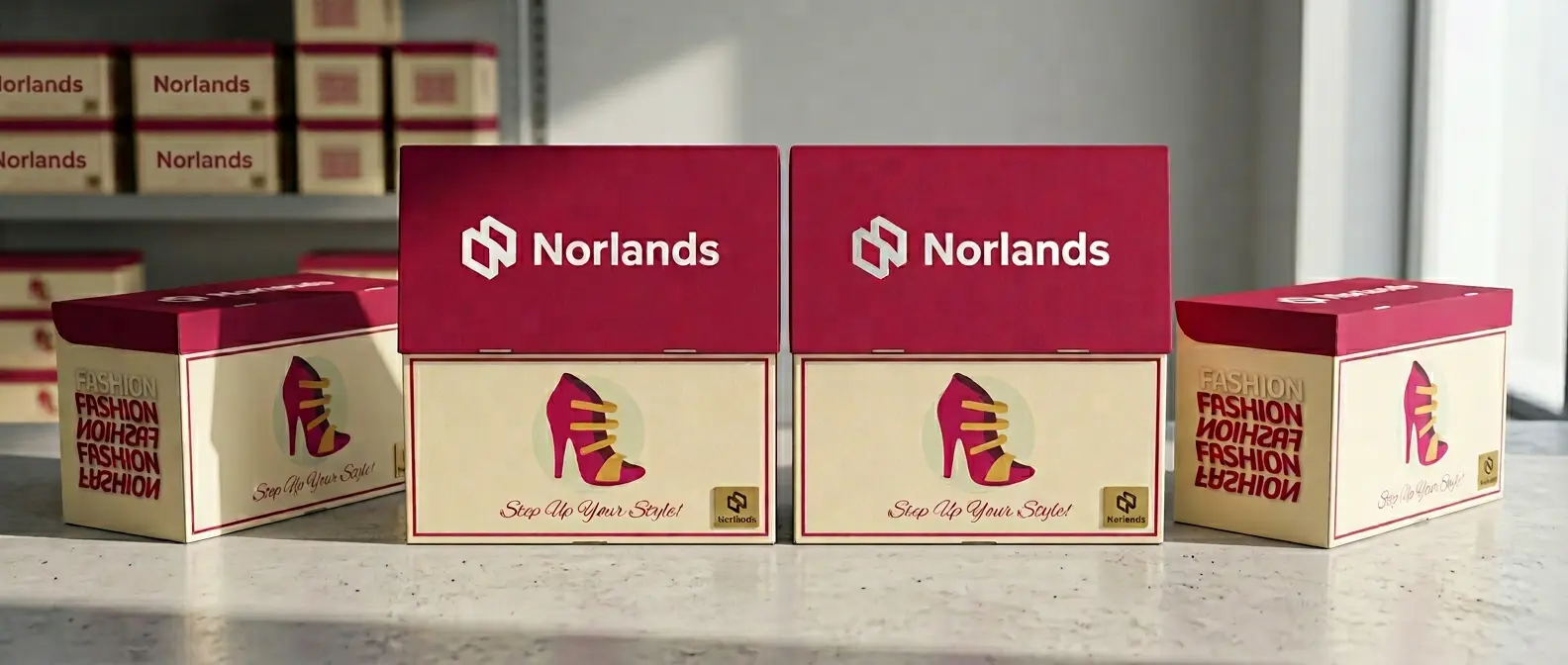
Returnable packaging systems Canada represent a shift from disposable consumption to long-term value creation. As businesses face increasing cost pressures and sustainability expectations, reusable packaging offers a practical solution that addresses both challenges simultaneously.
By investing in durable packaging, structured return systems, and asset tracking, companies can reduce costs, minimize waste, and improve supply chain performance. These systems require careful planning and coordination, but the long-term benefits far outweigh the initial complexity.
In Canada’s evolving logistics environment, where efficiency and sustainability are becoming central priorities, returnable packaging is gaining importance as a strategic approach. Businesses that adopt circular models are better positioned to build resilient, cost-effective, and environmentally responsible operations.
Ultimately, packaging is no longer just a consumable—it is a reusable asset that can drive long-term value. Organizations that embrace returnable packaging systems Canada will be better equipped to optimize performance, reduce waste, and compete in modern supply chains.

No comment