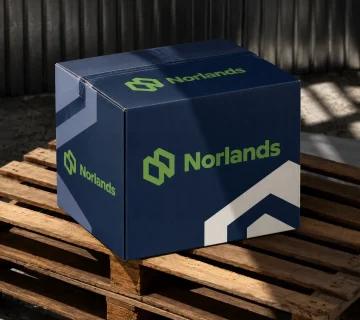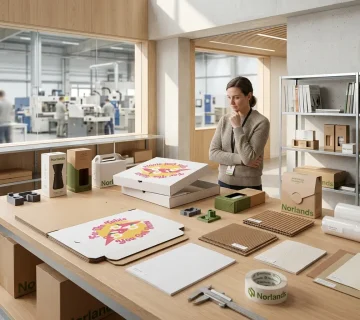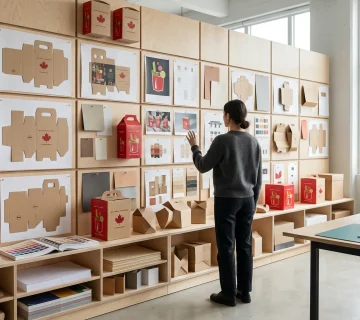
Flat packaging structure illustrating minimalist packaging design Canada with efficient and simplified construction

Minimalist packaging design Canada often uses simplified structures to reduce material usage and improve efficiency.


Introduction

Minimalist packaging design Canada is rapidly emerging as a strategic approach for businesses seeking to reduce costs, improve sustainability, and strengthen brand identity in competitive markets. In an environment where consumers are increasingly aware of environmental impact and operational efficiency is critical, companies are rethinking traditional packaging models and moving toward simpler, more effective solutions.

For years, packaging design often focused on adding layers—more materials, more visual elements, and more complexity—to create impact. However, this approach frequently led to higher costs, increased waste, and inefficient logistics. Today, businesses are recognizing that simplicity can deliver greater value. By removing unnecessary components and focusing on essential functionality, companies can create packaging that performs better while using fewer resources.

In Canada, this shift is influenced by both consumer expectations and regulatory pressure. Customers are becoming more selective, favoring brands that demonstrate environmental responsibility and transparency. Packaging that appears excessive or wasteful can negatively affect perception, while clean and efficient designs reinforce trust. This is driving the adoption of sustainable design packaging practices that prioritize minimal material usage and recyclability.

From an operational perspective, packaging simplification offers clear advantages. Reducing material usage lowers production costs, decreases shipping weight, and improves storage efficiency. For businesses managing large volumes, even small reductions in packaging can result in significant savings over time.

Minimalist packaging also plays a key role in branding. By focusing on clarity and purpose, companies can create stronger visual identity through branding through packaging. Clean design, thoughtful material choices, and intentional simplicity help products stand out without relying on excessive elements.

As businesses continue to balance cost, performance, and sustainability, minimalist packaging is becoming a preferred strategy. Organizations that adopt simple packaging solutions are better positioned to meet market expectations while maintaining efficiency and brand strength. In today’s evolving landscape, embracing minimalist packaging design Canada is not just a design choice—it is a strategic decision that supports long-term growth and competitiveness.

Why Minimalist Packaging Design Canada Is Gaining Popularity

Minimalist packaging design Canada is gaining strong momentum as businesses and consumers align around efficiency, sustainability, and clarity. What was once seen as a design preference is now becoming a strategic standard across multiple industries.

Shift Toward Sustainable Design Packaging

One of the primary drivers is the growing focus on sustainable design packaging. Reducing material usage directly lowers environmental impact, making minimalist packaging an effective way to meet sustainability goals.

Canadian regulations and environmental initiatives are also encouraging businesses to minimize waste and improve recyclability. Companies that adopt minimalist designs are better positioned to comply with these requirements while demonstrating environmental responsibility.

This shift is not just about compliance—it reflects a broader commitment to reducing resource consumption and improving long-term sustainability.

Minimalist packaging design Canada showcasing clean unboxing experience with simple and functional structure
Minimalist packaging design Canada focuses on simplicity, creating a clean and refined unboxing experience.

Consumer Preference for Simplicity in Canada

Canadian consumers are increasingly drawn to simplicity and transparency. Packaging that is clean, minimal, and functional is often perceived as more honest and environmentally responsible.

Overly complex or excessive packaging can create a negative impression, suggesting wastefulness or lack of consideration. In contrast, minimalist designs communicate efficiency, clarity, and confidence.

This preference is particularly strong among younger demographics and urban markets, where sustainability and design aesthetics play a significant role in purchasing decisions.

Operational Benefits of Packaging Simplification

Beyond consumer perception, packaging simplification offers clear operational advantages. Fewer materials mean lower production costs, reduced shipping weight, and improved storage efficiency.

Simplified packaging also streamlines production and fulfillment processes. With fewer components to manage, businesses can increase packing speed, reduce errors, and improve overall efficiency.

For companies operating in Canada’s geographically large market, these efficiencies are especially valuable. Reduced packaging size and weight contribute to lower transportation costs and better logistics performance.

Ultimately, the growing popularity of minimalist packaging is driven by a combination of environmental responsibility, consumer expectations, and operational efficiency. Businesses that adopt this approach are able to reduce costs, improve sustainability, and strengthen their brand—making minimalist packaging design Canada a key trend in modern packaging strategy.
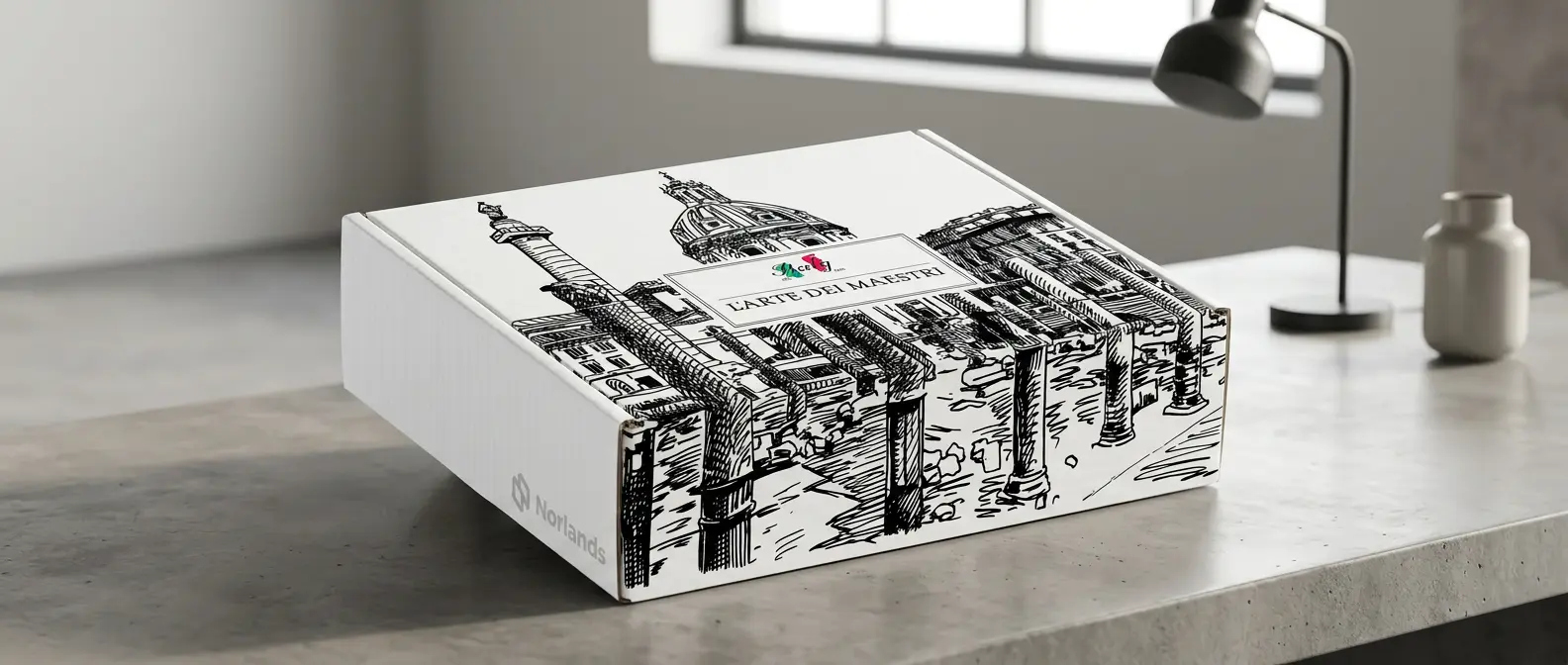

Minimalist Packaging Design Canada vs Complex Packaging Systems

Minimalist packaging design Canada challenges the long-standing assumption that more packaging equals better performance. In reality, complex packaging systems often introduce inefficiencies, higher costs, and unnecessary material usage without delivering proportional value. By contrast, minimalist approaches focus on precision—using only what is necessary to protect the product and communicate the brand.

Cost Reduction Through Simplicity

One of the clearest advantages of minimalist design is cost efficiency. Complex packaging systems typically involve multiple materials, layers, inserts, and decorative elements, all of which increase production and logistics costs.

By adopting cost-efficient packaging design, businesses eliminate non-essential components and streamline materials. This reduces manufacturing expenses, simplifies procurement, and lowers shipping costs due to reduced weight and volume.

In Canada’s logistics environment—where transportation costs are a major factor—these savings can have a significant impact on overall profitability. Minimalist packaging enables businesses to maintain performance while operating more efficiently.

Brand Perception and Design Clarity

From a branding perspective, simplicity often creates stronger impact than complexity. Minimalist packaging emphasizes clarity, allowing key design elements—such as logo, typography, and color—to stand out without distraction.

This approach enhances branding through packaging by creating a clean and recognizable visual identity. Consumers are more likely to associate minimalist design with quality, confidence, and modern values.

In contrast, overly complex packaging can dilute brand messaging and create confusion. Too many visual elements or materials may reduce clarity and weaken the overall impression.

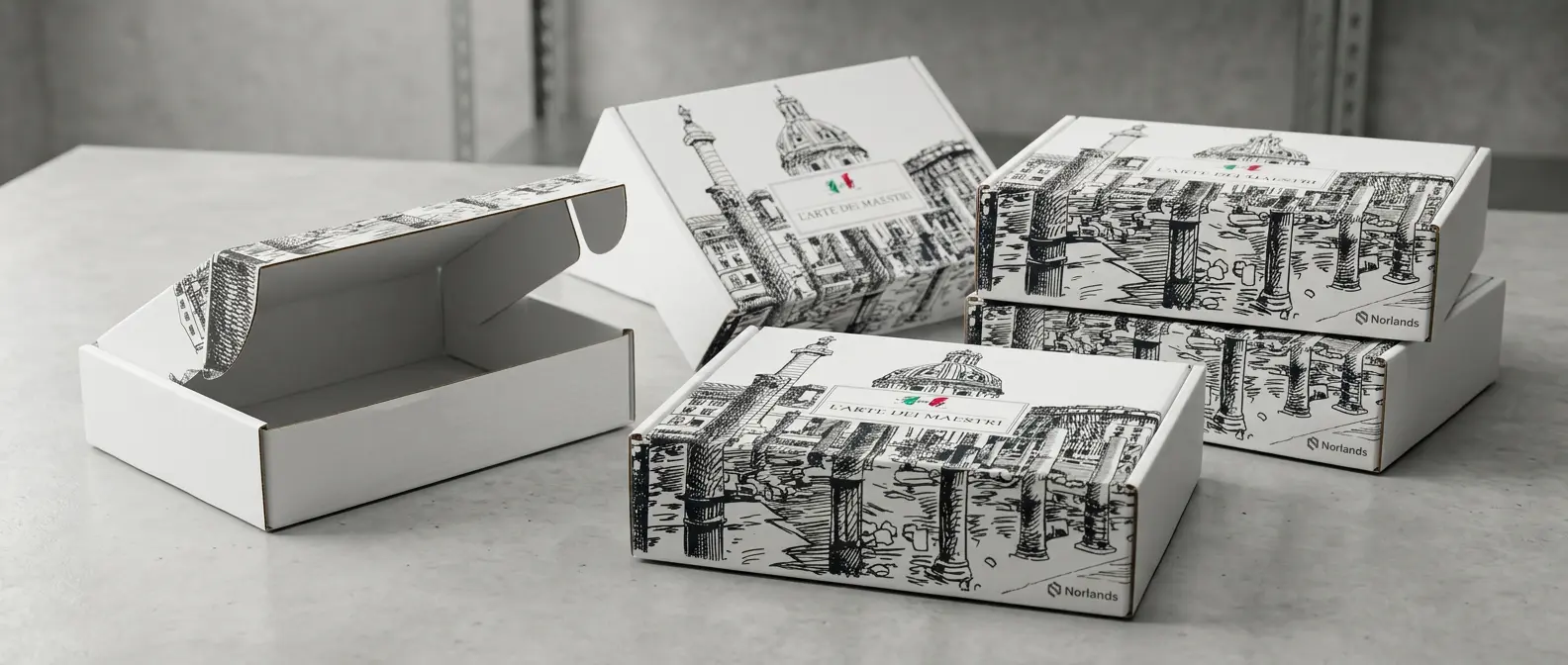
Simple exterior branding representing minimalist packaging design Canada with clean visual identity
A minimalist approach enhances brand clarity by removing unnecessary visual elements.

Performance Trade-Offs and Protection Considerations

While minimalist packaging offers many advantages, it must be implemented carefully to avoid compromising protection. Removing too much material without considering product requirements can increase the risk of damage during transit.

The key is to balance simplicity with functionality. Businesses must ensure that packaging still meets performance requirements, particularly for fragile or high-value products. This may involve using smarter materials, optimized structures, or targeted reinforcement rather than adding bulk.

When designed correctly, minimalist packaging does not reduce protection—it improves efficiency by focusing on what truly matters. Companies that integrate simple packaging solutions with performance-based design principles are able to achieve both cost savings and reliable product protection.

Ultimately, the difference between minimalist and complex packaging lies in intent. Minimalist design removes unnecessary elements while preserving functionality, whereas complex systems often add components without clear value. Businesses that adopt a thoughtful, simplified approach gain efficiency, clarity, and stronger brand impact—demonstrating the effectiveness of minimalist packaging design Canada.

Advanced Industry Adoption of Minimalist Packaging Design Canada

Minimalist packaging design Canada is rapidly evolving from a design preference into a strategic business approach across multiple industries. Companies are no longer simplifying packaging only for visual appeal—they are doing so to improve efficiency, reduce operational costs, and align with sustainability expectations.

Across Canadian markets, minimalist packaging design Canada is being adopted by businesses that understand the value of reducing complexity without sacrificing performance. By focusing on essential design elements, optimized structures, and functional materials, these industries are proving that less packaging can deliver more impact.

What makes minimalist packaging design Canada particularly powerful is its ability to balance operational efficiency with brand perception. Businesses that successfully implement minimalist packaging design Canada create systems that are not only cost-effective but also aligned with modern consumer expectations.

E-Commerce and Direct-to-Consumer Growth Through Minimalist Packaging Design Canada

E-commerce and direct-to-consumer brands are among the most influential drivers of minimalist packaging design Canada. With increasing shipping volumes and intense competition, these businesses rely heavily on packaging strategies that improve logistics efficiency while maintaining a strong brand identity.

Minimalist packaging design Canada allows e-commerce companies to reduce package size, eliminate unnecessary materials, and streamline fulfillment operations. This directly impacts shipping costs, as smaller and lighter packages reduce dimensional weight charges—an essential factor in Canadian logistics environments.

Additionally, minimalist packaging design Canada improves fulfillment speed. Simplified packaging formats require fewer handling steps, enabling faster packing processes and reducing operational bottlenecks.

From a customer experience perspective, minimalist packaging design Canada enhances the unboxing process by removing excess elements and focusing on clarity and functionality. Customers receive products in clean, efficient packaging that reflects professionalism and attention to detail.

In Canada’s geographically expansive market, where long-distance shipping is common, minimalist packaging design Canada provides a measurable competitive advantage by reducing costs and improving delivery efficiency.

Clean Labeling and Sustainability in Food and Beverage Through Minimalist Packaging Design Canada

The food and beverage industry is increasingly adopting minimalist packaging design Canada to meet consumer demand for transparency, sustainability, and product authenticity. Modern consumers are more conscious of packaging waste and expect brands to reduce unnecessary materials while maintaining safety and compliance.

Minimalist packaging design Canada in this sector focuses on:

  • Reducing plastic and excess layers
  • Simplifying packaging structures
  • Using recyclable or compostable materials

By applying minimalist packaging design Canada, companies can create packaging that communicates clearly and honestly. Clean labeling, simple typography, and transparent design elements enhance consumer trust and reinforce brand credibility.

In Canada, where sustainability regulations and consumer expectations are becoming stricter, minimalist packaging design Canada helps businesses align with environmental goals while maintaining product protection.

This approach also improves operational efficiency by reducing material usage and simplifying production processes, making minimalist packaging design Canada both an environmental and economic advantage.

Premium Branding and Visual Identity Through Minimalist Packaging Design Canada

Flat packaging structure illustrating minimalist packaging design Canada with efficient and simplified construction
Minimalist packaging design Canada often uses simplified structures to reduce material usage and improve efficiency.

Retail and lifestyle brands are leveraging minimalist packaging design Canada to create a premium and sophisticated brand image. Instead of relying on complex graphics or excessive decoration, these brands focus on high-quality materials, refined finishes, and clean visual structures.

Minimalist packaging design Canada allows products to stand out through simplicity. Carefully selected typography, subtle branding elements, and balanced layouts create a strong visual identity that resonates with modern consumers.

This approach is particularly effective in premium markets, where simplicity is often associated with confidence, quality, and exclusivity. Minimalist packaging design Canada enables brands to communicate value without overwhelming the customer with unnecessary design elements.

In Canadian retail environments, where consumers appreciate both aesthetic design and sustainability, minimalist packaging design Canada has become a powerful tool for differentiation and brand positioning.

Sustainability-Driven Innovation Using Minimalist Packaging Design Canada

Sustainability-focused companies are natural leaders in adopting minimalist packaging design Canada. These businesses prioritize reducing environmental impact and often design their packaging systems around efficiency and material reduction.

Minimalist packaging design Canada supports sustainability by:

  • Eliminating excess packaging components
  • Reducing material consumption
  • Improving recyclability and compostability

Companies that embrace minimalist packaging design Canada often integrate packaging simplification into their broader sustainability strategies. This includes optimizing packaging dimensions, reducing waste throughout the supply chain, and selecting environmentally responsible materials.

In Canada, where environmental awareness continues to grow, minimalist packaging design Canada plays a critical role in helping businesses meet regulatory requirements and consumer expectations.

These companies not only benefit from improved operational efficiency but also strengthen their brand reputation by demonstrating a clear commitment to sustainability.

Operational Efficiency and Cost Optimization Through Minimalist Packaging Design Canada

Beyond design and sustainability, minimalist packaging design Canada delivers significant operational benefits. Simplified packaging systems are easier to manage, store, and process, leading to improved efficiency across the entire supply chain.

Through minimalist packaging design Canada, businesses can:

  • Reduce packaging inventory complexity
  • Improve warehouse organization
  • Speed up packing and fulfillment processes

Fewer packaging variations mean less confusion for fulfillment teams, resulting in fewer errors and faster throughput. This is particularly important for high-volume operations where efficiency directly impacts profitability.

Additionally, minimalist packaging design Canada reduces transportation costs by optimizing package dimensions and minimizing excess weight. Over time, these savings can have a substantial impact on overall logistics expenses.

Strategic Impact of Minimalist Packaging Design Canada Across Industries

Across all industries, the adoption of minimalist packaging design Canada is driven by a shared objective: achieving maximum efficiency with minimal resources. Businesses are recognizing that reducing packaging complexity can lead to improved performance, lower costs, and stronger brand positioning.

Minimalist packaging design Canada enables companies to:

  • Enhance operational efficiency
  • Reduce environmental impact
  • Improve customer experience
  • Strengthen brand identity

As more industries adopt these practices, minimalist packaging design Canada is becoming a defining strategy in the Canadian market. It represents a shift toward smarter, more efficient packaging systems that align with both business goals and consumer expectations.

Ultimately, companies that invest in minimalist packaging design Canada position themselves for long-term success by creating packaging solutions that are efficient, sustainable, and aligned with modern market demands.

How to Implement Minimalist Packaging Design Canada

Minimalist packaging design Canada works best when it’s executed as a structured, performance-driven process—not just a visual redesign. The goal is to remove unnecessary elements while preserving protection, efficiency, and brand clarity. Companies that succeed treat minimalism as an optimization strategy across design, materials, and operations.

Evaluating Packaging Components for Reduction

The first step is a packaging audit. Break down every component—outer box, inserts, void fill, labels, coatings—and ask a simple question: does this add functional value?

Many businesses discover redundant layers, oversized formats, or decorative elements that don’t contribute to protection or usability. Eliminating these elements is the foundation of packaging simplification.

This evaluation should also consider logistics: how packaging moves through fulfillment, storage, and transportation. Removing unnecessary complexity at this stage creates immediate efficiency gains.

Designing Cost-Efficient Packaging Systems

One of the most overlooked cost drivers in packaging is dimensional inefficiency. In Canadian logistics networks, shipping costs are often calculated based on the space a package occupies rather than its actual weight. This means that oversized packaging can significantly increase shipping fees, even for relatively lightweight products. This insight highlights why minimalist packaging design is so important—by reducing unnecessary space and optimizing package dimensions, businesses can directly lower transportation costs and improve overall operational efficiency.

Balancing Protection and Simplicity

A common mistake in minimalist packaging is over-reduction. Removing too much can compromise protection and lead to product damage.

The key is balance. Packaging should be simplified without weakening performance. This often involves integrating targeted protection—such as strategic cushioning or reinforced نقاط—rather than adding general bulk.

Businesses must test packaging under real shipping conditions to ensure it performs reliably. When done correctly, minimalist packaging can actually improve protection by focusing on critical stress points instead of relying on excess material.

Using Packaging as a Branding Tool

Minimalist packaging does not mean sacrificing brand identity. In fact, it often strengthens it. Clean design allows key elements—logo, typography, color—to stand out more clearly.

By leveraging branding through packaging, companies can create a strong visual impact with fewer elements. Thoughtful material choices, subtle finishes, and consistent design language reinforce brand perception without adding complexity.

This approach aligns particularly well with modern Canadian consumers, who value both aesthetics and sustainability.

Strategic Benefits of Minimalist Packaging Design

Minimalist packaging design Canada is most effective when simplicity is engineered—not improvised. Removing unnecessary elements is only part of the process; the real value comes from using the right materials, structure, and print strategy to maintain performance while reducing complexity.

Norlands helps businesses transition to cleaner, more efficient packaging systems using optimized RSC boxes and custom printed sheets designed for both cost efficiency and brand clarity. By combining structural simplicity with high-quality print, you can reduce material usage while maintaining a strong visual identity.

Whether you’re optimizing for shipping, sustainability, or brand perception, the right minimalist packaging approach can deliver measurable results.

Discover how streamlined packaging solutions can reduce costs and strengthen your brand.

Minimalist packaging design Canada offers clear strategic advantages that go beyond aesthetics. When executed properly, it improves cost efficiency, strengthens brand identity, and enhances sustainability performance—all while maintaining functional integrity.

Lower Material and Shipping Costs

Reducing packaging components directly lowers material consumption. Fewer materials mean lower production costs, simplified procurement, and less waste.

Minimalist packaging also reduces size and weight, which has a direct impact on shipping costs—especially in Canada, where long-distance transportation is common. Optimized dimensions improve load efficiency and reduce overall logistics expenses.

Stronger Brand Identity

Minimalist design creates clarity. By removing unnecessary elements, brands can communicate more effectively through clean visuals and intentional design choices.

This approach strengthens branding through packaging, allowing companies to stand out with confidence and consistency. Minimalist packaging often conveys quality, transparency, and modern values—traits that resonate strongly with today’s consumers.

Improved Sustainability Performance

Sustainability is one of the biggest drivers behind minimalist packaging adoption. Using fewer materials reduces environmental impact, improves recyclability, and supports long-term sustainability goals.

Companies that implement sustainable design packaging strategies are better positioned to meet regulatory requirements and align with consumer expectations. This not only improves environmental performance but also enhances brand reputation.

Conclusion: Simplicity as a Competitive Advantage

Minimalist packaging design Canada is more than a trend—it is a strategic shift toward efficiency, clarity, and sustainability. Businesses that embrace this approach are able to reduce costs, streamline operations, and create stronger brand connections without sacrificing performance.

By focusing on essential functionality and eliminating unnecessary complexity, companies can design packaging systems that are both effective and efficient. This balance is especially important in Canada’s logistics environment, where cost control and operational performance are critical.

Minimalist packaging also aligns with evolving consumer expectations. Customers increasingly value transparency, sustainability, and thoughtful design, making simplicity a powerful differentiator in competitive markets.

Ultimately, companies that adopt minimalist packaging as a core strategy gain a long-term advantage. They operate more efficiently, communicate more clearly, and build stronger relationships with their customers. In today’s market, mastering minimalist packaging design Canada is a key step toward sustainable growth and competitive success.

Premium product packaging reflecting minimalist packaging design Canada with clean protective insert
Minimalism does not sacrifice protection—well-designed inserts maintain both simplicity and product safety.

Frequently Asked Questions (FAQ)

What is minimalist packaging design Canada?
It is an approach that focuses on reducing packaging materials and complexity while maintaining functionality and brand impact.

How does minimalist packaging reduce costs?
By lowering material usage, reducing shipping weight and size, and simplifying production processes.

Does simple packaging affect product protection?
Not if designed correctly. Minimalist packaging can maintain or even improve protection by focusing on essential structural elements.

Which industries benefit most from minimalist packaging?
E-commerce, food and beverage, retail, and sustainable product companies benefit significantly.

How can businesses implement packaging simplification?
By auditing current packaging, removing unnecessary components, optimizing design, and balancing simplicity with protection.

No comment

Leave a Reply

Your email address will not be published. Required fields are marked *