
Stop shipping air. Start shipping smarter.
At first glance, using a slightly larger box doesn’t seem like a problem.
But when that decision is repeated across hundreds of shipments every day, you’re no longer just shipping products, you’re shipping air.
That extra space increases costs, slows operations, and creates unnecessary waste across your supply chain. The good news is that small, practical improvements in packaging can lead to measurable gains in efficiency and cost control.
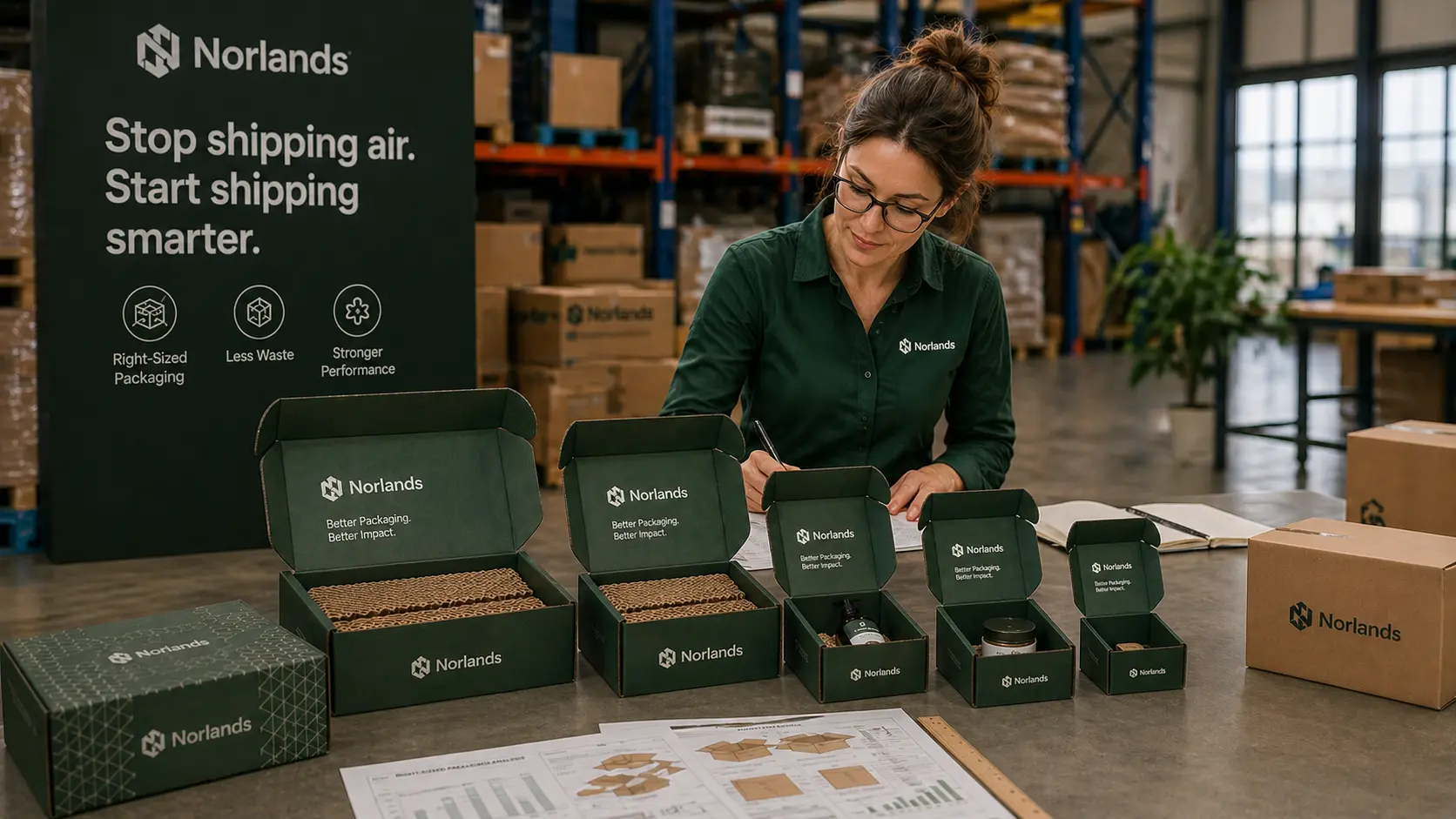
The Real Cost of Empty Space (Deeper Look)
Oversized packaging doesn’t just affect one part of your business—it creates a chain reaction.
Freight Costs Add Up Quickly
Most carriers use dimensional (DIM) weight pricing, which means you’re charged based on the size of the package, not just its actual weight.
Even a few extra inches in box size can push your shipment into a higher pricing tier—multiplied across daily orders, this becomes a major hidden cost.
Material Waste and Packing Time Increase
Larger boxes require more void fill—bubble wrap, paper, or foam—to stabilize the product.
This not only increases material costs but also slows down your packing process, reducing throughput in your warehouse.
Inefficient Storage and Palletization
Extra space inside each box means fewer units per pallet and less efficient use of warehouse storage.
Over time, this leads to higher storage costs and more complex inventory management.
Transportation Inefficiency
When trucks are filled with partially empty boxes, you’re moving less product per shipment.
That means more trips, higher fuel usage, and increased operational costs.
What Smarter Packaging Looks Like (Expanded Insight)
Smarter packaging is not about minimizing size at all costs, it’s about precision and consistency.
A well, optimized packaging system:
- Matches box dimensions closely to product size
- Maintains enough space for proper protection
- Uses standardized sizes across operations
- Supports faster decision, making on the packing line

The goal is to create a system where your team doesn’t have to guess—they simply choose the right option every time.
5 Practical Ways to Stop Shipping Air
-
Measure Your Products Precisely
Accurate data is everything.
Measure not just the product, but also any protective layers such as inner packaging, wrapping, or inserts.
Why it matters:
- Prevents under, sizing (damage risk)
- Prevents over, sizing (cost and waste)
- Creates consistency across your team
Even small measurement errors can lead to large inefficiencies when scaled.
-
Rethink Your Box Selection
Many warehouses rely on a limited number of box sizes for convenience.
The result? Teams default to “the closest available”—which is often too large.
Improvement strategy:
- Introducing a few additional box sizes
- Align box options with your most common product dimensions
- Reduce reliance on “one-size-fits-all” thinking
A slightly more diverse carton assortment can significantly reduce wasted space.
-
Reduce Over, Reliance on Void Fill
Void fill should stabilize the product—not compensate for poor box selection.
If your team consistently uses large amounts of filler, it’s a sign your packaging sizes need adjustment.
Benefits of reducing fillers:
- Lower material costs
- Faster packing process
- Cleaner, more professional shipments
-
Optimize for High Volume Items
Not all products need immediate optimization.
Start with your top, selling or most frequently shipped items.
These have the biggest impact on cost and efficiency.
Why this work:
- Faster ROI
- Easier implementation
- Measurable results in a short time
Once optimized, you can expand improvements to other products.
-
Improve How You Pack and Ship
Packaging decisions affect more than just the box; they impact your entire logistics chain.
Right, sized cartons:
- Stack more efficiently on pallets
- Improve warehouse organization
- Maximize truck capacity
- Reduce complexity
This creates smoother operations from packing to final delivery.
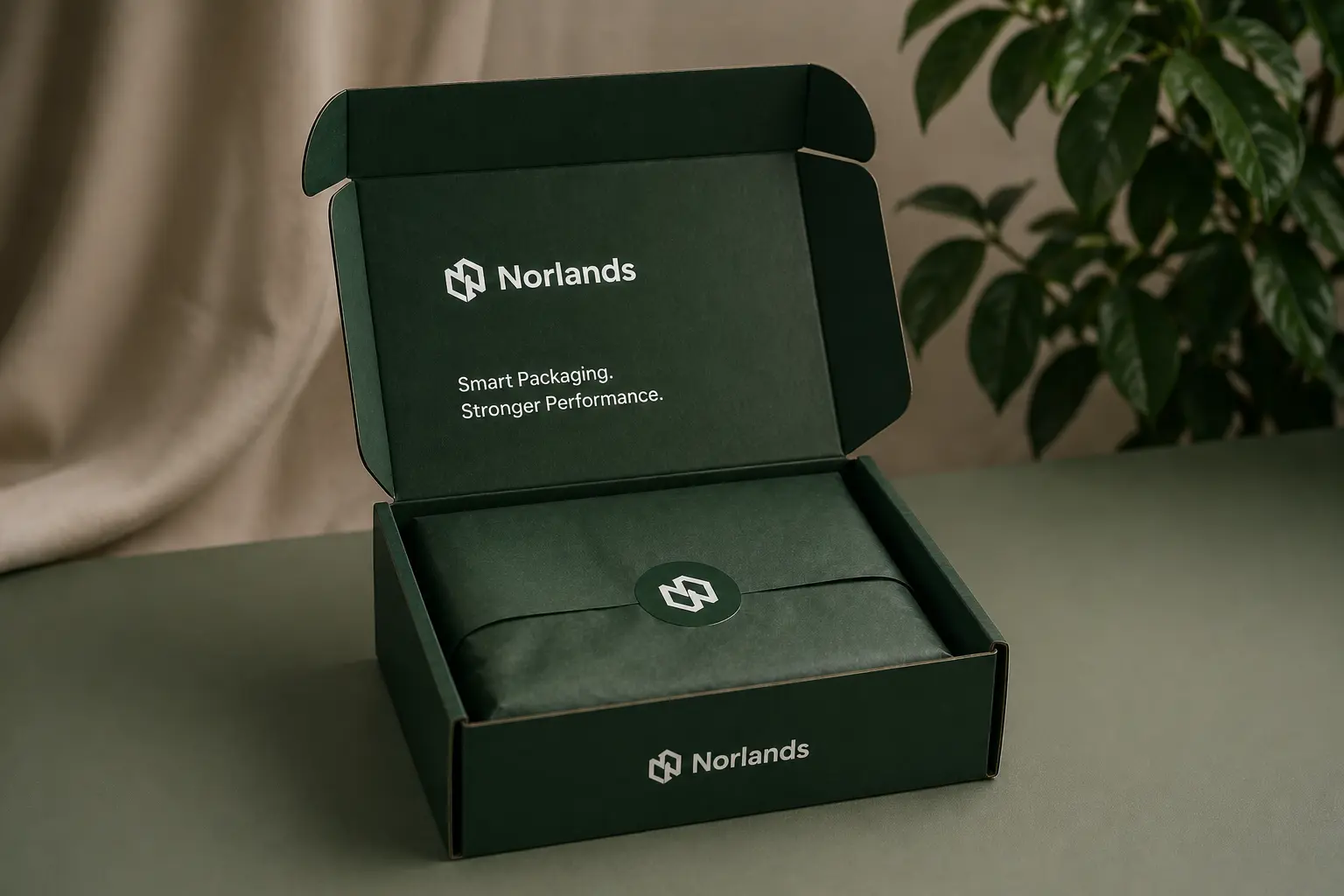
Where the Right Support Makes the Difference
Improving packaging is not just about buying different boxes, it’s about building a better system.
At Norlands, businesses are supported with practical solutions that go beyond product supply. By helping you evaluate your packaging approach, select better, fitting cartons, and exploring tailored options when needed, Norlands becomes part of your operational improvement—not just a vendor.
Small Changes. Real Impact
You don’t need a complete overhaul to see meaningful results.
Small, consistent improvements in packaging can:
- Reduce shipping and material costs
- Improve warehouse efficiency
- Optimize transportation
- Lower environmental impact
And it all starts with one simple shift:
Stop shipping air. Start shipping smarter.
Ready to Improve Your Packaging?
If your packaging decisions are happening on autopilot, there’s an opportunity to do better.
Take a closer look at your current approach—and discover how the right packaging strategy can improve every shipment you send.
At Norlands, we go beyond simply supplying boxes. We work alongside your team to understand how your products are packed, stored, and shipped, and then identify where space, materials, and costs are being lost. By analyzing your most common order sizes, packaging habits, and logistics flow, we help you uncover practical opportunities for improvement that can be implemented quickly.
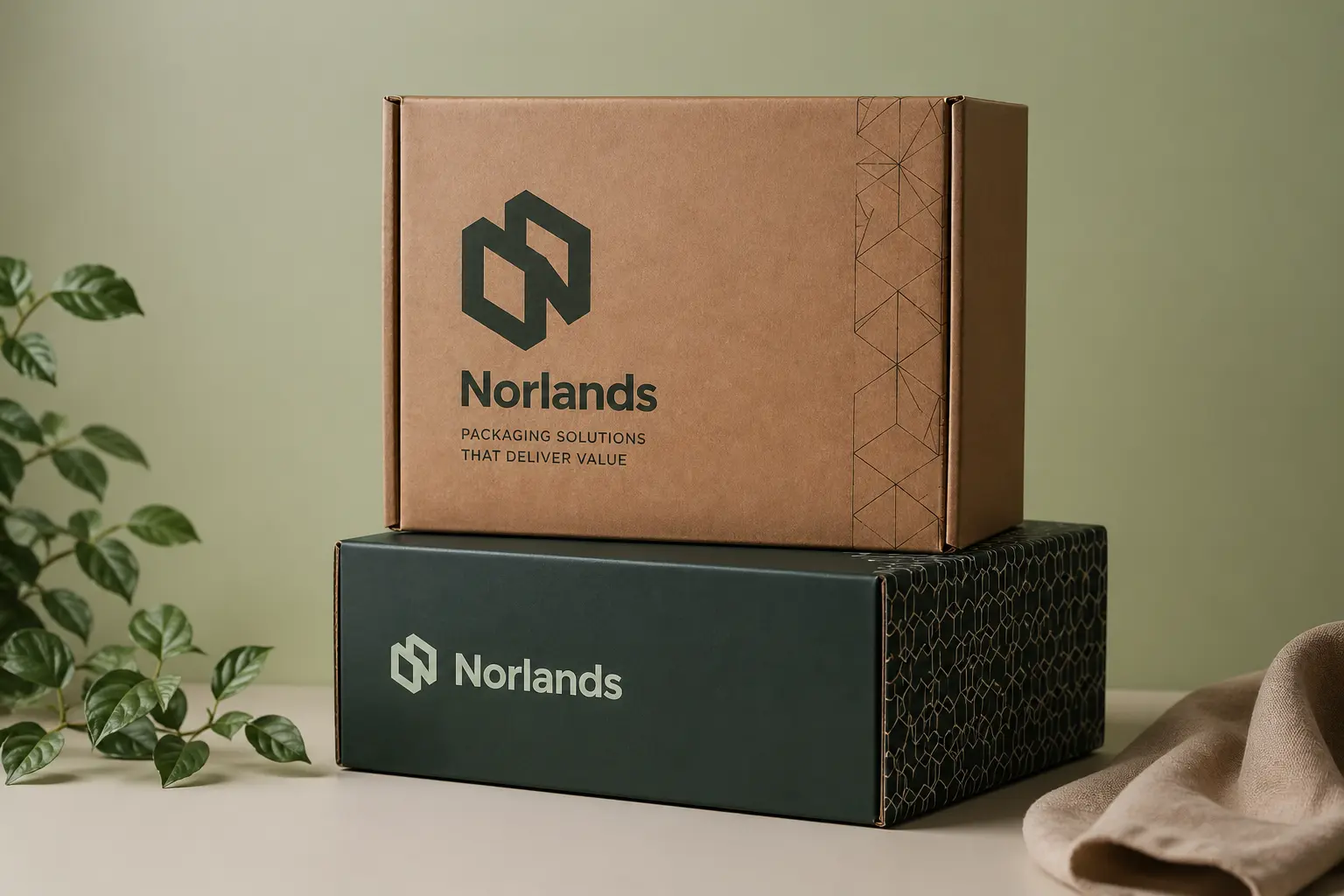
This can include introducing a more efficient range of carton sizes, reducing unnecessary void fill, improving product protection through better, fit packaging, and aligning your packaging choices with how your warehouse and shipping operations function. For businesses with unique or high, volume needs, we also develop custom packaging solutions that are designed specifically around your products—so you’re not forced to adapt your operation to standard sizes.


No comment