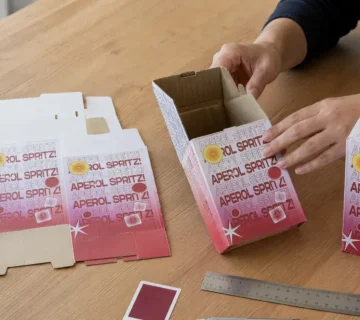

Packaging scalability for growing brands showcased through consistent custom corrugated box production across multiple units

Introduction

Local packaging supply chains Vancouver businesses rely on are being restructured as companies adapt to a more volatile, time-sensitive, and regionally driven market in 2026. What once favored large, centralized Canadian distribution models is now shifting toward localized networks that prioritize speed, control, and reliability. For many Vancouver-based companies, packaging has moved from a background procurement item to a strategic supply chain decision.

Several forces are driving this change. The Vancouver packaging market has faced prolonged lead times, transportation disruptions, and reduced flexibility from national suppliers. At the same time, customer expectations around delivery speed and consistency have increased. These pressures have exposed weaknesses in traditional models and pushed businesses to reconsider domestic packaging sourcing closer to where products are made and shipped.

Local packaging manufacturing and regional packaging suppliers are increasingly seen as a way to stabilize operations. By shortening supply routes and improving coordination, businesses gain better visibility into inventory, production schedules, and risk exposure. This shift also strengthens packaging supply reliability, especially for companies operating lean inventories or managing variable demand across British Columbia.

The transition is not about abandoning national networks entirely, but about rebalancing them. Vancouver businesses are integrating local partners into their sourcing strategies to reduce dependency on distant hubs and improve responsiveness. Understanding why this shift is happening—and how it changes performance—is key to evaluating the future of local packaging supply chains Vancouver companies are now building.

Why Local Packaging Supply Chains Vancouver Are Replacing National Models

Local packaging supply chains Vancouver businesses are prioritizing today represent a structural shift in how packaging is sourced, coordinated, and optimized. Rather than depending on distant national distribution hubs, companies are deliberately investing in local packaging supply chains Vancouver to gain speed, visibility, and operational control. This transition signals that packaging is no longer viewed as a standardized commodity—it is now a strategic lever within supply chain performance.

One of the primary drivers behind the rise of local packaging supply chains Vancouver is adaptability. National models were designed for broad geographic averages and centralized efficiency, but they often struggle to respond quickly to localized demand changes. Vancouver-based companies operate in a market influenced by regional sustainability regulations, port congestion patterns, seasonal fluctuations, and shifting consumer preferences. Local packaging supply chains Vancouver are structured to align with these specific market dynamics, allowing faster material adjustments, production changes, and scheduling flexibility.

Speed is another defining advantage of local packaging supply chains Vancouver. Shorter transportation distances reduce lead times and minimize the lag between order placement and fulfillment. In contrast, national systems may involve extended freight routes, cross-provincial warehousing, and layered coordination. By leveraging local packaging supply chains Vancouver, businesses can reduce response time when order volumes shift or when promotional campaigns drive sudden spikes in demand.

Risk distribution also explains why local packaging supply chains Vancouver are replacing national models. Centralized production networks concentrate capacity in limited hubs, increasing exposure to single-point disruptions. Weather events, labor shortages, or transportation delays in one region can ripple across the entire system. Local packaging supply chains Vancouver mitigate this vulnerability by distributing production closer to end users and creating tighter supplier partnerships. When disruption occurs, local packaging supply chains Vancouver often provide faster contingency adjustments.

Cost analysis further supports the expansion of local packaging supply chains Vancouver. While national suppliers may advertise lower per-unit pricing, hidden costs frequently offset those savings. Extended transit times, increased buffer inventory, delayed revisions, and misaligned customization all reduce operational efficiency. Local packaging supply chains Vancouver improve forecasting accuracy and enable just-in-time production, reducing inventory carrying costs and minimizing waste.

Inventory efficiency is another benefit tied to local packaging supply chains Vancouver. Shorter replenishment cycles allow businesses to operate with leaner safety stock levels. Instead of overordering to compensate for long lead times, companies using local packaging supply chains Vancouver can maintain tighter inventory control and respond dynamically to real-time demand signals.

Sustainability goals also reinforce the importance of local packaging supply chains Vancouver. Reduced freight distance lowers carbon emissions, and regional suppliers are more likely to integrate materials compatible with BC recycling infrastructure. For brands operating in environmentally conscious markets, local packaging supply chains Vancouver strengthen compliance while enhancing brand credibility.

Collaboration is another strategic advantage of local packaging supply chains Vancouver. Proximity encourages closer communication between manufacturers and buyers. Iterative design changes, structural adjustments, and testing cycles become more manageable when partners operate within the same regional ecosystem. Local packaging supply chains Vancouver therefore improve innovation speed alongside operational efficiency.

Ultimately, local packaging supply chains Vancouver are not replacing national models entirely—they are redefining the foundation of packaging strategy in the region. For many Vancouver businesses, local packaging supply chains Vancouver now serve as the backbone of a more resilient, responsive, and regionally optimized packaging framework. As volatility increases and performance expectations rise, the strategic value of local packaging supply chains Vancouver continues to grow.

Local packaging supply chains Vancouver supporting consistent custom box production for regional distribution

Key Challenges That Exposed Weaknesses in Traditional Packaging Supply Chains

The rapid development of local packaging supply chains Vancouver businesses are investing in did not happen by accident. It emerged as a direct response to structural weaknesses in traditional, centralized packaging networks. As supply chain volatility increased, Vancouver companies realized that national models were not designed for the speed, variability, and resilience modern markets demand. In this environment, local packaging supply chains Vancouver began to appear not as an alternative—but as a necessity.

One of the most visible failures of centralized systems has been extended lead times. National packaging suppliers often operate from distant hubs, requiring cross-provincial freight and long scheduling cycles. When congestion, labor shortages, or raw material constraints occur, delays compound quickly. For companies operating in British Columbia, these disruptions exposed the limits of national coordination. In contrast, local packaging supply chains Vancouver significantly reduce transport distance and shorten replenishment cycles, improving packaging supply reliability.

Lead-time instability directly impacts product launches and fulfillment performance. Vancouver brands relying on centralized suppliers frequently faced delayed packaging deliveries, which in turn delayed retail onboarding or e-commerce shipments. These recurring setbacks strengthened the case for local packaging supply chains Vancouver, where proximity enables faster adjustments and clearer communication during disruptions.

Flexibility has been another major weakness in traditional models. Centralized production systems are optimized for scale and efficiency, not for rapid variability. When order quantities shift unexpectedly or when packaging specifications require modification, national suppliers may struggle to respond without resetting production schedules. Local packaging supply chains Vancouver, by contrast, are structured to accommodate regional fluctuations in demand. This adaptability makes local packaging supply chains Vancouver particularly valuable in markets where seasonality and channel diversification create unpredictable volume swings.

The Vancouver packaging market is shaped by port activity, regional retail patterns, sustainability expectations, and evolving consumer behavior. National models, designed for broad geographic averages, often fail to account for these localized dynamics. Local packaging supply chains Vancouver align production more closely with regional demand patterns, allowing faster reconfiguration of materials, formats, and run sizes.

Visibility limitations further exposed centralized weaknesses. In many national systems, buyers have limited insight into upstream capacity, material sourcing status, or production bottlenecks until delays occur. This lack of transparency increases operational risk. Local packaging supply chains Vancouver typically involve closer partnerships, enabling real-time communication about inventory levels, tooling capacity, and forecast adjustments. The transparency built into local packaging supply chains Vancouver supports proactive decision-making rather than reactive problem-solving.

Risk concentration has also been a defining issue. Traditional models centralize inventory and production in a few major hubs, creating single points of failure. When one facility encounters disruption, downstream customers across multiple regions are affected. By distributing production more regionally, local packaging supply chains Vancouver reduce exposure to systemic disruption and strengthen resilience.

Cost structures have likewise been re-evaluated. While national suppliers may offer attractive per-unit pricing, hidden costs related to delays, excess safety stock, and limited customization often erode those savings. Local packaging supply chains Vancouver allow for tighter inventory planning and just-in-time replenishment, reducing the need for inflated buffer stock.

Sustainability pressures have intensified these concerns. Longer transportation routes increase carbon emissions, and centralized sourcing may not align with local recycling infrastructure. Local packaging supply chains Vancouver support shorter transport distances and improved alignment with BC’s environmental expectations, reinforcing both compliance and brand positioning.

Collectively, these challenges revealed a growing mismatch between centralized packaging design and modern supply chain realities. As volatility, complexity, and customer expectations continue to rise, local packaging supply chains Vancouver offer a framework built around responsiveness, regional alignment, and operational control. For many Vancouver businesses, local packaging supply chains Vancouver are no longer a secondary option—they are becoming the structural foundation of packaging strategy moving forward.

Research published by Harvard Business Review highlights a structural shift toward regionalized supply chains, as companies seek to reduce dependency on distant production hubs and improve resilience, speed, and risk distribution. This transition supports the growing importance of local packaging supply chains Vancouver businesses are building to strengthen operational control and reliability.

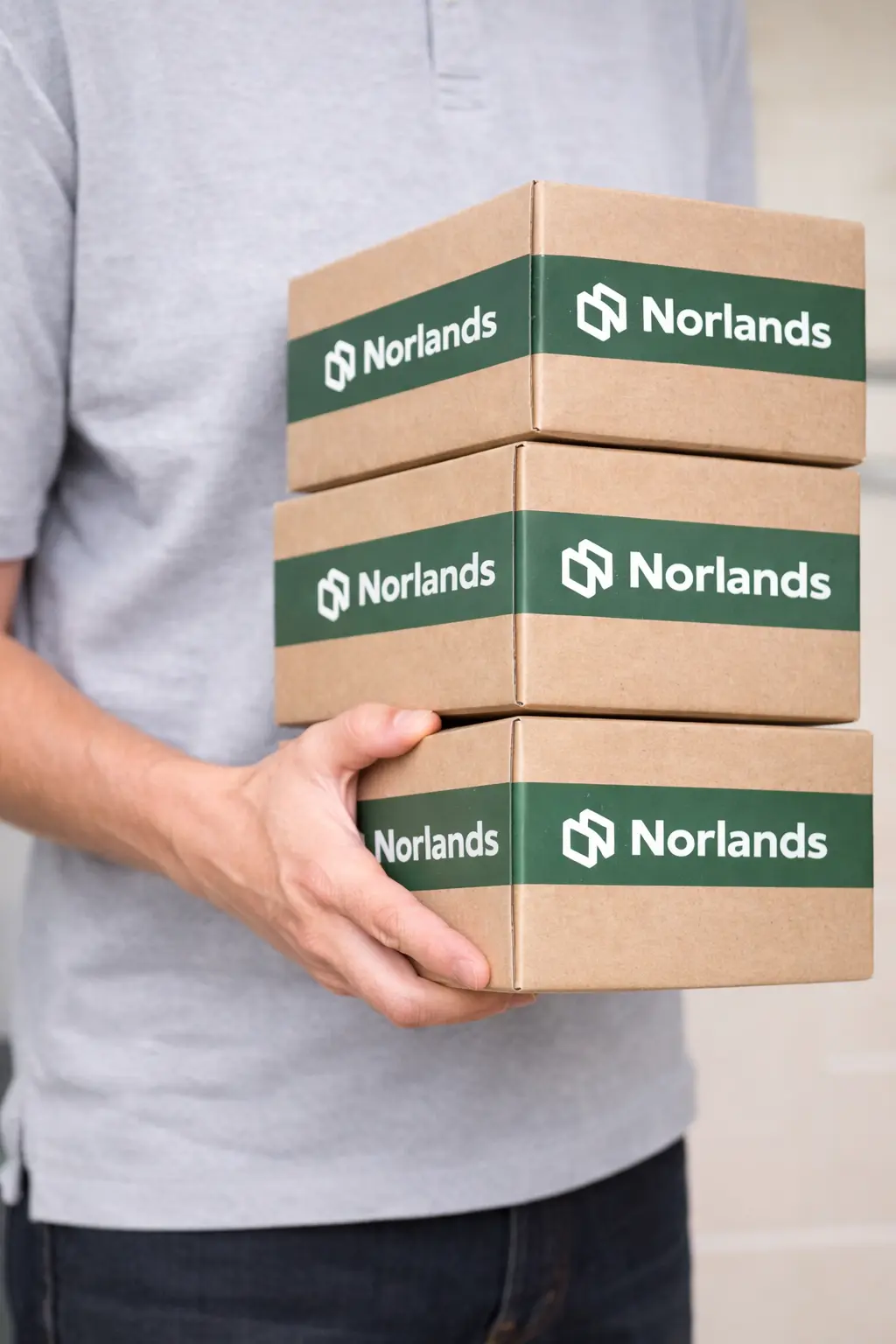
How Local Packaging Supply Chains Vancouver Improve Speed and Reliability

Local packaging supply chains Vancouver businesses are adopting are designed to remove distance, delay, and uncertainty from packaging procurement. By sourcing closer to where products are made and shipped, companies gain tangible improvements in both speed and operational reliability—two areas where centralized models often fall short.

Shorter supply routes reduce transit time and dependency on long-haul logistics. This allows businesses in the Vancouver packaging market to place orders closer to actual demand, adjust quantities faster, and respond to market changes without waiting weeks for replenishment. The result is leaner inventory management and fewer disruptions tied to delayed packaging availability.

Reliability improves through tighter coordination. Working with regional packaging suppliers enables clearer communication around production schedules, material availability, and capacity constraints. This visibility supports better forecasting and reduces last-minute surprises that impact fulfillment timelines. For companies managing tight delivery windows, these gains directly support packaging supply reliability.

Local models also reduce risk concentration. Instead of relying on a single distant hub, businesses distribute sourcing across nearby partners. When issues arise—such as transportation delays or short-term capacity constraints—local suppliers can often adapt more quickly, maintaining continuity across BC packaging distribution networks.

Together, these factors explain why Vancouver businesses are prioritizing local packaging supply chains as a way to improve responsiveness without sacrificing consistency.

Local packaging supply chains Vancouver promoting sustainable packaging solutions with natural material designs

Lead Time Reduction Through Local Packaging Manufacturing

Local packaging manufacturing plays a central role in compressing lead times for Vancouver businesses. Producing packaging closer to the point of use eliminates long shipping cycles and reduces exposure to interprovincial or cross-country delays. Orders that once required weeks can often be fulfilled in days.

This proximity also enables more flexible production planning. Local manufacturers can accommodate smaller batch runs, frequent reorders, and design adjustments without the extended scheduling constraints typical of national plants. For businesses operating in fast-moving markets, this agility translates into faster launches and fewer delays.

Supply Chain Visibility and Risk Control at the Regional Level

Regional sourcing improves visibility across the packaging supply chain. Vancouver businesses working with local partners gain clearer insight into production capacity, inventory levels, and potential bottlenecks. This transparency supports proactive decision-making rather than reactive problem-solving.

Risk control also improves. When disruptions occur, regional packaging suppliers can communicate and adjust quickly, reducing the likelihood of complete stoppages. This level of control is a key reason why local packaging supply chains are becoming a foundational element of sourcing strategies in British Columbia.

Local Packaging Supply Chains Vancouver vs Centralized Canadian Distribution

Local packaging supply chains Vancouver businesses are prioritizing today differ structurally and operationally from centralized Canadian distribution networks. While centralized systems are engineered for national scale and high-volume efficiency, local packaging supply chains Vancouver are built around proximity, speed, and regional alignment. This structural difference directly impacts lead times, risk exposure, and operational flexibility.

Centralized Canadian distribution models typically rely on large production facilities located far from end markets. Packaging manufactured in Eastern Canada or centralized hubs must travel long distances before reaching British Columbia. In contrast, local packaging supply chains Vancouver reduce transportation layers and eliminate unnecessary cross-country freight cycles. Fewer handoffs mean lower delay risk and stronger packaging supply reliability.

Under centralized systems, Vancouver-based companies often operate at the edge of capacity allocation. When disruptions occur—whether related to labor, raw materials, or freight congestion—reallocation decisions typically prioritize larger national accounts or geographically closer markets. Businesses dependent on centralized suppliers may experience extended wait times. Local packaging supply chains Vancouver, however, provide closer coordination and faster re-prioritization during unexpected demand shifts.

Responsiveness is one of the most significant distinctions. Centralized distribution is optimized for stable, forecast-driven demand. Sudden fluctuations in order size or packaging specifications can disrupt tightly scheduled production runs. Local packaging supply chains Vancouver are inherently more adaptable, allowing regional suppliers to adjust materials, print runs, and production schedules with greater agility. This adaptability is particularly important in the Vancouver packaging market, where seasonal demand and e-commerce growth create frequent variability.

Visibility also differs between the two models. In centralized networks, buyers may have limited insight into upstream production status until delays surface. With local packaging supply chains Vancouver, communication tends to be more direct and transparent. Proximity facilitates faster problem-solving, collaborative forecasting, and iterative design adjustments.

Cost structures must also be evaluated beyond surface pricing. Centralized distribution often benefits from economies of scale, offering competitive per-unit costs. However, these apparent savings may be offset by indirect expenses—longer lead times requiring higher safety stock, delayed product launches, or lost sales due to stockouts. Local packaging supply chains Vancouver frequently deliver stronger total cost efficiency by minimizing inventory buffers and enabling just-in-time replenishment.

Sustainability considerations further distinguish the models. Long-distance shipping associated with centralized systems increases transportation emissions. Local packaging supply chains Vancouver reduce freight distance and often align more closely with BC recycling infrastructure and environmental expectations. For businesses operating in environmentally conscious markets, this alignment strengthens both compliance and brand credibility.

Risk distribution represents another core difference. Centralized systems concentrate production in limited hubs, increasing vulnerability to single-point failures. Local packaging supply chains Vancouver distribute production more regionally, reducing systemic disruption risk and enhancing resilience during logistics shocks.

For many BC businesses, the strategic decision is not binary. Companies increasingly adopt hybrid models—leveraging centralized Canadian distribution for stable baseline demand while using local packaging supply chains Vancouver for speed-critical, customized, or high-variability segments. This blended approach allows organizations to balance scale efficiency with regional responsiveness.

Ultimately, local packaging supply chains Vancouver are gaining prominence because they align more closely with modern operational realities. As demand volatility, sustainability pressure, and delivery expectations intensify, local packaging supply chains Vancouver provide the responsiveness and control that centralized models often struggle to deliver.

Local packaging supply chains Vancouver enabling efficient fulfillment through locally produced corrugated packaging

Which Industries Benefit Most From Local Packaging Supply Chains Vancouver

Local packaging supply chains Vancouver companies are adopting provide the greatest value to industries where timing, flexibility, and reliability directly affect performance. In these sectors, packaging availability is closely tied to revenue, customer satisfaction, and operational continuity.

Manufacturing and B2B operations benefit significantly. These businesses often rely on synchronized production schedules, where delays in packaging can halt output entirely. Local packaging manufacturing supports just-in-time workflows and reduces downtime caused by late deliveries.

E-commerce and direct-to-consumer brands in the Vancouver packaging market also see strong advantages. Fast fulfillment and frequent demand shifts require packaging that can be reordered quickly and adjusted easily. Regional packaging suppliers enable shorter replenishment cycles and more responsive service, supporting rapid growth and customer expectations.

Food and beverage companies are another key group. Packaging supply reliability is critical when products have limited shelf life or strict handling requirements. Local sourcing helps these businesses maintain consistency and respond quickly to seasonal or promotional demand without overstocking.

Across these industries, domestic packaging sourcing offers Vancouver businesses greater control over timing and quality—factors that are increasingly decisive in competitive markets.

Local packaging supply chains Vancouver article call to action highlighting local supply chain strategies for expanding businesses

How Businesses in BC Are Structuring Local Packaging Partnerships

Local packaging supply chains Vancouver businesses are structuring today are increasingly built on strategic alignment rather than simple purchasing agreements. In British Columbia, companies understand that packaging performance directly affects inventory flow, customer satisfaction, and operational stability. As a result, local packaging supply chains Vancouver organizations depend on are formed through long-term collaboration, data sharing, and integrated planning.

One foundational shift is the move from price-driven procurement to value-based partnerships. Instead of selecting suppliers solely on unit cost, businesses evaluate responsiveness, production flexibility, material access, and proximity. Local packaging supply chains Vancouver companies cultivate allow for closer coordination on lead times, material substitutions, and contingency planning. This reduces uncertainty and strengthens overall packaging supply reliability across regional distribution networks.

Supplier consolidation at the local level is another defining trend. By concentrating purchasing volume with fewer regional partners, companies increase mutual commitment. This approach improves forecasting accuracy and gives suppliers clearer visibility into demand cycles. Within local packaging supply chains Vancouver firms are developing, shared forecasting tools and regular planning reviews are becoming standard practice, enabling both sides to prepare for seasonal fluctuations and unexpected surges.

Early supplier integration is equally important. Rather than treating packaging as a final-stage decision, BC businesses involve regional partners during product development and promotional planning. When packaging suppliers are included in early discussions, local packaging manufacturing capacity can be reserved and optimized ahead of demand spikes. This proactive structure strengthens local packaging supply chains Vancouver manufacturers support by reducing reactive ordering and last-minute adjustments.

Transparency and performance measurement further define modern partnerships. Businesses track delivery accuracy, responsiveness to design changes, sustainability compliance, and problem-resolution speed. These metrics are not used purely for evaluation but for continuous improvement. Strong local packaging supply chains Vancouver organizations rely on evolve through feedback loops that refine processes and increase efficiency over time.

Risk-sharing mechanisms are also emerging. Some partnerships include flexible production windows, prioritized manufacturing slots, or shared safety stock strategies. These arrangements distribute responsibility and protect both parties during disruptions. In this way, local packaging supply chains Vancouver companies build become collaborative ecosystems rather than transactional supply routes.

Sustainability alignment plays a growing role as well. Vancouver-based companies face increasing environmental expectations, and regional suppliers are often better positioned to adapt materials to local recycling systems and regulatory standards. This shared sustainability focus strengthens brand positioning while reinforcing the operational benefits of local packaging supply chains Vancouver businesses are prioritizing.

Ultimately, the structure of these partnerships reflects a broader mindset shift. Packaging is no longer viewed as a commodity input but as an integrated operational asset. By aligning planning cycles, performance metrics, and growth objectives, BC businesses are building local packaging supply chains Vancouver can depend on for speed, resilience, adaptability, and long-term competitive advantage.

Frequently Asked Questions About Local Packaging Supply Chains Vancouver

What are local packaging supply chains in Vancouver?
They refer to sourcing packaging from regional manufacturers and suppliers in or near Vancouver to reduce lead times, improve reliability, and increase supply chain control.

Why are Vancouver businesses shifting away from national packaging models?
National models often involve long lead times and limited flexibility. Local packaging supply chains offer faster response and better alignment with local demand.

Are local packaging suppliers more expensive?
Unit costs may be slightly higher, but improved packaging supply reliability and reduced delays often lower total operational costs.

Which industries benefit most from local packaging supply chains?
Manufacturing, e-commerce, and food businesses benefit most due to their need for speed, consistency, and flexible packaging availability.

Does domestic packaging sourcing reduce supply chain risk?
Yes. Shorter supply routes and direct communication with regional suppliers reduce disruption and improve risk management.

Local packaging supply chains Vancouver providing flexible box sizing and rapid supply chain responsiveness

Conclusion

Local packaging supply chains Vancouver businesses are building reflect a broader shift toward speed, control, and resilience in 2026. As centralized Canadian distribution models struggle with flexibility and long lead times, Vancouver companies are prioritizing proximity and transparency in how packaging is sourced and managed.

By working with regional packaging suppliers and investing in local packaging manufacturing, businesses improve packaging supply reliability and reduce exposure to disruption. These advantages are especially valuable in the Vancouver packaging market, where demand variability and delivery expectations continue to rise.

The most effective strategies blend domestic packaging sourcing with selective national support, creating a balanced model that aligns cost efficiency with responsiveness. As BC companies continue to restructure their sourcing approaches, local packaging supply chains are becoming a competitive foundation rather than a tactical adjustment.

No comment

Leave a Reply

Your email address will not be published. Required fields are marked *