
introduction
Eco friendly food packaging Canada businesses choose needs to accomplish more than replacing one packaging material with another. Sustainable food packaging must protect the food, maintain package integrity, use materials efficiently, perform throughout transportation, and provide a realistic end-of-life pathway.
For restaurants, food manufacturers, bakeries, retailers, delivery businesses, and specialty food brands, choosing eco friendly food packaging Canada requires balancing environmental goals with food protection and real-world packaging performance.
A package that uses less material but allows leakage, contamination, damage, or unnecessary food waste may not deliver the sustainability improvement expected. The strongest approach to eco friendly food packaging Canada is therefore to evaluate the complete packaging system rather than focusing on a single environmental claim.
Sustainability Principle:
Effective eco friendly food packaging Canada should consider food protection, food-contact requirements, material efficiency, transportation, packaging waste, food waste, and the realistic recovery or disposal pathway together.
What Is Eco Friendly Food Packaging Canada?
Eco friendly food packaging Canada generally refers to packaging designed to reduce environmental impacts while still delivering the protection and performance required by the food product.
Depending on the application, this may involve recyclable materials, fibre-based packaging, compostable formats, reduced material use, reusable systems, right-sized packaging, or structures designed to reduce unnecessary secondary packaging.
What Does “Eco Friendly” Actually Mean?
The term “eco friendly” can describe different packaging strategies. One business may focus on recyclable packaging, while another may prioritize renewable fibre, material reduction, reusable packaging, or compostable materials.
For this reason, evaluating eco friendly food packaging Canada requires looking beyond the label and understanding what environmental improvement the packaging is actually intended to provide.
Why There Is No Single Sustainable Packaging Material
Food products have very different requirements. Dry bakery products, fresh produce, prepared meals, frozen products, sauces, and beverages may require different levels of moisture resistance, grease resistance, temperature performance, structural strength, and protection.
No single material can automatically be considered the best eco friendly food packaging Canada solution for every application.
Looking Beyond Environmental Marketing Claims
Terms such as recyclable, compostable, biodegradable, plant-based, and plastic-free describe different characteristics. They should not be treated as interchangeable sustainability claims.
Businesses evaluating eco friendly food packaging Canada should understand what the material is, how it performs, and what is expected to happen to it after use.
Why Food Protection Must Remain the First Requirement
Food packaging exists primarily to contain and protect food. If reducing packaging compromises protection and contributes to leakage, contamination, physical damage, or premature disposal of the food, the overall environmental outcome may be worse than expected.
Successful eco friendly food packaging Canada should therefore reduce unnecessary packaging impact without ignoring the product it exists to protect.
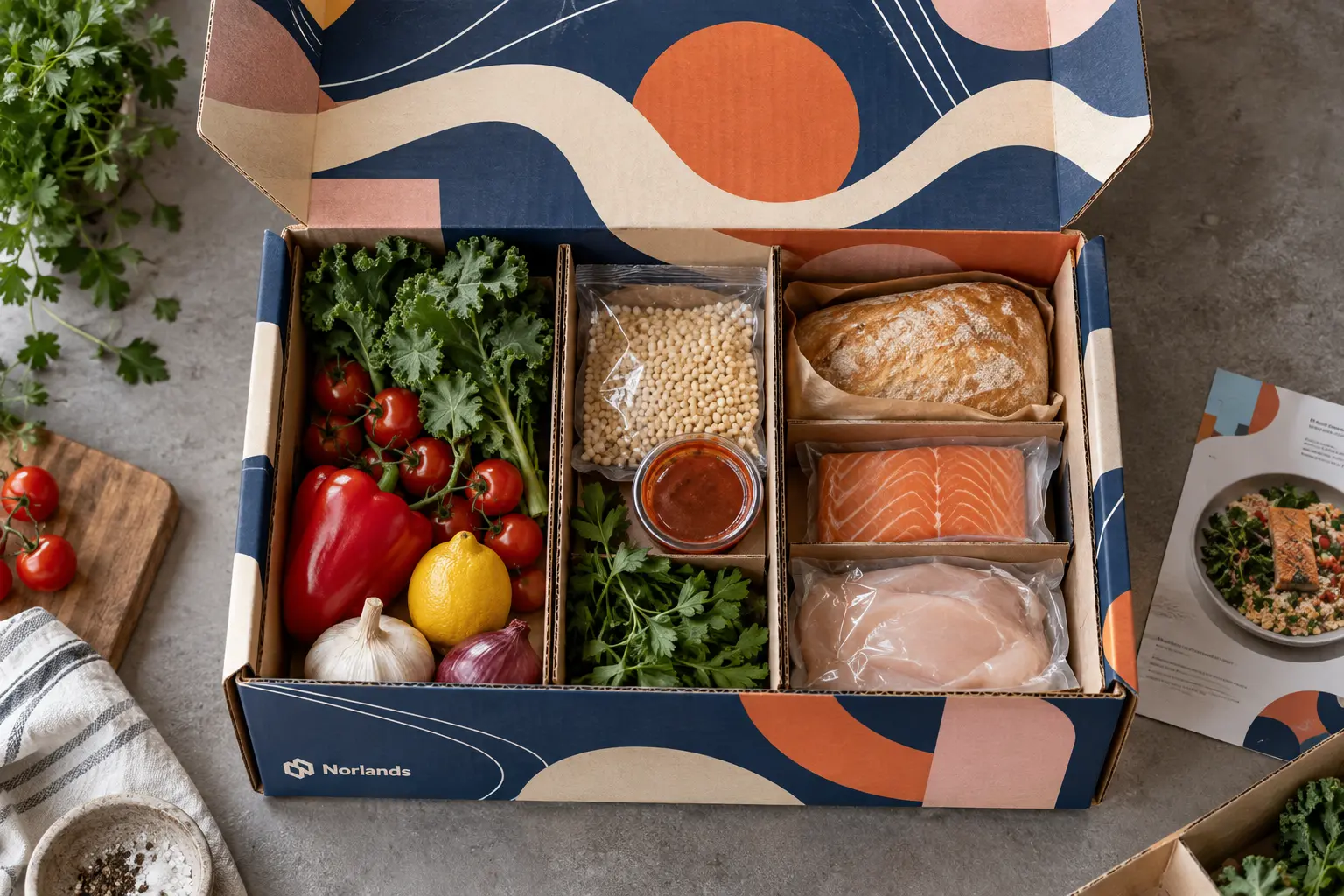
Why Canadian Food Businesses Are Rethinking Packaging
Interest in eco friendly food packaging Canada is growing as businesses reconsider how packaging materials, product protection, waste reduction, transportation, and customer expectations fit into their sustainability strategies.
Growing Packaging Waste Concerns
Food packaging is often used for relatively short periods, making material selection and end-of-life considerations particularly visible. Businesses may therefore look for ways to reduce unnecessary material and simplify packaging systems.
Consumer Expectations
Customers increasingly encounter environmental claims on packaging and may expect businesses to explain material choices and disposal instructions clearly.
Business Sustainability Goals
For some organizations, eco friendly food packaging Canada forms part of broader efforts to reduce material use, improve packaging efficiency, reconsider sourcing, or reduce avoidable waste.
Changing Packaging Requirements
Packaging requirements can change as products, distribution channels, customer expectations, and business operations evolve. A packaging format that worked for one channel may not be appropriate for another.
Reducing Dependence on Unnecessary Single-Use Materials
Businesses can evaluate whether every packaging component performs a necessary function. Eliminating redundant layers or right-sizing the complete package may sometimes provide a more practical improvement than simply replacing one material with another.
Better Question:
Instead of asking only “Which material sounds greener?”, businesses evaluating eco friendly food packaging Canada should ask: “Which packaging system protects this food effectively while reducing unnecessary environmental impact?”
What Materials Are Used for Eco Friendly Food Packaging Canada?
The materials used for eco friendly food packaging Canada vary according to food type, temperature, moisture, grease, transportation, structural requirements, and intended end-of-life pathway.
Paper-Based Packaging
Paper-based materials are used in many food packaging applications because they can provide printability, structural flexibility, and fibre-based construction. Their suitability depends on the specific food and any required barriers or coatings.
Corrugated Board
Corrugated board can be used for secondary packaging, transportation, produce boxes, food distribution, meal kits, and other applications where structural protection is required.
Within eco friendly food packaging Canada, corrugated packaging can support material efficiency and right-sizing while providing protection throughout distribution.
Kraft Materials
Kraft-based materials are commonly associated with paper and fibre packaging. They can be used across boxes, carriers, cartons, and other formats depending on the performance required.
Moulded Fibre
Moulded fibre can be formed into trays, supports, containers, and protective structures. Its suitability depends on the food product and required moisture, grease, temperature, and structural performance.
Plant-Based Materials
Some eco friendly food packaging Canada options use materials derived partly or primarily from plant-based feedstocks. However, the source of a material alone does not determine its overall sustainability or correct disposal pathway.
Bio-Based Packaging
Bio-based describes the origin of all or part of a material rather than automatically describing how it should be disposed of. A bio-based material is not necessarily compostable or biodegradable under every condition.
Reusable Packaging Systems
In appropriate applications, reusable packaging can reduce dependence on repeated single-use packaging. However, collection, cleaning, transportation, reuse rates, and operational requirements should be considered when evaluating the complete system.
Recyclable vs Compostable vs Biodegradable Food Packaging
One of the most important parts of understanding eco friendly food packaging Canada is recognizing that recyclable, compostable, and biodegradable do not mean the same thing.
| Term | What It Generally Describes | Key Consideration |
|---|---|---|
| Recyclable | Material capable of entering an appropriate recycling process | Actual acceptance and contamination conditions matter |
| Compostable | Designed to break down under defined composting conditions | Requires an appropriate composting pathway |
| Biodegradable | Describes biological breakdown under suitable conditions | Does not by itself define a disposal system or timeframe |
What Makes Food Packaging Recyclable?
Recyclability depends on more than the base material. Coatings, adhesives, food contamination, labels, laminates, and other components may affect whether packaging can enter an available recycling system.
What Does Compostable Mean?
Compostable food packaging is intended to break down under defined composting conditions. Businesses considering compostable eco friendly food packaging Canada should also consider whether an appropriate collection and processing pathway is realistically available.
What Does Biodegradable Mean?
Biodegradable generally refers to a material’s ability to break down biologically under suitable conditions. The term alone does not explain the required environment, timeframe, or correct disposal pathway.
Why These Terms Are Not Interchangeable
A recyclable package is not automatically compostable. A compostable package should not automatically be placed in recycling. A biodegradable material is not automatically appropriate for every composting system.
Clear distinctions are essential when selecting and communicating eco friendly food packaging Canada.
Why the Actual Disposal System Matters
A theoretical end-of-life benefit has limited value if the packaging cannot enter the required recovery system where it is actually used. Local collection and processing options should therefore be considered when choosing packaging materials.
Eco Friendly Food Packaging Canada and Food Safety
Sustainability cannot replace food safety and packaging performance. Eco friendly food packaging Canada must remain suitable for the food product and intended application.
Food-Contact Requirements
Materials and packaging components intended for direct food contact need to be appropriate for that use and the specific conditions in which the package will be used.
In Canada, food businesses remain responsible for ensuring that packaging materials used with food are safe and suitable for their intended application. Environmental attributes should therefore be evaluated alongside food-contact safety rather than being treated as a substitute for it.
Preventing Contamination
Packaging should help protect food from external contamination and maintain suitable containment throughout handling, storage, transportation, and customer use.
Temperature Resistance
Hot meals, refrigerated products, frozen foods, and room-temperature products can create different packaging demands. Eco friendly food packaging Canada should be selected with actual temperature conditions in mind.
Moisture and Grease Resistance
Moisture and grease can weaken unsuitable packaging or cause leakage. Some food applications therefore require barrier properties in addition to structural strength.
Maintaining Package Integrity
A package needs to remain functional throughout its intended journey. Closures, folds, seams, walls, and structural features should continue to contain and protect the food under expected conditions.
Matching Materials to the Actual Food Product
The most appropriate eco friendly food packaging Canada depends on what is actually being packaged. Material selection should follow product requirements rather than relying on a generic sustainability label.
Food Protection Comes First:
The goal of eco friendly food packaging Canada should not be to minimize packaging at any cost. The goal is to use packaging efficiently while maintaining the protection required to keep the food contained, usable, and protected throughout its intended journey.
Why Food Waste Matters in Sustainable Packaging
Packaging waste is visible, but it should not be evaluated independently from food waste. Effective eco friendly food packaging Canada should consider whether the package helps protect the resources already invested in producing, processing, storing, and transporting the food.
Packaging’s Role in Product Protection
Packaging can provide containment, physical protection, barriers, organization, and support during transportation and handling.
Preventing Leakage and Damage
A failed package can result in more than packaging waste. Leakage or structural failure may make the food unusable and can potentially affect other products within the same delivery or shipment.
Supporting Shelf Life
Cutting Dies Canada: Precision Die-Cutting Solutions for Packaging and Manufacturing
Quick question:
You might also like
Where packaging contributes to maintaining appropriate product conditions, it may also help reduce premature food disposal. The required performance varies significantly between food categories.
Preventing Contamination
Appropriate packaging can help separate food from external contaminants throughout distribution, retail, delivery, and storage.
Why Using Less Packaging Is Not Always More Sustainable
Material reduction is valuable when packaging performance is maintained. But reducing material until the package no longer protects the food can create a false economy.
The better objective for eco friendly food packaging Canada is to remove unnecessary packaging while retaining the material and structural performance genuinely required by the product.
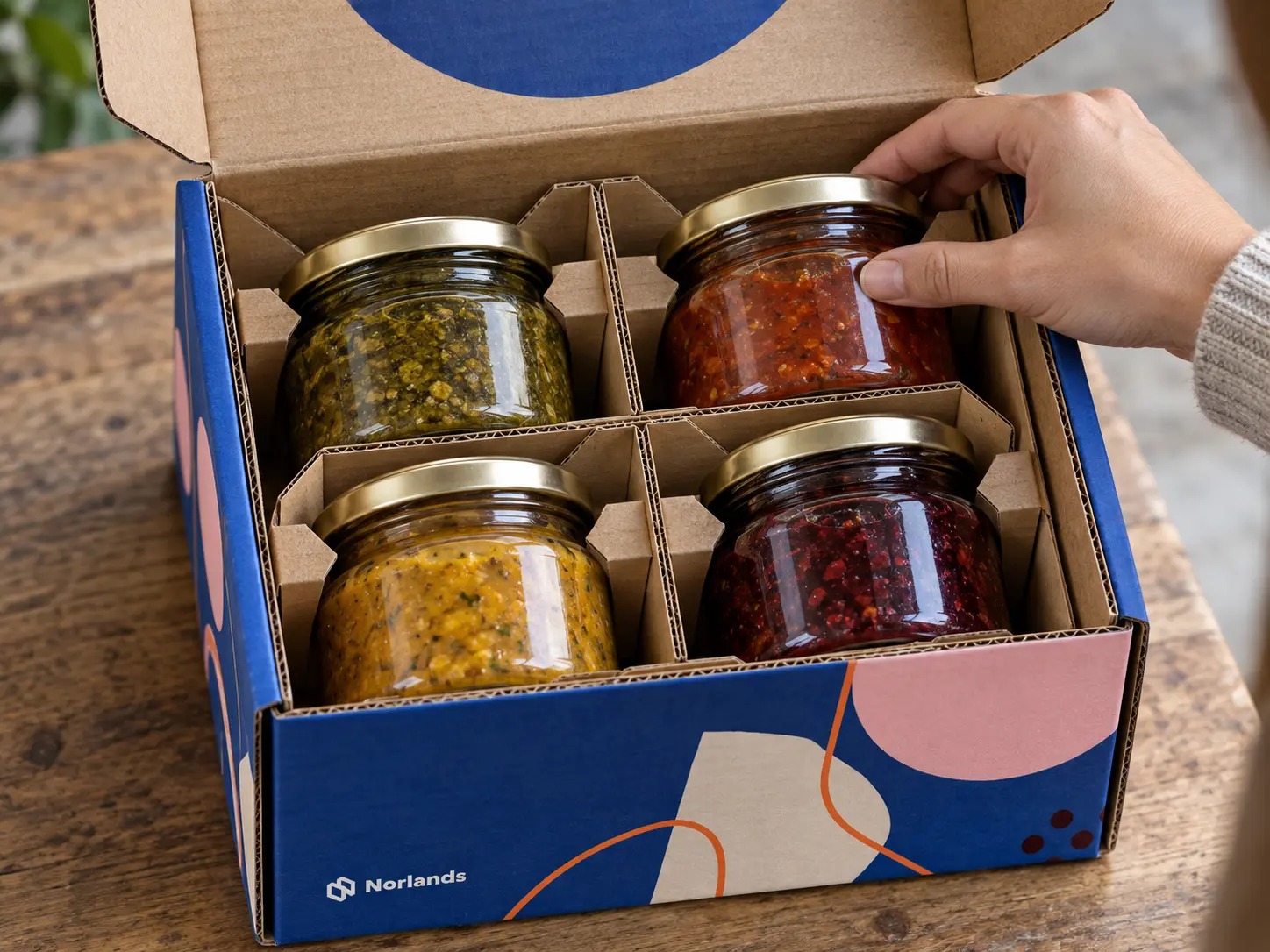
Eco Friendly Food Packaging Canada for Restaurants
Restaurants have some of the most demanding applications for eco friendly food packaging Canada. Packaging may need to contain hot meals, cold foods, sauces, grease, moisture, and multiple items while remaining practical for takeaway and delivery.
The right solution should therefore balance sustainability with containment, temperature conditions, structural performance, and the actual journey between the restaurant and customer.
Takeout Containers
Takeout packaging should match the food being served. Dry foods, meals with sauces, fried foods, salads, and desserts can all require different levels of moisture resistance, grease resistance, ventilation, and structural support.
Delivery Packaging
Eco friendly food packaging Canada for restaurant delivery should remain functional while being handled, stacked, carried, and transported. Closures and structural integrity become particularly important when food travels beyond the restaurant.
Hot Food Packaging
Packaging for hot foods needs to perform under the temperatures expected during filling, holding, and delivery. Material selection should also account for moisture and grease generated by the food.
Cold Food Packaging
Cold foods create different requirements. Condensation, moisture, refrigeration, and product presentation can influence which eco friendly food packaging Canada options are appropriate.
Sauces and Moisture-Rich Foods
Foods containing sauces, oils, or significant moisture require packaging with suitable containment and barrier performance. Choosing a material based only on its environmental positioning can create problems if it cannot reliably contain the product.
Multi-Item Orders
Restaurants should also consider the complete order rather than each container individually. Right-sizing bags, separating products only where necessary, and reducing redundant components can improve the overall efficiency of eco friendly food packaging Canada.
Restaurant Packaging Rule:
For restaurants, effective eco friendly food packaging Canada should reduce unnecessary material without compromising containment, food protection, handling, or delivery performance.
Eco Friendly Food Packaging Canada for Food Delivery
Food delivery creates additional challenges because the package must perform after leaving the controlled restaurant or production environment. Eco friendly food packaging Canada for delivery should consider movement, temperature, leakage, order organization, and transportation efficiency.
Preventing Leakage During Transportation
A package that works on a counter may perform differently when carried in a delivery bag or vehicle. Closures, seams, material strength, and product orientation should be appropriate for transportation.
Maintaining Food Quality
Packaging should support the conditions required by the food during the expected delivery period. The appropriate solution depends on the specific product rather than a universal packaging format.
Separating Hot and Cold Products
Orders containing products with different temperature requirements may benefit from intentional separation. Eco friendly food packaging Canada should consider the complete delivery system rather than treating every individual container independently.
Optimizing Packaging Size
Right-sized containers and outer packaging can reduce unnecessary material and empty space while keeping products properly contained.
Reducing Excess Bags and Containers
Businesses can review whether secondary bags, containers, sleeves, dividers, or other components perform a necessary function. Removing genuinely unnecessary components can support packaging waste reduction without weakening food protection.
Eco Friendly Food Packaging Canada for Food Manufacturers
Food manufacturers often require packaging systems that perform across production, storage, retail, warehousing, and distribution. For these businesses, eco friendly food packaging Canada should be evaluated across the entire packaging system rather than only the consumer-facing package.
Primary vs Secondary Packaging
Primary packaging directly contains or interacts with the food, while secondary packaging may group or protect products during handling and distribution. These layers can have different material and performance requirements.
Retail-Ready Packaging
Retail-ready packaging may need to support product protection, efficient handling, identification, presentation, and shelf organization.
Shipping and Distribution Packaging
Secondary corrugated packaging can protect packaged food products during warehousing and transportation. Right-sizing this layer can be an important part of eco friendly food packaging Canada.
Custom Corrugated Packaging
Custom corrugated structures can be designed around product quantities, dimensions, weight, stacking, pallet configuration, and distribution requirements. Better fit can help reduce unnecessary space and material.
Packaging for Commercial Production Volumes
A packaging solution also needs to work repeatedly at the required production scale. Assembly, packing speed, storage, palletization, manufacturing consistency, and supply requirements should be considered alongside sustainability goals.
Eco Friendly Food Packaging Canada for Bakeries
Bakeries can use eco friendly food packaging Canada across bread, pastries, desserts, cakes, and specialty products, but packaging requirements vary considerably between these categories.
Bread Packaging
Bread packaging should reflect the specific product, intended shelf period, handling, presentation, and protection requirements.
Pastry and Dessert Boxes
Pastries and desserts often need packaging that protects delicate surfaces while keeping products positioned appropriately during carrying and delivery.
Cake Packaging
Cakes may require stronger structures, appropriate internal clearance, stable bases, and dimensions that support safe transportation.
Grease Resistance
Butter, oils, fillings, and other ingredients can create grease-resistance requirements. Suitable eco friendly food packaging Canada should provide the required performance without treating sustainability and functionality as separate issues.
Product Presentation and Protection
Bakery packaging is highly visible to customers, but presentation should not compromise protection. Structure, material, dimensions, and graphics should work together around the food product.
Need packaging that fits your product, timeline, and budget?
Tell us what you’re packaging and we’ll help you find the right box style, material, and production path.
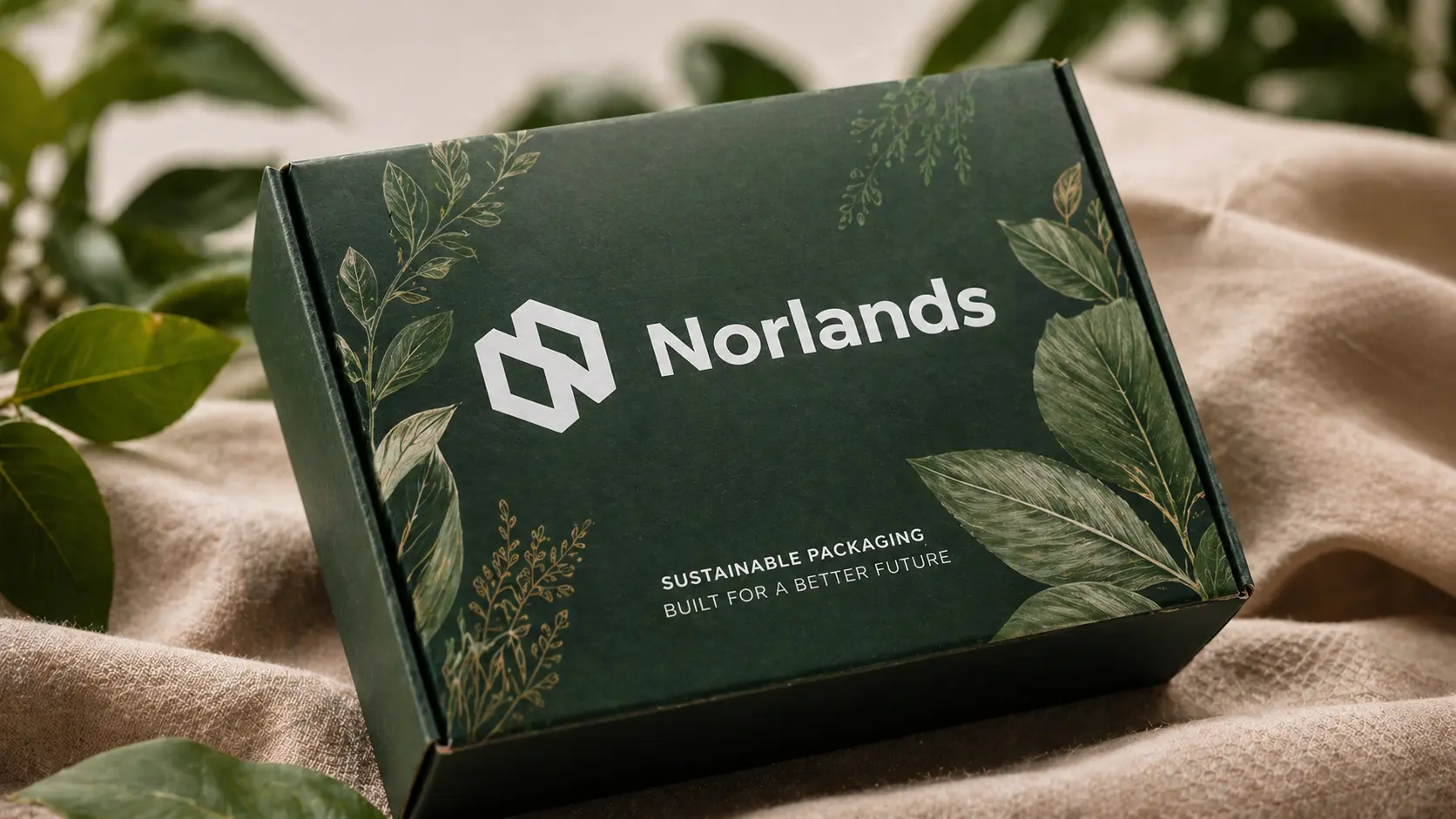
Eco Friendly Food Packaging Canada for Produce
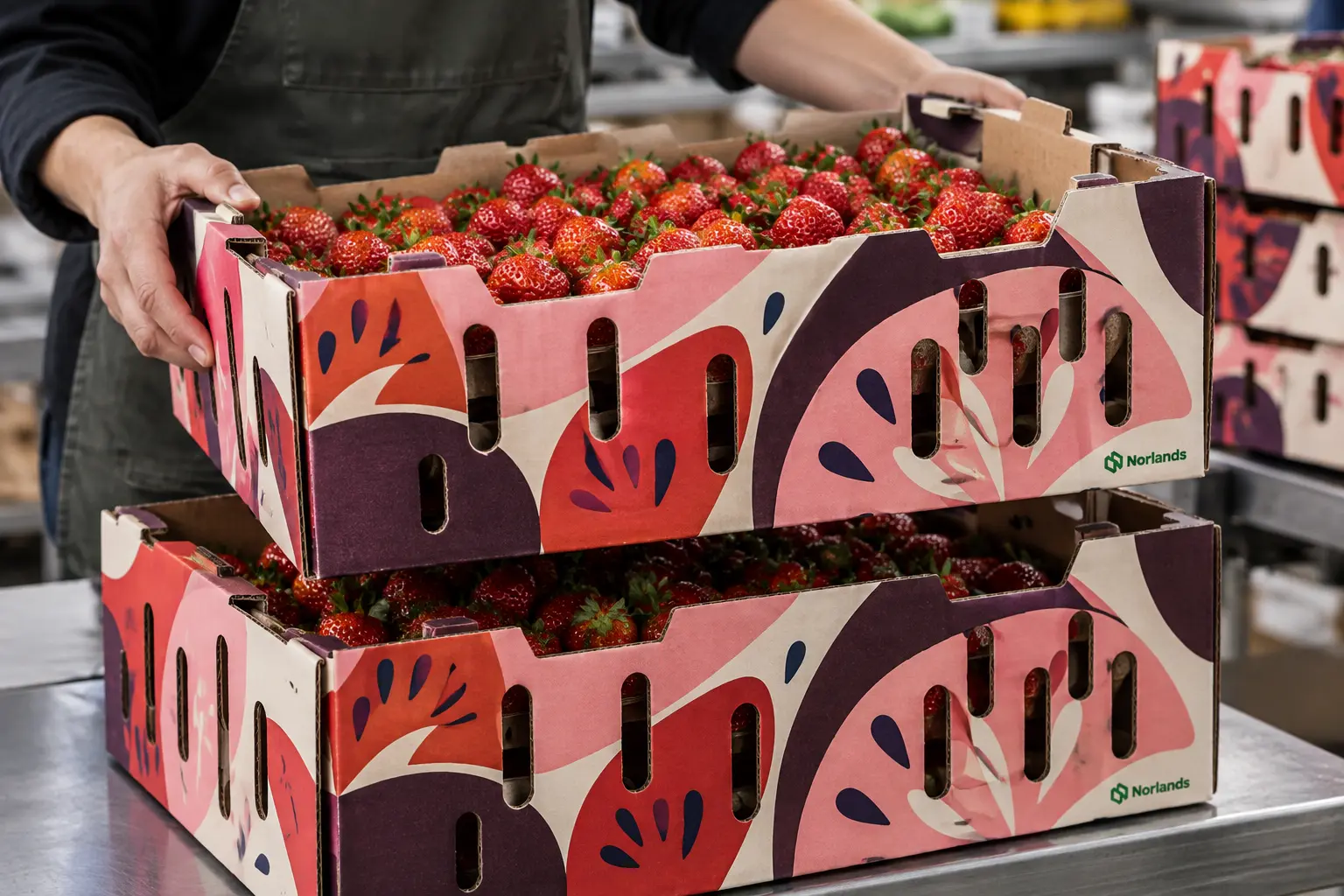
Fresh produce creates another distinct application for eco friendly food packaging Canada. Packaging may need to support ventilation, moisture management, stacking, transportation, retail display, and protection against physical damage.
Fruit and Vegetable Packaging
The appropriate structure depends on the type, weight, fragility, quantity, and distribution method of the produce being packed.
Ventilation Requirements
Some produce applications may require ventilation openings or other structural features that allow airflow. These requirements should be integrated into the packaging design rather than added as an afterthought.
Moisture Management
Moisture conditions can influence material performance during storage and transportation. Eco friendly food packaging Canada for produce should account for the actual environment the package will experience.
Corrugated Produce Boxes
Corrugated boxes can provide structural protection and stacking performance for many produce distribution applications. Dimensions, board specification, ventilation features, and material efficiency can be customized around the product.
Packaging for Transportation and Display
Produce packaging may move directly from transportation into retail display. Designing for both functions can reduce unnecessary repacking and additional packaging components.
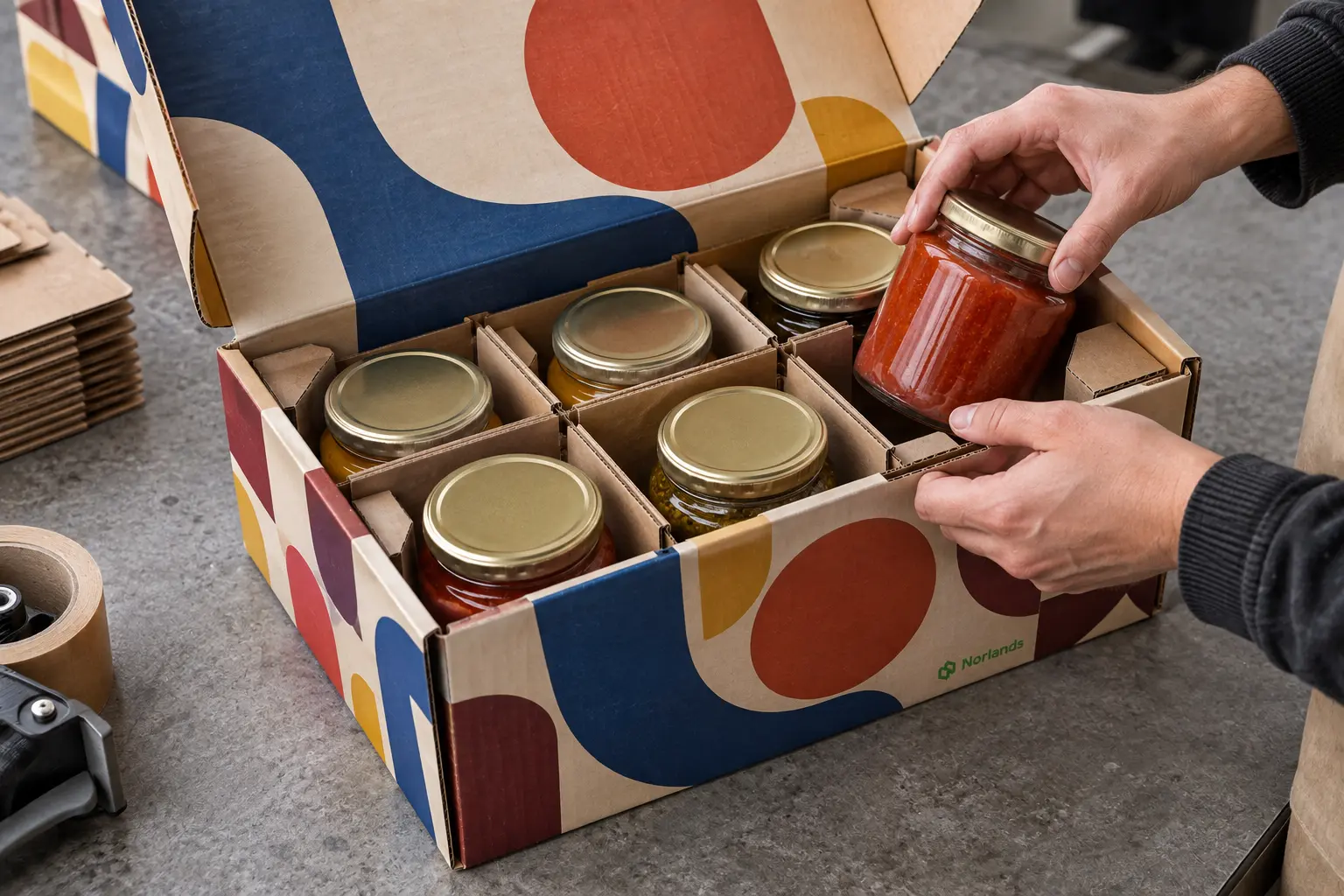
Eco Friendly Food Packaging Canada for E-Commerce and Meal Delivery
E-commerce and meal delivery introduce parcel shipping and distribution considerations into eco friendly food packaging Canada. The system may include primary product packaging, protective components, insulation where required, and an outer shipping container.
Subscription Food Boxes
Subscription boxes often contain several products in one shipment. Packaging should organize the contents while avoiding unnecessary oversized cartons and excessive internal materials.
Meal Kits
Meal-kit packaging should be designed around the products included, their temperature requirements, protection needs, and the delivery journey.
Specialty Food Products
Specialty foods sold online may require a combination of retail presentation and shipping protection. Eco friendly food packaging Canada can coordinate these requirements rather than treating them as separate packaging problems.
Protecting Products During Parcel Delivery
Parcel networks can expose packages to repeated handling and movement. Sustainable material reduction should therefore be balanced against the structural protection required for the actual distribution environment.
Reducing Oversized Packaging
Right-sizing outer cartons can reduce material use and empty space while potentially improving transportation and storage efficiency.
E-Commerce Insight:
For online food businesses, eco friendly food packaging Canada should consider the complete shipment—not only the individual food container. Primary packaging, protective materials, outer cartons, and unused space all contribute to the final packaging system.
Can Corrugated Packaging Be an Eco Friendly Food Packaging Option?
Corrugated packaging can form part of an eco friendly food packaging Canada strategy when it is appropriate for the specific application. It is particularly relevant for secondary packaging, shipping cartons, produce boxes, meal-kit distribution, and other applications requiring structural protection.
Renewable Fibre-Based Materials
Corrugated packaging is predominantly fibre-based, which can make it relevant to businesses exploring fibre-focused packaging strategies.
Recyclability Considerations
Corrugated packaging can be recyclable where appropriate collection systems accept it and where contamination or additional components do not prevent recovery. The actual disposal pathway should still be considered.
Using Recycled Fibre
Recycled fibre can be incorporated into corrugated packaging depending on the board specification and performance requirements. Material selection should still provide the strength required for the application.
Right-Sizing Corrugated Packaging
Custom dimensions can help eco friendly food packaging Canada use corrugated material more efficiently by reducing unnecessary box volume while maintaining suitable protection.
Reducing Unnecessary Secondary Packaging
Structural design can sometimes eliminate redundant packaging components or reduce reliance on excessive void fill. The goal should be to simplify the packaging system without reducing required performance.
When Corrugated Packaging Is Appropriate for Food Applications
Corrugated packaging can be particularly useful when food products need secondary protection during storage, shipping, distribution, or retail handling. The exact application determines whether corrugated board is used as an outer shipping structure, produce packaging, a carrier, or another packaging component.
Corrugated Packaging Perspective:
Within eco friendly food packaging Canada, corrugated packaging is most effective when its dimensions, board specification, structural design, and material quantity are matched to the actual food distribution application.
Frequently Asked Questions About Eco Friendly Food Packaging Canada
Choosing eco friendly food packaging Canada involves more than selecting a material with an environmental label. Food protection, barrier performance, recyclability, compostability, disposal infrastructure, and the actual application should all be considered. These frequently asked questions address some of the most important decisions Canadian food businesses face.
What is eco friendly food packaging?
Eco friendly food packaging Canada generally refers to packaging designed to reduce environmental impacts while still providing the protection and performance required by the food product. This can involve material efficiency, recyclable or compostable formats, fibre-based materials, right-sizing, reuse, or other strategies depending on the application.
What is the most eco friendly food packaging?
There is no single material that is the most sustainable choice for every food product. The right eco friendly food packaging Canada solution depends on food safety, barrier requirements, material use, transportation, product protection, available recovery systems, and disposal conditions.
Is paper food packaging better than plastic?
Not automatically. Paper-based packaging can provide advantages in some applications, while other foods may require barrier or performance characteristics provided by different materials. Eco friendly food packaging Canada should therefore be evaluated as a complete packaging system rather than through a simple paper-versus-plastic comparison.
What is the difference between biodegradable and compostable food packaging?
Biodegradable generally describes a material’s ability to break down biologically under suitable conditions. Compostable packaging is intended to break down under defined composting conditions and may be subject to specific standards or certifications. These terms should not be used interchangeably when evaluating eco friendly food packaging Canada.
Is compostable food packaging recyclable?
Compostable and recyclable packaging typically follow different recovery pathways. Businesses and consumers should follow the disposal requirements for the specific packaging material and the collection system available in their community.
Is corrugated packaging eco friendly?
Corrugated packaging can support eco friendly food packaging Canada strategies through fibre-based construction, material efficiency, recycled content where appropriate, recyclability where accepted, and right-sized structural design. Its suitability still depends on the specific food and packaging application.
Can sustainable food packaging handle hot food?
Some sustainable packaging materials are designed for hot-food applications. However, temperature, grease, moisture, food-contact requirements, and structural performance should all be considered before selecting eco friendly food packaging Canada for hot meals.
Can eco friendly packaging reduce food waste?
Appropriate eco friendly food packaging Canada can help protect food from damage, contamination, moisture loss, leakage, and other conditions that may contribute to food waste. Reducing packaging material should not come at the expense of necessary food protection.
Is biodegradable food packaging available in Canada?
Various biodegradable, compostable, recyclable, fibre-based, and other alternative packaging formats are available in the Canadian market. The appropriate option depends on the food application, required packaging performance, and intended disposal pathway.
Can eco friendly food packaging be custom printed?
Yes. Many fibre- and paper-based eco friendly food packaging Canada formats can support custom printing for branding, product information, instructions, and disposal guidance. Printing and other packaging components should still be considered as part of the complete packaging system.
Choosing eco friendly food packaging Canada businesses can rely on means balancing sustainability with the protection and performance food products actually require. From right-sized corrugated packaging and fibre-based structures to produce boxes, bakery packaging, food distribution cartons, protective inserts, and custom printed packaging, Norlands can help businesses develop eco friendly food packaging Canada solutions around product requirements, transportation conditions, material efficiency, and realistic end-of-life considerations.
Whether you operate a restaurant, bakery, food manufacturing facility, retail brand, meal-delivery service, or specialty food business, the right packaging strategy can help reduce unnecessary material and empty space while maintaining the structural protection your products need. Explore Norlands’ sustainable and custom food packaging solutions, connect with the Norlands team to discuss your product and distribution requirements, or request a custom quote for eco friendly food packaging Canada designed around your food, operations, sustainability goals, and supply chain.
Conclusion: Choosing Eco Friendly Food Packaging Canada That Actually Works
The most effective eco friendly food packaging Canada is not necessarily the package that uses the least material or carries the strongest environmental claim. Sustainable packaging needs to perform its primary job: protecting the food throughout packing, storage, transportation, retail, delivery, and customer use.
That means Canadian food businesses should evaluate eco friendly food packaging Canada as a complete system. Food-contact requirements, product protection, material quantity, barrier performance, transportation efficiency, packaging waste, food waste, and end-of-life options all contribute to the final decision.
For restaurants, bakeries, food manufacturers, retailers, meal-delivery businesses, and specialty food brands, the goal should be to find eco friendly food packaging Canada that balances sustainability with real-world performance.
A thoughtful packaging system protects the product, avoids unnecessary materials, uses appropriate dimensions, considers transportation, and provides a realistic pathway after use. When these factors work together, eco friendly food packaging Canada can support waste reduction without sacrificing the protection and functionality food packaging is expected to provide.


No comment