
introduction
Cutting Dies in Canada play a critical role in producing custom boxes, corrugated packaging, retail displays, inserts, dividers, and many other packaging solutions used across modern industries. While the die itself is usually never seen by the final customer, its precision can strongly influence how a package folds, fits the product, moves through production, and performs during shipping, storage, or retail display.
In packaging manufacturing Canada, flat sheets of corrugated board or paperboard often need to be converted into accurate three-dimensional packaging structures. Basic straight cutting is not enough when a design includes shaped edges, locking tabs, handles, windows, ventilation holes, interior supports, or carefully placed crease lines. Cutting dies make these structural details consistent and repeatable from one production run to the next.
This process is closely tied to custom box manufacturing. A dieline defines the technical packaging structure, while custom cutting dies turn that digital design into physical tooling that can cut, crease, score, and shape the material with controlled accuracy.
| Without Precision Die Tooling | With Precision Die Tooling |
|---|---|
| Limited structural shapes | Custom packaging structures |
| Inconsistent cut locations | Repeatable cutting accuracy |
| Difficult complex features | Windows, handles, tabs, and inserts |
| Greater assembly variation | Controlled folds and scores |
| Limited customization | Scalable die-cut packaging |
Production Insight:
A cutting die does more than create the outer shape of a box. Cutting rules, crease rules, material specifications, and tooling accuracy work together to determine how the final package forms and performs.
For Canadian businesses developing die-cut packaging, it is important to understand tooling before approving a custom packaging structure. Weak dieline planning or inaccurate tooling can lead to poor folds, product-fit issues, slower assembly, and inconsistent packaging quality across production runs.
This guide explains how cutting dies work, the main types used in packaging production, key material considerations, design requirements, cost factors, maintenance needs, quality control, and future developments related to Cutting Dies in Canada.
What Are Cutting Dies in Canada and Why Are They Important?
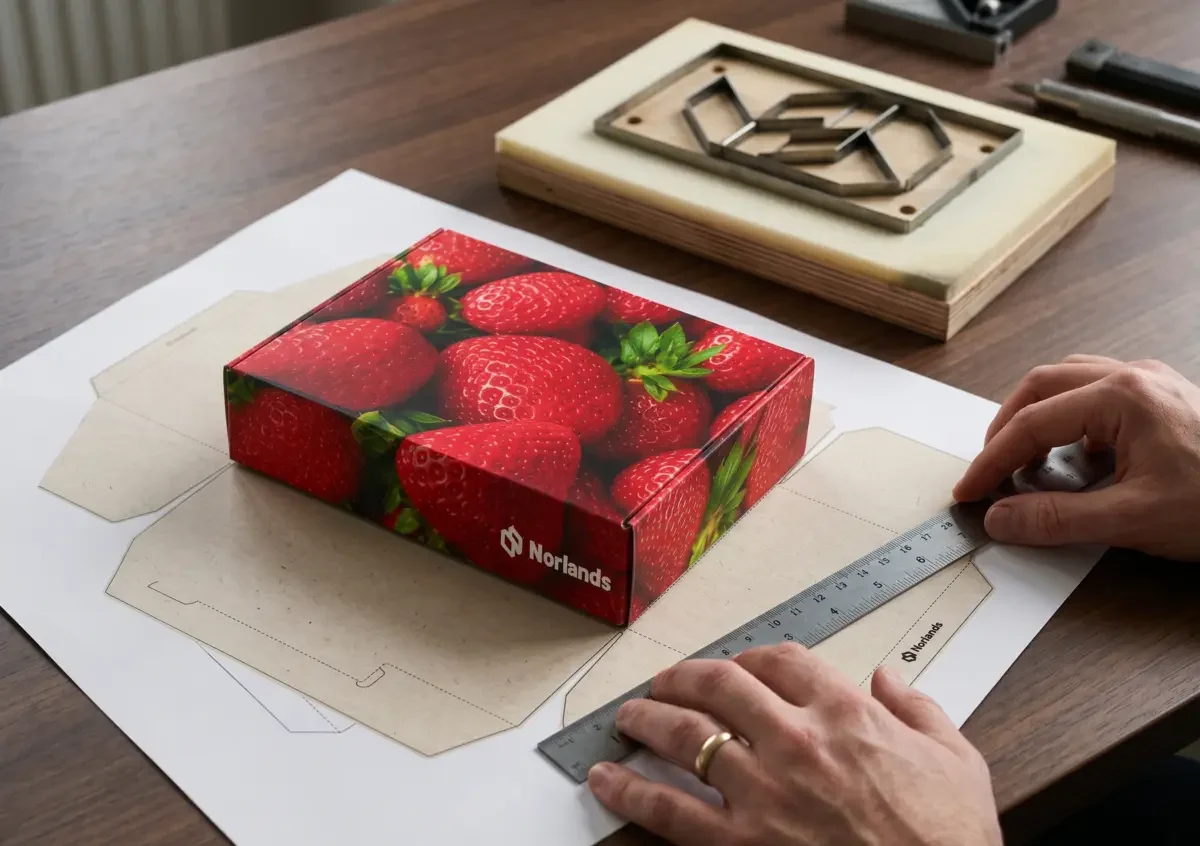
In practical custom box manufacturing, the cutting die creates the physical connection between a technical packaging design and repeatable production. The dieline defines the geometry of the package, while the die transfers those structural instructions to the selected packaging material.
This makes accurate packaging tooling essential. Even a visually simple box may depend on precisely positioned cuts and fold lines to maintain its dimensions, close correctly, stabilize the product, and move efficiently through packaging operations.
Simple Definition:
A cutting die is a production tool that follows a packaging dieline to create controlled cuts, creases, scores, slots, and structural features in flat packaging material.
Defining Cutting Dies in Packaging and Manufacturing
Production Scale Note:
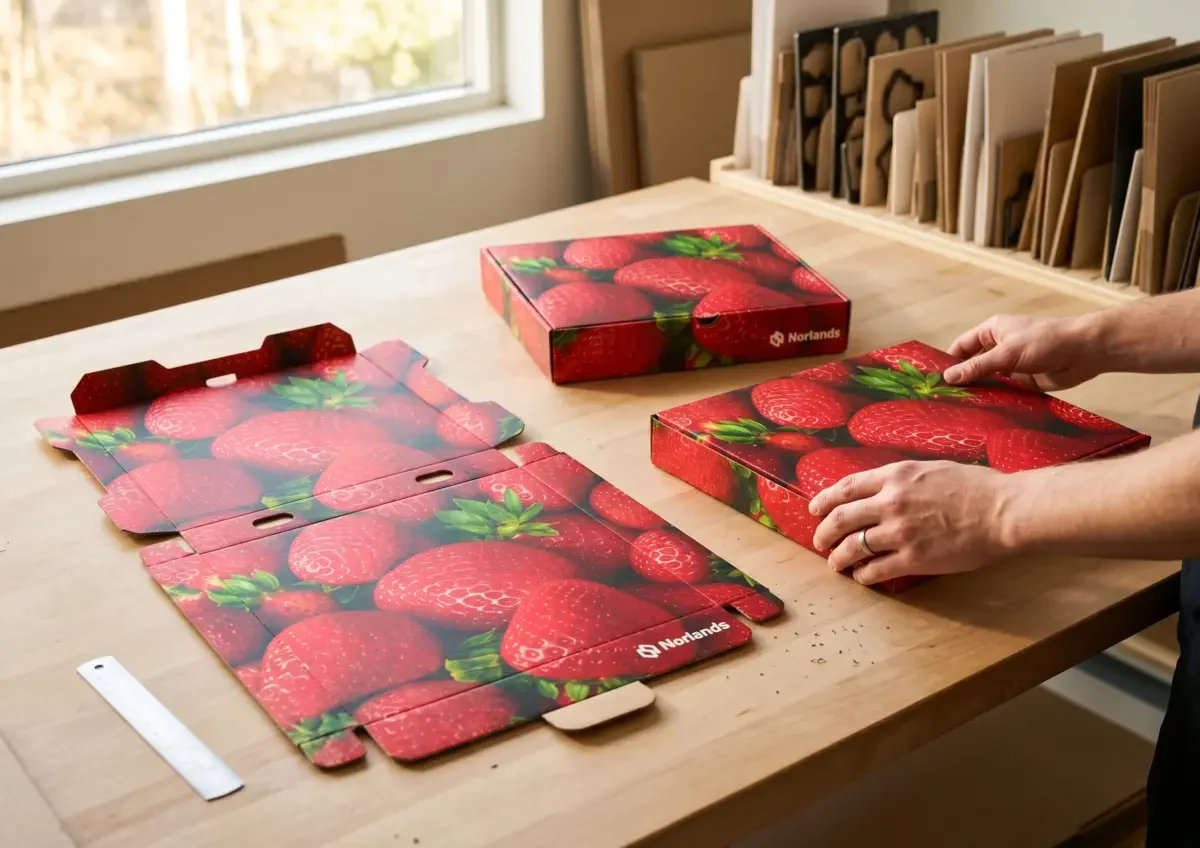
A successful prototype proves that a packaging structure can work once. Production tooling must help that same structure work repeatedly.
For Canadian manufacturers and brands, repeatability becomes particularly important when packaging supports recurring inventory requirements, multiple product launches, or distribution across Canadian markets. Reusable tooling may also support future production runs when package specifications remain unchanged and the die is properly maintained.
The importance of Cutting Dies in Canada ultimately comes from their ability to convert structural packaging ideas into repeatable physical results. Accurate tooling supports custom shapes, controlled folds, functional features, and consistent production—the foundation of reliable die-cut packaging.
How Cutting Dies in Canada Work in Packaging Production
Cutting Dies in Canada work by transferring a technical packaging layout onto corrugated board, paperboard, cardboard, or another packaging substrate through controlled cutting and creasing pressure. The objective is to turn a flat sheet into a packaging blank that can be folded and assembled into a precise three-dimensional structure.
The process begins before the material reaches a die-cutting machine. Packaging dimensions, product requirements, material characteristics, and assembly methods are translated into a dieline. That technical layout then guides the cutting die design and determines where cutting rules and crease rules must be positioned.
Industry guidance on corrugated packaging production describes die-cutting as a process in which board is cut and creased using a specifically designed form to create the packaging structure required for the application. This reinforces the importance of aligning tooling geometry, crease placement, and structural design before packaging moves into repeat production.
In professional packaging die cutting, these stages are closely connected. A small structural error in the dieline or tooling can continue through an entire production run, which is why accuracy before full production is essential.
How a Cutting Die Converts a Flat Sheet Into a Finished Packaging Shape
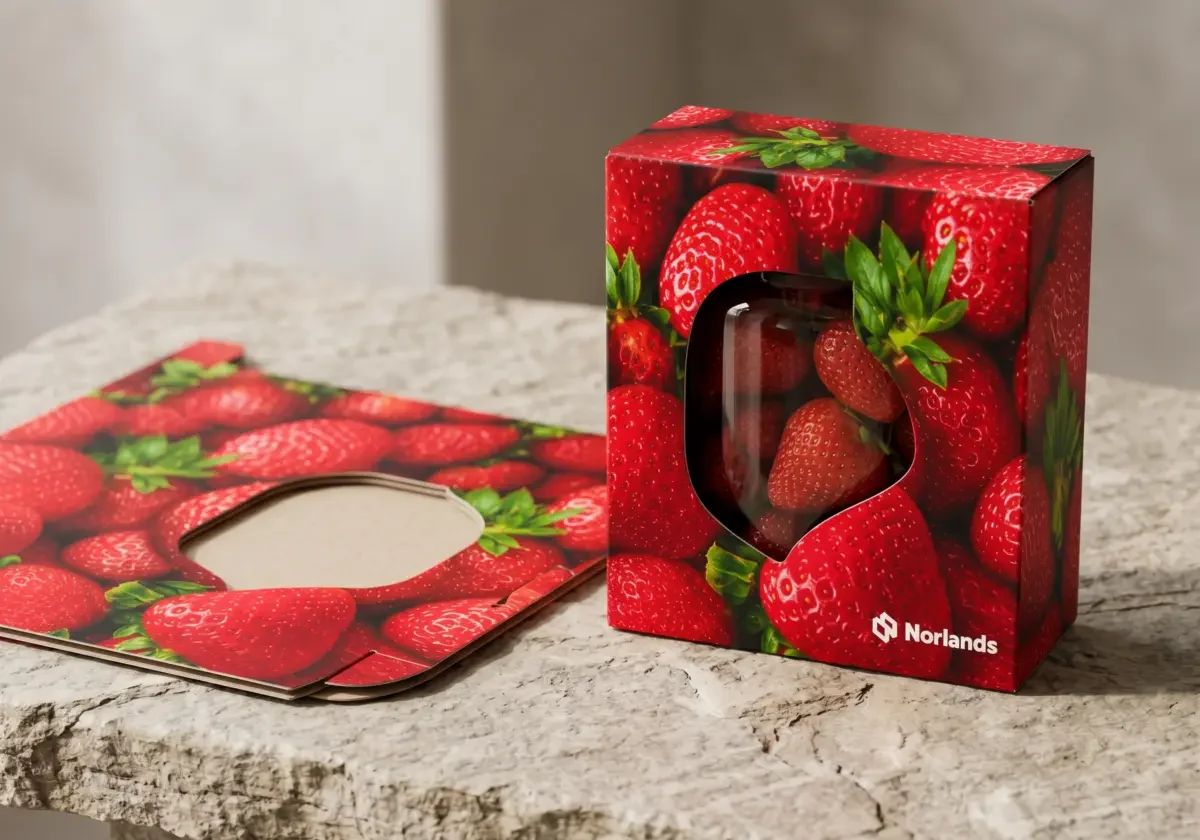
| Production Stage | What Happens | Production Impact |
|---|---|---|
| Dieline preparation | Cut, crease, fold, and structural lines are mapped. | Defines the intended package geometry. |
| Die creation | Cutting and creasing rules follow the approved dieline. | Converts the design into physical packaging tooling. |
| Die cutting | The tooling applies controlled pressure to the substrate. | Creates profiles, slots, tabs, and openings. |
| Creasing and scoring | Controlled folding paths are formed in the material. | Supports cleaner and more predictable folds. |
| Assembly | The packaging blank is folded, locked, or glued. | Forms the finished packaging structure. |
The Relationship Between Cutting, Creasing, Scoring, and Folding
Cutting and folding may appear to be the most visible parts of packaging production, but creasing and scoring are equally important. Each process controls a different aspect of how the material behaves.
Cutting separates material to create the package perimeter and structural openings. Creasing compresses a defined area to establish a folding path. Scoring helps guide material movement, while folding converts the flat packaging blank into its intended shape.
Cutting
Separates the material and creates profiles, windows, slots, handles, and other open structural features.
Creasing & Scoring
Creates controlled bending paths without unnecessarily separating the packaging material.
Folding
Uses the prepared crease and score lines to form the final packaging geometry during assembly.
Structural Note:
A clean cut does not guarantee a functional package. Cut lines, crease positions, material behaviour, and folding geometry must work together for the box to assemble correctly.
Why Die Accuracy Affects Final Box Structure
Die accuracy plays a critical role in the quality and performance of Cutting Dies in Canada, especially when the final packaging structure depends on precise folds, locks, slots, and panel alignment. A cutting die is not just a production tool; it directly determines how the finished box will cut, fold, assemble, and perform during use.
Even small tooling inaccuracies can become visible structural problems after folding. A slightly misplaced crease may shift an entire panel out of alignment. An inaccurate slot may prevent a locking tab from engaging properly. Uneven cutting pressure may affect edge quality, create incomplete cuts, or cause inconsistent folding behaviour. This is why precision is one of the most important factors in producing reliable Cutting Dies in Canada.
In corrugated packaging, accuracy becomes even more important. Corrugated board has thickness, flute direction, compression characteristics, and material memory that all influence how the board reacts during cutting and creasing. A design that performs well on one board grade may behave differently when produced on another flute profile or material thickness.
For this reason, high-quality Cutting Dies in Canada should always be developed with the actual packaging material in mind. Tooling should not be treated as an isolated production component. Material specifications, box dimensions, fold requirements, product weight, assembly method, and intended use all influence the final die-cut result.
Accurate Cutting Dies in Canada help improve:
- Panel alignment
- Crease consistency
- Locking tab performance
- Fold accuracy
- Edge quality
- Assembly efficiency
When tooling is accurate, the final box structure is more predictable. Panels fold where they should, tabs connect properly, openings remain clean, and the package performs as intended. This is especially important for mailers, retail displays, trays, product inserts, specialty boxes, and any packaging structure that relies on detailed die-cut features.
How Cutting Dies Support Repeatable Production Quality
Industrial Packaging Planning: 7 Critical Mistakes That Create Manufacturing Bottlenecks
Quick question:
You might also like
Repeatability is one of the main reasons custom Cutting Dies in Canada remain essential in packaging manufacturing. Once a packaging structure has been approved and the tooling has been finalized, the same cut and crease positions can be repeated across production quantities with consistency.
This repeatability helps maintain:
- Packaging dimensions
- Fold locations
- Product fit
- Locking performance
- Assembly behaviour
- Visual consistency
For businesses ordering die-cut boxes Canada production, consistent tooling reduces the need for manual corrections between units. Instead of adjusting each package individually, manufacturers can rely on approved Cutting Dies in Canada to reproduce the same structure throughout the production run.
Reliable repeatability is especially valuable for high-volume packaging projects. When hundreds or thousands of boxes need to be produced, even small variations can create major operational issues. Poorly aligned cuts or inconsistent creases can slow assembly, increase waste, and affect the final customer experience.
Well-made Cutting Dies in Canada support smoother production by helping each packaging unit behave the same way. This improves efficiency on packing lines, reduces rejected units, and helps maintain consistent quality from the first box to the last.
In practical terms, repeatable die performance allows packaging teams to move from prototype approval to full production with greater confidence. Once the structure has been tested and approved, the die becomes the foundation for consistent manufacturing.
Ultimately, accurate and repeatable Cutting Dies in Canada help businesses improve packaging quality, reduce production problems, and ensure that every box performs according to its approved design.
Production Insight:
Precision die cutting is valuable because accuracy can be repeated. The objective is not to create one perfect packaging blank, but to maintain structural consistency throughout the production run.
In professional packaging manufacturing Canada operations, cutting dies connect technical design with repeatable manufacturing. When the dieline, tooling, material, and production process are correctly aligned, Cutting Dies in Canada can support accurate box structures and more consistent die-cut packaging production.
Main Types of Cutting Dies in Canada
Different Cutting Dies in Canada are used according to packaging material, structural complexity, production speed, and required output volume. A die designed for short-run paperboard packaging may not be the most efficient choice for continuous corrugated production, while tooling built for high-speed rotary equipment may be unnecessary for a specialized custom box project.
Understanding the main types of die cutting tools helps businesses connect packaging requirements with an appropriate production method. The objective is not simply to select the most advanced tooling system. The die should match the material, packaging structure, precision requirements, and expected production scale.
Tool Selection Note:
The best cutting die is the one designed around the packaging material, structural geometry, production equipment, and required volume—not simply the most complex tooling option.
Steel Rule Cutting Dies for Custom Packaging
Steel rule dies are widely used in custom packaging production. These tools typically use shaped steel rules positioned within a die board according to the approved packaging dieline. Different rules can perform cutting and creasing functions within the same tooling layout.
Their flexibility makes steel rule tooling useful for custom packaging dies, folding cartons, corrugated structures, inserts, and packaging components with shaped profiles. Handles, windows, locking tabs, and other structural details can be incorporated into the die when the package requires more than a standard box format.
Steel rule dies can also support repeat production when tooling specifications remain unchanged and the die is correctly stored and maintained. For many custom packaging applications, this balance between structural flexibility and repeatability makes steel rule tooling a practical production option.
Flatbed Cutting Dies for Corrugated and Paperboard Materials
Flatbed cutting dies operate through a flat die-cutting configuration in which pressure is applied to the packaging material against the tooling surface. This approach is commonly associated with corrugated board, paperboard, and other sheet-based packaging substrates.
Flatbed systems can be particularly useful when precision die cutting is required for detailed box structures. The tooling can create outer profiles, fold lines, slots, internal openings, and multiple structural features during the die-cutting cycle.
In corrugated die cutting, flatbed tooling may support custom structures where panel alignment, locking features, or product-specific dimensions require controlled cutting and creasing.
Rotary Cutting Dies for High-Speed Production
Rotary cutting dies use cylindrical tooling and continuous rotary movement to process packaging material. Instead of pressing a flat die against a stationary sheet, rotary die cutting allows material to move through the cutting process as the tooling rotates.
This production model can be advantageous for higher-volume packaging requirements where speed and continuous processing are important. Rotary systems are frequently associated with large production quantities and packaging operations designed around efficient throughput.
| Cutting Die Type | Common Strength | Packaging Consideration |
|---|---|---|
| Steel rule die | Flexible custom structures | Useful for varied packaging geometries and structural features |
| Flatbed die | Controlled cutting and creasing | Suitable for sheet-based corrugated and paperboard applications |
| Rotary die | High-speed continuous production | Often considered for larger production volumes |
| Laser-cut die board | Precise rule positioning | Supports accurate die-board preparation |
| Specialty die | Application-specific structures | Developed around unusual packaging requirements |
Laser-Cut Die Boards for Precision Applications
Laser-cut die boards are an important part of producing accurate and reliable Cutting Dies in Canada, especially for packaging structures that require clean geometry, tight tolerances, and consistent repeatability. In modern die-making, laser technology is often used to prepare the die board by creating precise channels for steel cutting rules and creasing rules. These channels follow the approved digital tooling layout, helping ensure that the final Cutting Dies in Canada match the intended packaging design as closely as possible.
This precision is one of the strongest advantages of advanced Cutting Dies in Canada. When packaging includes detailed folds, locking tabs, shaped openings, display windows, tuck flaps, or small structural features, even a minor shift in rule placement can affect how the finished package cuts, folds, locks, or assembles. Laser-cut die boards help reduce this risk by improving accuracy before the die reaches production.
For packaging manufacturers, converters, and brands using Cutting Dies in Canada, accurate rule positioning is essential because packaging performance depends on structural consistency. A folding carton, mailer, retail display, tray, insert, or specialty box must be cut and creased in exactly the right places to assemble properly. If the cutting or creasing rules are slightly misaligned, the final package may experience poor folding, weak locking areas, uneven edges, incomplete cuts, or assembly difficulties.
Laser-cut die boards support higher-quality Cutting Dies in Canada by improving:
- Rule placement accuracy
- Cutting and creasing consistency
- Repeatability across production runs
- Structural alignment for complex packaging designs
- Final package assembly performance
This makes laser-cut die boards especially valuable for precision packaging applications where multiple design details must work together. For example, a custom mailer may include fold lines, locking tabs, tuck-in flaps, shaped cutouts, and branded opening features. In these cases, high-quality Cutting Dies in Canada must be produced with careful attention to dimensional accuracy so every feature functions correctly.
Laser-cut preparation also helps reduce manual variation during die-board production. Because the board is cut from a digital file, the layout of the Cutting Dies in Canada can follow the approved CAD design with greater consistency. This creates a more reliable foundation for steel rule placement and helps improve the final performance of the die during production.
For businesses that rely on repeatable packaging quality, precision-made Cutting Dies in Canada are essential. Accurate die boards support cleaner cuts, sharper folds, better locking performance, and smoother assembly. This is particularly important for custom packaging, die-cut boxes, retail-ready packaging, and specialty packaging structures where appearance and function both matter.
Ultimately, laser-cut die boards improve the accuracy, reliability, and production consistency of Cutting Dies in Canada. By creating precise channels for cutting and creasing rules, they help ensure that the approved packaging design can be translated into a functional, repeatable, and high-quality finished package.
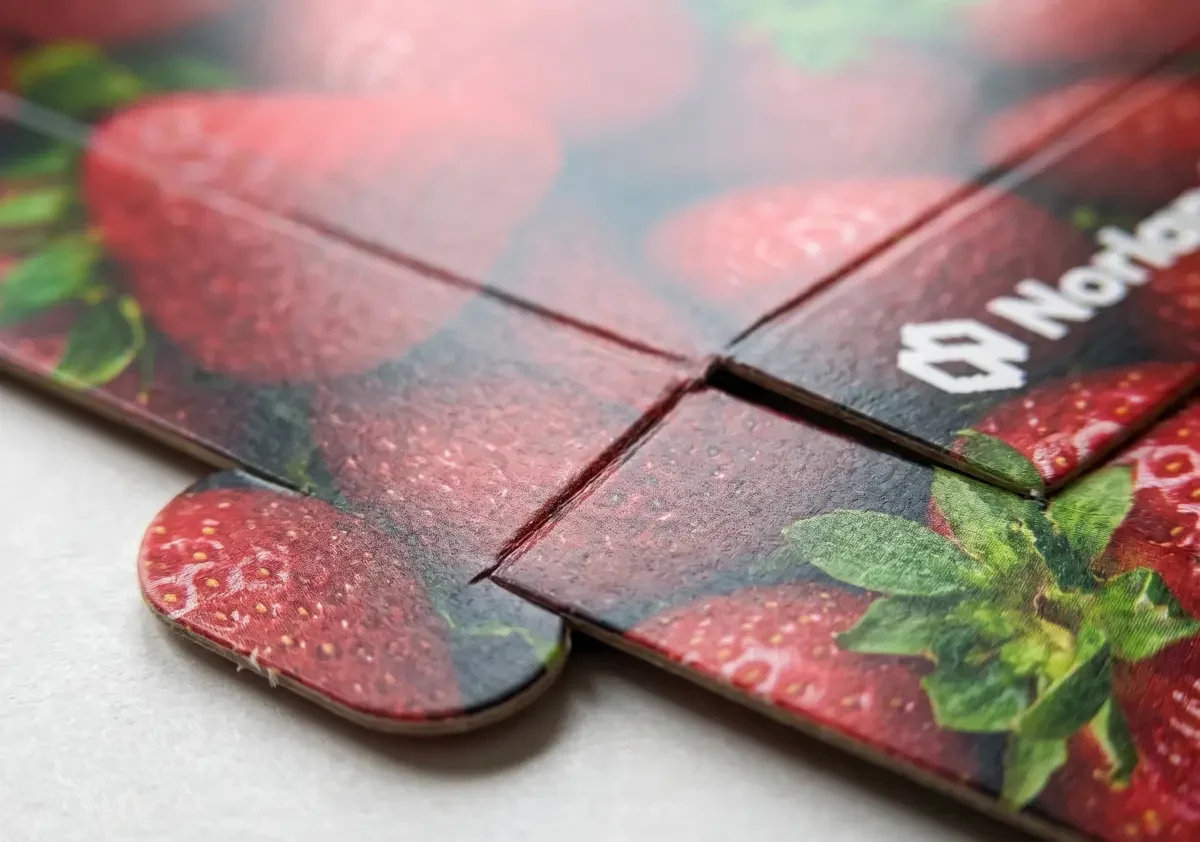
Laser technology also helps reduce manual variation during die-board preparation. Traditional methods may rely more heavily on manual layout and routing, which can introduce small inconsistencies. With laser-cut die boards, the digital file guides the cutting process, allowing the board to match the approved CAD design more closely. This improves the reliability of Cutting Dies in Canada and helps manufacturers maintain better control over production quality.
Another benefit is efficiency. When the die board is prepared accurately, steel rules can be inserted more consistently, reducing adjustment time and improving tooling reliability. For businesses producing Cutting Dies in Canada, this supports faster setup, fewer corrections, and smoother production workflows.
Laser-cut die boards are especially useful for packaging that includes:
- Small locking details
- Tight fold patterns
- Complex die-cut shapes
- Window cutouts
- Display openings
- Multi-panel folding structures
- Custom inserts and partitions
In these applications, Cutting Dies in Canada must deliver both accuracy and durability. The die must not only cut the material cleanly but also support consistent creasing and folding throughout the production run.
For Canadian packaging operations, precision matters because many projects involve custom sizes, branded structures, and production requirements that leave little room for error. High-quality Cutting Dies in Canada help ensure that packaging can move efficiently from design approval to production without unnecessary delays caused by tooling inaccuracies.
Ultimately, laser-cut die boards contribute to stronger, more reliable Cutting Dies in Canada by creating a precise foundation for steel rule placement. This supports cleaner cuts, more accurate folds, better assembly, and improved consistency across packaging production. For businesses that require detailed packaging structures or high-volume repeatability, laser-cut die boards are an essential part of producing professional-grade Cutting Dies in Canada.
Precision Insight:
Laser-cut die boards do not replace the complete die-cutting process. Their value lies in helping create accurate tooling foundations where cutting and creasing rules can be positioned with greater control.
Specialty Cutting Dies for Unique Packaging Structures
Some packaging projects cannot be addressed effectively with a basic structural format. Retail displays, promotional packaging, product-specific inserts, multi-component packaging systems, and unusual box geometries may require specialty custom cutting dies.
In these applications, die making for packaging must consider how multiple structural features interact. A display may need to ship flat, assemble quickly, hold product weight, and maintain a specific presentation angle. A fitted insert may require several cutouts positioned around the exact dimensions of multiple products.
Choosing between steel rule, flatbed, rotary, laser-supported, and specialty tooling should therefore begin with the packaging application. For businesses evaluating Cutting Dies in Canada, matching tooling to material, structural complexity, and production volume is essential for efficient and consistent die-cut packaging.
Cutting Dies in Canada for Custom Packaging and Die-Cut Boxes
Cutting Dies in Canada are central to producing custom packaging structures that go beyond conventional box formats. When a product requires a specific fit, distinctive opening system, internal support, display feature, or shaped profile, accurate die tooling allows those requirements to become repeatable packaging components.
This flexibility is one of the reasons die-cut packaging is used across retail, food, industrial, and e-commerce applications. Instead of forcing a product into an available stock box, the packaging structure can be developed around product dimensions, protection requirements, assembly processes, and presentation goals.
For Canadian businesses developing specialized packaging, custom packaging dies can connect structural design with scalable manufacturing. The value is not simply a different box shape; it is the ability to reproduce functional packaging features accurately across production runs.
How Cutting Dies Enable Custom Box Shapes
Standard box manufacturing typically works within established structural formats. These formats can be efficient, but they may offer limited flexibility when products have unusual dimensions or require specialized presentation.
Custom cutting dies allow the outer profile and internal geometry of a packaging blank to follow a purpose-built dieline. Curved edges, angled panels, locking tabs, tuck systems, shaped openings, and integrated supports can be incorporated into the structure when they serve a clear packaging function.
Product Follows the Box
A standard packaging format is selected first, and the product or additional protective material must adapt to the available internal space.
Packaging Follows the Product
The dieline and die-cut structure are developed around product dimensions, required support, presentation, and assembly conditions.
Neither approach is automatically correct for every application. Standard boxes can be efficient for straightforward shipping requirements, while die-cut boxes Canada production becomes valuable when product fit or structural functionality requires greater control.
Die-Cut Packaging for Retail, Food, Industrial, and E-Commerce Products
The structural flexibility of packaging die cutting allows it to support very different product environments. A retail package may prioritize visibility and presentation, while an industrial package may require internal separation or product stabilization. E-commerce packaging must often balance protection with efficient parcel dimensions.
| Packaging Market | Common Structural Need | Potential Die-Cut Feature |
|---|---|---|
| Retail | Product visibility and shelf presentation | Windows, display openings, shaped profiles |
| Food | Product organization and handling | Dividers, carry features, ventilation openings |
| Industrial | Product separation and structural support | Fitted inserts, dividers, reinforced geometry |
| E-Commerce | Product fit and parcel efficiency | Integrated inserts, locking tabs, compact mailer structures |
Design Insight:
The value of die-cut packaging is not measured by how unusual the box looks. Strong structural design uses custom features only where they improve protection, assembly, presentation, handling, or product fit.
Creating Windows, Handles, Inserts, Dividers, and Display Features
Many recognizable packaging features are created through accurate die tooling. A window requires a precisely positioned opening. An integrated handle must align with surrounding panels and maintain sufficient structural material around the cut area. Inserts and dividers must fit both the product and the outer packaging structure.
These details become more demanding when several features exist within one package. A retail carrying box may combine a handle, locking tabs, product window, and internal support. Each cut and crease must be positioned as part of the complete structural system.
Structural Example:
If a fitted insert is only a few millimetres out of position, the product may sit incorrectly even when the outer box dimensions are accurate. Precision die cutting connects internal packaging components with the complete package geometry.
This is particularly important for die-cut corrugated boxes and multi-component packaging systems. Material thickness, product weight, and folding behaviour can influence the final fit, so structural features should be tested with the intended substrate and actual product whenever possible.
Why Custom Packaging Often Depends on Accurate Die Tooling
Custom packaging is frequently evaluated through its visible design, but structural accuracy determines whether that design can function repeatedly. A visually distinctive package has limited value if tabs do not lock, panels fail to align, inserts shift, or assembly requires constant manual correction.
Accurate packaging tooling helps maintain the dimensional relationships established during structural design. This allows custom features to remain consistent across packaging units and can support smoother assembly as production volumes increase.
For brands and manufacturers developing die-cut packaging solutions, Cutting Dies in Canada provide the production foundation that allows custom box shapes, openings, inserts, dividers, and presentation features to move from a dieline into repeatable packaging manufacturing.
Frequently Asked Questions About Cutting Dies in Canada
The following answers cover common questions businesses ask about Cutting Dies in Canada, dielines, tooling types, production costs, and the role of precision die cutting in custom packaging manufacturing.
What are cutting dies in Canada?
What are cutting dies used for in packaging?
What is a dieline in packaging?
What are steel rule dies?
What is flatbed die cutting?
What is rotary die cutting?
Do custom boxes need cutting dies?
How long does a cutting die last?
Businesses developing custom packaging structures need more than an accurate dieline—they need packaging solutions designed to move reliably from structural concepts into repeatable production. From custom die-cut packaging and corrugated packaging solutions to product-specific inserts, dividers, retail displays, and industry-specific packaging systems, precision structural design can help improve product fit, assembly consistency, and packaging performance across production runs. Companies looking to develop custom box structures, create packaging around unique product requirements, or scale specialized packaging for ongoing production can explore Norlands’ custom packaging services and the industries we support, connect with the Norlands team to discuss a packaging project, or request a custom packaging quote based on their structural and production requirements.
Conclusion
Need packaging that fits your product, timeline, and budget?
Tell us what you’re packaging and we’ll help you find the right box style, material, and production path.

Cutting Dies in Canada provide the production link between a packaging concept and a repeatable physical structure. From basic folding formats to complex die-cut corrugated boxes, accurate tooling determines where material is cut, creased, scored, and shaped before the package reaches assembly.
The value of a cutting die extends beyond creating an unusual box profile. Precise packaging tooling can influence panel alignment, fold behaviour, locking features, product fit, assembly speed, and consistency between packaging units. When tooling accuracy is weak, a small structural problem can continue throughout an entire production run.
Final Production Insight:
A successful cutting die is not defined only by whether it cuts material. It should help the intended packaging structure form accurately and repeatedly under real production conditions.
Selecting between steel rule dies, flatbed cutting dies, rotary cutting dies, and specialty tooling should begin with the packaging application. Material thickness, structural complexity, production quantity, required precision, and future repeat usage all influence the appropriate tooling approach.
Businesses should also evaluate the complete relationship between dieline development, die making for packaging, material selection, quality control, and tooling maintenance. A visually strong design can still create production problems if folds, slots, tabs, or internal components are not engineered around the actual substrate and assembly process.
Understanding design, material behaviour, tooling type, production scale, and cutting die maintenance allows businesses to make more informed packaging decisions. When these elements work together, Cutting Dies in Canada become an essential foundation for accurate, scalable, and high-quality custom packaging production.


No comment