
introduction
Biodegradable packaging Canada is becoming an important consideration for businesses looking to reduce packaging waste and move away from conventional materials. However, choosing biodegradable packaging is more complex than simply selecting a product labelled “eco-friendly.”
A material may be biodegradable under certain conditions but perform poorly in another disposal environment. For Canadian businesses, packaging decisions should consider product protection, material performance, shipping conditions, available recycling or composting infrastructure, and what customers are realistically likely to do with the package after use.
This means biodegradable packaging Canada should be evaluated as part of the complete packaging system. A package that uses less material, protects the product effectively, ships efficiently, and has a clear recovery pathway may sometimes provide a better sustainability outcome than simply switching to a material marketed as biodegradable.
Important:
Biodegradable does not automatically mean sustainable. Businesses evaluating biodegradable packaging Canada should consider how the material performs, where it will end up, and whether suitable recovery or disposal infrastructure actually exists.
What Is Biodegradable Packaging Canada?
Biodegradable packaging Canada generally refers to packaging materials capable of breaking down through biological processes under suitable environmental conditions. Microorganisms can contribute to this process, but the speed and completeness of degradation depend heavily on the material and environment.
What Does Biodegradable Actually Mean?
Biodegradable describes a material’s ability to break down biologically. It does not necessarily tell businesses how quickly the material will degrade, under which conditions, or whether it can enter a particular Canadian waste stream.
For this reason, businesses considering biodegradable packaging Canada should look beyond the label and understand the actual material specification and intended end-of-life pathway.
How Biodegradable Packaging Breaks Down
Biodegradation depends on factors such as moisture, temperature, microorganisms, oxygen, and time. Different biodegradable packaging materials can therefore behave very differently after disposal.
Why Disposal Conditions Matter
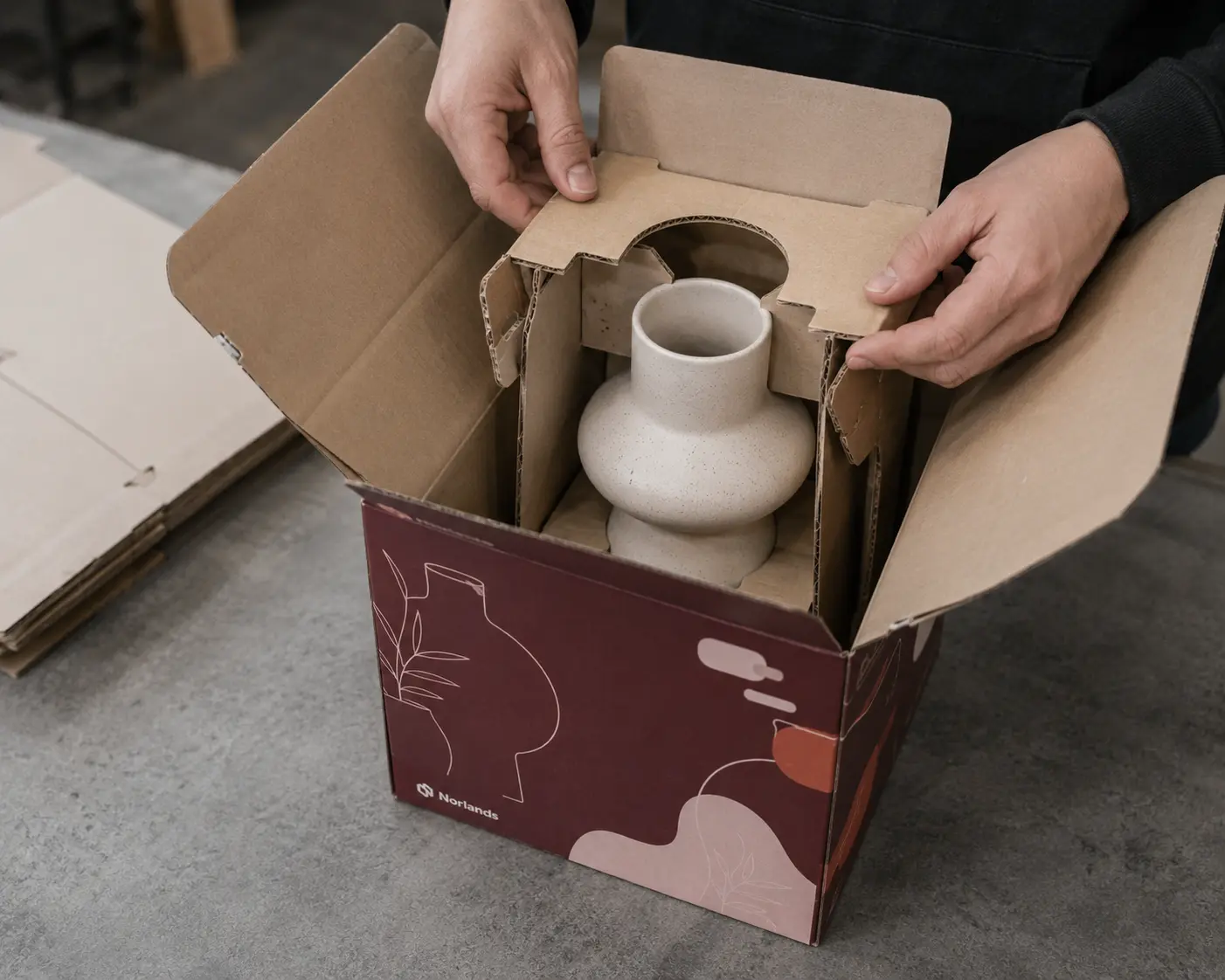
A biodegradable material designed for specific processing conditions may not break down effectively if it ends up in landfill, conventional recycling, or another unsuitable environment.
Canadian guidance also recognizes that biodegradable and compostable plastics can create challenges at end of life when they enter inappropriate waste streams. This reinforces the importance of matching environmental packaging claims with realistic collection, sorting, recycling, or composting pathways available to customers.
The environmental value of biodegradable packaging Canada therefore depends partly on whether customers and businesses have access to the appropriate disposal system.
Biodegradable Does Not Always Mean Compostable
Biodegradable and compostable are related terms, but they should not automatically be treated as interchangeable. Compostable packaging is intended to break down under defined composting conditions, while biodegradable is a broader description.
| Packaging Term | What It Generally Describes | Key Consideration |
|---|---|---|
| Biodegradable | Capable of biological breakdown under suitable conditions | Conditions and timeframe matter |
| Compostable | Designed for decomposition under specified composting conditions | Correct composting infrastructure is required |
| Recyclable | Designed to potentially enter an appropriate material recovery stream | Local collection and processing capabilities matter |
Why Businesses Are Exploring Biodegradable Packaging Canada
Interest in biodegradable packaging Canada is being driven by changing customer expectations, business sustainability targets, packaging waste concerns, and demand for alternatives to conventional plastic packaging.
Changing Consumer Expectations
Customers increasingly notice packaging materials and unnecessary packaging. Clear material choices and disposal instructions can therefore influence how consumers perceive a brand’s environmental commitments.
Corporate Sustainability Goals
Businesses may explore biodegradable packaging Canada as part of broader goals involving material reduction, plastic reduction, recyclability, waste management, or lower-impact packaging design.
Packaging Waste Reduction
Sustainability is not only about replacing one material with another. Reducing box dimensions, removing unnecessary components, minimizing void fill, and improving material efficiency can also reduce packaging waste.

Changing Packaging Requirements
Businesses are increasingly evaluating packaging according to both performance and end-of-life considerations. This encourages packaging teams to examine how materials are manufactured, used, recovered, recycled, composted, or disposed of.
Demand for Alternatives to Conventional Plastics
Paper, fibre-based structures, moulded fibre, and selected bio-based materials can provide alternatives for certain applications traditionally dependent on plastic.
Better Sustainability Strategy:
When evaluating biodegradable packaging Canada, compare material reduction, recyclability, compostability, product protection, shipping efficiency, and realistic disposal behaviour rather than focusing on a single environmental label.
What Materials Are Used for Biodegradable Packaging Canada?
There is no single material used for every biodegradable packaging Canada application. The appropriate choice depends on the product, required barriers, shipping conditions, printing, structural strength, and intended disposal pathway.
Paper and Fibre-Based Materials
Paper and fibre-based packaging is widely used for boxes, sleeves, trays, wraps, and protective components. Material composition, coatings, adhesives, and contamination should still be considered when evaluating end-of-life performance.
Corrugated Board
Corrugated board provides strength while remaining relatively lightweight, making it useful for shipping, e-commerce, food, retail, and industrial packaging. It can also support right-sized structures and protective inserts.
Moulded Fibre
Moulded fibre can be shaped around products and used for trays, protective inserts, food containers, and other applications where product positioning is important.
Plant-Based Packaging Materials
Some biodegradable packaging Canada solutions use materials derived partly or primarily from renewable plant-based resources. Their environmental performance still depends on manufacturing, application, and end-of-life conditions.
Bio-Based Films
Need packaging that fits your product, timeline, and budget?
Tell us what you’re packaging and we’ll help you find the right box style, material, and production path.
Bio-based films may be suitable for selected packaging applications requiring flexibility or barrier properties. Businesses should confirm whether the specific film is recyclable, compostable, biodegradable under defined conditions, or requires specialized processing.
Other Emerging Packaging Materials
New sustainable packaging materials continue to enter the market. However, businesses should avoid switching solely because a material sounds environmentally innovative. Packaging performance, availability, cost, scalability, and disposal infrastructure should all be evaluated first.
Biodegradable vs Compostable Packaging Canada
When researching biodegradable packaging Canada, businesses frequently encounter the term compostable packaging. Although these concepts are related, they describe different characteristics and should not automatically be treated as the same packaging solution.
What Makes Packaging Biodegradable?
Biodegradable packaging is capable of breaking down through biological processes under suitable conditions. However, the environment, temperature, moisture, microorganisms, and time required for degradation can vary significantly between materials.
What Makes Packaging Compostable?
Compostable packaging is designed to decompose under specified composting conditions. Businesses comparing compostable materials with biodegradable packaging Canada should therefore examine the actual requirements associated with each material.
Industrial vs Home Composting
Some compostable packaging requires controlled industrial composting conditions, while certain materials may be designed for home composting. These disposal pathways should not be assumed to be interchangeable.
Why Certification and Disposal Conditions Matter
Environmental claims are most useful when businesses and customers understand what they actually mean. Material information, applicable certifications, and clear disposal instructions can help prevent confusion about biodegradable packaging Canada.
Which Option Makes Sense for Businesses?
The right choice depends on the product, packaging performance, customer behaviour, and available recovery infrastructure. Compostable packaging is not automatically better than recyclable or biodegradable packaging for every application.
Key Distinction:
When selecting biodegradable packaging Canada, do not assume that biodegradable, compostable, and recyclable mean the same thing. Each can require a different end-of-life pathway.
Biodegradable vs Recyclable Packaging Canada
Another important decision is whether biodegradable packaging Canada provides a clearer end-of-life pathway than recyclable packaging. The answer depends on the material and the waste infrastructure available where the packaging is actually used.
Understanding Different End-of-Life Pathways
Biodegradation, composting, and recycling represent different potential pathways. Packaging should ideally be designed with a realistic end-of-life scenario rather than relying on broad sustainability terminology.
When Recycling May Be More Practical
For some paper and corrugated packaging applications, recycling may provide a more established recovery pathway. In these situations, switching exclusively because a material is marketed as biodegradable may not necessarily improve the packaging system.
When Biodegradation May Be Relevant
Biodegradable packaging Canada may be relevant where suitable materials match the product requirements and where the intended disposal conditions support their end-of-life characteristics.
Why Local Waste Infrastructure Matters
Canadian waste, recycling, and composting systems can vary between locations. Businesses should therefore consider where products are sold and how customers are likely to dispose of the packaging.
Avoiding Confusing Sustainability Claims
Clear communication is essential. Instead of using vague claims such as “green” or “environmentally friendly,” businesses should provide specific information about materials and appropriate disposal methods whenever possible.
Bespoke Box Canada: Custom Packaging Designed Around Your Product and Brand
Quick question:
You might also like
Is Corrugated Packaging Biodegradable?
This is particularly relevant when comparing corrugated packaging with other biodegradable packaging Canada options. Corrugated packaging is primarily fibre-based, but the complete construction of the package should be considered rather than evaluating the paper fibre alone.
Understanding Corrugated Board Construction
Corrugated board typically combines paper liners with a fluted paper layer. Different board constructions can provide different levels of compression strength, cushioning, and protection.
Paper Fibre and Natural Degradation
Paper fibre can break down biologically under suitable conditions. This makes fibre-based packaging relevant to discussions about biodegradable packaging Canada, but biodegradability should not be considered in isolation.
How Coatings, Adhesives, and Inks Can Affect the Package
Coatings, laminates, adhesives, inks, and other components may affect the end-of-life characteristics of a corrugated package. Businesses should evaluate the complete packaging structure rather than assuming every corrugated box behaves identically.
Why Recyclability Should Also Be Considered
Corrugated packaging may also have a recycling pathway. For this reason, businesses comparing corrugated materials with other biodegradable packaging Canada solutions should consider recyclability alongside biodegradation, material efficiency, and product protection.
Corrugated Packaging Insight:
A fibre-based box should not be judged only by whether it can biodegrade. Recyclability, coatings, material quantity, box dimensions, shipping performance, and product protection all contribute to the overall packaging decision.
Biodegradable Packaging Canada for Food Businesses
Food businesses are an important market for biodegradable packaging Canada, but food packaging must still perform its primary function: protecting the product. Sustainability cannot replace food-contact, moisture, grease, temperature, and handling requirements.
Food Contact Requirements
Materials intended for food applications should be selected according to the requirements of the specific product and its intended use.
Grease and Moisture Resistance
Food packaging may require resistance to oils, grease, condensation, or moisture. Any biodegradable packaging Canada solution should maintain adequate performance throughout the expected use period.
Takeaway and Delivery Packaging
Takeaway packaging must handle transportation, stacking, temperature changes, and customer handling. Material selection should balance these practical requirements with the desired end-of-life pathway.
Bakery and Produce Packaging
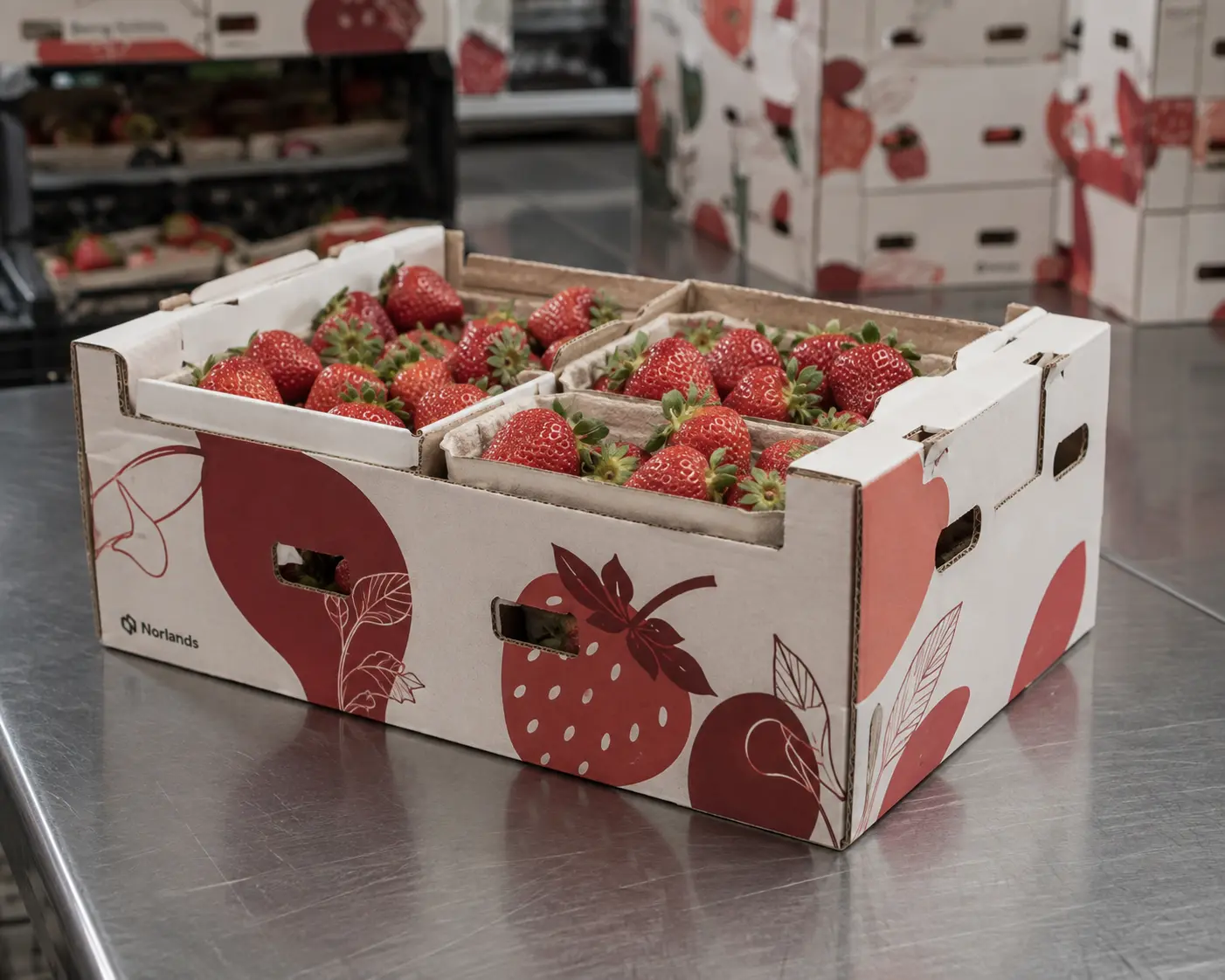
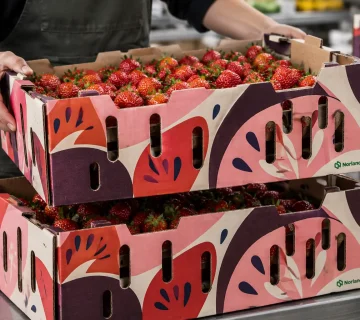
Paper, corrugated, and fibre-based structures can support bakery and produce applications where suitable. Packaging design can also incorporate ventilation, partitions, or product-specific structures.
Balancing Food Protection and Sustainability
If sustainable packaging fails to protect the food, resulting product waste can undermine the intended environmental benefit. Effective biodegradable packaging Canada should therefore balance material choices with reliable product protection.
Biodegradable Packaging Canada for E-Commerce
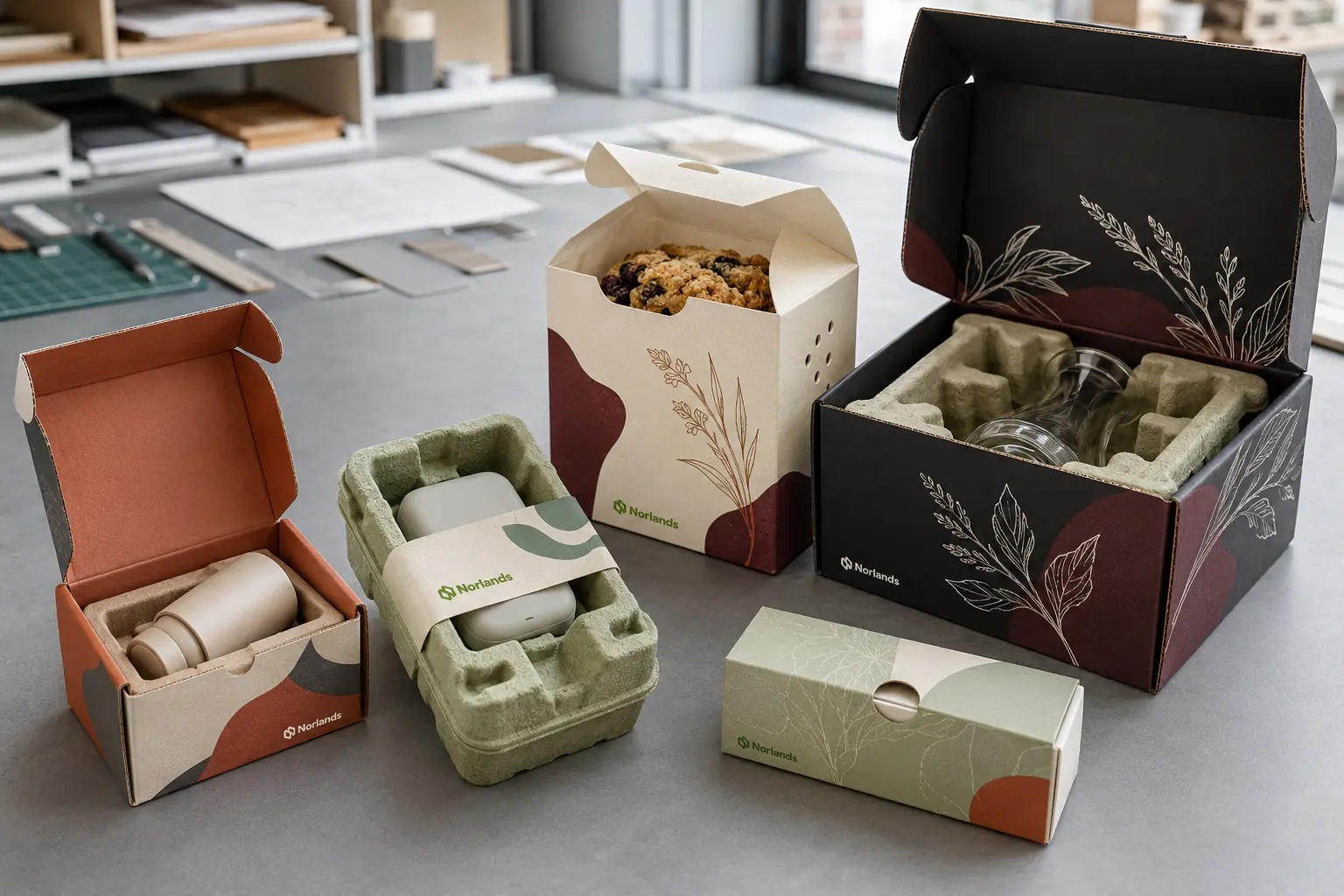
E-commerce businesses can approach biodegradable packaging Canada through more than material substitution. Right-sizing boxes, reducing void fill, simplifying material combinations, and improving shipping efficiency can also contribute to a better packaging system.
Corrugated Shipping Boxes
Corrugated boxes remain a practical option for many e-commerce shipments because they combine structural strength, relatively low weight, printing capabilities, and fibre-based construction.
Paper-Based Mailers
Paper-based mailers may be suitable for lightweight or less fragile products that do not require the structural protection of a corrugated shipping box.
Protective Inserts
Corrugated or fibre-based inserts can secure products while reducing reliance on loose protective materials.
Reducing Plastic Void Fill
Businesses evaluating biodegradable packaging Canada can also review whether unnecessary plastic cushioning or void fill can be reduced or replaced with appropriate paper-based alternatives.
Right-Sizing E-Commerce Packaging
Right-sizing can reduce material consumption and unnecessary shipping volume. In many cases, designing a smaller and more efficient package can be as important as changing the packaging material itself.
Think Beyond the Material
A strong biodegradable packaging Canada strategy should consider the entire package: material choice, box dimensions, inserts, void fill, shipping efficiency, product protection, and what happens to the packaging after use.
Frequently Asked Questions About Biodegradable Packaging Canada
Businesses researching biodegradable packaging Canada often need to compare biodegradability, compostability, recyclability, material performance, and disposal requirements. These frequently asked questions cover the most important considerations.
What is biodegradable packaging?
Biodegradable packaging is packaging made from materials capable of breaking down through biological processes under suitable conditions. The required time, temperature, moisture, and disposal environment can vary between materials.
Is biodegradable packaging available in Canada?
Yes. Businesses can explore different biodegradable packaging Canada options, including fibre-based packaging, corrugated board, moulded fibre, and selected plant-based or bio-based materials.
What is the difference between biodegradable and compostable packaging?
Biodegradable is a broad description of biological breakdown, while compostable packaging is intended to break down under specified composting conditions. Compostable does not necessarily mean suitable for every home or municipal composting system.
Is biodegradable packaging better than recyclable packaging?
Not automatically. When comparing recyclable materials with biodegradable packaging Canada, businesses should consider product protection, material efficiency, local recovery infrastructure, and the realistic end-of-life pathway.
Is corrugated cardboard biodegradable?
Corrugated cardboard is primarily fibre-based and can break down biologically under suitable conditions. However, coatings, adhesives, inks, and other components should also be considered when evaluating the complete package.
Can biodegradable packaging be used for food?
Potentially, depending on the material and application. Biodegradable packaging Canada for food should still meet the required food-contact, moisture, grease, temperature, and product-protection needs.
Is biodegradable packaging suitable for e-commerce?
Yes, where the material provides adequate shipping performance. Corrugated boxes, paper-based mailers, and fibre inserts can support e-commerce packaging while reducing reliance on unnecessary plastic components.
Does biodegradable packaging break down in landfill?
Not necessarily in a predictable or useful timeframe. Biodegradation depends on environmental conditions, so a biodegradable label should not be interpreted as a guarantee of rapid breakdown in landfill.
How should biodegradable packaging be disposed of?
The correct disposal method depends on the specific material. Businesses using biodegradable packaging Canada should provide clear disposal guidance based on whether the package is recyclable, compostable under defined conditions, or intended for another recovery pathway.
How do businesses choose sustainable packaging materials?
Evaluate product protection, material quantity, shipping efficiency, recyclability or compostability, local infrastructure, cost, scalability, and customer disposal behaviour rather than relying on a single sustainability claim.
Choosing biodegradable packaging Canada businesses can rely on requires more than replacing one material with another. The right packaging strategy should consider material efficiency, product protection, box dimensions, shipping performance, recyclability or compostability, and the realistic end-of-life pathway of the complete package. From right-sized corrugated boxes and fibre-based protective inserts to custom sustainable packaging designed for food, e-commerce, retail, manufacturing,
and distribution, Norlands can help businesses evaluate biodegradable packaging Canada solutions as part of a complete packaging system. If your company is looking to reduce unnecessary packaging materials, replace inefficient packaging components, or develop a more sustainable custom packaging solution, explore Norlands’ packaging services and industry-specific solutions, connect with the Norlands team to discuss your sustainability and performance requirements, or request a custom packaging quote for biodegradable packaging Canada options suited to your products and operations.
Conclusion: Choosing Biodegradable Packaging Canada More Effectively
Biodegradable packaging Canada can support more sustainable packaging strategies, but biodegradability alone should not determine which material a business chooses. Product protection, packaging weight, material efficiency, shipping performance, recyclability, compostability, and realistic disposal conditions all matter.
For food, retail, e-commerce, and other commercial applications, businesses should evaluate the complete packaging system. Corrugated board, fibre-based packaging, moulded fibre, and other alternatives can each provide advantages when matched to the right product and distribution environment.
A stronger sustainability strategy therefore asks more than whether packaging can biodegrade. It considers how much material is used, whether the product arrives safely, how efficiently the package ships, and what happens to the packaging after use.
Ultimately, the best biodegradable packaging Canada solution is one that combines responsible material selection with efficient structural design, reliable product protection, realistic disposal options, and clear communication for customers.


No comment