
introduction
Sustainable corrugated packaging BC is about more than choosing a brown kraft box or replacing one packaging material with another. A more meaningful approach starts with the complete packaging system: how well it protects the product, how efficiently it uses material, how much empty space it creates, how it moves through distribution, and what happens to the packaging after use.
For businesses across British Columbia, sustainable corrugated packaging BC can involve fibre-based corrugated materials, right-sized structures, efficient inserts, reduced unnecessary components, improved shipping configurations, and packaging designed with recovery and recycling in mind.
The goal is not simply to make packaging look sustainable. The goal is to develop packaging that performs its primary function while reducing avoidable material, volume, product damage, and packaging waste.
What Is Sustainable Corrugated Packaging?
Sustainable corrugated packaging BC uses fibre-based corrugated materials alongside efficient structural design to protect products while reducing unnecessary material, volume, waste, and environmental burden across the packaging lifecycle.
This definition is important because sustainability cannot be determined from appearance alone. A package may look minimal or environmentally responsible while still containing unnecessary material, excessive empty space, inefficient components, or inadequate product protection.
Corrugated Packaging Explained
Corrugated packaging is constructed using liner material and a fluted medium. This structure allows corrugated board to provide useful structural performance for shipping boxes, retail packaging, product packaging, inserts, dividers, and other applications.
Within sustainable corrugated packaging BC, corrugated board can be used not only as an outer box but also as part of a wider packaging system designed around product fit, protection, distribution, and recovery.
What Makes Packaging More Sustainable?
A more sustainable packaging system can consider several interconnected factors: material efficiency, product protection, right-sizing, recyclability, transportation efficiency, packaging components, recovery conditions, and waste prevention.
This means the question should not simply be, “Is this material sustainable?” A better question is, “How efficiently does the complete packaging system perform?”
Material Choice vs Complete Packaging Design
Material choice matters, but it is only one part of sustainable corrugated packaging BC. The amount of material used, package dimensions, internal components, product fit, shipping configuration, and end-of-life conditions also contribute to the wider sustainability discussion.
A fibre-based package that uses unnecessary material or ships significant empty space should not automatically be considered optimized simply because of the material selected.
Why Sustainability Must Include Product Protection
Packaging exists first to protect the product. If reducing material causes additional product damage, the packaging system may create waste elsewhere.
For this reason, sustainable corrugated packaging BC should balance material reduction with adequate structural performance and product protection.
Sustainable-Looking Is Not the Same as Sustainable
The most sustainable-looking package is not necessarily the most sustainable packaging system. Effective sustainable corrugated packaging BC should be evaluated through product protection, material efficiency, package dimensions, distribution, recovery, and actual waste reduction.
Why BC Businesses Are Rethinking Packaging
Businesses exploring sustainable corrugated packaging BC may be trying to reduce packaging waste, simplify packaging systems, improve recyclability, reduce unnecessary materials, or improve shipping and distribution efficiency.
Manufacturers, e-commerce businesses, retailers, food and beverage companies, distributors, procurement teams, and sustainability teams can all approach packaging from different perspectives, but the underlying objective is similar: use packaging more intelligently.
Reducing Packaging Waste
Packaging waste can be influenced by oversized structures, excessive material, unnecessary internal components, inefficient inserts, avoidable filler, and packaging that is poorly matched to the product.
Improving sustainable corrugated packaging BC can therefore begin by identifying where material and volume are being used without providing meaningful packaging performance.
Changing Customer Expectations
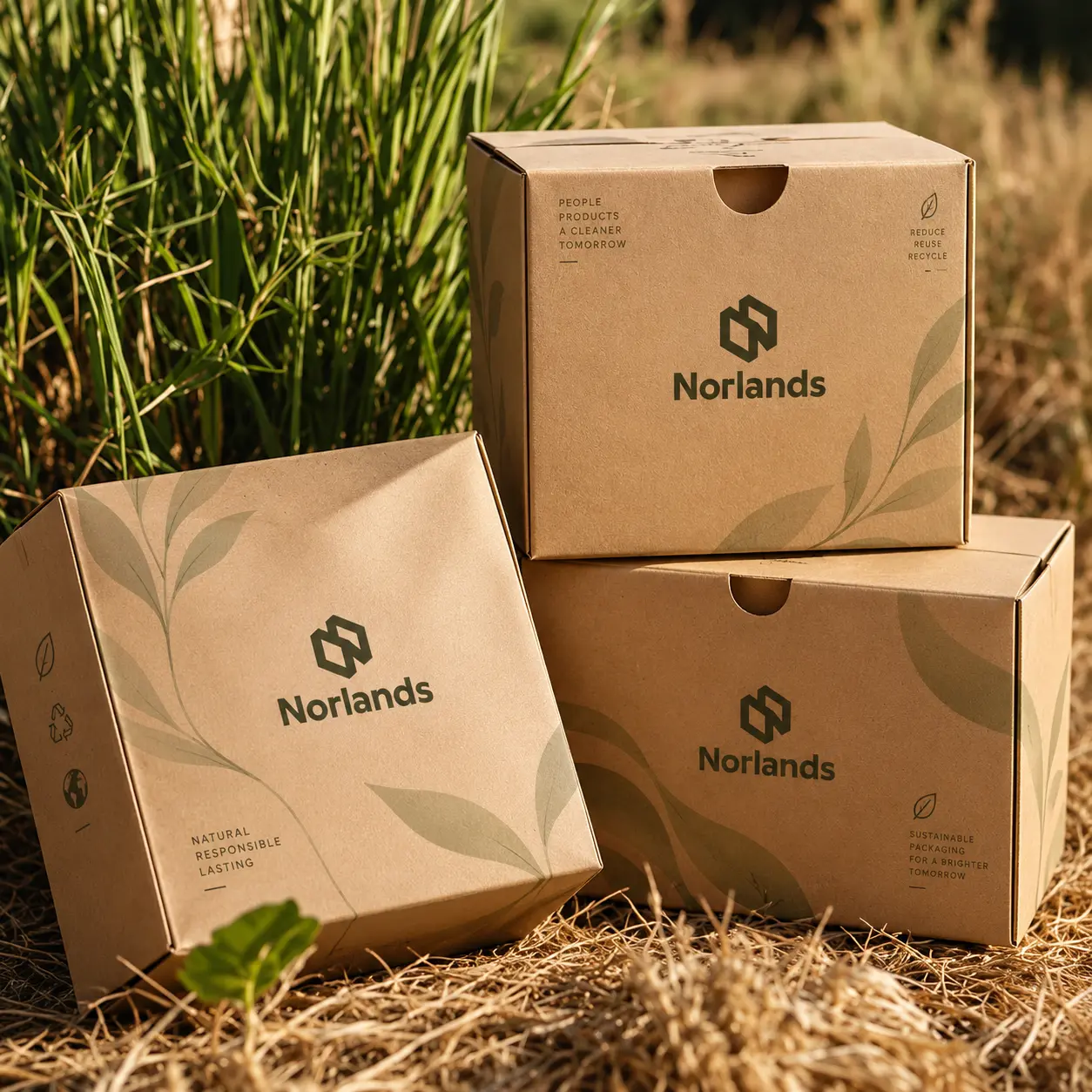
Packaging is visible to customers, particularly in retail and e-commerce. Businesses may therefore want packaging that communicates material efficiency and thoughtful design without relying on vague environmental claims.
Shipping and Distribution Efficiency
Package dimensions influence how products occupy space in storage, pallets, vehicles, and shipping systems. Reducing unnecessary volume can therefore become part of a broader sustainable corrugated packaging BC strategy.
Reducing Unnecessary Materials
A packaging audit may reveal components that can be simplified, integrated into the structure, resized, or potentially removed without compromising required performance.
Improving Recyclability
Material combinations, coatings, contamination, adhesives, and additional components can affect recovery. Designing with end-of-life conditions in mind can make recyclability a more practical consideration rather than simply a marketing statement.
Building More Efficient Packaging Systems
The strongest approach to sustainable corrugated packaging BC is to evaluate the entire system rather than optimizing one element in isolation.
Is Corrugated Packaging Sustainable?
Corrugated packaging can support sustainability goals because it is fibre-based and commonly recyclable. However, its overall environmental performance also depends on material use, sourcing, product protection, transportation efficiency, coatings, contamination, and end-of-life conditions.
For that reason, sustainable corrugated packaging BC should not rely on blanket claims that every corrugated package is automatically sustainable.
Fibre-Based Construction
Corrugated packaging is fibre-based, which can make it relevant for businesses evaluating paper- and fibre-based packaging systems.
Recyclability
Many clean corrugated packaging products can enter appropriate recycling systems, although actual recovery depends on local requirements and the condition and construction of the packaging.
Potential Use of Recycled Fibre
Corrugated packaging can incorporate recycled fibre depending on the specific material specification and manufacturing requirements.
Renewable Fibre Inputs
Fibre-based packaging can also involve renewable fibre inputs. Material sourcing should still be considered as part of the broader packaging decision.
Material Efficiency
The sustainability discussion should include how much corrugated material is actually required. An oversized or unnecessarily complex fibre-based package can still create avoidable material use.
The Importance of Local Recovery Infrastructure
Recyclability is connected to real recovery systems. When evaluating sustainable corrugated packaging BC, businesses should consider applicable local recycling requirements and the way packaging will actually be handled after use.
Recyclable Corrugated Packaging BC
Recyclability is one of the most common considerations for businesses evaluating sustainable corrugated packaging BC. However, saying that a material is recyclable is only the beginning of the discussion.
How Corrugated Boxes Enter Recycling Streams
Clean corrugated packaging can potentially enter appropriate collection and recovery systems where accepted.
Why Clean Material Matters
Contamination can influence whether packaging can be effectively recovered. The condition of the package after use is therefore relevant to its end-of-life pathway.
How Coatings Can Affect Recovery
Coatings and treatments can affect how packaging behaves within recovery systems. Their impact should be considered when specifying packaging materials.
Adhesives, Tape, and Additional Components
Adhesives, tapes, labels, and additional packaging components can also influence material separation and recovery requirements.
Designing Packaging for Easier Material Separation
Where multiple components are necessary, designing them so materials can be more easily identified or separated can support a more practical end-of-life strategy.
Checking Local Recycling Requirements
Businesses using sustainable corrugated packaging BC should avoid assuming that every recovery system operates identically. Applicable local recycling requirements should be considered when making disposal or recyclability claims.
In British Columbia, corrugated cardboard boxes are included in Recycle BC’s residential paper and cardboard recycling stream. Businesses should still consider the complete packaging construction and current local preparation requirements when determining how a finished packaging system should be handled after use.
Recycled Content vs Recyclable Packaging
Two terms frequently used in conversations about sustainable corrugated packaging BC are recycled content and recyclable packaging. They describe different things.
What Recycled Content Means
Recycled content refers to material that has previously been recovered and incorporated into a new product.
What Recyclable Means
Recyclable describes whether packaging can potentially be collected and processed into new material through an appropriate recovery system.
Why the Terms Are Not Interchangeable
A packaging material can contain recycled content without that automatically answering how the final package will be recovered. Likewise, describing packaging as recyclable does not specify how much recycled content it contains.
Why Both Can Matter in Packaging Decisions
Businesses evaluating sustainable corrugated packaging BC can consider both the inputs used to manufacture packaging and the potential end-of-life pathway after use.
Recycled ≠ Recyclable
Recycled content describes material inputs that have already been recovered and reused. Recyclable describes the potential for packaging to enter an appropriate recovery process after use. A strong sustainable corrugated packaging BC strategy should understand the distinction.
Sustainable Packaging Starts With Product Protection
One of the most important principles in sustainable corrugated packaging BC is that packaging must still perform its primary function: protecting the product.
Reducing packaging material is only beneficial when the package can still perform its primary job: protecting the product.
Why Damaged Products Create Waste
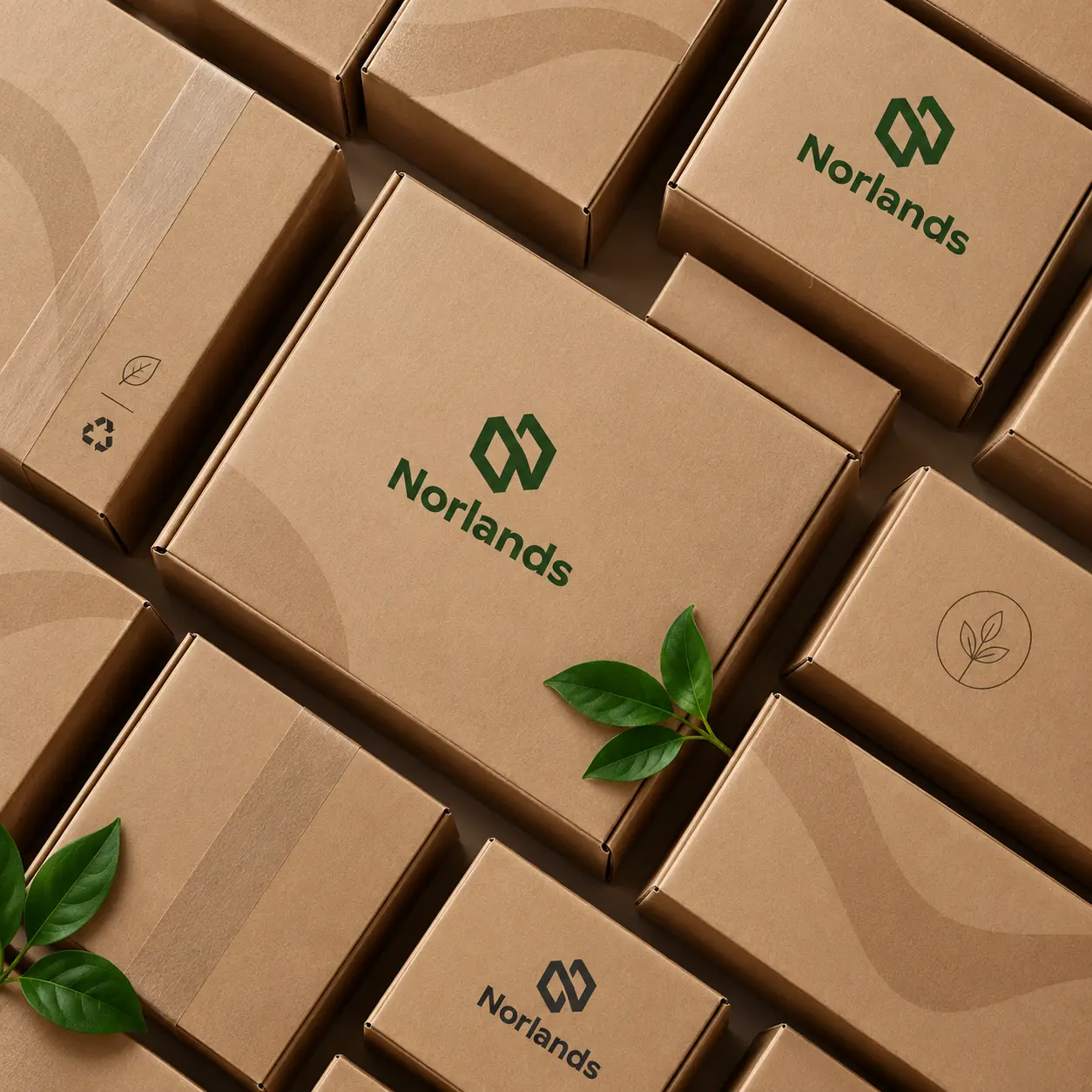
Product damage can create waste beyond the packaging itself. When products are damaged during handling or transportation, the consequences can involve the product as well as the materials and processes associated with replacement.
Using Enough Material to Protect the Product
Material reduction should therefore be based on packaging performance rather than simply minimizing the visible amount of packaging.
Avoiding Under-Packaging
Removing too much material or protection can leave products vulnerable to movement, compression, impact, or other distribution conditions.
Avoiding Over-Packaging
At the opposite extreme, excessive corrugated material, oversized boxes, unnecessary inserts, and excessive filler can create avoidable waste.
Finding the Appropriate Balance
Effective sustainable corrugated packaging BC aims for the appropriate balance: enough packaging to perform reliably without using unnecessary material or volume.
Right-Sized Corrugated Packaging
Right-sizing is one of the most practical opportunities within sustainable corrugated packaging BC. Instead of placing a small product inside a substantially oversized box, the packaging structure can be designed or selected to more closely match the product and its protection requirements.
Reducing Empty Space
Excessive internal space can increase overall package volume and may create additional requirements for filler or internal protection.
Reducing Excess Corrugated Material
A smaller, appropriately designed package can potentially use less corrugated material than an unnecessarily oversized alternative.
Using Less Void Fill
Better product fit can reduce the amount of unnecessary empty space that needs to be managed with void fill.
Improving Shipping Efficiency
Package dimensions influence the amount of space occupied during transportation. Right-sized sustainable corrugated packaging BC can therefore contribute to a more efficient shipping configuration.
Improving Warehouse Efficiency
More efficient package dimensions can also affect how products occupy shelves, storage locations, pallets, and warehouse space.
Matching Packaging Dimensions to the Product
The objective is not to make the package as small as physically possible. It is to match packaging dimensions to the product while preserving the room required for structural performance and protection.
Need packaging that fits your product, timeline, and budget?
Tell us what you’re packaging and we’ll help you find the right box style, material, and production path.
How Right-Sizing Can Reduce Packaging Waste
Right-sizing should be one of the central considerations for businesses evaluating sustainable corrugated packaging BC because it can affect multiple parts of the packaging and distribution system simultaneously.
Less Material
An appropriately sized package may reduce unnecessary corrugated material per package.
Less Empty Space
Better product fit can reduce unnecessary internal volume.
Less Protective Filler
Reducing excess space may reduce the amount of filler required to control movement.
More Efficient Storage
Package dimensions can influence warehouse and storage-space utilization.
More Efficient Transportation
Reducing unnecessary package volume can improve how products occupy transportation space.
Better Pallet Utilization
Package dimensions can influence pallet configuration and unused pallet space.
Custom Corrugated Packaging vs Standard Boxes
Standard boxes can be practical and efficient when their dimensions and construction align well with the product. Custom packaging is not automatically the more sustainable option in every situation.
However, when standard boxes create excessive empty space, require substantial filler, or use significantly more material than necessary, custom dimensions may become relevant to sustainable corrugated packaging BC.
When Standard Boxes Work Well
A standard carton can be a sensible choice when it provides appropriate product fit, protection, handling, production efficiency, and distribution performance.
When Standard Boxes Create Excess Space
If the available standard box is substantially larger than the product, the resulting empty space may require filler and increase overall package volume.
Custom Dimensions
Custom dimensions can allow the package to be developed more closely around the product and its protection requirements.
Product-Specific Structures
Some products benefit from packaging structures developed around their shape, orientation, components, or distribution requirements.
Reducing Unnecessary Material
Custom sustainable corrugated packaging BC can potentially reduce unnecessary material where a more efficient structure replaces an oversized or inefficient packaging configuration.
Balancing Customization With Production Efficiency
Customization should still be evaluated alongside production efficiency. The goal is not customization for its own sake, but a better-performing packaging system.
How Structural Packaging Design Supports Sustainability
Structural design is where sustainable corrugated packaging BC can move beyond simple material substitution. A well-developed structure can improve product fit, integrate protection, reduce unnecessary components, and simplify the overall packaging system.
Using Structure Instead of Excess Material
Structural features can sometimes provide positioning or protection without simply adding more filler or independent packaging components.
Reducing Packaging Components
A packaging redesign can examine whether separate components can be simplified, combined, or eliminated where performance allows.
Integrating Protection Into the Box
Protective features may sometimes be incorporated directly into the corrugated structure, reducing reliance on additional loose components.
Improving Product Fit
Better fit can help control movement and reduce unnecessary internal volume.
Simplifying Assembly
Packaging design can also consider how efficiently the package is assembled and packed in real operations.
Designing for Efficient Production
A sustainable corrugated packaging BC solution should ultimately be practical to manufacture and use, not simply efficient as a theoretical design.
Sustainable Corrugated Inserts and Dividers
Inserts and dividers are an important part of sustainable corrugated packaging BC when products require internal positioning, separation, organization, or protection.
Corrugated Inserts
Corrugated inserts can create dedicated positions for products while working within a fibre-based packaging system.
Partitions
Partitions can separate products or components and help reduce direct contact during handling and transportation.
Product Cradles
Structural corrugated elements can support or position products where the application requires a more controlled fit.
Replacing Unnecessary Filler
A product-specific insert may reduce the need for excessive loose filler where the insert itself provides appropriate positioning.
Protecting Multiple Products
Multi-product packages can use partitions or inserts to create individual positions and reduce unnecessary movement.
Designing Single-Material Packaging Systems
Where product performance allows, corrugated outer packaging and corrugated internal structures can help simplify the number of material types used in the package.
Think Beyond the Outer Box
A sustainable corrugated packaging BC system can include the outer carton, corrugated inserts, dividers, partitions, and structural supports. Sustainability should be evaluated across the complete packaging system, not only the exterior box.
Reducing Mixed Materials in Packaging
Reducing unnecessary material complexity can be another consideration when developing sustainable corrugated packaging BC. Packaging that combines many different materials can create additional separation and recovery considerations.
Why Multiple Materials Can Complicate Recovery
Different materials can require different end-of-life pathways. When they are permanently combined or difficult to separate, recovery may become more complicated.
Corrugated Structural Inserts
Corrugated inserts can sometimes provide product positioning or protection that might otherwise require a different material.
Reducing Unnecessary Plastic Components
Where performance allows, businesses can evaluate whether certain plastic components are necessary or whether a corrugated structural alternative can perform the required function.
Making Components Easier to Separate
If multiple materials remain necessary, packaging can be evaluated for how easily those components can be identified and separated after use.
When Multiple Materials Are Still Necessary for Performance
Sustainable corrugated packaging BC should not become a “plastic-free at all costs” exercise. If another material is genuinely required for product protection or performance, removing it without an adequate alternative can create other forms of waste.
Sustainable Corrugated Packaging for E-Commerce
E-commerce creates an important use case for sustainable corrugated packaging BC because the shipping package often becomes a major part of the customer and distribution experience.
Right-Sized Shipping Boxes
Right-sized e-commerce cartons can reduce unnecessary package volume while maintaining appropriate room for protection.
Reducing Void Fill
Better product fit may reduce the amount of loose material required to control movement inside the package.
Product Protection
Material reduction should never ignore the handling and transportation journey. E-commerce packaging still needs to protect products through the relevant distribution process.
Branded Corrugated Packaging
Corrugated shipping packaging can also support branding through appropriate printing and design while maintaining focus on structural and material efficiency.
Returns Considerations
Where returns are relevant to the business model, packaging design can consider how the package functions beyond the initial outbound shipment.
Reducing Packaging Complexity
Businesses evaluating sustainable corrugated packaging BC for e-commerce can review whether unnecessary layers, components, or materials can be simplified without compromising product protection.
Sustainable Corrugated Packaging for Retail
Retail applications create different requirements for sustainable corrugated packaging BC. Packaging may need to protect products, communicate the brand, support shelf presentation, and move efficiently through distribution before reaching the retail environment.
Product Packaging
Corrugated packaging can be developed around the product’s dimensions, protection requirements, and presentation needs.
Retail-Ready Packaging
Retail-ready structures can consider how products move from transportation into the retail environment and how packaging is handled at that stage.
Shelf Presentation
Material efficiency should be balanced with the communication and presentation requirements of the product.
Shipping-to-Retail Packaging
The packaging system should consider the journey to retail rather than evaluating shelf presentation separately from transportation.
Reducing Secondary Packaging Where Appropriate
Businesses can review whether every layer of secondary packaging is necessary and whether structures can be simplified where performance allows.
Balancing Branding With Material Efficiency
Sustainable corrugated packaging BC does not require abandoning branding. Instead, structural design, printing, and material use can be considered together.
Corrugated Cardboard Sheets Canada: Durable Protective Solutions for Packaging, Shipping, and Manufacturing
Quick question:
You might also like
Sustainable Corrugated Packaging for Food and Beverage Businesses
Food and beverage businesses evaluating sustainable corrugated packaging BC may use corrugated structures for secondary packaging, beverage packs, multi-product configurations, transportation packaging, and other suitable applications.
Secondary Food Packaging
Secondary corrugated packaging can organize and protect packaged food products through handling, transportation, and distribution.
Beverage Packaging
Beverage products can require structural packaging that considers product weight, orientation, separation, and transportation conditions.
Multi-Product Packs
Corrugated dividers, partitions, and structural supports can help organize multiple packaged products within a larger packaging system.
Transportation Packaging
Transportation conditions should be considered when evaluating material reduction. Packaging still needs to perform throughout the relevant supply chain.
Material Efficiency
Right-sizing, structural design, and efficient internal components can help reduce unnecessary packaging material while maintaining required performance.
Food Protection and Waste Prevention
Product protection remains central to sustainable corrugated packaging BC. Reducing packaging material is not beneficial if inadequate protection contributes to additional product damage or waste.
Frequently Asked Questions About Sustainable Corrugated Packaging BC
Businesses evaluating sustainable corrugated packaging BC often have questions about recyclability, recycled content, right-sizing, material reduction, product protection, reuse, and the difference between genuinely efficient packaging and packaging that simply looks environmentally responsible.
The answers below focus on the complete packaging system rather than treating sustainability as a single material choice.
Is corrugated packaging sustainable?
Corrugated packaging can support sustainability goals because it is fibre-based and commonly recyclable. However, the overall performance of sustainable corrugated packaging BC also depends on material use, sourcing, product protection, transportation efficiency, coatings, contamination, and recovery conditions.
Is corrugated packaging recyclable?
Many clean corrugated packaging products can be recycled through appropriate collection systems. Businesses evaluating sustainable corrugated packaging BC should still consider local recovery requirements as well as contamination, coatings, adhesives, and additional materials that may affect recovery.
What is the difference between recycled and recyclable packaging?
Recycled content refers to material that has previously been recovered and incorporated into a new product. Recyclable describes whether packaging can potentially be collected and processed into new material through an appropriate recovery system. The two terms are related but are not interchangeable when evaluating sustainable corrugated packaging BC.
Is kraft packaging always sustainable?
No. A brown or kraft appearance alone does not determine environmental performance. Effective sustainable corrugated packaging BC should also consider structure, material quantity, sourcing, product protection, transportation efficiency, and end-of-life conditions.
Can custom packaging be more sustainable than standard boxes?
It can be in some applications. A custom structure may reduce empty space, unnecessary corrugated material, void fill, or transportation inefficiency. However, custom packaging is not automatically more sustainable. The complete sustainable corrugated packaging BC system should be evaluated to determine whether customization creates a meaningful improvement.
Does using less packaging always make packaging more sustainable?
Not necessarily. Removing too much protective material can increase product damage. Sustainable corrugated packaging BC needs to balance material reduction with adequate product protection. Using less material is beneficial only when the packaging can still perform its required function.
Can corrugated packaging replace plastic inserts?
In some applications, custom corrugated inserts, dividers, partitions, or structural supports can replace certain plastic components. Whether this is appropriate depends on the product and required performance. Sustainable corrugated packaging BC should prioritize effective performance rather than removing materials without considering their function.
Can sustainable packaging reduce shipping costs?
Right-sized packaging may reduce package volume, unnecessary void fill, and dimensional inefficiency. This can potentially improve shipping efficiency, although the actual impact depends on the shipping method and packaging configuration. Right-sizing is therefore an important consideration in sustainable corrugated packaging BC.
Can corrugated boxes be reused?
Some corrugated boxes can be reused when they remain clean, dry, and structurally sound. Reuse suitability depends on box condition and application. Where appropriate, reuse can form one part of a broader sustainable corrugated packaging BC strategy before the material eventually enters a suitable recovery system.
How can a business make its existing packaging more sustainable?
Start by examining material usage, empty space, product damage, package dimensions, packaging components, shipping efficiency, palletization, and end-of-life considerations. A sustainable corrugated packaging BC redesign should identify inefficiencies across the complete packaging system before individual materials or components are changed.
Effective sustainable corrugated packaging BC starts by identifying where the existing packaging system can perform more efficiently without compromising product protection.
Norlands can help BC businesses evaluate box dimensions, corrugated material use, empty space, protective components, inserts, pallet configuration, shipping requirements, and recovery considerations to identify practical opportunities for improvement. Through right-sizing, structural packaging design, custom corrugated inserts, prototyping, and packaging optimization, a more considered approach to sustainable corrugated packaging BC can help reduce unnecessary material, void space, filler, packaging complexity, and distribution inefficiencies while maintaining the protection the product actually requires.
Explore Norlands’ sustainable and custom corrugated packaging solutions, connect with the Norlands team to review your current packaging system, or request a custom quote for sustainable corrugated packaging BC developed around product protection, material efficiency, distribution performance, and realistic recovery requirements.
Conclusion: Sustainable Corrugated Packaging BC Is About the Complete Packaging System
The most important principle behind sustainable corrugated packaging BC is that sustainability cannot be determined by appearance alone.
A brown kraft box is not automatically sustainable. A package made with less material is not automatically better. A recyclable material does not automatically mean that every packaging configuration using that material has been optimized.
Instead, businesses should evaluate how the entire packaging system performs—from product protection and material usage to package dimensions, inserts, shipping, palletization, recovery, and end of life
Protect the Product First
The first responsibility of sustainable corrugated packaging BC is still product protection. Packaging that uses very little material but fails to protect what is inside can create waste through product damage.
This is why sustainable packaging design should not begin with the instruction to remove as much packaging as possible. It should begin by determining what level of protection the product actually requires.
Once those requirements are understood, unnecessary material and components can be identified more intelligently.
Right-Size Sustainable Corrugated Packaging BC
Right-sizing is one of the most practical ways to evaluate sustainable corrugated packaging BC. Oversized boxes can create unnecessary corrugated material, internal empty space, filler requirements, storage volume, and transportation inefficiency.
A right-sized package is not simply the smallest possible box. The package still needs sufficient room for the product, required structural elements, inserts, protection, and real distribution conditions.
The objective is to eliminate unnecessary volume rather than necessary protection.
Better Product Fit
Match packaging dimensions more closely to the product and its protection requirements.
Less Empty Space
Reduce unnecessary internal volume where the product and protection requirements allow.
Less Material
Avoid corrugated material that does not contribute meaningful packaging performance.
Less Void Fill
Better fit can reduce the amount of filler needed to manage unnecessary space.
Better Storage
More efficient package dimensions can improve the use of warehouse and storage space.
Better Transportation
Package dimensions can influence pallet configuration and transportation-space utilization.
Reduce What the Packaging System Does Not Need
Material reduction is an important part of sustainable corrugated packaging BC, but it should be targeted rather than arbitrary.
Businesses can review whether the existing package contains oversized panels, unnecessary empty space, excessive filler, redundant layers, unnecessary secondary packaging, or components that could be integrated into the corrugated structure.
The objective is to remove inefficiency without removing the performance the product actually needs.
Use Corrugated Structure to Simplify Packaging
Structural design can make sustainable corrugated packaging BC more sophisticated than simply switching materials.
Corrugated inserts, partitions, dividers, and product cradles can sometimes provide internal positioning and protection while reducing the need for excessive loose filler or additional components.
Where appropriate, using corrugated outer packaging together with corrugated internal structures can also simplify the material system.
Do Not Remove Materials Without Understanding Their Function
The goal of sustainable corrugated packaging BC is not to eliminate every non-corrugated component at any cost. If a material is necessary for product performance or protection, removing it without an effective alternative may create additional waste elsewhere.
Reuse Corrugated Packaging Where Appropriate
Reuse can form part of a sustainable corrugated packaging BC strategy where boxes remain suitable for another use cycle.
Condition matters. A carton that remains clean, dry, and structurally sound may be suitable for reuse depending on its next application. A box that has been crushed, weakened, exposed to moisture, contaminated, or otherwise damaged may no longer provide the required performance.
Closed-loop B2B applications can also create different reuse opportunities from one-way consumer packaging, depending on the packaging system and distribution model.
Design Sustainable Corrugated Packaging BC With Recovery in Mind
Eventually, corrugated packaging reaches the end of its useful life. That makes recovery and recycling an important part of sustainable corrugated packaging BC.
Businesses should consider the materials used, additional components, coatings, contamination risk, adhesives, and how easily different components can be separated where required.
Local recovery infrastructure also matters. Environmental claims should reflect how packaging can realistically be handled within applicable collection and recovery systems.
Measure Sustainable Corrugated Packaging BC Instead of Relying on Appearance
One of the strongest ways to improve sustainable corrugated packaging BC is to measure packaging performance before and after redesign rather than relying on subjective environmental language.
Useful areas to compare can include:
Packaging Weight
Compare how much packaging material the system uses.
Material Usage
Identify where material has been reduced, retained, or redistributed.
Package Volume
Compare overall dimensions and unnecessary shipping volume.
Void Space
Evaluate unnecessary empty space inside the package.
Damage Rate
Confirm that material reduction has not compromised product protection.
Packaging Components
Review whether the redesigned system uses fewer unnecessary components.
Pallet Utilization
Evaluate how package dimensions affect pallet-space efficiency.
Packaging Waste
Compare waste generated by the existing and redesigned systems.
Avoid Greenwashing in Sustainable Corrugated Packaging BC
Businesses discussing sustainable corrugated packaging BC should be careful not to reduce complex environmental considerations to vague terms such as “green,” “eco,” or “environmentally friendly” without explaining what those claims actually mean.
A kraft appearance alone does not prove sustainability. Recyclable and recycled content do not mean the same thing. A package using less material is not necessarily an improvement if product damage increases.
Specific, supportable packaging information is more meaningful than broad environmental language.
How to Improve Existing Sustainable Corrugated Packaging BC
A business does not necessarily need to begin with an entirely new packaging concept. Existing packaging can first be audited to identify where meaningful improvements may be possible.
For a sustainable corrugated packaging BC redesign, start by examining the existing package and asking:
- Is there excessive empty space?
- Is more corrugated material being used than necessary?
- Are products being damaged?
- Are there unnecessary packaging components?
- Could the package dimensions be improved?
- Could internal structures replace unnecessary filler?
- Could pallet utilization be improved?
- Does the package reflect the actual shipping and distribution environment?
- Has the redesigned structure been prototyped and tested?
Sustainable Corrugated Packaging BC Should Be Designed for the Real Supply Chain
For businesses operating in British Columbia, sustainable corrugated packaging BC should also reflect the actual distribution journey.
A package may move through Vancouver and the Lower Mainland, across British Columbia, or into longer-distance Canadian distribution. It may be stored in warehouses, stacked on pallets, handled multiple times, and transported under different conditions.
This is why sustainability and packaging performance should not be separated. Packaging needs to survive the supply chain it is actually designed for.
Choose Sustainable Corrugated Packaging BC Based on Performance
When evaluating a sustainable corrugated packaging BC supplier, look beyond whether the company offers kraft boxes or uses sustainability language.
Relevant capabilities can include corrugated packaging expertise, structural design, right-sizing, material knowledge, custom insert development, prototype development, printing, production capabilities, and an understanding of local manufacturing and supply requirements.
The objective should be to develop a packaging system that can be evaluated and improved across multiple dimensions rather than selecting packaging based on one environmental characteristic.
A Better Question to Ask
Instead of asking:
“Does this packaging look sustainable?”
Ask:
“Does this packaging protect the product while using materials, volume, components, and distribution space efficiently—and can its materials be appropriately recovered after use?”
Build Sustainable Corrugated Packaging BC Around Better Packaging Decisions
The strongest sustainable corrugated packaging BC strategy does not depend on a single material, colour, claim, or packaging trend. It comes from making better decisions across the entire packaging lifecycle.
Protect the product first. Right-size the structure. Reduce unnecessary material and empty space. Simplify components where performance allows. Consider reuse where the package remains suitable. Design with real recovery and recycling conditions in mind.
For e-commerce brands, that may mean smaller shipping boxes and less void fill. For retailers, it may involve balancing presentation with material efficiency. For manufacturers, it may involve improved pallet configurations, product-specific structures, and reduced transportation inefficiency. For food and beverage businesses, it may involve secondary corrugated packaging designed to protect products while avoiding unnecessary material.
The specific solution will vary, but the principle behind sustainable corrugated packaging BC remains consistent:
Use enough packaging to protect the product—and eliminate packaging, material, space, and complexity that do not provide a necessary function.
From Sustainable Packaging Goals to a Better Corrugated Packaging System
Businesses reviewing existing packaging can begin with the product and the current packaging configuration. Measure the package, identify empty space, review material use, examine product damage, consider shipping and palletization, and understand what happens to the packaging after use.
From there, sustainable corrugated packaging BC can be approached as a redesign and optimization process rather than a simple material substitution exercise.
The resulting packaging may use custom dimensions, structural corrugated inserts, fewer unnecessary components, better product fit, improved palletization, or a more efficient shipping configuration. What matters is whether the redesigned system performs better as a whole.
Final Thoughts on Sustainable Corrugated Packaging BC
Sustainable corrugated packaging BC should ultimately be about creating a packaging system that performs its job with greater efficiency.
That means protecting products without unnecessary over-packaging, matching box dimensions more closely to what is being packed, reducing avoidable material and filler, considering transportation and pallet efficiency, simplifying packaging components where appropriate, and planning for realistic recovery and recycling conditions.
It also means recognizing that sustainability involves trade-offs. Using less material is not automatically better if products are damaged. Eliminating a component is not necessarily an improvement if that component performs an essential protective function. Choosing kraft material does not by itself make the complete packaging system sustainable.
For BC businesses, the more useful approach is to treat sustainable corrugated packaging BC as an engineering, design, protection, distribution, and waste-reduction challenge—not simply an aesthetic or marketing decision.
Protect → Right-Size → Reduce → Reuse Where Appropriate → Recover / Recycle.
When those principles are considered together, sustainable corrugated packaging BC becomes more than a sustainable-looking box. It becomes a smarter packaging system designed around product protection, material efficiency, distribution performance, and responsible end-of-life considerations.
No comment