
Table of Contents
ToggleIntroduction
Packaging supply chain resilience Canada has become one of the most important competitive advantages for manufacturers, distributors, retailers, and e-commerce businesses operating in today’s unpredictable market environment. Across Canada, companies are facing growing pressure from transportation delays, raw material fluctuations, labor shortages, border disruptions, extreme weather conditions, and rapidly changing customer expectations. Businesses that once focused only on reducing packaging costs are now realizing that stability, continuity, and adaptability are just as critical as efficiency.
In recent years, Canadian industries have experienced how fragile traditional supply systems can become when unexpected disruptions occur. A single delay in corrugated material sourcing, warehouse operations, or freight transportation can create a chain reaction that impacts production timelines, customer satisfaction, inventory management, and overall profitability. This is especially true for businesses operating in regions like British Columbia, Ontario, Alberta, and cross-border shipping corridors between Canada and United States, where logistics complexity continues to increase.
Modern companies are now investing in resilient supply chains that prioritize flexibility, visibility, backup sourcing strategies, and proactive planning instead of relying on outdated linear systems. Packaging suppliers are no longer viewed as simple vendors. They are strategic operational partners that help businesses maintain stability during uncertainty. From packaging continuity planning to advanced inventory forecasting and risk mitigation supply chain strategies, organizations are redesigning their operations to prevent disruptions before they become costly problems.
At the same time, sustainability initiatives, automation technologies, and regional manufacturing capabilities are reshaping how Canadian companies approach supply chain stability packaging solutions. Businesses that build resilient packaging systems are often able to respond faster to market changes, reduce operational downtime, protect customer relationships, and create long-term competitive strength. In today’s economy, packaging supply chain resilience Canada is no longer optional—it is becoming essential for sustainable business growth.
Packaging supply chain resilience Canada is increasingly viewed as a strategic operational framework rather than a temporary response to disruption. Businesses are recognizing that resilient packaging systems directly affect production continuity, inventory reliability, transportation efficiency, and customer retention. As supply chains become more interconnected and dependent on real-time fulfillment performance, even minor disruptions can quickly escalate into widespread operational problems.
One of the key reasons packaging supply chain resilience Canada has become so important is the growing unpredictability of global and regional logistics systems. Freight congestion, raw material shortages, fuel price volatility, labor availability issues, and international trade uncertainty have all increased operational pressure across Canadian markets. Companies that rely on single-source suppliers or inflexible packaging systems often struggle to maintain continuity during periods of disruption.
To address these risks, businesses implementing packaging supply chain resilience Canada strategies are focusing on:
- Diversified supplier networks
- Regional manufacturing partnerships
- Backup inventory planning
- Flexible packaging sourcing strategies
- Improved logistics visibility and forecasting
These initiatives allow companies to react more quickly when transportation conditions, material availability, or customer demand changes unexpectedly.
Technology is also playing a major role in strengthening packaging supply chain resilience Canada. Businesses are increasingly using:
- Real-time inventory monitoring systems
- Warehouse management platforms
- Transportation management software
- Predictive analytics and demand forecasting tools
to improve visibility and operational coordination throughout the packaging supply chain.
This increased visibility helps organizations identify disruptions earlier, respond faster, and maintain stronger control over packaging continuity planning. Companies that integrate data-driven decision-making into packaging supply chain resilience Canada strategies often reduce operational downtime while improving fulfillment reliability.
Another major factor influencing packaging supply chain resilience Canada is the expansion of ecommerce and direct-to-consumer fulfillment models. Higher order volumes, faster delivery expectations, and more complex distribution networks have significantly increased pressure on packaging operations.
Modern supply chain management research also emphasizes the importance of visibility, real-time data, and operational coordination in building resilient supply networks. Businesses that integrate digital supply chain technologies, predictive analytics, and inventory monitoring systems are often better equipped to identify disruptions early and maintain operational continuity during periods of uncertainty.
Businesses must now ensure packaging systems can support:
- High-volume fulfillment environments
- Rapid inventory turnover
- Long-distance transportation performance
- Consistent product protection across multiple shipping stages
As a result, packaging supply chain resilience Canada increasingly depends on packaging systems that combine:
- Structural reliability
- Scalable production capacity
- Flexible sourcing capabilities
- Automation compatibility
Sustainability initiatives are also reshaping packaging supply chain resilience Canada. Businesses are under increasing pressure to reduce waste, improve recyclability, and adopt environmentally responsible packaging systems without compromising operational stability.
This has accelerated investment in:
- Recyclable corrugated packaging
- Lightweight structural designs
- Localized manufacturing capabilities
- Circular packaging supply systems
Companies implementing sustainable packaging supply chain resilience Canada strategies are often able to reduce dependency on vulnerable global supply channels while improving long-term operational flexibility.
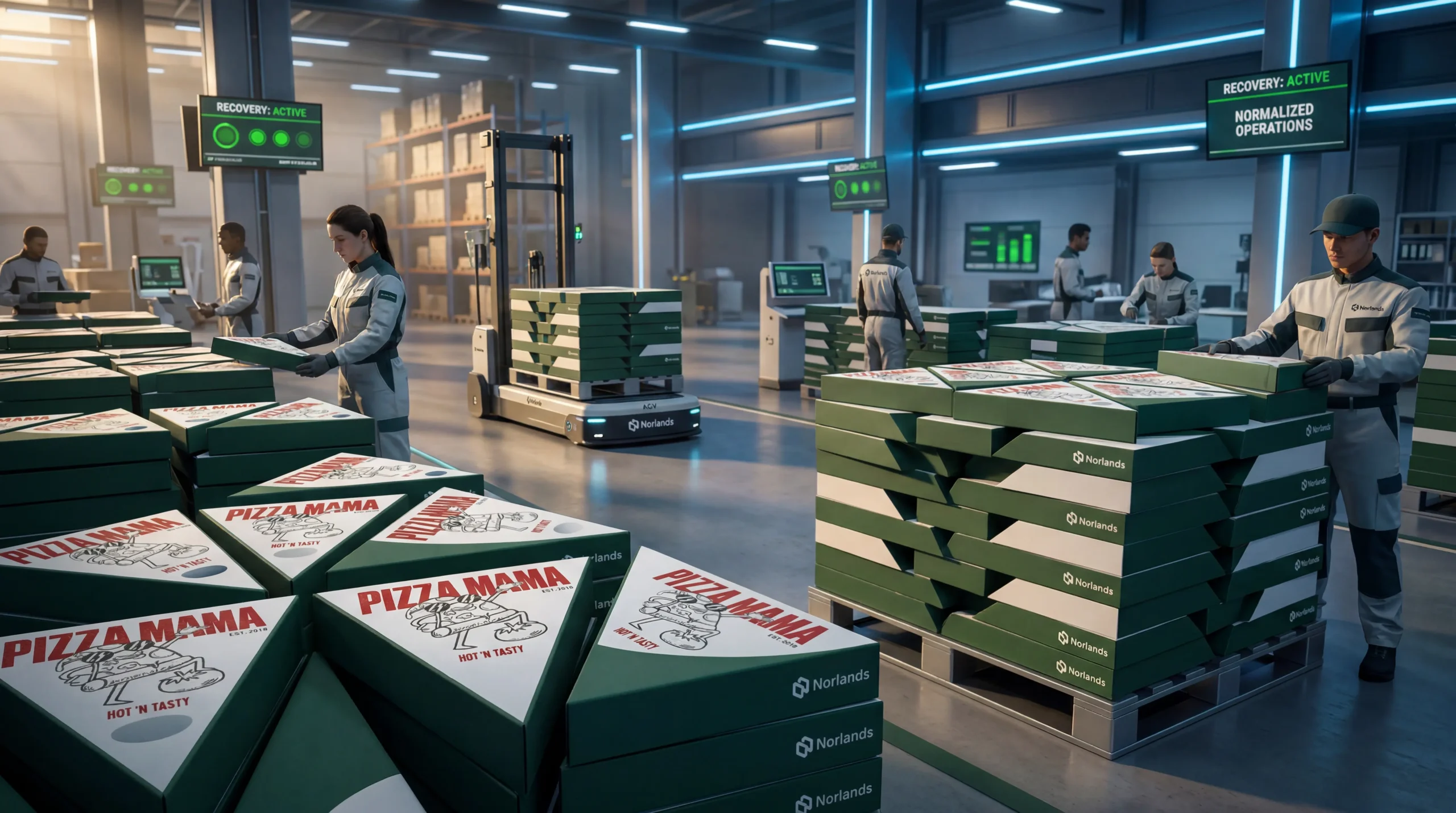
Automation integration is another important component of packaging supply chain resilience Canada. Automated warehousing, packaging, and fulfillment systems help businesses maintain operational consistency during labor shortages or demand fluctuations.
Packaging systems optimized for automation improve:
- Throughput efficiency
- Inventory accuracy
- Fulfillment speed
- Operational scalability
Businesses that align packaging supply chain resilience Canada with automation strategies gain stronger adaptability and are better prepared to manage rapid changes in market demand.
Customer expectations are also driving investment in packaging supply chain resilience Canada. Modern consumers expect:
- Faster delivery times
- Consistent product availability
- Reliable packaging quality
- Minimal shipping disruptions
Businesses that fail to maintain stable packaging operations risk:
- Customer dissatisfaction
- Delayed fulfillment
- Reduced loyalty and retention
- Damage to brand reputation
As competition increases across ecommerce, manufacturing, and retail sectors, resilient packaging operations are becoming directly connected to long-term customer trust and market competitiveness.
Packaging supply chain resilience Canada also improves financial stability by helping businesses:
- Reduce emergency sourcing costs
- Minimize inventory disruption
- Lower operational downtime
- Improve forecasting accuracy
Companies that proactively invest in resilient supply chain infrastructure are often able to maintain stronger profitability during uncertain market conditions.
Ultimately, packaging supply chain resilience Canada is transforming how businesses approach logistics, sourcing, inventory planning, and packaging operations. Organizations are moving away from rigid supply models and toward adaptive systems designed to maintain stability under changing conditions.
As supply chain complexity continues increasing across Canadian industries, businesses that prioritize packaging supply chain resilience Canada will be better positioned to:
- Maintain operational continuity
- Protect customer relationships
- Improve logistics reliability
- Respond quickly to disruption
- Scale more sustainably over time
In today’s rapidly evolving business environment, packaging supply chain resilience Canada is no longer simply a defensive strategy—it is becoming a foundational requirement for long-term operational success, competitive strength, and sustainable growth.
What Defines Packaging Supply Chain Resilience Canada
Packaging supply chain resilience Canada is defined by the ability of a packaging system to continue operating efficiently during disruptions, unexpected demand shifts, transportation delays, material shortages, or economic uncertainty. Unlike traditional supply chains that focus mainly on cost reduction and speed, resilient systems are designed to absorb pressure, adapt quickly, and recover without causing major interruptions to production or customer fulfillment. In Canada’s evolving industrial landscape, resilience has become a strategic priority rather than a secondary operational concern.
Canadian businesses operate in a unique environment where geography alone creates logistical complexity. Large transportation distances between provinces, seasonal weather challenges, port congestion, and cross-border trade dependencies all influence packaging movement and material availability. Companies that depend on a single supplier, limited inventory visibility, or inflexible sourcing models often face greater operational risk when disruptions occur. As a result, many organizations are now restructuring their operations around more stable and diversified packaging procurement strategies.
One of the core components of resilient supply chains is supplier diversification. Instead of relying on one production source or one packaging manufacturer, businesses increasingly build relationships with multiple suppliers across different regions. This approach reduces dependency risks and improves operational continuity if disruptions impact one area of the supply network. In British Columbia and Western Canada especially, regional sourcing strategies are becoming more common as companies attempt to reduce transportation vulnerability and shorten lead times.
Another defining factor is visibility across the supply chain. Modern packaging operations now use forecasting systems, inventory monitoring, production analytics, and digital communication platforms to identify potential problems early. Businesses that can predict demand fluctuations or material shortages before they happen are far more capable of protecting operational continuity. This proactive approach supports stronger disruption management while reducing emergency purchasing costs and production downtime.
Flexibility is equally important in supply chain stability packaging strategies. Resilient companies often standardize certain packaging materials, maintain adaptable box dimensions, or design packaging systems that can support multiple products. This flexibility allows businesses to respond faster to changing customer requirements without redesigning their entire packaging operation during periods of instability.
Finally, risk mitigation supply chain planning has become deeply connected to long-term business growth. Companies are no longer measuring packaging performance only through pricing metrics. They are evaluating supplier reliability, production responsiveness, inventory security, freight stability, and operational scalability as part of broader risk management strategies. Businesses that strengthen these areas often gain a significant competitive advantage because they can continue serving customers consistently while competitors struggle with delays and shortages.
Packaging Supply Chain Resilience Canada vs Traditional Models
Traditional supply chain models were built around efficiency, low operational cost, and lean inventory management. For many years, businesses focused heavily on minimizing storage costs, reducing supplier networks, and operating with highly optimized “just-in-time” systems. While these approaches improved short-term profitability, they also created fragile operational structures that became highly vulnerable during periods of disruption. In contrast, packaging supply chain resilience Canada focuses on stability, adaptability, and long-term continuity in an environment where uncertainty has become normal rather than temporary.
Many traditional packaging systems rely on single-source procurement models because they appear simpler and more cost-effective on paper. However, when material shortages, transportation delays, or production shutdowns occur, businesses using these systems often experience immediate operational stress. A delayed shipment of corrugated materials, protective packaging, or printed packaging components can stop production lines entirely. Canadian businesses learned this reality during global supply disruptions, where even large organizations faced packaging shortages that affected manufacturing schedules and customer fulfillment operations across multiple industries.
Resilient systems operate differently. Instead of focusing only on minimizing cost, they prioritize operational balance. Businesses develop alternative sourcing channels, maintain strategic inventory buffers, and create contingency planning frameworks that allow them to continue operating under pressure. This approach may appear more expensive initially, but it often prevents far greater financial losses caused by downtime, delayed shipping, emergency procurement, or damaged customer trust.
Flexibility vs Efficiency
One of the biggest differences between resilient and traditional supply chain models is the balance between flexibility and efficiency. Traditional systems are optimized for predictable conditions. They perform well when transportation, supplier operations, and customer demand remain stable. However, modern markets rarely remain predictable for long periods. Sudden demand spikes, labor shortages, international trade disruptions, and freight instability can quickly expose weaknesses in rigid supply systems.
Businesses investing in resilient supply chains build operational flexibility directly into their packaging strategies. They may use adaptable packaging formats, maintain backup manufacturing capabilities, or work with regional packaging suppliers that can respond faster during emergencies. In Canada, where shipping distances and seasonal weather can heavily impact logistics, flexibility often becomes more valuable than pure efficiency. Companies that can pivot quickly during disruptions are typically able to maintain customer service levels while competitors face operational bottlenecks.
Flexible packaging operations also support faster innovation and scalability. Businesses can introduce new products, enter new markets, or respond to changing consumer expectations without completely rebuilding their packaging infrastructure. This adaptability strengthens long-term competitiveness and improves overall operational confidence.
Risk Distribution
Traditional supply chains often centralize risk by depending heavily on limited suppliers, concentrated manufacturing locations, or narrow transportation routes. While centralized systems can reduce costs during stable periods, they create major vulnerabilities when disruptions affect those critical points. A single factory shutdown, freight interruption, or supplier issue can create cascading delays throughout the entire packaging operation.
Modern supply chain stability packaging strategies distribute risk across multiple operational layers. Businesses diversify suppliers geographically, establish regional inventory storage, and create alternative logistics pathways to reduce dependency on one solution. In Canada, this approach is especially important because weather events, transportation bottlenecks, and cross-border trade delays can vary significantly between provinces and regions.
Companies that prioritize risk mitigation supply chain planning often recover faster from disruptions because they already have contingency systems in place before problems arise. Instead of reacting under pressure, they can shift production, adjust sourcing strategies, or reroute logistics with minimal interruption. Over time, this creates stronger customer relationships, more predictable operational performance, and greater market credibility.
How to Strengthen Packaging Supply Chain Resilience Canada
Strengthening packaging supply chain resilience Canada requires more than simply increasing inventory or adding new suppliers. Modern resilience strategies involve building a complete operational framework that improves visibility, flexibility, communication, sourcing stability, and long-term adaptability. Canadian businesses that successfully strengthen their packaging operations typically combine technology, strategic partnerships, regional planning, and proactive risk assessment to create systems capable of performing consistently even during uncertain market conditions.
One of the most effective strategies is supplier diversification. Businesses that depend on a single packaging source face significant exposure if production interruptions occur. By working with multiple suppliers across different regions, companies reduce dependency risk and improve operational continuity. In Canada, many organizations are now prioritizing local or regional packaging manufacturers to reduce transportation complexity and shorten delivery timelines. Regional sourcing not only improves responsiveness but also supports more stable communication and faster problem resolution during disruptions.
Inventory forecasting has also become a major factor in building resilient supply chains. Advanced forecasting systems help businesses analyze seasonal demand fluctuations, purchasing trends, material usage patterns, and transportation risks before operational issues develop. Instead of reacting after shortages occur, companies can proactively secure packaging materials, adjust production schedules, and optimize inventory levels based on predictive data. This approach significantly improves disruption management while reducing emergency purchasing costs and unnecessary operational delays.
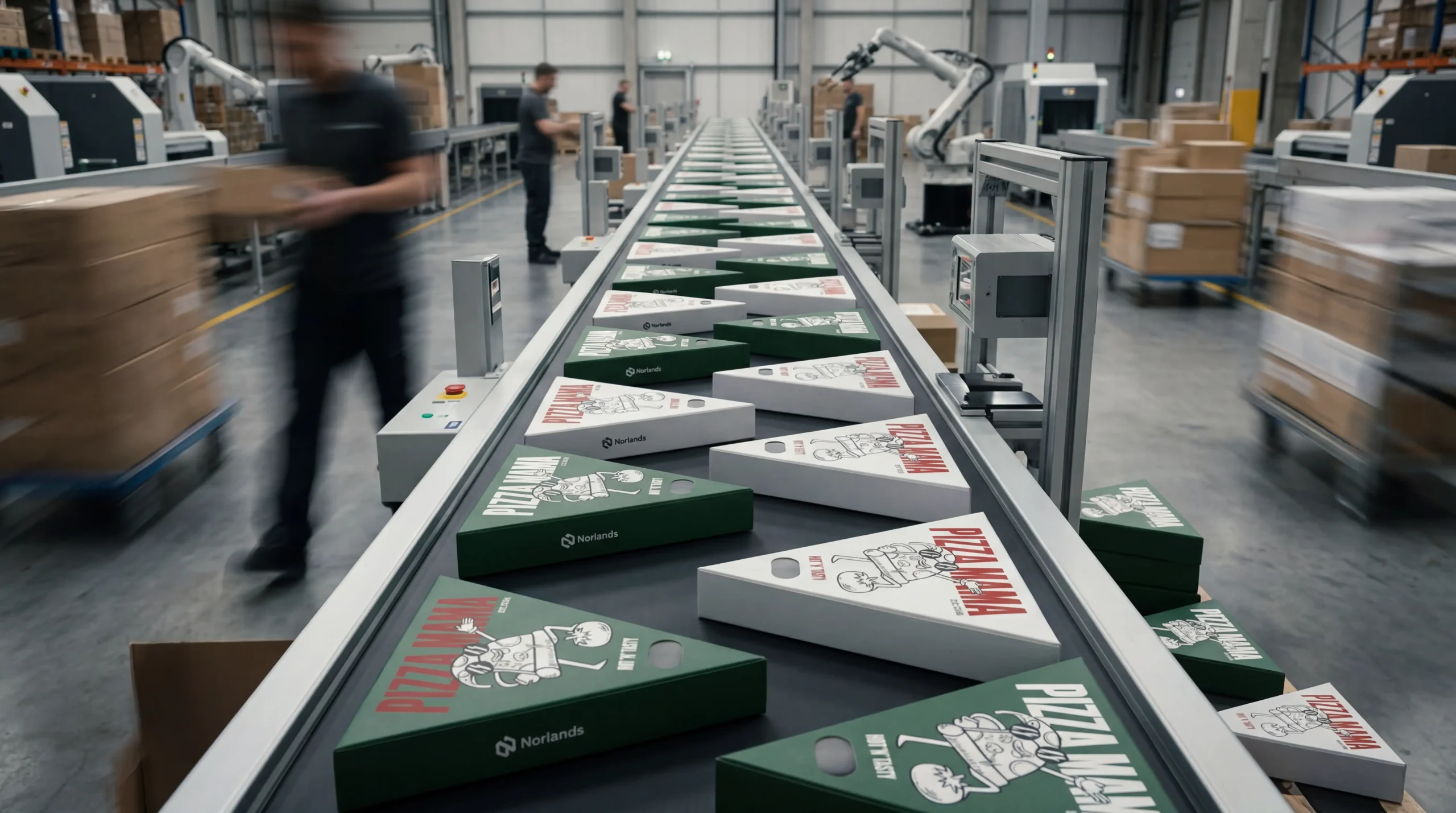
Technology integration plays a growing role in improving supply chain stability packaging systems across Canada. Digital supply chain platforms, warehouse management systems, real-time tracking tools, and automated reporting solutions allow businesses to monitor packaging movement and supplier performance more accurately. Increased visibility helps companies identify potential disruptions early, communicate more effectively with partners, and make faster operational decisions. Businesses that lack visibility often struggle to respond quickly because they discover problems only after delays begin affecting customers.
Packaging standardization is another important resilience strategy. Companies that simplify packaging formats, consolidate material types, or create modular packaging systems are often better equipped to handle supply fluctuations. Standardized packaging allows businesses to substitute materials more easily, maintain production flexibility, and reduce dependency on highly specialized components that may become difficult to source during market instability.
Strong collaboration between packaging suppliers and customers is equally critical. Modern packaging operations are becoming more partnership-driven rather than purely transactional. Packaging manufacturers now work closely with clients on forecasting, inventory planning, sustainability initiatives, transportation optimization, and contingency preparation. These collaborative relationships improve operational transparency and create stronger alignment during periods of uncertainty.
Sustainability has also become closely connected to resilience planning. Many Canadian businesses are adopting recyclable materials, lightweight packaging solutions, and environmentally responsible sourcing strategies that support both operational efficiency and regulatory compliance. Sustainable packaging systems often improve material efficiency, reduce freight costs, and strengthen long-term supply availability while helping companies align with evolving environmental expectations across Canada.
Ultimately, businesses that invest in risk mitigation supply chain strategies are positioning themselves for long-term operational stability rather than short-term cost savings alone. Resilience is no longer viewed as an emergency response measure. It is becoming a permanent competitive strategy that helps companies maintain customer confidence, protect revenue, and adapt successfully to changing market conditions.
Why Custom Branding Through Packaging Canada Drives Customer Retention
Quick question:
You might also like …
Packaging Supply Chain Resilience Canada vs Traditional Models
Traditional supply chain models were originally designed around efficiency, low operational cost, and lean inventory management. For many years, businesses focused heavily on minimizing warehousing expenses, reducing supplier networks, and operating through highly optimized “just-in-time” procurement systems. While these models improved short-term cost efficiency, they also created highly fragile operational structures that struggled under disruption.
Today, packaging supply chain resilience Canada represents a very different operational philosophy. Instead of focusing only on minimizing cost, resilient systems prioritize:
- Stability
- Adaptability
- Operational continuity
- Risk management
- Long-term scalability
As supply chain disruptions become more frequent across Canadian and global markets, businesses are recognizing that resilience is no longer optional—it is essential for maintaining reliable production and customer fulfillment.
Packaging supply chain resilience Canada focuses on building systems capable of continuing operations even when:
- Transportation delays occur
- Material shortages emerge
- Labor disruptions affect production
- Freight networks become unstable
- Customer demand changes unexpectedly
This shift represents one of the most important transformations happening across modern packaging operations.
Traditional Supply Chains and Operational Vulnerability
Many traditional packaging systems rely heavily on centralized procurement and limited supplier networks because these structures appear more efficient during stable market conditions.
Traditional models often prioritize:
- Lowest-cost sourcing
- Minimal inventory storage
- Highly concentrated manufacturing operations
- Single-source supplier relationships
While these approaches reduce short-term operational expenses, they also increase vulnerability when disruptions occur.
Businesses operating without strong packaging supply chain resilience Canada strategies often experience severe operational stress when:
- Corrugated material deliveries are delayed
- Protective packaging inventory becomes unavailable
- Freight congestion affects transportation schedules
- Production shutdowns interrupt supplier operations
A single disruption can create cascading consequences across:
- Manufacturing timelines
- Inventory availability
- Customer fulfillment
- Distribution operations
- Overall profitability
Canadian businesses experienced these weaknesses during recent global supply chain disruptions, where packaging shortages affected industries ranging from ecommerce and retail to food distribution and industrial manufacturing.
These challenges highlighted why packaging supply chain resilience Canada has become a strategic operational priority rather than a secondary logistics concern.
How Resilient Systems Operate Differently
Unlike traditional models, packaging supply chain resilience Canada focuses on operational balance rather than cost reduction alone.
Resilient packaging systems are designed to:
- Absorb operational pressure
- Adapt quickly to disruption
- Maintain continuity under unstable conditions
- Recover rapidly from supply interruptions
Businesses implementing packaging supply chain resilience Canada strategies often:
- Develop alternative supplier networks
- Maintain strategic inventory buffers
- Build regional sourcing partnerships
- Create contingency logistics frameworks
While these approaches may initially appear more expensive, they often prevent significantly larger financial losses caused by:
- Operational downtime
- Emergency procurement costs
- Delayed customer shipments
- Lost sales opportunities
- Damaged customer trust
Companies investing in packaging supply chain resilience Canada recognize that continuity and reliability often provide stronger long-term value than short-term cost savings.
Flexibility vs Efficiency
One of the biggest differences between traditional supply chains and packaging supply chain resilience Canada strategies is the balance between flexibility and efficiency.
Traditional supply systems are highly optimized for predictable conditions. They perform efficiently when:
- Transportation networks remain stable
- Supplier operations run consistently
- Customer demand patterns stay predictable
However, modern supply chains rarely remain stable for extended periods. Businesses increasingly face:
- Sudden demand spikes
- Labor shortages
- Border delays
- Fuel price volatility
- Freight instability
- Climate-related transportation disruptions
Rigid systems often struggle to respond effectively when these conditions change unexpectedly.
Packaging supply chain resilience Canada prioritizes operational flexibility by building adaptability directly into packaging operations.
Businesses strengthen flexibility through:
- Adaptable packaging formats
- Multi-product packaging systems
- Regional packaging partnerships
- Backup manufacturing capabilities
- Flexible sourcing strategies
In Canadian logistics environments, flexibility is especially valuable because:
- Long transportation distances increase exposure to delays
- Seasonal weather affects freight reliability
- Regional transportation conditions vary significantly
Companies implementing packaging supply chain resilience Canada strategies are often able to maintain customer service levels during disruptions while competitors face severe operational bottlenecks.
Flexibility Supporting Scalability and Innovation
Another major advantage of packaging supply chain resilience Canada is improved scalability and innovation capability.
Flexible packaging systems allow businesses to:
- Introduce new products faster
- Expand into new markets
- Adjust packaging configurations quickly
- Respond to changing consumer expectations
Traditional packaging systems often require extensive redesigns when operational conditions change.
In contrast, businesses prioritizing packaging supply chain resilience Canada create packaging infrastructures designed to evolve more easily alongside market demands.
This adaptability strengthens:
- Long-term operational confidence
- Product launch speed
- Customer responsiveness
- Overall business competitiveness
As Canadian industries continue evolving rapidly, operational flexibility is becoming one of the most valuable strategic advantages businesses can develop.
Risk Distribution
Traditional supply chain models often centralize operational risk by depending heavily on:
- Limited suppliers
- Concentrated production facilities
- Single transportation corridors
- Narrow sourcing strategies
While centralized systems may reduce costs during stable periods, they create major vulnerabilities when disruptions affect those critical operational points.
A single issue such as:
- Factory shutdowns
- Freight interruptions
- Material shortages
- Border congestion
can create cascading disruptions throughout the entire packaging operation.
Packaging supply chain resilience Canada approaches risk management differently by distributing operational dependency across multiple layers.
Businesses implementing resilient supply chain stability packaging strategies often:
- Diversify supplier locations geographically
- Maintain regional inventory storage
- Develop alternative freight pathways
- Use multiple corrugated sourcing partners
This distributed approach reduces dependency on any one supplier, transportation route, or operational region.
Regional Diversification in Canadian Markets
Regional diversification is particularly important within packaging supply chain resilience Canada because logistics conditions vary significantly across provinces and transportation corridors.
Businesses operating across:
- British Columbia
- Alberta
- Ontario
must navigate:
- Different weather conditions
- Transportation infrastructure differences
- Freight bottlenecks
- Cross-border logistics dependencies
Packaging supply chain resilience Canada strategies reduce vulnerability by creating more regionally balanced sourcing and inventory systems.
Companies with diversified operational structures are often able to:
- Recover faster from disruptions
- Maintain more predictable fulfillment performance
- Protect customer relationships during instability
This operational consistency strengthens long-term business credibility and market competitiveness.
Proactive Risk Mitigation Supply Chain Planning
Another major difference between traditional systems and packaging supply chain resilience Canada is the shift from reactive management to proactive planning.
Traditional supply chains often respond to disruption only after problems occur.
Resilient businesses instead implement:
- Packaging continuity planning
- Inventory forecasting systems
- Supplier risk assessments
- Transportation contingency strategies
- Operational stress testing
These proactive risk mitigation supply chain strategies allow organizations to:
- Identify vulnerabilities earlier
- Respond faster to changing conditions
- Reduce downtime during disruption
- Protect long-term operational stability
Businesses implementing packaging supply chain resilience Canada often gain stronger visibility into:
- Supplier performance
- Material availability
- Freight reliability
- Production responsiveness
This visibility allows companies to make faster, more informed operational decisions under pressure.
Frequently Asked Questions (FAQ)
What is supply chain resilience in packaging?
Packaging supply chain resilience Canada refers to the ability to maintain packaging supply, production, and fulfillment operations despite disruptions such as transportation delays, material shortages, labor instability, or changing market conditions.
Why is packaging supply chain resilience important in Canada?
Canada’s large geography, seasonal weather conditions, cross-border trade dependencies, and complex transportation networks make packaging supply chain resilience Canada essential for maintaining stable logistics performance and customer fulfillment reliability.
How can businesses improve resilient supply chains?
Businesses improve packaging supply chain resilience Canada by:
- Diversifying suppliers
- Strengthening regional sourcing
- Improving inventory forecasting
- Implementing contingency planning
- Using visibility and analytics technologies
What are the biggest risks in packaging supply chains?
Common risks affecting packaging supply chain resilience Canada include:
- Material shortages
- Freight disruptions
- Supplier dependency
- Labor instability
- Transportation delays
- Rising logistics costs
How does packaging continuity planning help businesses?
Packaging continuity planning improves packaging supply chain resilience Canada by helping businesses prepare for disruptions before they occur, reducing downtime and maintaining operational stability during uncertain conditions.
Is local sourcing important for supply chain stability packaging?
Yes. Local and regional sourcing improve packaging supply chain resilience Canada by reducing transportation dependency, shortening lead times, improving supplier communication, and increasing operational flexibility during disruptions.
Long-Term Importance of Packaging Supply Chain Resilience Canada
Ultimately, packaging supply chain resilience Canada is redefining how businesses approach packaging procurement, logistics management, inventory planning, and operational continuity.
Companies that prioritize resilience gain:
- Stronger supply chain stability
- Faster disruption recovery
- Improved customer trust
- Better operational scalability
- Greater long-term competitiveness
As transportation volatility, market unpredictability, and customer expectations continue increasing, packaging supply chain resilience Canada will remain one of the most important strategic foundations for sustainable business growth across Canadian industries.
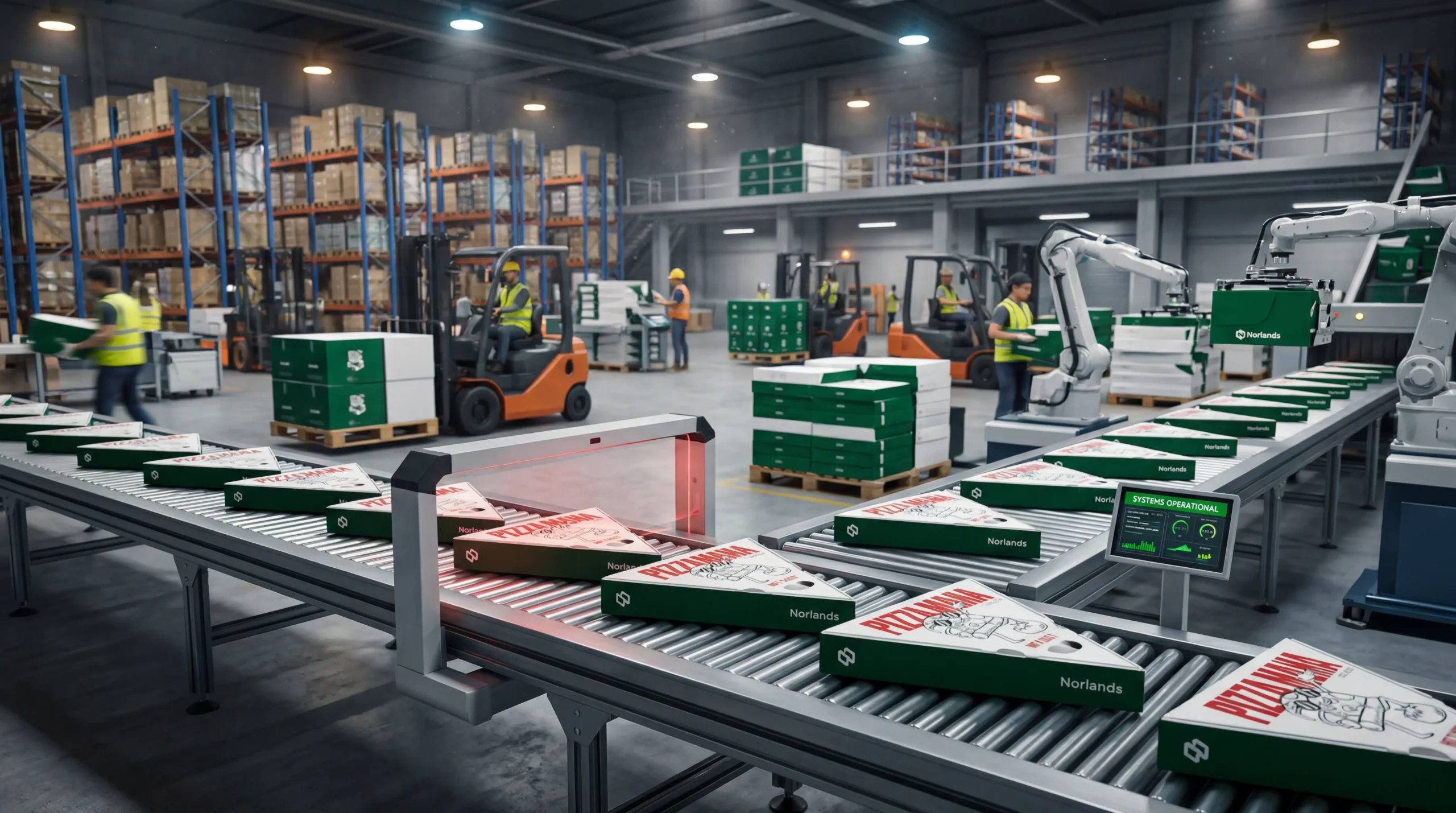
Businesses that invest in packaging supply chain resilience Canada are building stronger operational stability, faster response capabilities, and more reliable long-term supply chain performance across increasingly unpredictable markets. From resilient supply chains and regional packaging sourcing strategies to scalable corrugated packaging systems and disruption management planning, modern businesses are redesigning packaging operations to reduce risk, improve continuity, and strengthen customer fulfillment reliability. Companies looking to improve supply chain stability packaging performance, optimize packaging continuity planning, or develop more adaptive packaging systems for Canadian industries can connect with the Norlands team, request a customized packaging quote, or explore packaging solutions engineered for operational resilience and long-term scalability.
Conclusion
Packaging supply chain resilience Canada is rapidly becoming one of the defining factors that separates stable, future-ready businesses from companies that struggle during periods of disruption. In an economy shaped by transportation uncertainty, global supply fluctuations, shifting customer expectations, and evolving sustainability requirements, resilience is no longer viewed as a backup strategy—it is now a core operational necessity.
Businesses across Canada are recognizing that packaging systems must do more than simply move products efficiently. They must support continuity, protect production timelines, reduce operational vulnerability, and provide the flexibility needed to adapt to changing market conditions. Companies that invest in resilient supply chains, proactive forecasting, supplier diversification, and strong disruption management strategies are often able to maintain stronger customer relationships and more predictable operational performance even during challenging periods.
At the same time, modern supply chain stability packaging solutions are helping organizations improve efficiency while reducing long-term operational risk. From regional sourcing strategies in British Columbia and Western Canada to technology-driven inventory visibility and sustainable packaging initiatives, resilience is reshaping how Canadian businesses approach packaging operations at every level.
Organizations that prioritize risk mitigation supply chain planning today are building a stronger foundation for tomorrow’s growth. Instead of reacting to disruptions after they occur, resilient businesses prepare in advance, adapt faster, and continue delivering reliable service while competitors face delays and instability. As supply chains continue evolving, packaging supply chain resilience Canada will remain one of the most valuable competitive advantages a business can develop.





No comment