


What Buyers Overlook When Evaluating Packaging Scalability for Growing Brands
Introduction
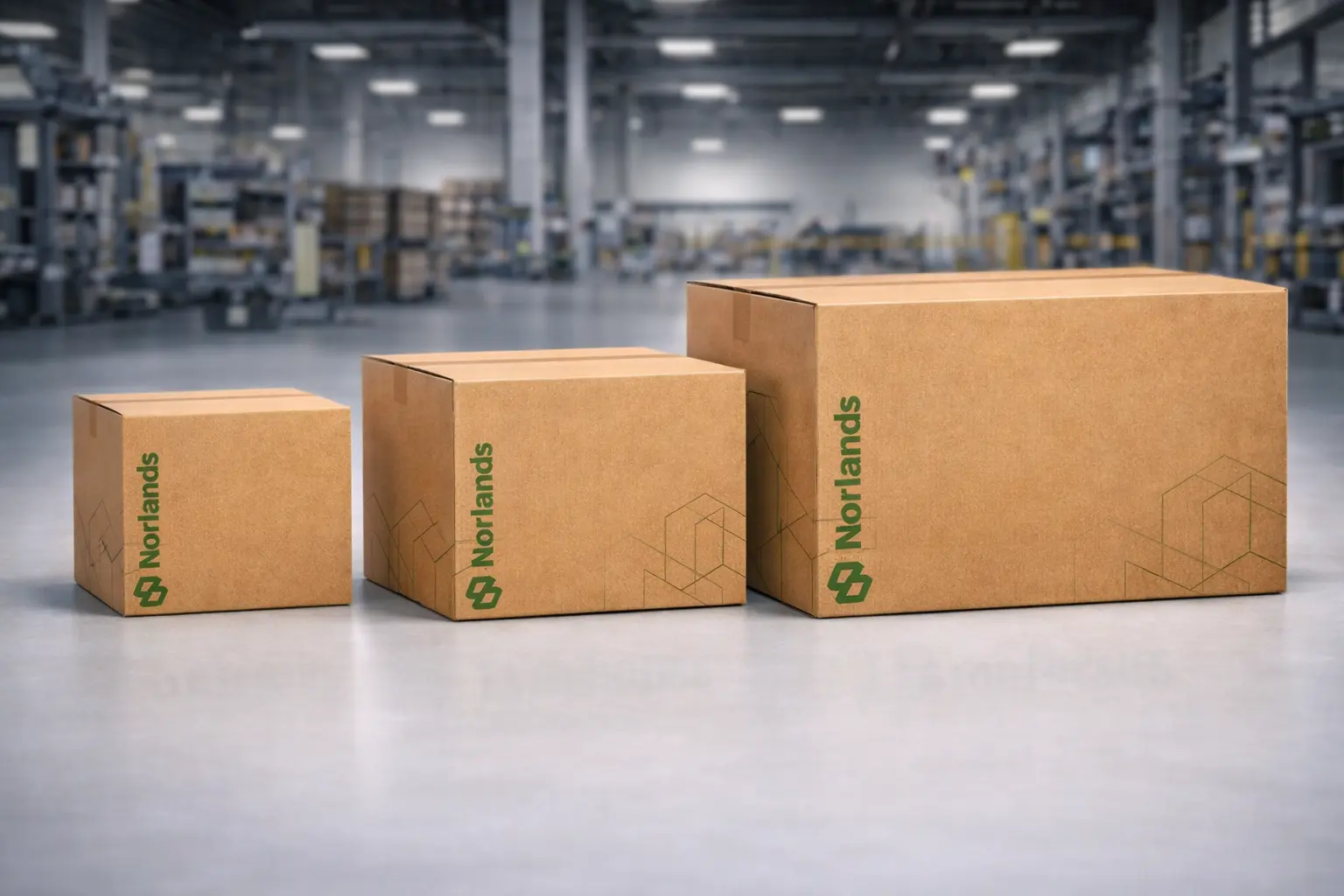
Packaging scalability for growing brands is one of the most underestimated operational factors in early and mid-stage business expansion. Many companies invest heavily in product development, branding, and marketing, yet overlook whether their packaging systems can sustain projected growth. What works for 5,000 units per month may completely fail at 50,000 units.
As brands scale across Canada—especially in competitive markets like British Columbia, Ontario, and Quebec—packaging growth planning becomes directly tied to cost control, supply continuity, and delivery performance. Without a clear volume expansion strategy, businesses often encounter sudden price spikes, delayed production timelines, or material shortages that disrupt revenue flow.
Scalable packaging systems are not simply about ordering more boxes. They require packaging capacity alignment with suppliers, forecasting demand cycles, assessing supply scalability risks, and integrating long-term packaging planning into overall business strategy. When growth accelerates, operational weaknesses surface quickly.
For Canadian brands navigating regional supply dynamics and cross-border logistics, ignoring scalability can result in lost contracts, higher per-unit costs, and strained supplier relationships. Smart companies treat packaging scalability for growing brands as an infrastructure decision—not just a purchasing task—and build expansion-ready systems before growth happens.
How Packaging Scalability for Growing Brands Impacts Cost Stability
Packaging scalability for growing brands directly influences pricing consistency, margin protection, and long-term financial forecasting. When packaging capacity alignment is not built into growth strategy, cost volatility becomes inevitable.
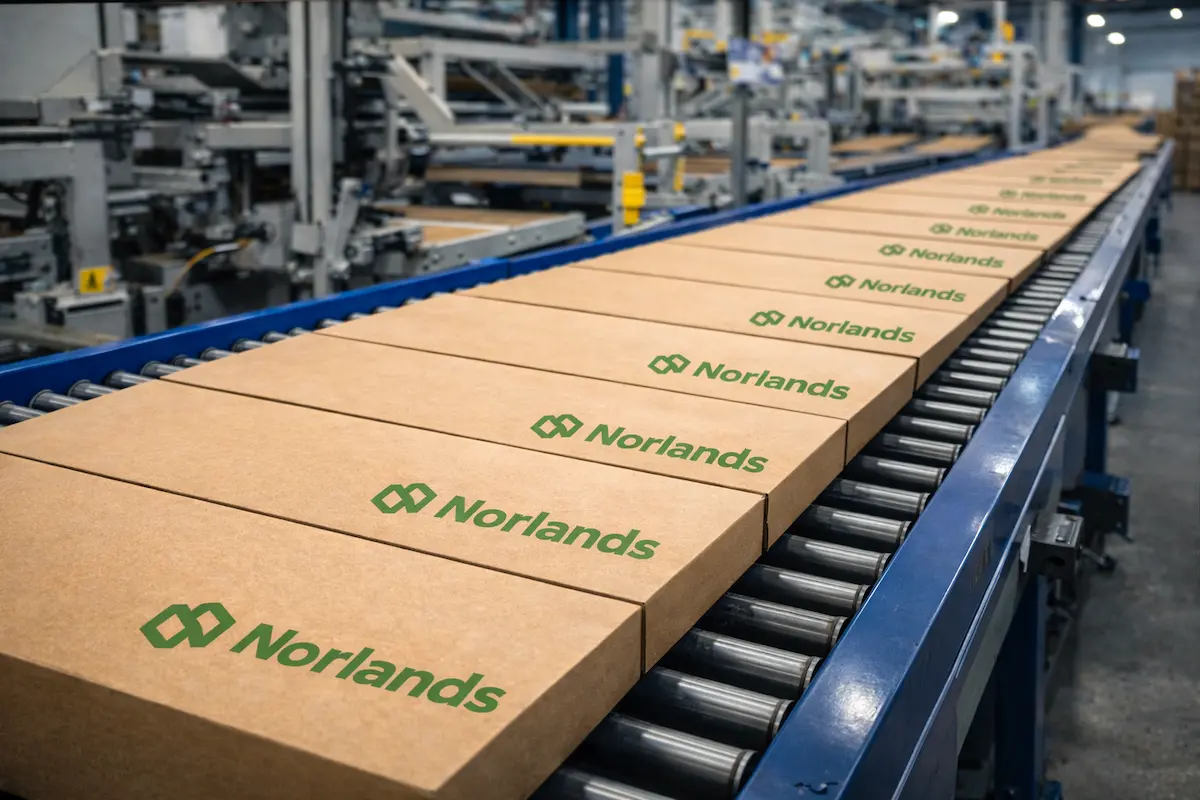
As production volumes increase, small inefficiencies multiply. A supplier that handles low-volume orders smoothly may struggle under larger commitments, leading to rush fees, expedited freight charges, or inconsistent material sourcing. These hidden costs erode profitability during the very phase when brands expect margin improvement.
Short-Term Contracts vs Long-Term Capacity Planning
One of the most common mistakes in packaging growth planning is relying on short-term purchasing agreements. While flexible contracts appear financially safe in early stages, they often lack guaranteed production slots or price protection.
Long-term capacity planning, by contrast, secures manufacturing bandwidth in advance. It allows brands to negotiate tiered pricing models, stabilize material supply, and align production schedules with anticipated sales cycles.
In Canada, where seasonal fluctuations can significantly affect supply chains, long-term packaging planning reduces exposure to raw material shortages and freight rate spikes. Brands that commit early to scalable packaging systems often gain priority status with suppliers during peak periods.
When Scaling Exposes Packaging Weaknesses
Rapid volume expansion strategy frequently reveals structural weaknesses in packaging operations. Common failure points include inconsistent print quality at higher runs, structural integrity issues during bulk shipping, and production bottlenecks caused by outdated tooling.
Packaging capacity alignment requires forecasting not only total volume but also production frequency, storage capacity, and distribution flow. Without this alignment, scaling may result in overproduction, excess inventory, or emergency reorders at premium pricing.
In growing Canadian markets—particularly in British Columbia’s competitive retail environment—brands that fail to anticipate supply scalability risks often experience stockouts during key sales windows.
Strategic packaging scalability for growing brands transforms packaging from a reactive expense into a controlled operational asset.
Packaging Scalability for Growing Brands in Canadian Markets
Packaging scalability for growing brands becomes even more complex within Canada’s geographically diverse and regionally fragmented market. Unlike smaller countries with centralized supply chains, Canada’s packaging ecosystem varies significantly between provinces, influencing cost structures, lead times, and supplier capacity.
Regional Supply Constraints in Canada
Canada’s packaging production infrastructure is distributed across major industrial hubs such as the Greater Toronto Area, Montreal, and parts of British Columbia. Brands operating in Western Canada often face longer transport routes if relying on Eastern suppliers.
In provinces like BC, regional corrugated manufacturers may offer faster turnaround times, but capacity can tighten quickly during peak retail seasons. Without proactive packaging growth planning, brands may encounter limited production slots when scaling rapidly.
Weather conditions, cross-province freight costs, and fuel price volatility also affect packaging capacity alignment. These logistical realities must be integrated into long-term packaging planning.
Local vs Imported Packaging Solutions
Some growing brands explore imported packaging to reduce per-unit costs. While international sourcing may appear attractive initially, supply scalability risks increase significantly during expansion phases.
Customs delays, currency fluctuations, and overseas production timelines can disrupt volume expansion strategy. In contrast, local Canadian suppliers may offer higher transparency, shorter communication cycles, and better responsiveness during growth surges.
For brands targeting sustainability positioning, local sourcing also reduces transportation emissions and strengthens market credibility—particularly in environmentally conscious regions like British Columbia.
Market Behavior in BC, Ontario, and Quebec
Consumer expectations vary across provinces. BC buyers often prioritize sustainability and premium presentation, while Ontario’s dense retail market emphasizes cost efficiency and speed to shelf. Quebec introduces additional labeling requirements and bilingual compliance considerations.
Scalable packaging systems must account for these regional differences. A one-size-fits-all packaging model may create inefficiencies when brands expand nationally.
Understanding regional market behavior helps businesses build adaptive packaging capacity alignment strategies that support stable growth across Canadian markets.
How to Evaluate Packaging Scalability Before Growth Happens
Packaging scalability for growing brands should always be evaluated before demand accelerates—not after operational pressure begins. Many companies wait until orders increase, lead times stretch, or suppliers struggle to keep up before reviewing their systems. However, true Packaging scalability for growing brands requires proactive planning, structured evaluation, and alignment with long-term growth projections.
Growth itself does not damage strong systems. Instead, growth exposes structural weaknesses.
Industry experts emphasize that packaging must be evaluated for scalability before rapid expansion begins. According to fulfillment specialists, brands that prepare packaging infrastructure early—by assessing supplier capacity, production flexibility, and logistics readiness—are significantly less likely to face bottlenecks during growth phases. Proactive packaging planning reduces emergency redesigns, rush production costs, and shipment delays that commonly emerge when demand accelerates unexpectedly.
When Packaging scalability for growing brands is not assessed early, minor inefficiencies expand into operational bottlenecks. Brands that integrate Packaging scalability for growing brands into early-stage planning avoid reactive supplier changes, rushed negotiations, and cost volatility later.
Early evaluation of Packaging scalability for growing brands allows businesses to identify production constraints, tooling limits, raw material dependencies, and supply scalability risks before they interrupt fulfillment performance. In competitive markets, delays caused by overlooked scalability gaps can directly impact revenue and retailer relationships.
Key Questions to Ask Packaging Suppliers
Evaluating Packaging scalability for growing brands begins with direct, measurable conversations with suppliers. Packaging capacity alignment cannot rely on assumptions. Structured questioning is essential to verify whether a supplier truly supports Packaging scalability for growing brands.
Brands should ask:
-
What is your maximum monthly production capacity for our SKU?
-
How quickly can output scale if demand doubles or triples?
-
Do you reserve production slots under long-term agreements?
-
What raw material sourcing contingencies are in place?
-
How do you manage seasonal volume spikes?
-
Can you support parallel SKU expansion without delaying core products?
These questions directly assess Packaging scalability for growing brands by revealing hidden constraints. A supplier that performs well at small volume may not support Packaging scalability for growing brands when production expands rapidly.
Verifying production flexibility, staffing capacity, print line availability, and material sourcing resilience strengthens long-term Packaging scalability for growing brands. Without this due diligence, scalability risks remain invisible until growth accelerates.
Building a Long-Term Packaging Planning Framework
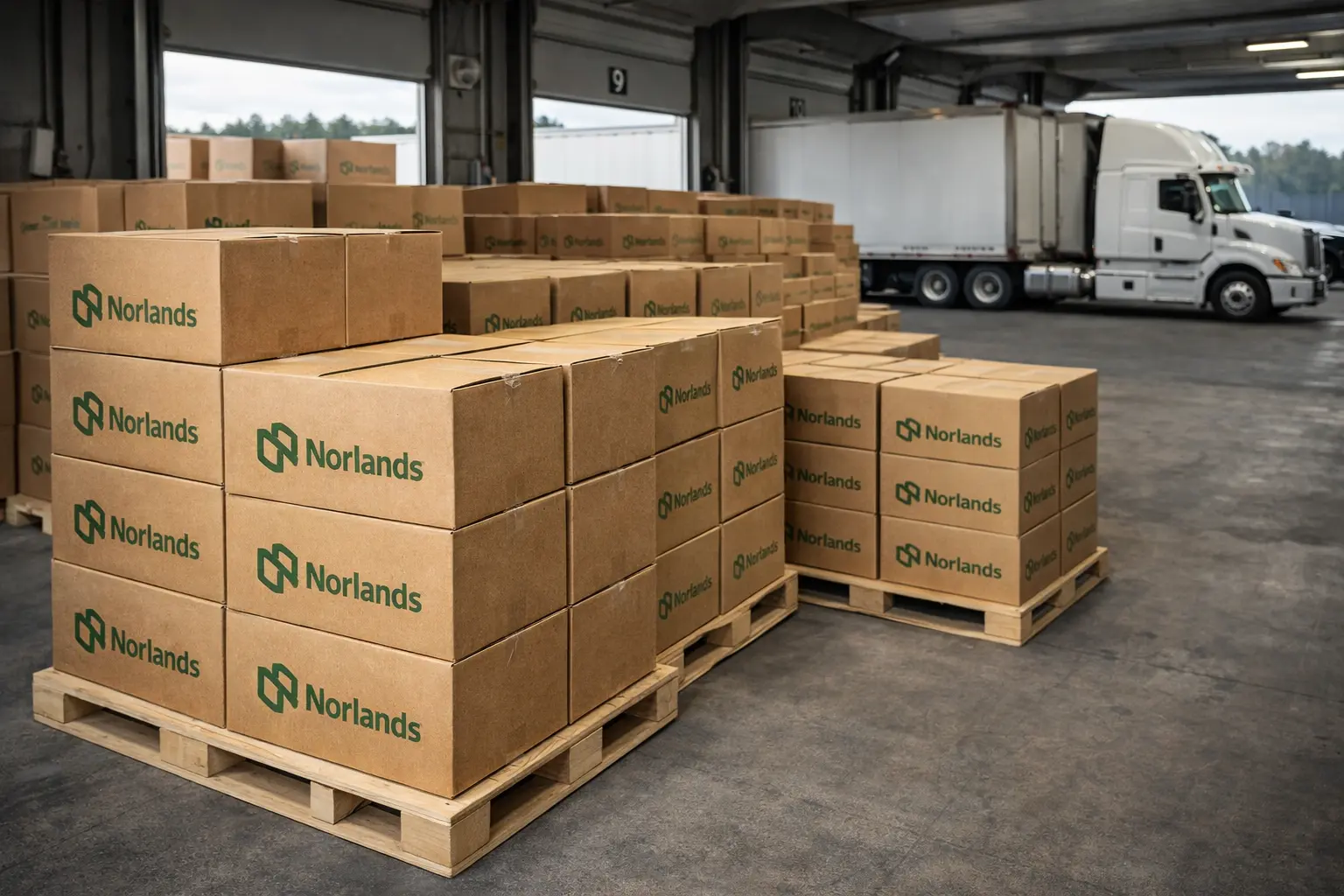
True Packaging scalability for growing brands depends on structured, forward-looking planning. Short-term purchasing decisions rarely support sustained expansion. Instead, brands must develop a long-term framework that embeds Packaging scalability for growing brands into forecasting, pricing, and supplier strategy.
Long-term packaging planning requires modeling multiple growth scenarios:
-
Conservative growth projections
-
Moderate expansion patterns
-
Aggressive market acceleration
For each scenario, brands should evaluate whether suppliers can maintain performance, pricing stability, and lead-time consistency. Effective Packaging scalability for growing brands includes:
-
Tiered pricing negotiations linked to volume milestones
-
Reserved production capacity agreements
-
Backup supplier evaluation for redundancy
-
Inventory buffer planning aligned with lead times
-
Continuous lead-time monitoring and adjustment
In Canadian markets, Packaging scalability for growing brands must also account for interprovincial freight timelines. Extended transit distances influence replenishment cycles and safety stock strategy. Integrating these factors into packaging growth planning improves predictability and reduces reactive cost increases.
Creating Flexible Scalable Packaging Systems
Operational flexibility is central to Packaging scalability for growing brands. Scalable packaging systems are not rigid structures; they are designed for adaptation. Standardized base dimensions, modular insert systems, and adjustable print templates allow production to increase without complete structural redesign.
When Packaging scalability for growing brands is engineered into design from the beginning, scaling does not require expensive tooling replacement or major structural rework. Instead, incremental growth can be absorbed within existing frameworks.
Flexibility in material sourcing, print variations, and production batching strengthens Packaging scalability for growing brands further. Brands that reduce unnecessary customization complexity often improve their ability to scale quickly.
Aligning packaging capacity with projected distribution growth ensures that Packaging scalability for growing brands becomes an operational advantage rather than a constraint. When systems are built with scalability in mind, growth can occur without destabilizing supply chains.
Strategic Impact of Packaging Scalability for Growing Brands
Ultimately, Packaging scalability for growing brands transforms packaging from a static cost center into a strategic infrastructure asset. When properly evaluated and structured, Packaging scalability for growing brands supports:
-
Predictable expansion
-
Stable cost control
-
Supplier resilience
-
Reduced operational stress
-
Faster channel expansion
-
Improved inventory management
Businesses that treat Packaging scalability for growing brands as a core planning priority build packaging systems capable of sustaining long-term growth without disruption.
In high-growth environments, Packaging scalability for growing brands is not optional—it is foundational to maintaining control, protecting margins, and enabling sustainable expansion.
FAQ – Packaging Scalability for Growing Brands
1. Why is packaging scalability important for growing brands?
Packaging scalability for growing brands is critical because growth amplifies every operational weakness in the supply chain. When order volumes double or triple, packaging demand increases at the same pace. Without proper packaging scalability for growing brands, companies face rising per-unit costs, production bottlenecks, delayed shipments, and strained supplier relationships.
Scalable packaging systems ensure that material sourcing, production capacity, and logistics can expand without disrupting operations. Brands that overlook packaging scalability for growing brands often discover too late that their original suppliers cannot handle higher volumes, leading to emergency sourcing at higher costs and inconsistent packaging quality.
2. How early should brands plan packaging growth?
Packaging scalability for growing brands should be planned during early forecasting and business modeling stages — not after growth has already begun. Ideally, scalability discussions happen when brands are projecting sales increases, entering new regions, or launching new product lines.
By evaluating supplier capacity, production slot availability, and tooling flexibility in advance, businesses reduce expansion risk. Early planning for packaging scalability for growing brands allows companies to negotiate long-term agreements, secure capacity commitments, and structure modular packaging systems that can handle gradual volume expansion without major redesign.
3. What are the biggest supply scalability risks?
The most common risks affecting packaging scalability for growing brands include:
-
Raw material shortages
-
Limited manufacturing capacity
-
Long production lead times
-
Freight and transportation disruptions
-
Overdependence on a single supplier
When brands grow quickly, these risks become magnified. A supplier that comfortably handled small production runs may not have the infrastructure to manage national distribution volumes. Effective packaging scalability for growing brands requires diversification of supply sources, capacity alignment planning, and contingency strategies to prevent operational delays.
4. Is local sourcing better for scalable packaging in Canada?
In many cases, yes. Local sourcing strengthens packaging scalability for growing brands by reducing transportation lead times, improving supplier communication, and minimizing cross-border logistics risks. Canadian suppliers can often respond more quickly to volume fluctuations compared to international vendors.
For brands operating in Western Canada, partnering with regional packaging manufacturers improves flexibility during demand spikes. Strong local supplier relationships also support better coordination during rapid production scale-ups, which is a core factor in successful packaging scalability for growing brands.
5. Can packaging redesign improve scalability?
Absolutely. Packaging redesign is often a strategic tool for improving packaging scalability for growing brands. Modular structures, standardized box dimensions, and simplified material combinations reduce tooling constraints and production complexity.
For example, standardized corrugated formats allow brands to increase order quantities without requiring entirely new production setups. Simplified designs reduce changeover times in manufacturing facilities, which supports higher output capacity. By embedding scalability into structural design, brands strengthen long-term packaging scalability for growing brands and reduce operational friction during expansion phases.