
Introduction
Packaging waste reduction is becoming a serious operational priority for businesses that want to control packaging costs, use materials more efficiently, and reduce the environmental impact of their packaging systems. The problem is often larger than the visible pile of cardboard, plastic, or protective material that reaches a recycling or waste container.
Waste can begin much earlier. An oversized box may use more corrugated material than necessary. An inefficient dieline can create avoidable converting scrap. Excess packaging inventory may become obsolete after a branding or product change. Poor demand planning can leave warehouses holding packaging that will never reach a customer.
This means effective packaging waste management cannot focus only on what happens after materials are discarded. Businesses need to examine packaging design, procurement, production, inventory, logistics, and actual material consumption as connected parts of the same system.
| Visible Packaging Waste | Hidden Packaging Waste | Business Impact |
|---|---|---|
| Discarded boxes | Oversized packaging designs | Higher material consumption |
| Production scrap | Poor sheet utilization | Material purchased without product value |
| Damaged packaging | Poor storage and handling | Replacement and labour costs |
| Obsolete stock | Overordering and product changes | Inventory and disposal losses |
For manufacturers and distributors in Canada and British Columbia, packaging inefficiency can also interact with warehouse capacity, long transportation routes, freight utilization, and changing sustainability expectations. A packaging format that consumes unnecessary material may also occupy more pallet space, reduce truck utilization, and increase storage requirements.
Waste Prevention Insight:
Packaging waste is often designed, purchased, or planned into an operation before it becomes physically visible. Measuring discarded material alone may miss oversized structures, excess inventory, inefficient converting, and unnecessary packaging components.
A stronger sustainable packaging strategy therefore begins with prevention. Source reduction packaging, right-size packaging, better demand forecasting, packaging design optimization, and improved material tracking can help businesses address waste before paying to purchase, store, transport, and eventually manage unnecessary materials.
The objective is not to remove packaging until product performance is compromised. Effective packaging material optimization balances material efficiency with protection, production requirements, handling conditions, and supply chain performance.
This guide explores where packaging waste begins, how hidden inefficiencies affect business costs, which metrics organizations should track, and how design, procurement, manufacturing, inventory planning, and technology can support a practical packaging waste reduction strategy.
What Is Packaging Waste Reduction and Why Does It Matter to Businesses?
Packaging waste reduction is the process of preventing unnecessary packaging material, production scrap, damaged packaging, and obsolete inventory before these resources become waste. It looks at the complete packaging system rather than focusing only on disposal or recycling at the end of use.
For businesses, this distinction matters because packaging waste can begin at several stages. Material may be built unnecessarily into a structural design, purchased in quantities that exceed actual demand, damaged in warehouse storage, or removed as scrap during converting. In each case, the business has already paid for material that creates little or no value for the final product.
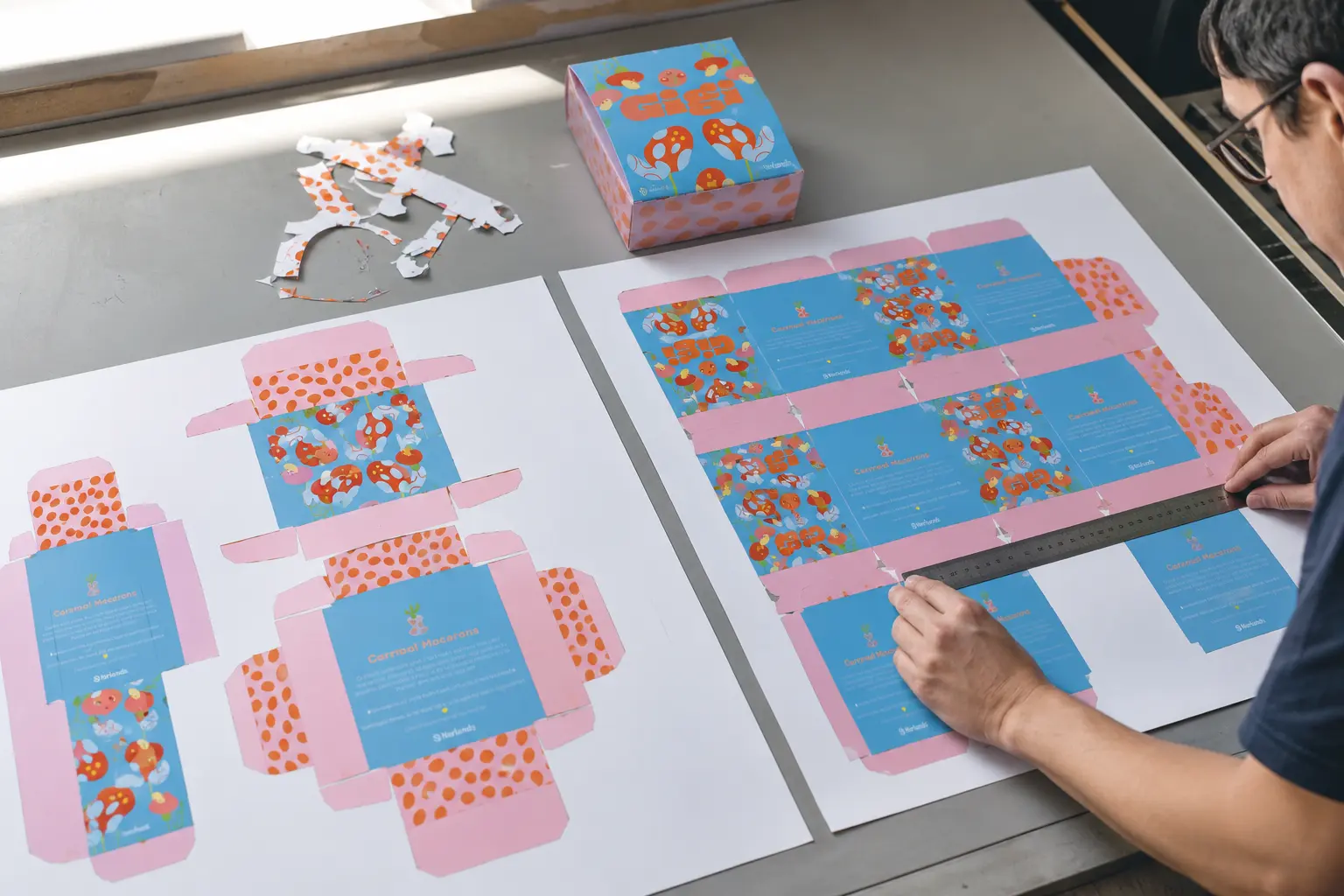
Defining Packaging Waste Reduction Beyond Recycling
Sustainable materials management guidance also emphasizes improving packaging efficiency before material reaches the end-of-life stage. Shifting toward lighter or more materially efficient packaging structures can reduce the amount of waste generated while also helping businesses avoid unnecessary material costs.
Recycling is an important part of packaging waste management, but it begins after packaging material has already been produced, purchased, transported, and used or discarded. Waste reduction asks an earlier question: could some of that material have been avoided in the first place?
A business may use recyclable packaging materials and still operate an inefficient packaging system. Oversized recyclable boxes, excessive paper void fill, unnecessary corrugated layers, or large volumes of obsolete fibre-based packaging can all create avoidable material consumption.
Managing Packaging Waste
Focuses on what happens to packaging material after it has become scrap, surplus, damaged stock, or post-use waste.
Preventing Packaging Waste
Examines design, material use, procurement, inventory, and production decisions before unnecessary waste is generated.
This prevention-focused approach is closely connected to source reduction packaging. Instead of relying entirely on downstream waste handling, businesses investigate whether fewer materials, better dimensions, simpler structures, or more efficient packaging formats can perform the required function.
Why Preventing Packaging Waste Is Different From Managing Waste
Once packaging waste exists, a business must decide how to reuse, recover, recycle, or dispose of it. Each option may involve sorting, storage, internal handling, transportation, or waste service costs.
Packaging waste prevention attempts to remove unnecessary material from the system before these downstream activities become necessary. For example, improving a corrugated dieline to reduce trim can lower the amount of scrap that needs to be collected after converting. Better demand forecasting may prevent thousands of printed boxes from becoming obsolete inventory after a product change.
Source Reduction Note:
Preventing one unit of unnecessary packaging can avoid more than disposal waste. It may also reduce material purchasing, production handling, inventory space, internal movement, and transportation requirements connected to that material.
How Packaging Waste Affects Operational and Environmental Performance
Packaging waste can influence operational performance because every unnecessary material component must move through part of the business. It may need to be ordered, received, counted, stored, transferred to a packaging line, handled by employees, and eventually removed from the operation.
At higher production volumes, small inefficiencies can become significant. A package that uses slightly more material than required may appear insignificant at the individual unit level. Across hundreds of thousands of units, however, the same design decision can increase total material consumption and packaging production waste.
| Packaging Inefficiency | Operational Effect | Waste Impact |
|---|---|---|
| Oversized packaging | More storage and freight space | Higher material consumption and void fill |
| Excess inventory | Warehouse space remains occupied | Higher risk of obsolete packaging stock |
| Converting scrap | Material is processed without becoming packaging | Increased scrap volume |
| Damaged packaging | Replacement and rework may be required | Usable material becomes waste prematurely |
The environmental impact also extends beyond the waste container. Unnecessary packaging may increase demand for raw materials, converting activity, warehouse space, and transportation capacity. A broader packaging lifecycle assessment can help businesses understand these impacts across material sourcing, production, distribution, use, and end-of-life stages.
Why Packaging Waste Reduction Should Begin Before Materials Enter Production
Production teams can improve packaging scrap management, but some waste problems are already embedded in the system before manufacturing begins. If the packaging design uses unnecessary components or procurement has ordered more packaging than demand requires, the production floor cannot fully correct the original decision.
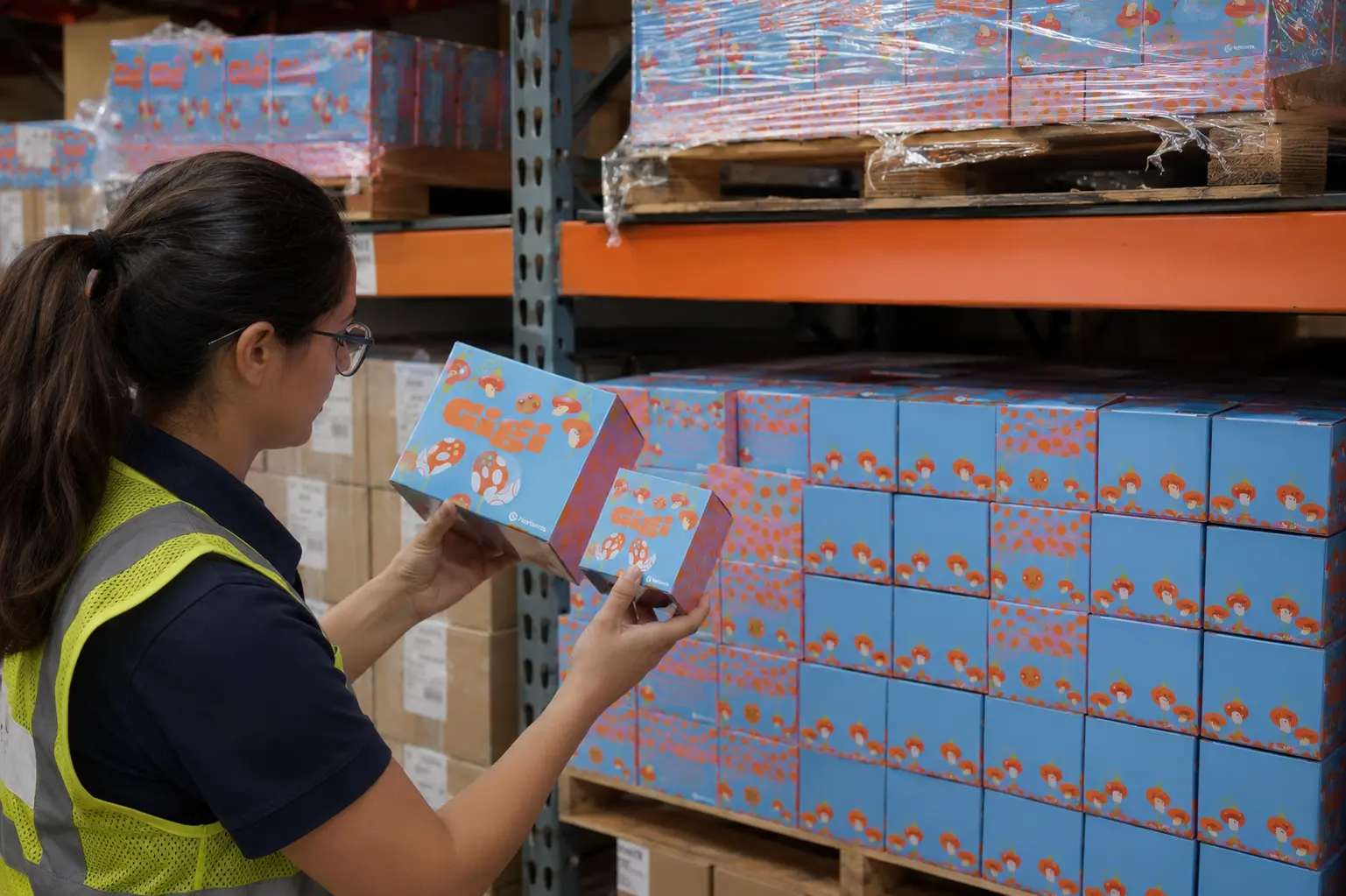
This is why effective packaging material efficiency should involve packaging design, procurement, inventory management, production, logistics, and sustainability teams. Each function can identify a different source of waste.
Operational Insight:
If packaging waste is measured only at the disposal stage, businesses may identify where waste ends but not where the original inefficiency began.
A practical packaging waste reduction program therefore starts upstream. By examining packaging specifications, material quantities, structural design, inventory decisions, and production requirements before full-scale use, businesses can focus on preventing avoidable waste rather than repeatedly managing the same packaging inefficiencies.
Where Does Packaging Waste Actually Come From?
Packaging waste reduction becomes much easier to manage when businesses understand where waste actually enters the packaging system. The most visible waste may appear near a production line, warehouse recycling area, or distribution facility, but the original cause can exist much earlier in design, procurement, forecasting, or product planning.
Excess Material Built Into Packaging Designs
Some packaging structures use more material than their protection, handling, or presentation requirements justify. Extra panels, unnecessary layers, oversized flaps, and redundant internal components can increase material consumption across every packaging unit produced.
This does not mean material should be removed without performance testing. Effective packaging design optimization evaluates which structural elements actively contribute to compression strength, product protection, assembly, or distribution performance and which elements may be unnecessary.
Design Waste Insight:
A small amount of excess material can appear insignificant in one package. When the same structural inefficiency is repeated across a high-volume product line, it can become a major source of packaging material consumption.
Oversized Boxes and Unnecessary Empty Space
Oversized packaging creates waste in more than one form. A larger box may require additional corrugated material, while the unused internal volume may need paper, cushioning, inserts, or another form of void fill to control product movement.
Need packaging that fits your product, timeline, and budget?
Tell us what you’re packaging and we’ll help you find the right box style, material, and production path.

The dimensional inefficiency can continue into warehousing and transportation. Packages that occupy more space than necessary may reduce pallet density, consume additional storage capacity, and limit the number of units that fit into trucks or parcel distribution systems.
Right-size packaging attempts to align package dimensions with the actual product, protection requirements, and distribution environment. The objective is not always the smallest possible box. It is the most materially and operationally efficient structure that can perform the required packaging function.
Oversized Packaging
Can increase board consumption, void fill, storage volume, pallet space, and dimensional shipping inefficiencies.
Right-Size Packaging
Balances product dimensions, required protection, material efficiency, handling, and distribution conditions.
Packaging Damaged During Storage and Handling
Packaging can become waste before it ever reaches a product. Corrugated boxes stored in poor conditions may be exposed to moisture, compression, dust, or repeated handling. Printed cartons can be crushed, bent, or visually damaged. Pallets of packaging may also be struck by warehouse equipment or stacked incorrectly.
These losses are easy to classify as damaged inventory, but they are also a packaging waste prevention issue. Storage layout, warehouse procedures, environmental exposure, pallet stability, and packaging handling practices can all influence how much purchased packaging remains usable.
| Waste Source | How Waste Is Created | Area to Investigate |
|---|---|---|
| Excess structural material | Unnecessary packaging components repeat across units | Structural design and performance requirements |
| Oversized boxes | Extra board and void fill are consumed | Product-to-package dimensional fit |
| Damaged inventory | Purchased packaging becomes unusable before packing | Storage and material handling |
| Production scrap | Material is removed or rejected during converting | Sheet utilization and process consistency |
| Obsolete packaging | Stored packaging no longer matches product requirements | Forecasting, procurement, and change management |
Production Scrap and Inefficient Converting Processes
Packaging production waste can be generated when sheets, rolls, or boards are converted into finished packaging components. Trim, die-cut waste, setup material, rejected pieces, and incorrectly converted packaging can all contribute to scrap volume.
Some process scrap may be unavoidable, but the amount should still be measured. Poor sheet utilization, repeated machine adjustments, inaccurate tooling, inconsistent material behaviour, and production errors can increase waste beyond the expected process level.
For corrugated operations, corrugated waste reduction may involve reviewing blank layouts, trim patterns, board specifications, converting accuracy, and production sequencing. Packaging scrap management is stronger when teams can separate normal process waste from avoidable scrap caused by recurring production problems.
Obsolete Packaging Inventory

Packaging inventory waste is often less visible than production scrap because the material may remain in a warehouse for months before being classified as unusable. Printed packaging is particularly vulnerable when branding, regulatory information, product dimensions, promotional messages, or product specifications change.
Inventory Insight:
Packaging does not need to be damaged to become waste. A product update, artwork revision, dimensional change, or inaccurate demand forecast can turn usable packaging material into obsolete inventory.
Product Changes That Make Existing Packaging Unusable
Product development decisions are closely connected to Packaging waste reduction because even small changes to a product can make existing packaging inventory partially or completely unusable. A minor adjustment to product dimensions may affect the fit of an insert, tray, carton, divider, or corrugated shipping case. A new product configuration may change the number of units that fit inside each package, while branding updates can make previously printed packaging unsuitable for customer-facing use.
Without a structured Packaging waste reduction strategy, these changes can create significant losses. Packaging materials that were originally purchased for active products may suddenly become obsolete, even though they remain physically usable. This creates a form of hidden packaging waste that is often overlooked because the materials have not yet been discarded.
For example, a business may update:
- Product dimensions
- Product shape
- Unit count per case
- Labeling requirements
- Brand colours
- Printed messaging
- Regulatory information
Any of these changes can affect whether existing packaging remains usable.
The financial impact becomes more serious when large packaging orders have already been placed. Procurement teams may choose high minimum order quantities to reduce unit pricing, but this can work against Packaging waste reduction if the packaging specification changes before the inventory is fully consumed.
A lower unit price does not always create a lower total cost. If thousands of cartons, inserts, or printed components become obsolete, the apparent savings from bulk purchasing may be lost through disposal, storage, write-offs, and replacement costs.
Effective Packaging waste reduction therefore requires stronger coordination between:
- Product development
- Packaging design
- Procurement
- Marketing
- Inventory management
- Operations
Before approving a product change, businesses should evaluate how the change will affect current packaging inventory. This allows teams to phase in new packaging, consume older stock where appropriate, or adjust production schedules to reduce waste.
A practical Packaging waste reduction strategy also maps packaging losses back to their source. Packaging waste should not be treated as one general category because different types of waste require different solutions.
Businesses should separate:
- Design-related waste
- Dimensional inefficiency
- Storage damage
- Converting scrap
- Obsolete packaging inventory
- Product-change losses
- Print and branding obsolescence
This level of classification makes Packaging waste reduction more actionable. It helps businesses determine which problems should be redesigned, prevented, monitored, or managed through better procurement and inventory planning.
For example, recurring trim waste may require structural redesign. Obsolete printed cartons may require shorter production runs or more flexible printing methods. Product-change losses may require better communication between product development and packaging teams.
The goal of Packaging waste reduction is not simply to discard less packaging. It is to prevent packaging from becoming waste in the first place.
The Hidden Business Costs of Ignoring Packaging Waste Reduction
Packaging waste reduction is often discussed as an environmental objective, but it is also a direct business and profitability issue. Packaging waste represents materials, labour, warehouse capacity, transportation resources, and procurement spending that have already been paid for but do not create equivalent product value.
The true cost of packaging waste can be difficult to identify because the expenses rarely appear in one account.
For example:
- Excess corrugated board may appear in material purchasing
- Production scrap may appear on the converting floor
- Employees may spend time handling materials that are later discarded
- Damaged packaging may create rework and replacement costs
When these costs are evaluated separately, each one may appear manageable. At higher production or shipping volumes, however, small packaging inefficiencies can repeat across thousands or millions of units.
This is where Packaging waste reduction becomes strategically important. A small amount of excess material per package may look insignificant, but when repeated across large production runs, the total material and cost impact can be substantial.
Ignoring Packaging waste reduction can lead to:
- Higher material purchasing costs
- Increased disposal expenses
- Reduced warehouse capacity
- More labour spent handling waste
- Higher freight and dimensional-weight charges
- Lower overall packaging profitability
Businesses that track only the purchase price of packaging often miss these downstream costs.
A complete Packaging waste reduction analysis should examine the entire packaging lifecycle, from material purchasing and converting to storage, packing, transportation, and end-of-life handling.
Paying for Packaging Materials That Never Create Product Value
Every packaging material purchased has a cost before it reaches the packaging line. Corrugated sheets, paperboard, labels, inserts, dividers, void fill, adhesives, and other components consume purchasing budgets even when part of the material is eventually removed as scrap, rejected during production, damaged in storage, or made obsolete by product changes.
This is why Packaging waste reduction should evaluate usable packaging output rather than total material purchased.
A business may purchase a large quantity of material at an attractive unit price, but if a significant percentage becomes trim waste, rejected packaging, obsolete inventory, or damaged stock, the true cost per usable package increases.
For example, if a production process consistently generates excessive trim, the material purchase price alone does not reflect the real cost of the final package. The business is also paying for:
- Material that becomes scrap
- Labour used to process unusable material
- Replacement production
Strong Packaging waste reduction programs track material yield and usable output. This helps businesses understand how much purchased material actually becomes finished, functional packaging.
Important measurements may include:
- Scrap percentage
- Material yield
- Rejection rate
- Obsolete inventory value
- Packaging cost per usable unit
- Waste disposal cost
These metrics allow businesses to identify where Packaging waste reduction improvements will have the greatest financial impact.
For example, improving cutting layouts may reduce trim waste. Better storage practices may prevent moisture damage. Shorter print runs may reduce branding obsolescence. More accurate forecasting may prevent excess packaging inventory.
Ultimately, Packaging waste reduction creates value by ensuring that more of the material, labour, and warehouse capacity invested in packaging contributes directly to usable output.
Businesses that approach Packaging waste reduction strategically can lower costs, improve material efficiency, reduce operational waste, and strengthen sustainability performance at the same time. Instead of treating packaging waste as an unavoidable by-product, they can identify its causes and prevent it through better design, planning, procurement, and performance monitoring.
Cost Insight:
The cost of packaging waste begins when unnecessary material is purchased—not when the material finally enters a waste or recycling stream.
Labour Costs Associated With Unnecessary Packaging Processes
Labour is one of the most overlooked cost areas connected to Packaging waste reduction. Businesses often focus on the cost of corrugated board, cartons, inserts, protective materials, and shipping supplies while paying less attention to the employee time required to assemble, handle, correct, move, and discard inefficient packaging.
Excess packaging can create additional work throughout the entire operation. Employees may need to assemble unnecessary components, add large amounts of void fill to oversized boxes, sort damaged packaging, move surplus inventory, separate production scrap, or replace packaging that fails during assembly. These activities increase labour requirements without creating equivalent product value.
A strong Packaging waste reduction strategy should therefore evaluate not only how much material is used, but also how much labour is required to manage that material. Packaging waste is not limited to what enters a recycling bin or disposal container. It also includes unnecessary handling, repeated assembly, rework, and movement that consumes employee time.
Small Packaging Tasks Can Create Large Labour Costs
Each unnecessary packaging task may add only a few seconds or minutes to an individual order. In a low-volume operation, this difference may appear insignificant. Across hundreds, thousands, or millions of units, however, the labour impact can become substantial.
For example, employees may spend additional time:
- Folding unnecessary packaging components
- Applying extra tape or labels
- Adding void fill to oversized cartons
- Repositioning products inside poorly fitted boxes
- Repacking units after packaging failure
- Moving slow-moving or obsolete packaging inventory
- Sorting and recording packaging scrap
When repeated at scale, these tasks reduce packaging-line efficiency and increase the total labour cost per finished unit.
This is why Packaging waste reduction should be measured through time as well as material. A packaging design that uses slightly less material but requires significantly more assembly may not create the best overall result. The most effective packaging systems reduce both material waste and unnecessary labour.
Oversized Packaging Increases Manual Handling
Oversized packaging is a common source of labour inefficiency. When boxes are much larger than the products they contain, employees must often add void fill, arrange cushioning materials, and spend additional time stabilizing the product.
This extra handling works against Packaging waste reduction because it increases material use and slows down the packing process simultaneously.
Oversized packaging may require workers to:
- Select additional protective materials
- Fill empty spaces manually
- Recheck product positioning
- Apply more tape
- Handle larger packages during staging and shipping
Right-sized packaging can simplify these steps. When the package fits the product more closely, employees can complete each order faster while using fewer materials.
This makes packaging right-sizing an important part of both Packaging waste reduction and labour productivity improvement.
Complex Packaging Structures Can Slow Assembly
Packaging structures with too many panels, inserts, closures, or separate components may create unnecessary assembly work. Although complex packaging can sometimes support protection or presentation, every component should serve a clear functional purpose.
A well-designed Packaging waste reduction strategy evaluates whether each packaging element contributes meaningful value.
Unnecessary complexity can lead to:
- Longer assembly times
- More packing errors
- Greater training requirements
- Higher component inventory
- Increased risk of missing pieces
Simplifying packaging structures can reduce the number of movements required at the packing station. A single integrated die-cut structure may replace multiple loose components, while a better-designed insert may reduce the need for separate cushioning materials.
These improvements allow Packaging waste reduction to support labour efficiency without weakening protection or customer experience.
Rework and Packaging Failure Add Hidden Labour
Packaging that tears, collapses, misaligns, or fails during assembly creates another hidden labour cost. Workers must stop the normal workflow, remove the defective packaging, retrieve replacement materials, and repeat the packing process.
In some cases, the product may also need to be inspected for damage or moved to another workstation.
Packaging failure may create labour costs through:
- Repacking products
- Replacing damaged cartons
- Correcting labels
- Rebuilding unstable pallets
- Processing returns
- Investigating recurring defects
Effective Packaging waste reduction seeks to prevent this rework by improving material quality, structural design, product fit, and packaging-line consistency.
A package that performs correctly the first time reduces both material waste and labour waste.
Packaging Supply Resilience: Avoid Costly Disruptions with Smarter Sourcing and Risk Management
Quick question:
You might also like
Excess Inventory Creates Repeated Handling
Surplus packaging inventory also creates labour requirements before the material is ever used. Packaging must be received, unloaded, counted, labeled, stored, moved, cycle-counted, and occasionally reorganized.
If the material later becomes obsolete, employees may need to identify, separate, record, and dispose of it.
For this reason, inventory control is an important part of Packaging waste reduction. Excess inventory does not only consume warehouse space and capital; it also creates repeated handling that increases labour costs.
Reducing unnecessary packaging inventory can help businesses:
- Shorten receiving time
- Reduce internal material movement
- Simplify cycle counting
- Improve warehouse organization
- Lower disposal and write-off labour
Better demand forecasting, smaller production runs, and stronger supplier coordination can support Packaging waste reduction while reducing this hidden workload.
Packaging Design Optimization Supports Labour Efficiency
Packaging design optimization can support far more than material reduction. Simplifying a structure, reducing unnecessary components, improving product fit, or changing the opening and closing method may remove repetitive handling steps from the workflow.
For example, an optimized packaging structure may:
- Require less folding
- Eliminate separate inserts
- Reduce tape usage
- Improve product loading speed
- Support faster labeling
- Improve compatibility with automation
These changes improve Packaging waste reduction by lowering both material consumption and processing time.
The objective is to create packaging that is easy to assemble, reliable during use, and efficient to handle across production, storage, and shipping.
Measuring Labour Within Packaging Waste Reduction
Businesses should track labour-related metrics when evaluating Packaging waste reduction opportunities.
Useful measurements may include:
- Packing time per unit
- Number of assembly steps
- Rework frequency
- Labour cost per package
- Time spent handling scrap
- Time spent managing excess inventory
- Packaging-line throughput
These metrics help identify whether packaging changes are actually improving total operational efficiency.
For example, reducing one assembly step from a package may save only a few seconds per unit. Across a high-volume production run, that change can free hundreds of labour hours.
This is why Packaging waste reduction should connect packaging design decisions with measurable workflow performance.
The Broader Operational Value of Packaging Waste Reduction
Ultimately, Packaging waste reduction is not only about purchasing fewer materials or sending less waste to disposal. It is also about removing unnecessary work from the packaging process.
Businesses that simplify packaging, improve product fit, reduce excess inventory, and prevent packaging failure can achieve:
- Lower labour costs
- Faster packing speeds
- Higher throughput
- Less rework
- Reduced material consumption
- More consistent operations
By evaluating both material and labour impacts, Packaging waste reduction becomes a broader operational improvement strategy.
The best packaging solutions are not simply those that use less material. They are the solutions that protect products effectively while requiring fewer resources, fewer movements, and less corrective work across the complete packaging workflow.
Visible Material Cost
Board, cartons, inserts, protective materials, labels, and other packaging components purchased by the business.
Hidden Process Cost
Extra assembly, material handling, scrap sorting, rework, storage, internal movement, and waste management activities.
Warehouse Space Consumed by Excess Packaging Inventory
Warehouse space is one of the most overlooked areas where Packaging waste reduction can create measurable financial value. Packaging materials often occupy significant storage capacity long before they are used in production, fulfillment, or distribution. Corrugated boxes, printed cartons, packaging sheets, inserts, dividers, labels, and protective components may require pallet positions, shelving, floor space, or dedicated packaging storage zones.
When procurement volumes exceed actual consumption, packaging inventory waste begins before the material becomes physically damaged or officially obsolete. Slow-moving or unnecessary packaging occupies space that could otherwise support active raw materials, finished goods, high-demand products, or production equipment.
This makes inventory planning a critical part of Packaging waste reduction. Businesses that purchase excessive packaging to achieve lower unit prices may unintentionally increase total operating costs through warehouse congestion, handling requirements, and inventory write-offs.
Excess packaging inventory can create several hidden costs:
- Additional pallet and shelving requirements
- Reduced warehouse capacity for active inventory
- Higher material-handling labour
- Increased cycle-counting complexity
- Greater risk of moisture or physical damage
- Higher probability of packaging obsolescence
A strong Packaging waste reduction strategy should therefore evaluate packaging inventory based on actual consumption, supplier lead times, product lifecycle, and forecast accuracy rather than purchasing price alone.
Packaging stored for long periods may also lose value even if it remains physically intact. Printed cartons can become obsolete after branding updates. Custom inserts may no longer fit after product modifications. Seasonal packaging can become unusable once a campaign ends. These risks reinforce why Packaging waste reduction must include procurement and inventory controls.
Storage itself creates repeated handling requirements. Packaging materials must be received, counted, labeled, moved into storage, transferred between locations, cycle-counted, and protected from moisture, dust, crushing, or accidental damage.
The more excess packaging a business carries, the more labour and warehouse resources are required to manage it. This means Packaging waste reduction should measure not only discarded material but also the operational effort spent maintaining packaging that may never create customer value.
Businesses can improve Packaging waste reduction by:
- Ordering packaging in quantities aligned with real demand
- Reviewing slow-moving packaging inventory regularly
- Reducing unnecessary packaging SKUs
- Improving supplier agreements and replenishment schedules
These practices help companies reduce packaging inventory waste while improving warehouse efficiency and working-capital performance.
Ultimately, effective Packaging waste reduction ensures that warehouse space is used for materials that actively support production and customer fulfillment rather than packaging that remains idle, becomes obsolete, or requires repeated handling without generating value.
Higher Freight Costs Caused by Inefficient Packaging Dimensions
Transportation efficiency is another major area where Packaging waste reduction can deliver significant operational savings. Packaging dimensions affect freight costs even when the packaging itself is relatively lightweight.
Oversized structures reduce the number of units that can fit:
- On a pallet
- Inside a truck or trailer
- Within a shipping container
- Through parcel distribution networks
This reduces cube utilization and increases the transportation cost assigned to each product.
For this reason, Packaging waste reduction should not focus only on the amount of material discarded. It should also evaluate empty space and unnecessary package volume as forms of waste.
Inefficient packaging dimensions may result in:
- Higher dimensional-weight charges
- Reduced pallet density
- Lower trailer utilization
- More shipments for the same product volume
- Increased fuel use and transportation emissions
- Greater void-fill consumption
These costs can repeat across thousands of shipments, making dimensional inefficiency one of the most expensive hidden packaging problems.
This is why right-sizing is a central part of Packaging waste reduction. Right-sized packaging aligns the external structure more closely with the product’s dimensions, protection requirements, and shipping environment.
Effective right-sizing can help businesses:
- Reduce material usage
- Lower void-fill requirements
- Improve pallet and vehicle utilization
- Reduce shipping costs
- Minimize environmental impact
However, Packaging waste reduction should not encourage aggressive downsizing that weakens protection. The objective is to eliminate unnecessary volume while maintaining sufficient structural strength and product stability.
The best packaging dimensions balance:
- Product protection
- Material efficiency
- Pallet performance
- Parcel shipping requirements
- Customer experience
Businesses should evaluate packaging dimensions using real shipping data, product measurements, damage rates, and carrier pricing structures.
A complete Packaging waste reduction strategy may compare:
- Current package dimensions
- Product-to-package ratio
- Void-space percentage
- Units per pallet
- Units per truckload
- Freight cost per shipment
These measurements help identify where dimensional improvements can create the greatest savings.
Across high shipping volumes, these improvements can significantly strengthen Packaging waste reduction while lowering both operating costs and environmental impact.
Ultimately, warehouse congestion and inefficient shipping dimensions are closely connected. Excessive packaging inventory consumes space before use, while oversized packaging consumes space during transportation. A comprehensive Packaging waste reduction program should address both stages.
By improving inventory planning, right-sizing packaging, reducing empty space, and aligning procurement with actual demand, businesses can convert packaging efficiency into measurable savings across warehousing, transportation, and supply chain operations.
| Packaging Inefficiency | Immediate Cost | Secondary Cost |
|---|---|---|
| Excess material | Higher packaging purchasing cost | More material to handle and manage |
| Oversized packaging | More board and void fill | Reduced pallet and freight efficiency |
| Excess inventory | Cash committed to unused packaging | Warehouse capacity and obsolescence risk |
| Production scrap | Purchased material does not become finished packaging | Sorting, recovery, and waste handling |
| Packaging failure | Replacement packaging and rework | Potential product damage and operational disruption |
For Canadian supply chains, dimensional efficiency can become particularly relevant when products travel long distances between production facilities, distribution centres, retailers, or customers. Better right-size packaging can support improved pallet and truck utilization when structural performance is maintained.
Disposal and Waste Handling Expenses
Packaging waste does not disappear when it leaves a production line. Scrap and unusable packaging may need to be collected, separated, compacted, stored, transported, recycled, recovered, or disposed of according to the material and local waste system.
Businesses may also need employees and equipment to manage internal waste movement. Containers, balers, collection areas, and waste service arrangements can all become part of the operational cost of packaging waste management.
How Small Packaging Inefficiencies Multiply at Scale

Scale Effect:
Packaging efficiency should be evaluated at annual production volume. A material or labour saving that appears minor per package can become operationally significant when repeated across every unit shipped.
This is why packaging cost reduction should not be limited to negotiating a lower unit price with a supplier. Businesses need to examine the total cost created by material use, labour, storage, freight, damaged packaging, scrap, and obsolete inventory.
A practical packaging waste reduction program makes these hidden costs more visible. Once businesses understand how packaging inefficiency moves through purchasing, production, warehousing, logistics, and waste handling, they can prioritize improvements based on total operational impact rather than material price alone.
Frequently Asked Questions About Packaging Waste Reduction
Packaging waste reduction can involve design, procurement, production, inventory, logistics, and material recovery. The following answers address common questions businesses ask when reviewing packaging waste and material efficiency.
What is packaging waste reduction?
Packaging waste reduction means preventing unnecessary material, production scrap, damaged packaging, and obsolete inventory through better design, purchasing, manufacturing, and packaging planning.
What is source reduction in packaging?
Source reduction packaging prevents avoidable material use before waste exists. It may involve lighter structures, fewer components, improved dimensions, or more efficient packaging designs.
Is packaging waste reduction the same as recycling?
No. Waste reduction prevents unnecessary packaging before it becomes waste. Recycling manages suitable material after production scrap or used packaging already exists.
How does packaging design reduce waste?
Packaging design optimization can improve product fit, reduce unnecessary board area, remove redundant components, limit void fill, and improve material utilization before production begins.
What is right-size packaging?
Right-size packaging aligns package dimensions with product size, protection requirements, handling, and distribution conditions without creating unnecessary internal space or material use.
Can reducing packaging waste lower costs?
Potentially, yes. Packaging cost reduction may come from lower material consumption, less scrap, reduced storage requirements, fewer unnecessary packing steps, and improved freight efficiency.
How should packaging waste be measured?
Track material purchased, scrap rates, rejected packaging, damaged inventory, obsolete stock, packaging weight per unit, void fill use, and packaging waste by production volume.
What is packaging production waste?
Packaging production waste includes trim, die-cut scrap, setup material, rejected components, and other packaging material that does not become usable finished packaging.
Can recyclable packaging still be wasteful?
Yes. Recyclable packaging may still be oversized, overdesigned, produced in excessive quantities, or use unnecessary components. Recyclability and material efficiency should be evaluated separately.
Businesses working to reduce packaging waste need more than better recycling practices—they need packaging systems designed to use materials efficiently from the beginning. From right-sized corrugated packaging and custom packaging solutions to sustainable packaging strategies developed around product protection, storage, and distribution requirements, smarter packaging decisions can help reduce unnecessary material use, improve freight efficiency, and limit packaging inventory waste. Companies looking to optimize packaging dimensions, improve material efficiency, or build a more sustainable packaging system can explore Norlands’ packaging services and solutions for different industries, connect with the Norlands team to discuss packaging improvement opportunities, or request a custom packaging quote based on their products and operational requirements.
Conclusion: Building a Practical Packaging Waste Reduction Strategy
Packaging waste reduction should begin before unnecessary packaging reaches a recycling container, waste collection area, or disposal stream. Businesses can create stronger results by examining where material enters the packaging system, why it is required, how efficiently it is converted, and whether it continues to create value throughout production and distribution.
This is why a prevention-first approach is different from focusing entirely on packaging waste management. Recycling and material recovery remain important, but businesses should first investigate whether unnecessary material can be prevented through source reduction packaging, better forecasting, and improved packaging specifications.
| Packaging Area | Question to Ask | Potential Waste Reduction Focus |
|---|---|---|
| Design | Does every material component serve a required function? | Material and structural optimization |
| Procurement | Are order quantities aligned with realistic demand? | Obsolete inventory prevention |
| Production | Where are trim, rejects, and setup losses generated? | Scrap measurement and process improvement |
| Warehousing | Why does usable packaging become damaged? | Storage and handling controls |
| Logistics | Does packaging occupy unnecessary distribution space? | Right-size packaging and load efficiency |
Packaging material optimization is especially important because removing material without understanding packaging performance can create a different form of waste. Under-designed packaging may fail during handling or transportation, leading to product damage, replacement packaging, rework, and additional shipments.
The objective is therefore not simply to make every box lighter or smaller. Effective packaging waste prevention balances material efficiency with product protection, production compatibility, storage conditions, handling, and supply chain requirements.
Businesses should also measure improvement over time. Packaging waste metrics such as scrap rate, packaging weight per product unit, obsolete inventory value, damaged packaging volume, and material consumption by production output can make waste trends more visible and support better decisions.
Technology may strengthen this process through packaging waste tracking, production data, inventory analytics, and packaging automation. However, measurement tools are most useful when businesses have already defined which waste sources they need to investigate and which packaging performance requirements must remain protected.
A practical sustainable packaging strategy combines prevention, measurement, design improvement, operational control, and appropriate recovery pathways. Rather than treating packaging waste as an unavoidable cost of doing business, organizations can examine the complete packaging lifecycle and identify where material use can become more deliberate.
Ultimately, successful packaging waste reduction is about creating packaging systems that use materials efficiently, perform reliably, and avoid preventable losses across design, procurement, production, inventory, and distribution.




No comment