
introduction
Custom product packaging Canada begins with understanding the product itself: its dimensions, weight, fragility, shape, sales channel, distribution journey, presentation requirements, and the experience customers should have when they receive it.
For Canadian manufacturers, e-commerce brands, retailers, startups, food and beverage companies, jewelry brands, consumer-goods businesses, and product teams, effective packaging is rarely just a box. A complete custom product packaging Canada system can include presentation packaging, protective structures, inserts, dividers, printed packaging, branding, and shipping components that work together around the product.
The objective is to create packaging that fits what you sell and how you sell it. A product displayed on a retail shelf may require a different packaging strategy from the same product shipped directly to a customer. A multi-component product may need inserts or partitions. A premium product may require more deliberate presentation. An e-commerce product may need both branded presentation packaging and additional shipping protection.
The Custom Product Packaging Framework
Effective custom product packaging Canada connects seven decisions:
Product → Sales Channel → Protection → Presentation → Brand → Distribution → Customer Experience.
The packaging should be developed around this complete journey rather than treating the box as an isolated component.
What Is Custom Product Packaging?
Custom product packaging is packaging developed around a specific product’s dimensions, protection, presentation, branding, sales channel, shipping, and customer-experience requirements.
This definition is important because custom product packaging Canada can extend beyond a single product box. Depending on the application, the complete packaging system may include the presentation package, internal inserts, protective structures, dividers, printed surfaces, and outer shipping components.
Packaging Designed Around the Product
Product-specific packaging starts by analyzing what needs to go inside it. The dimensions, weight, shape, fragility, surface sensitivity, and number of components can all influence the final packaging structure.
The product should therefore determine the custom product packaging Canada solution—not the other way around.
Standard Packaging vs Custom Product Packaging
Standard packaging can be appropriate when an existing size and structure already meet the product’s requirements. Custom packaging becomes more relevant when a business needs greater control over dimensions, protection, product positioning, presentation, branding, inserts, or shipping performance.
Primary, Presentation, and Shipping Packaging
Different packaging components can perform different roles. Presentation packaging can focus on product organization, visual experience, and branding, while shipping packaging can focus more heavily on transportation and handling.
A complete custom product packaging Canada system considers how these packaging layers work together.
Why Product Packaging Is More Than Just a Box
A product box is one possible packaging component. Product packaging can include the box, inserts, dividers, protective components, printed information, presentation elements, and shipping packaging required to move the product through its actual sales and distribution environment.
Why Canadian Brands Choose Custom Product Packaging
Businesses invest in custom product packaging Canada when standard packaging no longer provides the required relationship between the product, protection, presentation, branding, and distribution.
Better Product Protection
Packaging can be developed around the specific protection requirements of the product rather than relying on a generic structure designed for many unrelated applications.
Better Product Fit
Custom dimensions and internal structures can create a more deliberate fit between the product and the package while reducing unnecessary empty space.
Stronger Brand Recognition
Logos, colours, graphics, typography, and other brand elements can turn custom product packaging Canada into a recognizable physical brand touchpoint.
Improved Retail Presentation
For retail products, packaging can support shelf presentation, product information, visual communication, and consistency across a product line.
Better E-Commerce Experiences
For e-commerce, packaging needs to consider shipping protection alongside right-sizing, branded unboxing, opening, and the condition in which the product and presentation packaging reach the customer.
More Efficient Distribution
Packaging dimensions, empty space, internal protection, assembly, shipping configuration, and product damage can all become relevant when evaluating the wider distribution system.
What Can Be Customized in Product Packaging?
One of the main advantages of custom product packaging Canada is that multiple parts of the packaging system can be developed around the product and business requirements.
Dimensions
The package dimensions can be developed around the product while accounting for internal components, manufacturing requirements, protection, assembly, and distribution.
Packaging Structure
Panels, folds, closures, openings, and other structural features can be developed according to how the package needs to function.
Materials
Materials should be selected according to structural, protective, presentation, printing, and distribution requirements.
Internal Inserts
Inserts, dividers, partitions, and other supports can be incorporated into custom product packaging Canada to position products and organize internal components.
Opening Experience
The package can be structured around how customers open it and how the product is revealed.
Printing and Graphics
Depending on the material and printing process, packaging can incorporate logos, colours, graphics, patterns, typography, and other brand elements.
Product Information
Product information, instructions, and other required content can be integrated into the graphic system where appropriate.
Shipping Components
The complete packaging system can also include protective or outer shipping components when the presentation package requires additional support during distribution.
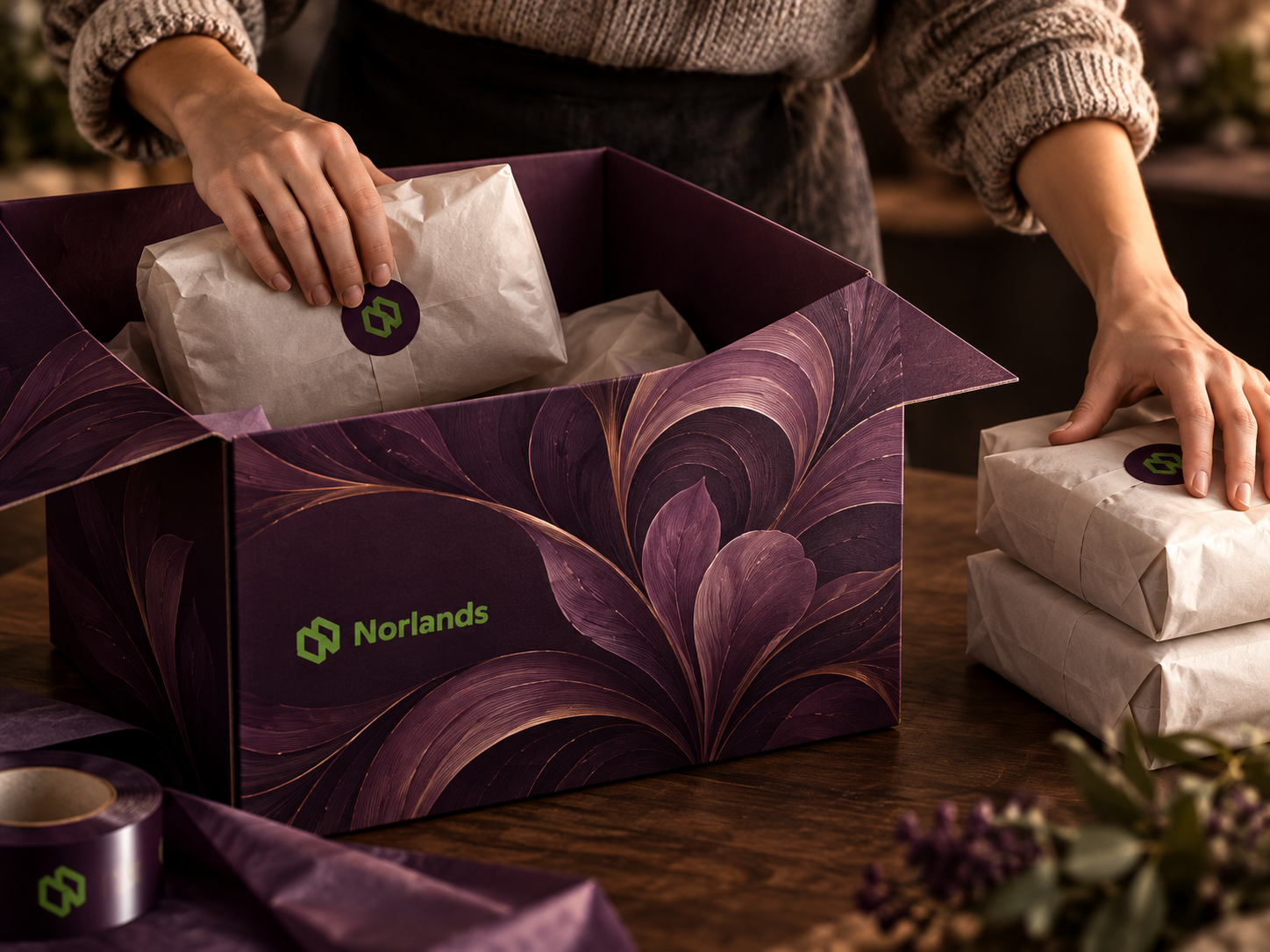
Types of Custom Product Packaging Canada Businesses Can Use
There is no single structure that defines custom product packaging Canada. The appropriate format depends on the product, sales channel, presentation, protection, and distribution requirements.
Retail Product Packaging
Retail packaging can combine product presentation, brand communication, product information, and the requirements of the retail environment.
Corrugated Product Boxes
Corrugated packaging can provide structural versatility for product packaging, shipping applications, custom printing, and internal protective components.
Mailer Packaging
Mailer structures can be considered for products that need a self-contained box format suitable for the specific application.
Presentation Packaging
Presentation packaging places greater emphasis on the way the customer encounters and reveals the product.
Gift-Ready Product Packaging
Custom product packaging Canada can also be developed so products arrive in a presentation suitable for gifting without requiring unrelated secondary gift packaging.
Shipping Packaging
Shipping packaging focuses on how products and their presentation packaging move through transportation and handling.
Multi-Product Packaging
Packages containing multiple products can use dedicated positions and internal structures to organize the complete set.
Custom Inserts and Dividers
Inserts and dividers can help position products, separate components, reduce unnecessary movement, and improve internal presentation.
Custom Product Packaging Starts With the Product
The most important principle in custom product packaging Canada is simple: the product should determine the packaging—not the other way around.
Before choosing a structure, material, insert, or printed design, the product itself should be understood.
Product Dimensions
Accurate dimensions establish the physical space required for the product and provide a starting point for developing the packaging structure.
Product Weight
Weight can influence structural and material considerations as well as how the product needs to be supported inside the package.
Fragility
Fragile products may require additional consideration around movement, internal contact, inserts, and distribution conditions.
Shape
Products with unusual shapes may not fit efficiently within generic packaging and can benefit from structures or inserts developed around their geometry.
Surface Sensitivity
Where product surfaces require particular consideration, the way the product contacts internal packaging components should be evaluated.
Number of Components
Products containing several components may require dividers, partitions, or individual positions to maintain organization.
How the Customer Uses the Product
The way customers remove, assemble, access, store, or reuse the product can influence how custom product packaging Canada should open and present its contents.
Start With the Product
Do not force the product into a predetermined packaging concept. Effective custom product packaging Canada starts by understanding the dimensions, weight, fragility, shape, surfaces, components, sales channel, and customer use of the actual product.
How the Sales Channel Changes Product Packaging
The same product can require different packaging considerations depending on where and how it is sold. This is why sales channel analysis is a fundamental part of custom product packaging Canada.
Retail Packaging
Retail packaging may need to support shelf presentation, product visibility, brand communication, information, display requirements, and consistency with surrounding products.
E-Commerce Packaging
E-commerce packaging needs to account for shipping and handling while also considering right-sizing, protection, opening, and customer unboxing.
Direct-to-Consumer Packaging
Direct-to-consumer brands may need packaging that connects distribution requirements with a branded experience when the package arrives directly at the customer’s location.
Wholesale and B2B Distribution
B2B and wholesale distribution can introduce different handling, packing, storage, and transportation requirements.
Subscription Products
Subscription custom product packaging Canada may need to accommodate recurring shipments, changing product combinations, and a consistent customer experience over multiple deliveries.
Products Sold Through Multiple Channels
Products sold through retail, e-commerce, wholesale, and direct-to-consumer channels may require a packaging system capable of addressing more than one environment.
Custom Product Packaging Canada for Retail
Retail custom product packaging Canada should be developed around the environment in which customers encounter the product. Packaging may need to communicate visually, provide information, support display requirements, and maintain consistency across multiple products.
Shelf Presentation
The packaging structure and graphics can influence how a product is physically presented within the retail environment.
Product Visibility
The packaging strategy should consider how customers identify and understand the product within its retail context.
Brand Communication
Colours, typography, graphics, logos, and messaging can connect the physical package with the wider brand identity.
Product Information
Product information can be incorporated into the packaging artwork according to the requirements of the product and project.
Display Requirements
The physical structure of custom product packaging Canada should account for how the packaged product needs to be displayed, handled, and stored.
Consistency Across Product Lines
Brands with multiple products can develop related packaging structures and graphic systems so individual SKUs remain visually connected.
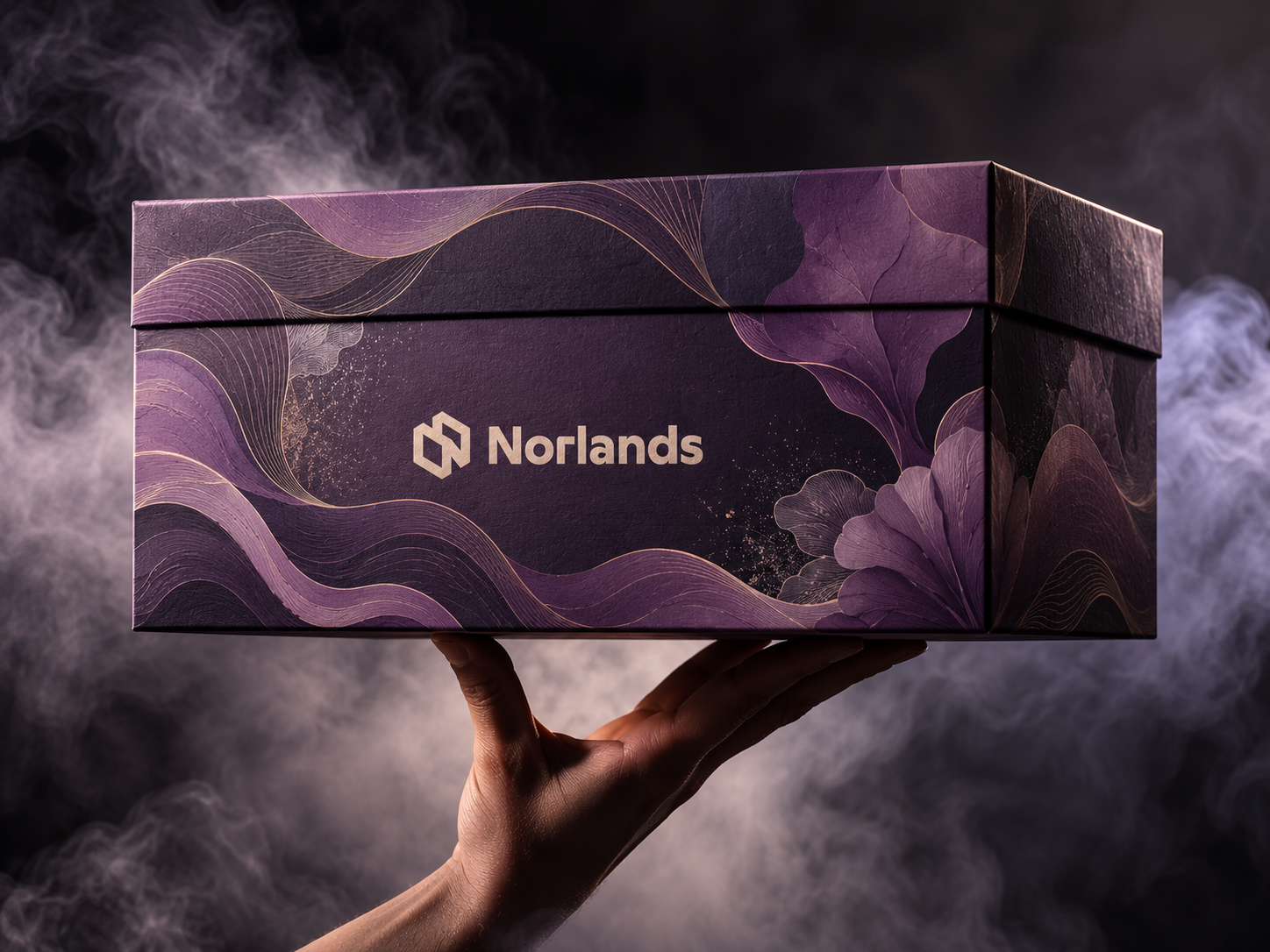
Custom Product Packaging Canada for E-Commerce
E-commerce custom product packaging Canada has to consider what happens between packing the order and the customer opening it. Shipping protection, dimensional efficiency, internal movement, presentation packaging, opening, and returns can all become part of the packaging strategy.
Shipping Protection
The complete packaging system should reflect the product’s protection requirements during transportation and handling.
Right-Sizing
Right-sizing aims to create a closer relationship between the dimensions of the product and the dimensions of the package while maintaining the required internal protection.
Reducing Empty Space
Excessive empty space can increase the need for additional internal material and may allow products to move if they are not appropriately supported.
Branded Unboxing
For many e-commerce customers, the delivered package is an important physical interaction with the brand. Printed graphics, opening sequence, product positioning, and internal presentation can all contribute to the experience.
Easy Opening
The way customers access the product should be considered during structural development rather than being treated as an afterthought.
Returns-Friendly Design
Where relevant, custom product packaging Canada can consider how the package and product may need to function if an e-commerce order is returned.
Protecting the Retail Package During Shipping
If the product has a dedicated retail or presentation package, the e-commerce system may need additional outer packaging to help protect that branded package during transportation.
Presentation Packaging vs Shipping Packaging
One of the most important distinctions in custom product packaging Canada is the difference between presentation packaging and shipping packaging. These components can work together, but they may perform different functions.
What Presentation Packaging Does
Presentation packaging focuses on how the product is organized, branded, displayed, opened, and revealed to the customer.
What Shipping Packaging Does
Shipping packaging focuses primarily on transportation, handling, and protecting the contents as they move through distribution.
Why One Package May Not Always Perform Both Roles
A package optimized for retail presentation may not automatically provide everything required for a particular shipping environment. Likewise, a package developed primarily for distribution may not provide the desired retail or customer presentation.
Protecting Branded Packaging During Transportation
For premium or printed custom product packaging Canada, an outer shipping package can help preserve the condition of the presentation packaging during transportation.
Designing the Complete Packaging System
Instead of treating each box independently, brands can consider the complete system: the product, internal support, presentation package, shipping package, distribution journey, and customer experience.
Think Beyond the Product Box
A complete custom product packaging Canada system may look like:
Product → Insert → Presentation Package → Shipping Package → Distribution → Customer.
Not every product requires every layer, but every required layer should have a clear function.
Structural Design for Custom Product Packaging
Structural design determines how custom product packaging Canada physically works. It connects product dimensions and protection requirements with manufacturing, assembly, product loading, opening, and customer use.
Custom Dimensions
Dimensions can be developed around the product, inserts, protection requirements, and the wider packaging system.
Panels and Folds
Panels and folds determine how a flat packaging material forms into the final three-dimensional structure.
Closures and Locking Features
Closures should support the intended package structure and opening behaviour.
Opening Sequence
The structure determines how the customer first accesses the package and how the product is revealed.
Assembly
Packaging design should consider how the structure will be assembled before the product is loaded.
Product Loading
The way products are inserted into custom product packaging Canada can affect internal structure, insert design, and packing workflow.
Manufacturing Requirements
The structural concept ultimately needs to translate into packaging that can be produced according to the requirements of the project.
Custom Product Packaging Inserts
Inserts are a critical component of many custom product packaging Canada systems. Their role can include positioning products, separating components, reducing movement, supporting protection, and improving presentation.
Corrugated Inserts
Corrugated inserts can be developed to create internal supports and dedicated positions within suitable packaging applications.
Dividers
Dividers can separate multiple products or components within a shared package.
Partitions
Partitions can create defined internal areas when several items need to remain organized.
Product Cradles
Structural supports can be designed around the geometry of a product to help maintain its intended position.
Multi-Component Packaging
Products containing multiple pieces can use inserts and divisions to establish a clear arrangement inside the package.
Preventing Product Movement
A key role of inserts in custom product packaging Canada is to reduce unnecessary movement by creating defined positions for products or components.
Improving Presentation
Internal structures can also influence what customers see when they open the package and how individual products are arranged within the reveal.
Custom Packaging for Multi-Product Sets
When several products need to be packaged together, custom product packaging Canada can organize the complete set instead of allowing individual products to move freely within a larger generic box.
Product Bundles
Product bundles can use dedicated positions to establish a clear relationship between multiple items.
Gift Sets
Gift sets can combine organization with presentation so the complete collection is revealed intentionally.
Starter Kits
Starter kits may contain several components that need to be identified, separated, and accessed in a logical order.
Sample Collections
Sample collections can use custom product packaging Canada to organize smaller products or variants within one package.
Multiple-SKU Packages
Packages containing different SKUs can use internal divisions to establish individual product positions while maintaining one external package.
Organizing Products With Inserts and Dividers
Inserts and dividers can turn the interior into an organized product system, helping control movement while creating a clearer presentation.
Custom Corrugated Product Packaging Canada
Custom corrugated product packaging Canada can support a wide range of product applications because corrugated structures can be developed for product packaging, presentation, shipping, printed packaging, and internal protective components.
Why Corrugated Packaging Is Versatile
Corrugated material can be converted into different structural formats depending on the product and project requirements.
Single-Wall Construction
Single-wall corrugated construction may be considered for applications where its characteristics align with the required packaging structure and performance.
Double-Wall Construction
Double-wall construction may be considered where the packaging requirements call for a different level of structural performance.
Die-Cut Corrugated Packaging
Die-cut structures allow panels, openings, tabs, folds, and other structural elements to be developed around the required package format.
Printed Corrugated Packaging
Printing can turn corrugated custom product packaging Canada into both a structural and branded component of the packaging system.
Protective Corrugated Inserts
Corrugated material can also be used for internal components designed to position, separate, or support products where appropriate.
Custom Printed Product Packaging
Need packaging that fits your product, timeline, and budget?
Tell us what you’re packaging and we’ll help you find the right box style, material, and production path.
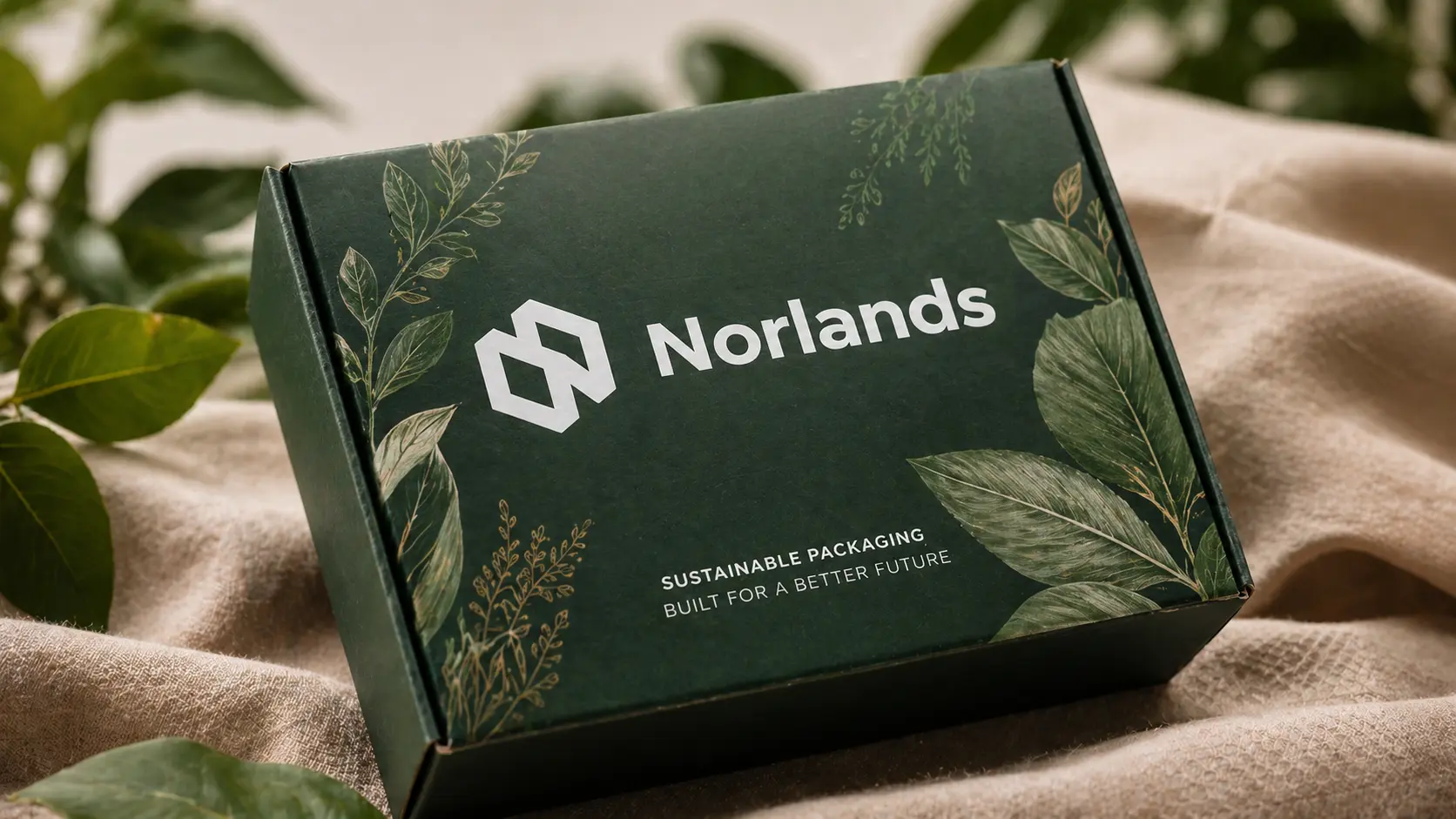
Printing gives custom product packaging Canada a visual identity that can connect the physical package with the wider product and brand experience.
Logo Printing
Company or product logos can be incorporated into packaging artwork according to the material and printing process.
Brand Colours
Brand colours can help create consistency between packaging and other customer touchpoints.
Product Graphics
Graphic systems, illustrations, patterns, and other visual elements can be developed around the product and brand identity.
Instructions and Information
Where required, product instructions and information can be integrated into the packaging artwork.
Exterior Printing
Exterior printing creates the visual presentation customers encounter before opening the package.
Interior Printing
Depending on the structure, material, and printing process, interior surfaces can potentially extend branding or messaging into the opening experience.
Creating Consistency Across Product Lines
Brands using custom product packaging Canada across multiple products can coordinate logos, colours, typography, patterns, graphics, and other visual elements to build a recognizable packaging family.
How Product Packaging Supports Brand Experience
Custom product packaging Canada can function as a physical brand touchpoint because customers interact directly with the package before, during, and after accessing the product.
The objective is not to assume that packaging automatically increases sales. Instead, packaging can help create a more consistent relationship between the physical product and the brand experience.
First Impression
The packaging exterior can establish the first physical impression through its structure, proportions, material, printing, and graphics.
Product Reveal
The opening sequence and internal arrangement influence how customers first encounter the product itself.
Brand Recognition
Consistent logos, colours, typography, and graphics can make custom product packaging Canada recognizable across different products and customer interactions.
Perceived Product Value
Product fit, structural precision, material selection, printing, and presentation can influence how the complete product experience is perceived.
Customer Experience
The way packaging opens, presents the product, organizes components, and communicates information can affect the physical customer experience.
Repeat Recognition
Consistent packaging systems can help customers recognize related products and future purchases from the same brand.
Packaging Is a Physical Brand Touchpoint
Strong custom product packaging Canada connects the physical product with the brand through structure, fit, printing, product presentation, opening experience, and consistency across product lines. Branding should work with the packaging system—not replace its functional requirements.
Custom Product Packaging for New Product Launches
New product launches are one of the most important applications for custom product packaging Canada. When a product moves from development toward commercial release, the packaging also needs to move from an initial concept toward a structure that can protect, present, brand, and support the product through its intended sales and distribution channels.
For startups, established manufacturers, retail brands, and e-commerce businesses, developing custom product packaging Canada early can help connect the physical product with the packaging structure, inserts, artwork, production requirements, and future product-line strategy.
Moving From Product Prototype to Commercial Packaging
A product prototype may initially be stored, transported, or demonstrated without final commercial packaging. As the product approaches launch, its packaging requirements become more defined.
At this stage, custom product packaging Canada should consider how the final product will be sold, presented, protected, packed, shipped, and received by customers.
Developing the First Packaging Structure
The first structure should be developed around the actual product rather than simply choosing an existing box that appears close enough in size.
Dimensions, weight, shape, fragility, components, inserts, opening requirements, and sales channel can all influence the structural direction.
Creating a Packaging Prototype
A physical packaging prototype allows the proposed structure to be evaluated before commercial manufacturing. It can provide a practical way to assess how the product interacts with the packaging.
Testing Product Fit
Product fit is a fundamental consideration for custom product packaging Canada. Testing can help determine whether the dimensions, internal space, insert, and product positioning work as intended.
Preparing Artwork
Once the packaging structure is sufficiently defined, logos, colours, typography, graphics, instructions, and other visual elements can be prepared around the actual packaging dieline.
Planning Initial Production
Initial production planning should consider the packaging structure, materials, printing, inserts, quantities, number of variants, and other production requirements.
Designing for Future Scale
A new product may eventually become a larger product family. When appropriate, custom product packaging Canada can be developed with future products, additional sizes, related SKUs, and consistent branding in mind.
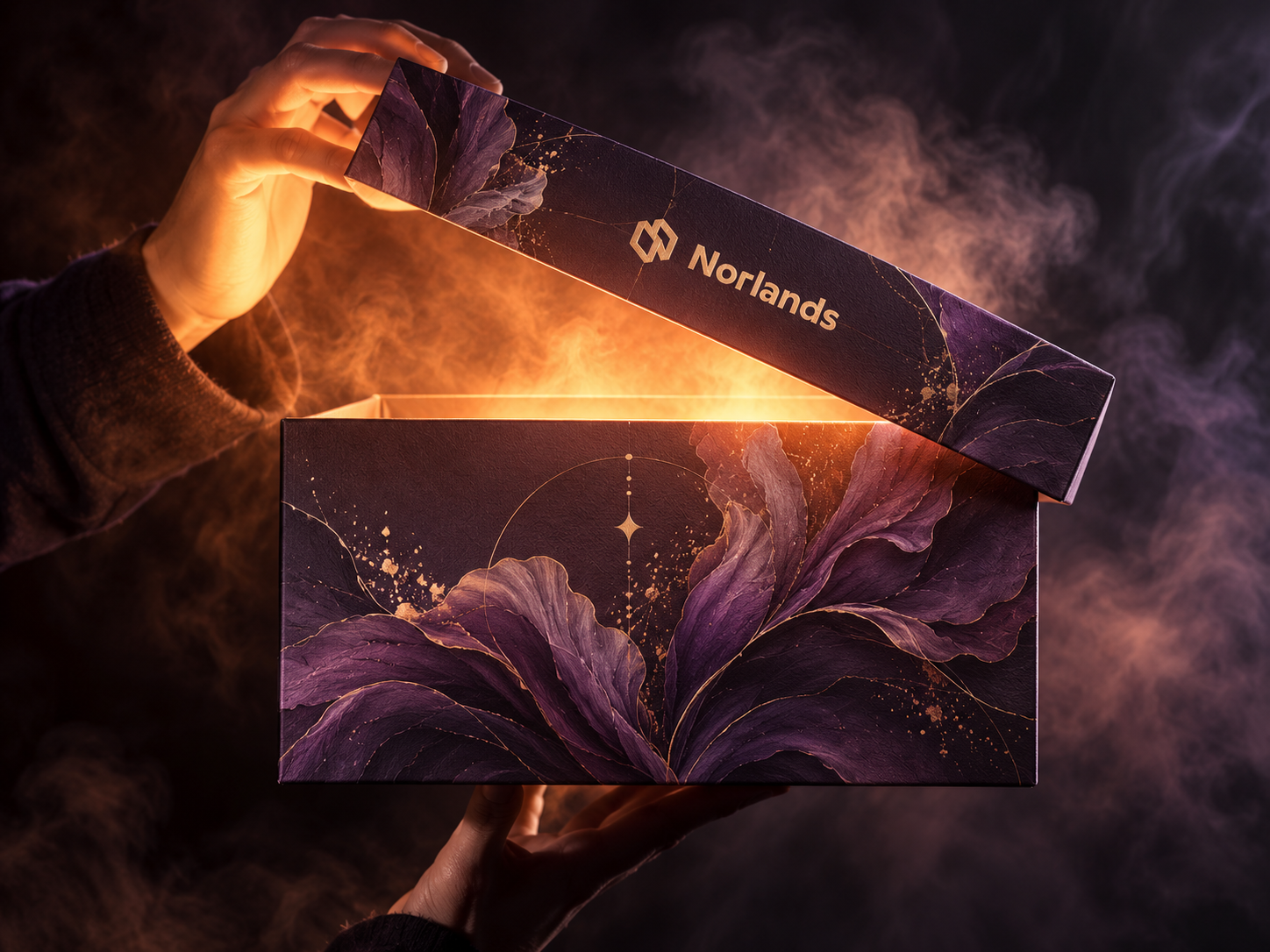
Creating a Custom Product Packaging Canada System Across Multiple SKUs
Businesses with several products can benefit from thinking about custom product packaging Canada as a packaging system rather than creating an unrelated package for every SKU.
Products may have different dimensions, shapes, inserts, and protection requirements while still sharing a recognizable visual and structural language.
Shared Brand Language
Logos, colours, typography, graphics, patterns, and other visual elements can create a common identity across multiple packaging formats.
Different Product Dimensions
Not every product should be forced into the same box. Different SKUs may require different dimensions to achieve appropriate product fit and presentation.
Standardizing Where Possible
Where product requirements allow, selected elements of custom product packaging Canada can potentially be standardized across related products while still maintaining appropriate fit and function.
Different Inserts for Different Products
Products with different shapes or components may require individual insert designs even when other elements of the packaging system remain consistent.
Maintaining Print Consistency
Consistent print elements can help connect different package sizes and structures as part of the same brand family.
Making Future Product Expansion Easier
Developing a recognizable packaging system can provide a framework for future products. New SKUs can then be considered in relation to an established custom product packaging Canada language rather than starting every packaging project independently.
One Product Line, One Packaging Language
A scalable custom product packaging Canada system can use
different dimensions and inserts for different products while maintaining consistent branding, printing, and visual language across the complete product family.
Product Packaging for Different Industries
The requirements for custom product packaging Canada can vary significantly between industries. Product dimensions, fragility, sales channel, presentation, shipping, and customer expectations should all influence the final packaging system.
Food and Beverage
Food and beverage product packaging can involve secondary packaging, retail presentation, multi-product packs, product protection, and distribution considerations according to the application.
Jewelry and Accessories
Jewelry and accessory packaging often requires particular attention to small-product positioning, inserts, presentation, branded unboxing, and the relationship between presentation and shipping packaging.
Beauty and Personal Care
Beauty and personal care custom product packaging Canada can be developed around individual products, sets, retail presentation, e-commerce distribution, and branded product experiences.
Home and Lifestyle Products
Home and lifestyle products can vary substantially in dimensions, weight, shape, and fragility, making product-specific analysis important before selecting a packaging structure.
Electronics and Accessories
Products containing devices, accessories, cables, or several components may require organized internal structures and dedicated product positions.
Industrial Products
Industrial product packaging may place greater emphasis on structural requirements, product protection, handling, organization, and distribution conditions.
Subscription Products
Subscription packaging may need to support recurring shipments and changing product combinations while maintaining a consistent customer experience.
Custom Product Packaging Canada for Food and Beverage
Custom product packaging Canada for food and beverage applications can extend beyond an individual container. Depending on the product, the wider system can include secondary packaging, retail presentation, multi-product packs, and shipping or distribution packaging.
Product Protection
The packaging system should be considered in relation to the product and the protection requirements of the specific application.
Secondary Packaging
Secondary packaging can group or present products and form part of the wider packaging system around the primary product.
Retail Presentation
For retail applications, structure and printed graphics can contribute to how products are presented and identified.
Multi-Product Packs
Multi-product custom product packaging Canada can organize several items within one package using an appropriate structure, inserts, or divisions.
Shipping and Distribution
The packaging system should also consider how products move from packing through storage, transportation, handling, and delivery.
Custom Product Packaging Canada for Jewelry
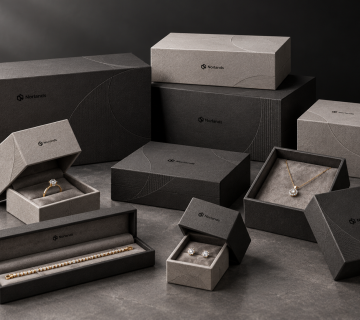
Jewelry demonstrates why custom product packaging Canada should be developed around the actual product. Small items can still require precise positioning, dedicated inserts, premium presentation, and a clear relationship between retail packaging and e-commerce shipping.
Small-Product Protection
Compact products can require careful positioning to reduce unnecessary movement and maintain their intended arrangement.
Custom Inserts
Inserts can provide defined positions for jewelry and accessories according to their dimensions and presentation requirements.
Premium Presentation
The structure, insert, product position, graphics, and opening experience can work together to create a deliberate presentation.
Retail and E-Commerce
Jewelry packaging may need to work within both retail and e-commerce environments, with different considerations for presentation and transportation.
Branded Unboxing
For direct-to-customer jewelry products, custom product packaging Canada can connect product positioning and protection with a branded opening and reveal experience.
Gift Boxes in Vancouver: Custom Packaging Ideas for Businesses
Quick question:
You might also like
How Custom Product Packaging Canada Can Improve Shipping Efficiency
Shipping efficiency should be considered as part of the complete custom product packaging Canada system rather than only after the presentation package has already been finalized.
Packaging dimensions, internal empty space, void fill, product protection, pallet utilization, and product damage can all influence the wider distribution system.
Right-Sizing
Right-sizing aims to create packaging dimensions that more closely reflect the product, required inserts, and necessary protection.
Reducing Empty Space
Unnecessary empty space can increase overall package volume and may require additional internal material to control product movement.
Reducing Void Fill
When custom product packaging Canada is developed around the product and its internal protection, the design can consider whether unnecessary void space and filler can be reduced.
Dimensional Efficiency
Package dimensions can affect how products occupy space throughout storage and transportation. Dimensional efficiency should therefore be considered alongside protection and presentation.
Parcel dimensions can also influence transportation pricing. Canada Post uses a volumetric-equivalent calculation for applicable parcel services and compares it with actual weight, which gives businesses an additional reason to consider unnecessary package volume when developing shipping packaging.
Pallet Utilization
For products moving through palletized distribution, packaging dimensions can influence how packaged products are arranged within the available pallet space.
Reducing Product Damage
A packaging system should protect the product appropriately throughout its actual distribution environment. Damage can affect both the product itself and the wider cost of the packaging system.
Evaluating Total Packaging Cost
Evaluating custom product packaging Canada only through the cost of the box can overlook other factors. Packaging dimensions, internal materials, packing requirements, shipping configuration, storage, and product damage can all contribute to the wider packaging cost.
Look Beyond the Unit Cost of the Box
When evaluating custom product packaging Canada, consider the complete packaging and distribution system:
box dimensions, inserts, void space, packing requirements, shipping configuration, storage, and product protection.
The packaging component is only one part of the overall system.
Sustainable Custom Product Packaging Canada
Sustainable custom product packaging Canada should be approached through the actual packaging system rather than through appearance alone. A package that looks minimal or natural is not automatically a more sustainable packaging solution.
Right-sizing, material efficiency, fibre-based materials, recyclability where applicable, reducing mixed materials, eliminating unnecessary components, protecting products from damage, and considering end of life can all form part of a more considered packaging strategy.
Right-Sized Packaging
Right-sizing can help reduce unnecessary package volume and material while maintaining the space required for the product and appropriate protection.
Material Efficiency
Material selection and structural design should consider how much material is actually required for the intended packaging function.
Fibre-Based Materials
Fibre-based materials can be considered for custom product packaging Canada where their structural, protective, presentation, and production characteristics suit the application.
Recyclability
Recyclability depends on the actual materials and construction. Fibre-based components may be recyclable in appropriate recovery streams, while coatings, contamination, adhesives, and mixed materials can affect recyclability.
Reducing Mixed Materials
Where appropriate, simplifying the number of different material types within a packaging system can be considered during development.
Reducing Unnecessary Components
Every insert, divider, filler, sleeve, or additional packaging component should have a clear functional or presentation purpose.
Protecting Products to Avoid Product Waste
Sustainable custom product packaging Canada still needs to protect the product. Reducing packaging without considering product protection can create a different form of waste if products are damaged during handling or distribution.
Considering End of Life
The design process can consider what happens to packaging components after use and how materials, coatings, adhesives, and mixed-material elements may influence recovery.
How Canadian Distribution Conditions Affect Product Packaging
The Canadian distribution environment is an important consideration for custom product packaging Canada. GEO relevance should go beyond simply manufacturing or selling packaging in Canada—the package should be considered in relation to how products actually move through Canadian distribution networks.
Local delivery, Canada-wide shipping, longer transportation distances, warehouse handling, palletized distribution, and changing environmental conditions can all influence packaging requirements depending on the product and supply chain.
Local Delivery
Products moving primarily through local delivery may follow a different handling and distribution journey from products travelling across the country.
Canada-Wide Shipping
For Canada-wide distribution, custom product packaging Canada should be considered in relation to the actual shipping method and the product’s protection requirements.
Long Transportation Distances
Longer transportation journeys can expose packaged products to additional handling stages and distribution conditions that should be considered during packaging development.
Warehouse Handling
The package may move through storage, picking, packing, stacking, and other warehouse processes before reaching its final destination.
Palletized Distribution
For products shipped on pallets, outer dimensions and structural requirements can influence how packages are arranged and handled within the distribution system.
Temperature and Moisture Changes
Depending on the product, material, route, and storage environment, changes in temperature and moisture can be relevant considerations within the wider distribution journey.
Designing Around the Real Supply Chain
Effective custom product packaging Canada should be developed around the product’s actual journey rather than an idealized journey from the packing table directly to the customer.
Understanding how the product is stored, handled, transported, displayed, delivered, and opened provides better context for structural and protective packaging decisions.
Design for the Real Distribution Journey
Strong custom product packaging Canada should consider what happens after the product leaves the packing area:
Storage → Handling → Transportation → Distribution → Delivery → Customer.
Packaging decisions should reflect the real supply chain whenever those conditions are relevant to the product.
From Product to Finished Packaging: The Development Process
Developing custom product packaging Canada is a sequence of connected decisions. Starting with graphics before understanding the product, structure, inserts, or distribution requirements can disconnect the visual design from the physical packaging system.
A more complete process begins with the product and moves progressively toward a production-ready package.
01. Analyze the Product
Understand dimensions, weight, shape, fragility, surfaces, components, and product use.
02. Define the Sales Channel
Determine whether the product will be sold through retail, e-commerce, DTC, wholesale, subscription, or multiple channels.
03. Identify Protection Requirements
Determine how the product needs to be positioned and protected throughout handling and distribution.
04. Select Materials
Select materials in relation to structural, protective, presentation, printing, and production requirements.
05. Develop the Packaging Structure
Define dimensions, panels, folds, closures, opening behaviour, assembly, and product loading.
06. Design Inserts if Required
Develop inserts, dividers, partitions, or supports around the product and internal arrangement.
07. Create the Dieline
Translate the structure into the layout required for the packaging format and artwork development.
08. Build a Prototype
Create a physical version that can be evaluated before commercial production.
09. Test Product Fit and Function
Check dimensions, positioning, protection, assembly, inserts, and opening behaviour.
10. Develop Branding and Artwork
Apply logos, colours, graphics, typography, product information, and other required artwork.
11. Finalize Production Specifications
Confirm the structure, materials, inserts, printing, artwork, and other production requirements.
12. Begin Manufacturing
Move the approved custom product packaging Canada specification into production.
1. Analyze the Product
The process begins with the actual product. Dimensions, weight, shape, fragility, surface sensitivity, components, and customer use provide the foundation for custom product packaging Canada.
2. Define the Sales Channel
Determine whether the product will be sold through retail, e-commerce, direct-to-consumer, wholesale, subscription, or several channels.
3. Identify Protection Requirements
Consider how the product needs to be positioned and protected during storage, handling, distribution, and delivery.
4. Select Materials
Material selection should reflect the required relationship between structure, protection, presentation, printing, and material use.
5. Develop the Packaging Structure
The physical custom product packaging Canada structure can then be developed around product dimensions, inserts, assembly, opening, loading, and manufacturing requirements.
6. Design Inserts if Required
Where necessary, inserts, dividers, partitions, or structural supports can be developed around the product and desired internal arrangement.
7. Create the Dieline
The structural concept is translated into a dieline that defines the packaging layout and provides the basis for artwork development.
8. Build a Prototype
A prototype creates a physical version of the proposed package that can be evaluated before commercial manufacturing.
9. Test Product Fit and Function
Testing can examine product fit, protection, internal structures, assembly, opening, and other functional aspects of custom product packaging Canada.
10. Develop Branding and Artwork
Once the structure is sufficiently defined, the brand identity and required product information can be applied to the actual packaging layout.
11. Finalize Production Specifications
The approved structure, materials, inserts, printing, artwork, and production requirements can then be finalized.
12. Begin Manufacturing
After the packaging specifications are approved, the project can move from development into manufacturing according to the finalized requirements.
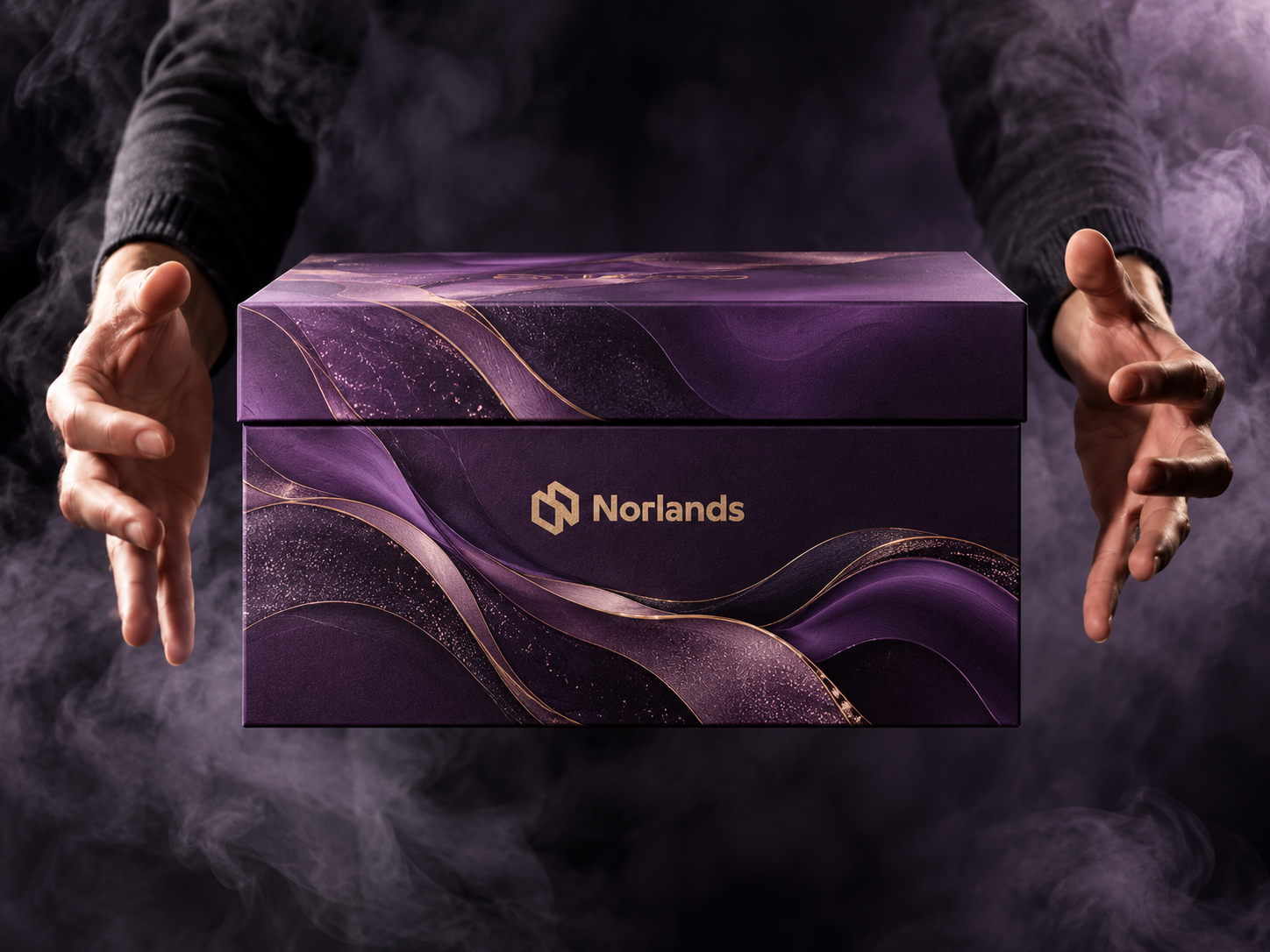
Custom Product Packaging Canada: From Product to Production
A complete custom product packaging Canada development process moves logically from
Product Analysis → Sales Channel → Protection → Materials → Structure → Inserts → Dieline → Prototype → Testing → Artwork → Production Specifications → Manufacturing.
Frequently Asked Questions About Custom Product Packaging Canada
Businesses exploring custom product packaging Canada often have questions about product fit, inserts, branding, retail and e-commerce requirements, shipping efficiency, recyclability, prototyping, and cost. The answers below address some of the most important considerations when developing a complete packaging system around a specific product.
What is custom product packaging?
Custom product packaging Canada is packaging developed around a specific product’s dimensions, protection, presentation, branding, sales channel, shipping, and customer-experience requirements. Instead of starting with a generic box, the packaging system begins with the actual product and how it needs to move from packing and distribution to the final customer.
What is the difference between product packaging and a product box?
A product box is one possible packaging component. Custom product packaging Canada can refer to a broader system that includes presentation packaging, inserts, protective components, shipping packaging, labels, and other elements required around the product.
Can packaging be designed around my exact product dimensions?
Yes. Custom product packaging Canada can be developed around product dimensions while accounting for manufacturing tolerances, inserts, protection, assembly, and distribution requirements. Product dimensions provide an important starting point, but the complete packaging system also needs to consider how the product will be supported and handled.
Can custom product packaging include inserts?
Yes. Inserts, dividers, partitions, and structural supports can be incorporated into custom product packaging Canada to organize products, reduce movement, improve protection, and enhance presentation. The appropriate internal structure depends on the product and packaging requirements.
Can custom product packaging include my branding?
Yes. Logos, colours, graphics, product information, instructions, and other brand elements can be incorporated into custom product packaging Canada depending on the materials and printing process. Branding can be coordinated across multiple products to create a more consistent packaging family.
Do retail and e-commerce products need different packaging?
Sometimes. Retail packaging prioritizes considerations such as presentation and shelf communication, while e-commerce packaging must withstand shipping and handling. Products sold through both channels may require a custom product packaging Canada system that addresses both environments.
Can custom packaging reduce shipping costs?
Right-sized custom product packaging Canada can potentially reduce unnecessary volume, void fill, dimensional inefficiency, and product damage. Actual savings depend on the product and distribution system, so shipping efficiency should be evaluated within the complete packaging and supply-chain context.
Is custom product packaging recyclable?
It depends on the materials and construction. Fibre-based components used in custom product packaging Canada may be recyclable in appropriate recovery streams, while coatings, contamination, adhesives, and mixed materials can affect recyclability. The complete packaging construction should therefore be considered.
Should I prototype custom product packaging before production?
Prototyping is useful for checking product fit, protection, assembly, inserts, opening experience, and artwork before commercial manufacturing. For custom product packaging Canada, a physical prototype can help identify issues that may not be as apparent when evaluating the packaging only as a digital concept.
How much does custom product packaging cost?
The cost of custom product packaging Canada depends on dimensions, structure, materials, inserts, printing, tooling, prototypes, quantities, number of variants, and production requirements. Because these variables differ between projects, pricing should be based on the actual product and packaging specifications rather than a generic price range.
Effective custom product packaging Canada starts with the product and follows its complete journey from packing and presentation through distribution and the final customer experience.
Norlands develops product-specific packaging systems for manufacturers, e-commerce brands, retailers, startups, food and beverage companies, jewelry brands, and other Canadian businesses by bringing together custom dimensions, structural packaging design, corrugated materials, protective inserts, dividers, branded printing, prototyping, presentation packaging, and shipping protection. A product-first approach to custom product packaging Canada can help improve product fit, reduce unnecessary empty space, organize multiple components, protect products through their actual distribution environment, and create a consistent packaging language across different sales channels and SKUs.
Explore Norlands’ custom packaging, structural design, printing, and prototyping capabilities, connect with the Norlands team to discuss your product, sales channel, quantities, branding, and shipping requirements, or request a custom quote for custom product packaging Canada developed from initial product analysis through prototype validation and commercial production.
Conclusion: Custom Product Packaging Canada Should Start With the Product
The central principle behind successful custom product packaging Canada is simple: the product should determine the packaging—not the other way around.
Before selecting a box style, material, insert, printed design, or shipping configuration, businesses should understand what they are packaging, how the product is sold, what protection it requires, how it will move through distribution, and what customers should experience when they receive it.
That is what separates a complete custom product packaging Canada system from simply choosing a custom-sized box.
Think Beyond the Box With Custom Product Packaging Canada
A box is only one possible component of custom product packaging Canada. Depending on the product, the complete system may include an outer structure, internal inserts, dividers, presentation elements, printed surfaces, product information, and shipping components.
This broader perspective becomes particularly important when a product has to perform across several environments. It may need to look appropriate on a retail shelf, remain protected during transportation, arrive in good condition through e-commerce distribution, and create a consistent brand experience when the customer opens it.
Instead of asking only, “What box does this product need?” businesses can ask a more useful question: “What packaging system does this product need from packing to customer?”
Build Custom Product Packaging Canada Around the Sales Channel
The sales channel can fundamentally change what custom product packaging Canada needs to accomplish.
Retail products may need shelf presentation, brand communication, product information, and consistency across product lines. E-commerce products introduce shipping protection, right-sizing, empty-space reduction, opening, branded unboxing, and potentially returns-related considerations.
Products sold through multiple channels may need a packaging system capable of supporting several environments rather than a structure optimized for only one.
Retail
Consider presentation, communication, product information, display, and product-line consistency.
E-Commerce
Consider shipping protection, right-sizing, opening, unboxing, and protecting presentation packaging.
Direct-to-Consumer
Connect distribution requirements with the physical customer and brand experience.
Wholesale / B2B
Consider storage, handling, packing, transportation, and wider distribution requirements.
Use Inserts When the Product Needs More Than an Empty Box
For many products, the interior is as important as the exterior. Custom product packaging Canada can incorporate corrugated inserts, dividers, partitions, product cradles, and other structural supports where appropriate.
These components can help organize multi-product sets, establish dedicated positions, reduce unnecessary movement, improve protection, and control how products are presented when the package opens.
The insert should therefore be developed around the actual product rather than simply used to occupy unused space.
Product + Insert + Package
For products requiring internal positioning, effective custom product packaging Canada should consider the product, insert, and outer structure as one connected system. Changing one component can affect how the others fit and function.
Protect the Presentation Packaging During Shipping
Presentation packaging and shipping packaging should not automatically be treated as the same thing. In some custom product packaging Canada applications, one package may perform both functions. In others, separate layers may be more appropriate.
A branded retail or presentation box may focus on product organization, graphics, opening, and customer experience. An outer shipping package may focus primarily on transportation and handling while helping protect the presentation packaging inside.
Thinking about these roles early can help prevent a situation where attractive presentation packaging is developed first and shipping requirements are considered only afterward.
Develop Custom Product Packaging Canada as a Packaging Family
Businesses with multiple SKUs should consider whether custom product packaging Canada can be developed as a coordinated system.
Different products may require different box dimensions, structures, inserts, and protection. However, they can still share consistent colours, typography, logos, graphics, print language, and other brand elements.
Where appropriate, selected structural or dimensional elements can also be standardized, while products requiring different internal arrangements can use dedicated inserts.
This creates a foundation that can support existing products while making future product expansion easier to integrate into the wider packaging system.
Use Prototypes to Validate Custom Product Packaging Canada
Moving directly from a digital concept into production can leave important physical questions unanswered. Prototyping gives businesses an opportunity to evaluate custom product packaging Canada as a real object before commercial manufacturing.
A packaging prototype can be used to check product fit, internal protection, assembly, inserts, opening experience, and artwork placement.
This is especially useful where the product requires precise dimensions, dedicated internal supports, a particular opening sequence, or coordinated artwork across folds and panels.
Evaluate Sustainable Custom Product Packaging Canada as a System
Sustainability considerations should be evaluated across the complete custom product packaging Canada system rather than being based on visual appearance alone.
Relevant considerations can include right-sized packaging, material efficiency, fibre-based materials, recyclability where appropriate, reducing mixed materials, reducing unnecessary components, protecting products from damage, and considering end of life.
Product protection remains important within this discussion. Reducing packaging material without considering whether the product remains adequately protected can create additional waste if the product is damaged.
What Information Should You Prepare for a Custom Product Packaging Canada Quote?
A clearer packaging brief gives a manufacturer better information about what the custom product packaging Canada project needs to accomplish.
Before requesting a quote, businesses should prepare the core product, distribution, branding, and production information relevant to the project.
Product Dimensions
Provide accurate physical dimensions for the product.
Product Weight
Include relevant weight information for the packaged product.
Photos or Samples
Provide product references that help communicate its physical characteristics.
Fragility Requirements
Identify protection considerations relevant to the product.
Sales Channel
Define whether the product is for retail, e-commerce, DTC, wholesale, subscription, or multiple channels.
Shipping Method
Explain how the packaged product will move through distribution.
Brand Artwork
Prepare logos, graphics, colours, typography, and other available brand assets.
Required Quantity
Provide the expected quantity for the packaging project.
Number of SKUs
Identify how many products or packaging variants need to be supported.
Target Launch Date
Provide the intended timing for the product or packaging launch.
Avoid Common Custom Product Packaging Mistakes
Developing custom product packaging Canada around the complete product journey can also help businesses avoid common packaging mistakes.
One of the biggest mistakes is choosing packaging before fully understanding the product. Other problems can occur when packaging development focuses only on graphics, uses unnecessarily oversized structures, ignores the shipping journey, introduces excessive materials, overlooks packing and assembly, skips physical prototypes, or develops every SKU independently without a wider packaging system.
How to Choose a Custom Product Packaging Canada Manufacturer
Choosing a custom product packaging Canada manufacturer should involve more than comparing who can produce a printed box. The appropriate manufacturing partner should be evaluated in relation to the requirements of the complete packaging project.
Depending on the product, relevant capabilities can include structural design, packaging engineering, prototype development, custom inserts, printing, material knowledge, production capacity, quality control, and the ability to support the product line as it grows.
Structural Design Capabilities
Consider whether the manufacturer can work with product-specific dimensions, structures, panels, folds, closures, and opening requirements.
Packaging Engineering Experience
Custom product packaging Canada can involve relationships between product fit, structural performance, inserts, assembly, manufacturing, and distribution that extend beyond graphic design alone.
Prototype Development
Prototype capabilities allow the physical packaging concept to be reviewed before commercial manufacturing.
Custom Insert Capabilities
If products require positioning, organization, separation, or internal protection, insert-development capabilities can become an important consideration.
Printing Capabilities
Printing capabilities should align with the materials, graphics, branding, information, and visual requirements of the project.
Material Knowledge
Material selection should support the structural, protective, presentation, printing, and production requirements of custom product packaging Canada.
Production Capacity
Production capabilities should align with the commercial requirements of the packaging project.
Quality Control
Quality control is relevant to maintaining the approved packaging specifications through commercial production.
Ability to Scale With Your Product Line
For businesses with multiple SKUs or future product plans, consider whether the packaging manufacturer can support additional structures, inserts, variants, and related packaging as the product line expands.
Build Custom Product Packaging Canada Around the Complete Product Journey
The best starting point for custom product packaging Canada is not the box. It is the product and the journey that product needs to complete.
Understand the product dimensions, weight, shape, fragility, components, and surface requirements. Define whether it will be sold through retail, e-commerce, direct-to-consumer, wholesale, subscription, or multiple channels. Determine how it needs to be protected, presented, branded, packed, transported, delivered, and opened.
From there, the appropriate custom product packaging Canada system can begin to take shape through dimensions, structural design, materials, inserts, printing, prototypes, presentation packaging, and shipping components.
For a single product, this process can create packaging developed specifically around what is being sold. For a larger product line, it can establish a packaging family that supports different dimensions and inserts while maintaining consistent branding across multiple SKUs.
Ultimately, successful custom product packaging Canada connects the physical product with its complete commercial journey. The package should protect what is inside, support the way the product is sold, communicate the brand, work within the distribution system, and create the intended experience when it finally reaches the customer.
Product → Sales Channel → Protection → Presentation → Brand → Distribution → Customer Experience. When those decisions work together, custom product packaging Canada becomes more than a custom box—it becomes a complete packaging system built around the product.
No comment