
Table of Contents
ToggleIntroduction
Packaging cost optimization risks are often underestimated by businesses focused on reducing short-term expenses, yet these decisions can significantly impact long-term operational performance and financial stability. In highly competitive markets, companies are constantly under pressure to lower packaging costs, especially when packaging represents a recurring and scalable expense across production cycles. However, prioritizing cost reduction without fully understanding its consequences can introduce hidden risks that accumulate over time.
At first glance, switching to lower-cost packaging materials or suppliers may appear to improve margins. Businesses may reduce unit costs, negotiate cheaper contracts, or simplify packaging specifications to achieve immediate savings. But these decisions often involve low-cost packaging trade-offs that compromise durability, protection, and consistency. When packaging performance declines, the effects ripple across the entire supply chain—from increased product damage to higher return rates and customer dissatisfaction.
One of the key challenges is that packaging-related risks do not always appear immediately. Instead, they develop gradually as minor inefficiencies compound over time. For example, slightly weaker materials may not fail under normal conditions but may lead to higher damage rates during long-distance shipping or under variable handling conditions. In markets where products travel across regions or through multiple distribution points, these small weaknesses can quickly become costly problems.
Businesses that focus solely on price often overlook the broader concept of long-term packaging costs. These include indirect expenses such as product loss, re-shipping, customer service issues, and brand reputation damage. When these factors are considered, the apparent savings from cost optimization may disappear—or even result in higher total costs.
Modern packaging strategy requires a shift from price-driven decision-making to a more balanced evaluation of performance, reliability, and risk. Companies that adopt a risk-based packaging strategy are better equipped to assess where cost reductions are appropriate and where maintaining quality is essential. Understanding the true impact of packaging decisions is critical for businesses seeking sustainable growth, making it essential to evaluate packaging cost optimization risks as part of long-term operational planning.
Why Packaging Cost Optimization Risks Increase Over Time
Packaging cost optimization risks rarely appear as immediate failures; instead, they develop gradually as small compromises in material quality, structural integrity, or supplier reliability accumulate across operations. What initially looks like a smart cost-saving decision can evolve into a long-term operational issue that affects product protection, logistics efficiency, and customer satisfaction.
Short-Term Savings vs Long-Term Operational Impact
One of the most common mistakes businesses make is focusing on short-term savings without evaluating the full operational impact. Reducing packaging costs by even a small percentage across large production volumes can appear financially attractive. However, when those savings come from lower-grade materials or reduced packaging strength, the long-term consequences often outweigh the initial benefit.
Packaging is not just a cost center—it is a functional component of product protection and supply chain performance. When businesses prioritize cost reduction without considering performance requirements, they risk introducing inefficiencies that affect production, transportation, and delivery. Over time, these inefficiencies translate into higher operational costs, including increased product damage, more frequent replacements, and added logistics complexity.
How Cost-Driven Decisions Affect Packaging Performance
Cost-driven decisions often lead to packaging quality compromise, where materials or designs are selected primarily for their lower price rather than their suitability for real-world conditions. This can include thinner corrugated board, weaker adhesives, or simplified structural designs that do not provide adequate protection during handling and transportation.
While these compromises may not cause immediate failure, they reduce the overall reliability of packaging performance. In environments where products are shipped over long distances, handled multiple times, or exposed to varying conditions, even minor weaknesses can increase the likelihood of damage.
Over time, these performance issues create a pattern of recurring problems that affect operational efficiency. Businesses may need to allocate additional resources to quality control, customer service, and returns processing—costs that are often not considered during initial cost optimization decisions.
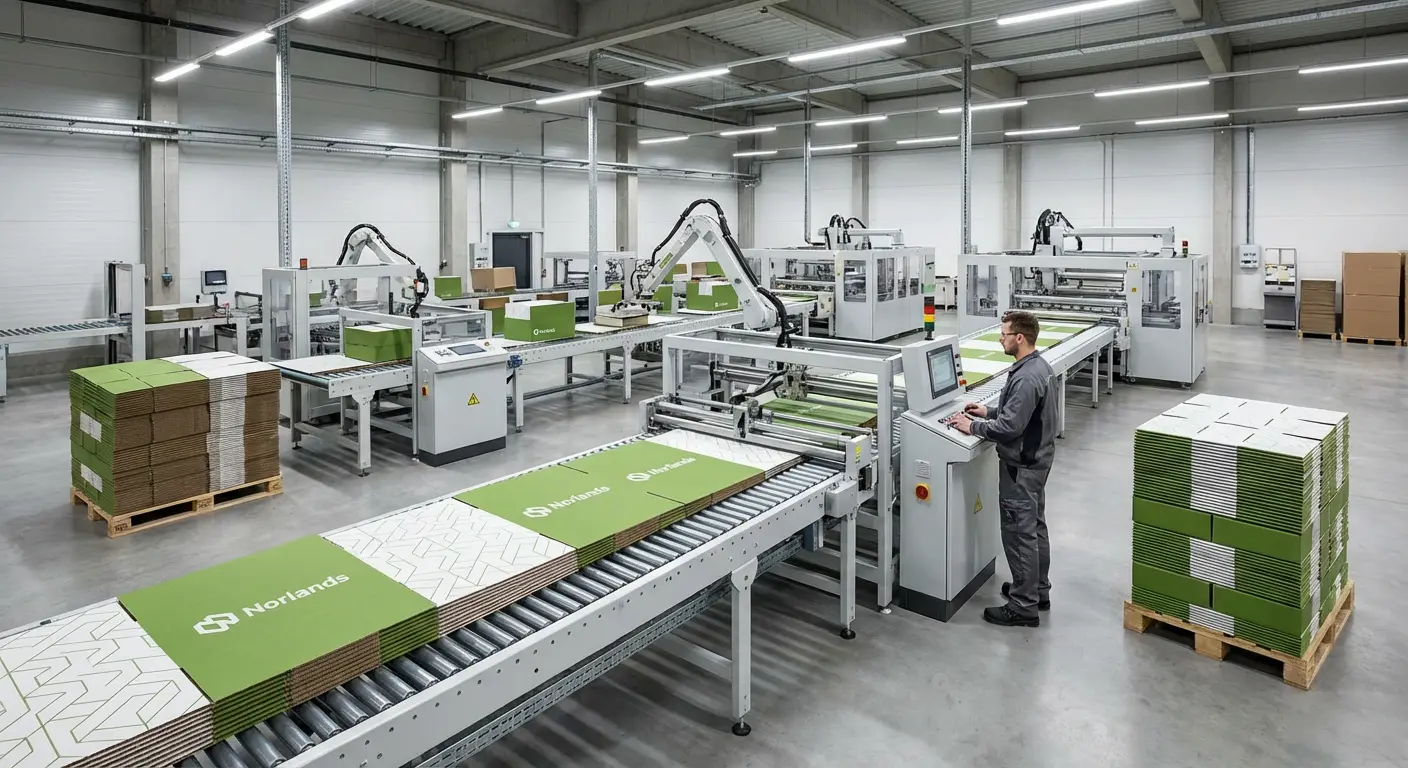
Accumulated Risks in Large-Scale Packaging Operations
The impact of packaging cost optimization becomes more significant as operations scale. In high-volume production environments, even a small increase in damage rates or inefficiencies can result in substantial financial losses. For example, a 1–2% increase in product damage may seem minor, but across thousands or millions of shipments, the cost becomes significant.
These accumulated risks are especially critical in industries with tight margins or high customer expectations. E-commerce businesses, for instance, rely heavily on packaging performance to ensure products arrive in perfect condition. Any decline in packaging quality can lead to negative customer experiences, increased returns, and damage to brand reputation.
As these issues compound over time, businesses often find themselves facing higher total costs than before the initial optimization. This is why evaluating performance vs price packaging is essential. Companies that consider both immediate savings and long-term implications are better positioned to maintain operational stability while controlling costs.
Ultimately, packaging cost optimization must be approached with a long-term perspective. Organizations that fail to account for how risks accumulate over time may achieve short-term savings but at the expense of overall performance. Understanding how these risks evolve is a critical step in building sustainable packaging strategies that minimize exposure to packaging cost optimization risks.
Packaging Cost Optimization Risks vs Operational Reliability
Packaging cost optimization risks become most visible when they begin to affect operational reliability—the ability of a business to maintain consistent production, protect products, and deliver orders without disruption. While cost reduction may initially improve financial metrics, any compromise in packaging performance can directly weaken the stability of the entire supply chain.
Operational reliability depends on consistency. Packaging must perform the same way across thousands of shipments, under varying conditions, and across different handling environments. When businesses introduce lower-cost packaging solutions without proper evaluation, they often reduce this consistency, creating variability that leads to unpredictable outcomes.
Hidden Damage From Low-Grade Materials
One of the most underestimated risks is the use of lower-grade packaging materials. These materials may appear sufficient under controlled conditions, but real-world logistics environments are far more demanding. Products are stacked, transported over long distances, exposed to vibration, and handled multiple times before reaching the customer.
Lower-quality corrugated boards, weaker structural designs, or inferior adhesives can result in subtle but frequent failures. Boxes may compress under stacking pressure, protective layers may fail to absorb impact, or seals may weaken during transit. These issues often go unnoticed until they result in product damage, increased returns, or customer complaints.
The problem is not always catastrophic failure—it is the accumulation of minor damage incidents that gradually increase operational costs. Businesses may start to see patterns such as slightly higher return rates, more frequent customer service issues, or inconsistent delivery outcomes. Over time, these issues become a measurable operational burden.
Long-Term Cost Escalation From Short-Term Savings
Cost optimization decisions that prioritize immediate savings often lead to long-term packaging costs that exceed the original budget. While the per-unit packaging cost may decrease, the indirect costs associated with performance issues begin to rise.
These costs can include product replacements, reverse logistics, additional packaging layers added later to compensate for initial weaknesses, and increased labor for handling damaged goods. In some cases, businesses may also need to redesign packaging entirely after discovering that the optimized version cannot support operational requirements.
Another critical factor is brand perception. Customers who receive damaged or poorly packaged products are less likely to trust the brand, leading to lost repeat business and negative reviews. This impact is difficult to quantify but can have long-term consequences for market position and customer loyalty.
Ultimately, the balance between cost and reliability must be carefully managed. Businesses that focus only on reducing packaging expenses risk undermining the very systems that support their operations. A more strategic approach involves evaluating packaging decisions through a risk-based packaging strategy, ensuring that cost reductions do not compromise performance where it matters most.
Companies that successfully align cost optimization with operational reliability are able to maintain consistent performance while controlling expenses. Those that fail to consider this balance often discover that short-term savings come at the expense of long-term stability—highlighting the importance of understanding packaging cost optimization risks.
When Cost Optimization Still Makes Strategic Sense
Packaging cost optimization risks do not mean that cost reduction should be avoided altogether. On the contrary, cost optimization can be highly effective when applied strategically and with a clear understanding of where performance can be adjusted without introducing operational risk. The key difference lies in how decisions are evaluated—successful businesses focus on controlled optimization rather than aggressive cost cutting.
Identifying Low-Risk Cost Reduction Opportunities
Not all packaging components carry the same level of risk. Some elements are critical to product protection, while others have minimal impact on performance. Businesses that analyze their packaging structure in detail can identify areas where cost savings can be achieved safely.
For example, secondary packaging layers, over-specification of materials, or excessive design features may provide opportunities for optimization without compromising protection. By evaluating real-world usage conditions, companies can determine whether certain materials or design elements are stronger than necessary and adjust specifications accordingly.
This approach allows organizations to reduce costs while maintaining functional integrity, avoiding the low-cost packaging trade-offs that lead to long-term issues.
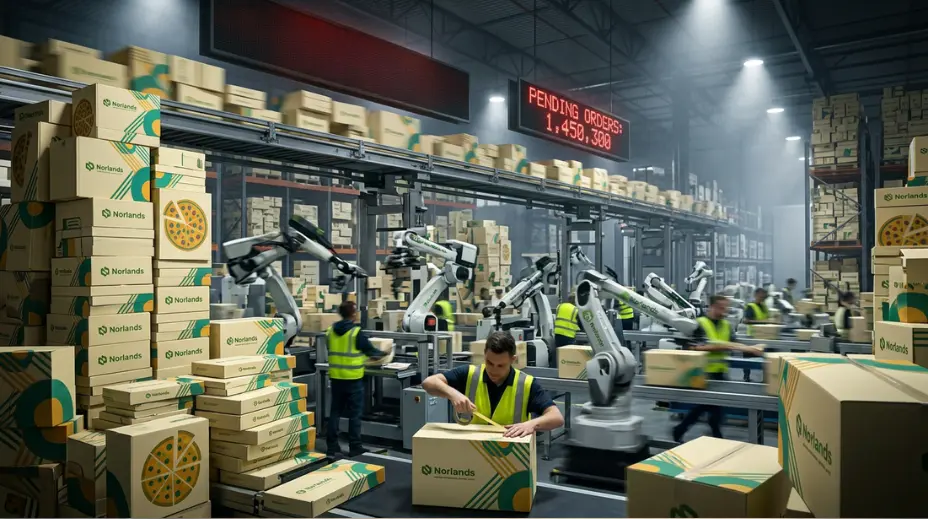
Smart Material Substitution Without Performance Loss
One of the most effective strategies is selective material substitution. Instead of simply choosing cheaper materials, businesses can work with packaging engineers and suppliers to identify alternative materials that offer similar performance at a lower cost.
Advancements in packaging technology have made it possible to achieve strength and durability with more efficient material usage. Optimized corrugated structures, improved material composition, and better design engineering can deliver comparable performance while reducing overall cost.
However, these changes must be tested under real operational conditions. Businesses that validate performance through testing ensure that material substitutions do not introduce hidden weaknesses that could affect reliability.
Aligning Cost Strategy With Product Requirements
Cost optimization should always be aligned with the specific requirements of the product being packaged. High-value, fragile, or sensitive products require higher levels of protection, while more durable items may allow for greater flexibility in packaging design.
By segmenting products based on risk level, companies can apply different packaging strategies across their product lines. This targeted approach ensures that cost reductions are applied where appropriate while maintaining high-performance packaging for products that demand it.
This alignment is a core principle of performance vs price packaging decision-making. Instead of applying a single cost reduction strategy across all packaging, businesses tailor their approach based on product characteristics, distribution conditions, and customer expectations.
When implemented correctly, cost optimization becomes a tool for improving efficiency rather than a source of risk. Companies that adopt a structured and analytical approach are able to reduce unnecessary expenses while maintaining operational stability—minimizing exposure to packaging cost optimization risks.
Balancing Cost and Performance in Packaging Decisions
Packaging cost optimization risks can only be effectively managed when businesses adopt a structured approach that balances financial efficiency with real-world performance. The goal is not to eliminate cost reduction efforts, but to ensure that every decision is evaluated within a broader operational context. Companies that succeed in this area move beyond simple price comparisons and instead focus on total value, reliability, and long-term impact.
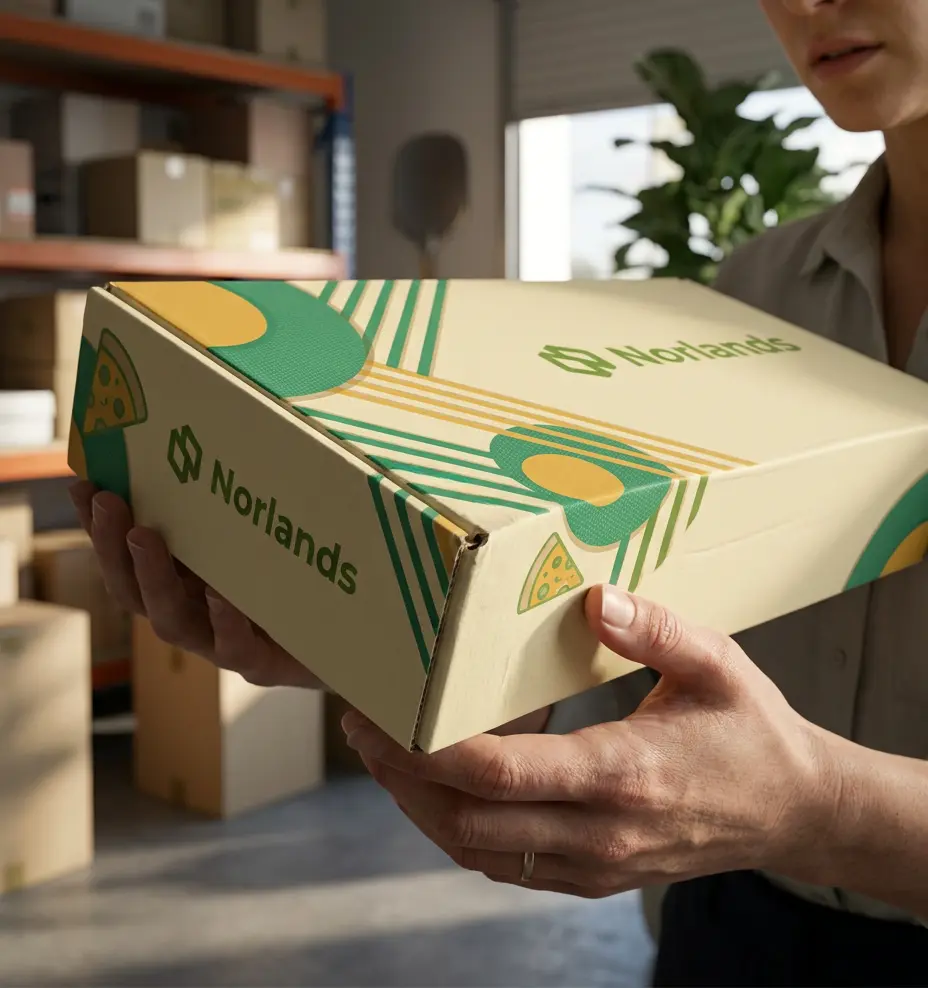
Performance vs Price Packaging Frameworks
A key method for achieving this balance is implementing performance vs price packaging frameworks. These frameworks evaluate packaging decisions based on multiple criteria, including durability, protection level, transportation conditions, and total cost of ownership. Instead of selecting the lowest-cost option, businesses assess whether a packaging solution meets performance requirements under actual operating conditions.
Industry insights from IBM highlight that effective supply chain management depends on balancing cost efficiency with reliability and risk control. Organizations that focus only on cost reduction without considering operational performance often expose themselves to disruptions, inefficiencies, and higher long-term expenses. This perspective reinforces why packaging decisions must be evaluated beyond price, aligning with broader supply chain stability and performance goals.
This approach allows companies to identify scenarios where lower-cost packaging is appropriate and where higher-quality materials are necessary. For example, products shipped locally with minimal handling may tolerate lighter packaging, while items transported across long distances require more robust protection.
By applying structured evaluation models, businesses avoid oversimplified cost decisions and ensure that packaging choices support operational needs.
Risk-Based Packaging Strategy Implementation
Another essential component is adopting a risk-based packaging strategy, where packaging decisions are guided by the level of risk associated with each product and distribution channel. This strategy involves analyzing factors such as product fragility, shipping distance, handling frequency, and environmental exposure.
Products with higher risk profiles require more durable and reliable packaging solutions, even if they come at a higher cost. Conversely, lower-risk products can be packaged more efficiently without compromising performance. This segmentation allows businesses to optimize costs selectively rather than applying uniform reductions across all packaging.
A risk-based approach also helps organizations anticipate potential issues before they occur. By understanding where vulnerabilities exist, companies can proactively design packaging systems that minimize failure rates and protect operational continuity.
How Packaging Lead Time Management Canada Impacts Business Stability
Quick question:
You might also like
Evaluating Total Cost of Ownership in Packaging
One of the most important concepts in balancing cost and performance is evaluating the total cost of ownership rather than focusing solely on unit price. Packaging costs extend beyond the initial purchase price and include indirect expenses such as product damage, returns, logistics disruptions, and customer service impact.
When businesses calculate total cost of ownership, they often discover that slightly higher upfront packaging costs can lead to lower overall expenses. Stronger, more reliable packaging reduces damage rates, improves delivery performance, and enhances customer satisfaction—all of which contribute to long-term financial efficiency.
This broader perspective shifts decision-making from short-term savings to long-term value creation. Companies that integrate total cost analysis into their packaging strategy are better equipped to avoid costly mistakes and maintain consistent performance.
Ultimately, balancing cost and performance requires a disciplined, data-driven approach. Businesses that invest in structured evaluation methods, risk analysis, and long-term cost assessment can optimize packaging expenses without compromising operational reliability. By aligning financial goals with functional requirements, organizations create sustainable packaging systems that minimize exposure to packaging cost optimization risks.
Strategic Implications of Packaging Cost Decisions for Businesses
Packaging cost optimization risks influence far more than procurement budgets—they shape brand perception, operational efficiency, and long-term scalability. Businesses that approach packaging decisions strategically understand that every cost-related choice has downstream effects that extend across production, logistics, and customer experience.
Protecting Brand Reputation Through Packaging Quality
Packaging is often the first physical touchpoint between a product and the customer. When packaging fails—whether through visible damage, poor structure, or low-quality presentation—it directly impacts how customers perceive the brand.
Even small packaging failures can create a negative impression. Damaged boxes, crushed edges, or inadequate protection can signal a lack of quality control. Over time, repeated issues reduce customer trust and can lead to negative reviews, decreased retention, and loss of competitive positioning.
Maintaining packaging quality is therefore not just a technical requirement—it is a strategic investment in brand reputation. Businesses that prioritize performance over short-term savings are better positioned to deliver consistent customer experiences.
Reducing Long-Term Packaging Costs Through Smart Investment
While cost optimization often focuses on reducing immediate expenses, the most effective strategy is to reduce long-term packaging costs through smart investment. Higher-quality packaging materials and well-engineered designs can significantly reduce product damage, minimize returns, and streamline logistics operations.
This approach may involve higher upfront costs, but it leads to greater efficiency over time. Businesses benefit from fewer disruptions, lower replacement rates, and improved operational consistency. In many cases, investing in better packaging reduces the total cost of ownership and creates more predictable financial outcomes.
Companies that evaluate packaging decisions through a long-term lens are better able to avoid the hidden costs associated with poor-quality materials and reactive problem-solving.
Building Sustainable and Scalable Packaging Systems
Scalability is another critical factor influenced by packaging decisions. As businesses grow, packaging systems must be able to support increasing production volumes without introducing new risks or inefficiencies.
Sustainable packaging strategies focus on consistency, reliability, and adaptability. Companies that build scalable systems—supported by strong supplier relationships and well-defined performance standards—can expand operations without compromising packaging quality.
This scalability is particularly important in industries experiencing rapid growth, such as e-commerce and consumer goods. Businesses that fail to address packaging performance early may face compounding issues as volumes increase, making it more difficult and costly to correct problems later.
Frequently Asked Questions (FAQ)
What are packaging cost optimization risks?
They are the potential negative impacts—such as product damage, operational disruption, and higher long-term costs—that result from reducing packaging expenses without proper evaluation.
Why can cheap packaging increase long-term costs?
Lower-quality materials often lead to higher damage rates, returns, and logistics issues, which increase total operational expenses over time.
How does packaging quality affect business performance?
High-quality packaging improves product protection, reduces returns, and enhances customer satisfaction, directly supporting operational efficiency.
When is cost optimization safe in packaging?
It is safe when applied strategically—such as optimizing non-critical components or using alternative materials that maintain performance standards.
What is a risk-based packaging strategy?
It is an approach that evaluates packaging decisions based on product risk, logistics conditions, and performance requirements to balance cost and reliability.
Conclusion: Rethinking Cost Optimization in Packaging Strategy
Packaging cost optimization risks should not be viewed as a reason to avoid cost control, but as a reminder that cost decisions must be made within a broader strategic framework. Businesses that focus only on reducing expenses often overlook the long-term consequences that affect operational reliability, customer experience, and overall financial performance.
A balanced approach—one that integrates performance evaluation, risk analysis, and total cost of ownership—allows companies to optimize packaging costs without compromising quality. By adopting risk-based packaging strategy principles and aligning decisions with real-world conditions, organizations can achieve both efficiency and stability.
In today’s competitive and fast-moving markets, packaging is no longer just a supporting function—it is a critical component of business success. Companies that invest in smart, performance-driven packaging systems will be better equipped to grow sustainably, maintain customer trust, and navigate operational challenges while minimizing exposure to packaging cost optimization risks.






No comment