
Table of Contents
ToggleIntroduction
Ecommerce packaging optimization Canada has become a defining factor for businesses competing in fast-moving digital marketplaces where efficiency, cost control, and customer experience intersect. As online retail continues to expand across Canada, packaging is no longer just a protective layer—it is a strategic tool that directly impacts shipping performance, operational costs, and brand perception.
Unlike traditional retail, where products are shipped in bulk to stores, e-commerce relies on individual parcel delivery. This shift has transformed packaging requirements. Every order must be packaged, protected, and shipped efficiently, often across long distances and through multiple handling stages. In Canada, where logistics networks span vast regions and transportation costs are significant, inefficient packaging can quickly erode profit margins.
Packaging plays a critical role in the customer journey. It is the first physical interaction customers have with a brand after placing an order. Oversized boxes, excessive materials, or damaged packaging can create a negative experience, while well-designed packaging reinforces professionalism and reliability. This is why businesses are investing in ecommerce packaging solutions that balance protection, efficiency, and presentation.
From an operational perspective, packaging optimization is closely tied to shipping efficiency packaging. Right-sized packaging reduces dimensional weight, lowers shipping costs, and improves space utilization in transportation. For high-volume fulfillment operations, even small improvements in packaging design can result in significant cost savings over time.
At the same time, companies must develop a structured fulfillment packaging strategy that aligns packaging processes with order volume, product variety, and delivery speed expectations. Automation, data-driven decision-making, and scalable packaging systems are becoming essential components of modern e-commerce operations.
As competition intensifies, businesses that optimize packaging gain a clear advantage. They can deliver faster, reduce costs, and create a better customer experience—all while maintaining operational efficiency. In today’s market, mastering ecommerce packaging optimization Canada is not just about logistics—it is about competing effectively in a rapidly evolving digital economy.
Why Ecommerce Packaging Optimization Canada Impacts Customer Experience
Ecommerce packaging optimization Canada directly shapes how customers perceive a brand from the moment a package arrives at their door. In e-commerce, there is no in-store interaction—packaging becomes the first physical touchpoint, making it a critical part of the overall customer experience.

First Impression Through Packaging in Online Retail
When customers receive an order, the packaging immediately communicates the brand’s level of professionalism and attention to detail. Oversized boxes, excessive void fill, or damaged packaging can create a negative first impression, even if the product inside is intact.
Optimized packaging, on the other hand, reflects efficiency and care. Right-sized boxes, clean presentation, and well-structured packaging show that the company values both the product and the customer. This is especially important in Canada, where shipping distances are long and packaging often undergoes multiple handling stages before delivery.
Unboxing Experience and Brand Perception
The unboxing experience has become an important part of brand identity, particularly in competitive online markets. Customers increasingly expect packaging to be easy to open, organized, and visually appealing.
Well-designed ecommerce packaging solutions enhance this experience by balancing functionality with presentation. Simple design elements, minimal waste, and thoughtful packaging structure can make the experience more enjoyable without adding unnecessary cost.
Positive unboxing experiences contribute to stronger brand perception, encourage repeat purchases, and can even lead to organic promotion through social sharing.
Delivery Performance and Packaging Efficiency
Customer experience is also influenced by how well packaging performs during transit. Damaged products, delayed shipments due to inefficient packaging, or excessive packaging materials can all negatively impact satisfaction.
Efficient shipping efficiency packaging ensures that products are protected while minimizing size and weight. This reduces the likelihood of damage and helps maintain faster, more reliable delivery timelines.
In Canada’s logistics environment, where packages often travel long distances and pass through multiple distribution points, packaging efficiency is directly tied to delivery performance. Businesses that optimize packaging improve both reliability and speed, which are key factors in customer satisfaction.
Ultimately, packaging is not just about protecting products—it is about delivering a complete experience. Companies that invest in optimized packaging systems are able to create positive interactions at every stage of delivery, reinforcing trust and loyalty. This makes ecommerce packaging optimization Canada a critical element in shaping customer experience and long-term brand success.
Ecommerce Packaging Optimization Canada vs Traditional Retail Packaging
Ecommerce packaging optimization Canada requires a fundamentally different approach compared to traditional retail packaging. While retail packaging is designed primarily for shelf presentation and bulk transport, e-commerce packaging must perform under individual parcel shipping conditions where speed, protection, and cost efficiency are critical.
Speed vs Protection Trade-Offs
In traditional retail, products are shipped in bulk on pallets and handled relatively fewer times before reaching store shelves. This allows packaging to focus more on branding and display rather than extreme durability. In contrast, e-commerce packages move through complex logistics networks, where they are sorted, transferred, and handled multiple times before delivery.
This creates a constant trade-off between speed and protection. Packaging must be strong enough to prevent damage but also efficient enough to support fast fulfillment operations. Overly complex packaging can slow down packing processes, while under-protective packaging increases the risk of damage.
Businesses must design packaging for online retailers that balances these factors, ensuring that packaging is easy to assemble, quick to process, and capable of protecting products throughout transit.

Packaging Size Optimization for Shipping Costs
Shipping carriers calculate costs based not only on actual weight but also on dimensional weight, which considers the size of the package. According to Canada Post, oversized packaging can increase shipping fees even when the product itself is lightweight, as larger parcels take up more space in transportation networks. This makes right-sized packaging a critical factor in reducing shipping expenses and improving overall logistics efficiency.One of the biggest differences between retail and e-commerce packaging is the importance of size optimization. In e-commerce, shipping costs are often calculated based on dimensional weight, meaning larger packages cost more to ship—even if they are lightweight.
Traditional retail packaging does not face this constraint to the same extent, as products are shipped in bulk. However, in e-commerce, inefficient packaging size can significantly increase shipping expenses.
This is where parcel optimization becomes essential. Businesses must design packaging that fits products as closely as possible, reducing empty space and minimizing the need for additional filler materials. Right-sized packaging lowers shipping costs, improves transportation efficiency, and reduces environmental impact.
Handling Differences Between Retail and Parcel Shipping
Retail packaging is typically designed for controlled environments, where products are handled in bulk and placed on shelves. E-commerce packaging, however, must withstand individual parcel handling, automated sorting systems, and last-mile delivery conditions.
Packages may be dropped, stacked, or exposed to varying conditions during transit. This requires stronger shipping efficiency packaging solutions that can handle repeated stress without compromising product integrity.
In Canada, these challenges are amplified by long shipping distances and diverse logistics conditions. Products may travel across multiple provinces, increasing the need for packaging that performs consistently under different environments.
Ultimately, the shift from retail to e-commerce packaging requires a new mindset. Businesses must prioritize efficiency, durability, and scalability while maintaining a positive customer experience. Companies that successfully adapt to these requirements gain a competitive advantage by reducing costs, improving delivery performance, and enhancing overall efficiency—demonstrating the importance of ecommerce packaging optimization Canada.
Key Trends in Ecommerce Packaging Optimization Canada
Ecommerce packaging optimization Canada is evolving rapidly as businesses adapt to changing consumer expectations, rising shipping costs, and increasing operational complexity. Companies that stay ahead of these trends are able to improve efficiency, reduce costs, and strengthen their competitive position in the Canadian e-commerce landscape.
Rise of Sustainable Ecommerce Packaging Solutions
Sustainability has become a major driver of packaging innovation. Canadian consumers are increasingly prioritizing environmentally responsible brands, and packaging is one of the most visible indicators of that commitment.
Businesses are adopting recyclable materials, reducing plastic usage, and implementing minimal packaging designs that eliminate unnecessary waste. Many companies are integrating ecommerce packaging solutions that balance environmental impact with performance, ensuring products remain protected while reducing material consumption.
Sustainable packaging is no longer just a compliance requirement—it is a key factor in brand differentiation and customer loyalty.
Automation in Fulfillment Packaging Strategy
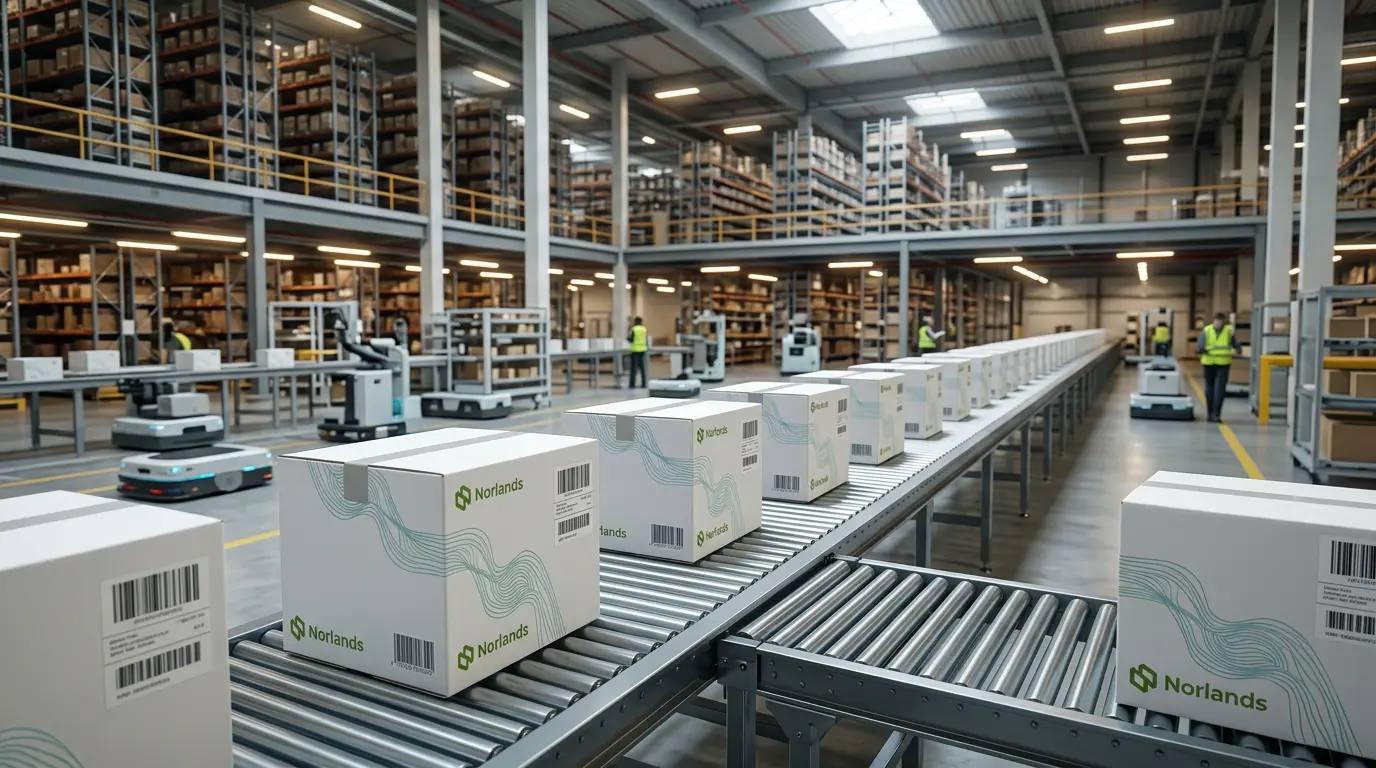
Automation is transforming how packaging is handled in high-volume fulfillment operations. Companies are investing in automated packing systems, right-sizing machines, and conveyor-based packaging lines to increase speed and accuracy.
A well-structured fulfillment packaging strategy incorporates automation to streamline operations, reduce labor costs, and improve consistency. Automated systems can select the optimal packaging size, apply protective materials efficiently, and prepare shipments at scale.
In Canada, where labor costs and operational efficiency are critical considerations, automation provides a significant competitive advantage.
Parcel Optimization and Cost Reduction
Shipping costs are one of the largest expenses in e-commerce, making parcel optimization a top priority for businesses. Companies are focusing on reducing package dimensions, eliminating void space, and improving load efficiency to lower shipping costs.
Optimized packaging allows more packages to fit within transportation capacity, reducing the number of shipments required. This not only lowers costs but also improves environmental performance by reducing fuel consumption and emissions.
Data-driven approaches are often used to analyze packaging performance and identify opportunities for improvement. Businesses that continuously refine their packaging systems are able to maintain cost efficiency even as order volumes increase.
Customization and Brand-Focused Packaging
While efficiency is critical, branding remains an important aspect of e-commerce packaging. Companies are finding ways to incorporate brand identity into packaging without compromising efficiency or increasing waste.
Customized packaging designs, branded inserts, and personalized messaging are being integrated into optimized packaging systems. This allows businesses to enhance the customer experience while maintaining operational efficiency.
The challenge is to balance branding with practicality. Companies that successfully integrate customization into their shipping efficiency packaging systems are able to create memorable customer experiences without adding unnecessary complexity or cost.
As these trends continue to shape the industry, businesses must adapt their packaging strategies to remain competitive. Organizations that embrace sustainability, automation, and data-driven optimization are better positioned to succeed in Canada’s evolving e-commerce market, reinforcing the importance of ecommerce packaging optimization Canada.

Advanced Operational Strategies Behind Ecommerce Packaging Optimization Canada
Ecommerce packaging optimization Canada reaches its full potential when it evolves from a basic packaging decision into a fully integrated operational strategy. In competitive markets, leading brands treat Ecommerce packaging optimization Canada as a core performance driver that directly impacts cost efficiency, fulfillment speed, and customer satisfaction.
Instead of relying on isolated improvements, successful companies implement Ecommerce packaging optimization Canada across multiple layers of their operations—warehouse design, packaging workflows, supplier coordination, and data systems. This integrated approach ensures that every packaging decision supports broader business objectives, from reducing shipping costs to improving delivery performance.
As a result, Ecommerce packaging optimization Canada becomes a continuous improvement process rather than a one-time adjustment, allowing businesses to scale efficiently in high-demand environments.
Packaging Standardization and Flexibility in Ecommerce Packaging Optimization Canada
A critical component of Ecommerce packaging optimization Canada is the balance between standardization and flexibility. High-performing e-commerce businesses in Canada typically develop a controlled range of packaging formats designed to handle the majority of order variations while maintaining adaptability for unique cases.
Through Ecommerce packaging optimization Canada, companies reduce complexity by limiting the number of packaging SKUs, which leads to faster packing times, lower inventory costs, and improved operational consistency. Standardized box sizes, mailers, and inserts allow fulfillment teams to operate more efficiently without compromising performance.
At the same time, Ecommerce packaging optimization Canada requires flexibility to handle diverse product types and order combinations. This includes the use of adjustable packaging formats, modular inserts, and hybrid solutions that adapt to different product dimensions without sacrificing protection or efficiency.
This balance is essential, as over-standardization can lead to wasted space and higher shipping costs, while excessive customization can slow down operations and increase expenses. Ecommerce packaging optimization Canada ensures that businesses achieve both efficiency and adaptability at scale.
Shipping Efficiency and Cost Control Through Ecommerce Packaging Optimization Canada
One of the most impactful outcomes of Ecommerce packaging optimization Canada is the improvement of shipping efficiency. In a country like Canada—where long distances and regional logistics challenges significantly affect transportation costs—optimizing packaging for shipping is not optional; it is essential.
Upgrade to Smarter Packaging with Custom Die Cut Solutions
Not all packaging challenges can be solved with standard boxes. If your products require better fit, stronger protection, or a more refined unboxing experience, custom die cut packaging can significantly improve your Ecommerce packaging optimization Canada strategy.
From mailers to retail-ready displays, Norlands designs and manufactures die cut boxes tailored to your exact product dimensions—helping reduce void space, lower shipping costs, and enhance brand presentation.
Whether you’re shipping fragile goods, subscription products, or high-volume e-commerce orders, the right die cut solution can transform both efficiency and customer experience.
Ecommerce packaging optimization Canada focuses heavily on reducing dimensional weight, which is a key factor in carrier pricing models. By right-sizing packaging to match product dimensions, businesses can significantly lower shipping costs across large volumes of orders.
Additionally, Ecommerce packaging optimization Canada involves optimizing how packages move through the logistics network. This includes:
- Designing cartons that stack efficiently on pallets
- Maximizing trailer space utilization
- Reducing void fill and unnecessary packaging materials
These improvements compound over time, creating measurable cost savings and increasing overall logistics efficiency. Ecommerce packaging optimization Canada ultimately transforms packaging into a cost-control mechanism rather than a cost burden.
Data-Driven Decision Making in Ecommerce Packaging Optimization Canada
Modern Ecommerce packaging optimization Canada is heavily driven by data. Businesses that rely on analytics outperform competitors by continuously refining their packaging strategies based on real-world performance metrics.
Through Ecommerce packaging optimization Canada, companies analyze:
- Order size and product combinations
- Shipping costs and carrier performance
- Damage rates and return reasons
- Packing time and labor efficiency
This data allows businesses to test and validate different packaging configurations. A/B testing becomes a powerful tool within Ecommerce packaging optimization Canada, helping identify the most efficient and protective packaging solutions.
Advanced operations integrate this data directly into warehouse systems such as WMS and OMS platforms. These systems can automatically recommend or select the optimal packaging format for each order, ensuring consistency and efficiency at scale.
This level of automation and intelligence is what differentiates basic packaging practices from true Ecommerce packaging optimization Canada.
Supplier Collaboration and Scalable Systems in Ecommerce Packaging Optimization Canada
Another essential pillar of Ecommerce packaging optimization Canada is strong collaboration with packaging suppliers. Businesses that build strategic partnerships with suppliers gain access to innovation, scalability, and cost optimization opportunities.
In Ecommerce packaging optimization Canada, suppliers play a key role by:
- Introducing new materials and structural designs
- Providing insights on cost-effective production methods
- Supporting rapid prototyping and testing
As order volumes grow, Ecommerce packaging optimization Canada requires packaging systems that can scale without disrupting operations. This often involves transitioning to automation-ready packaging formats and establishing flexible supply agreements.
Dual sourcing strategies are also common in Ecommerce packaging optimization Canada, helping reduce risk and ensure continuity during supply chain disruptions.
By working closely with suppliers, businesses can continuously improve their packaging systems and stay competitive in rapidly evolving e-commerce markets.
How Protective Packaging Engineering Canada Prevents Costly Product Damage
Quick question:
You might also like..
Strategic Impact of Ecommerce Packaging Optimization Canada on Business Growth
Ecommerce packaging optimization Canada delivers far-reaching benefits that extend beyond logistics. When implemented effectively, it becomes a strategic advantage that influences profitability, brand perception, and long-term growth.
Optimize Your Packaging Strategy Before It Costs You More
If your current packaging setup is increasing shipping costs, slowing down fulfillment, or creating unnecessary waste, it may be time to rethink your approach to Ecommerce packaging optimization Canada.
At Norlands, we help businesses transform packaging into a performance-driven system—reducing costs, improving efficiency, and enhancing customer experience across every shipment.
Whether you're scaling your operations or refining your existing workflow, the right packaging strategy can make a measurable difference.
Through Ecommerce packaging optimization Canada, businesses can:
- Reduce operational and shipping costs
- Improve order accuracy and fulfillment speed
- Enhance customer experience and brand perception
- Support sustainability initiatives by reducing waste
In highly competitive digital markets, these advantages create meaningful differentiation. Ecommerce packaging optimization Canada allows businesses to operate more efficiently while delivering a better overall experience to customers.
Ultimately, companies that invest in Ecommerce packaging optimization Canada position themselves for scalable growth, stronger customer loyalty, and improved financial performance in the Canadian e-commerce landscape.
Frequently Asked Questions (FAQ)
What is ecommerce packaging optimization Canada?
It is the process of improving packaging design and processes to reduce costs, increase efficiency, and enhance customer experience in Canadian e-commerce operations.
How does packaging affect ecommerce customer experience?
Packaging influences first impressions, protects products during shipping, and impacts overall satisfaction with the delivery.
How can businesses reduce shipping costs through packaging?
By optimizing package size, reducing weight, and improving parcel efficiency to lower dimensional shipping costs.
What are the latest trends in ecommerce packaging?
Sustainable materials, automation, right-sizing technology, and data-driven packaging decisions are key trends.
How do Canadian brands optimize packaging for online retail?
By combining efficient design, automation, supplier collaboration, and continuous performance analysis.
Conclusion: Efficiency as a Competitive Advantage in Ecommerce
Ecommerce packaging optimization Canada has evolved into a key competitive factor for businesses operating in digital marketplaces. As customer expectations continue to rise and shipping costs remain a major operational expense, companies must prioritize efficiency, protection, and scalability in their packaging strategies.
By integrating advanced ecommerce packaging solutions, data-driven optimization, and scalable fulfillment systems, businesses can reduce costs while improving delivery performance and customer experience. These improvements not only enhance operational efficiency but also strengthen brand positioning in a crowded market.
In Canada’s unique logistics environment, where distance and infrastructure play a significant role, optimized packaging becomes even more critical. Companies that invest in packaging optimization are better equipped to handle growth, adapt to changing demand, and maintain consistent performance.
Ultimately, packaging is no longer just a logistical necessity—it is a strategic advantage. Businesses that embrace ecommerce packaging optimization Canada as a core capability will be better positioned to compete, scale, and succeed in the evolving e-commerce landscape.






No comment