
Introduction
Packaging efficiency metrics Canada have become a critical tool for businesses seeking to improve operational performance, control costs, enhance customer satisfaction, and make smarter supply chain decisions. In today’s competitive Canadian market, packaging is no longer viewed simply as a protective layer around a product. It has evolved into a measurable business function that directly impacts profitability, logistics efficiency, sustainability performance, and overall customer experience. Organizations that actively monitor packaging performance gain valuable insights that allow them to identify inefficiencies, reduce waste, and optimize operations across the entire supply chain.
As businesses face increasing pressure to manage costs while maintaining service quality, the ability to accurately measure packaging performance has become more important than ever. Rising transportation expenses, evolving sustainability regulations, labor challenges, and growing customer expectations are forcing companies to examine every aspect of their packaging operations. Without clear measurement systems in place, organizations often struggle to understand where inefficiencies exist or how packaging decisions affect broader business objectives.
Across Canada, manufacturers, distributors, retailers, and e-commerce companies are increasingly relying on packaging KPIs, advanced reporting systems, and data-driven decision-making processes to evaluate packaging effectiveness. These measurements help businesses move beyond assumptions and focus on objective performance indicators that reveal opportunities for improvement. From monitoring shipping damage rates to analyzing material utilization and labor productivity, modern packaging analytics provide a detailed picture of how packaging operations contribute to overall business success.
The most successful organizations understand that effective efficiency measurement packaging strategies do more than generate reports. They create actionable insights that support continuous improvement, stronger customer relationships, and long-term operational stability. As Canadian businesses continue investing in automation, sustainability, and supply chain optimization, understanding and applying packaging performance metrics has become essential for maintaining a competitive advantage. The ability to track and improve packaging efficiency metrics Canada is increasingly becoming a defining characteristic of high-performing organizations.

Why Packaging Efficiency Metrics Canada Are Essential
Packaging efficiency metrics Canada have become one of the most valuable tools for businesses seeking to improve operational performance, reduce costs, and strengthen supply chain competitiveness. In an increasingly data-driven business environment, organizations can no longer rely on assumptions, historical practices, or subjective evaluations when making packaging decisions. Instead, businesses are turning to measurable performance indicators that provide objective insights into how packaging systems affect profitability, logistics efficiency, sustainability performance, and customer satisfaction. As Canadian industries continue facing rising transportation costs, fluctuating material prices, labor challenges, and increasing customer expectations, packaging efficiency metrics Canada provide the visibility needed to identify inefficiencies and make informed operational improvements. Companies that consistently monitor packaging performance are often able to optimize resources more effectively while creating stronger and more resilient supply chain operations. Packaging efficiency metrics Canada allow businesses to move beyond reactive decision-making and adopt a proactive approach focused on continuous improvement, operational accountability, and long-term scalability.Data-Driven Decision Making Through Packaging Efficiency Metrics Canada
One of the primary reasons packaging efficiency metrics Canada are essential is their ability to support data-driven decision making. Many businesses invest substantial resources in packaging materials, equipment, labor, warehousing, and transportation without fully understanding how efficiently those investments are performing. Without structured measurement systems:- Material waste often goes unnoticed
- Shipping inefficiencies remain hidden
- Labor productivity declines over time
- Packaging costs increase without clear explanation
- Material utilization rates
- Packaging costs per unit shipped
- Damage frequencies
- Warehouse efficiency
- Transportation performance
Industry research highlights that organizations increasingly rely on data-driven performance measurement to improve supply chain visibility, optimize operational efficiency, and support continuous improvement initiatives. Advanced analytics and real-time performance monitoring help businesses identify inefficiencies more quickly, allocate resources more effectively, and make faster operational decisions based on measurable outcomes rather than assumptions.
Improving Cost Control Across Canadian Supply Chains
Cost management is another major reason businesses prioritize packaging efficiency metrics Canada. Packaging influences numerous cost categories throughout the supply chain, including:- Raw material consumption
- Labor requirements
- Warehousing costs
- Freight expenses
- Product damage and returns
- Oversized packaging formats
- Excessive material usage
- Poor pallet utilization
- Unnecessary transportation costs
- Shipping costs
- Packaging waste
- Inventory handling expenses
- Operational overhead
Enhancing Supply Chain Performance
Packaging efficiency metrics Canada also play a critical role in strengthening overall supply chain performance. Packaging affects nearly every stage of logistics operations, including:- Warehousing
- Inventory management
- Transportation
- Order fulfillment
- Customer delivery experience
- Damage rates
- Shipment accuracy
- Fulfillment speed
- Inventory turnover performance
Research from McKinsey highlights that advanced supply chain performance measurement and data-driven operational visibility are becoming essential for improving logistics efficiency, reducing costs, and increasing responsiveness to market changes. Organizations that actively track operational metrics are often better positioned to identify inefficiencies, optimize resource allocation, and strengthen overall supply chain performance. These findings reinforce the growing importance of packaging efficiency metrics Canada as part of broader supply chain optimization initiatives.
As supply chains become increasingly interconnected, packaging efficiency metrics Canada are becoming essential for maintaining operational reliability and scalability.Supporting Sustainability Objectives
Sustainability is another major factor driving the adoption of packaging efficiency metrics Canada. Businesses across Canada face growing pressure from customers, regulators, and industry stakeholders to reduce environmental impact and improve resource efficiency. Packaging efficiency metrics Canada help organizations measure:- Material consumption rates
- Packaging waste generation
- Recycling performance
- Resource utilization efficiency
- Reducing packaging weight lowers transportation emissions
- Improving material utilization decreases waste generation
- Optimizing package dimensions improves shipping efficiency
Packaging Analytics and Strategic Planning
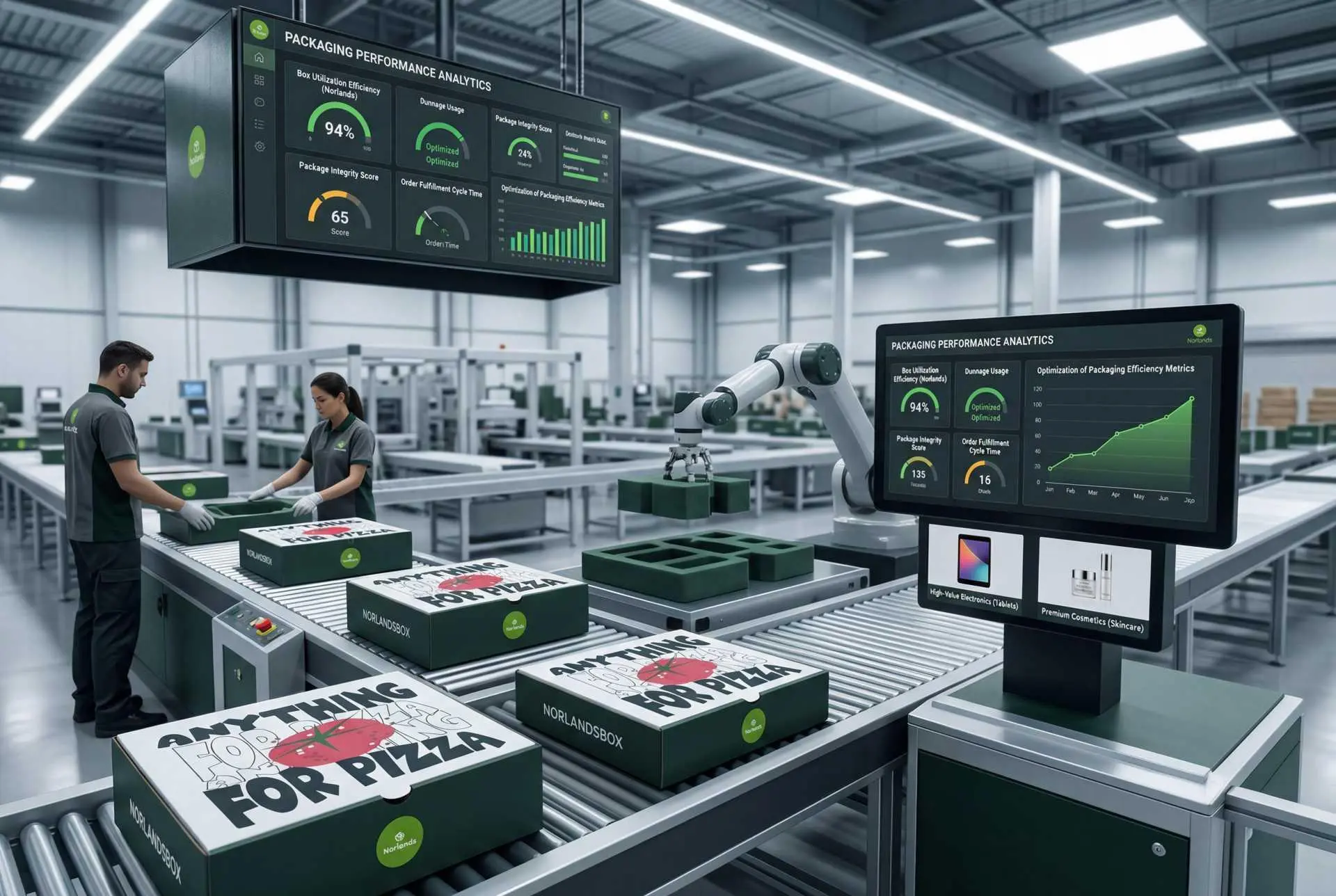
Modern organizations increasingly rely on packaging analytics supported by packaging efficiency metrics Canada to guide long-term business planning. Data-driven insights help decision-makers evaluate:- Supplier performance
- Packaging material effectiveness
- Automation opportunities
- Future capacity requirements
- Investment priorities
Creating Accountability and Continuous Improvement
Another important benefit of packaging efficiency metrics Canada is the accountability they create across organizations. Without measurable performance indicators, it is difficult to determine:- Whether operational improvements are working
- Which areas require attention
- How performance changes over time
- Establish measurable goals
- Track progress consistently
- Evaluate operational initiatives objectively
- Cost reduction
- Operational efficiency
- Customer satisfaction
- Supply chain resilience
Competitive Advantage Through Packaging Efficiency Metrics Canada
Perhaps the most important reason packaging efficiency metrics Canada are essential is their role in creating sustainable competitive advantage. Companies that actively measure and optimize packaging performance gain:- Better operational visibility
- Lower costs
- Stronger logistics efficiency
- Improved sustainability outcomes
- Enhanced customer experiences
How Returnable Packaging Systems Canada Reduce Long-Term Costs
Quick question:
You might also like
Long-Term Importance of Packaging Efficiency Metrics Canada
As Canadian industries continue modernizing their supply chains, packaging efficiency metrics Canada will become increasingly important for operational success. Organizations that prioritize measurement, analysis, and continuous improvement are better positioned to:- Improve packaging performance
- Reduce operational costs
- Strengthen sustainability initiatives
- Enhance customer satisfaction
- Support long-term scalability
Key Packaging Efficiency Metrics Canada to Track
Successful packaging operations are built on measurement. While every business has unique requirements, several core packaging efficiency metrics Canada consistently provide valuable insights into operational performance. These metrics help organizations evaluate costs, identify inefficiencies, improve product protection, and optimize overall packaging effectiveness. By regularly monitoring key indicators, businesses can make more informed decisions and create continuous improvement strategies based on real operational data rather than assumptions.
The most effective packaging KPIs provide a balanced view of financial performance, operational efficiency, customer satisfaction, and supply chain reliability. Rather than focusing on a single measurement, high-performing organizations track multiple indicators that collectively reveal how packaging impacts business performance. These measurements allow decision-makers to identify trends, compare results over time, and respond proactively to emerging challenges.
Cost per Unit
One of the most widely used packaging performance metrics is packaging cost per unit. This metric calculates the total packaging expense associated with each product shipped or produced. It typically includes material costs, labor expenses, equipment operation, storage requirements, and related packaging overhead.
Tracking cost per unit helps businesses understand the true financial impact of packaging decisions. A packaging design that appears inexpensive may actually generate higher transportation costs, increase labor requirements, or create inefficiencies that raise overall operational expenses. By monitoring this metric consistently, organizations can evaluate different packaging solutions and identify opportunities for cost optimization without compromising product protection or customer experience.
For Canadian businesses dealing with long transportation routes and fluctuating material prices, cost-per-unit analysis often reveals significant opportunities for improvement. Even small reductions in packaging costs can create substantial annual savings when applied across large production volumes.
Damage Rate
Another critical operational packaging metric is damage rate. This measurement tracks the percentage of products that arrive damaged during storage, handling, or transportation. Damage rate directly affects customer satisfaction, return costs, replacement expenses, brand reputation, and supply chain efficiency.
A low damage rate typically indicates that packaging systems are providing adequate protection while supporting smooth transportation and handling processes. Conversely, rising damage rates often signal problems with packaging design, material selection, handling procedures, or shipping conditions. Monitoring this metric allows businesses to identify vulnerabilities before they lead to widespread customer complaints or financial losses.
In Canada’s diverse transportation environment, where products may travel long distances through varying weather conditions and multiple distribution points, maintaining low damage rates is particularly important. Effective efficiency measurement packaging strategies often combine damage-rate analysis with root-cause investigations to identify specific factors contributing to product failures.
Beyond direct financial benefits, reducing damage rates improves customer trust and strengthens brand perception. Businesses that consistently deliver products in excellent condition are more likely to retain customers and build long-term loyalty.
Additional metrics often included in comprehensive packaging analytics programs include material utilization rates, packaging waste generation, packaging line productivity, order fulfillment accuracy, transportation cube utilization, inventory turnover, packaging cycle time, and sustainability performance indicators. Together, these measurements provide a complete view of packaging effectiveness and support ongoing operational optimization.
How Businesses Use Packaging Efficiency Metrics Canada
The true value of packaging efficiency metrics Canada is not simply collecting data—it is using that information to make smarter business decisions. High-performing organizations use packaging metrics as a strategic management tool that supports continuous improvement, operational optimization, cost control, and long-term growth. By transforming raw data into actionable insights, businesses can identify inefficiencies, improve resource allocation, and strengthen overall supply chain performance.
One of the most common applications of packaging analytics is cost optimization. Businesses regularly analyze packaging expenses to understand where materials, labor, transportation, and storage costs can be reduced without negatively affecting product protection. By reviewing trends within key packaging KPIs, organizations can identify packaging formats that consume excessive resources or create avoidable operational expenses. These insights often lead to packaging redesigns, material substitutions, automation investments, or process improvements that generate measurable financial savings.
Many Canadian manufacturers also use operational packaging metrics to improve production efficiency. Packaging lines are monitored for throughput, downtime, labor productivity, setup times, and equipment performance. When managers can see exactly where bottlenecks occur, they can make targeted improvements that increase productivity and reduce delays. This approach is particularly valuable in industries where packaging operations directly influence manufacturing output and customer delivery schedules.
Another major use of packaging performance metrics is transportation optimization. Freight costs continue to represent a significant operational expense for many Canadian businesses, especially those shipping products across provinces or into international markets. By analyzing package dimensions, weight efficiency, cube utilization, and damage rates, organizations can improve how products move through the supply chain. Better packaging decisions often lead to lower transportation costs, improved vehicle utilization, and reduced product loss during transit.

Customer experience is another area where efficiency measurement packaging delivers valuable insights. Businesses monitor damage rates, return frequencies, customer complaints, and delivery performance to evaluate how packaging affects customer satisfaction. When packaging metrics indicate recurring issues, organizations can take corrective action before problems begin affecting brand reputation or customer retention.
Sustainability initiatives increasingly depend on packaging measurement as well. Many companies track packaging material usage, recycling performance, waste reduction progress, and environmental impact indicators to support corporate sustainability goals. These metrics help organizations balance operational efficiency with environmental responsibility while meeting evolving customer expectations and regulatory requirements throughout Canada.
Executive teams often use packaging KPIs as part of broader strategic planning efforts. Reliable performance data supports budgeting decisions, capital investment evaluations, supplier assessments, and long-term supply chain planning. Rather than relying on assumptions, leadership teams can use measurable evidence to prioritize initiatives that deliver the greatest operational and financial benefits.
Ultimately, businesses that actively use packaging efficiency metrics Canada gain a clearer understanding of how packaging influences profitability, productivity, sustainability, and customer satisfaction. This visibility enables faster decision-making, stronger operational control, and a more resilient business model capable of adapting to changing market conditions.
Businesses that actively track packaging efficiency metrics Canada gain the visibility needed to improve operational performance, reduce unnecessary costs, and make more informed supply chain decisions. From monitoring packaging KPIs and packaging performance metrics to evaluating damage rates, cost per unit, material utilization, and transportation efficiency, data-driven packaging strategies help organizations identify improvement opportunities that support long-term growth. Companies looking to strengthen packaging analytics, improve operational packaging metrics, or optimize packaging performance across their supply chain can connect with the Norlands team, request a customized packaging assessment, or explore packaging solutions designed to improve efficiency, protection, and scalability for Canadian industries.
Frequently Asked Questions (FAQ)
What are packaging efficiency metrics?
Packaging efficiency metrics are measurements used to evaluate packaging cost, performance, productivity, quality, and operational effectiveness. They help businesses understand how well packaging systems support overall business objectives.
Why are packaging KPIs important?
Packaging KPIs provide objective data that helps organizations identify inefficiencies, reduce costs, improve product protection, and make informed operational decisions based on measurable performance.
Which packaging performance metrics should businesses track?
Common metrics include cost per unit, damage rate, material utilization, packaging line productivity, order accuracy, packaging waste, transportation efficiency, and sustainability performance indicators.
How do packaging analytics improve decision-making?
Packaging analytics transform operational data into actionable insights. Businesses can identify trends, evaluate performance, optimize processes, and prioritize improvements that generate measurable business value.
Can packaging efficiency metrics reduce costs?
Yes. By identifying inefficiencies in materials, labor, transportation, and packaging processes, businesses can implement targeted improvements that lower operational expenses and improve profitability.
How often should packaging metrics be reviewed?
Most businesses review key operational packaging metrics monthly or quarterly. However, high-volume operations often monitor critical performance indicators in real time to support faster decision-making and continuous improvement.
Businesses that actively track packaging efficiency metrics Canada gain a competitive advantage by turning packaging data into actionable business intelligence. By monitoring packaging KPIs, operational packaging metrics, damage rates, material utilization, transportation efficiency, and packaging costs, organizations can uncover hidden inefficiencies, improve resource allocation, and strengthen overall supply chain performance. From custom corrugated packaging solutions and packaging analytics programs to performance-driven packaging strategies designed for operational scalability, modern businesses are using measurement and reporting to drive continuous improvement. Companies looking to improve packaging performance, optimize packaging analytics, or build more efficient packaging systems for Canadian industries can connect with the Norlands team, request a customized packaging assessment, or explore packaging solutions engineered to improve efficiency, reliability, and long-term operational success.







No comment