
Defining Packaging Performance Objectives Introduction
Packaging performance testing Canada has become an essential part of modern packaging development as businesses work to reduce product damage, improve customer satisfaction, control operational costs, and strengthen supply chain reliability. In today’s competitive market, packaging must do far more than simply contain a product. It must withstand transportation stress, warehouse handling, environmental conditions, stacking pressure, and countless other challenges before reaching the end customer. When packaging fails, the consequences can extend far beyond the cost of a damaged box, affecting customer trust, brand reputation, operational efficiency, and profitability. Across Canada, businesses are shipping products through increasingly complex logistics networks. Products may travel thousands of kilometers by truck, rail, air, or sea while being exposed to varying temperatures, humidity levels, vibration, compression forces, and repeated handling events. Without proper testing, even well-designed packaging can fail under real-world conditions, creating avoidable losses and disruptions throughout the supply chain. As Canadian supply chains continue expanding through e-commerce, retail distribution, industrial manufacturing, and cross-border trade, the importance of packaging performance testing Canada has increased significantly. Businesses can no longer rely solely on packaging design assumptions or historical performance. Modern logistics environments expose packaging to a wider range of risks than ever before, making scientific testing and validation critical components of successful packaging strategies. To address these challenges, organizations are investing in structured packaging testing methods that evaluate packaging performance before products enter full-scale distribution. Rather than waiting for failures to occur in the marketplace, businesses can identify weaknesses during the design and development process. This proactive approach allows companies to improve packaging durability, optimize material selection, reduce waste, and ensure products arrive in excellent condition. Packaging performance testing Canada helps organizations answer critical operational questions such as:- Can the packaging withstand stacking pressure during warehousing?
- Will the package protect products during long-distance transportation?
- How will packaging perform under extreme temperature or humidity conditions?
- Can the structure resist vibration and impact throughout the distribution cycle?
- Is the packaging optimized for both protection and cost efficiency?
- Compression testing
- Drop testing
- Vibration testing
- Climatic conditioning
- Transportation simulations
- Material performance analysis

Why Packaging Performance Testing Canada Is Essential
Packaging performance testing Canada is essential because packaging failures rarely occur under ideal conditions. Most packaging performs adequately when sitting on a warehouse shelf or during controlled internal evaluations. The real challenge begins when products enter the supply chain and encounter the physical demands of transportation, storage, handling, and distribution. Every stage introduces risks that can compromise packaging integrity and ultimately affect product quality, customer satisfaction, and business profitability. Performance testing helps businesses understand these risks before products reach the market.
For many organizations, damaged products represent one of the most expensive hidden costs within the supply chain. Product returns, replacement shipments, customer complaints, inventory losses, and reputational damage can quickly exceed the initial cost of packaging materials. Even a small increase in failure rates can generate substantial financial consequences when multiplied across thousands of shipments. By implementing structured packaging testing methods, businesses can identify vulnerabilities early and reduce the likelihood of costly failures during distribution.
Logistics providers emphasize that packaging should be designed and tested to withstand real shipping environments, including stacking pressure, vibration, and repeated handling. Proper testing helps reduce product damage and improves delivery performance across complex distribution networks.
Canada presents unique logistical challenges that make packaging reliability especially important. Products often travel long distances across provinces, move through multiple transportation modes, and experience significant environmental variations throughout the year. From winter conditions in the Prairies to coastal humidity in British Columbia and long-haul freight routes across the country, packaging must consistently perform under a wide range of conditions. Without proper validation, businesses may unknowingly deploy packaging that cannot withstand these operational demands.
One of the primary objectives of durability testing packaging is to determine how packaging performs under realistic stress conditions. Testing allows organizations to evaluate material strength, structural integrity, protective performance, and long-term reliability. Rather than relying solely on theoretical calculations or supplier specifications, businesses gain measurable evidence regarding how packaging behaves during actual use.
Modern supply chains have also increased the importance of stress testing packaging procedures. E-commerce growth, automated warehousing systems, high-volume fulfillment operations, and faster delivery expectations place additional pressure on packaging systems. Packages may be stacked, dropped, compressed, vibrated, and handled repeatedly before reaching their destination. Testing helps ensure packaging can withstand these challenges while maintaining product protection throughout the distribution cycle.
Another critical benefit of testing is improved packaging quality control. Consistent testing standards help organizations verify that packaging materials and designs meet performance requirements before large-scale production begins. Quality control programs supported by testing data reduce variability, improve reliability, and provide greater confidence in packaging performance across different production batches and suppliers.
Testing also supports innovation and continuous improvement. As businesses explore new materials, sustainable packaging solutions, lightweight designs, and cost-reduction initiatives, performance testing provides the data needed to evaluate changes objectively. Companies can compare alternatives, validate improvements, and make informed decisions without compromising product protection.
Ultimately, product testing packaging is not simply a technical exercise—it is a risk management strategy. Businesses that invest in comprehensive testing programs are better equipped to reduce damage rates, improve customer experience, lower operational costs, and strengthen supply chain performance. In a marketplace where reliability directly influences customer loyalty and brand perception, packaging performance testing has become a critical component of long-term business success.
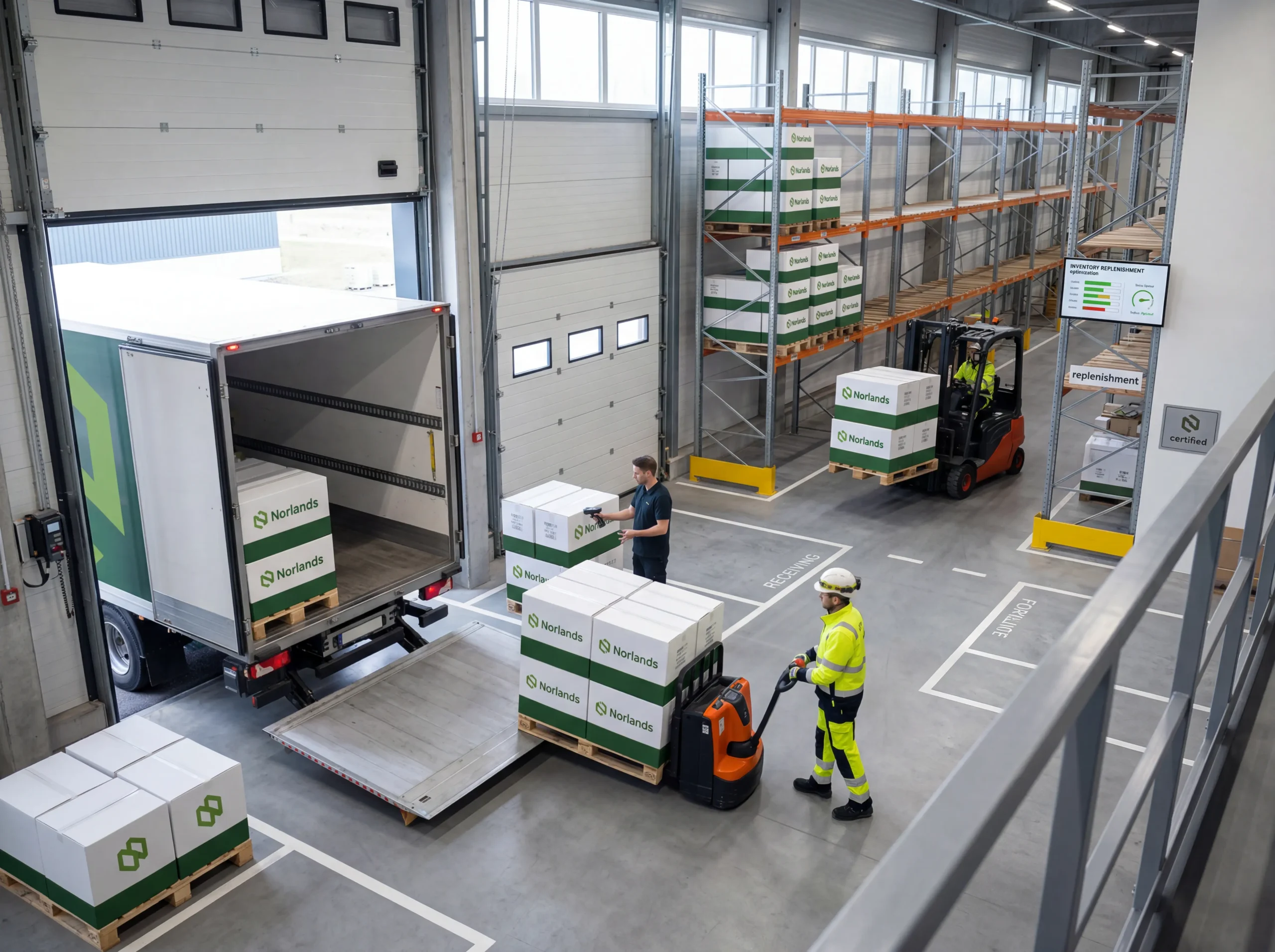
Types of Packaging Performance Testing Canada
Successful packaging performance testing Canada programs rely on multiple testing methods designed to simulate real-world conditions and identify potential weaknesses before packaging enters the supply chain. No single test can fully evaluate packaging performance because products encounter a wide range of physical, environmental, and logistical challenges during transportation and storage. For this reason, businesses often combine several packaging testing methods to create a comprehensive understanding of how packaging behaves under different conditions.
Modern testing programs are designed to replicate the stresses packages experience during warehousing, handling, transportation, distribution, and customer delivery. These assessments help organizations determine whether packaging can maintain structural integrity, protect products effectively, and support operational efficiency throughout its lifecycle. By using data-driven testing procedures, businesses can reduce uncertainty and make packaging decisions with greater confidence.
Compression Testing
Compression testing is one of the most widely used forms of durability testing packaging. This method evaluates a package’s ability to withstand vertical pressure and stacking loads during storage and transportation. In warehouses, shipping containers, and freight trailers, packages are frequently stacked on top of one another. If packaging lacks sufficient compression strength, it can collapse under pressure, resulting in damaged products, unstable pallets, and increased operational costs.
During a compression test, controlled force is applied to the packaging structure until a predetermined threshold or failure point is reached. The results help businesses determine how much weight a package can safely support and whether design modifications are necessary to improve performance.
For Canadian businesses shipping products across long distances, compression testing is especially valuable because products may remain stacked for extended periods while moving through multiple distribution facilities. Strong compression performance helps maintain product protection throughout the supply chain while reducing the risk of packaging failures during storage and transit.
Compression testing is also commonly used during packaging redesign projects. Companies can compare alternative materials, board grades, structural designs, and packaging configurations to identify solutions that deliver the required performance with optimal material efficiency.
Drop Testing
Drop testing is another essential component of stress testing packaging programs. This method evaluates how packaging performs when subjected to sudden impacts caused by accidental drops during handling, transportation, and delivery operations. Even well-managed supply chains involve manual and automated handling processes where packages may experience unexpected drops from various heights and angles.
During a drop test, packaged products are intentionally dropped from predetermined heights onto specific surfaces to simulate real-world handling conditions. Different drop orientations are tested, including flat drops, edge drops, and corner impacts, because each scenario places different stresses on the packaging structure.
The primary objective of drop testing is to determine whether the packaging can adequately protect the product inside. A package may remain structurally intact while still allowing product damage to occur, making it essential to evaluate both packaging performance and product protection outcomes. This is particularly important for fragile, high-value, or sensitive products that require enhanced protective packaging solutions.

Many organizations incorporate drop testing into broader packaging quality control programs to validate packaging performance before large-scale deployment. Testing results often reveal opportunities to improve cushioning materials, structural reinforcement, packaging geometry, or product placement within the package.
Beyond compression and drop testing, comprehensive product testing packaging programs may also include vibration testing, environmental testing, transportation simulation, puncture resistance testing, seal integrity evaluation, and accelerated aging studies. Together, these assessments provide a detailed understanding of packaging reliability and help businesses build packaging systems capable of performing consistently under real-world conditions.
How to Implement Packaging Performance Testing Canada
Implementing packaging performance testing Canada successfully requires far more than running a few laboratory tests or checking whether a package survives a single drop. Effective testing programs are built around a structured methodology that aligns packaging performance requirements with actual supply chain conditions. Businesses that adopt a strategic approach to packaging performance testing Canada are better positioned to identify weaknesses early, reduce product damage, improve packaging efficiency, strengthen customer satisfaction, and support long-term operational reliability. As supply chains become increasingly complex, packaging performance testing Canada is evolving into a critical component of packaging development and quality assurance programs. Rather than treating testing as a final verification step, many organizations now integrate testing throughout the packaging design, procurement, production, and continuous improvement process.Understanding Real-World Distribution Conditions
The first step in implementing packaging performance testing Canada is understanding the complete distribution environment in which packaging will operate. Packaging should always be tested based on actual transportation, storage, and handling conditions rather than idealized assumptions. Businesses should evaluate factors such as:- Transportation distance
- Shipping methods
- Warehouse storage duration
- Frequency of handling
- Pallet stacking requirements
- Environmental exposure
- Customer delivery conditions
- Extended transportation times
- Seasonal temperature fluctuations
- Vibration exposure
- Freight transfers
- Warehouse storage conditions
How Packaging Procurement Strategies Canada Reduce Supplier Risk
Quick question:
You might also like..
Defining Packaging Performance Objectives
Once distribution conditions have been identified, the next stage of packaging performance testing Canada involves establishing clear testing objectives. Every product has unique protection requirements. As a result, testing protocols should be tailored to the characteristics of the product and its distribution environment. Businesses implementing packaging performance testing Canada typically evaluate factors such as:- Product fragility
- Product weight
- Product dimensions
- Product value
- Environmental sensitivity
- Regulatory requirements
- Compression resistance
- Load-bearing performance
- Structural durability
- Pallet stability
Selecting Appropriate Packaging Testing Methods
Selecting the correct packaging testing methods is one of the most important parts of implementing packaging performance testing Canada successfully. Most organizations benefit from combining multiple testing procedures rather than relying on a single evaluation method. A comprehensive packaging performance testing Canada program often includes:- Compression testing
- Drop testing
- Vibration testing
- Environmental testing
- Transportation simulation
- Material performance testing
- Load distribution analysis
Building Packaging Quality Control Standards
Another important aspect of packaging performance testing Canada is establishing formal packaging quality control standards. Testing should not be viewed as a one-time activity. Once packaging designs have been validated, businesses should use testing results to create measurable performance benchmarks that support ongoing quality management. These benchmarks may include:- Minimum compression strength
- Drop resistance requirements
- Material performance specifications
- Environmental durability standards
- Production consistency targets
- Maintain consistency across production runs
- Reduce supplier variability
- Improve packaging reliability
- Prevent performance degradation over time
Using Data to Improve Packaging Performance
Successful packaging performance testing Canada programs generate valuable performance data that extends beyond simple pass-or-fail outcomes. Testing data should be analyzed to identify:- Weaknesses in packaging structures
- Material inefficiencies
- Design optimization opportunities
- Root causes of failures
- Potential cost-reduction initiatives
- Reduce material usage
- Improve structural efficiency
- Enhance sustainability
- Lower transportation costs
- Increase product protection
Leveraging Technology in Packaging Performance Testing Canada
Technology is playing an increasingly important role in modern packaging performance testing Canada programs. Advanced testing equipment and digital monitoring systems provide deeper insights into packaging behavior than traditional testing methods alone. Modern testing technologies include:- Digital compression testing systems
- Environmental simulation chambers
- Transportation simulation platforms
- Sensor-based monitoring devices
- Packaging performance analytics software
- Structural deformation
- Impact absorption
- Stress distribution
- Environmental response
- Transportation performance
Cross-Functional Collaboration
Another key factor in successful packaging performance testing Canada implementation is collaboration across departments. Packaging performance affects multiple areas of the business, including:- Engineering
- Procurement
- Logistics
- Quality assurance
- Manufacturing
- Customer service
- Sustainability teams
- Logistics teams provide transportation insights.
- Procurement teams evaluate supplier capabilities.
- Quality teams establish performance requirements.
- Sustainability teams assess environmental impacts.
Supporting Sustainability Through Testing
Sustainability is becoming an increasingly important objective within packaging performance testing Canada programs. Many businesses are adopting:- Lightweight packaging structures
- Recycled-content materials
- Sustainable packaging alternatives
- Reduced-material designs
- Recycled materials maintain adequate durability
- Lightweight structures provide sufficient protection
- Sustainable alternatives perform under transportation stress
- Material reductions affect product safety
Continuous Improvement Through Packaging Performance Testing Canada
Perhaps the most important characteristic of successful packaging performance testing Canada programs is continuous improvement. Supply chains evolve, customer expectations change, transportation conditions shift, and packaging technologies advance. As a result, packaging systems should be regularly reviewed and revalidated. Leading organizations use packaging performance testing Canada as an ongoing process that supports:- Product development
- Cost optimization
- Sustainability initiatives
- Quality assurance
- Risk management
protection or operational performance.
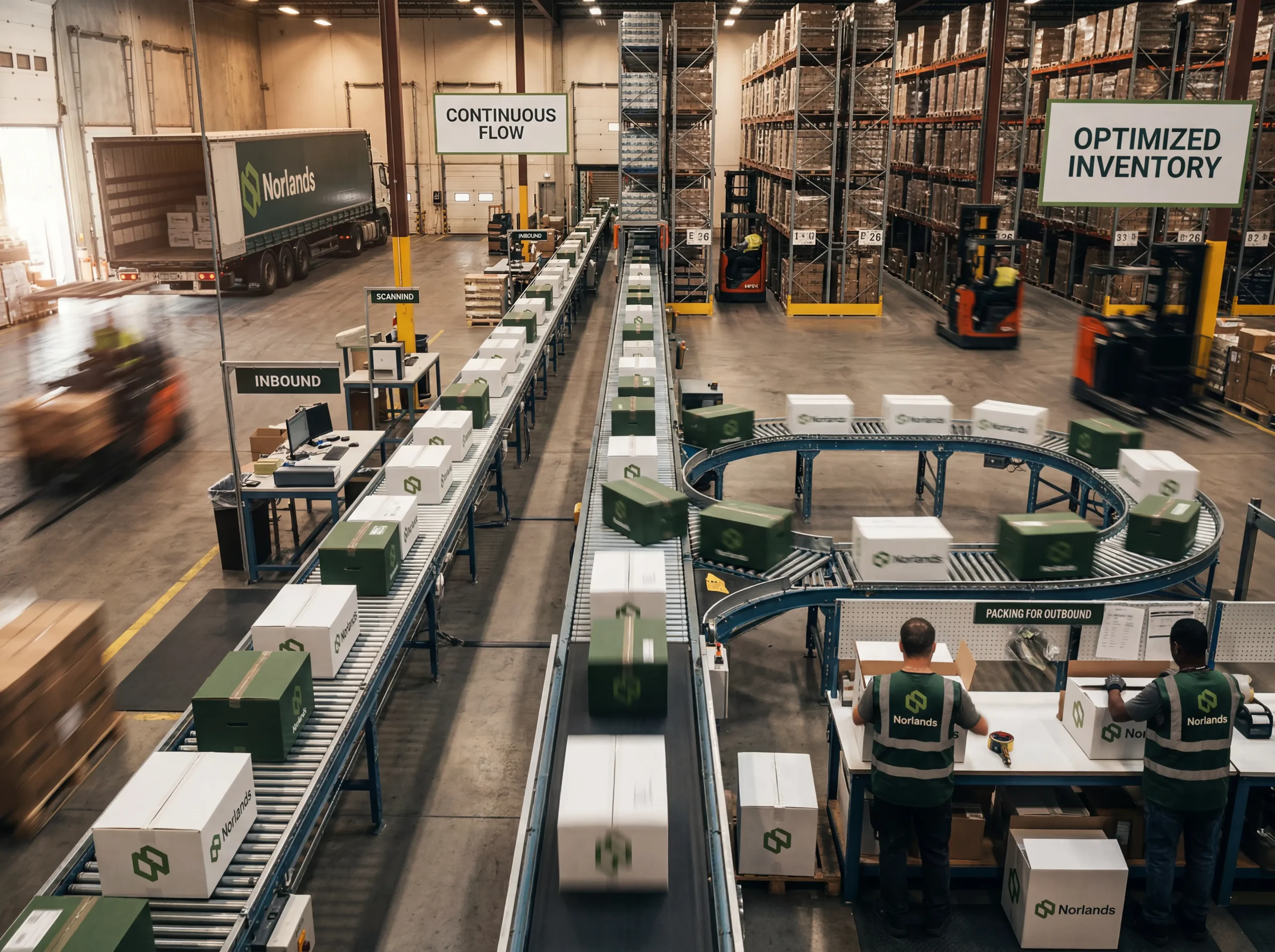
Ultimately, organizations that implement comprehensive packaging performance testing Canada programs create a proactive framework for risk reduction and continuous improvement. Rather than reacting to failures after products reach customers, businesses can identify issues early, improve packaging reliability, and strengthen supply chain performance. This proactive approach helps reduce costs, improve customer satisfaction, and build greater confidence in packaging systems across the entire organization.






No comment