
Introduction
Choosing the right storage box Vancouver residents and businesses can rely on is an important part of protecting valuable belongings, keeping spaces organized, and making stored items easier to access. A storage box may appear to be a simple container, but its material strength, dimensions, closure style, and stacking performance can determine whether the contents remain secure or become damaged over time.
Homes, offices, warehouses, retail stores, and self-storage units all have different storage requirements. Lightweight household items may only need standard cardboard boxes, while documents, tools, inventory, equipment, and fragile belongings often require stronger corrugated storage boxes with greater resistance to compression and handling.
The right box also helps use available space more efficiently. Uniform, stackable storage boxes create cleaner rows, reduce unstable piles, improve labelling, and make it easier to locate items without opening every container. For businesses, these benefits can improve inventory control, reduce handling time, and create a safer storage environment.
Storage duration should also influence the choice. Boxes used for a few weeks during a move may face different conditions from long-term storage boxes kept in a basement, warehouse, archive room, or commercial storage facility for months or years.
Long-term storage requires greater attention to material quality, box condition, moisture exposure, stacking height, closure security, and ventilation. A weak or overloaded box may gradually deform under pressure, making the entire stack unstable and increasing the risk of damage.
For customers comparing storage boxes Vancouver suppliers offer, it is useful to look beyond the outside dimensions. Board construction, flute profile, wall strength, edge resistance, lid design, handles, and internal support can all influence real-world performance.
| Storage Requirement | Recommended Box Feature | Primary Benefit |
|---|---|---|
| Light household items | Standard single-wall cardboard box | Affordable organization for clothing, linens, and lightweight belongings |
| Books, tools, or dense contents | Small heavy-duty corrugated box | Better control of weight and easier handling |
| Documents and records | Archive box with fitted lid and label area | Organized filing and faster document retrieval |
| Warehouse inventory | Stackable reinforced storage carton | Improved stacking stability and inventory organization |
| Frequent reuse | Reusable storage box with durable closure | Longer service life and easier repeated handling |
Storage boxes are often used interchangeably with moving boxes, but the intended use may be different. Moving boxes are designed primarily for transportation and repeated handling over a relatively short period. Storage boxes may remain stacked for longer periods and therefore need reliable compression strength, convenient access, and clearer identification.
Some boxes can perform both roles effectively. Strong moving and storage boxes allow items to be packed, transported, and placed directly into storage without repacking. This can save time and reduce unnecessary handling, particularly during residential relocations, office moves, renovations, and warehouse reorganizations.
Material condition is just as important as material type. Previously used cardboard boxes may appear suitable but could have weakened corners, compressed flutes, moisture exposure, torn handles, or damaged seams. These issues can reduce stacking strength even when the exterior still looks acceptable.
For valuable, fragile, heavy, or business-critical items, new heavy-duty storage boxes provide more predictable performance. Reused boxes may still be appropriate for lightweight, non-fragile belongings when they remain clean, dry, and structurally sound.
Moisture management is another essential consideration in Vancouver and across British Columbia. Cardboard and corrugated boxes perform best in dry environments. Boxes should not be placed directly on damp concrete floors or against walls where condensation may develop.
Pallets, shelving, raised platforms, and controlled storage conditions can help protect cartons from moisture exposure. Items sensitive to humidity may also require internal wrapping, liners, sealed bags, or alternative storage containers.
Important:
Cardboard storage boxes should remain dry, supported from below, and protected from direct contact with damp floors. Moisture can weaken the board and reduce stacking performance over time.
Another common mistake is selecting boxes that are too large. Oversized cartons encourage overpacking, become difficult to lift, and may collapse when the contents do not fully support the walls. Smaller boxes are usually better for books, files, tools, dishes, and other dense items.
Whether the goal is home organization, office archiving, warehouse management, moving, or long-term self-storage, selecting the right box from the beginning can reduce damage, save space, simplify transportation, and make stored items easier to manage.
Why Choosing the Right Storage Box Vancouver Matters
Choosing the right storage box Vancouver option protects more than the items placed inside it. A suitable storage box Vancouver also supports the entire storage system by improving stacking, labelling, handling, space utilization, and long-term organization.
A weak, oversized, or poorly packed storage box Vancouver can create problems throughout a storage area. It may collapse under pressure, become difficult to move, hide important belongings, or reduce the stability of nearby cartons. When several unsuitable storage box Vancouver containers are stacked together, the failure of one box can affect an entire section.
Quality storage box Vancouver residents and businesses choose should be selected according to actual use. Important factors include item weight, dimensions, fragility, storage duration, environmental conditions, handling frequency, and expected stacking height.
Need packaging that fits your product, timeline, and budget?
Tell us what you’re packaging and we’ll help you find the right box style, material, and production path.

Protecting Valuable Items With the Right Storage Box Vancouver
Storage damage can develop gradually. Items may be crushed by the weight of a storage box Vancouver placed above them, scratched as they move inside an oversized carton, exposed to dust through open seams, or affected by moisture when boxes are placed directly on unsuitable surfaces.
A properly selected storage box Vancouver creates a stable protective enclosure. Strong walls help resist compression, a secure bottom supports the load, and the correct box size reduces unnecessary internal movement.
When fragile belongings require additional separation, protective paper, dividers, wraps, or inserts can be added inside the storage box Vancouver to improve protection and reduce the risk of damage.
| Storage Risk | Typical Cause | Preventive Measure |
|---|---|---|
| Crushing | Weak board, overloading, or excessive stacking | Use stronger cartons and control stack height |
| Internal movement | Oversized box or insufficient cushioning | Choose a better-fitting box and fill empty spaces |
| Bottom failure | Excessive weight or inadequate sealing | Reduce load and reinforce seams with quality tape |
| Moisture damage | Damp floors, condensation, leaks, or high humidity | Raise boxes off the floor and use appropriate internal protection |
Heavy or dense items should be distributed across multiple smaller cartons rather than combined in one oversized box. This approach protects the bottom panels, reduces lifting risk, and makes each unit easier to move.
Fragile belongings require more than a strong outer carton. Glassware, electronics, decorative items, and sensitive equipment may need wrapping, partitions, cushioning, or custom inserts to prevent direct contact and control movement.
For records and paperwork, protection includes maintaining shape and organization. Proper archive storage boxes prevent documents from bending, becoming mixed, or being exposed unnecessarily during retrieval.
Keeping Storage Spaces Organized
Storage areas become difficult to manage when boxes vary widely in size, are poorly labelled, or contain unrelated items. Even when everything fits into the available space, finding a specific object may require opening several cartons and disturbing entire stacks.
A consistent storage system improves visibility and access. Boxes can be grouped by room, department, product category, date, project, or priority. Labels should be placed on more than one visible side so the contents can be identified regardless of how the box is positioned.
Use Consistent Sizes
Uniform boxes create straighter stacks, reduce wasted gaps, and simplify shelving plans.
Label Multiple Sides
Clear labels prevent unnecessary handling and make items easier to find from different directions.
Group Related Items
Store belongings by room, category, department, or project instead of mixing unrelated contents.
Plan Access
Frequently needed items should remain near the front or on accessible shelves.
Businesses may benefit from a simple numbering system connected to an inventory list. Each storage carton receives a unique reference, while a spreadsheet or inventory platform records its contents and location.
This method is especially useful for document storage, spare parts, seasonal retail inventory, marketing materials, archived projects, and equipment that must be retrieved periodically.
The right storage box Vancouver solution therefore protects both physical items and the time required to manage them. Durable, well-sized, clearly identified boxes make storage areas easier to use, safer to maintain, and less expensive to reorganize.
How to Choose the Best Storage Box Vancouver
Choosing the best storage box Vancouver buyers can use safely requires more than confirming that the contents fit inside the carton. The performance of a storage box Vancouver depends on the relationship between material strength, box dimensions, load weight, stacking conditions, handling frequency, and storage duration.
A storage box Vancouver that performs well for clothing may fail quickly when filled with books, tools, or office files. Even a strong storage box Vancouver may begin to deform when stored in a humid environment. A large storage box Vancouver may appear efficient but become too heavy or difficult to lift safely once packed.
The four most important factors to evaluate when choosing a storage box Vancouver are material strength, practical weight capacity, stacking performance, and long-term durability.
Material Strength of a Storage Box Vancouver
Material strength determines how effectively a storage box Vancouver resists punctures, crushing, edge damage, bending, and pressure from surrounding cartons. Corrugated board specifications can vary significantly, which means two storage box Vancouver options with similar dimensions may perform very differently.
Single-wall corrugated board is suitable for many household, office, and general storage applications. A double-wall storage box Vancouver may be more appropriate for heavy products, valuable contents, warehouse storage, repeated handling, or higher stacking loads.
However, the strongest available storage box Vancouver is not automatically the best option. Over-specifying the board can increase cost and carton weight without providing meaningful performance benefits. The goal is to choose a storage box Vancouver construction that matches the actual contents, storage environment, handling conditions, and expected stacking requirements.
Material Rule:
Use stronger board when contents are dense, valuable, frequently handled, or expected to support significant stacked weight.
Weight Capacity
Weight capacity should be treated as a practical limit rather than a target. The actual safe load depends on box dimensions, board construction, bottom closure, handling method, age, environmental exposure, and whether the weight is evenly distributed.
Why Packaging Supply Chain Resilience Canada Is a Competitive Advantage
Quick question:
You might also like
Dense items should be packed in smaller boxes even when larger cartons are technically available. Smaller units are easier to lift, less likely to experience bottom failure, and create more stable stacks.
A useful test is whether one person can lift and control the carton without dragging, dropping, or relying only on the handles. When a box becomes difficult to move, the contents should usually be divided.
Heavy Contents
Use smaller reinforced boxes for books, tools, hardware, records, and dense inventory.
Light Contents
Use larger cartons for pillows, bedding, clothing, artificial décor, and soft goods.
Mixed Contents
Place heavier items at the bottom and fill upper areas with lighter, non-fragile belongings.
Stacking Performance of a Storage Box Vancouver
A stackable storage box Vancouver should maintain its shape under the expected load while staying properly aligned with the cartons above and below it. The stacking performance of a storage box Vancouver depends on strong vertical edges, flat top surfaces, consistent dimensions, balanced weight distribution, and dry storage conditions.
Heavier storage box Vancouver cartons should be placed at the bottom of the stack, while lighter boxes should remain above them. A storage box Vancouver containing fragile items should never support dense or heavy loads. Each carton should be stacked squarely without leaning or extending beyond the edges of the box below.
Interlocking storage box Vancouver stacks may appear stable, but they can reduce vertical edge support when corrugated cartons are not aligned correctly. Column stacking, where the corners of each storage box Vancouver remain directly above one another, usually uses the strongest parts of the carton more effectively and improves overall stack stability.
| Stacking Factor | Good Practice | Risk to Avoid |
|---|---|---|
| Weight order | Place heavy cartons at the bottom | Heavy boxes crushing lighter cartons |
| Alignment | Keep edges and corners vertically aligned | Overhang and leaning stacks |
| Top surface | Close flaps flat and fill internal voids | Bulging or partially collapsed tops |
| Environment | Keep boxes dry and supported off the floor | Moisture-weakened board under load |
Long-Term Durability
Long-term storage boxes must maintain their shape and protective function for extended periods. Durability is influenced by material quality, storage environment, compression load, repeated access, and the condition of the carton when storage begins.
Long-term storage guidance also emphasizes the importance of maintaining stable environmental conditions throughout the storage period. Humidity, moisture exposure, temperature fluctuations, and poor storage practices can gradually reduce packaging performance and increase the risk of damage to stored contents.
New boxes generally provide more predictable long-term performance than cartons that have already been shipped, crushed, exposed to moisture, or repeatedly opened and closed.
Boxes should be inspected periodically in long-term storage. Warning signs include soft panels, bowed walls, torn seams, collapsed corners, staining, odours, pests, or leaning stacks.
Long-Term Storage Check:
Inspect stored cartons after major seasonal changes, leaks, building maintenance, or any visible change in humidity, floor condition, or stack alignment.
For high-value contents, packaging should be only one layer of protection. Storage location, shelving, climate conditions, security, insurance, internal wrapping, and inventory documentation may all be equally important.
By comparing material strength, realistic load, stacking conditions, and storage duration together, buyers can select storage boxes Vancouver homes and businesses can use more safely and efficiently.
Frequently Asked Questions About Storage Boxes in Vancouver
Whether you’re organizing a home, managing warehouse inventory, preparing for a move, or archiving business records, choosing the right storage box Vancouver suppliers offer often raises important questions. The following answers address the most common concerns about storage boxes, durability, sizing, stacking, and long-term protection.
Where can I buy storage boxes in Vancouver?
Storage boxes are available from packaging suppliers, moving supply stores, office supply retailers, warehouse supply companies, and businesses specializing in corrugated packaging. Companies with custom packaging capabilities can also provide storage boxes designed for specific products or business applications.
What are the best storage boxes for long-term storage?
For long-term storage, strong corrugated storage boxes are generally the preferred choice. They should be stored in clean, dry environments, elevated from damp floors, properly labelled, and stacked according to their weight capacity.
Are cardboard storage boxes durable?
Yes. Quality cardboard storage boxes are durable when matched to the appropriate load and stored under suitable conditions. Their lifespan depends on board quality, moisture exposure, handling frequency, and stacking practices.
What size storage box should I choose?
The correct size depends on the weight and dimensions of the contents. Small boxes are best for heavy items such as books and tools, while larger boxes should be reserved for lightweight belongings like bedding, clothing, and seasonal decorations.
Can businesses order storage boxes in bulk?
Yes. Many packaging suppliers provide bulk ordering, custom sizing, printed identification, and recurring supply programs for offices, warehouses, manufacturers, retailers, and distribution facilities.
Are custom storage boxes worth considering?
Custom storage boxes can improve protection, reduce wasted space, simplify shelving, and increase operational efficiency when standard sizes do not fit the products or storage environment effectively.
How should storage boxes be labelled?
Boxes should clearly identify their contents, location, department, project, or room. Labels placed on multiple visible sides make stored items easier to locate without moving surrounding cartons.
An effective storage system begins with choosing packaging that protects valuable items while making them easier to organize, handle, and access over time. From durable corrugated storage boxes and heavy-duty packaging to custom storage solutions designed for warehouses, offices, retail inventory, archives, and household storage, the right packaging can improve stacking stability, maximize available space, and reduce the risk of damage during long-term storage. Businesses and homeowners looking for reliable storage packaging, custom corrugated boxes, or packaging solutions tailored to their products and storage environment can explore Norlands’ packaging services and industry-specific solutions, connect with the Norlands team to discuss their storage requirements, or request a custom packaging quote designed around their storage, handling, and distribution needs.
Conclusion: Better Storage Starts with the Right Box
Selecting the right storage box Vancouver businesses and homeowners can rely on is about much more than finding a container that fits the contents. A properly chosen storage box protects valuable belongings, supports safer handling, improves organization, and makes better use of available storage space.
The strongest storage systems are built around planning rather than convenience. Choosing the correct material, matching the box size to the contents, controlling weight, maintaining stable stacks, and keeping cartons in dry conditions all contribute to better long-term performance.
Corrugated storage boxes continue to be one of the most versatile storage solutions because they combine strength, relatively low weight, stackability, recyclability, and cost efficiency. Whether they are used for home organization, office archives, warehouse inventory, retail stock, or self-storage, they provide dependable protection when matched to the correct application.
| Storage Goal | Recommended Solution | Primary Benefit |
|---|---|---|
| Protect belongings | Choose the correct box strength and size. | Lower risk of crushing and product damage. |
| Improve organization | Use standardized boxes with clear labels. | Faster identification and retrieval. |
| Save storage space | Use stackable boxes with consistent dimensions. | Better shelf and floor utilization. |
| Reduce replacement costs | Select durable corrugated boxes and avoid overloading. | Longer service life and fewer damaged cartons. |
| Support business growth | Standardize storage systems or invest in custom storage boxes. | Improved inventory management and operational efficiency. |
Businesses that rely on organized inventory, archived records, or warehouse storage benefit from consistent box specifications. Standardized sizes simplify shelving layouts, improve inventory accuracy, reduce handling time, and support more efficient warehouse operations.
It is also important to remember that no storage box can compensate for poor storage practices. Moisture, unstable stacking, overloaded cartons, and poor organization will eventually reduce the performance of even high-quality corrugated packaging.
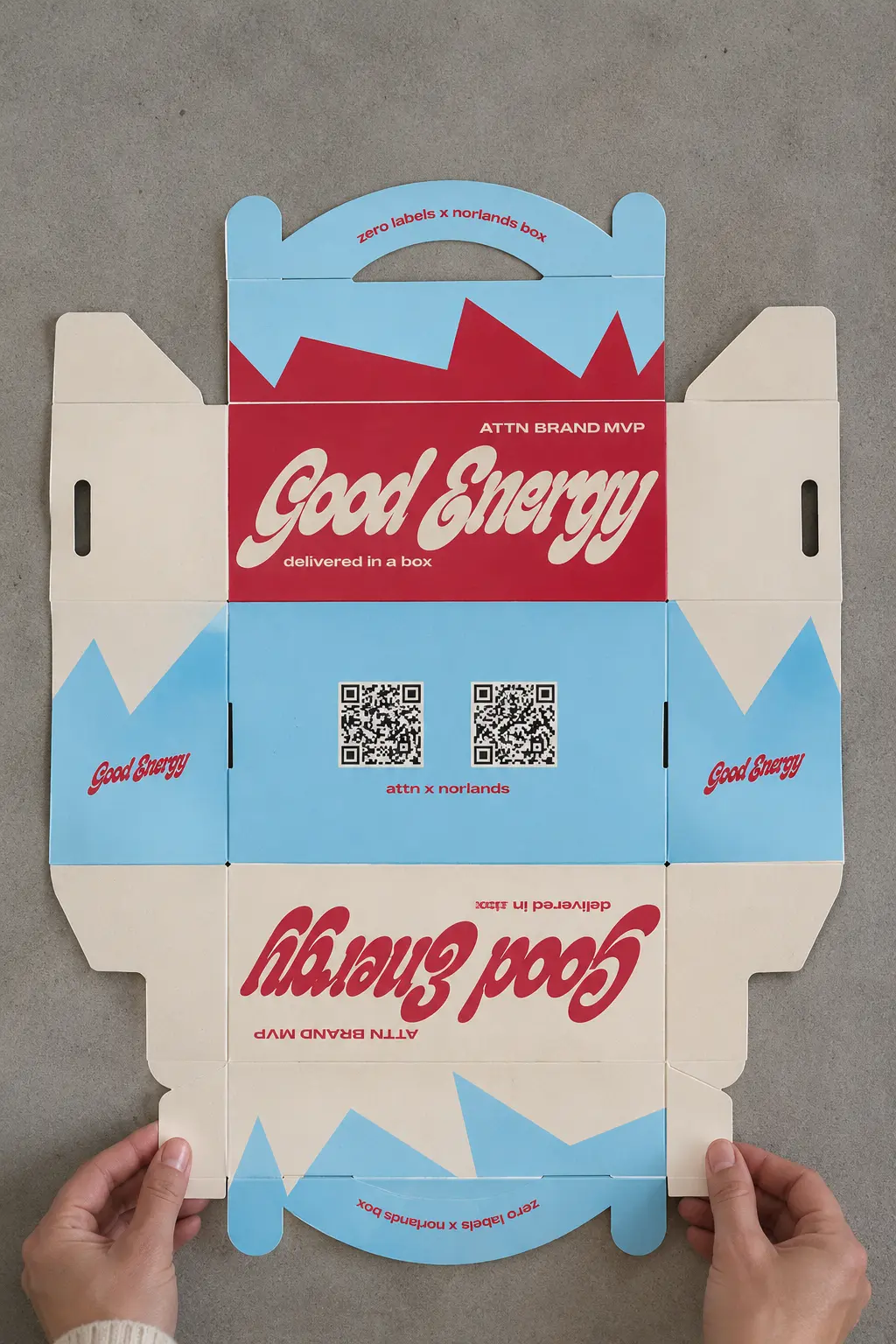
The most effective storage solution combines durable materials, appropriate sizing, proper labelling, thoughtful organization, and regular inspection throughout the storage period.
Whether you need cardboard storage boxes for household organization, archive boxes for business records, warehouse storage boxes for inventory management, or custom storage boxes for specialized products, selecting the right packaging from the beginning helps protect valuable assets while improving overall efficiency.
Ultimately, the best storage box Vancouver customers can invest in is one that matches the specific application, protects its contents throughout the storage cycle, and continues to perform reliably whenever those stored items are needed again.

No comment