
Introduction
Professional packaging design Canada businesses invest in is no longer limited to creating an attractive box or placing a logo on a package. Effective packaging must protect the product, communicate brand value, perform efficiently during shipping, support production requirements, and create a positive customer experience from the first visual impression to the final unboxing.
Customers often encounter packaging before they interact with the product itself. On a retail shelf, inside an online product listing, at the moment of delivery, or during an unboxing experience, packaging becomes one of the most visible expressions of a brand. Its shape, graphics, materials, colours, print quality, and opening experience all influence how customers judge the product inside.
A strong product packaging design system combines visual creativity with practical engineering. The graphics must attract attention and communicate clearly, while the structure must fit the product, withstand handling, simplify packing, and use materials efficiently. When these elements work together, packaging can support higher sales, stronger brand recognition, reduced damage, and more efficient operations.
This is why successful packaging projects typically involve both structural packaging design and graphic design. Structural designers determine how the package is built, folded, opened, closed, stacked, and shipped. Graphic designers develop the visual language, brand hierarchy, product information, typography, imagery, and finishing details customers see.
Neither discipline should be treated as an isolated step. Beautiful graphics cannot compensate for a package that crushes during transportation, wastes space, or is difficult to assemble. Likewise, a technically strong carton may fail commercially when it does not communicate value or stand out against competing products.
| Packaging Design Area | Primary Purpose | Business Impact |
|---|---|---|
| Structural design | Determines dimensions, construction, opening style, strength, and product fit | Improves protection, packing efficiency, storage, and transportation |
| Graphic design | Communicates branding, product information, positioning, and visual identity | Strengthens recognition, shelf visibility, and customer trust |
| Material selection | Matches packaging strength, appearance, sustainability, and production needs | Controls cost, durability, environmental impact, and perceived quality |
| Print and finishing | Reproduces artwork accurately and creates the final visual presentation | Supports premium positioning and consistent brand presentation |
For growing Canadian brands, packaging also plays an operational role. A poorly designed package may use excessive material, increase dimensional shipping charges, slow down assembly, occupy unnecessary warehouse space, or require additional protective components. These hidden inefficiencies can affect profitability long after the design has been approved.
A well-developed custom packaging design Canada businesses can scale should therefore consider the entire product journey. This includes manufacturing, packing, palletization, warehousing, transportation, retail display, delivery, customer handling, disposal, and potential recycling.
Brand Impact
Packaging communicates positioning, personality, quality, and value before the product is opened.
Product Protection
The structure controls movement, compression, impact, puncture, and exposure throughout distribution.
Operational Efficiency
Smart dimensions and construction can improve assembly speed, storage use, and shipping performance.
Customer Experience
Clear information, convenient opening, and thoughtful presentation make the product easier and more enjoyable to use.
The role of a professional packaging design Canada company is to balance visual appeal, structural performance, manufacturing practicality, and commercial cost rather than improving one priority at the expense of another. Effective packaging design Canada should attract customers while remaining practical to manufacture. It should feel premium while staying commercially viable, and it should reduce material where possible without weakening protection or customer expectations.
This balance is especially important for brands launching new products. Early packaging design Canada decisions can influence manufacturing setup, artwork development, retail presentation, supply chain requirements, and long-term ordering costs. Revising a poorly planned package after production begins can be far more expensive than addressing technical requirements during the initial packaging design Canada process.
Existing products may also benefit from packaging design Canada redesign. Businesses often update packaging to improve brand consistency, reduce product damage, lower shipping costs, simplify assembly, modernize visual presentation, introduce more sustainable materials, or respond to changing customer expectations.
Different industries also require different packaging design Canada priorities. Food packaging may require barrier performance, food-safe materials, and clear regulatory information. E-commerce packaging design Canada must survive courier networks while supporting a positive delivery experience. Retail packaging must compete visually while fitting shelf and display requirements. Industrial packaging design Canada must prioritize protection, handling, storage, and logistical efficiency.
For this reason, there is no single packaging design Canada format that works for every business. Effective packaging solutions are developed around the product, target customer, sales channel, manufacturing method, distribution environment, budget, and expected order volume.
This guide explores the complete packaging design Canada process, including research, concept development, structural engineering, artwork, dielines, prototyping, material selection, testing, and production preparation. It also explains how stronger packaging design Canada can improve visibility, perceived value, customer satisfaction, and long-term business growth.
Whether a business needs retail packaging, e-commerce boxes, industrial cartons, consumer packaging, or a complete packaging family, thoughtful packaging design Canada can transform a basic container into a valuable business asset.
Why Packaging Design Is More Than Just Appearance
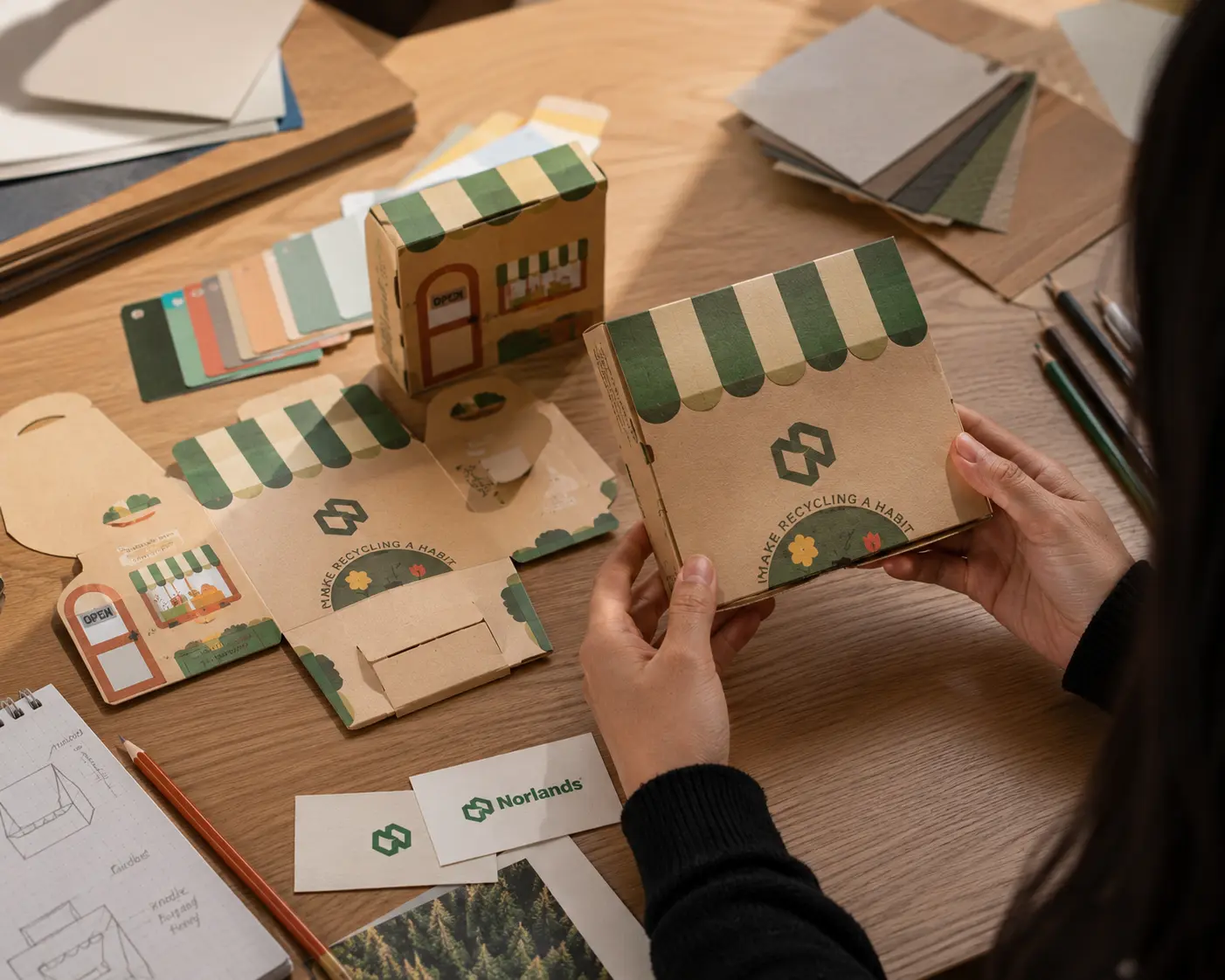
Many people associate packaging design Canada with colors, graphics, and attractive product boxes. While visual appeal certainly matters, successful packaging performs many functions simultaneously. It protects products during transportation, communicates brand identity, supports manufacturing efficiency, improves customer experience, and influences purchasing decisions long before a customer interacts with the product itself.
Packaging is often the first physical touchpoint between a brand and its audience. Whether customers discover a product on a retail shelf, receive an online order at their doorstep, or evaluate products through promotional photography, packaging becomes part of the overall brand experience. Every structural and visual decision contributes to how customers perceive quality, professionalism, and value.
Professional packaging design services therefore combine branding, engineering, material science, production knowledge, and user experience. Rather than treating packaging as decoration, successful businesses view it as an important business asset that supports marketing, logistics, sales, and long-term customer loyalty.
Business Insight:
Customers may purchase a product once because of advertising, but thoughtful packaging helps create the memorable experience that encourages repeat purchases and long-term brand loyalty.
Modern packaging also supports operational performance. Proper dimensions reduce wasted materials, structural engineering improves stacking strength, and optimized layouts simplify production and fulfillment. When packaging is developed strategically, businesses often improve efficiency across multiple departments—not just marketing.
First Impressions Influence Buying Decisions
Consumers often make purchasing decisions very quickly. Before reading detailed specifications or comparing technical features, they may judge a product based on its overall presentation. Effective packaging design Canada acts as a visual shortcut that communicates quality, reliability, professionalism, and market positioning.
On crowded retail shelves, many products compete for attention at the same time. Strong packaging design Canada helps customers identify products quickly while reinforcing brand identity through consistent typography, colour systems, imagery, messaging, and structural form.
For e-commerce businesses, first impressions happen at multiple stages. Customers may first evaluate packaging design Canada through product photography and online listings. Later, they experience the physical packaging when the order arrives. Both interactions can influence satisfaction, perceived value, and future purchasing behaviour.
Packaging design Canada affects both emotional and practical decision-making. Customers may respond emotionally to attractive branding while also reviewing functional details such as ingredients, product specifications, sustainability claims, certifications, instructions, and usage information.
A clear information hierarchy is essential in effective packaging design Canada. Important details should be easy to locate without overwhelming the package with excessive text, graphics, or visual complexity.
Packaging Design Canada Shapes Customer Perception
Need packaging that fits your product, timeline, and budget?
Tell us what you’re packaging and we’ll help you find the right box style, material, and production path.
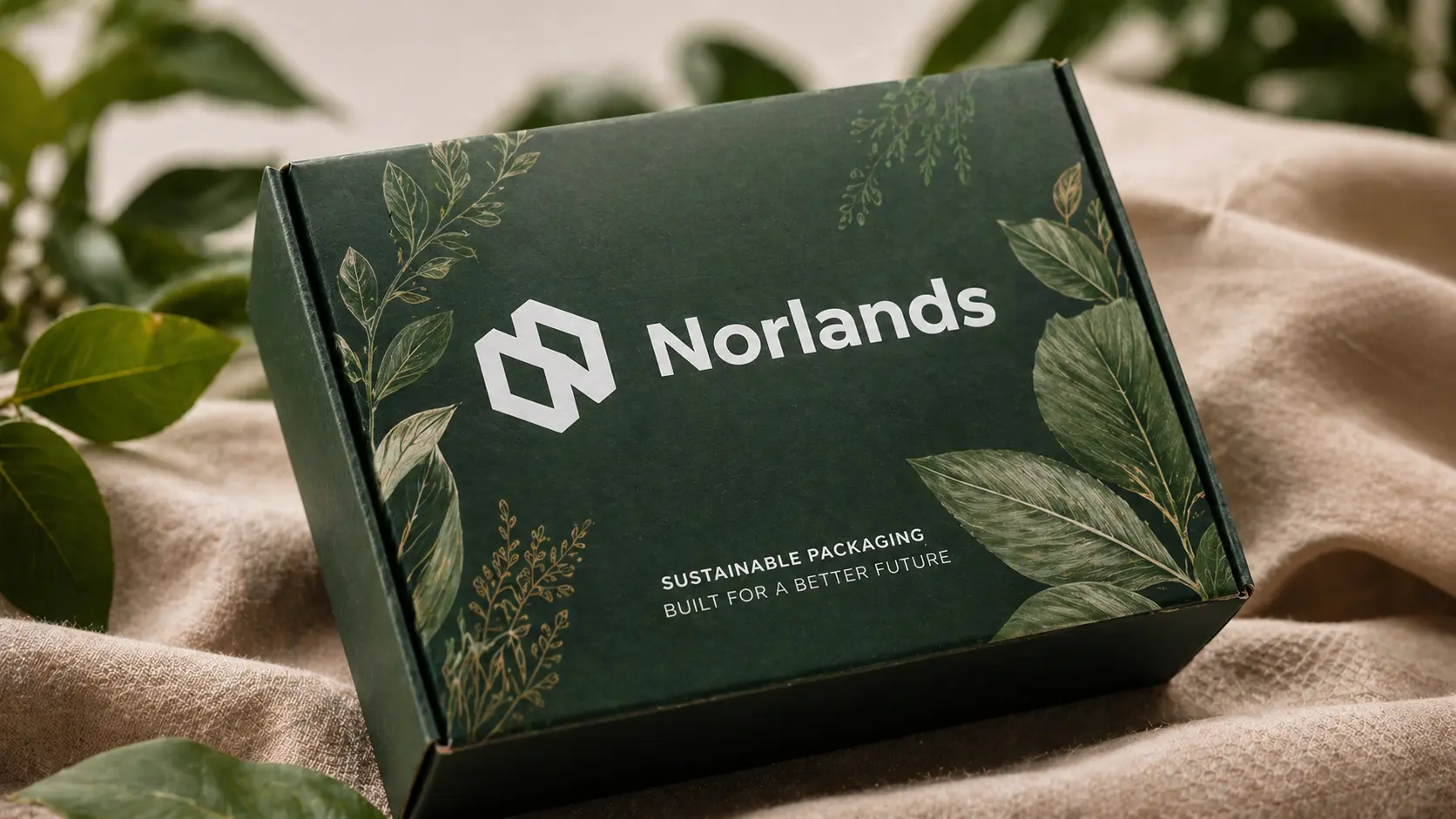
Packaging design Canada communicates far more than basic product information. It reflects the personality, positioning, and values of a business. Before customers experience the product itself, they may form expectations based entirely on the quality and appearance of the packaging.
Luxury-focused packaging design Canada often uses refined finishes, premium materials, restrained typography, and carefully balanced layouts. Sustainable packaging design Canada may prioritize recyclable materials, natural colour palettes, reduced material use, and responsible environmental messaging. Technology brands may prefer minimal packaging structures and clean graphic systems that communicate precision, efficiency, and innovation.
These packaging design Canada decisions shape customer perception even when buyers have no previous experience with the brand. Well-planned packaging can create confidence, strengthen recognition, and help customers understand the intended value and positioning of the product.
| Packaging Element | Customer Perception | Business Value |
|---|---|---|
| Premium print quality | Professional and reliable | Supports stronger brand positioning |
| Thoughtful structure | Convenient and well engineered | Improves customer experience |
| Consistent branding | Recognizable and trustworthy | Strengthens long-term brand recall |
| Protective construction | Reliable product quality | Reduces damage and customer complaints |
Customer perception extends well beyond the retail shelf. Packaging influences unboxing experiences, online reviews, word-of-mouth recommendations, and social media content. Attractive and functional packaging is more likely to be photographed, shared, remembered, and associated with positive experiences.
Modern consumers also evaluate sustainability. Material selection, recyclability, reduced packaging waste, and efficient structural engineering increasingly influence purchasing decisions alongside visual design. Many businesses therefore integrate sustainable packaging design principles into both structural development and graphic communication.
Packaging Is an Extension of the Brand
Every interaction with a package influences how customers remember a company. From structural performance and print quality to opening experience and sustainability, thoughtful packaging reinforces trust, supports brand recognition, and creates experiences that continue long after the purchase has been completed.
Ultimately, appearance remains important—but it represents only one part of successful packaging design. The most effective packaging integrates engineering, branding, manufacturing, logistics, customer experience, and commercial strategy into a single solution that performs consistently throughout the product’s entire lifecycle.
What Makes Great Packaging Design?
Great packaging design is created when visual appeal, structural performance, material efficiency, production feasibility, and customer experience work together. A package may look impressive in a concept presentation, but it must also perform reliably in manufacturing, filling, shipping, retail display, storage, and everyday use.
For businesses evaluating packaging design Canada services, the strongest solutions are rarely based on appearance alone. They are developed through collaboration between designers, packaging engineers, production specialists, printers, manufacturers, and the brand team.
Each discipline influences the final result. Structural design determines how the package functions. Graphic design communicates the brand. Materials control strength, appearance, cost, and environmental performance. Print quality determines whether the approved artwork is reproduced consistently at scale.
Core Design Principle:
Successful packaging must be desirable to customers, practical for operations, suitable for production, and strong enough for the product journey.
Structural Design
Structural packaging design defines the physical form of a package. It determines the dimensions, shape, opening method, closure system, folds, panels, locking features, inserts, internal supports, and overall construction.
The structure must be developed around the product rather than forcing the product into a generic box. Designers consider product dimensions, weight, fragility, orientation, movement, centre of gravity, surface sensitivity, and required protective space.
A well-designed structure can reduce unnecessary material, improve product fit, simplify assembly, and strengthen performance during shipping. It may also eliminate the need for excess void fill or secondary packaging.
Product Fit
Dimensions should hold the product securely while allowing enough room for cushioning, inserts, and practical packing.
Opening Experience
Closures, tabs, tear strips, and locking features should feel intuitive and support the intended customer experience.
Manufacturing Efficiency
The structure should be practical to cut, crease, fold, glue, assemble, fill, and close consistently.
Distribution Performance
The package should resist expected compression, handling, vibration, impact, and storage conditions.
Structural decisions also influence shipping cost. A package that is only slightly larger than necessary may increase dimensional weight, reduce pallet efficiency, occupy more warehouse space, and require larger outer cartons.
This is why experienced packaging engineering teams evaluate not only the primary package but also how units fit into master cases, pallets, shelves, and transportation systems.
For retail products, structure can also increase shelf impact. Distinctive forms, display windows, hanging features, presentation trays, and opening mechanisms can create differentiation while remaining practical for production.
Graphic Design
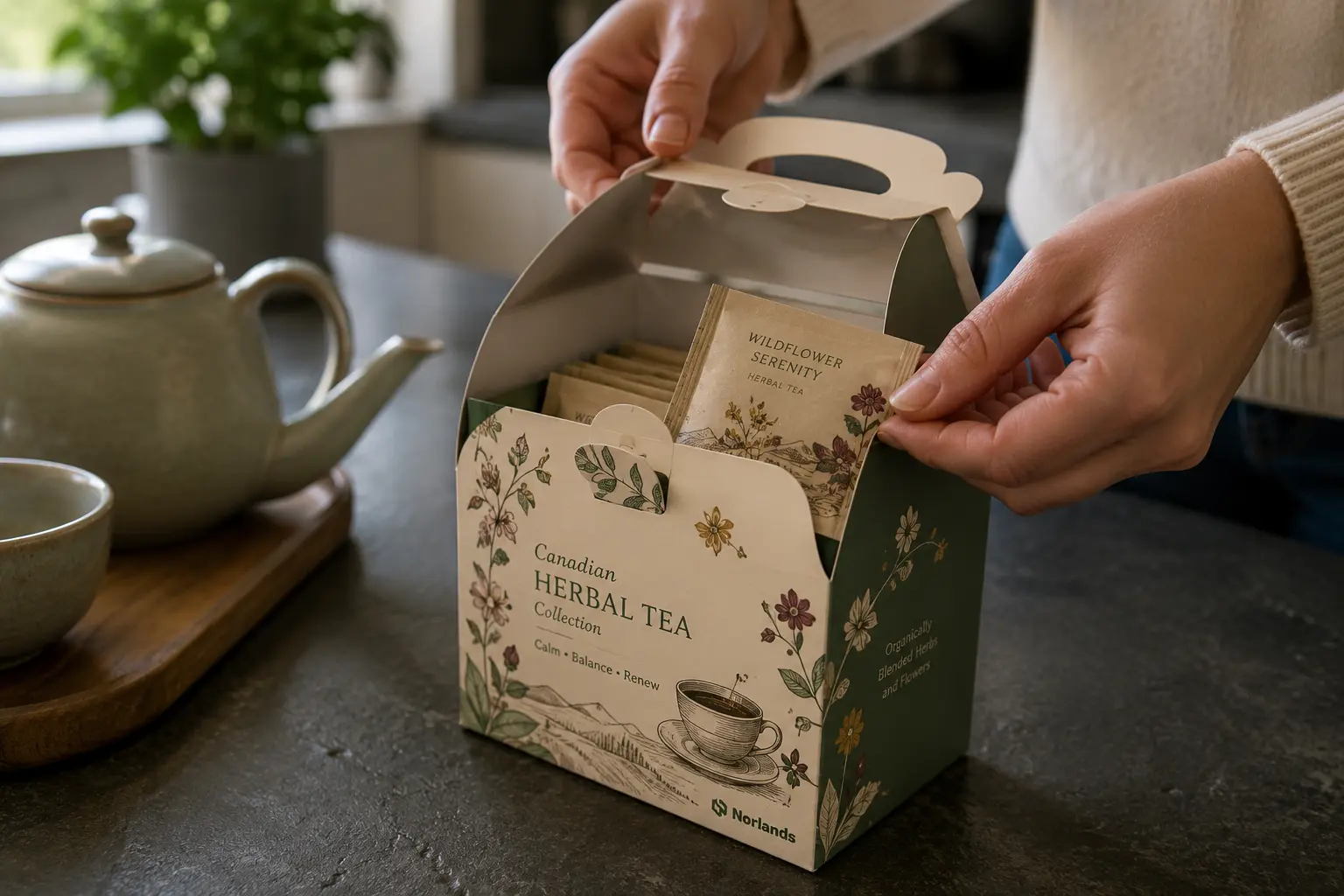
Graphic design creates the visual identity customers recognize. It includes typography, colour, imagery, illustration, hierarchy, product naming, brand marks, claims, instructions, regulatory information, and decorative elements.
Successful packaging artwork should communicate quickly. Customers need to understand what the product is, who it is for, why it is valuable, and how it differs from competing options.
Clear hierarchy helps separate primary messages from supporting information. The brand name, product type, key benefit, quantity, flavour, size, or model should be easier to identify than secondary details.
| Graphic Element | Design Role | Customer Outcome |
|---|---|---|
| Typography | Creates hierarchy and supports readability | Faster product understanding |
| Colour system | Builds recognition and differentiates variants | Easier brand and product identification |
| Imagery and illustration | Communicates usage, flavour, lifestyle, or product benefits | Stronger emotional connection |
| Information hierarchy | Organizes claims, instructions, specifications, and legal content | Greater confidence and reduced confusion |
Graphic design must also account for the physical structure. Artwork should align accurately with folds, panels, windows, glue areas, cut lines, and closures. Important content should not be placed where it may be hidden, distorted, trimmed, or interrupted.
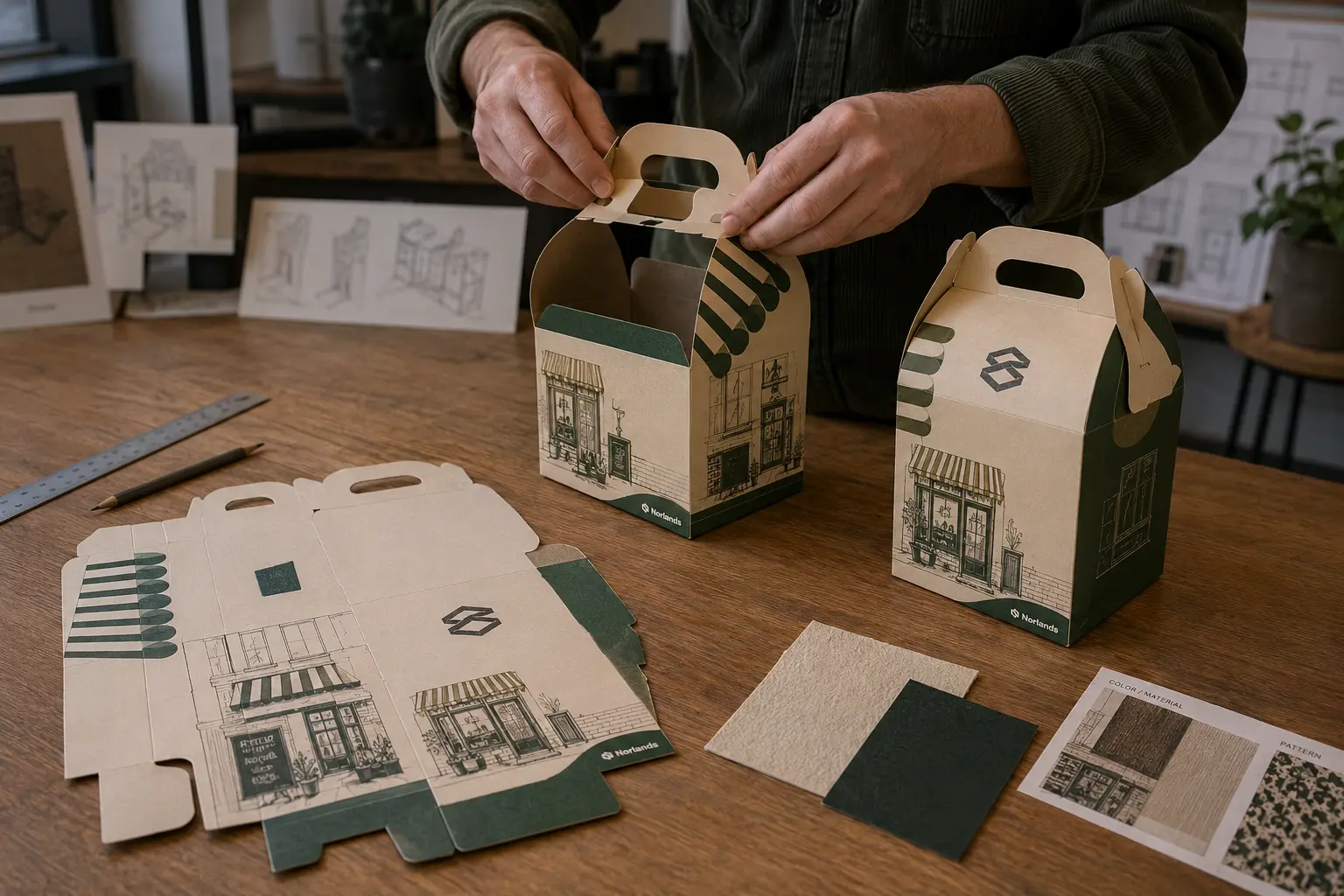
This relationship between artwork and structure is managed through a dieline design. The dieline acts as a flat technical template showing cut lines, crease lines, bleed areas, safe zones, panels, tabs, and other production details.
Designers should develop artwork directly on an approved production dieline rather than using an approximate template. Even minor structural changes can affect panel dimensions, print alignment, and information placement.
Material Selection
Packaging materials influence almost every aspect of performance. They affect strength, print reproduction, folding behaviour, moisture resistance, puncture resistance, surface finish, recyclability, weight, and cost.
Material selection should begin with the actual product and distribution environment. Fragile products may require greater cushioning or rigidity. Heavy products may need stronger corrugated board. Food products may require suitable barriers and food-contact considerations. Luxury goods may require refined surface appearance and premium finishing compatibility.
Corrugated packaging is widely used because it offers a practical balance of protection, printability, customization, and material efficiency. However, the appropriate board grade, flute profile, liner combination, and wall construction must be selected according to the application.
Material Selection Insight:
Choosing stronger material than necessary can increase cost and weight. Choosing material that is too weak can lead to damage, returns, and customer dissatisfaction. The best specification is the one matched to actual performance needs.
Paperboard may be suitable for lightweight retail products and folding cartons. Corrugated board is often preferred for shipping, e-commerce, food, industrial, and heavier retail applications. Protective foams, moulded fibre, paper inserts, corrugated partitions, and cushioning materials may be added when internal protection is required.
Sustainable packaging design does not simply mean replacing one material with another. It may involve reducing overall material use, improving product fit, removing unnecessary components, increasing recycled content, designing for recyclability, and improving transport efficiency.
| Print Consideration | Why It Matters | Potential Risk |
|---|---|---|
| Colour accuracy | Protects brand consistency across products and production runs | Packages may look unrelated or lower in quality |
| Registration | Keeps colours, text, images, and die-cut features aligned | Misalignment may reduce readability and visual quality |
| Material surface | Influences ink absorption, detail, contrast, and finish | Artwork may reproduce differently than expected |
| Production tolerance | Ensures artwork remains practical within manufacturing variation | Important content may move too close to cuts, folds, or glue areas |
Great packaging is therefore not defined by a single visual style. Minimal packaging, luxury packaging, colourful retail packaging, and practical industrial cartons can all be successful when their decisions support the product, customer, brand, and supply chain.
A professional package design company should help businesses evaluate these connected factors before final production. The result should be a package that looks intentional, functions reliably, and supports commercial growth rather than creating hidden operational problems.
The Packaging Design Process
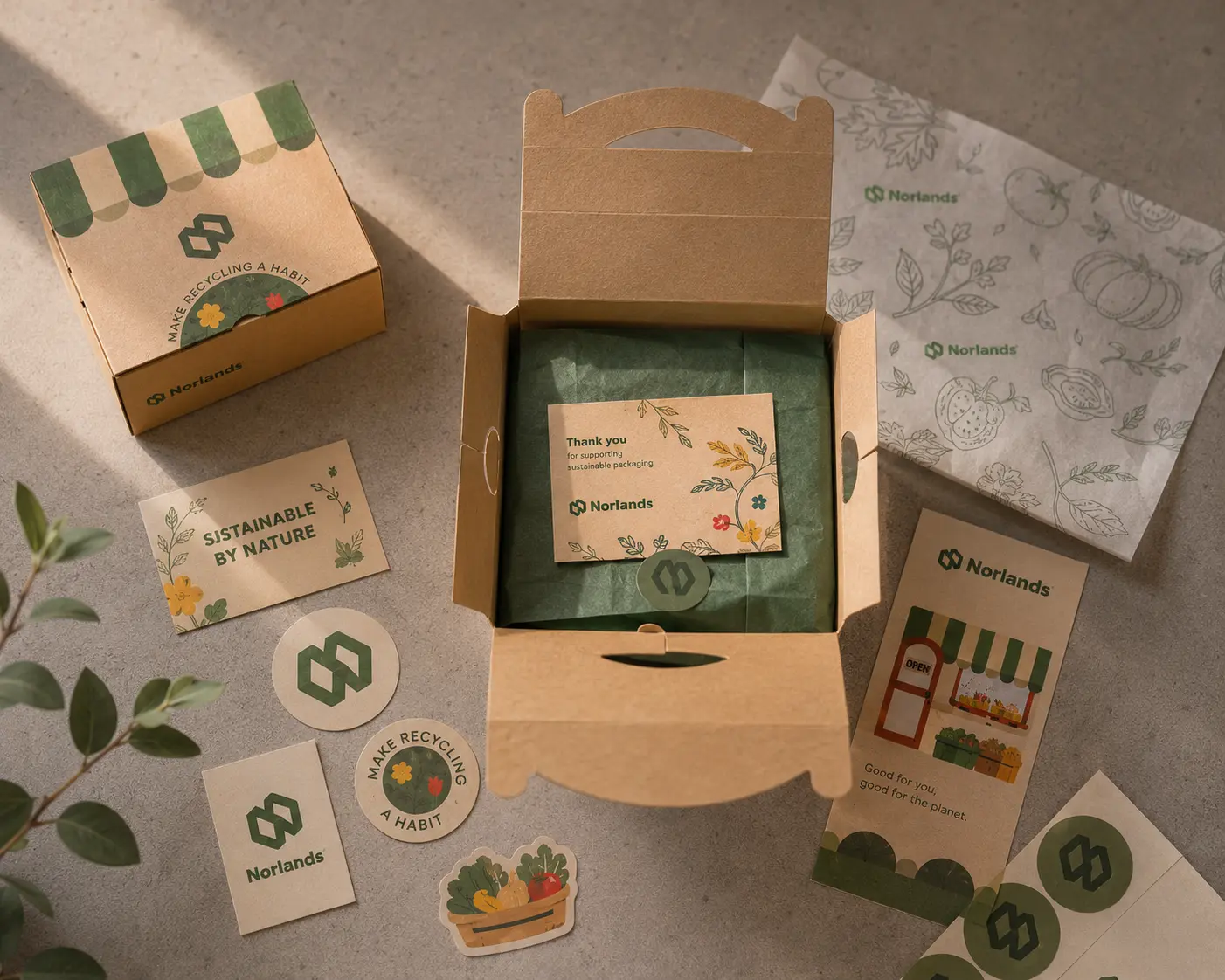
A professional packaging project moves through a structured sequence of research, engineering, design, testing, and production preparation. Each stage reduces uncertainty and helps transform an early concept into packaging that can be manufactured consistently and perform reliably in real-world conditions.
Professional packaging development is generally approached as a structured process that connects research, engineering, design, testing, and manufacturing preparation. Treating these stages as one coordinated workflow helps ensure that visual creativity, structural performance, and production feasibility support the same commercial objectives.
For businesses comparing packaging design Canada providers, understanding this process makes it easier to evaluate timelines, deliverables, costs, and supplier capabilities. A strong process should address both creative presentation and technical feasibility rather than focusing only on artwork.
The exact workflow may vary according to product complexity, industry requirements, order volume, printing method, and whether the project involves a new package or a redesign. However, most successful projects include six core stages: research, concept development, structural engineering, artwork creation, prototype testing, and production preparation.
Research
Understand the product, customer, brand, sales channel, and supply chain.
Concept
Explore structural directions, visual language, and customer experience.
Engineering
Develop dimensions, dielines, closures, inserts, and material specifications.
Artwork
Apply branding, product information, graphics, and regulatory content.
Prototype
Test product fit, assembly, protection, usability, and appearance.
Production
Finalize specifications, approvals, tooling, print files, and quality requirements.
Research and Product Analysis in Packaging Design Canada
Every successful packaging design Canada project begins with a clear understanding of the product. Designers and engineers need accurate information about product dimensions, weight, fragility, shape, surface sensitivity, orientation, shelf life, and handling requirements before beginning structural development.
Physical product samples are especially valuable during the packaging design Canada process. Measurements alone may not reveal unstable components, delicate finishes, sharp edges, flexible parts, or unusual weight distribution. Direct product evaluation allows the packaging design Canada team to identify potential risks before developing the packaging structure.
Research for packaging design Canada should also examine the complete product journey. Packaging designed for a retail shelf may have very different requirements from packaging moving through an e-commerce fulfillment network. Industrial products, food items, cosmetics, and consumer goods each create different structural, material, handling, and presentation challenges.
A thorough packaging design Canada analysis helps ensure that the final package reflects the actual product, distribution environment, customer expectations, and operational requirements.
| Research Area | Questions to Evaluate | Design Influence |
|---|---|---|
| Product characteristics | What are the dimensions, weight, fragility, and sensitive surfaces? | Determines fit, strength, inserts, and cushioning |
| Sales channel | Will the package be sold in retail, online, wholesale, or direct to business? | Shapes shelf presentation, shipping performance, and information hierarchy |
| Customer expectations | What level of quality, convenience, and sustainability does the audience expect? | Influences materials, opening experience, and visual positioning |
| Operational requirements | How will the package be assembled, filled, stored, transported, and displayed? | Affects construction, dimensions, speed, and cost |
Competitive analysis is another valuable part of research. Reviewing competing products can reveal common packaging conventions, customer expectations, visual gaps, structural weaknesses, and opportunities for differentiation.
The goal is not to imitate competitors. It is to understand the category well enough to create packaging that feels relevant while offering a clear reason for customers to choose the product.
Concept Development
Concept development translates research into possible packaging directions. This stage may explore different structures, opening styles, material combinations, graphic themes, product presentation methods, and brand experiences.
Early concepts often include sketches, simple digital models, mood boards, material references, and preliminary structural mockups. These tools allow teams to compare ideas before investing in detailed engineering or finished artwork.
Structural Engineering in Packaging Design Canada
Once a design direction is selected, structural engineering turns the initial packaging design Canada concept into a precise, functional, and manufacturable package. During this stage, engineers determine final dimensions, panel layouts, folds, tabs, closures, inserts, tolerances, board specifications, and the correct assembly sequence.
The structure is usually represented through a flat dieline. This technical drawing is a critical part of packaging design Canada because it shows exactly where the package will be cut, creased, folded, glued, perforated, or locked.
Structural engineering in packaging design Canada must also account for material behaviour. Paperboard and corrugated board have specific thicknesses, grain directions, fold resistance, flute direction, and manufacturing tolerances that can affect the final package.
Engineers may optimize packaging design Canada for nesting, flat shipping, automated assembly, manual packing, pallet layout, or master-case efficiency. Even small dimensional improvements in packaging design Canada can create meaningful cost and material savings when multiplied across thousands of units.
Protective inserts are also developed during this stage when required. Corrugated partitions, folded paperboard supports, moulded fibre, foam, and other protective components may be added to the packaging design Canada structure to control product movement and protect sensitive areas.
AI & Future Packaging: The Game-Changing Technology Redefining the Future of Packaging
Quick question:
You might also like
Artwork and Branding in Packaging Design Canada
After the structural dieline is approved, graphic designers apply the brand identity and product information to the final packaging design Canada panel layout. This stage transforms the technical package structure into a customer-facing design.
Effective packaging design Canada artwork should communicate clearly across every visible panel. The front panel usually carries the strongest brand and product message, while side and back panels may present supporting information such as features, instructions, specifications, ingredients, certifications, barcodes, and contact details.
Graphic designers working on packaging design Canada must also follow production requirements, including safe zones, bleeds, minimum line weights, colour systems, registration tolerances, print coverage, and finishing specifications.
A successful packaging design Canada process ensures that branding, technical information, structural form, and printing requirements work together as one coordinated system.
| Artwork Requirement | Purpose | Common Risk |
|---|---|---|
| Bleed area | Extends artwork beyond cut edges | Unprinted edges may appear after cutting |
| Safe zone | Keeps critical text and graphics away from cuts and folds | Important content may be trimmed or distorted |
| Panel alignment | Coordinates artwork across folds and adjoining surfaces | Patterns and images may appear misaligned |
| Production colours | Defines how colours will be reproduced during printing | Screen colours may not match the printed result |
Brands with several product variants should establish a clear system for distinguishing flavours, sizes, models, or categories. This may involve controlled changes in colour, imagery, naming, or secondary graphics while preserving consistent brand architecture.
Regulatory and legal content should be reviewed before final artwork approval. Late changes to ingredients, warnings, certifications, barcodes, or bilingual information can create production delays and additional prepress costs.
Prototype Testing
A packaging prototype provides the first opportunity to evaluate the design as a physical object. It allows teams to test fit, assembly, opening, closure, handling, presentation, and structural behaviour before committing to full production.
Prototypes may range from simple unprinted white samples to digitally printed mockups that closely represent the final appearance. The appropriate prototype depends on what the team needs to evaluate.
Prototype feedback should come from multiple stakeholders. Marketing may focus on presentation, operations may identify assembly problems, warehouse teams may notice stacking issues, and customers may reveal usability challenges that internal teams overlooked.
Testing may lead to several rounds of refinement. Changes to dimensions, closures, inserts, graphics, or materials are far less expensive during prototyping than after cutting dies, printing plates, and production materials have been prepared.
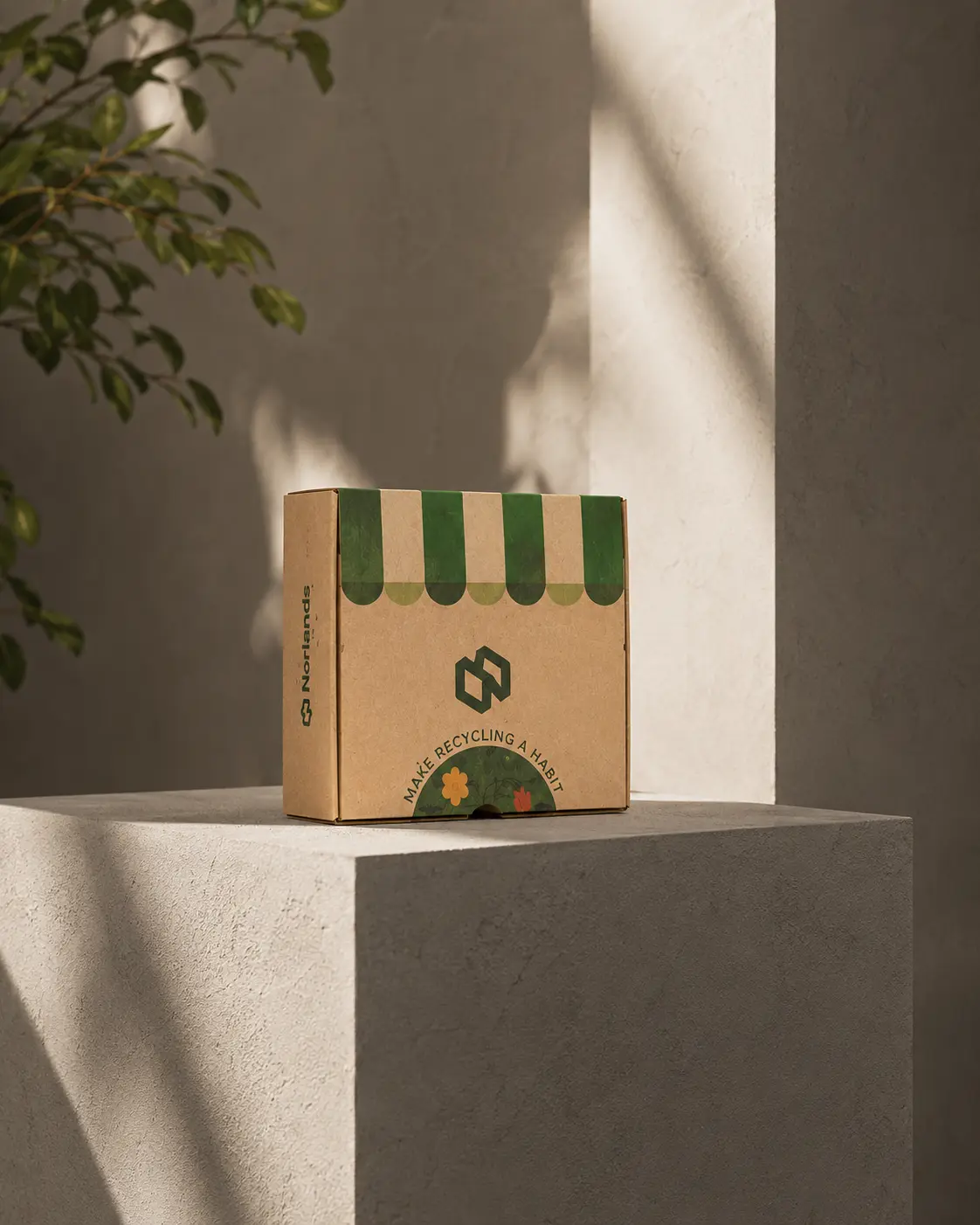
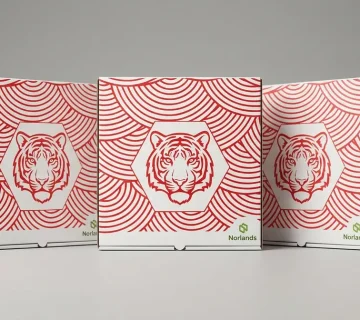
Clean, minimalist packaging design helps products stand out while reinforcing premium brand perception.
| Design Stage | Primary Deliverable | Approval Question |
|---|---|---|
| Research | Requirements, objectives, risks, and design brief | Do we understand the product and complete distribution environment? |
| Concept development | Selected structural and visual direction | Does the concept support brand, customer, cost, and performance goals? |
| Engineering | Approved structure, dieline, and material specification | Can the package be manufactured, assembled, and shipped reliably? |
| Artwork | Production-ready branded artwork | Is all visual, regulatory, and product information correct? |
| Prototype | Tested physical sample and revision notes | Does the package fit, function, protect, and communicate as intended? |
| Production | Final files, tools, proofs, specifications, and quality criteria | Is every technical and commercial requirement ready for manufacturing? |
When research, engineering, branding, prototyping, and production support are connected, packaging design Canada businesses invest in becomes more than a creative service. It becomes a structured development system that improves protection, presentation, efficiency, and long-term commercial performance.
Frequently Asked Questions About Packaging Design in Canada
Businesses researching packaging design Canada services often have questions about cost, timelines, materials, structural engineering, prototypes, artwork, and production support. The answers below address the most common considerations when developing custom packaging for retail, e-commerce, food, industrial, cosmetic, and consumer products.
What is packaging design?
Packaging design is the process of developing the physical structure and visual presentation of a package. It includes dimensions, materials, closures, inserts, graphics, typography, colours, product information, print specifications, and the customer opening experience.
How much does packaging design cost in Canada?
The cost of packaging design in Canada depends on project complexity, the number of products or sizes, structural engineering requirements, artwork development, prototype rounds, materials, printing methods, and production support. A simple artwork update generally costs less than a complete custom structure with inserts, testing, and multiple product variations.
What is structural packaging design?
Structural packaging design focuses on the physical construction of the package. It determines its dimensions, panels, folds, closures, tabs, inserts, opening method, material strength, product fit, assembly process, and shipping performance.
What information is needed before packaging design begins?
The design team usually needs product dimensions, weight, samples, fragility details, sales channels, target customers, order quantities, brand assets, required text, regulatory information, shipping conditions, budget expectations, and preferred production timing.
What is a packaging dieline?
A packaging dieline is a flat technical template showing the package panels, cut lines, crease lines, tabs, glue areas, bleed, safe zones, perforations, and other production features. Graphic artwork is placed onto the approved dieline before printing.
Why is a packaging prototype important?
A packaging prototype allows teams to test product fit, assembly, opening, closure, protection, presentation, and usability before committing to full production. It helps identify problems while revisions are still relatively easy and cost-effective.
What software is used for packaging design?
Packaging teams may use graphic design software for artwork, computer-aided design tools for structural development, 3D visualization software for virtual mockups, and specialized packaging engineering platforms for dielines, nesting, and manufacturing preparation. The exact tools depend on the designer, manufacturer, and package type.
What materials are best for packaging?
The best material depends on product weight, fragility, appearance, shipping conditions, moisture exposure, sustainability goals, production volume, and budget. Common options include corrugated board, paperboard, moulded fibre, paper-based inserts, protective foams, and specialty papers.
Is corrugated packaging suitable for retail products?
Yes. Corrugated packaging design can support retail products, subscription boxes, food items, displays, gift packaging, consumer goods, and e-commerce orders. The structure, flute profile, board grade, print method, and finish can be customized according to the intended presentation.
What is sustainable packaging design?
Sustainable packaging design aims to reduce environmental impact through material efficiency, right-sized structures, recycled content, recyclability, reduced component complexity, lower transportation volume, and responsible end-of-life planning.
Successful packaging begins long before printing artwork or manufacturing a box. It starts with understanding the product, designing the right structure, selecting suitable materials, and creating packaging that supports production, transportation, retail presentation, and the customer experience. From structural packaging engineering and custom corrugated packaging to prototype development and branded packaging solutions, a well-planned packaging system can improve product protection, strengthen brand recognition, and support long-term business growth. Businesses looking to develop new packaging, redesign existing packaging, or create industry-specific packaging solutions can explore Norlands’ packaging design and manufacturing services, discover the industries we support, connect with the Norlands team to discuss their packaging goals, or request a custom packaging quote tailored to their products, production requirements, and distribution needs.
Conclusion: Great Packaging Design Connects Brand, Protection, and Performance
Professional packaging design Canada businesses invest in should do much more than improve appearance. It should protect the product, communicate value, support efficient production, reduce avoidable logistics costs, and create an experience customers remember.
The strongest packaging solutions are developed as connected systems. Structural engineering determines how the package is built and performs. Graphic design creates recognition and communicates the product story. Material selection controls strength, appearance, printability, sustainability, and cost. Prototyping confirms that those decisions work together before production begins.
When these elements are considered separately, packaging problems often appear later. Attractive artwork may be placed on an inefficient structure. A strong box may use more material than necessary. A premium concept may be difficult to manufacture, assemble, ship, or scale.
| Packaging Priority | Recommended Design Approach | Business Result |
|---|---|---|
| Brand recognition | Use consistent visual hierarchy, colour, typography, imagery, and product-family systems | Faster recognition and stronger long-term brand recall |
| Product protection | Match structure, materials, inserts, and strength to the product journey | Lower damage risk, fewer returns, and greater customer confidence |
| Shipping efficiency | Right-size dimensions and optimize cases, pallets, storage, and material use | Reduced dimensional weight and improved logistics performance |
| Customer experience | Create clear information, intuitive opening, convenient handling, and thoughtful presentation | Higher satisfaction, stronger reviews, and repeat purchasing potential |
| Sustainable performance | Reduce unnecessary materials, improve recyclability, and design for efficient transportation | Lower waste and stronger alignment with customer expectations |
A scalable custom packaging design Canada businesses can depend on should allow controlled variation without losing brand consistency. Different sizes, flavours, models, and categories should feel connected while remaining easy for customers and operational teams to identify.
Food, cosmetic, luxury, and consumer products may require additional attention to presentation, information hierarchy, material compatibility, regulations, shelf behaviour, and customer expectations. This is why industry experience matters when selecting a package design company.
Ultimately, packaging is one of the few brand assets that customers can see, touch, carry, open, store, reuse, and share. It creates value at the intersection of marketing, product protection, logistics, sustainability, and customer experience.
By investing in thoughtful packaging branding, structural engineering, dieline development, prototype testing, and production planning, businesses can create packaging that supports both immediate sales and long-term growth.
Great packaging design Canada brands rely on does not merely contain a product. It gives the product a stronger identity, creates confidence at the moment of purchase, protects it throughout distribution, and turns every customer interaction into an opportunity to build lasting brand value.


No comment