
Introduction
Corrugated cardboard sheets Canada businesses use are among the most adaptable materials in commercial packaging. Although they may appear to be simple flat sheets, they can perform several essential functions across shipping, manufacturing, warehousing, food processing, furniture distribution, electronics, and industrial supply chains.
Corrugated sheets can separate products on a pallet, protect finished surfaces, reinforce shipping cartons, stabilize stacked goods, divide components, support fragile products, and create economical packaging inserts. Their flat format makes them easy to store, handle, cut, and integrate into existing packing processes.
Canadian businesses searching for corrugated cardboard sheets Canada suppliers usually need more than generic cardboard. They may require a specific flute profile, board thickness, compression performance, sheet dimension, kraft finish, wall construction, or custom die-cut format suited to their product and shipping environment.
A lightweight single-wall sheet may provide enough protection between layers of packaged consumer goods. Heavy industrial products may require double-wall corrugated pads with greater rigidity and puncture resistance. Furniture manufacturers may use large protective cardboard sheets between panels, while warehouses may use pallet layer pads to improve load stability and organization.
This guide explains how corrugated cardboard sheets Canada buyers can compare board constructions, flute types, thicknesses, applications, custom production options, and suppliers. It also examines how properly selected corrugated pads can reduce product damage, simplify handling, and improve packaging efficiency.
Key Insight:
Corrugated sheets should be selected according to the pressure, weight, impact, abrasion, and moisture conditions they will experience. The strongest or thickest board is not automatically the best option. The goal is to use the most efficient structure that provides sufficient protection throughout storage, handling, and transportation.
The versatility of corrugated cardboard sheets Canada manufacturers produce comes from their layered construction. The fluted medium creates air spaces and structural depth between linerboards, allowing the finished sheet to remain lightweight while providing cushioning, bending resistance, and compression support.
This structure makes corrugated board fundamentally different from solid paperboard or ordinary cardboard sheets. Corrugated materials can absorb and distribute forces more effectively, which is why they are widely used for shipping cartons, pallet pads, protective layers, and industrial packaging.
What Are Corrugated Cardboard Sheets?
Corrugated cardboard sheets are flat pieces of corrugated board supplied without being converted into a complete box. Depending on the application, they may also be described as corrugated pads, layer pads, pallet sheets, separator sheets, corrugated board sheets, or protective cardboard sheets.
Companies purchasing corrugated cardboard sheets Canada products can use them as independent protective components or integrate them into a larger packaging system. A sheet may be placed beneath products, between stacked layers, against the inside wall of a carton, around a fragile surface, or beneath a palletized load.
Corrugated sheets can be supplied in common stock dimensions or manufactured according to custom measurements. They may remain completely flat or receive additional converting such as scoring, perforation, slots, hand holes, rounded corners, or die-cut openings.
The correct configuration depends on how the sheet will be used. A pallet separator may need consistent dimensions and compression resistance. A furniture pad may prioritize broad surface coverage and scratch protection. A structural insert may require precise cuts and folds that hold a product securely inside a carton.
| Corrugated Sheet Format | Common Application | Primary Function |
|---|---|---|
| Flat Corrugated Pad | General product protection and reinforcement | Adds separation, cushioning, and support |
| Pallet Layer Sheet | Between products stacked on pallets | Distributes pressure and stabilizes layers |
| Cardboard Separator Sheet | Between products, panels, or components | Prevents direct contact and abrasion |
| Die-Cut Corrugated Insert | Custom product packaging | Holds products in a defined position |
| Double-Wall Corrugated Sheet | Heavy-duty and industrial packaging | Provides increased rigidity and protection |
How Corrugated Board Is Constructed
Corrugated board is produced by combining flat paper liners with a waved or fluted paper medium. The flutes create a series of arches between the linerboards, producing a structure that is lightweight but resistant to bending and compression.
Most single-wall corrugated cardboard sheets Canada suppliers provide consist of one fluted medium bonded between two linerboards. Double-wall board includes two fluted mediums separated by an additional liner, creating a thicker and more rigid structure.
The linerboards form the flat exterior surfaces of the sheet. They help resist punctures, distribute loads, and provide surfaces that can be printed, laminated, or coated where necessary. The fluted medium contributes cushioning, thickness, stiffness, and vertical compression support.
Businesses ordering custom corrugated cardboard sheets Canada products should therefore explain how the sheet will be positioned and loaded. A manufacturer can then consider flute direction when selecting or cutting the material.

Why Corrugated Sheets Are Used Instead of Solid Cardboard
Solid cardboard and paperboard can provide separation and surface coverage, but they do not have the same internal fluted structure as corrugated board. Corrugated sheets are often selected when the application requires greater cushioning, rigidity, compression support, or resistance to bending.
The air spaces within the flutes allow corrugated material to absorb minor impacts and create distance between protected surfaces. This can make corrugated cardboard sheets Canada companies use more effective for pallet layers, furniture protection, shipping reinforcement, and industrial separation.
Corrugated sheets can also provide significant surface coverage without the weight of a similarly thick solid material. This helps businesses protect products while controlling handling weight and packaging material consumption.
Solid Cardboard Sheets
- Thin and relatively dense
- Useful for lightweight separation
- Limited cushioning depth
- Can bend under unsupported loads
- Suitable for basic surface protection
Corrugated Cardboard Sheets
- Fluted structure creates depth
- Provides cushioning and stiffness
- Available in multiple flute profiles
- Suitable for pallet and shipping applications
- Can be converted into protective inserts
The choice between solid and corrugated material should be based on performance rather than terminology. A thin solid sheet may be sufficient between lightweight printed products. A corrugated pad may be more suitable between heavy components or beneath products that require additional load distribution.
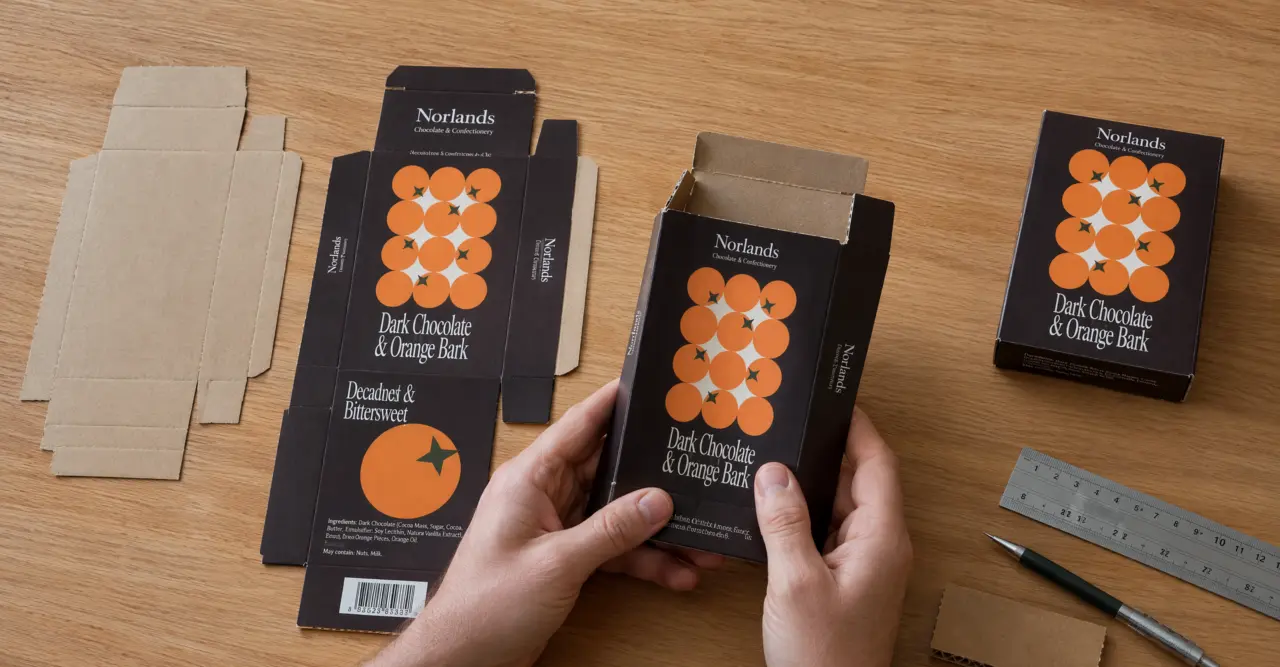
Common Applications for Corrugated Cardboard Sheets
The adaptability of corrugated cardboard sheets Canada packaging operations use allows one material category to solve many different protection and handling problems. Sheets can remain flat, be folded around products, or be converted into more complex packaging components.
The following applications are among the most common in manufacturing, distribution, storage, shipping, and commercial fulfilment.
Pallet Layer Pads
Pallet layer pads are corrugated sheets positioned between horizontal layers of products on a pallet. They create a more uniform surface, separate products, distribute pressure, and may reduce movement between stacked layers.
Businesses purchasing corrugated cardboard sheets Canada for pallet use should match the sheet dimensions to the pallet footprint or product arrangement. Sheets that extend too far beyond the load can become crushed or torn, while undersized sheets may not support the full product layer.
Pallet layer pads are commonly used between cartons, cans, bottles, containers, packaged food products, consumer goods, and industrial components. They can also help separate different products or production batches within the same palletized load.
Pallet Planning Tip:
A corrugated layer pad does not correct an unstable pallet pattern by itself. Products should still be aligned, balanced, and secured appropriately. The sheet works best as one component of a properly engineered pallet load.
Product Separation With Corrugated Cardboard Sheets Canada
Corrugated cardboard sheets Canada can prevent products from contacting one another directly during storage, handling, and transportation. Using corrugated cardboard sheets Canada for separation can reduce scratching, abrasion, surface marking, and pressure transfer between stacked components.
Manufacturers may place corrugated cardboard sheets Canada between metal panels, glass products, cabinet doors, furniture components, printed materials, automotive parts, and finished surfaces. The corrugated cardboard sheets Canada can remain loose or be cut precisely to match the product footprint.
When evaluating corrugated cardboard sheets Canada for separation applications, businesses should consider whether the board surface may leave impressions, transfer dust, or compress beneath the expected load.
Surface Protection With Corrugated Cardboard Sheets Canada
Large corrugated cardboard sheets Canada can protect worktops, floors, furniture, doors, walls, equipment, and finished products during manufacturing, renovation, storage, or transportation. The broad, flat surface of corrugated cardboard sheets Canada helps shield materials from minor impacts, dust, and direct contact.
Clean and dry corrugated sheets are widely accepted through fibre recycling programs. Removing contamination and separating recyclable corrugated materials from mixed waste helps improve recovery and supports a more circular packaging system.
Furniture producers and distributors often place corrugated cardboard sheets Canada between wood panels or around packaged pieces. Manufacturers may use corrugated cardboard sheets Canada on work surfaces to reduce product damage during assembly. Moving and storage operations can also use corrugated cardboard sheets Canada to separate items inside containers, storage areas, or trucks.
For surface protection, buyers should select corrugated cardboard sheets Canada that are large enough to cover vulnerable areas without creating excessive folds, gaps, or unsupported edges.
Shipping Reinforcement With Corrugated Cardboard Sheets Canada
Corrugated cardboard sheets Canada can reinforce the base, sides, or top of an existing shipping carton. A bottom pad made from corrugated cardboard sheets Canada may distribute packed weight more evenly, while side pads can create an additional barrier between the product and the outer carton wall.
Top pads made from corrugated cardboard sheets Canada can help protect products from cutting damage when cartons are opened. They may also create a more level upper surface before the box is closed.
However, corrugated cardboard sheets Canada should not replace a properly specified shipping carton. When a box repeatedly requires multiple corrugated cardboard sheets Canada pads and excessive tape to perform safely, a stronger or better-sized carton may provide greater efficiency.

Packaging Inserts Made From Corrugated Cardboard Sheets Canada
Corrugated cardboard sheets Canada can be cut, folded, scored, or die-cut into protective packaging inserts. These components can hold products in place, create compartments, separate accessories, and prevent direct contact with the shipping carton.
Simple inserts made from corrugated cardboard sheets Canada may include rectangular pads or folded sleeves. More advanced designs may use locking tabs, openings, platforms, partitions, or multiple levels. Custom inserts made from corrugated cardboard sheets Canada can also be designed around exact product dimensions and geometry.
Businesses sourcing corrugated cardboard sheets Canada for packaging inserts should provide accurate product dimensions and clearly identify where protection is required. A well-designed insert made from corrugated cardboard sheets Canada can reduce internal movement without relying on large amounts of loose cushioning.
| Application | How the Sheet Is Used | Main Benefit |
|---|---|---|
| Pallet Layering | Placed between horizontal product layers | Improves separation and load stability |
| Surface Protection | Placed against finished or vulnerable surfaces | Reduces scratches and direct contact |
| Carton Reinforcement | Added to the base, top, or side walls | Adds support around sensitive areas |
| Custom Inserts | Cut and folded around the product | Controls movement and organizes components |
Frequently Asked Questions About Corrugated Cardboard Sheets Canada
Businesses searching for corrugated cardboard sheets Canada suppliers often need to compare board grades, flute profiles, sheet thickness, custom production capabilities, and industrial applications before purchasing. The following questions address the most common concerns from manufacturers, distributors, warehouses, retailers, and commercial packaging buyers.
What are corrugated cardboard sheets used for?
Corrugated cardboard sheets Canada businesses purchase are commonly used as pallet layer pads, product separator sheets, protective surface covers, carton reinforcement, packaging inserts, furniture protection, warehouse dividers, and industrial packaging components. Their versatility makes them suitable for both shipping and manufacturing applications.
What is the difference between corrugated sheets and cardboard sheets?
Corrugated sheets contain a fluted paper medium positioned between linerboards, creating additional strength, cushioning, and compression resistance. Solid cardboard sheets do not contain this fluted structure and are generally better suited to lighter-duty applications where cushioning is less important.
Which flute type is best for shipping?
There is no universal best flute profile. C-Flute is often selected for general shipping because it provides a balanced combination of cushioning and compression performance. Heavy products may benefit from double-wall construction, while thinner profiles may be suitable for retail packaging and inserts.
Can corrugated cardboard sheets be custom cut?
Yes. Many corrugated cardboard sheets Canada manufacturers provide custom dimensions, die-cut components, scored sheets, perforated pads, slots, rounded corners, and other converted formats designed for specific packaging applications.
Are corrugated cardboard sheets recyclable?
Most corrugated sheets are recyclable when they remain clean, dry, and free from excessive contamination such as grease, chemicals, or mixed materials. Businesses should follow local recycling guidelines for corrugated packaging materials.
Can corrugated sheets be used as packaging inserts?
Yes. Corrugated cardboard sheets Canada suppliers often convert flat sheets into protective inserts, dividers, partitions, sleeves, and die-cut components that help position products securely inside shipping cartons.
Which industries use corrugated cardboard sheets?
Corrugated sheets are widely used in manufacturing, food processing, warehousing, furniture production, electronics, automotive, retail, logistics, agriculture, and e-commerce because they provide economical product protection throughout handling and distribution.
Where can I buy corrugated cardboard sheets in Canada?
Businesses can purchase corrugated cardboard sheets Canada products from corrugated manufacturers, packaging companies, industrial packaging suppliers, packaging distributors, and custom box manufacturers throughout Canada. Buyers should compare material quality, custom capabilities, lead times, and production capacity before selecting a supplier.
Can corrugated sheets replace foam packaging?
In some applications, corrugated inserts and pads can replace foam by providing structural support and product separation. However, highly fragile or impact-sensitive products may still require additional protective materials depending on shipping conditions.
How do I choose the right corrugated sheet?
Selection should be based on product weight, flute profile, wall construction, compression requirements, shipping environment, pallet configuration, storage conditions, and whether the sheet will be folded, die-cut, or used as a flat protective pad.
Should I choose single-wall or double-wall corrugated sheets?
Single-wall sheets are appropriate for many general packaging, shipping, and pallet applications. Double-wall corrugated sheets are commonly selected when greater rigidity, puncture resistance, and compression strength are required for heavy industrial products or demanding shipping environments.
Can corrugated sheets improve pallet stability?
Yes. Properly sized layer pads can improve load consistency by creating flat surfaces between product layers and helping distribute pressure more evenly. However, pallet stability also depends on stacking patterns, load balance, stretch wrapping, and handling practices.
Are custom corrugated sheets worth the investment?
For recurring commercial applications, custom corrugated sheets can reduce material waste, improve packing efficiency, minimize manual cutting, enhance product protection, and simplify warehouse operations. The value depends on shipment volume, packaging complexity, and operational requirements.
Choosing the right corrugated cardboard sheets is about more than selecting a flat protective material—it’s about building a packaging system that improves product protection, pallet stability, handling efficiency, and long-term operational performance. From custom corrugated sheets and die-cut protective components to pallet layer pads, packaging inserts, separator sheets, and engineered corrugated solutions for manufacturing, warehousing,
logistics, food production, and retail distribution, the right packaging can reduce damage, streamline packing processes, and support a more efficient supply chain. Businesses looking for reliable corrugated packaging materials, custom protective components, or industry-specific packaging solutions can explore Norlands’ packaging services, discover the industries we support, connect with the Norlands team for expert packaging guidance, or request a custom packaging quote tailored to their products, production process, and distribution requirements.
Conclusion: Choosing the Right Corrugated Cardboard Sheets Canada Businesses Can Depend On
Corrugated cardboard sheets Canada companies use every day have become one of the most versatile protective materials in modern packaging. Their applications extend far beyond flat cardboard, serving as pallet layer pads, shipping reinforcements, protective separators, industrial inserts, warehouse dividers, and custom packaging components across nearly every major industry.
Choosing the correct corrugated sheet begins with understanding the application rather than selecting a board based only on thickness or appearance. Product weight, pallet configuration, stacking height, moisture exposure, transportation conditions, handling frequency, and required protection all influence which corrugated construction will perform most effectively.
Single-wall corrugated sheets provide practical solutions for many general shipping and protective applications, while double-wall constructions offer additional rigidity for heavier industrial products. Flute selection, sheet dimensions, and converting options should always be matched to the actual packaging process rather than following a one-size-fits-all approach.
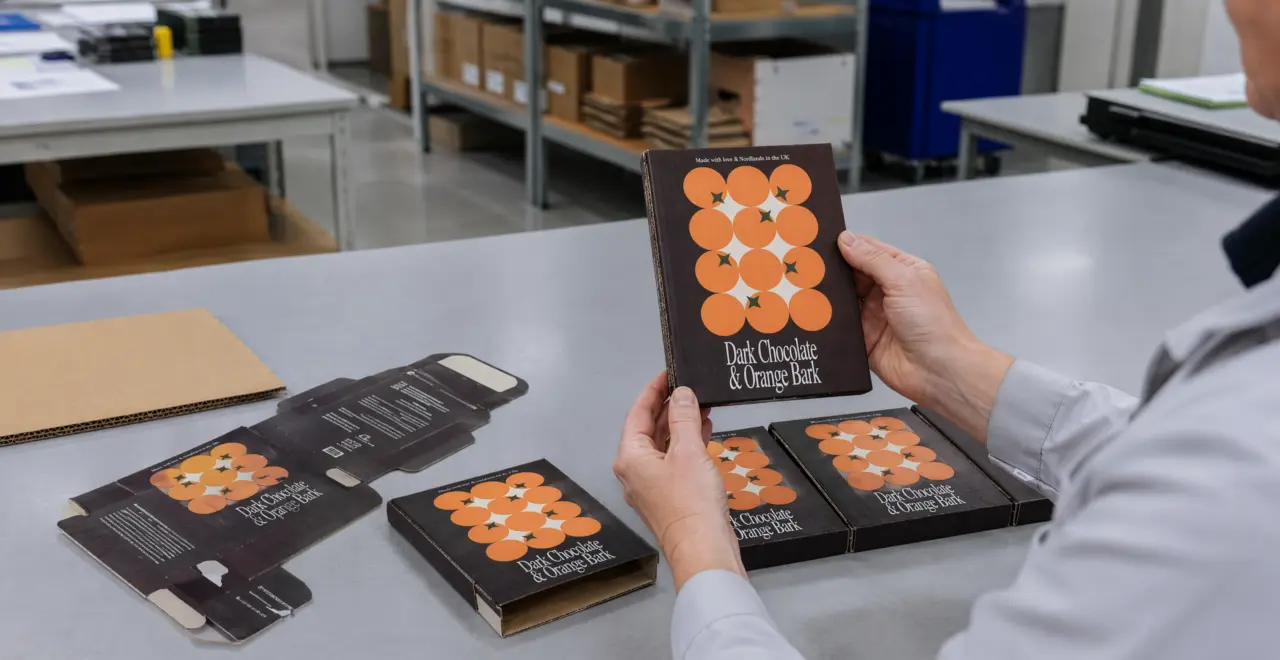
Custom corrugated cardboard sheets Canada manufacturers produce can create additional value by improving product fit, reducing material waste, simplifying warehouse operations, and supporting repeatable packaging systems. In many commercial environments, properly engineered corrugated pads become an integral part of production efficiency rather than simply another packaging material.
Businesses should also evaluate suppliers according to manufacturing capability, custom converting services, quality consistency, lead times, and long-term production capacity. A dependable supplier can help optimize board selection, recommend structural improvements, and ensure that protective packaging continues to perform consistently as production volumes grow.
| Packaging Objective | Recommended Corrugated Sheet Solution | Primary Benefit |
|---|---|---|
| Pallet Layering | Custom corrugated layer pads | Improved load stability and pressure distribution |
| Shipping Protection | Corrugated reinforcement sheets | Reduced product movement and carton support |
| Surface Protection | Large protective corrugated sheets | Reduced scratching and abrasion |
| Product Organization | Die-cut inserts and separator sheets | Consistent positioning and easier packing |
| Industrial Packaging | Heavy-duty double-wall corrugated sheets | Higher rigidity and compression performance |
The most effective corrugated cardboard sheets Canada businesses purchase are those engineered for the specific product, handling environment, and shipping conditions they will encounter. By selecting appropriate flute profiles, wall constructions, sheet sizes, and converting features, manufacturers and distributors can improve product protection while supporting more efficient packaging operations throughout the Canadian supply chain.





No comment