
introduction
Professional packaging design Vancouver is about much more than creating attractive graphics for a box. Effective packaging needs to protect the product, communicate the brand, function during shipping and handling, create the intended customer experience, and ultimately be practical to manufacture.
For Vancouver businesses launching a new product, improving an existing package, preparing for retail, or building an e-commerce brand, packaging design Vancouver should bring structural design and visual communication together from the beginning.
A strong package starts with the product itself. Its dimensions, weight, fragility, sales environment, shipping method, materials, opening experience, branding, printing, and production requirements all influence the final design.
Packaging Design Framework:
Effective packaging design Vancouver follows the product from concept to production:
Product → Requirements → Structure → Material → Dieline → Prototype → Graphics → Testing → Production.
What Is Packaging Design?
Packaging design is the process of developing a package’s structure, materials, dimensions, functionality, graphics, and production specifications around the product it must protect and present.
For businesses looking for packaging design Vancouver, this distinction matters. Packaging design is not simply graphic design applied to a box. It can involve structural engineering, material selection, product protection, dieline development, prototypes, artwork, printing, assembly, shipping, and manufacturing requirements.
Structural Packaging Design
Structural packaging design determines the physical form and functionality of the package. It considers dimensions, panels, folds, closures, materials, inserts, internal supports, opening behaviour, assembly, and product fit.
Graphic Packaging Design
Graphic packaging design controls how the brand communicates visually across the package. This can include logo placement, typography, colour, product information, exterior artwork, interior graphics, and the relationship between artwork and the physical structure.
Packaging Engineering
Packaging engineering connects the package to functional and production requirements. Product weight, fragility, material behaviour, structural performance, manufacturing, shipping, and distribution can all influence design decisions.
Why Successful Packaging Requires All Three
Strong packaging design Vancouver brings structure, graphics, and engineering together. A visually impressive package can still fail if it does not fit the product, protect it properly, assemble efficiently, or work within manufacturing requirements.
Likewise, a structurally effective box can miss an important opportunity if its graphics fail to communicate the product and brand clearly.
Why Vancouver Businesses Invest in Professional Packaging Design
Vancouver businesses may invest in professional packaging design Vancouver when launching products, entering retail, developing e-commerce packaging, improving product protection, strengthening brand presentation, or preparing packaging for commercial production.
Protect Products More Effectively
Packaging can be designed around the dimensions, weight, fragility, and distribution requirements of the product rather than relying on an available standard box.
Create Stronger Brand Recognition
Packaging is a physical brand touchpoint. Consistent use of brand identity, typography, colour, and visual hierarchy can help customers recognize products and product lines.
Improve Customer Experience
The way a package opens, presents the product, organizes components, and communicates information can influence the customer’s interaction with the brand.
Reduce Packaging Inefficiencies
Professional packaging design Vancouver can identify unnecessary volume, excessive components, poor product fit, inefficient assembly, or other design decisions that may be creating avoidable packaging complexity.
Prepare Products for Retail or E-Commerce
Retail and e-commerce packaging can have different priorities. Retail packaging may emphasize shelf presentation and product communication, while e-commerce packaging must also consider shipping protection, empty space, opening, and distribution.
Develop Packaging That Can Actually Be Manufactured
A packaging concept ultimately needs to become a physical product. Materials, folds, cuts, printing, tooling, assembly, and commercial production should therefore be considered during design rather than after the visual concept has already been completed.
Structural vs Graphic Packaging Design
One of the most important distinctions in packaging design Vancouver is the difference between structural packaging design and graphic packaging design. Both are important, but they solve different problems.
What Structural Packaging Design Controls
Structural design determines the physical package: its dimensions, geometry, panels, folds, closures, material, internal supports, assembly, opening behaviour, and relationship to the product.
What Graphic Design Controls
Graphic design determines the visual communication applied to that structure. This includes branding, typography, colour, imagery, product information, hierarchy, and other printed elements.
Why Graphics Cannot Fix a Poor Structure
Strong artwork cannot compensate for a package that is oversized, difficult to assemble, poorly fitted to the product, or unsuitable for its distribution environment.
Why Structure and Artwork Should Be Developed Together
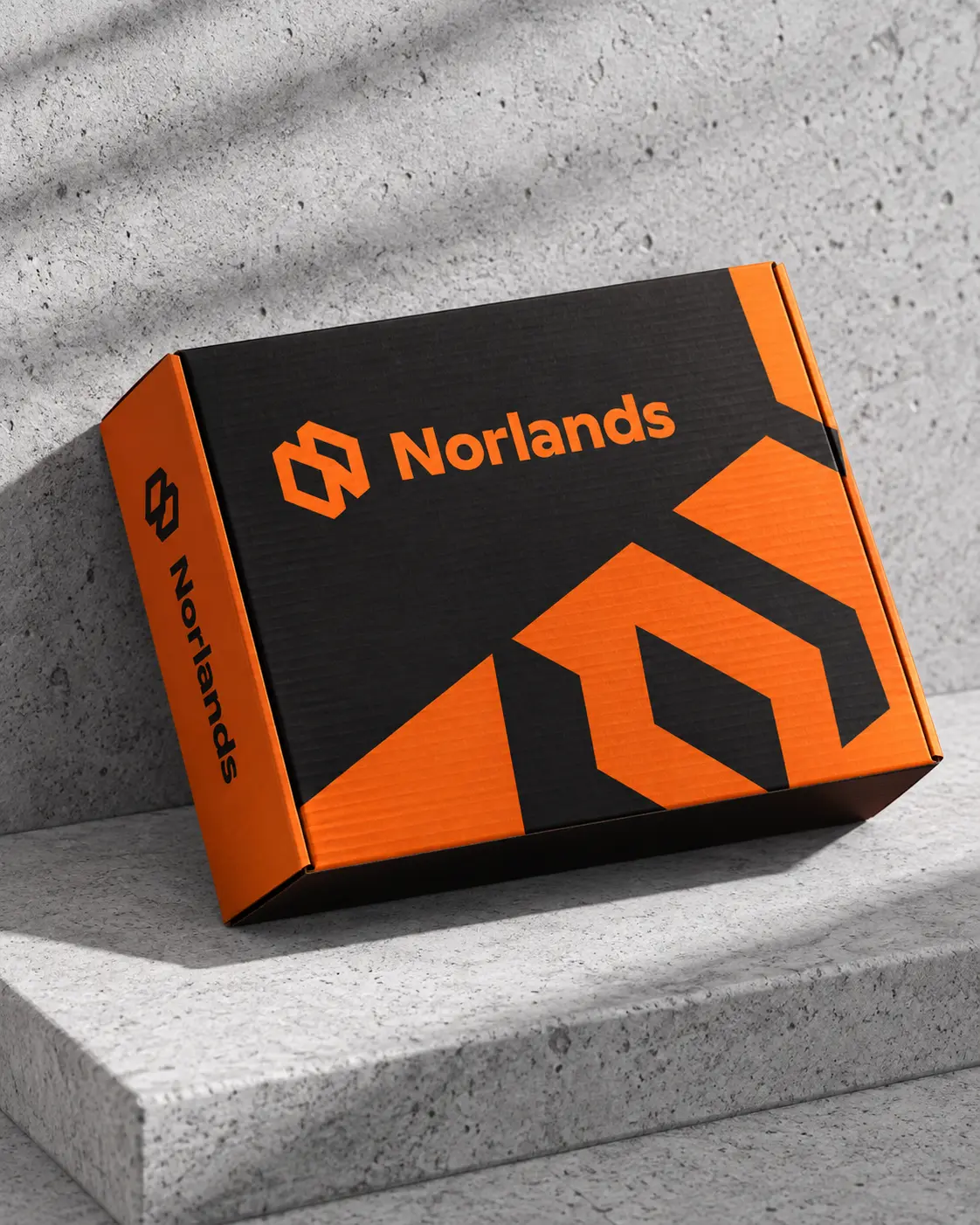
Artwork is applied to a three-dimensional structure containing panels, folds, cut lines, tabs, and closures. For this reason, effective packaging design Vancouver should coordinate graphics with the structure rather than treating the two disciplines independently.
Corrugated packaging structures are defined through specific dimensional and structural elements that ultimately need to translate into physical cutting, creasing, folding, and assembly. Developing artwork around the approved structure helps ensure that visual elements remain correctly positioned as the flat design becomes a three-dimensional package.
Structure + Graphics:
Structural design makes the package work. Graphic design makes the package communicate. Professional packaging design Vancouver needs both disciplines to work together while accounting for manufacturing, shipping, and the customer experience.
Structural Packaging Design Vancouver
Structural packaging design Vancouver begins by understanding the physical product and the conditions the package must handle. The structure should be developed around product dimensions, weight, fragility, geometry, opening requirements, assembly, internal protection, and distribution.
Product Dimensions
Accurate dimensions help determine the internal space required by the product and any protective components around it.
Product Weight
Product weight influences material and structural requirements and should be considered alongside dimensions and handling conditions.
Fragility
Fragile products may require additional protection, controlled movement, inserts, dividers, or other structural features.
Box Geometry
The geometry of the package determines how panels, folds, openings, closures, and product placement work together.
Opening and Closure
The opening and closure system should reflect how customers, retailers, warehouse teams, or other users need to access the product.
Assembly
Packaging should also be evaluated in its flat and assembled states. Complex structures may create additional packing or assembly requirements.
Internal Protection
Structural packaging design Vancouver can incorporate inserts, partitions, dividers, cradles, and other components when products require additional support or separation.
Distribution Requirements
The package should reflect how the product will actually move through storage, retail, e-commerce, shipping, warehouse handling, palletization, or other distribution environments.
Graphic Packaging Design Vancouver
Once the physical structure is understood, graphic packaging design Vancouver determines how the brand and product information communicate across that structure.
Brand Identity
Packaging can extend an existing brand identity or become an important part of establishing the visual language of a new product.
Logo Placement
Logo placement should consider visibility, hierarchy, panel dimensions, folds, closures, and how the package is viewed in its intended environment.
Typography
Typography can establish hierarchy between brand, product name, supporting information, instructions, and other printed content.
Colour
Colour can contribute to brand recognition and product differentiation while also needing to work with the selected material and printing process.
Product Information
The design should organize required product information clearly within the available packaging surfaces.
Exterior Graphics
Exterior graphics establish the first visual interaction with the package and can support brand recognition, product communication, and presentation.
Interior Graphics
When appropriate, interior printing can extend the brand experience into the opening and unboxing process.
Designing Around Folds and Cut Lines
Artwork should be developed around the actual dieline. Important graphics, text, logos, and other elements need to account for folds, cuts, tabs, closures, and panel transitions.
Packaging Design Starts With the Product
The most important principle in packaging design Vancouver is simple: design the packaging around the product—not the product around an available box.
Starting with the product allows structural, material, visual, and distribution decisions to be based on real requirements instead of assumptions.
Measure the Product
Begin with accurate dimensions and understand how the product will be oriented inside the package.
Understand How Fragile It Is
Identify surfaces, components, or areas that require protection and determine whether internal supports or separation are necessary.
Determine How It Will Be Sold
A product sold in retail may have different presentation requirements from one sold primarily through e-commerce or B2B distribution.
Understand How It Will Be Shipped
Shipping method influences structural packaging design Vancouver. Consider whether the package will move individually, inside another shipping container, on pallets, or through other distribution environments.
Identify the Customer Experience
Consider how customers should open the package, encounter the product, remove components, and interact with the brand.
Define Production Requirements
The design should ultimately be suitable for the intended materials, printing, cutting, assembly, and commercial manufacturing process.
Core Packaging Design Principle:
Design the packaging around the product—not the product around an available box. Effective packaging design Vancouver starts with the real product, its journey, and its customer experience.
Custom Box Design Vancouver
Custom box design allows packaging design Vancouver to move beyond standard box dimensions and structures. The package can instead be developed around the product, presentation requirements, distribution method, and brand experience.
Custom Dimensions
Custom dimensions can improve product fit and allow the structure to account for internal protection without creating unnecessary space.
Custom Corrugated Structures
Corrugated packaging can be structurally developed around the weight, dimensions, opening requirements, shipping conditions, and presentation needs of the product.
Mailer Boxes
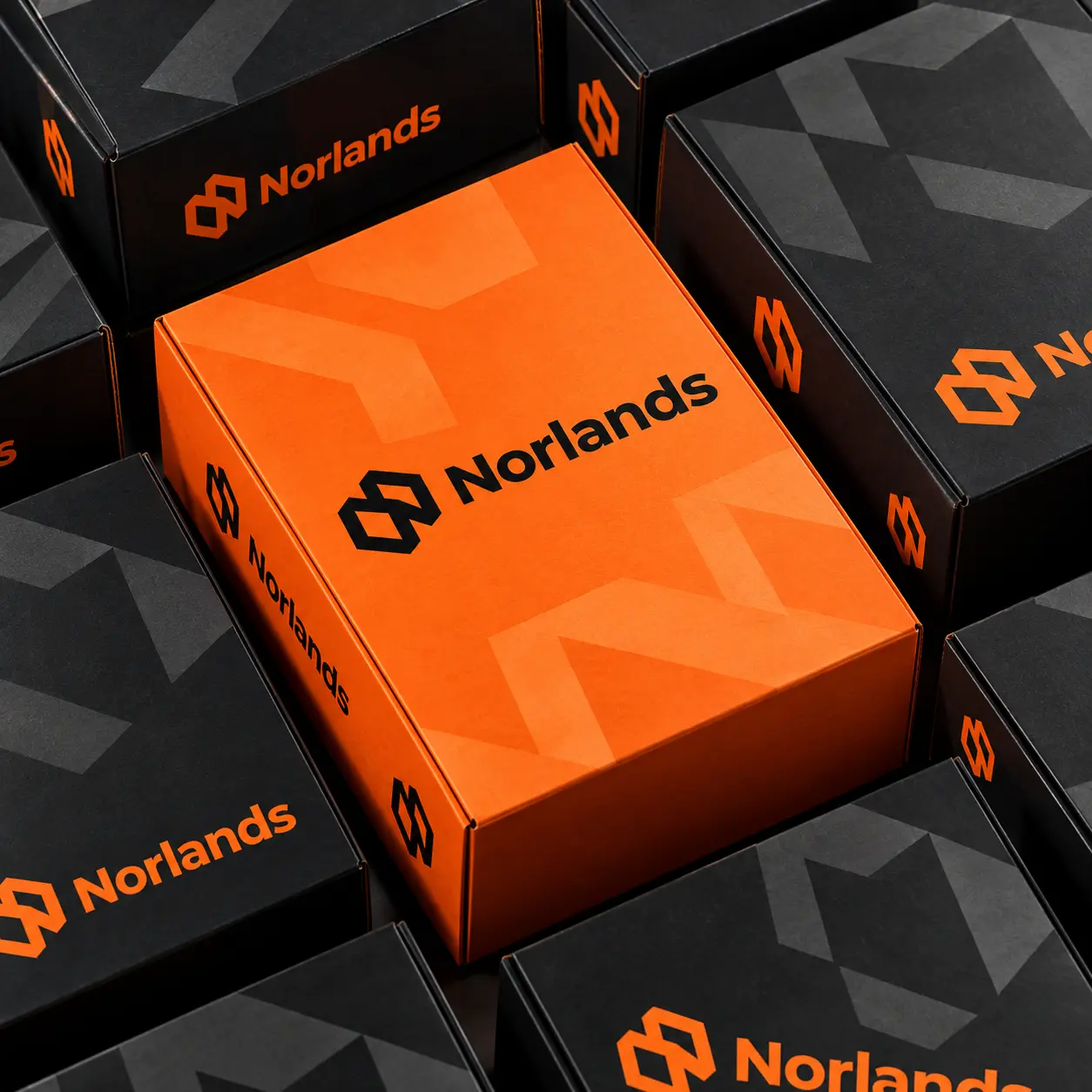
Mailer-style structures can be designed for e-commerce and other applications where shipping, opening, presentation, and branding need to work together.
Shipping Boxes
Shipping boxes should prioritize product protection and distribution requirements while also considering size, materials, assembly, and identification.
Retail Boxes
Retail packaging may need to balance product protection with shelf presence, brand recognition, information, and customer presentation.
Presentation Packaging
Presentation-focused structures can place additional emphasis on opening behaviour, product arrangement, and the visual experience created when the package is opened.
Die-Cut Packaging
Die-cut structures allow custom panels, tabs, openings, closures, and other structural features to be developed according to the package concept.
How Packaging Materials Affect Design
Material selection is a fundamental part of packaging design Vancouver. Materials influence structural behaviour, thickness, surface characteristics, printing, folds, cutting, presentation, and the way a finished package performs.
Corrugated Board
Corrugated board can provide structural performance for shipping, e-commerce, industrial, and other packaging applications depending on the selected construction.
Paperboard
Paperboard can be considered for packaging applications where its structural and presentation characteristics match the product requirements.
Kraft Materials
Kraft materials provide a distinct natural surface and visual character that should be considered when developing both structure and artwork.
Fibre-Based Materials
Fibre-based packaging materials can form part of a packaging system when their characteristics are appropriate for the intended application.
Material Thickness
Thickness influences physical structure, folds, clearances, internal dimensions, and how the package assembles.
Surface Characteristics
The surface of the material can influence the appearance of printed graphics and should therefore be considered during graphic packaging design Vancouver.
How Material Selection Affects Printing and Structure
Material cannot be separated from structure and graphics. The selected material influences structural behaviour and the way artwork appears after printing, which is why material decisions should happen as part of the overall design process.
Corrugated Packaging Design Vancouver
Corrugated packaging design Vancouver combines material selection, structural design, product requirements, internal protection, printing, and commercial production considerations.
Choosing the Right Corrugated Construction
The appropriate corrugated construction depends on the product and the conditions the packaging is expected to handle.
Flute Selection
Flute selection forms part of corrugated material planning and should reflect structural, dimensional, printing, and application requirements.
Single-Wall vs Double-Wall
Single-wall and double-wall corrugated constructions offer different structural characteristics. The appropriate option should be selected around the product and distribution requirements rather than assuming more material is always necessary.
Structural Strength
Structural strength should reflect product weight, dimensions, handling, stacking, and other requirements relevant to the packaging application.
Die-Cut Corrugated Packaging
Die-cut corrugated structures can incorporate custom panels, folds, tabs, openings, and closures to create packaging around specific product and user requirements.
Designing for Commercial Production
Professional packaging design Vancouver should ultimately translate into a repeatable physical package. Structural concepts therefore need to account for materials, cutting, folds, printing, assembly, and the intended commercial production process.
Tell us what you’re packaging and we’ll help you find the right box style, material, and production path.
Need packaging that fits your product, timeline, and budget?
Packaging Inserts and Internal Structural Design
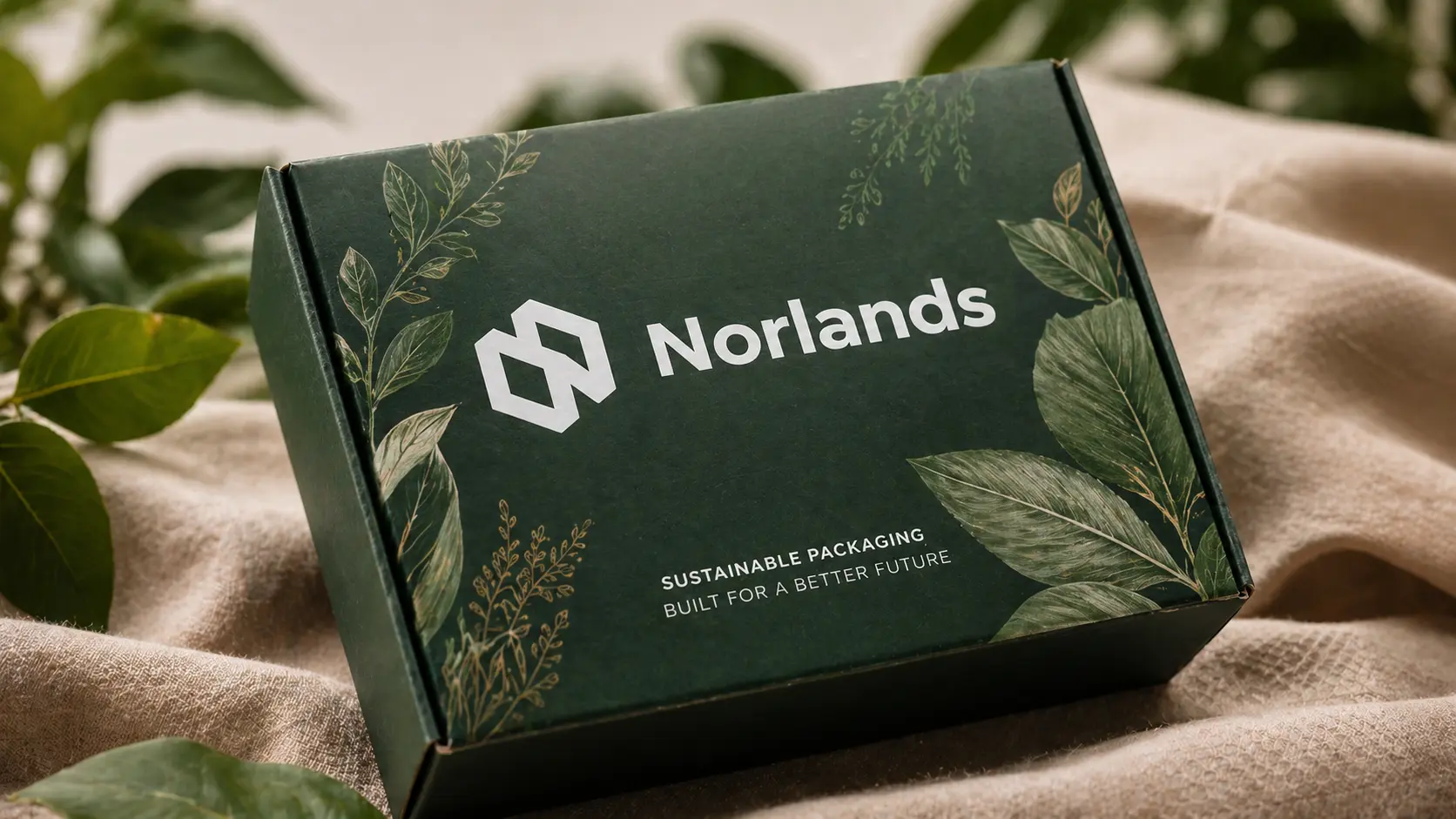
The outer package is only one part of the structure. Some products require inserts, partitions, dividers, cradles, or other internal components to maintain positioning and improve protection or presentation.
Corrugated Inserts
Corrugated inserts can be designed around the shape and positioning requirements of the product.
Dividers and Partitions
Dividers and partitions can separate multiple products or components within the same package.
Product Cradles
Cradles can support a product in a defined position and become part of the overall structural packaging design Vancouver.
Multi-Product Packaging
When several products are packaged together, the internal structure can organize individual items and create defined spaces for each component.
Reducing Product Movement
Internal packaging can help reduce unnecessary movement by maintaining a more controlled relationship between the product and the outer structure.
Improving Product Presentation
Internal structures can also contribute to presentation by determining how products are positioned and revealed when the package is opened.
Design the Complete Package:
Strong packaging design Vancouver considers the outer structure and internal packaging together. The box, inserts, product positioning, opening experience, artwork, and manufacturing requirements should function as one coordinated system.
Packaging Design Vancouver for E-Commerce
E-commerce creates a distinctive set of requirements for packaging design Vancouver. Packaging may need to protect the product through shipping while also controlling empty space, supporting convenient opening, accommodating potential returns, and creating a recognizable branded experience.
Shipping Protection
E-commerce packaging should reflect the product’s dimensions, weight, fragility, and expected distribution conditions.
Right-Sized Packaging
Right-sizing means developing the package around the product and necessary protection rather than automatically selecting an oversized shipping box.
Mailer Box Design
Mailer boxes can combine shipping functionality, structural design, branding, and the opening experience within one packaging format when appropriate for the product.
Reducing Empty Space
Excessive empty space can allow products to move and may require additional void fill. Better-fitting packaging can help control unnecessary internal volume.
Easy Opening
The opening process forms part of the customer experience and should be considered during structural packaging design Vancouver.
Returns-Friendly Design
Where product returns are an important part of the sales model, the packaging requirements for that process should be considered during development.
Creating a Branded Unboxing Experience
Exterior graphics, interior printing, product positioning, opening sequence, and presentation can work together to create a branded customer experience after the package arrives.
Packaging Design Vancouver for Retail Products
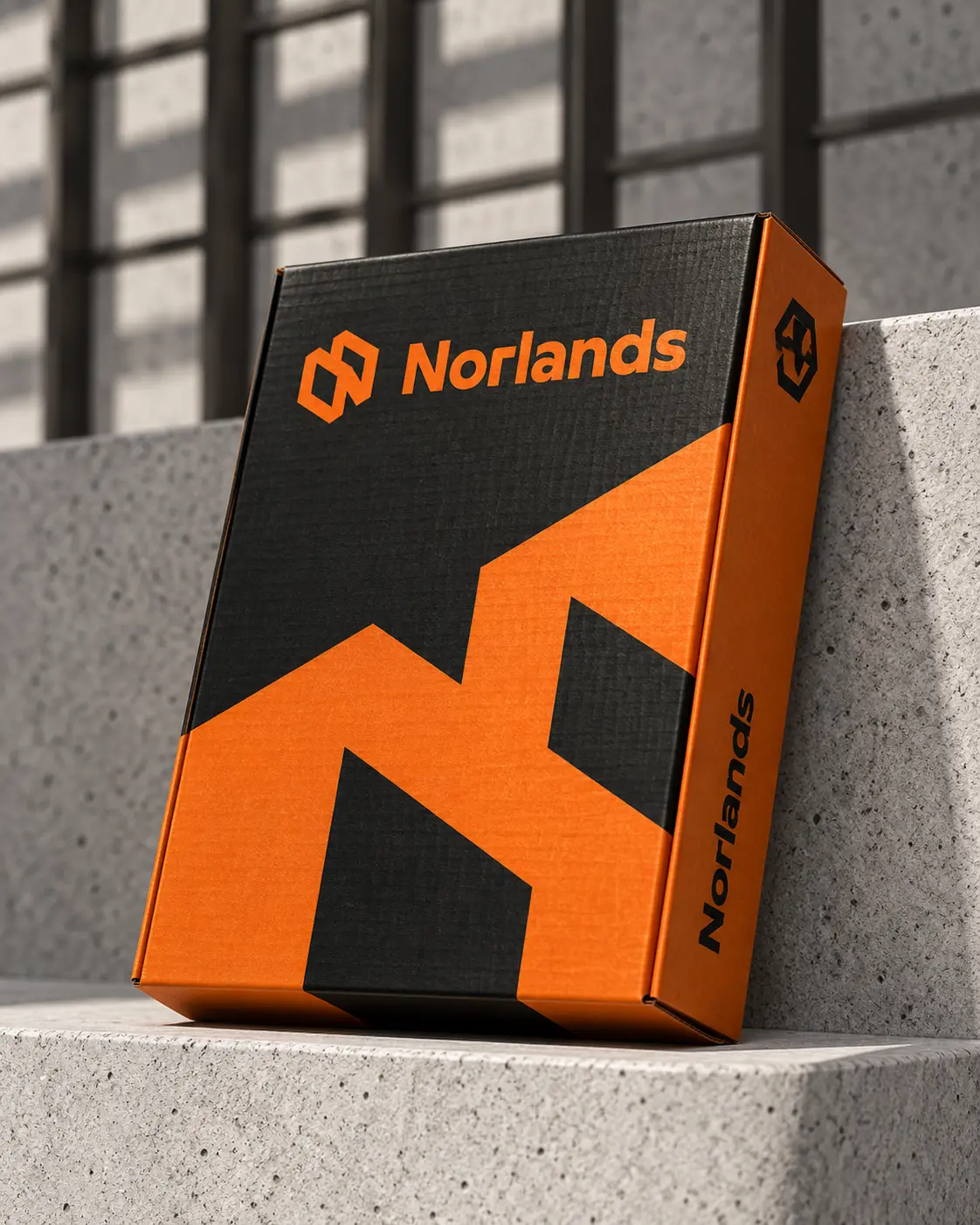
Retail packaging design Vancouver must balance physical packaging requirements with communication and presentation. The package may need to protect the product while also helping customers identify the brand, understand the product, and distinguish it from other options.
Shelf Presence
Packaging structure, graphics, typography, colour, and hierarchy can influence how a product presents within a retail environment.
Product Communication
Packaging can organize product information so customers can understand the product and relevant details more clearly.
Brand Recognition
Consistent brand elements across packaging can help connect individual products to a wider product line.
Display-Ready Packaging
Where display-ready functionality is required, those structural and presentation requirements should be considered during packaging development.
Product-Line Consistency
A packaging system can create visual and structural relationships between multiple products while still accommodating differences in product size or requirements.
Seasonal Packaging
Seasonal packaging can adapt visual communication or presentation for specific campaigns while remaining connected to the broader brand system.
Packaging Design Vancouver for Food and Beverage Brands
Food and beverage businesses may require packaging design Vancouver that balances product protection, secondary packaging, retail presentation, shipping, distribution, and material considerations.
Product Protection
Packaging should be developed around the physical characteristics and protection requirements of the product.
Food Packaging Structures
The appropriate structure depends on the specific food product and the role the package needs to perform.
Secondary Packaging
Secondary packaging can group, protect, present, or transport packaged food and beverage products according to the application.
Retail Presentation
Structure and graphics can work together to create a more consistent retail presentation and communicate the brand.
Shipping and Distribution
Packaging should account for how products move from packing and storage through distribution to their intended destination.
Sustainable Material Considerations
Material efficiency, right-sizing, fibre-based materials where appropriate, reduced unnecessary components, and end-of-life considerations can form part of the packaging design process.
Frequently Asked Questions About Packaging Design Vancouver
Businesses searching for packaging design Vancouver often have questions about structural design, graphic design, dielines, prototypes, custom inserts, sustainable packaging, shipping efficiency, and the development process. The answers below cover the most important considerations before starting a professional packaging design Vancouver project.
What is packaging design?
Packaging design Vancouver combines structural, material, functional, and visual decisions to create packaging that protects a product, communicates the brand, supports distribution, and can be manufactured efficiently. It can involve everything from physical box structure and materials to graphics, product fit, dielines, and production requirements.
What is structural packaging design?
Structural packaging design determines the physical form of the package, including dimensions, panels, folds, closures, materials, inserts, and other functional features. In a professional packaging design Vancouver project, structural design establishes how the package physically works around the product.
What is the difference between packaging design and graphic design?
Graphic design focuses primarily on visual communication, while packaging design Vancouver can also include physical structure, materials, product protection, manufacturing, assembly, shipping, and product fit. Effective packaging therefore combines visual communication with the functional requirements of the physical package.
What is a packaging dieline?
A packaging dieline is a technical flat layout showing structural elements such as cut lines, folds, panels, tabs, and artwork boundaries before the package is manufactured. In packaging design Vancouver, the dieline creates an important connection between the structural package, artwork, and production process.
Do I need a prototype before manufacturing packaging?
Prototypes are valuable for checking product fit, assembly, structural functionality, inserts, opening experience, and artwork before committing to commercial production. For custom packaging design Vancouver, prototyping can help identify issues before they become part of the manufactured package.
Can packaging design reduce shipping costs?
It can. Right-sized packaging design Vancouver may reduce empty space, void fill, dimensional inefficiency, and transportation volume while potentially improving product protection. The actual impact depends on the product, package, shipping method, and distribution requirements.
Can packaging design include custom inserts?
Yes. Inserts, partitions, dividers, and product supports can be incorporated into structural packaging design Vancouver. These components can help position products, separate multiple items, reduce unnecessary movement, and contribute to product presentation.
Can packaging be designed for both retail and shipping?
Yes, but the packaging design Vancouver process must account for both presentation and distribution requirements. In some applications, primary or retail packaging may be combined with separate shipping packaging to address the different requirements of retail presentation and transportation.
Can sustainable packaging still be custom designed?
Yes. Custom packaging design Vancouver can consider material efficiency, right-sizing, fibre-based materials, recyclability considerations, and reduced component counts during development. Sustainability considerations can therefore be integrated into structural and material decisions rather than treated only as an addition after the package has been designed.
How long does a packaging design project take?
The timeline for a packaging design Vancouver project depends on structural complexity, prototype iterations, artwork, testing, material selection, tooling, approvals, and production requirements. More complex structures or projects requiring additional development and prototype refinement may involve more stages before commercial manufacturing.
Quick question:
You might also like
Packing Boxes Vancouver: Choose Strong, Reliable Boxes for Moving, Storage, and Shipping
Professional packaging design Vancouver should turn the requirements of your product into a packaging system that protects, presents, ships, and manufactures effectively.
Norlands brings structural packaging design, material selection, custom corrugated structures, protective inserts, dieline development, prototyping, graphic design, printing, and production planning together so each part of the package works as one coordinated system. Whether you are launching a new product, redesigning inefficient packaging, preparing for retail,
or developing an e-commerce experience, a product-first approach to packaging design Vancouver can improve product fit, protection, brand presentation, opening experience, shipping efficiency, and production readiness.
Explore Norlands’ packaging design and custom packaging services, connect with the Norlands team to discuss your product, brand, and distribution requirements, or request a custom quote for packaging design Vancouver developed from initial concept and structural design through prototype validation and commercial production.
Conclusion: Build Better Products With Smarter Packaging Design Vancouver
Effective packaging design Vancouver is not simply about making a box look better. It is about developing a packaging system that works around the product, protects it appropriately, communicates the brand, supports the customer experience, fits the intended distribution environment, and can ultimately move into commercial production.
That process begins before artwork is placed on a dieline. Strong packaging design Vancouver starts by understanding the product itself—its dimensions, weight, fragility, sales environment, shipping method, customer experience, and production requirements.
From there, structural design, materials, dielines, prototypes, internal protection, graphics, printing, testing, and manufacturing can be developed as connected parts of one packaging system.
Packaging Design Vancouver Should Start With the Product
The strongest starting point for packaging design Vancouver is the physical product—not the box and not the graphics.
Before developing the structure, identify the product dimensions, weight, fragility, orientation, sales environment, shipping method, and the experience customers should have when interacting with the package.
This information creates the foundation for decisions about structure, materials, internal protection, dielines, opening behaviour, and production.
The Core Principle:
Design the packaging around the product—not the product around an available box. This principle should guide every stage of professional packaging design Vancouver.
Structure Comes Before Decoration
Visual identity is important, but successful packaging design Vancouver cannot rely on graphics alone. Before final artwork is developed, the package needs a structure that fits the product and addresses its functional requirements.
Dimensions, box geometry, material, opening and closure, assembly, internal protection, and distribution requirements all affect the physical package. Once these structural elements are understood, artwork can be developed around the actual panels, folds, cut lines, tabs, and closures.
This coordination helps prevent a common packaging problem: creating attractive graphics first and discovering later that the physical package does not support the intended design.
Use Packaging Design Vancouver to Connect Structure and Brand
The strongest packaging design Vancouver projects do not treat structural design and branding as unrelated services. Instead, the physical structure becomes part of the brand experience.
The opening method, product positioning, interior presentation, exterior graphics, typography, colour, and information hierarchy can all work together to shape how customers experience the package.
For retail products, this can support shelf presentation and product communication. For e-commerce, packaging design Vancouver can connect shipping protection with opening and unboxing. For multi-product packaging, internal structures can organize products while contributing to presentation.
Design Packaging With Manufacturing in Mind
A creative packaging concept only becomes commercially useful when it can be translated into production. Professional packaging design Vancouver should therefore consider manufacturing throughout the development process.
Material characteristics, thickness, folds, cutting, dielines, printing, tooling, assembly, and production requirements can all influence the final structure and artwork.
This is also why prototypes are valuable. A physical prototype allows the package to be evaluated before committing to commercial manufacturing.
Think Beyond the Packaging Unit Cost
When evaluating packaging design Vancouver, businesses should consider the wider packaging system rather than focusing only on the individual box.
Package dimensions can influence empty space, void fill, transportation volume, pallet utilization, and product protection. A packaging redesign may therefore need to consider the complete distribution process as well as material and manufacturing requirements.
The objective is not simply to minimize material or create the smallest possible package. It is to develop packaging that uses the appropriate structure and materials while still performing its required functions.
Sustainable Packaging Design Starts During Development
Sustainable packaging design Vancouver should be considered during structural and material development rather than added only after the package has already been completed.
Design considerations can include using the right amount of material, reducing unnecessary components, using fibre-based materials where appropriate, right-sizing the package, considering recyclability, and thinking about packaging end of life.
Product protection also remains important. Packaging should still perform its primary function of protecting the product while sustainability considerations are incorporated into the design.
Packaging Design Vancouver for Local and Wider Distribution
For Vancouver and BC businesses, packaging should reflect the actual supply chain through which products will move. A product may begin with local Vancouver deliveries but later move throughout British Columbia or across Canada.
Professional packaging design Vancouver can therefore consider local delivery, warehouse handling, palletized distribution, and longer-distance transportation according to the actual application.
Designing around the real supply chain helps connect packaging decisions to the environments the package is expected to encounter after production.
From Startup Packaging to Commercial Production
For Vancouver startups and businesses launching new products, packaging design Vancouver can provide the bridge between an early product concept and production-ready packaging.
Early decisions about dimensions, materials, structure, branding, prototypes, and production requirements can influence how easily the packaging evolves as the product moves toward commercial manufacturing.
This makes it useful to think beyond the first package version. A design should address current product requirements while also considering how packaging may need to function as production develops.
What Should You Prepare for a Packaging Design Vancouver Project?
Before starting a packaging design Vancouver project, collecting the right product and commercial information can make the development process more focused.
Product Dimensions
Provide accurate dimensions and the intended orientation of the product.
Product Weight
Identify the weight that the packaging structure needs to accommodate.
Samples or Photos
Product samples or clear photos can help communicate physical product characteristics.
Fragility Requirements
Identify vulnerable areas and relevant product-protection requirements.
Existing Brand Assets
Prepare relevant logos, brand elements, typography, colours, and other existing visual assets.
Shipping Method
Explain how the product will move through shipping and distribution.
Estimated Order Quantity
Include the expected production quantity when defining the project requirements.
Target Launch Date
Share the intended launch timing so development requirements can be understood.
Current Packaging Problems
For redesign projects, identify what is not working with the existing packaging.
Choose a Packaging Design Vancouver Partner That Understands Production
When comparing a packaging design Vancouver partner, look beyond visual design alone. Structural design experience, material knowledge, packaging engineering, prototype capabilities, printing knowledge, manufacturing capabilities, and understanding of distribution can all be relevant.
It is also useful to consider whether the packaging design Vancouver process can move from early structural development and prototypes toward repeat commercial production.
For Vancouver businesses developing a new product or improving existing packaging, the objective should be a package that performs as a complete system. Structure protects and contains the product. Materials support the required functionality. Graphics communicate the brand. Dielines connect design with manufacturing. Prototypes allow the concept to be physically reviewed before production.
When these elements are developed together, packaging design Vancouver becomes more than box design or packaging artwork. It becomes a product-development process that connects protection, branding, customer experience, distribution, and manufacturing.
Whether the application involves retail packaging, e-commerce mailers, corrugated boxes, food and beverage secondary packaging, custom inserts, or a complete packaging redesign, successful packaging design Vancouver begins with the same principle: understand the product first, then build the packaging around what that product actually needs.
Final Packaging Design Principle:
Great packaging design Vancouver brings together product protection, structural design, materials, branding, customer experience, distribution, and manufacturing. The goal is not simply to design a beautiful package—it is to design a package that works.
No comment