
Introduction
Custom packaging localization Canada is no longer a niche branding tactic; it is increasingly viewed as a strategic asset in competitive national and regional markets. As Canadian consumers become more selective and regionally aware, brands that rely solely on standardized packaging formats are seeing diminishing returns. Packaging is now expected to reflect local preferences, regulatory realities, and distribution conditions across provinces.
Canada’s geographic and cultural diversity makes this shift particularly relevant. From bilingual requirements in Quebec to climate variations between British Columbia and the Prairies, market-specific packaging plays a measurable role in performance. Localized packaging solutions go beyond graphic design adjustments; they involve regional packaging customization tied to consumer behavior, shelf environments, and supply chain realities. These adjustments influence how products are perceived, handled, and purchased.
Packaging localization trends also reflect increasing competition. As domestic and international brands compete in the same retail and e-commerce spaces, local brand packaging can provide differentiation at the point of sale. Consumers respond more strongly to packaging that aligns with regional identity, sustainability expectations, and functional needs.
The shift from viewing packaging as a cost center to treating it as part of a broader Canadian packaging strategy requires data, coordination, and intentional planning. Brands that understand when localization creates measurable value can strengthen positioning and operational efficiency. In this evolving landscape, understanding the strategic role of custom packaging localization Canada is essential for sustained competitive advantage.
According to the Canadian Food Inspection Agency (CFIA), food labels in Canada must comply with mandatory bilingual requirements and specific regulatory standards regarding ingredient declaration, nutrition facts, and product representation. These national labelling rules directly influence custom packaging localization Canada strategies, especially for brands operating across multiple provinces. Ensuring compliance is not only a legal necessity but also a foundational component of maintaining market access and consumer trust.
What Custom Packaging Localization Canada Actually Means in Practice
Custom packaging localization Canada refers to the deliberate adaptation of packaging elements to fit specific regional markets while maintaining overall brand consistency. In practice, this approach goes far beyond minor design tweaks. It involves aligning packaging structure, messaging, materials, and compliance details with the realities of distinct Canadian regions.
Localized packaging solutions may include adjustments in language, imagery, sizing, and regulatory labeling. In Quebec, bilingual or French-first packaging is often essential for compliance and customer trust. In Western provinces like British Columbia, sustainability messaging and recyclable material choices may carry stronger influence due to consumer expectations. These variations illustrate how regional packaging customization becomes part of a broader Canadian packaging strategy.
Market-specific packaging also reflects distribution differences. Packaging formats optimized for national retail chains may not perform equally well in regional distribution networks or direct-to-consumer fulfillment. Customization allows brands to adjust durability, stack ability, and presentation based on how products move within each market.
Local brand packaging plays a psychological role as well. Consumers often respond positively to cues that signal familiarity and relevance. When packaging reflects local preferences or cultural nuances, it strengthens connection and reinforces credibility.
In practice, custom packaging localization Canada is not about fragmenting identity. It is about adapting intelligently so packaging supports sales, compliance, and operational efficiency within each target region.
Why Standardized Packaging Is Losing Effectiveness in Canada
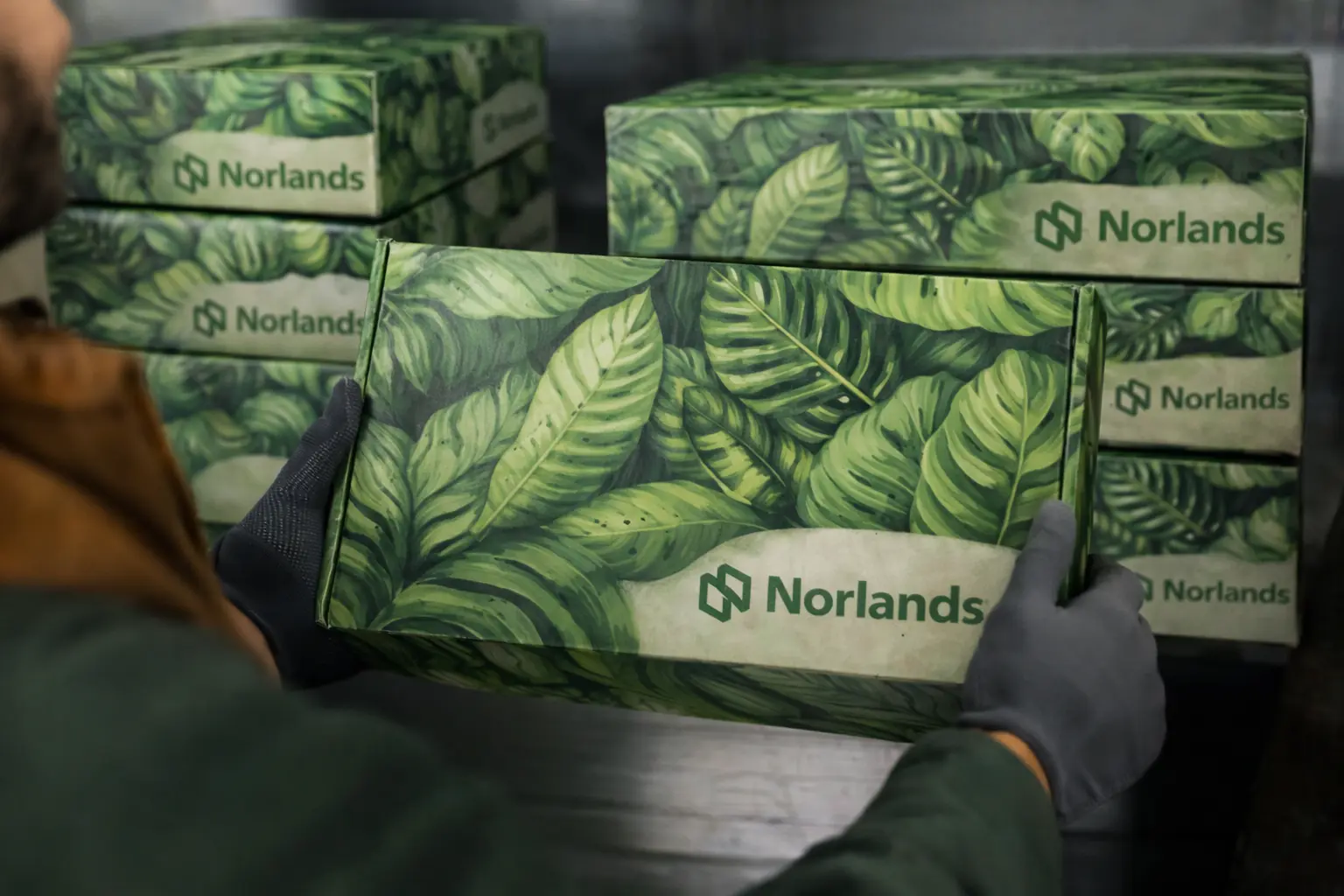
Custom packaging localization Canada is rapidly gaining momentum because standardized packaging is no longer delivering consistent performance across Canada’s diverse provincial markets. For years, a uniform packaging strategy helped brands simplify production and maintain visual consistency. However, as regional expectations become more defined, Custom packaging localization Canada is emerging as a strategic necessity rather than an optional enhancement.
Canada is not a homogenous market. Cultural values, regulatory requirements, climate conditions, and consumer priorities vary significantly from province to province. Custom packaging localization Canada addresses these differences directly, allowing brands to adapt messaging, materials, and visual elements to regional realities. In contrast, standardized packaging often attempts to speak to everyone and ends up resonating fully with no one.
Consumer expectations are one of the strongest drivers behind the rise of Custom packaging localization Canada. In British Columbia, environmentally conscious buyers often prioritize sustainable materials, minimalist design, and recyclable packaging claims. In Quebec, bilingual clarity and culturally aligned messaging are essential. In colder provinces or remote regions, durability and structural strength become higher priorities. Custom packaging localization Canada allows brands to refine packaging specifications according to these provincial expectations rather than relying on a single national template.
Retail competition further amplifies the importance of Custom packaging localization Canada. Domestic brands and international imports compete side by side on Canadian shelves. In crowded retail environments, packaging must communicate relevance immediately. Through Custom packaging localization Canada, brands can tailor color schemes, imagery, and product messaging to align with regional consumer psychology. Standardized packaging, by contrast, may lack the nuance needed to stand out effectively in different provincial markets.
Regulatory complexity also reinforces the shift toward Custom packaging localization Canada. Quebec’s language requirements, regional labeling expectations, and evolving sustainability regulations create compliance challenges for uniform packaging strategies. Custom packaging localization Canada enables brands to meet local regulatory standards without compromising brand identity or operational control.
Operational efficiency is another overlooked factor. Distribution infrastructure varies widely across Canada. Urban markets with dense retail footprints demand compact, shelf-ready formats, while remote or e-commerce-heavy regions require reinforced shipping durability. Custom packaging localization Canada allows brands to adapt structural design, case pack configuration, and material selection based on regional distribution patterns. Without Custom packaging localization Canada, uniform packaging may create inefficiencies in storage, transit, or fulfillment.
Climate variation adds another layer of complexity. Temperature swings, humidity differences, and extended transport routes can affect packaging performance. Custom packaging localization Canada supports material adjustments and structural modifications that align with environmental realities across provinces. Standardized packaging often overlooks these environmental nuances, reducing long-term effectiveness.
Brand perception is also shaped by local alignment. Consumers increasingly value authenticity and regional sensitivity. Custom packaging localization Canada demonstrates that a brand understands local culture, language, and expectations. This localized relevance strengthens trust and loyalty in ways that standardized packaging struggles to achieve.
Standardization still plays a role in preserving visual identity and maintaining operational consistency. However, the dominance of one-size-fits-all packaging is declining. As regional purchasing behavior becomes more influential, Custom packaging localization Canada provides the flexibility needed to remain competitive.
Ultimately, Custom packaging localization Canada transforms packaging from a static, uniform asset into a dynamic, regionally optimized growth tool. Brands that adopt Custom packaging localization Canada position themselves for stronger market resonance, improved operational alignment, and sustained competitiveness across Canada’s diverse provincial landscape.
Custom Packaging Localization Canada and Regional Consumer Expectations
Custom packaging localization Canada becomes a competitive advantage when brands intentionally align packaging decisions with regional consumer expectations. Canada is geographically unified but behaviorally diverse. Purchasing drivers, cultural identity, environmental sensitivity, and communication preferences vary significantly between provinces. For this reason, Custom packaging localization Canada is not simply a creative adjustment—it is a performance strategy.
In Western Canada, particularly in Vancouver and surrounding BC markets, sustainability is often a decisive factor. Consumers actively evaluate recyclable materials, minimal packaging waste, and transparent sourcing claims. Custom packaging localization Canada allows brands to emphasize eco-friendly messaging, environmental certifications, and responsible material choices specifically in these markets. Without Custom packaging localization Canada, sustainability messaging may appear generic rather than regionally relevant.
In Quebec, language and cultural nuance shape consumer trust. French labeling is not only a regulatory requirement but also a cultural expectation. Custom packaging localization Canada ensures that messaging is linguistically accurate and culturally aligned, strengthening brand credibility. Brands that overlook this dimension risk appearing disconnected from local identity.
Other provinces may prioritize different signals. In colder or more remote regions, durability and practicality often outweigh aesthetic considerations. Consumers may focus on packaging strength, product protection, and value messaging. Through Custom packaging localization Canada, brands can adjust claims, imagery, and structure to reflect these priorities without disrupting overall brand consistency.
Urban versus rural distinctions further reinforce the importance of Custom packaging localization Canada. Metropolitan markets may respond to modern typography and clean design, while rural markets may prioritize clarity and functional messaging. By integrating Custom packaging localization Canada, brands refine packaging communication to resonate with specific market contexts rather than relying on uniform assumptions.
Emotional resonance is another advantage of Custom packaging localization Canada. Referencing regional landscapes, lifestyles, or community values strengthens consumer connection. Subtle visual cues—such as imagery reflective of local environments—enhance familiarity and trust. Custom packaging localization Canada transforms packaging into a culturally aware brand touchpoint.
Ultimately, Custom packaging localization Canada shifts packaging strategy from uniform distribution to market-specific engagement. Brands that embrace Custom packaging localization Canada position themselves as attentive, relevant, and responsive to the diversity of Canadian consumer expectations.
How Local Preferences Influence Packaging Design Decisions
Local preferences influence far more than aesthetics—they shape perception, trust, and purchase intent. Custom packaging localization Canada recognizes that design decisions must adapt to regional behavior patterns. What performs strongly in British Columbia may not deliver the same impact in Ontario, Alberta, or Quebec. This reality makes Custom packaging localization Canada essential for brands seeking national growth with regional effectiveness.
In BC markets, minimalism and environmental messaging often resonate strongly. Clean typography, muted color palettes, and recyclable materials align with regional values. Custom packaging localization Canada strategies in Western provinces frequently emphasize sustainability transparency and reduced material use. By tailoring visual tone through Custom packaging localization Canada, brands increase alignment with consumer expectations.
In competitive retail environments such as Ontario’s dense urban markets, visibility becomes a stronger differentiator. Bold color contrast, high-impact branding, and prominent shelf presence help products stand out. Custom packaging localization Canada enables brands to amplify visual intensity in these regions without abandoning national brand identity.
Imagery adaptation is another powerful tool within Custom packaging localization Canada. Natural landscapes, cultural motifs, or regionally familiar symbols subtly communicate local awareness. Through Custom packaging localization Canada, brands can maintain cohesive brand structure while adjusting visual emphasis to reflect provincial identity.
Structural design also evolves under Custom packaging localization Canada. Retail-heavy regions may require shelf-ready packaging formats, while e-commerce-driven markets demand reinforced durability. Packaging dimensions, opening mechanisms, and protective inserts can all be optimized through Custom packaging localization Canada to align with regional distribution patterns.
Climate differences further influence packaging decisions. Temperature variation and humidity exposure affect material performance. Custom packaging localization Canada allows brands to adjust board strength, coating selection, and protective design based on environmental conditions across provinces.
Most importantly, Custom packaging localization Canada reduces the risk of oversimplification. Uniform packaging strategies assume homogeneity that does not exist. By investing in Custom packaging localization Canada, brands create regionally tuned packaging systems that improve shelf performance, increase consumer trust, and strengthen long-term loyalty.
In an increasingly competitive marketplace, Custom packaging localization Canada ensures that packaging reflects relevance rather than uniformity—turning regional nuance into measurable brand advantage.

Language, Climate, and Distribution Factors in Packaging Localization
Language compliance is one of the most tangible drivers of custom packaging localization Canada initiatives. Federal bilingual requirements already apply in many contexts, but Quebec’s regulations demand specific French labeling standards. Failing to adapt packaging language can create legal risk and limit market access. Custom packaging localization Canada ensures that labeling meets regulatory standards while maintaining visual balance and readability.
Climate variation across Canada also influences material selection and structural integrity. In colder provinces, packaging must withstand temperature fluctuations during transportation and storage. Moisture resistance, insulation, and material durability become critical design considerations. Through custom packaging localization Canada, brands can tailor material specifications to protect product quality across different climate zones.
How Businesses in Vancouver Are Rethinking Local Packaging Supply Chains
Quick question:
More content you’ll love
Distribution networks further shape packaging decisions. Urban markets with dense retail footprints may require compact, stackable formats optimized for shelf space efficiency. In contrast, rural or remote areas often depend more heavily on e-commerce logistics, increasing the need for reinforced packaging to endure longer transit routes. Custom packaging localization Canada allows companies to adapt dimensions, protective layers, and secondary packaging formats accordingly.
Retail infrastructure differences also matter. Some provinces rely heavily on big-box retail, while others support smaller independent stores. Packaging display strategies must align with these environments. Custom packaging localization Canada provides the flexibility to adjust case packs, shelf-ready packaging, and visual presentation to suit specific distribution models.
Sustainability regulations and recycling infrastructure vary regionally as well. Certain provinces have more developed recycling systems or stricter environmental guidelines. Custom packaging localization Canada enables brands to align materials and disposal instructions with local recovery capabilities, strengthening both compliance and brand credibility.
Together, language, climate, and distribution factors demonstrate that packaging is not a static asset. Custom packaging localization Canada transforms packaging from a standardized container into a responsive, regionally optimized tool that supports operational efficiency, regulatory compliance, and consumer connection across diverse Canadian markets.
Industries Where Custom Packaging Localization Canada Creates the Most Impact
Custom packaging localization Canada delivers the strongest results in industries where regional demand patterns, regulatory requirements, and consumer preferences directly influence purchasing behavior. In these sectors, localized packaging solutions can improve both market performance and operational efficiency.
Food and beverage brands are among the most affected. Packaging must address bilingual labeling rules, shelf-life considerations, and sustainability expectations. Regional packaging customization helps brands adapt to provincial compliance standards and retail display formats. In competitive grocery environments, market-specific packaging can differentiate products quickly at shelf level.
E-commerce and direct-to-consumer brands also benefit significantly. As fulfillment networks expand across Canada, packaging must balance durability and presentation while aligning with local expectations. Local brand packaging that reflects regional values can strengthen customer experience and reduce returns tied to mismatched design or performance.
Consumer packaged goods in crowded categories—such as personal care or household products—gain measurable advantage from packaging localization trends. Adjusting messaging, imagery, and material selection to suit provincial audiences increases perceived relevance.
Industrial and specialty B2B sectors also see impact. Packaging that aligns with regional distribution realities improves handling efficiency and compliance. Across these industries, custom packaging localization in Canada functions as a strategic tool for differentiation, performance optimization, and long-term competitiveness.
Operational and Supply Chain Implications of Packaging Localization
Custom packaging localization Canada introduces operational considerations that extend beyond marketing strategy. While localized packaging solutions strengthen regional relevance, they also increase planning complexity across production, inventory, and distribution.
One primary implication is SKU expansion. Regional packaging customization often results in multiple packaging versions for different provinces or markets. This requires disciplined packaging growth planning, accurate demand forecasting, and clear version control to prevent misallocation or excess inventory.
Supplier coordination becomes more important as well. Brands must work closely with regional partners to manage production schedules and ensure consistency across variants. A strong Canadian packaging strategy integrates suppliers early in the planning cycle to balance flexibility with efficiency.
Distribution impacts are also significant. Market-specific packaging may influence pallet configurations, storage conditions, or fulfillment workflows. Packaging designed for one region’s retail structure may not be optimal elsewhere. Aligning packaging formats with local logistics networks helps maintain performance without sacrificing scalability.
Cost management requires attention. While localized packaging can increase short-term operational complexity, it may improve overall ROI through better sales performance and reduced returns. The key is aligning customization with measurable objectives.
Operationally, custom packaging localization Canada succeeds when marketing insight and supply chain planning operate in parallel rather than isolation.
How Canadian Brands Measure ROI From Custom Packaging Localization
Custom packaging localization Canada only becomes a true strategic asset when brands measure its financial and operational impact. Without structured evaluation, localization risks being perceived as an added cost rather than a value driver.
Sales performance by region is one of the most direct indicators. Brands compare revenue growth, shelf rotation, and market share in provinces where localized packaging solutions are implemented versus standardized formats. In many cases, market-specific packaging improves engagement and conversion, especially in competitive retail environments.
Return rates and damage metrics also provide insight. Regional packaging customization that aligns with climate, handling conditions, and distribution networks can reduce product returns and fulfillment errors. This operational improvement strengthens both customer experience and margin performance.Customer feedback and brand perception metrics add another layer. Surveys, repeat purchase rates, and digital engagement data often reveal stronger resonance where local brand packaging reflects regional values or language expectations. These qualitative signals support quantitative results.
Finally, supply chain efficiency must be evaluated. A well-structured Canadian packaging strategy balances complexity with performance. Brands that integrate data from sales, logistics, and operations can determine whether custom packaging localization Canada delivers sustainable ROI rather than short-term experimentation.
Frequently Asked Questions About Custom Packaging Localization Canada
What is custom packaging localization in Canada?
It is the practice of adapting packaging design, messaging, or materials to specific regional markets while maintaining overall brand consistency.
Does packaging localization increase operational complexity?
Yes, it can increase SKU and planning requirements, but structured coordination often offsets complexity with stronger regional performance.
When does packaging localization become a competitive advantage?
When regional consumer expectations, regulatory requirements, or distribution differences directly influence purchasing decisions.
Is localized packaging only relevant for large brands?
No. Small and mid-sized brands can benefit significantly by aligning packaging with local preferences and market conditions.
How do brands measure the success of packaging localization?
They evaluate regional sales performance, return rates, customer engagement, and supply chain efficiency to assess measurable ROI.

Conclusion
Custom packaging localization Canada has evolved from a tactical design adjustment into a strategic lever for growth, differentiation, and operational performance. In a country defined by regional diversity, standardized packaging alone often fails to meet varying consumer expectations, regulatory demands, and distribution realities.
By implementing localized packaging solutions and regional packaging customization thoughtfully, brands can strengthen relevance without sacrificing consistency. Market-specific packaging enhances engagement, while local brand packaging reinforces trust in competitive provincial markets. When integrated into a cohesive Canadian packaging strategy, localization supports both sales performance and supply chain efficiency.
The key is measurement and alignment. Brands that track ROI, coordinate closely with suppliers, and adapt based on data are better positioned to convert packaging localization trends into sustainable advantage. In this context, custom packaging localization Canada becomes more than a cost—it becomes a strategic asset that supports long-term competitiveness across the country.



No comment