
Why Packaging Flexibility Seasonal Demand Canada Is Critical
Packaging flexibility seasonal demand Canada directly affects how efficiently businesses can respond to shifting consumer demand throughout the year. Canadian markets are highly dynamic, with demand patterns changing rapidly during major retail events, weather transitions, and regional economic cycles. Companies that rely on rigid packaging procurement systems often struggle to keep up with these fluctuations, which can lead to inventory imbalances, production delays, and unnecessary operational costs.
Seasonal demand shifts can occur across multiple industries simultaneously. Retailers experience sharp demand increases during holiday shopping periods, while agricultural producers face packaging surges during harvest seasons. Food and beverage companies often see volume spikes tied to summer tourism, winter holidays, or promotional campaigns. When packaging supply is not designed to accommodate these shifts, businesses may find themselves either overstocking packaging materials that sit unused in warehouses or scrambling to secure additional packaging at the last minute when production demand rises unexpectedly.
One of the most significant risks of inflexible packaging systems is the impact on operational continuity. Manufacturing lines depend heavily on consistent packaging availability to maintain production flow. Even minor packaging shortages can halt production, delay shipments, and disrupt distribution schedules across regional supply chains. In Canada, where goods frequently travel long distances between production facilities and distribution centers, such disruptions can quickly escalate into costly logistical challenges.
Canadian businesses also operate within a supply environment shaped by regional infrastructure and transportation realities. Freight movement between major hubs such as Vancouver, Calgary, Toronto, and Montreal often involves extended shipping routes and seasonal weather conditions that affect delivery timelines. Companies that build adaptable packaging strategies—supported by inventory management packaging systems and flexible supplier agreements—are better positioned to respond to these logistical variables without compromising production schedules.
Another critical reason packaging flexibility has become essential is the growing unpredictability of market demand. E-commerce growth, rapidly changing consumer preferences, and marketing-driven sales events have made forecasting more difficult than ever. Traditional procurement models that rely on fixed yearly packaging volumes cannot always accommodate these sudden shifts. Businesses that implement demand fluctuation strategies and maintain the ability to scale packaging orders up or down gain the operational agility needed to maintain stability.
Ultimately, packaging flexibility allows companies to align packaging supply with real production needs instead of rigid forecasts. Organizations that develop scalable packaging systems can adjust production volume without creating supply chain disruptions, reduce excess packaging inventory, and maintain consistent delivery performance even during unpredictable seasonal peaks. For companies operating in Canada’s complex distribution environment, this adaptability is becoming a fundamental component of sustainable operational planning within packaging flexibility seasonal demand Canada.

Packaging Flexibility Seasonal Demand Canada vs Fixed Supply Models (Expanded)
The importance of Packaging flexibility seasonal demand Canada becomes even more evident when directly compared to traditional fixed supply models. For many years, businesses across Canada relied on long-term packaging agreements built around fixed volumes, stable pricing, and predictable production schedules. While this approach once supported operational stability, it is no longer aligned with the realities of modern supply chains.
Today’s Canadian market is defined by volatility, rapid demand shifts, and increasingly complex consumer behavior. In such an environment, rigid procurement structures limit a company’s ability to respond effectively. Businesses that lack Packaging flexibility seasonal demand Canada often find themselves trapped between excess inventory and insufficient supply—two costly outcomes that directly impact profitability and operational efficiency.
Fixed supply models require companies to forecast demand months in advance and commit to predetermined packaging volumes. While this may benefit suppliers by ensuring consistent production planning, it creates a structural imbalance for businesses operating in dynamic markets. When demand drops unexpectedly, companies are left with surplus packaging that consumes storage capacity and locks up working capital. Conversely, when demand surges, these same contracts restrict the ability to scale quickly—undermining the very purpose of supply chain responsiveness.
In contrast, flexible supply frameworks are specifically designed to support Packaging flexibility seasonal demand Canada by introducing adaptability into procurement. Instead of committing to a single annual volume, businesses establish scalable agreements that allow packaging supply to adjust in real time. This includes variable order quantities, responsive production scheduling, and built-in capacity buffers that absorb fluctuations without disrupting operations.
Ultimately, the shift from fixed models to flexible systems is not just an operational upgrade—it is a strategic transformation. Companies that embrace Packaging flexibility seasonal demand Canada gain the ability to align packaging supply with actual market behavior, rather than relying on outdated projections.
Managing Holiday Demand Surges
Seasonal peaks are one of the most critical testing points for Packaging flexibility seasonal demand Canada. In Canada, major retail events such as Black Friday, Cyber Monday, and Boxing Day generate intense, short-term demand spikes that can overwhelm traditional packaging systems.
Businesses operating under rigid procurement models often struggle during these periods. Fixed packaging volumes cannot accommodate sudden increases in order fulfillment, leading to delays, missed sales opportunities, and customer dissatisfaction. Without Packaging flexibility seasonal demand Canada, companies are forced into reactive decisions—such as sourcing emergency packaging at higher costs or compromising on packaging quality.
Organizations that prioritize Packaging flexibility seasonal demand Canada, however, approach these peaks strategically. They build seasonal packaging plans that combine early forecasting with scalable supply arrangements. By collaborating with suppliers capable of adjusting production capacity, businesses can temporarily increase packaging volumes during high-demand windows without overcommitting for the remainder of the year.
This approach not only supports peak-season performance but also prevents post-season inefficiencies. Once demand stabilizes, packaging orders can be reduced accordingly—eliminating unnecessary inventory accumulation and optimizing storage costs. In this way, Packaging flexibility seasonal demand Canada becomes a key driver of both operational efficiency and financial control.
Adjusting Production Without Disrupting Supply
One of the most powerful advantages of Packaging flexibility seasonal demand Canada is the ability to adjust production output without destabilizing the supply chain. In modern manufacturing environments, packaging is not a secondary component—it is a critical element of product readiness and distribution flow.
Any disruption in packaging availability can create a cascading effect across operations. If packaging materials are not available when products are ready for shipment, production lines slow down, storage bottlenecks increase, and delivery schedules are compromised. This is where Packaging flexibility seasonal demand Canada becomes essential.
Flexible supply agreements enable businesses to synchronize packaging delivery with real-time production needs rather than relying on static forecasts. Through adaptive contracts, companies can implement staggered deliveries, rapid volume adjustments, and contingency supply options that maintain operational continuity even under fluctuating conditions.
This level of coordination is particularly important in Canada’s geographically dispersed supply network. With manufacturing facilities, warehouses, and distribution centers often spread across vast distances, timing and alignment are critical. Businesses that successfully implement Packaging flexibility seasonal demand Canada reduce the risk of operational disruptions while maintaining the agility required to respond to regional demand variations.
In a market where speed, reliability, and adaptability define success, Packaging flexibility seasonal demand Canada is no longer just a supply chain improvement—it is a foundational capability for sustainable growth.
Industries Most Impacted by Seasonal Packaging Demand
Packaging flexibility seasonal demand Canada affects a wide range of industries that experience predictable or cyclical demand shifts throughout the year. While seasonal demand exists in nearly every market, certain sectors face especially dramatic fluctuations that directly influence packaging requirements, production planning, and inventory management. Businesses operating in these industries must build adaptable packaging systems that allow them to scale packaging supply in alignment with changing production volumes.
Canada’s economy includes multiple sectors that rely heavily on packaging during short but intense sales or production periods. Without proper seasonal packaging planning, companies risk supply disruptions, delayed shipments, or costly overstocking of packaging materials that may remain unused once peak demand subsides.
Retail and E-Commerce Seasonal Peaks
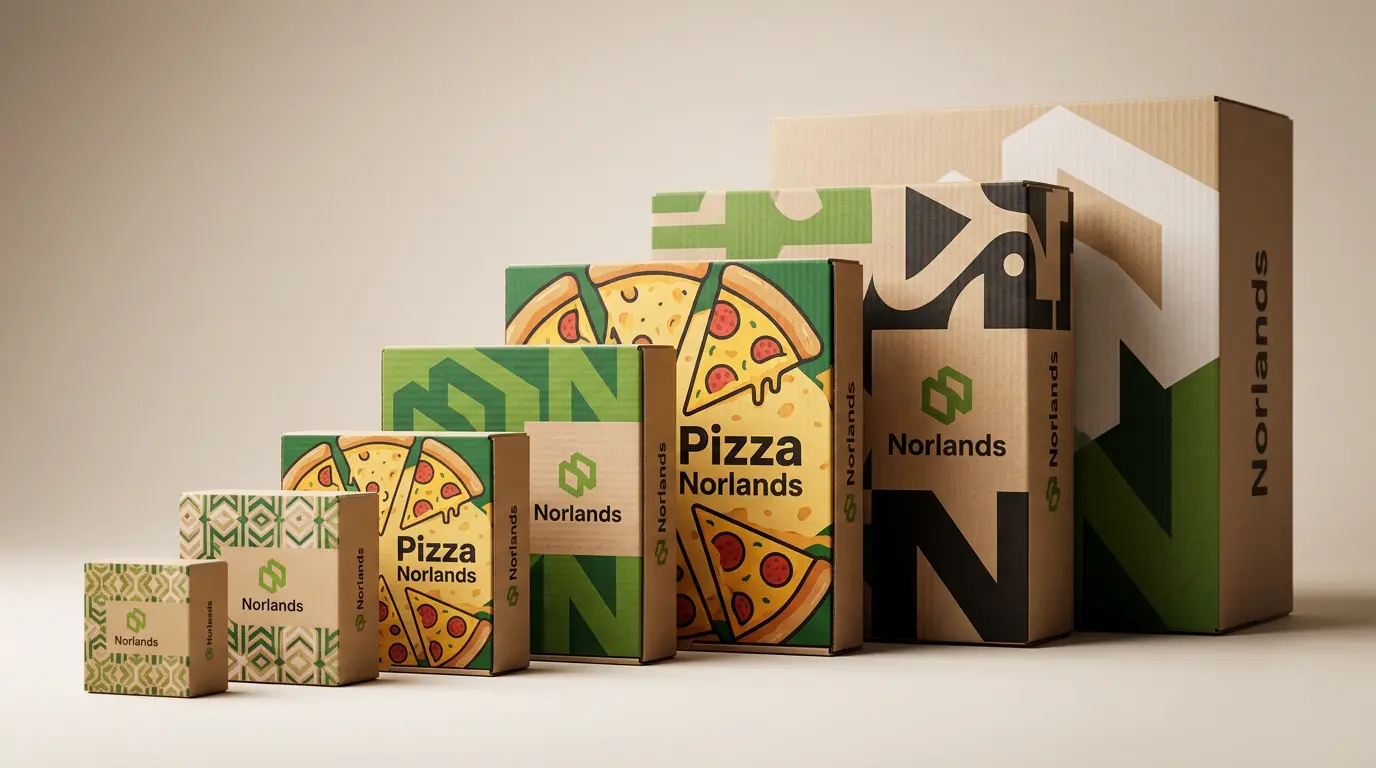
Retail and e-commerce companies represent one of the most visible examples of seasonal packaging demand in Canada. Consumer purchasing patterns tend to concentrate around major promotional periods, particularly the winter holiday season, Black Friday, Cyber Monday, and back-to-school sales cycles. During these periods, order volumes can increase dramatically within a few weeks.
E-commerce fulfillment centers must quickly scale their packaging operations to accommodate surges in shipments. Corrugated boxes, protective inserts, mailers, and labeling materials are consumed at significantly higher rates during these high-volume periods. Companies that rely on fixed packaging inventories often struggle to keep pace with these sudden spikes, which can slow order processing and affect delivery performance.
Businesses that implement demand fluctuation strategies are better prepared for these seasonal peaks. By maintaining flexible packaging supply agreements and scalable production relationships with packaging manufacturers, retailers can temporarily expand packaging availability during peak seasons while maintaining lean inventory levels during quieter periods.
Food and Beverage Packaging Cycles
The food and beverage sector also experiences strong seasonal packaging demand driven by production cycles, tourism patterns, and promotional campaigns. Summer months often bring increased demand for beverages, packaged foods, and outdoor consumption products, while winter holidays generate surges in specialty food packaging, gift packaging, and seasonal product lines.
Producers frequently introduce limited-time packaging designs or special packaging formats tied to seasonal marketing campaigns. These short-term product releases require packaging suppliers capable of quickly adjusting production volumes without committing to long-term high inventory levels.
In addition, Canadian food producers must coordinate packaging supply with strict production schedules. If packaging materials are unavailable when production batches are ready, it can delay product distribution and disrupt retailer supply chains. Flexible packaging procurement systems help producers align packaging availability with fluctuating manufacturing output.
Agriculture and Harvest Season Packaging Needs
Agriculture is another industry where packaging demand follows clearly defined seasonal cycles. Canadian agricultural producers experience intense packaging demand during harvest periods when crops must be processed, packaged, and distributed within tight timelines.
Products such as fruits, vegetables, grains, and specialty agricultural goods require various packaging formats, including corrugated produce boxes, bulk containers, and protective transport packaging. Harvest volumes can vary significantly from year to year depending on weather conditions, crop yields, and export demand.
For this reason, agricultural producers rely heavily on production volume adjustment capabilities within their packaging supply agreements. Flexible supply relationships allow packaging orders to expand during peak harvest periods and contract once the harvest cycle concludes.
Manufacturing and Promotional Packaging Trends
Manufacturing companies also experience seasonal packaging demand linked to promotional campaigns, product launches, and industry cycles. Consumer electronics manufacturers may introduce new product lines before the holiday season, while consumer goods companies frequently launch promotional packaging campaigns tied to seasonal marketing initiatives.
These promotional cycles often require temporary increases in packaging production, specialized packaging designs, and short-run packaging batches. Companies that depend on rigid procurement systems may struggle to respond quickly to these opportunities.
Manufacturers that adopt adaptable packaging strategies can scale packaging production quickly while minimizing long-term inventory risk. By integrating inventory management packaging systems with flexible supplier partnerships, organizations gain the ability to respond to promotional demand spikes without disrupting ongoing production operations.
Across these industries, the ability to adapt packaging supply to shifting demand patterns has become a critical factor in maintaining operational stability. Businesses that develop flexible procurement strategies and responsive packaging supply chains are far better positioned to manage the operational complexity associated with packaging flexibility seasonal demand Canada.
How to Build Packaging Flexibility Into Contracts
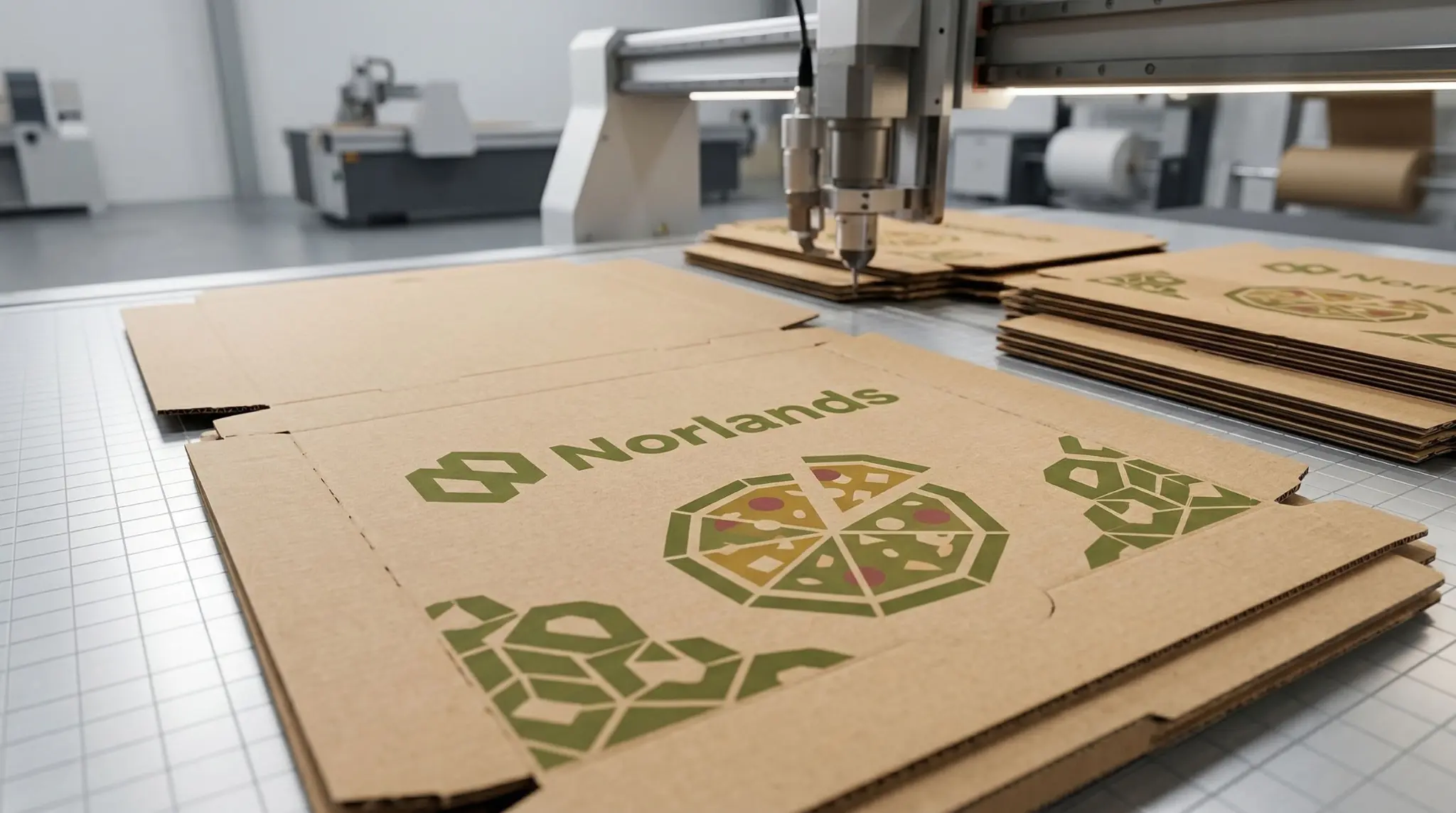
Achieving Packaging flexibility seasonal demand Canada requires more than operational adjustments—it must be strategically embedded into the foundation of supplier agreements. Businesses that rely on rigid, fixed-volume contracts often struggle to respond to demand fluctuations, especially during peak seasonal cycles. Without contract-level adaptability, even the most efficient operations fail to maintain continuity.
In contrast, organizations that prioritize Packaging flexibility seasonal demand Canada build contract frameworks that support scalable production, adjustable order volumes, and responsive delivery timelines. These contracts transform packaging procurement from a static obligation into a dynamic system aligned with real market demand.
Modern procurement strategies across Canada are increasingly centered around flexibility-driven agreements. Instead of locking into annual fixed commitments, companies are shifting toward rolling forecasts and adaptable supply models. This shift is essential for maintaining competitiveness in industries where seasonal demand volatility is the norm.
Structuring Flexible Supply Contracts
A core driver of Packaging flexibility seasonal demand Canada is the implementation of flexible supply contracts with variable volume thresholds. Rather than committing to a single fixed quantity, businesses define minimum and maximum order ranges, allowing packaging demand to expand or contract based on real-time needs.
For example, a company may secure a guaranteed base volume while retaining the option to scale orders during high-demand periods such as holidays, promotional campaigns, or seasonal production peaks. This structure ensures supplier stability while enabling operational agility—both critical components of Packaging flexibility seasonal demand Canada.
Advanced contracts may also include surge production clauses, allowing temporary increases in manufacturing capacity without renegotiation. These clauses are particularly valuable in industries where demand spikes are predictable but intense.
Inventory Management and Packaging Strategy Alignment
Effective inventory management is a fundamental pillar of Packaging flexibility seasonal demand Canada. Businesses that depend solely on just-in-time ordering often face supply disruptions during demand surges. To counter this, companies implement strategic buffer inventory systems that absorb short-term fluctuations.
Vendor-managed inventory (VMI) models further enhance Packaging flexibility seasonal demand Canada by allowing suppliers to monitor usage patterns and maintain optimal stock levels. This proactive approach reduces the risk of both shortages and overstocking, improving overall supply chain efficiency.
In Canada’s diverse market landscape, many companies adopt hybrid models—combining internal forecasting tools with supplier-managed inventory systems. By analyzing historical sales data, seasonal trends, and promotional cycles, businesses can better anticipate packaging needs and align procurement strategies accordingly.
roduction Volume Adjustment Agreements
Seasonal demand variability makes production flexibility essential for achieving Packaging flexibility seasonal demand Canada. Contracts that include production adjustment mechanisms allow manufacturers to increase or decrease output based on updated forecasts.
These agreements typically rely on collaborative forecasting, where businesses share real-time sales projections with packaging suppliers. This level of coordination ensures that production schedules, raw material sourcing, and delivery timelines remain aligned with actual demand.
In Canada, where supply chains often span multiple provinces, production coordination becomes even more critical. Without synchronized planning, delays and inefficiencies can quickly disrupt the balance required for Packaging flexibility seasonal demand Canada.
The Role of Local Canadian Packaging Suppliers
Partnering with domestic suppliers is a key strategy for strengthening Packaging flexibility seasonal demand Canada. Local manufacturers offer faster response times, reduced transportation risks, and greater adaptability compared to overseas suppliers.
Canadian-based packaging suppliers are better equipped to handle sudden demand changes due to shorter lead times and direct communication channels. This proximity plays a crucial role in maintaining operational stability during seasonal fluctuations.
Additionally, local suppliers provide valuable insights into regional logistics, material availability, and production constraints. These insights help businesses design more resilient procurement strategies aligned with the realities of Packaging flexibility seasonal demand Canada.
Ultimately, Packaging flexibility seasonal demand Canada is not a single solution but a multi-layered strategy that integrates contract design, inventory planning, production coordination, and supplier selection. Businesses that proactively build flexibility into every layer of their packaging operations are better positioned to navigate seasonal demand shifts without disruption.
By treating flexibility as a structural component rather than a reactive measure, companies can achieve long-term stability, cost control, and competitive advantage in the Canadian market.
Strategic Benefits of Packaging Flexibility for Canadian Businesses
Packaging flexibility seasonal demand Canada provides more than operational convenience; it creates measurable strategic advantages for businesses operating in competitive and geographically complex markets. Companies that design adaptable packaging supply systems are able to respond faster to demand fluctuations, maintain more stable production schedules, and reduce operational risk throughout the year.
In Canada’s supply chain environment, where transportation distances are long and market conditions shift across regions, businesses must balance efficiency with resilience. Flexible packaging strategies allow organizations to operate with greater confidence even when demand patterns become unpredictable.
Why Packaging Standardization Challenges Canada Are Growing
Quick question:
You might also like
Reducing Operational Risk During Demand Fluctuations
Seasonal demand fluctuations can introduce significant uncertainty into production planning. When packaging supply does not align with actual production needs, companies may experience shortages that halt manufacturing or excess inventory that increases storage costs. Both situations create operational risk and reduce financial efficiency.
Flexible packaging systems reduce these risks by allowing companies to adapt packaging supply in response to updated demand forecasts. Instead of relying solely on long-term projections, organizations can modify order volumes and delivery schedules as market conditions evolve. This adaptability helps protect production continuity and ensures that packaging materials remain available when needed most.
For Canadian manufacturers and distributors operating across multiple provinces, reducing operational disruption is particularly important. Goods often travel through several logistics stages before reaching customers, so any interruption in packaging availability can ripple across the entire supply chain.
Improving Cost Control Through Adaptive Packaging Planning
Cost management is another significant benefit of flexible packaging procurement. Businesses that maintain rigid packaging supply agreements frequently accumulate large quantities of unused packaging materials during slower sales periods. These excess materials occupy warehouse space, tie up working capital, and may become obsolete if product packaging designs change.
Adaptive procurement strategies support more efficient cost control by aligning packaging purchases with actual production requirements. Through seasonal packaging planning, companies can scale packaging orders up or down depending on market demand while avoiding unnecessary inventory accumulation.
Flexible supply arrangements also help businesses respond to changing material costs. If raw material prices fluctuate or production priorities shift, adaptable contracts allow organizations to adjust packaging orders without facing long-term contractual penalties.
In Canada’s shipping environment, transportation pricing is influenced by multiple factors beyond simple weight. According to shipping costs for businesses in Canada, parcel size, weight, and delivery distance all play a role in determining total shipping expenses, making packaging design a critical factor in logistics efficiency.
Strengthening Long-Term Supply Chain Resilience
Perhaps the most important advantage of packaging flexibility is its role in strengthening supply chain resilience. Global supply chains have experienced increasing volatility in recent years due to transportation disruptions, material shortages, and rapidly shifting consumer behavior. Businesses that rely on rigid procurement structures often struggle to adapt when unexpected challenges arise.
Flexible packaging systems provide an additional layer of operational resilience. Companies that maintain multiple supplier relationships, scalable production agreements, and adaptable procurement frameworks are better prepared to respond when disruptions occur.
Canadian businesses benefit particularly from localized supplier partnerships and coordinated production planning. When packaging manufacturers, logistics providers, and production teams collaborate closely, organizations can respond more effectively to both seasonal demand shifts and unexpected market changes.
Ultimately, the companies that succeed in Canada’s evolving supply chain environment are those that treat packaging procurement as a strategic capability rather than a routine purchasing task. By developing adaptable supply agreements, responsive production planning, and strong supplier partnerships, businesses can transform packaging management into a long-term competitive advantage within packaging flexibility seasonal demand Canada.
Frequently Asked Questions (FAQ)
What is packaging flexibility seasonal demand Canada?
It refers to the ability of businesses to adjust packaging supply levels based on seasonal changes in production or consumer demand within Canadian markets.
Why do Canadian companies need flexible packaging strategies?
Seasonal retail cycles, agricultural harvest periods, and e-commerce demand spikes require packaging supply systems that can quickly scale up or down.
Which industries experience the highest seasonal packaging demand in Canada?
Retail, e-commerce, agriculture, food and beverage, and consumer product manufacturing often face the largest seasonal packaging fluctuations.
How can companies manage packaging demand fluctuations effectively?
Businesses typically use seasonal packaging planning, flexible supply contracts, and responsive inventory management systems to adapt to changing demand.
Do local Canadian packaging suppliers improve flexibility?
Yes. Local suppliers often provide faster production adjustments, shorter delivery times, and better coordination with Canadian logistics networks.
Conclusion: Building Resilient Packaging Strategies in Canada
Packaging flexibility seasonal demand Canada is increasingly becoming a defining factor in how successfully businesses navigate modern supply chain volatility. As Canadian markets continue to evolve—driven by changing consumer behavior, rapid e-commerce growth, and fluctuating production cycles—companies must rethink traditional packaging procurement models that rely on rigid long-term commitments.
Organizations that adopt flexible packaging strategies gain the ability to align packaging supply with real production needs rather than static forecasts. This adaptability allows businesses to scale packaging orders during peak seasons such as holiday retail periods, agricultural harvest cycles, or promotional product launches while maintaining efficient inventory levels during slower periods.
Canada’s geographic landscape also makes packaging flexibility particularly important. Long shipping distances, regional logistics networks, and seasonal weather disruptions can complicate packaging supply planning. Businesses that maintain adaptable procurement frameworks and collaborate closely with Canadian packaging suppliers can respond more effectively to these challenges while maintaining consistent production performance.
Flexible packaging systems also support stronger financial performance. By implementing demand fluctuation strategies, scalable supplier agreements, and responsive inventory management practices, companies reduce the risk of excess packaging stock while ensuring materials remain available during high-demand periods. These operational improvements contribute to better cost control, smoother manufacturing operations, and improved delivery reliability across Canadian markets.
Ultimately, companies that treat packaging supply as a strategic component of supply chain planning are better positioned to maintain stability in a constantly changing environment. Businesses that integrate flexible procurement systems, collaborative supplier relationships, and responsive forecasting processes will continue to strengthen operational resilience through packaging flexibility seasonal demand Canada.






No comment