
Table of Contents
ToggleIntroduction
Smart packaging integration Canada is transforming packaging from a passive protective layer into an active, data-driven component of modern supply chains. As logistics networks become more complex and customer expectations for speed and transparency increase, businesses need more than just durable packaging—they need intelligent systems that provide real-time visibility and control.
Traditionally, packaging served a single purpose: to protect products during storage and transportation. Once a product left the warehouse, visibility into its condition and location was limited. Today, with the rise of smart packaging technology, companies can track shipments, monitor environmental conditions, and gather valuable data throughout the entire delivery process.
In Canada, where supply chains often span long distances and multiple transportation stages, the ability to maintain visibility is critical. Products may travel across provinces, pass through different carriers, and be exposed to varying conditions. Without proper monitoring, businesses face challenges such as delays, damage, and lack of transparency. This is where tracking packaging systems and connected solutions provide a significant advantage.
Smart packaging integrates sensors, RFID tags, QR codes, and IoT-enabled devices into packaging structures. These technologies enable businesses to track location, temperature, humidity, and handling conditions in real time. By combining physical packaging with digital data, companies gain deeper insights into how their products move through the supply chain.
This integration also supports packaging data integration, allowing businesses to connect packaging information with logistics platforms, inventory systems, and analytics tools. As a result, decision-making becomes more accurate and responsive, helping companies optimize operations and reduce risk.
As supply chains continue to evolve, the shift toward intelligent packaging systems is accelerating. Businesses that adopt connected solutions are better positioned to improve efficiency, enhance transparency, and meet the demands of modern logistics. In today’s competitive environment, embracing smart packaging integration Canada is a key step toward building smarter, more resilient supply chains.
What Smart Packaging Integration Canada Means for Logistics
Standardized traceability frameworks play a critical role in enabling real-time supply chain visibility. According to GS1’s Global Traceability Standard, businesses can track and trace products across the entire supply chain by capturing and sharing key data at each stage of movement. This structured approach improves transparency, enhances coordination between stakeholders, and supports more accurate and reliable logistics operations.Smart packaging integration Canada is redefining how logistics operations are managed by introducing real-time visibility, data-driven control, and enhanced coordination across the supply chain. Instead of relying on periodic updates and manual tracking, businesses can now monitor shipments continuously, gaining deeper insight into product movement and condition at every stage.
Evolution From Passive to Connected Packaging
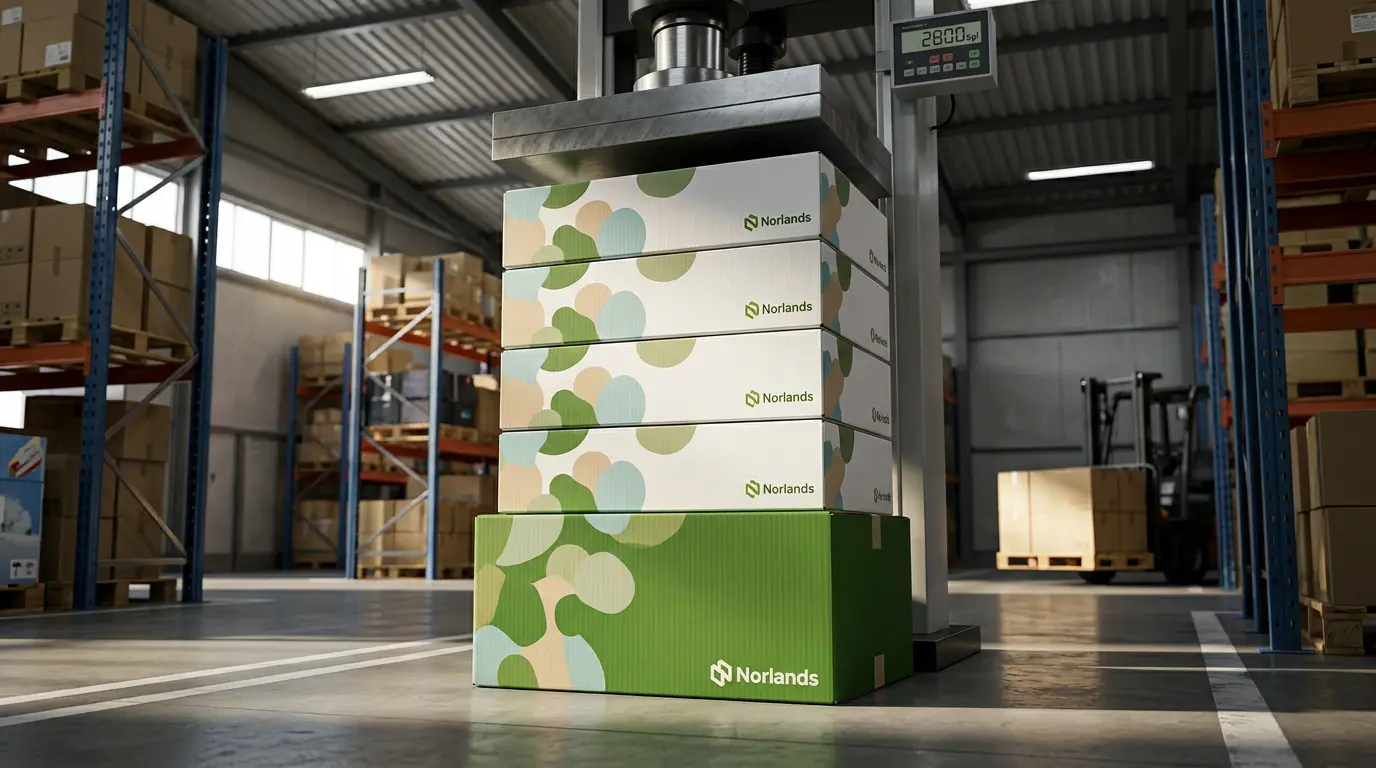
Traditional packaging systems are passive—they protect products but provide no feedback once the shipment is in transit. Smart packaging changes this model by embedding connected packaging solutions that communicate data throughout the logistics journey.
This evolution allows packaging to become an active participant in supply chain management. Information such as location, handling events, and environmental exposure can be captured and transmitted in real time. Businesses no longer need to rely solely on carrier updates; they can access independent, packaging-level data that improves accuracy and responsiveness.
Role of Smart Packaging Technology in Canadian Supply Chains
In Canada’s geographically expansive supply chain environment, visibility is often limited by distance and infrastructure complexity. Shipments may move across multiple provinces, through different carriers, and across varying conditions before reaching their destination.
Smart packaging technology helps bridge this gap by providing consistent tracking regardless of location. Technologies such as RFID, GPS-enabled sensors, and QR-based tracking systems allow businesses to maintain visibility even across long transit routes.
This is particularly valuable for industries dealing with high-value goods, sensitive products, or time-critical deliveries. Real-time monitoring ensures that potential issues—such as delays or exposure to unfavorable conditions—can be identified early and addressed proactively.
Enhancing Real-Time Supply Chain Visibility
One of the most significant advantages of smart packaging integration is improved supply chain visibility tools. Businesses gain access to detailed, real-time data that supports better decision-making and operational control.
For example, if a shipment is delayed or exposed to conditions that could affect product quality, companies can take immediate action—rerouting shipments, adjusting inventory plans, or notifying customers. This level of responsiveness reduces risk and improves service reliability.
Real-time visibility also enhances coordination between different stakeholders, including suppliers, logistics providers, and distribution centers. With access to shared data, all parties can align their actions more effectively, reducing inefficiencies and improving overall performance.
Ultimately, smart packaging integration transforms logistics from a reactive process into a proactive system. Businesses that adopt these technologies gain greater control over their operations, improve transparency, and reduce uncertainty—making smart packaging integration Canada a key driver of modern supply chain performance.
Smart Packaging Integration Canada vs Traditional Packaging Systems
Smart packaging integration Canada represents a major shift from conventional packaging models by turning packaging into an active source of data rather than a passive container. This shift enables businesses to move from limited, delayed visibility to real-time insight and control across the supply chain.
Tracking and Monitoring Capabilities
Traditional packaging provides little to no information once a shipment leaves the facility. Businesses must rely on carrier updates or manual checks, which often lack detail and timeliness. In contrast, smart packaging introduces advanced tracking packaging systems that continuously monitor shipment location and status.
Technologies such as RFID tags, GPS sensors, and IoT-enabled devices allow companies to track products at a granular level. These systems can detect movement, record handling events, and even monitor environmental conditions such as temperature or humidity.
For Canadian supply chains—where shipments travel long distances and pass through multiple stages—these capabilities provide a significant advantage. Businesses gain the ability to identify delays, detect potential risks, and respond before issues escalate.
Data-Driven Packaging Decisions
One of the most powerful aspects of smart packaging is the ability to generate actionable data. Through packaging data integration, information collected during transit can be analyzed to improve future operations.
For example, if data shows that certain routes or handling points consistently lead to damage, businesses can adjust packaging design or logistics strategies accordingly. This creates a feedback loop where packaging performance is continuously optimized based on real-world conditions.
Data-driven insights also support better inventory management, demand forecasting, and supply chain planning. Companies can make more informed decisions that improve efficiency and reduce operational risk.
Limitations of Conventional Packaging Approaches
Conventional packaging systems lack the ability to provide real-time feedback or adapt to changing conditions. This creates blind spots in the supply chain, where businesses have limited visibility into what is happening between shipment and delivery.
Without access to real-time data, companies are often forced to react after problems occur rather than preventing them. This reactive approach can lead to delays, increased costs, and reduced customer satisfaction.
In contrast, smart packaging enables proactive management by providing continuous visibility and actionable insights. Businesses can identify trends, predict potential issues, and implement solutions before disruptions impact operations.
Ultimately, the difference between traditional and smart packaging lies in control and intelligence. While conventional packaging protects products physically, smart packaging enhances both protection and visibility through integrated technology. Companies that adopt these systems gain a significant advantage in efficiency, transparency, and responsiveness—demonstrating the growing importance of smart packaging integration Canada.
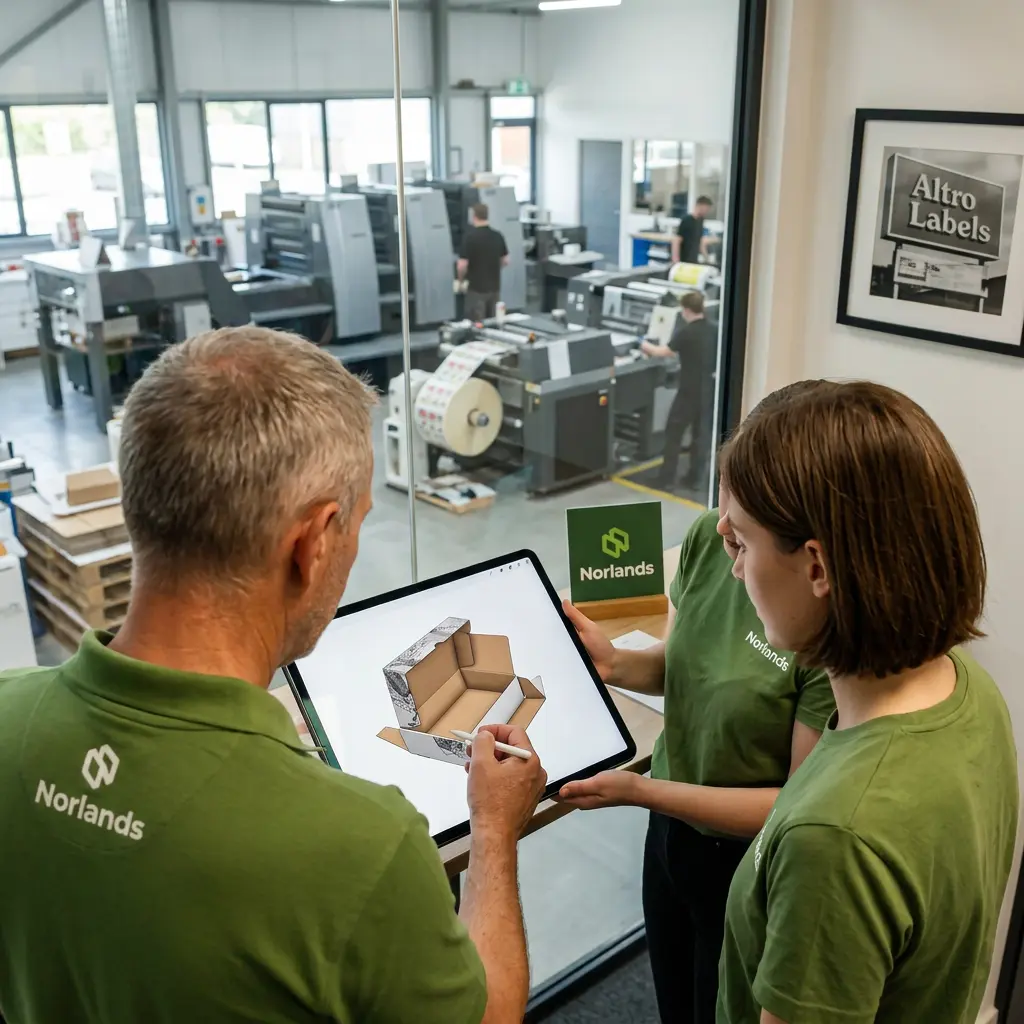
Advanced Industry Adoption of Smart Packaging Integration Canada
Smart packaging integration Canada is no longer limited to innovation-driven companies—it is rapidly becoming a foundational component across industries that require precision, visibility, and operational control. As supply chains become more complex and customer expectations continue to rise, businesses are increasingly turning to smart packaging integration Canada to bridge the gap between physical logistics and digital intelligence.
Across Canada, companies are leveraging smart packaging integration Canada to create more connected, responsive, and transparent supply chains. This shift is not only improving operational efficiency but also enabling businesses to make faster, data-driven decisions in real time.
What makes smart packaging integration Canada particularly powerful is its ability to transform packaging from a passive container into an active data point within the supply chain ecosystem.
E-Commerce Transformation Through Smart Packaging Integration Canada
E-commerce is one of the primary drivers behind the rapid adoption of smart packaging integration Canada. With increasing order volumes and growing demand for delivery transparency, businesses are under pressure to provide accurate, real-time information throughout the fulfillment process.
Smart packaging integration Canada enables e-commerce companies to embed tracking capabilities directly into packaging. Through QR codes, RFID tags, and sensor-based technologies, each shipment becomes traceable from warehouse to final delivery point.
This level of visibility enhances:
- Customer communication
- Delivery predictability
- Operational coordination
In a geographically vast country like Canada, where shipments often travel long distances across multiple regions, smart packaging integration Canada plays a critical role in reducing uncertainty and improving last-mile delivery performance.
Additionally, smart packaging integration Canada supports better return management by enabling faster identification and tracking of returned items, improving reverse logistics efficiency.
Precision and Compliance in Healthcare Using Smart Packaging Integration Canada
The healthcare and pharmaceutical sectors rely heavily on smart packaging integration Canada to maintain strict quality and compliance standards. In these industries, even minor deviations in temperature, humidity, or handling conditions can compromise product integrity.
Smart packaging integration Canada allows real-time monitoring of environmental conditions through embedded sensors. These systems continuously track key variables and trigger alerts if conditions fall outside acceptable ranges.
Through smart packaging integration Canada, healthcare providers and distributors can:
- Ensure regulatory compliance
- Maintain product safety
- Reduce waste due to spoilage or mishandling
This level of control is essential in Canada, where pharmaceutical products often travel long distances under varying environmental conditions. Smart packaging integration Canada ensures that sensitive products arrive safely and remain within required specifications.
Food Safety and Quality Control With Smart Packaging Integration Canada
Food and beverage companies are increasingly adopting smart packaging integration Canada to protect product quality and ensure food safety throughout the supply chain. Perishable goods require precise monitoring to maintain freshness, especially when transported across diverse climates.
Smart packaging integration Canada enables businesses to track storage and transit conditions in real time. Temperature-sensitive labels, freshness indicators, and connected sensors provide continuous feedback on product condition.
This allows companies to:
- Detect potential spoilage early
- Maintain compliance with safety regulations
- Reduce product loss
In Canada’s diverse climate—ranging from extreme cold to variable seasonal conditions—smart packaging integration Canada becomes a critical tool for maintaining consistent product quality.
How Heavy-Duty Packaging Solutions Canada Support Industrial Supply Chains
Quick question:
you might like also ..
Security and Control in Industrial Logistics Through Smart Packaging Integration Canada
Industries handling high-value or sensitive goods are also benefiting significantly from smart packaging integration Canada. Equipment, electronics, and specialized components require enhanced tracking and security to prevent loss, damage, or theft.
Smart packaging integration Canada introduces advanced tracking capabilities that provide real-time visibility into shipment location and handling conditions. This enables businesses to monitor every stage of transit and respond quickly to any irregularities.
With smart packaging integration Canada, companies can:
- Improve accountability across logistics networks
- Reduce risk of theft or damage
- Enhance transparency for clients and stakeholders
This is particularly important in industrial supply chains where delays or losses can result in significant financial impact.
Future Growth and Innovation in Smart Packaging Integration Canada

The future of smart packaging integration Canada is centered around deeper technological integration and expanded adoption across industries. As digital transformation accelerates, smart packaging integration Canada is expected to become a standard component of modern supply chains rather than an optional upgrade.
One of the key trends driving this evolution is the integration of smart packaging integration Canada with IoT and automation systems. Packaging will no longer operate independently—it will become part of a larger connected network that includes warehouse systems, transportation platforms, and analytics tools.
This integration will allow:
- Real-time data sharing across systems
- Automated decision-making based on packaging data
- Improved coordination between logistics and fulfillment operations
In Canada’s complex logistics environment, smart packaging integration Canada will play a crucial role in enabling faster, more efficient, and more resilient supply chains.
Data Intelligence and Predictive Capabilities in Smart Packaging Integration Canada
Smart packaging integration Canada is not only about tracking and visibility—it also depends on how well your products are protected within the packaging itself. Even the most advanced tracking systems cannot prevent damage if internal protection is not properly designed.
Norlands offers custom pads and partitions engineered to secure products in place, reduce movement, and support more reliable shipment outcomes. These solutions work seamlessly alongside smart packaging integration Canada strategies by ensuring that the data you collect reflects actual performance—not preventable damage.
From simple layer pads to complex die-cut partitions, every solution is designed to match your product structure and shipping requirements.
As businesses continue to collect data through smart packaging integration Canada, the focus is shifting from monitoring to prediction. Instead of reacting to issues, companies can anticipate them before they occur.
Smart packaging integration Canada enables the development of predictive analytics models that analyze patterns in shipping data, environmental conditions, and operational performance. These insights allow businesses to optimize packaging strategies proactively.
Through smart packaging integration Canada, companies can:
- Forecast potential delays
- Identify risk patterns
- Optimize routing and handling processes
This transforms packaging into a strategic intelligence layer within the supply chain, providing continuous insights that drive operational improvement.
Strategic Importance of Smart Packaging Integration Canada in Modern Supply Chains
Ultimately, smart packaging integration Canada is redefining how businesses approach packaging and logistics. It is no longer just about protection or transportation—it is about visibility, intelligence, and control.
Companies that invest in smart packaging integration Canada gain a significant competitive advantage by:
- Improving supply chain transparency
- Enhancing operational efficiency
- Strengthening customer trust
- Reducing overall risk
As adoption continues to grow, smart packaging integration Canada will become a key differentiator in the Canadian market, shaping the future of logistics, e-commerce, and industrial operations.
Strategic Benefits of Smart Packaging Integration
Smart packaging integration Canada delivers powerful advantages that go beyond visibility, transforming packaging into a strategic asset within modern supply chains. Businesses that adopt intelligent packaging systems gain improved control, reduced risk, and stronger decision-making capabilities.
Improving Transparency and Traceability
One of the most significant benefits is enhanced transparency. With tracking packaging systems, businesses can monitor shipments in real time, gaining full visibility into product location and condition throughout the supply chain.
This level of traceability improves accountability and allows companies to quickly identify and resolve issues such as delays, mishandling, or environmental exposure.
Reducing Loss, Damage, and Delays
Smart packaging helps prevent operational losses by enabling early detection of potential problems. If a shipment is delayed or exposed to conditions that could cause damage, businesses can respond immediately.
By integrating supply chain visibility tools, companies reduce uncertainty and improve reliability. This proactive approach minimizes product loss, reduces damage rates, and helps maintain consistent delivery performance.
Enabling Smarter Supply Chain Decisions
The data generated through smart packaging provides valuable insights that support better decision-making. Through packaging data integration, businesses can analyze trends, identify inefficiencies, and optimize their operations over time.
This data-driven approach allows companies to improve routing, adjust packaging design, and enhance overall supply chain strategy. As a result, packaging becomes a key contributor to operational intelligence rather than just a logistical component.
Conclusion: Intelligent Packaging as a Competitive Advantage
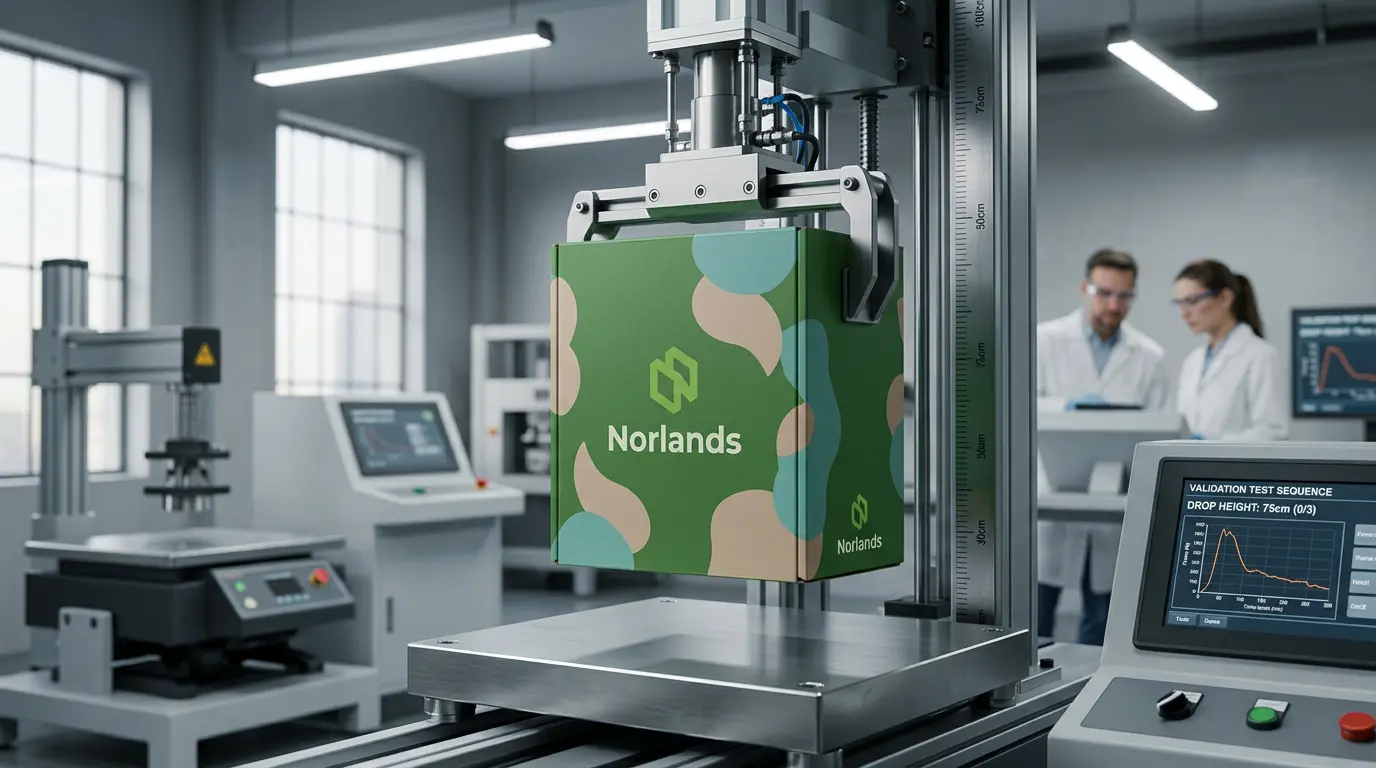
Smart packaging integration Canada is redefining how businesses manage logistics and supply chain operations. By transforming packaging into a connected and intelligent system, companies gain the ability to monitor, analyze, and optimize their processes in real time.
As supply chains become more complex and customer expectations continue to rise, the need for transparency and control will only increase. Businesses that adopt smart packaging solutions are better equipped to handle these challenges, improving efficiency while reducing risk.
In Canada’s diverse and geographically expansive market, the benefits of intelligent packaging are particularly significant. Companies can overcome visibility gaps, improve coordination, and deliver more reliable service across long distances.
Ultimately, smart packaging is not just a technological upgrade—it is a strategic advantage. Organizations that embrace smart packaging integration Canada will be better positioned to build resilient, data-driven supply chains and maintain a competitive edge in the evolving logistics landscape.
Frequently Asked Questions (FAQ)
What is smart packaging integration Canada?
It is the use of connected technologies within packaging to track, monitor, and manage products throughout the supply chain.
How does smart packaging improve supply chain visibility?
By providing real-time data on location, condition, and handling, allowing businesses to monitor shipments continuously.
What technologies are used in smart packaging systems?
RFID, IoT sensors, QR codes, GPS tracking, and data integration platforms are commonly used.
Which industries benefit most from smart packaging?
E-commerce, healthcare, food and beverage, and industrial logistics industries benefit significantly.
What is the future of connected packaging solutions?
The future includes deeper IoT integration, predictive analytics, and fully data-driven supply chain systems.




No comment