

Introduction
Minimalist packaging design Canada is rapidly emerging as a strategic approach for businesses seeking to reduce costs, improve sustainability, and strengthen brand identity in competitive markets. In an environment where consumers are increasingly aware of environmental impact and operational efficiency is critical, companies are rethinking traditional packaging models and moving toward simpler, more effective solutions.
For years, packaging design often focused on adding layers—more materials, more visual elements, and more complexity—to create impact. However, this approach frequently led to higher costs, increased waste, and inefficient logistics. Today, businesses are recognizing that simplicity can deliver greater value. By removing unnecessary components and focusing on essential functionality, companies can create packaging that performs better while using fewer resources.
In Canada, this shift is influenced by both consumer expectations and regulatory pressure. Customers are becoming more selective, favoring brands that demonstrate environmental responsibility and transparency. Packaging that appears excessive or wasteful can negatively affect perception, while clean and efficient designs reinforce trust. This is driving the adoption of sustainable design packaging practices that prioritize minimal material usage and recyclability.
From an operational perspective, packaging simplification offers clear advantages. Reducing material usage lowers production costs, decreases shipping weight, and improves storage efficiency. For businesses managing large volumes, even small reductions in packaging can result in significant savings over time.
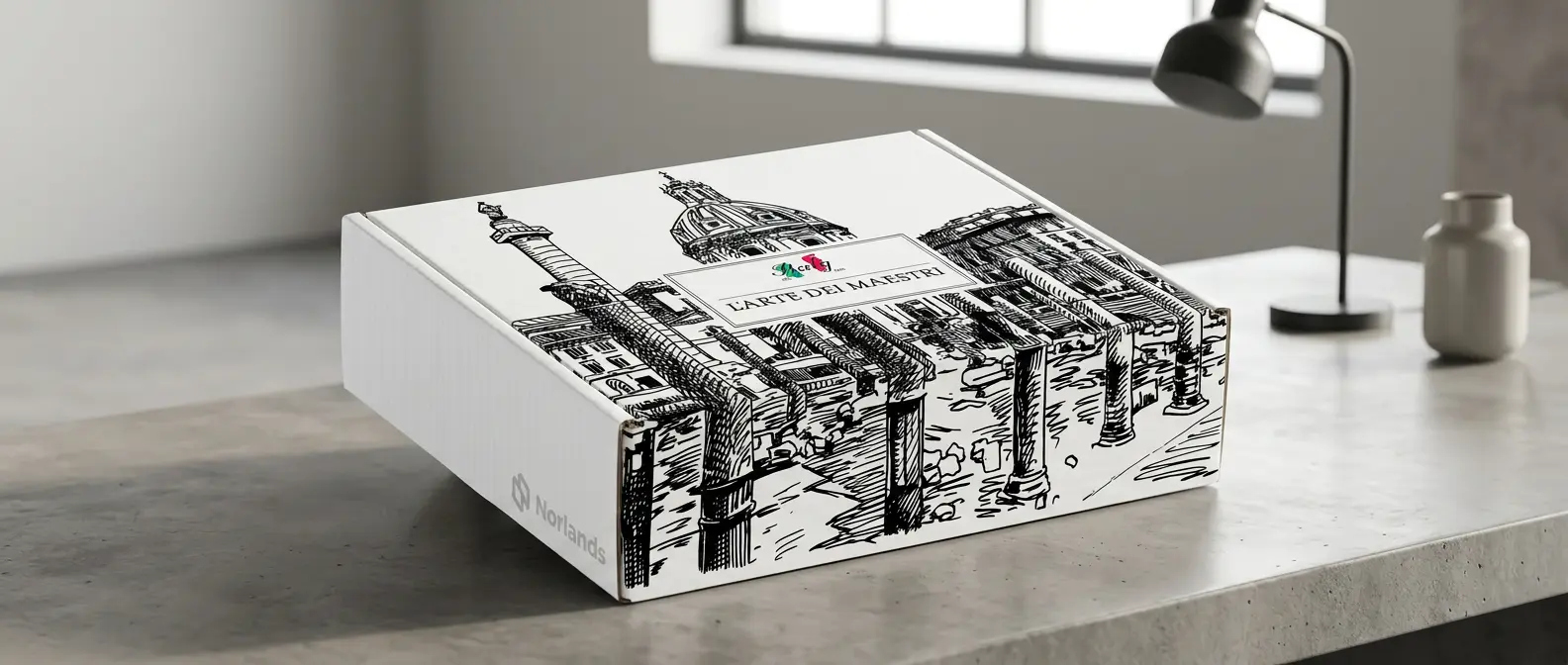
Minimalist packaging also plays a key role in branding. By focusing on clarity and purpose, companies can create stronger visual identity through branding through packaging. Clean design, thoughtful material choices, and intentional simplicity help products stand out without relying on excessive elements.
As businesses continue to balance cost, performance, and sustainability, minimalist packaging is becoming a preferred strategy. Organizations that adopt simple packaging solutions are better positioned to meet market expectations while maintaining efficiency and brand strength. In today’s evolving landscape, embracing minimalist packaging design Canada is not just a design choice—it is a strategic decision that supports long-term growth and competitiveness.
Why Minimalist Packaging Design Canada Is Gaining Popularity
Minimalist packaging design Canada is gaining strong momentum as businesses and consumers align around efficiency, sustainability, and clarity. What was once seen as a design preference is now becoming a strategic standard across multiple industries.
Shift Toward Sustainable Design Packaging
One of the primary drivers is the growing focus on sustainable design packaging. Reducing material usage directly lowers environmental impact, making minimalist packaging an effective way to meet sustainability goals.
Canadian regulations and environmental initiatives are also encouraging businesses to minimize waste and improve recyclability. Companies that adopt minimalist designs are better positioned to comply with these requirements while demonstrating environmental responsibility.
This shift is not just about compliance—it reflects a broader commitment to reducing resource consumption and improving long-term sustainability.

Consumer Preference for Simplicity in Canada
Canadian consumers are increasingly drawn to simplicity and transparency. Packaging that is clean, minimal, and functional is often perceived as more honest and environmentally responsible.
Overly complex or excessive packaging can create a negative impression, suggesting wastefulness or lack of consideration. In contrast, minimalist designs communicate efficiency, clarity, and confidence.
This preference is particularly strong among younger demographics and urban markets, where sustainability and design aesthetics play a significant role in purchasing decisions.
Operational Benefits of Packaging Simplification
Beyond consumer perception, packaging simplification offers clear operational advantages. Fewer materials mean lower production costs, reduced shipping weight, and improved storage efficiency.
Simplified packaging also streamlines production and fulfillment processes. With fewer components to manage, businesses can increase packing speed, reduce errors, and improve overall efficiency.
For companies operating in Canada’s geographically large market, these efficiencies are especially valuable. Reduced packaging size and weight contribute to lower transportation costs and better logistics performance.
Ultimately, the growing popularity of minimalist packaging is driven by a combination of environmental responsibility, consumer expectations, and operational efficiency. Businesses that adopt this approach are able to reduce costs, improve sustainability, and strengthen their brand—making minimalist packaging design Canada a key trend in modern packaging strategy.




No comment