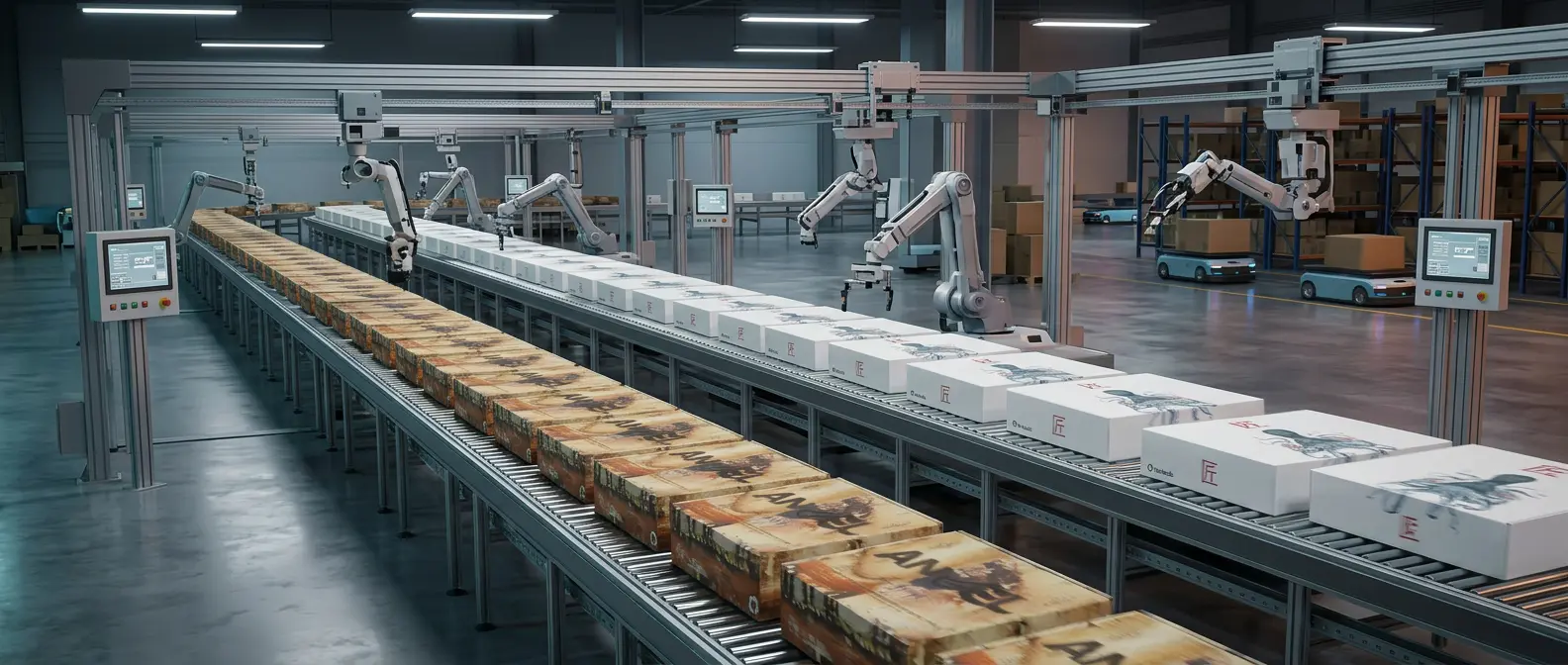
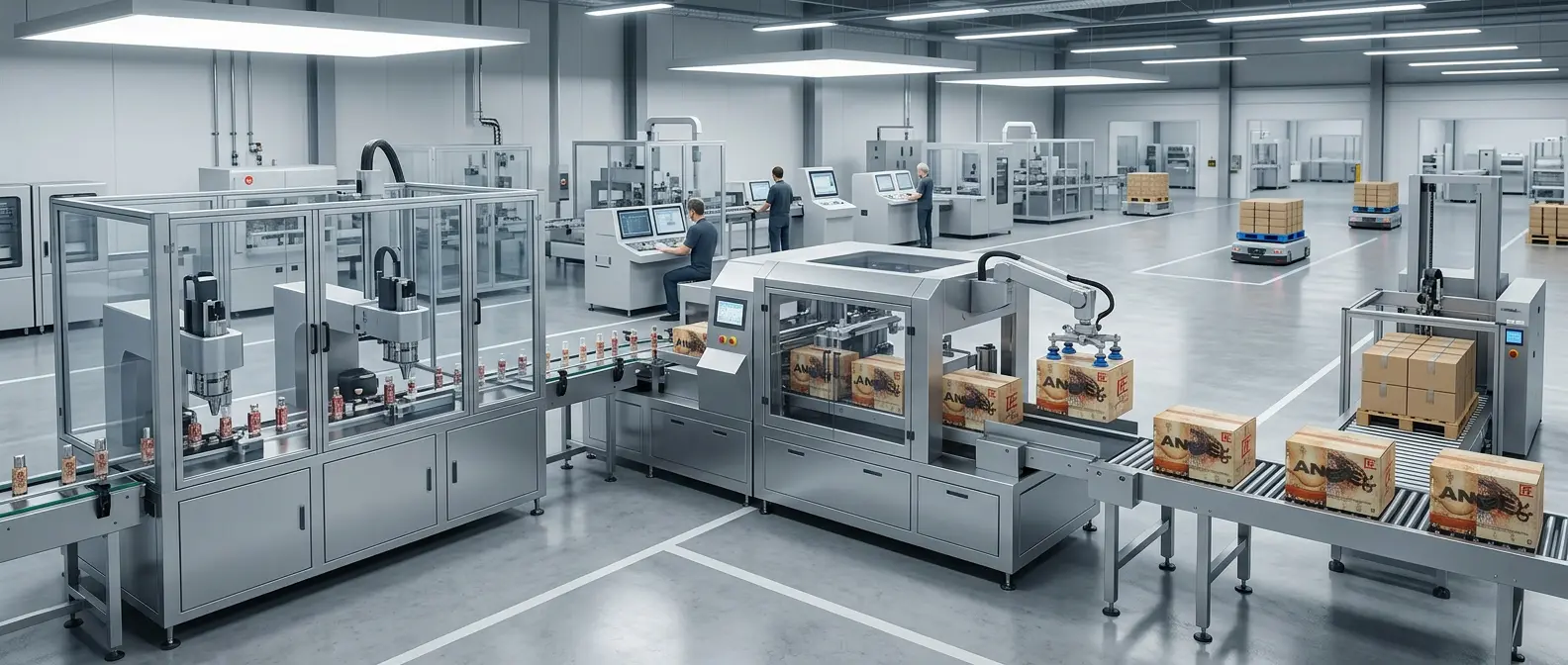
Packaging automation systems Canada integrated with conveyor and robotic handling solutions

Integrated conveyor systems reduce manual handling and improve packaging throughput efficiency.


Table of Contents

Introduction

Packaging automation systems Canada are transforming how businesses scale operations, reduce costs, and maintain consistency in increasingly demanding supply chains. As order volumes grow and customer expectations for speed rise, manual packaging processes are becoming a bottleneck that limits productivity and increases operational risk.

In traditional setups, packaging relies heavily on manual labor—workers assembling boxes, filling products, sealing packages, and preparing shipments. While this approach can work at smaller scales, it becomes inefficient as volume increases. Variability in human performance leads to inconsistencies, slower throughput, and higher error rates. This is where automated packaging lines provide a significant advantage.

Automation introduces speed, precision, and repeatability into packaging operations. Machines can perform tasks such as box forming, product insertion, sealing, labeling, and palletizing with minimal variation. This not only increases output but also improves quality control across the entire process.

In Canada, businesses face additional challenges such as labor shortages, rising wages, and large-scale logistics demands. These factors are accelerating the adoption of packaging machinery Canada solutions that reduce dependency on manual labor while improving efficiency.

Automation is also a key component of production automation packaging, where packaging processes are integrated with manufacturing and fulfillment systems. This creates a seamless workflow, reducing delays and improving coordination across operations.

Modern packaging efficiency tools allow businesses to monitor performance, identify bottlenecks, and optimize processes in real time. Data-driven insights help companies continuously improve throughput and reduce operational costs.

As competition intensifies and operational complexity increases, businesses must find ways to scale without sacrificing performance. Companies that invest in automation are better positioned to handle growth, maintain consistency, and reduce inefficiencies. In today’s environment, adopting packaging automation systems Canada is not just an upgrade—it is a strategic move toward long-term operational excellence.

Why Packaging Automation Systems Canada Are Becoming Standard

Automation is becoming a key strategy for addressing labor challenges and improving operational efficiency in packaging environments. Industry insights show that companies are increasingly adopting automated systems to reduce reliance on manual processes, improve consistency, and support scalable production. This shift highlights the growing role of automation as a practical solution for managing rising demand and maintaining performance in modern supply chains.

Packaging automation systems Canada are quickly shifting from a competitive advantage to an operational necessity. As businesses face increasing pressure to deliver faster, reduce costs, and scale efficiently, automation is becoming the standard approach to packaging operations.

Rising Demand for Speed and Throughput
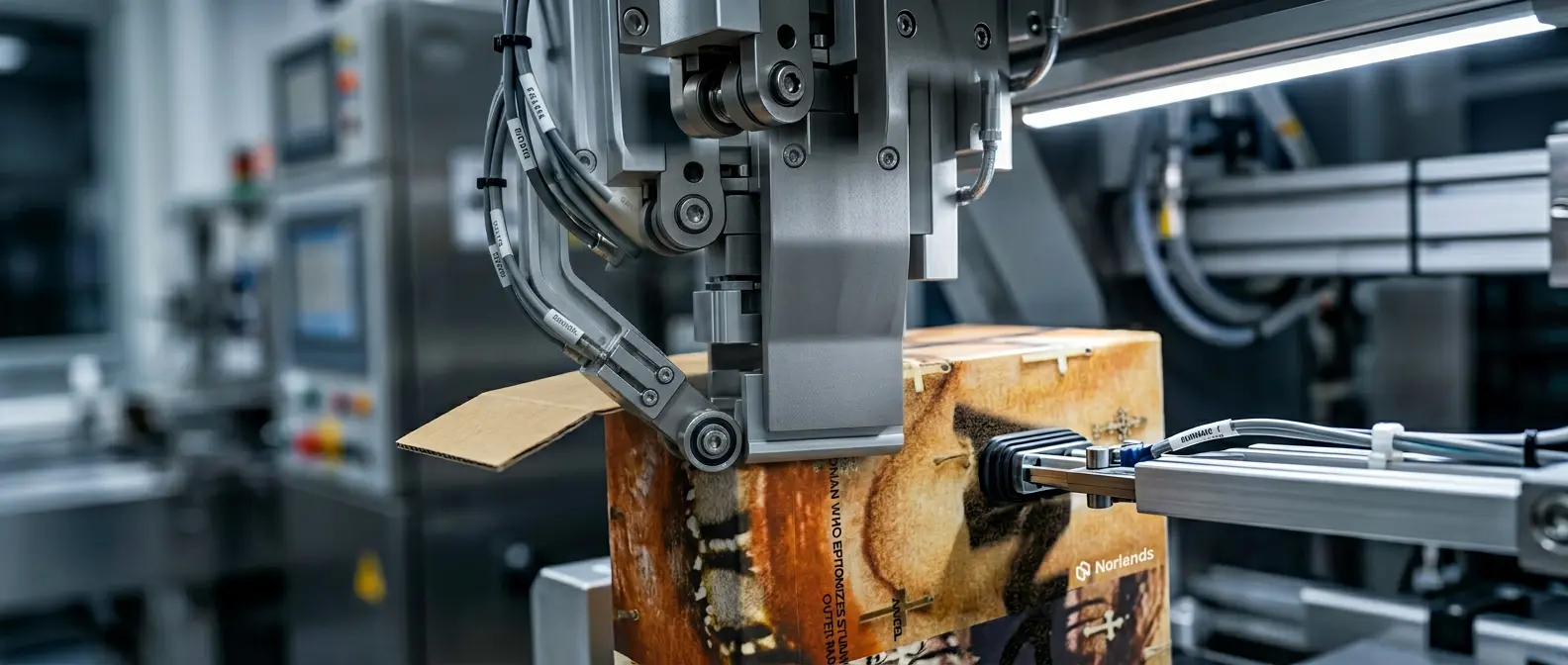
Packaging automation systems Canada using robotic sealing and automated box handling
Packaging automation systems Canada improve production consistency, speed, and operational efficiency.

Modern supply chains demand speed. Customers expect faster order processing and shorter delivery times, especially in e-commerce and high-volume distribution environments.

Manual packaging processes struggle to keep up with these expectations. In contrast, automated packaging lines can operate continuously with high speed and precision, significantly increasing throughput.

Automation allows businesses to process more orders in less time, reducing delays and improving overall responsiveness. This is critical in Canada, where long shipping distances make efficient processing essential for meeting delivery timelines.

Labor Shortages and Cost Pressures in Canada

Labor availability is a growing challenge across many Canadian industries. Finding and retaining skilled workers for repetitive packaging tasks is becoming increasingly difficult.

At the same time, labor costs are rising, putting pressure on operational budgets. By adopting industrial packaging automation, businesses can reduce reliance on manual labor while maintaining or increasing output.

Automation does not eliminate the need for workers but shifts their roles toward higher-value tasks such as system monitoring, quality control, and process optimization.

Need for Scalable Production Automation Packaging

As businesses grow, their packaging systems must scale accordingly. Manual processes often require proportional increases in labor, which is not always sustainable or efficient.

Production automation packaging enables scalable growth by increasing capacity without significantly increasing labor requirements. Automated systems can handle higher volumes with consistent performance, allowing businesses to expand operations more effectively.

This scalability is particularly important for companies experiencing seasonal demand fluctuations or rapid growth, as it provides flexibility without compromising efficiency.

Ultimately, the widespread adoption of automation is driven by the need for speed, cost control, and scalability. Businesses that invest in these systems are better equipped to handle modern supply chain demands and maintain competitive performance.

As these factors continue to shape the market, packaging automation systems Canada are becoming a standard component of efficient and scalable operations.
Packaging Automation Systems Canada vs Manual Processes

Packaging automation systems Canada fundamentally outperform manual processes when it comes to speed, consistency, and cost control. While manual packaging may work for small-scale operations, it quickly becomes inefficient and error-prone as volume increases. Automation addresses these limitations by introducing precision and scalability into packaging workflows.

Speed and Consistency Gains

Manual packaging is inherently variable. Different workers operate at different speeds, and fatigue or human error can affect performance over time. This leads to inconsistent output and potential delays in processing orders.

In contrast, automated packaging lines operate at consistent speeds with minimal variation. Machines can perform repetitive tasks continuously, maintaining uniform quality and output throughout production cycles.

This consistency is critical for businesses managing high volumes, where even small inefficiencies can accumulate into significant delays. Automation ensures predictable performance, allowing companies to meet tight deadlines and maintain reliable delivery schedules.

Labor Cost Reduction

Labor is one of the largest operational costs in packaging processes. Manual systems require ongoing staffing, training, and management, all of which contribute to long-term expenses.

By implementing production automation packaging, businesses can significantly reduce labor requirements. Fewer workers are needed for repetitive tasks, allowing companies to allocate resources more efficiently.

In Canada, where labor costs are rising and workforce availability can be limited, automation provides a practical solution for maintaining productivity while controlling expenses.

Error Reduction and Quality Control

Human error is a common challenge in manual packaging processes. Mistakes such as incorrect packing, improper sealing, or labeling errors can lead to product damage, returns, and customer dissatisfaction.

Automation improves accuracy by standardizing processes. Machines follow programmed instructions, reducing the likelihood of errors and ensuring consistent quality across all packages.

Additionally, modern packaging efficiency tools often include monitoring systems that detect issues in real time, allowing for immediate correction. This enhances quality control and reduces the risk of defective shipments.

Overall, the transition from manual to automated packaging represents a shift toward reliability and efficiency. Businesses that adopt automation gain faster processing, lower costs, and improved quality—making packaging automation systems Canada a key driver of operational excellence.

Industries Adopting Packaging Automation Systems Canada

Packaging automation systems Canada are being widely adopted across industries where speed, consistency, and scalability are critical to operational success. As production volumes increase and supply chains become more complex, automation is helping businesses maintain efficiency while reducing dependency on manual processes.

E-Commerce Fulfillment and High-Volume Operations

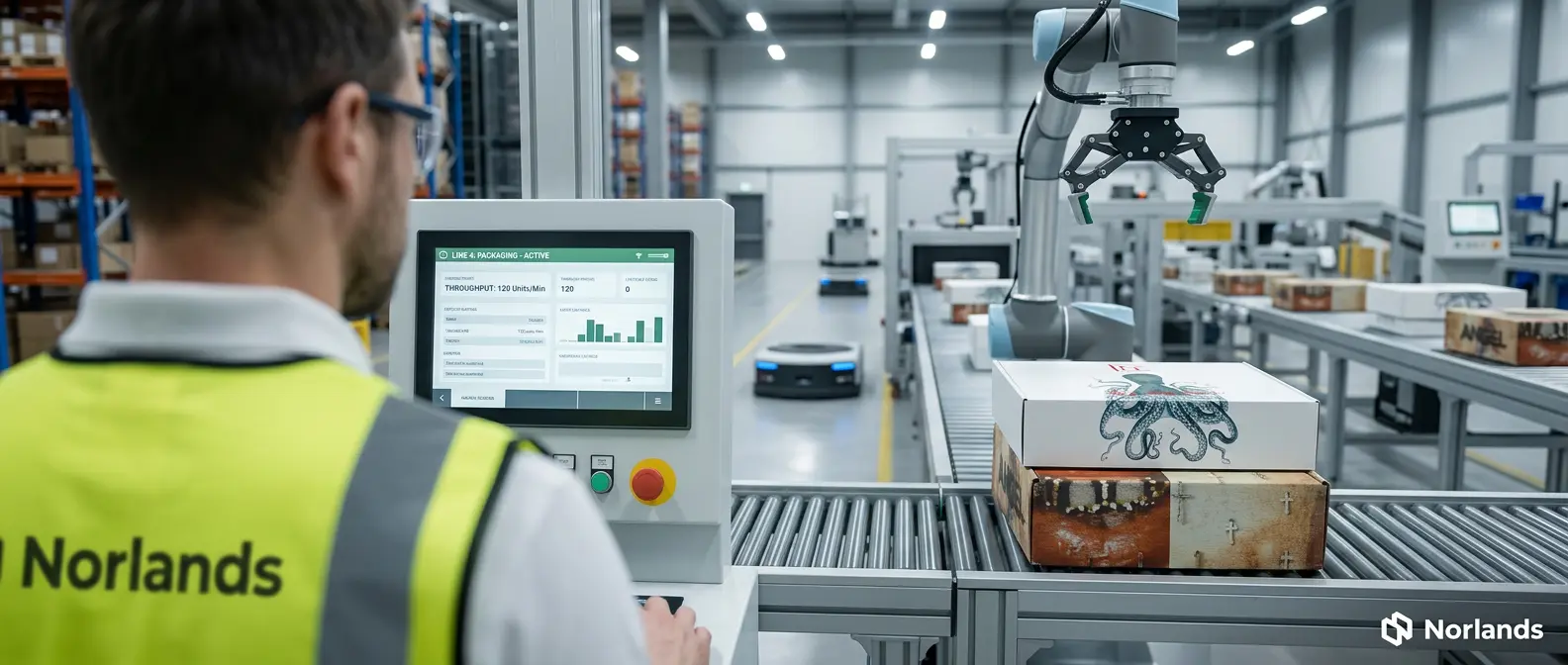
Packaging automation systems Canada integrated with smart warehouse monitoring technology
Modern automation systems provide real-time operational visibility and streamlined packaging workflows.

E-commerce is one of the fastest-growing sectors driving automation adoption. With high order volumes and tight delivery timelines, manual packaging simply cannot keep up with demand.

Companies are implementing automated packaging lines that handle tasks such as box forming, product insertion, sealing, and labeling. These systems allow fulfillment centers to process thousands of orders daily with consistent speed and accuracy.

In Canada, where e-commerce shipments often travel long distances, efficient packaging operations are essential for maintaining delivery performance and customer satisfaction.

Food and Beverage Production Lines

The food and beverage industry relies heavily on automation to maintain speed, hygiene, and consistency. Packaging processes must meet strict safety standards while handling large volumes of products.

Packaging machinery Canada solutions are used to automate filling, sealing, and labeling processes, ensuring that products are packaged quickly and safely. Automation also reduces human contact, which is critical for maintaining hygiene standards.

This industry benefits from both increased efficiency and improved compliance through automated systems.

Manufacturing and Industrial Packaging

Manufacturing operations use automation to streamline packaging at the end of production lines. Products must be packaged quickly to avoid bottlenecks that can slow down overall production.

Industrial packaging automation systems integrate with manufacturing workflows, allowing seamless transition from production to packaging. This reduces handling time and improves coordination across operations.

For industries dealing with heavy or complex products, automation also improves safety by reducing manual handling requirements.

Pharmaceutical and Regulated Industries

Pharmaceutical and healthcare sectors require high levels of precision and compliance. Packaging must meet strict regulatory standards, and errors can have serious consequences.

Automation ensures accuracy in labeling, sealing, and product handling, reducing the risk of mistakes. Advanced packaging efficiency tools also provide tracking and validation features that support compliance requirements.

In Canada, where regulatory standards are rigorous, automation helps businesses maintain consistency and meet industry expectations.

Across these industries, automation is driven by the need for efficiency, accuracy, and scalability. Companies that adopt automated systems are better equipped to handle growth, reduce costs, and maintain high performance.

As demand continues to increase, packaging automation systems Canada are becoming an essential component of modern industrial and commercial operations.

How to Transition to Packaging Automation Systems Canada

Packaging automation systems Canada deliver the best results when the transition is planned strategically. Moving from manual to automated processes is not just about purchasing machines—it requires aligning workflows, technology, and people to ensure smooth integration and long-term success.

Evaluating Current Packaging Workflows

The first step is to analyze existing operations. Businesses must identify bottlenecks, inefficiencies, and repetitive tasks that are suitable for automation.

This includes reviewing packing speed, error rates, labor usage, and throughput capacity. By understanding where limitations exist, companies can determine which areas will benefit most from automation.

A detailed assessment ensures that investments in packaging efficiency tools are targeted and effective.

RECOMMENDED FOR YOU

How Returnable Packaging Systems Canada Reduce Long-Term Costs

Quick question:

You might also like..

Selecting Packaging Machinery Canada

Choosing the right equipment is critical. Different operations require different types of packaging machinery Canada, depending on product type, volume, and packaging format.

Options may include automated box formers, filling systems, sealing machines, labeling equipment, and palletizing systems. Businesses must select machinery that aligns with their operational needs and future growth plans.

Working with experienced suppliers helps ensure that the chosen systems are compatible with existing processes and scalable over time.

Integrating Automated Packaging Lines

Automation is most effective when it is fully integrated into the production or fulfillment workflow. Automated packaging lines should connect seamlessly with upstream and downstream processes, such as manufacturing, inventory management, and shipping.

Integration reduces manual handoffs, improves coordination, and ensures a continuous flow of operations. In Canada’s complex logistics environment, this level of integration is essential for maintaining efficiency and meeting delivery timelines.

Training and Change Management

Successful automation requires proper training and change management. Employees must understand how to operate, monitor, and maintain automated systems.

Rather than replacing workers, automation often shifts roles toward supervision, quality control, and system optimization. Providing training and clear communication helps teams adapt to new processes and ensures smooth implementation.

Managing this transition effectively minimizes disruption and maximizes the benefits of automation.

Ultimately, transitioning to automation is a strategic investment in long-term efficiency and scalability. Businesses that take a structured approach are better positioned to improve performance, reduce costs, and support growth.

As companies continue to modernize their operations, adopting packaging automation systems Canada becomes a key step toward achieving operational excellence.

Industrial packaging automation systems Canada operating in high-volume production facilities
Automation infrastructure supports scalable packaging production for modern distribution environments.

Strategic Benefits of Packaging Automation Systems

Packaging automation systems Canada provide powerful advantages that extend across cost, performance, and scalability. Businesses that implement automation are not just improving speed—they are building more resilient and efficient operations.

Improving Packaging Efficiency Tools and Throughput

Automation significantly increases throughput by allowing packaging processes to run continuously at high speed. Advanced packaging efficiency tools monitor performance in real time, helping businesses identify inefficiencies and optimize workflows.

This leads to faster order processing, reduced downtime, and more predictable output—key factors for maintaining competitive performance.

Reducing Operational Bottlenecks

Manual packaging processes often create bottlenecks that limit overall production capacity. Automation removes these constraints by streamlining repetitive tasks and ensuring consistent flow across operations.

With industrial packaging automation, businesses can eliminate delays, reduce handling time, and improve coordination between different stages of the supply chain.

This results in smoother operations and better alignment with production and fulfillment demands.

Enhancing Scalability and Growth

One of the most important benefits of automation is scalability. As demand increases, automated systems can handle higher volumes without requiring proportional increases in labor.

This allows businesses to grow efficiently while maintaining performance and cost control. In Canada’s dynamic market, where demand can fluctuate, scalability provides a significant advantage.

Automation also supports long-term growth by enabling businesses to adapt quickly to changing conditions and new opportunities.

Frequently Asked Questions About Packaging Automation Systems Canada

What are packaging automation systems Canada?

Packaging automation systems Canada are advanced technologies designed to automate packaging tasks such as box forming, filling, sealing, labeling, sorting, and palletizing with minimal manual involvement. Instead of relying heavily on labor-intensive workflows, businesses use packaging automation systems Canada to create faster, more consistent, and scalable packaging operations.

These systems may include:

  • Automated packaging lines
  • Conveyor systems
  • Robotic palletizers
  • Automated labeling equipment
  • Integrated packaging machinery

The primary objective of packaging automation systems Canada is to improve efficiency, reduce operational variability, and support long-term scalability in high-demand supply chain environments.

As Canadian businesses face increasing pressure to process higher volumes while controlling costs, packaging automation systems Canada are becoming a foundational component of modern logistics and manufacturing operations.

How do automated packaging lines improve efficiency?

One of the biggest advantages of packaging automation systems Canada is their ability to improve operational efficiency across multiple areas simultaneously.

Automated packaging lines improve performance by:

  • Increasing processing speed
  • Reducing manual handling
  • Maintaining consistent output quality
  • Minimizing operational bottlenecks

Unlike manual packaging, packaging automation systems Canada operate with high precision and repeatability. Machines can perform repetitive tasks continuously without fatigue, helping businesses maintain stable throughput even during peak demand periods.

Additionally, packaging automation systems Canada reduce variability between shifts and operators, leading to more predictable performance and improved quality control.

For high-volume operations in Canada—where labor shortages and logistics complexity are common—these efficiency gains can significantly improve competitiveness and operational stability.

What industries benefit most from packaging automation systems Canada?

Packaging automation systems Canada are widely adopted across industries where speed, consistency, and scalability are essential.

Industries benefiting most from packaging automation systems Canada include:

  • E-commerce fulfillment
  • Manufacturing and industrial production
  • Food and beverage processing
  • Pharmaceutical and healthcare operations
  • Retail distribution networks

In e-commerce environments, packaging automation systems Canada help businesses process large order volumes quickly while maintaining delivery accuracy.

In manufacturing, packaging automation systems Canada integrate directly with production lines to reduce delays and improve workflow continuity.

Food and pharmaceutical industries also rely heavily on packaging automation systems Canada because automation supports hygiene standards, labeling accuracy, and regulatory compliance.

As supply chains continue to grow more complex, packaging automation systems Canada are becoming critical across virtually all high-volume industries.

How much can automation reduce labor costs?

Packaging automation systems Canada can significantly reduce labor-related expenses by automating repetitive and physically demanding tasks. However, the exact level of savings depends on operational scale, packaging complexity, and the type of automation implemented.

Businesses using packaging automation systems Canada often reduce costs associated with:

  • Manual packing labor
  • Training and onboarding
  • Overtime and staffing fluctuations
  • Operational inefficiencies caused by human error

Importantly, packaging automation systems Canada do not simply eliminate jobs—they often shift labor toward higher-value functions such as:

  • System monitoring
  • Quality control
  • Maintenance and optimization
  • Workflow management

In Canada’s current labor environment—where staffing shortages and rising wages are major operational challenges—packaging automation systems Canada provide businesses with a more sustainable and scalable operational model.

How can businesses transition to automated packaging?

Successfully implementing packaging automation systems Canada requires a structured and strategic transition process. Automation is most effective when it aligns with operational workflows rather than functioning as a disconnected add-on.

Businesses adopting packaging automation systems Canada typically begin by:

  • Evaluating current packaging workflows
  • Identifying bottlenecks and repetitive tasks
  • Selecting automation-ready packaging formats
  • Choosing machinery compatible with future growth

The next step involves integrating packaging automation systems Canada into broader operational systems such as:

  • Manufacturing lines
  • Warehouse management systems (WMS)
  • Transportation management systems (TMS)

Employee training is also critical. Teams must understand how to operate, monitor, and maintain automated systems effectively.

When implemented strategically, packaging automation systems Canada create long-term operational improvements rather than short-term process changes.

Why Packaging Design Matters in Packaging Automation Systems Canada

Packaging automation systems Canada deliver the strongest results when packaging itself is engineered for automation compatibility. Even advanced automated systems can lose efficiency if packaging formats are inconsistent, unstable, or difficult for machines to handle.

Automation-ready packaging typically focuses on:

  • Consistent dimensions
  • Structural stability
  • Reliable material performance
  • Efficient machine handling

Poorly optimized packaging can create:

  • Jams and downtime on automated lines
  • Increased error rates
  • Slower processing speeds
  • Higher maintenance requirements

This is why businesses implementing packaging automation systems Canada often redesign packaging formats alongside machinery upgrades.

RSC boxes, die cut packaging, and standardized corrugated formats are commonly optimized for packaging automation systems Canada because they improve machine compatibility and operational consistency.

By aligning packaging structure with automation requirements, businesses maximize throughput while reducing operational disruptions.

Long-Term Strategic Value of Packaging Automation Systems Canada

Beyond speed and labor reduction, packaging automation systems Canada provide long-term strategic advantages that strengthen overall operational performance.

Businesses investing in packaging automation systems Canada gain:

  • Better scalability during growth
  • Improved packaging consistency
  • Greater supply chain reliability
  • Lower long-term operational costs
  • Enhanced production efficiency

Packaging automation systems Canada also support data-driven optimization. Modern automated systems collect operational data that businesses can use to refine workflows, monitor performance, and continuously improve efficiency.

As Canadian logistics and manufacturing environments continue evolving, packaging automation systems Canada are becoming essential for companies seeking sustainable growth and operational resilience.

Ultimately, businesses that adopt packaging automation systems Canada position themselves to operate faster, smarter, and more competitively in increasingly demanding markets.

Norlands provides automation-ready packaging solutions, including precision-designed RSC boxes and die cut formats that integrate seamlessly with automated packaging lines. These structures are engineered for consistent dimensions, fast handling, and reliable performance across high-volume operations.

If you're investing in automation—or planning to scale—your packaging must be part of the system, not a limitation.

Explore packaging solutions built for automated performance and scalable operations.

Packaging automation systems Canada integrated with conveyor and robotic handling solutions
Integrated conveyor systems reduce manual handling and improve packaging throughput efficiency.

Conclusion: Automating Packaging for Competitive Advantage

Packaging automation systems Canada have become a cornerstone of modern operations, enabling businesses to scale efficiently, reduce costs, and maintain consistent performance. As supply chains become more complex and customer expectations continue to rise, automation is no longer optional—it is a strategic necessity.

By integrating automated packaging lines, advanced machinery, and data-driven tools, companies can transform their packaging processes into highly efficient systems. These improvements not only enhance productivity but also reduce errors and improve overall quality.

In Canada, where labor challenges and logistics complexity add additional pressure, automation provides a practical solution for maintaining operational excellence. Businesses that invest in automation are better equipped to handle growth, improve efficiency, and remain competitive.

Ultimately, packaging is a critical part of the production and delivery process. Companies that embrace packaging automation systems Canada gain the ability to operate faster, smarter, and more efficiently—creating a strong foundation for long-term success.

No comment

Leave a Reply

Your email address will not be published. Required fields are marked *